Lake Lugano, Italy & Switzerland
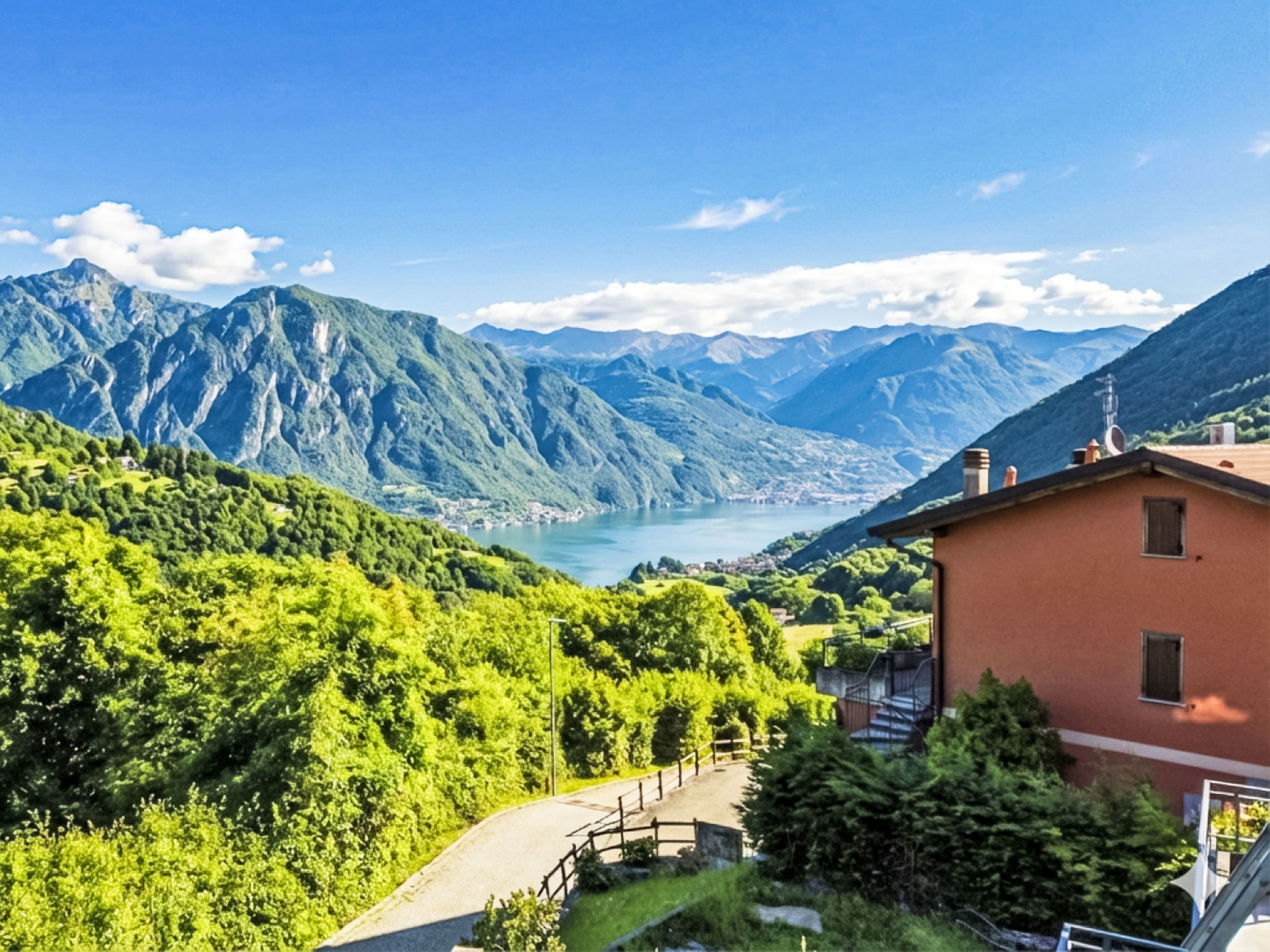
Lake Lugano sits wedged between Switzerland and Italy, smaller and quieter than Lake Como or Lake Maggiore. Parts of the lake belong to both countries, and the dynamics feel distinctly Swiss on one shore and Italian on the other. Campione d'Italia is a peculiar Italian enclave entirely surrounded by Swiss territory, creating odd legal complexity that's part of the lake's identity. The water is deep and cold, mountain scenery is dramatic, and hiking and water sports are the main draws. The Italian side is less developed than the Swiss, with fewer restaurants and villas, which appeals to travellers seeking genuine retreat. It's isolated enough to require planning; you can't just roll in casually. Infrastructure is functional but minimal. Summer brings a handful of local visitors; shoulder seasons and winter are nearly empty.
What Makes Lake Lugano Special
- The lake itself. Deep, narrow, and surrounded by mountains that plunge steeply. The landscape feels Alpine, not Mediterranean.
- Campione d'Italia: an Italian village enclosed within Switzerland. Strange, specific, and you won't find it elsewhere. Border ambiguities lend an odd atmosphere.
- Swiss efficiency paired with Italian food. On the Swiss side, trains run on time and systems work. Cross the border, food becomes informal and generous.
- Quiet. This isn't a resort region. Lake Como fills with tourists; Lake Lugano empties in autumn and stays sparse. Privacy and silence are the commodity.
Top Towns & Resorts in Lake Lugano
Campione d'Italia
The lake's singular oddity. This Italian village of 1,500 people sits entirely within Swiss territory, with a complicated history dating to medieval times. The borders are unmarked; you walk from Switzerland into Italy without knowing precisely where. Campione has its own currency (technically the Euro, but Swiss francs used locally too), licensing system, and postal codes. There are villas to rent, restaurants serving Italian food, and a small gambling casino. It feels like stepping between worlds. The access point from Switzerland requires crossing Swiss border controls (nominally). From the Italian side of the lake, access is convoluted. It's worth visiting for the absurdity, but don't expect a typical resort experience.
Lugano (Swiss side)
The main town and the lake's heart sits entirely in Switzerland. It has full infrastructure: restaurants, shops, transport. Swiss efficiency pervades everything. The town sits on the lakeshore with a promenade and beach. In summer it's busy with Swiss and Italian tourists; in winter it quiets considerably but doesn't empty. Coming from the Italian side, Lugano is a conspicuous shift toward formality and service. Prices jump noticeably. If you want reliable dining and full facilities, stay on the Swiss side. If you want isolation and Italian atmosphere, stay on the Italian side and day-trip here.
Morcote (Swiss side)
A smaller village on the Swiss side, south of Lugano. It's architecturally lovely, with whitewashed houses on a hillside, a church, and a reasonable waterfront. It offers quieter lodging than Lugano town. Still Swiss-organised and efficient, but with fewer crowds and more village character. Restaurants and services exist but are fewer. Good base for exploring both shores of the lake while maintaining Swiss infrastructure and food quality.
Italian side (Porlezza, Oria, Valsolda)
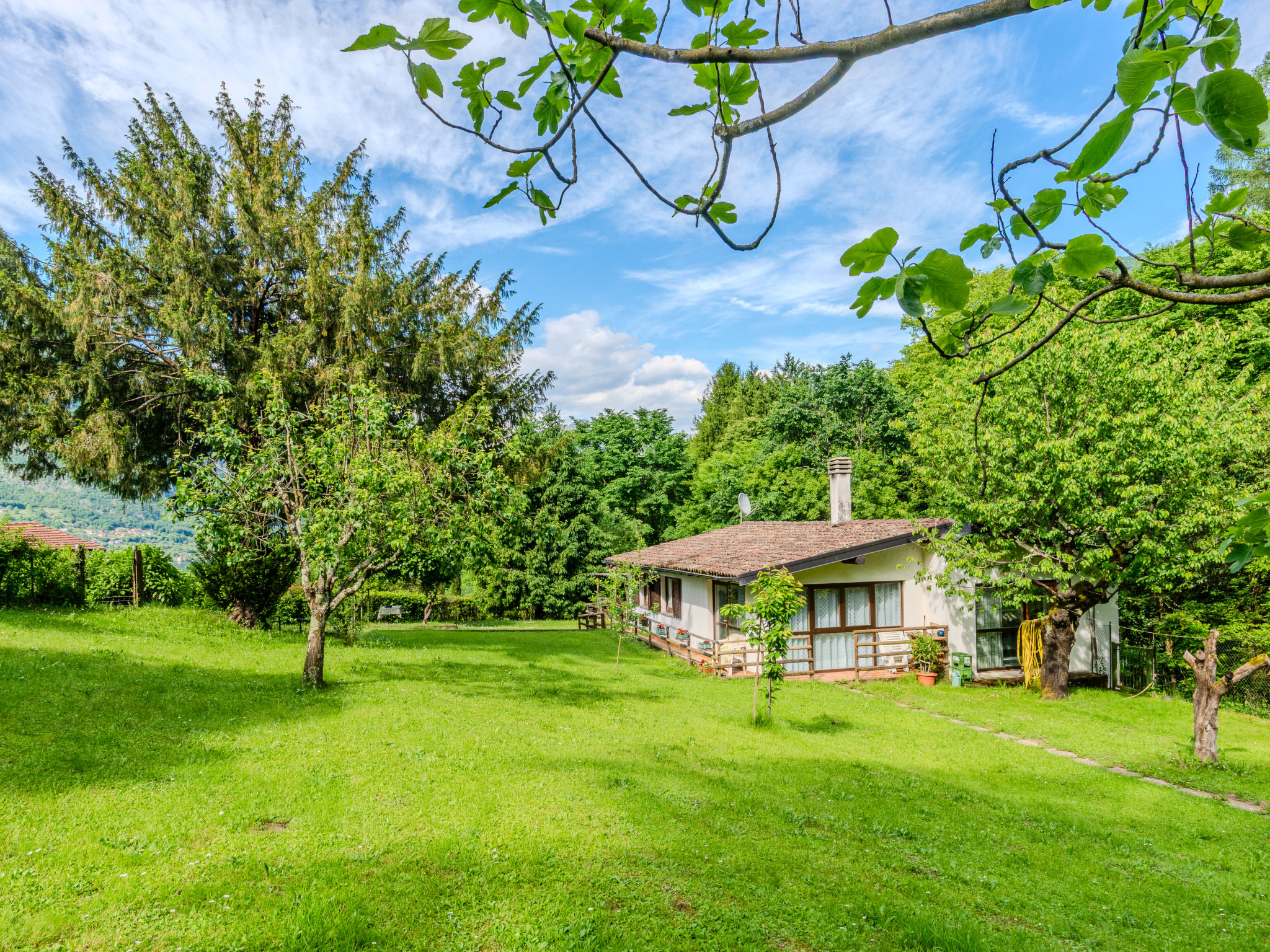
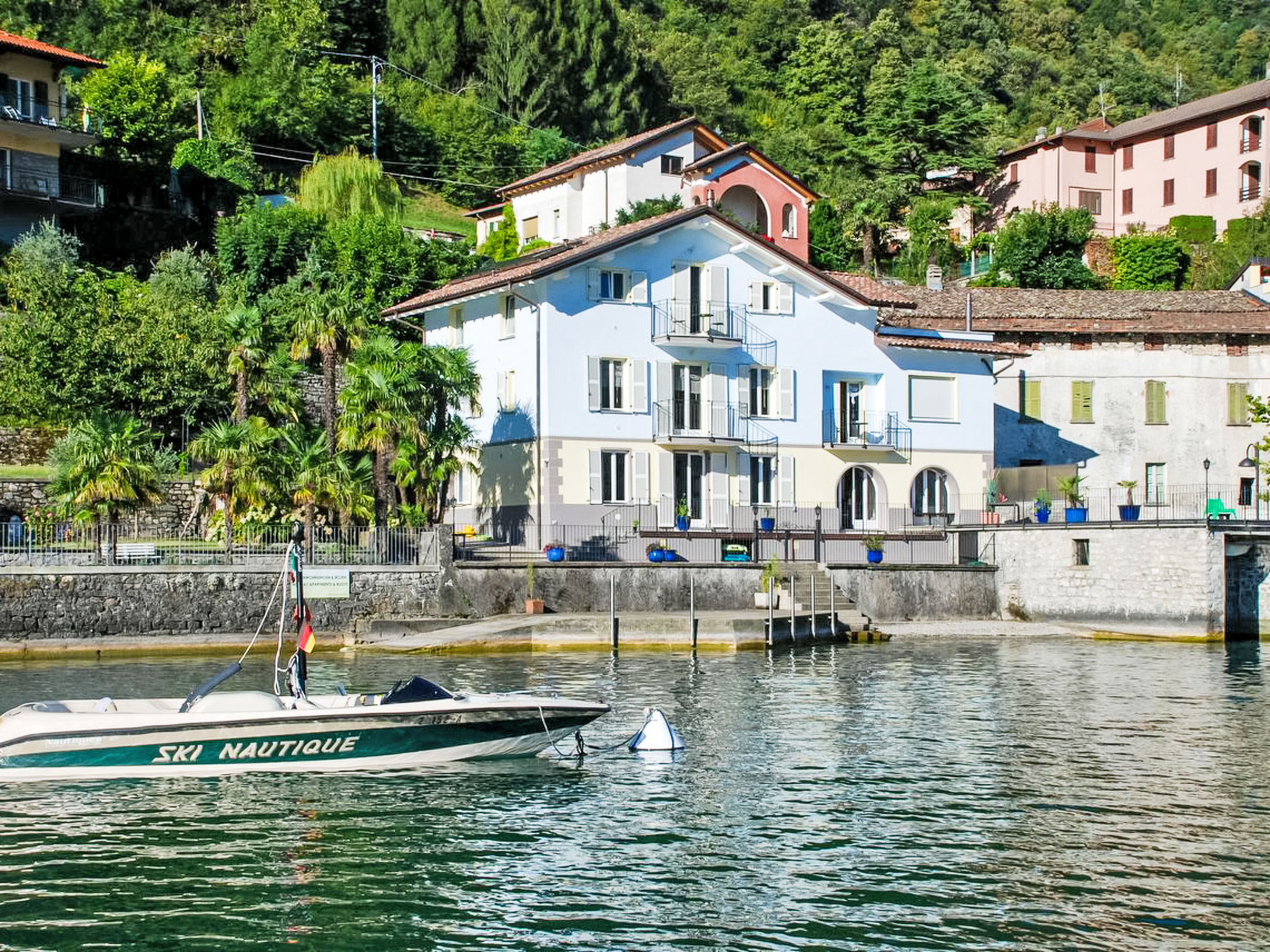
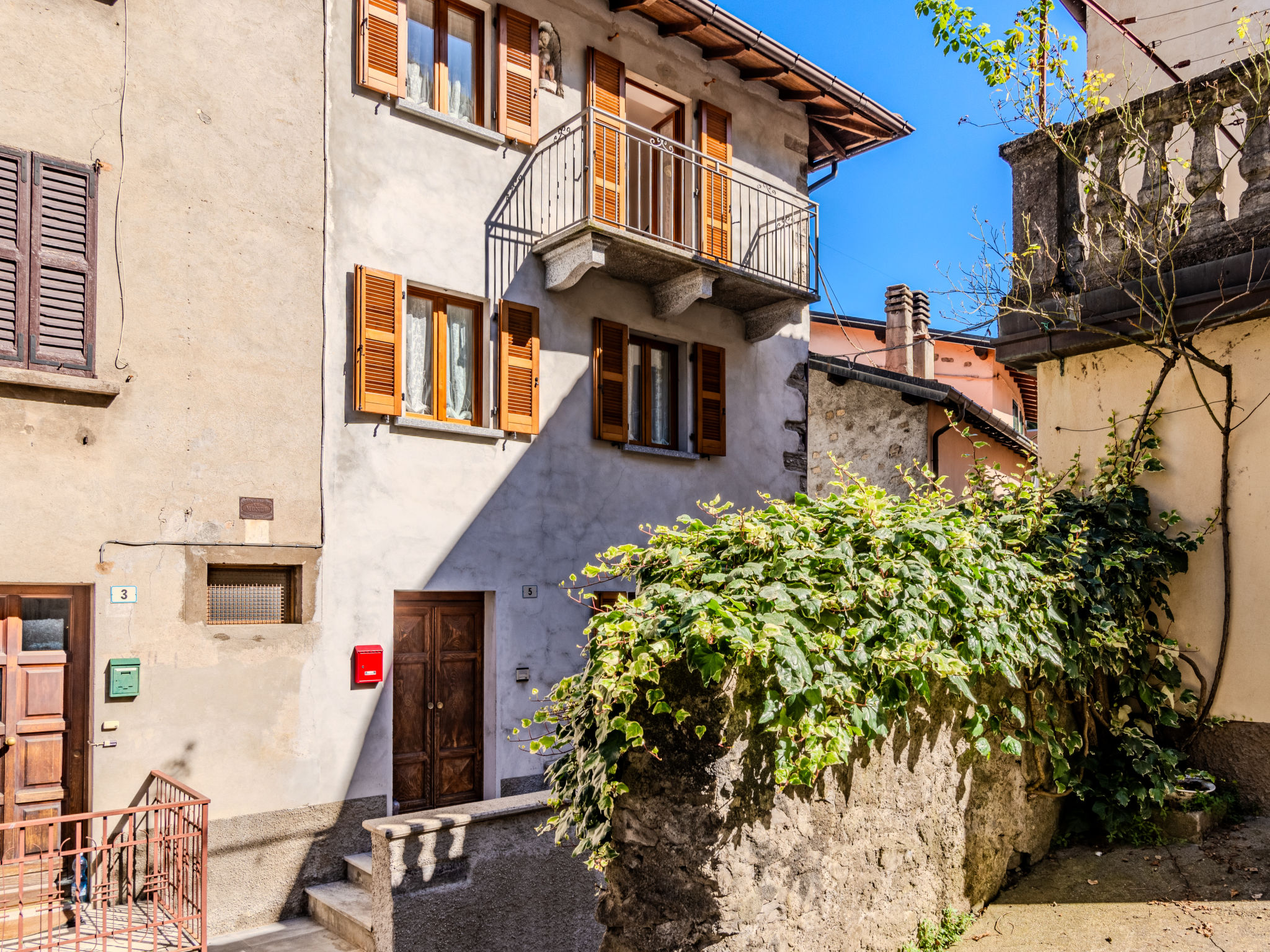
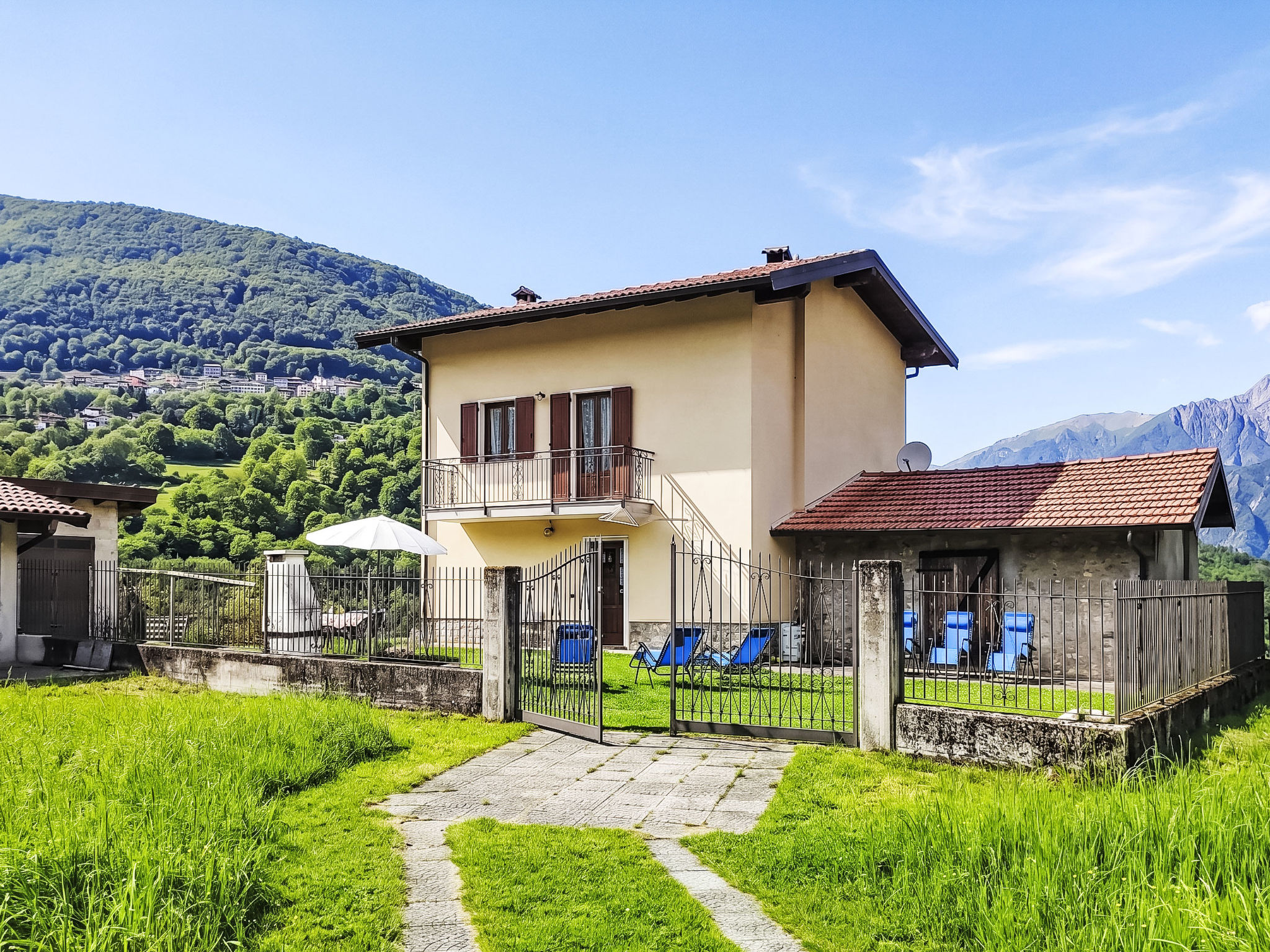
The Italian shore is far less developed. Small villages like Porlezza, Oria, and Valsolda offer modest villas, quieter lodging, and Italian restaurants. Facilities are basic. Roads are winding and narrow. But this is where you find solitude. The Italian side feels like nowhere tourists have thought to go, which is precisely why it appeals. Come here for hiking, water sports from a quiet base, and evening strolls through villages where tourism hasn't shaped the agenda. Expect minimal English, minimal catering, maximal authenticity.