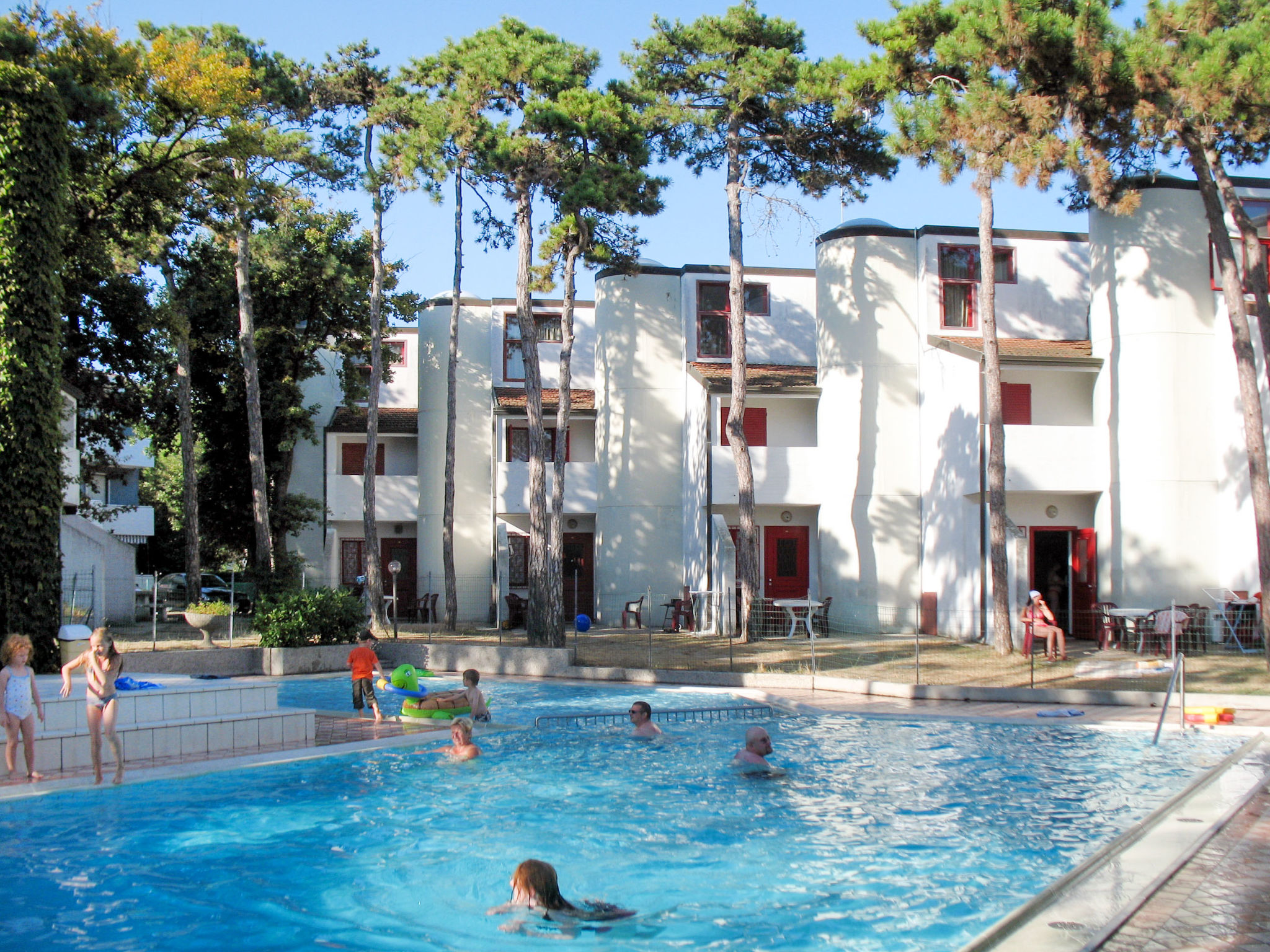
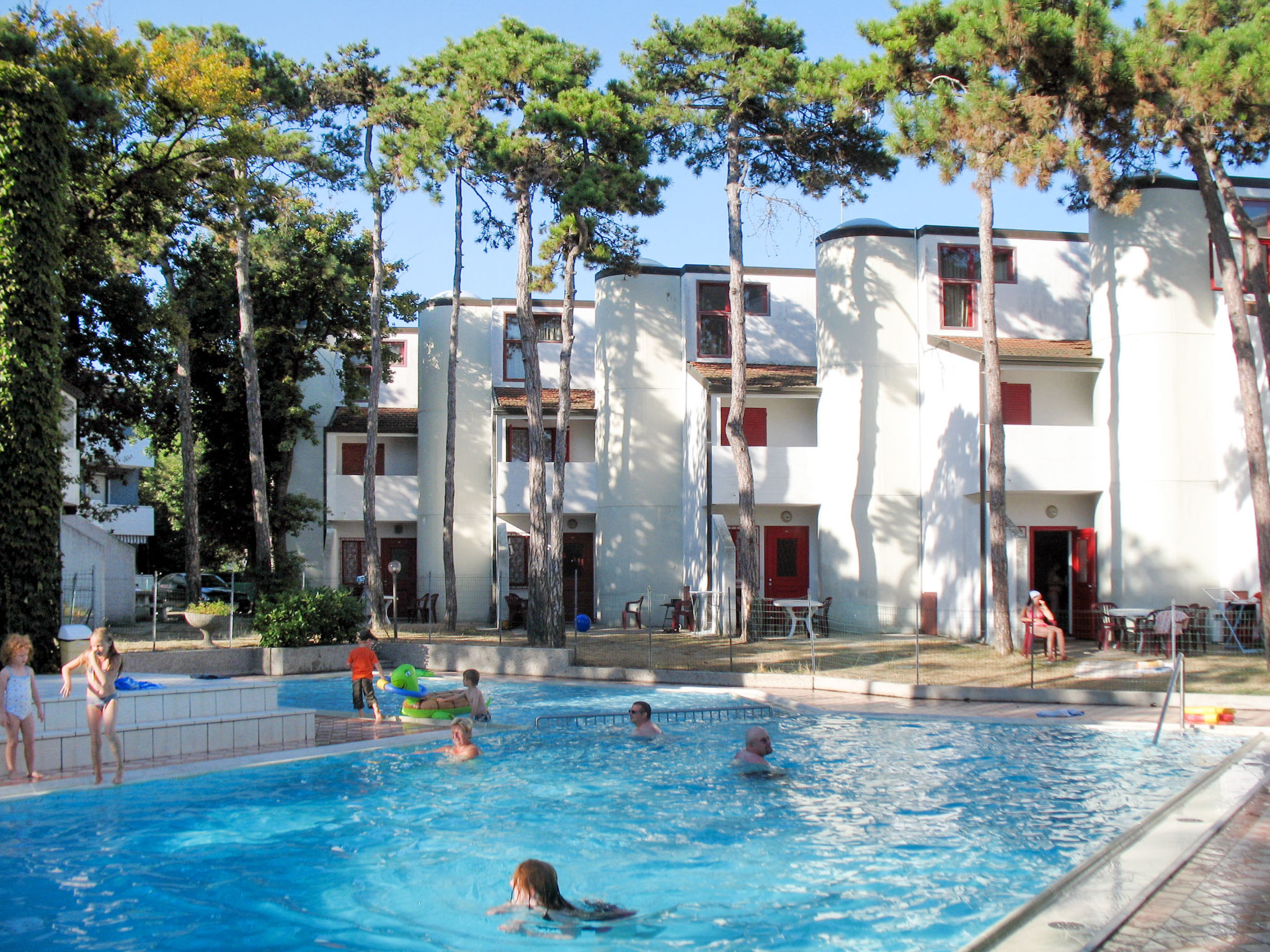
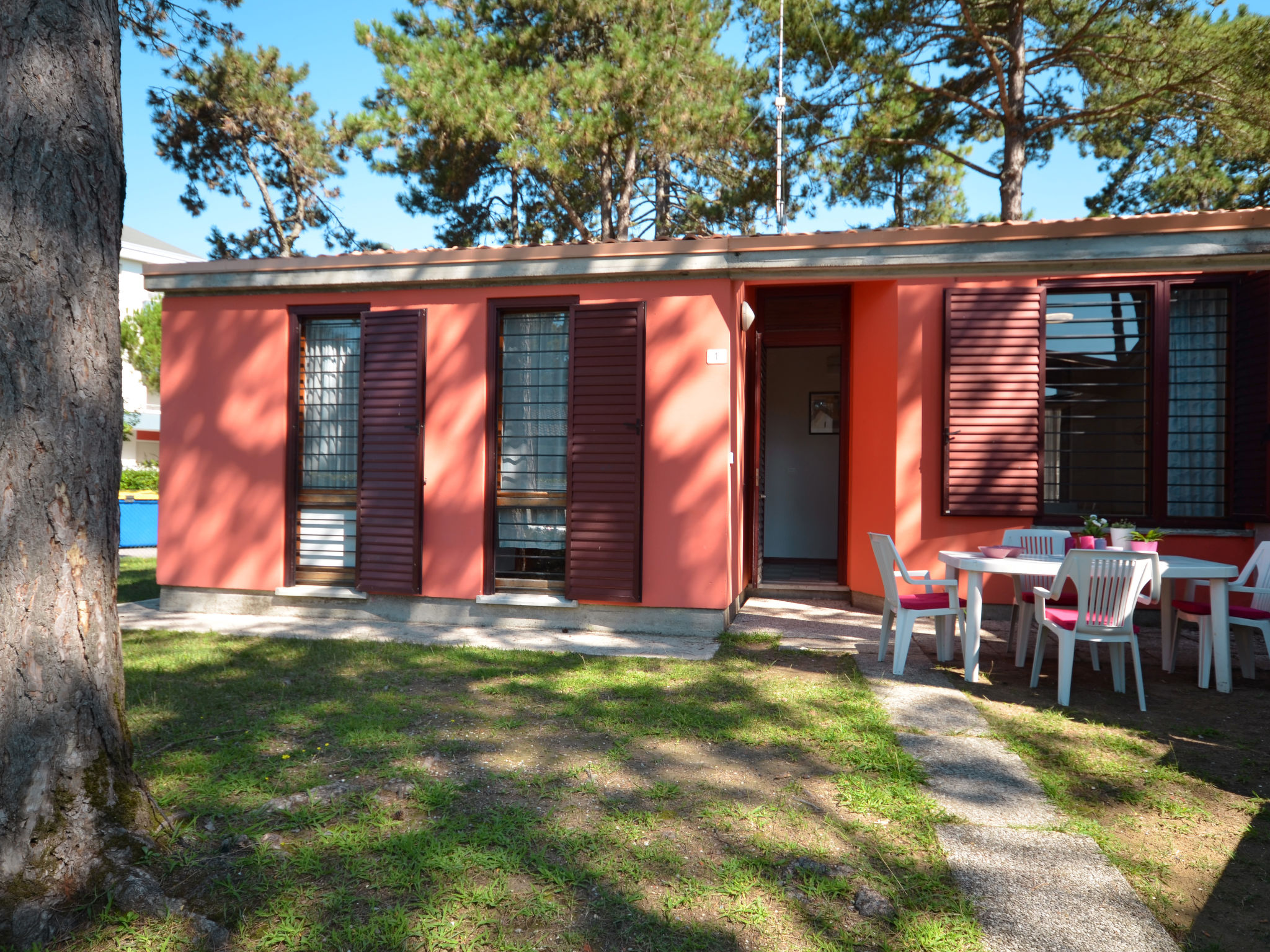
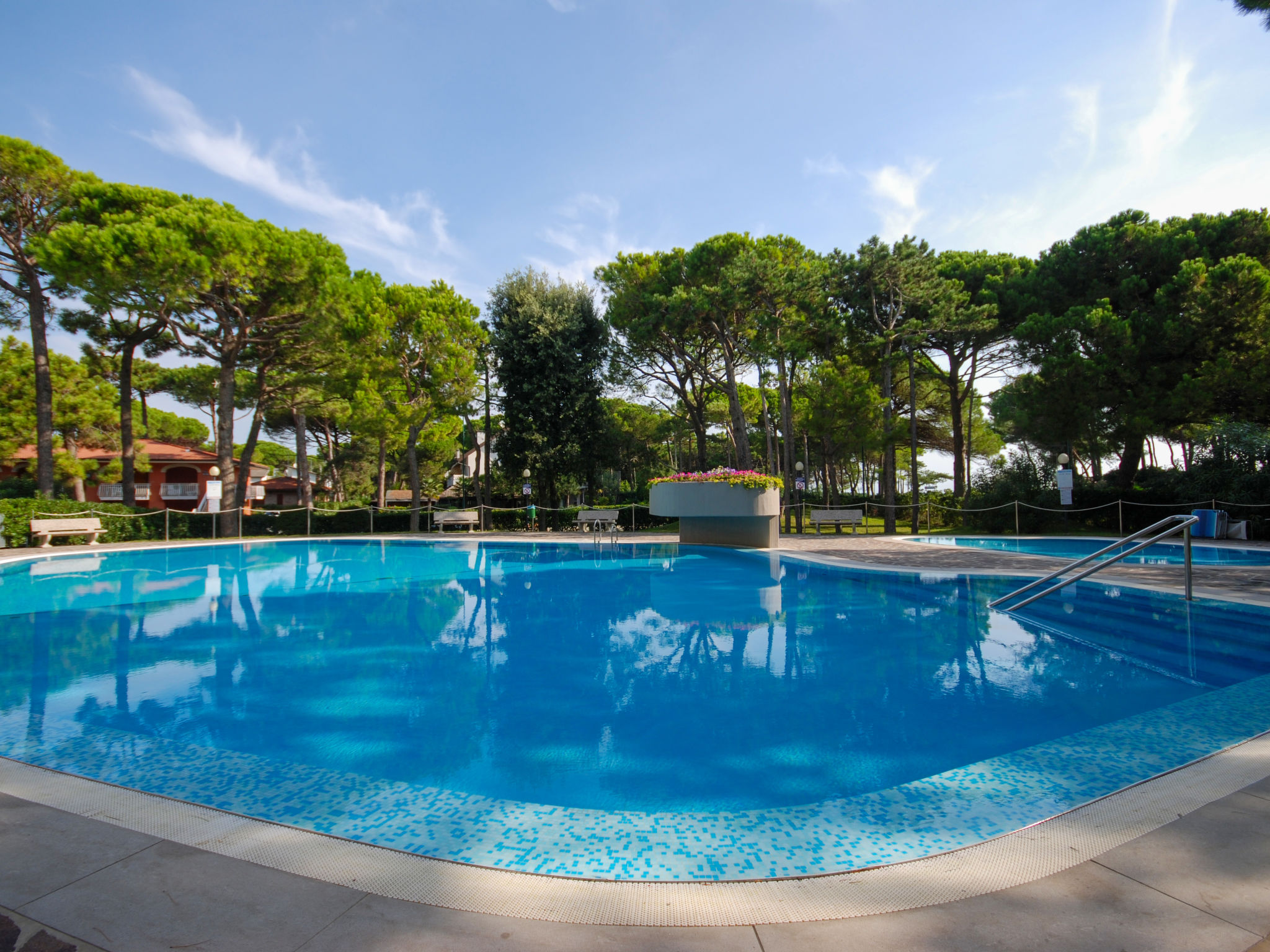
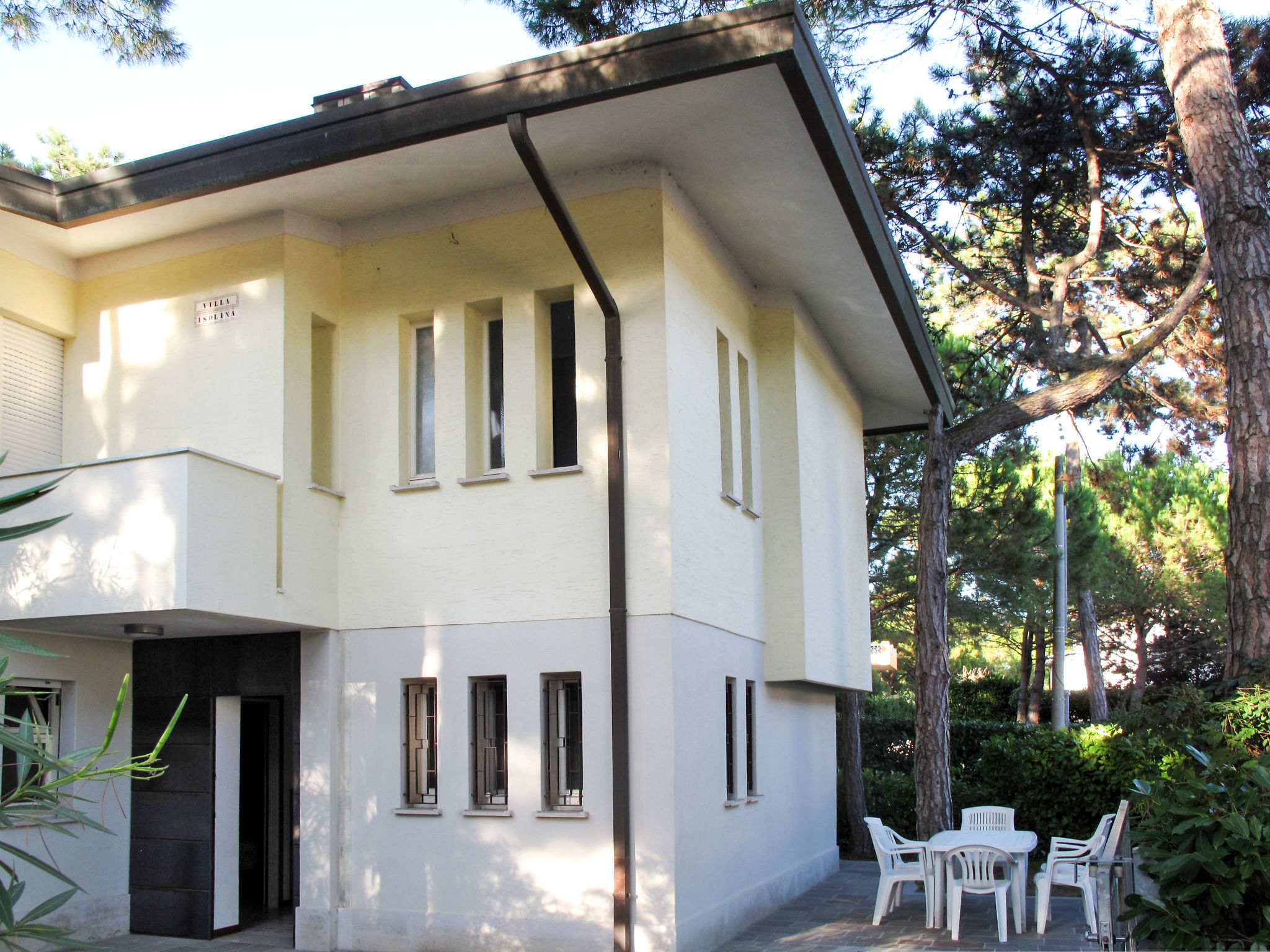
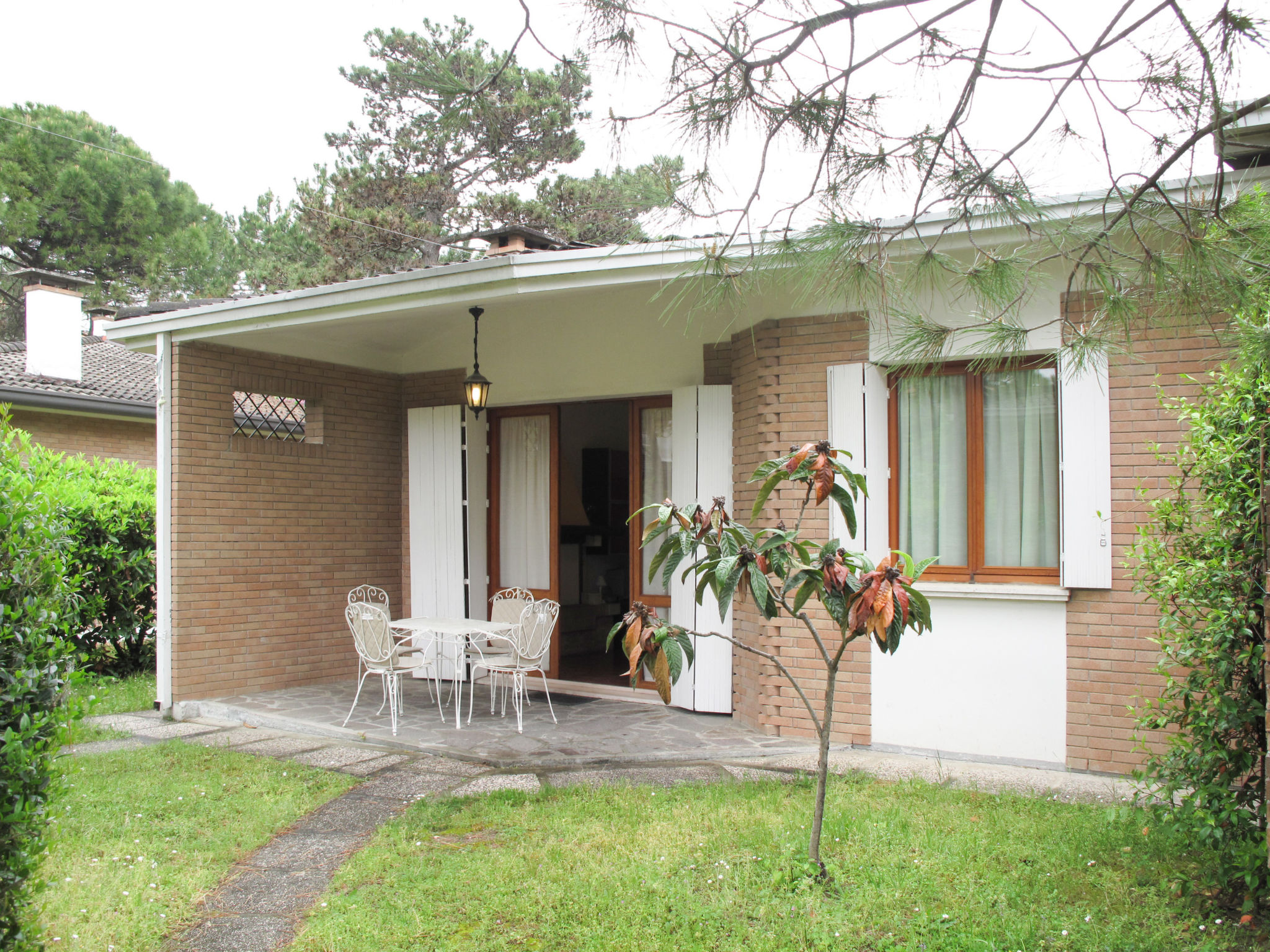
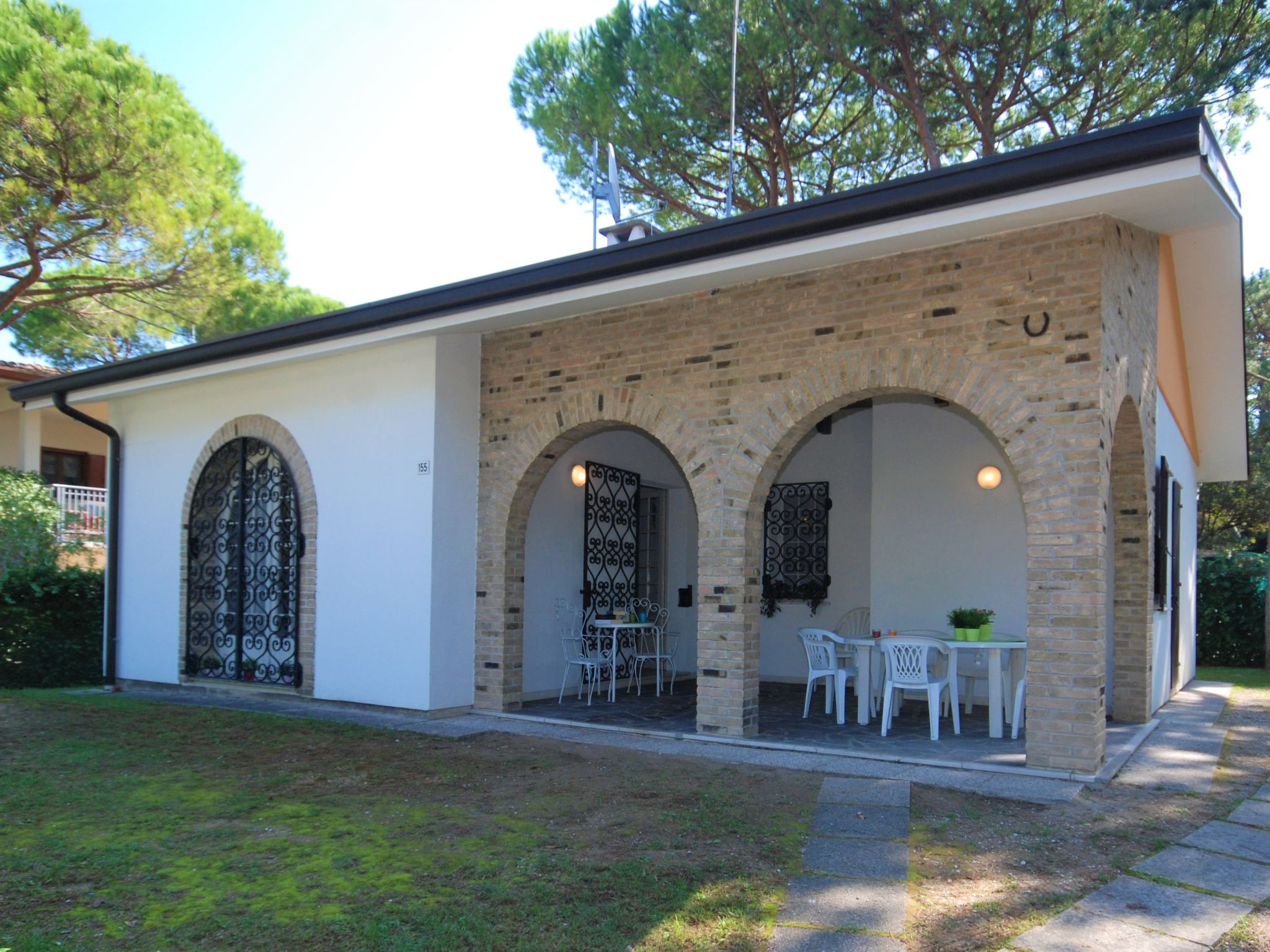
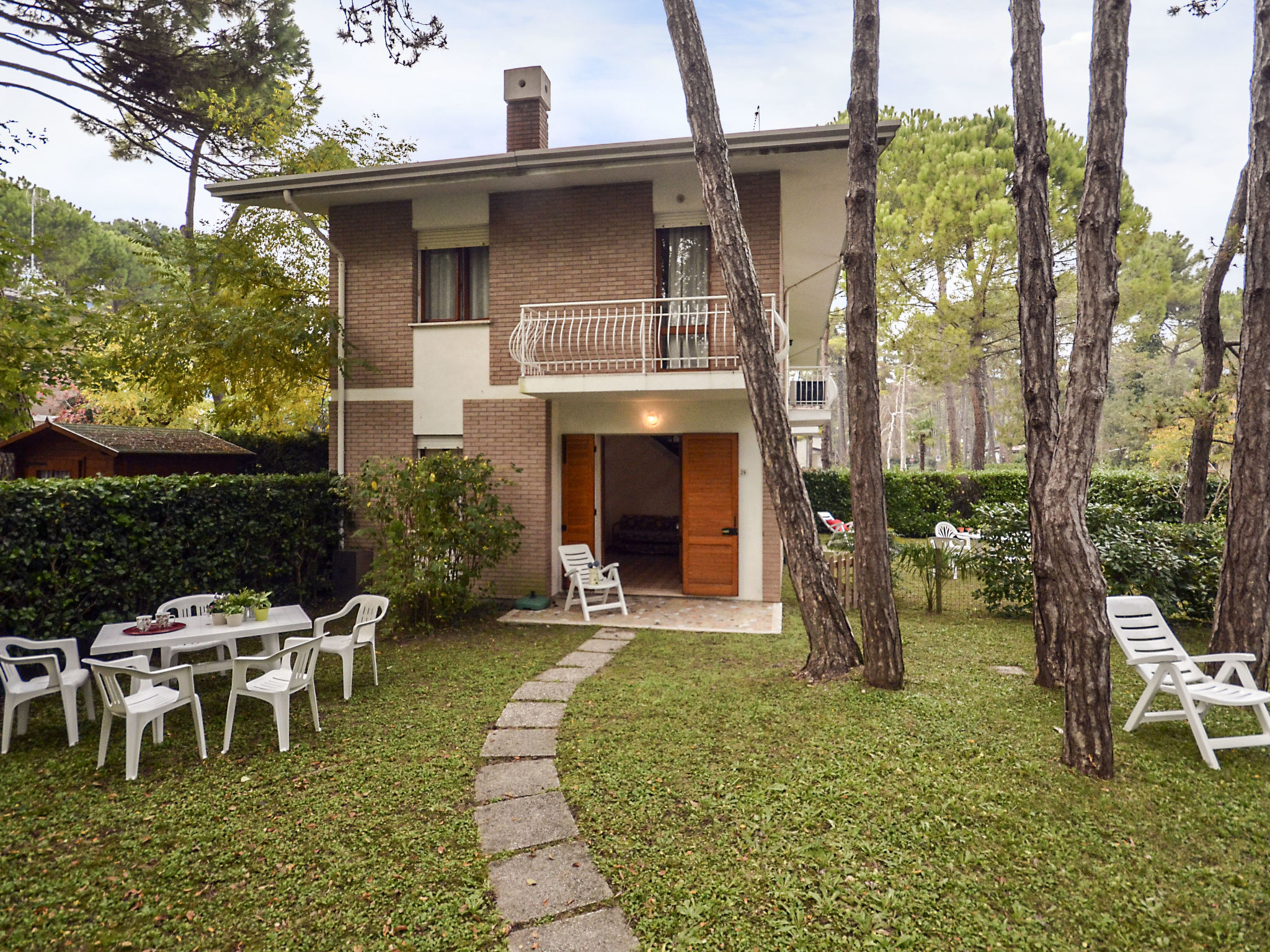
Lignano Pineta and Lignano Riviera
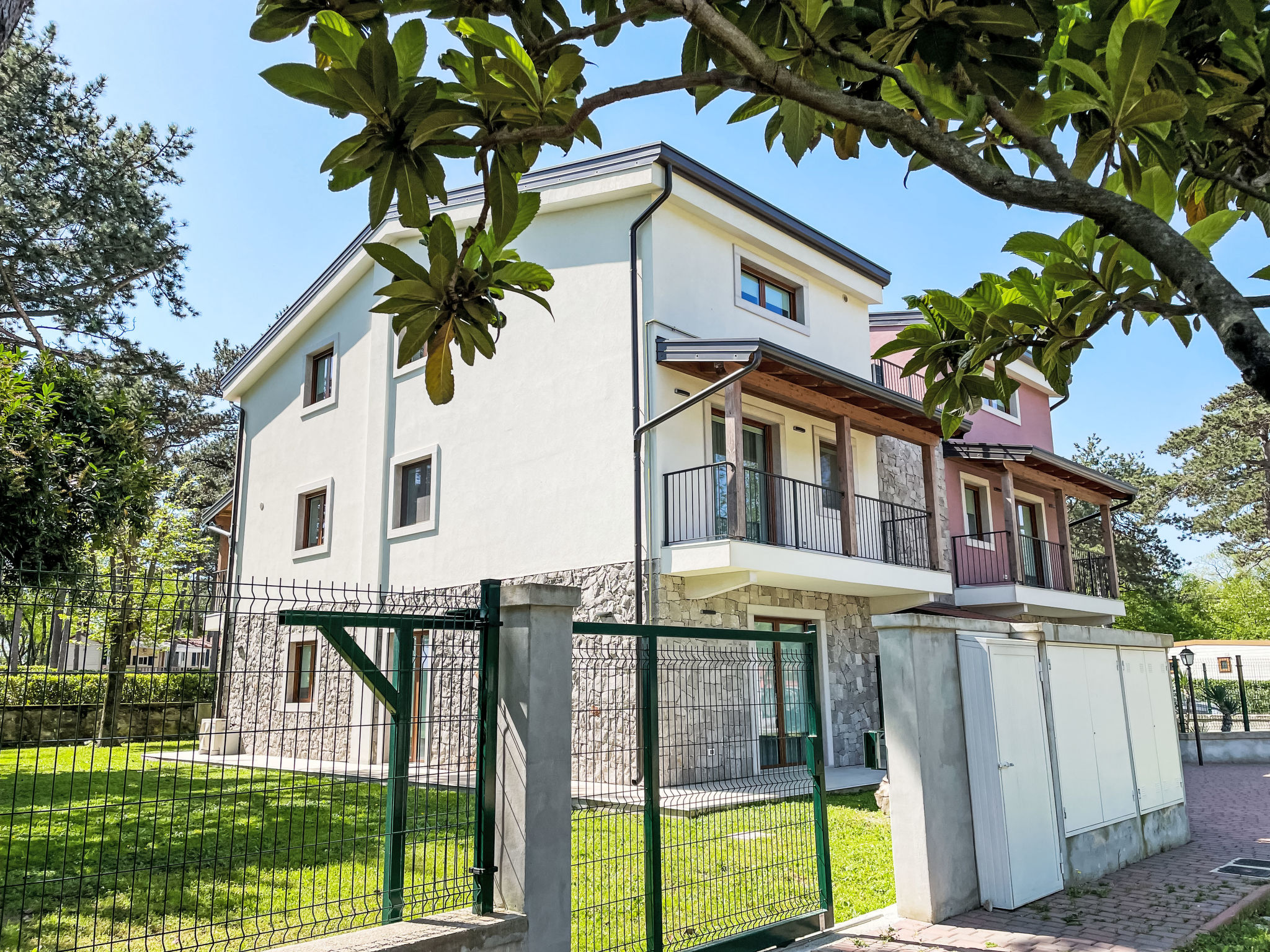
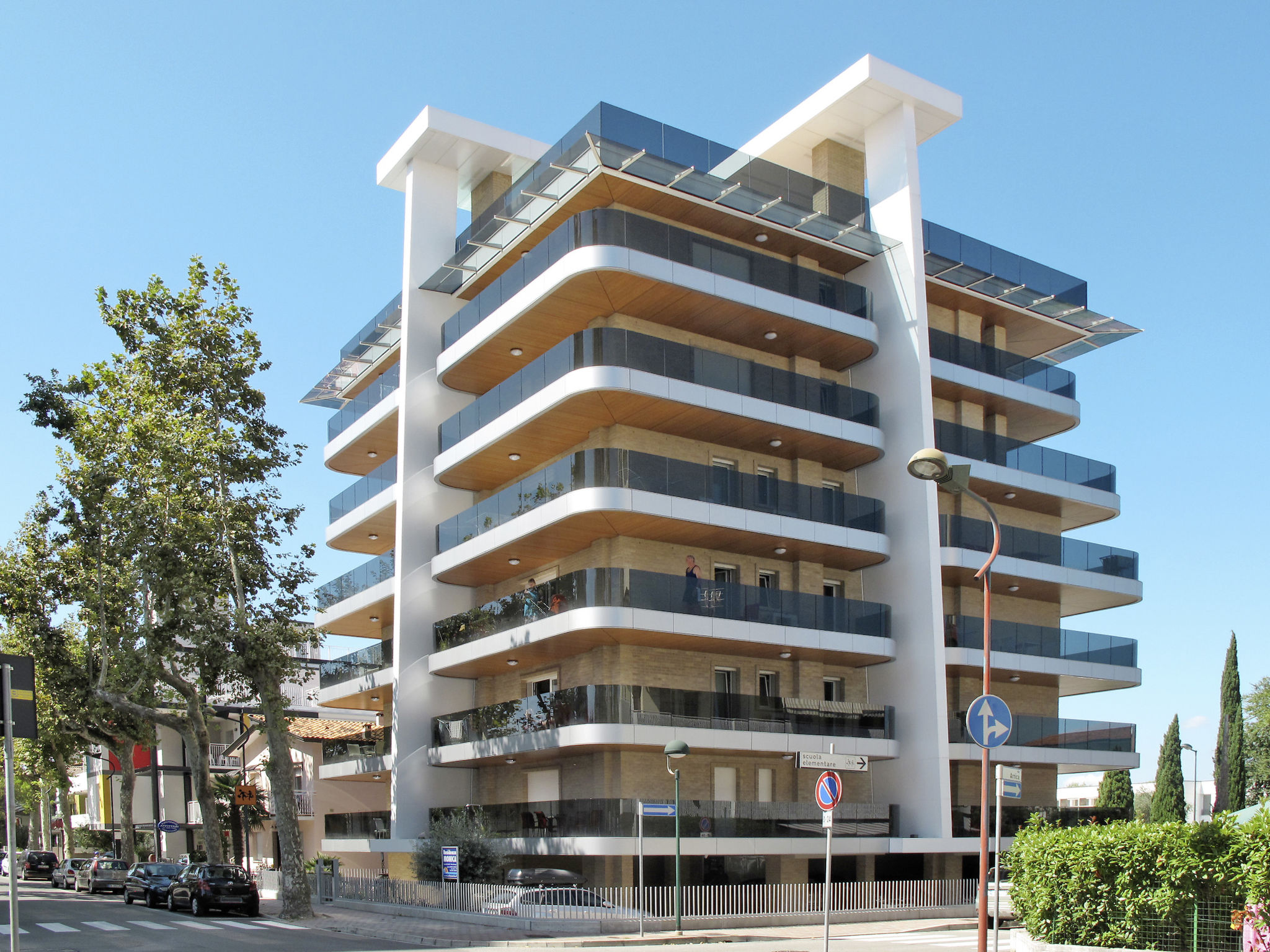
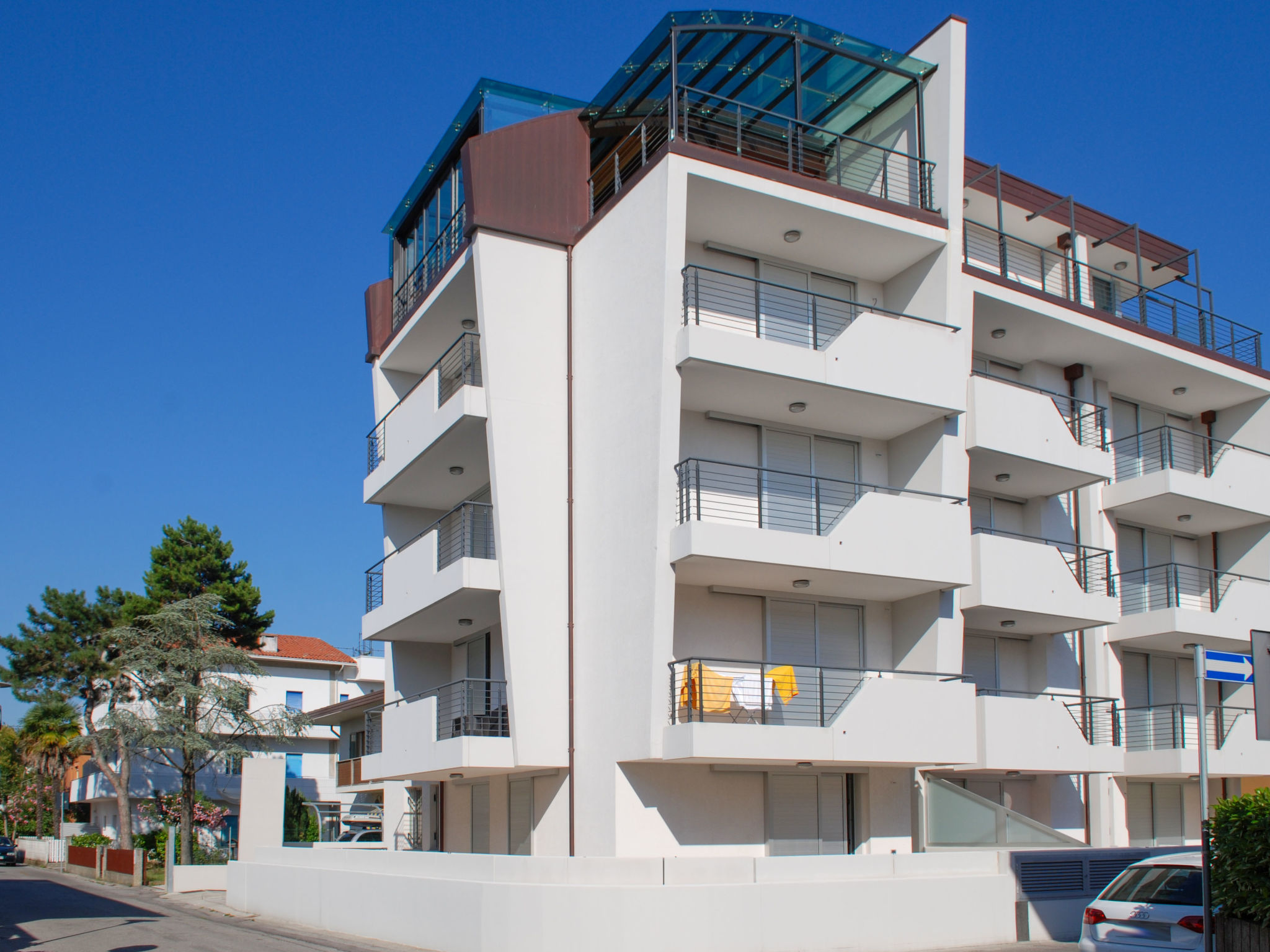
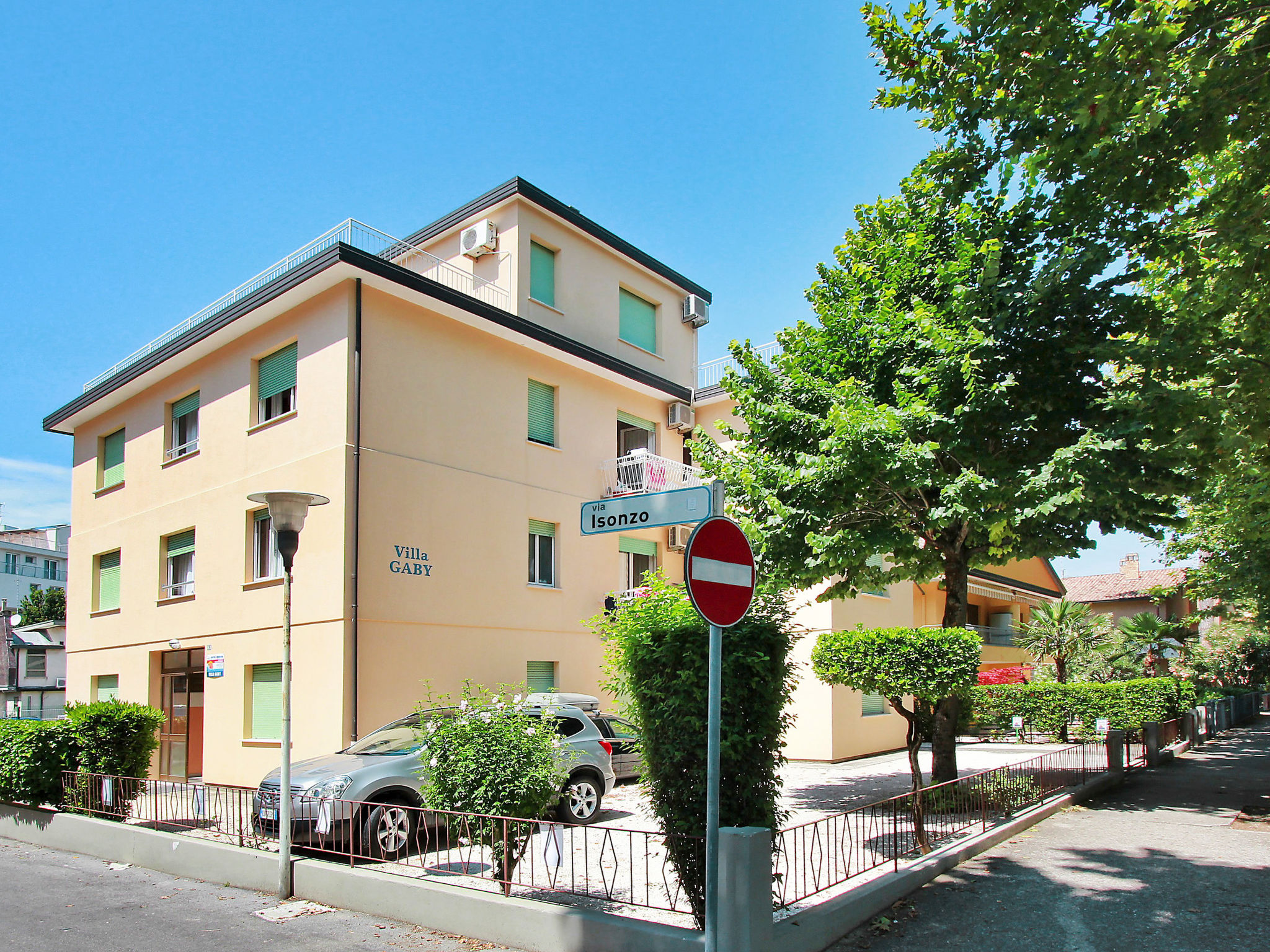
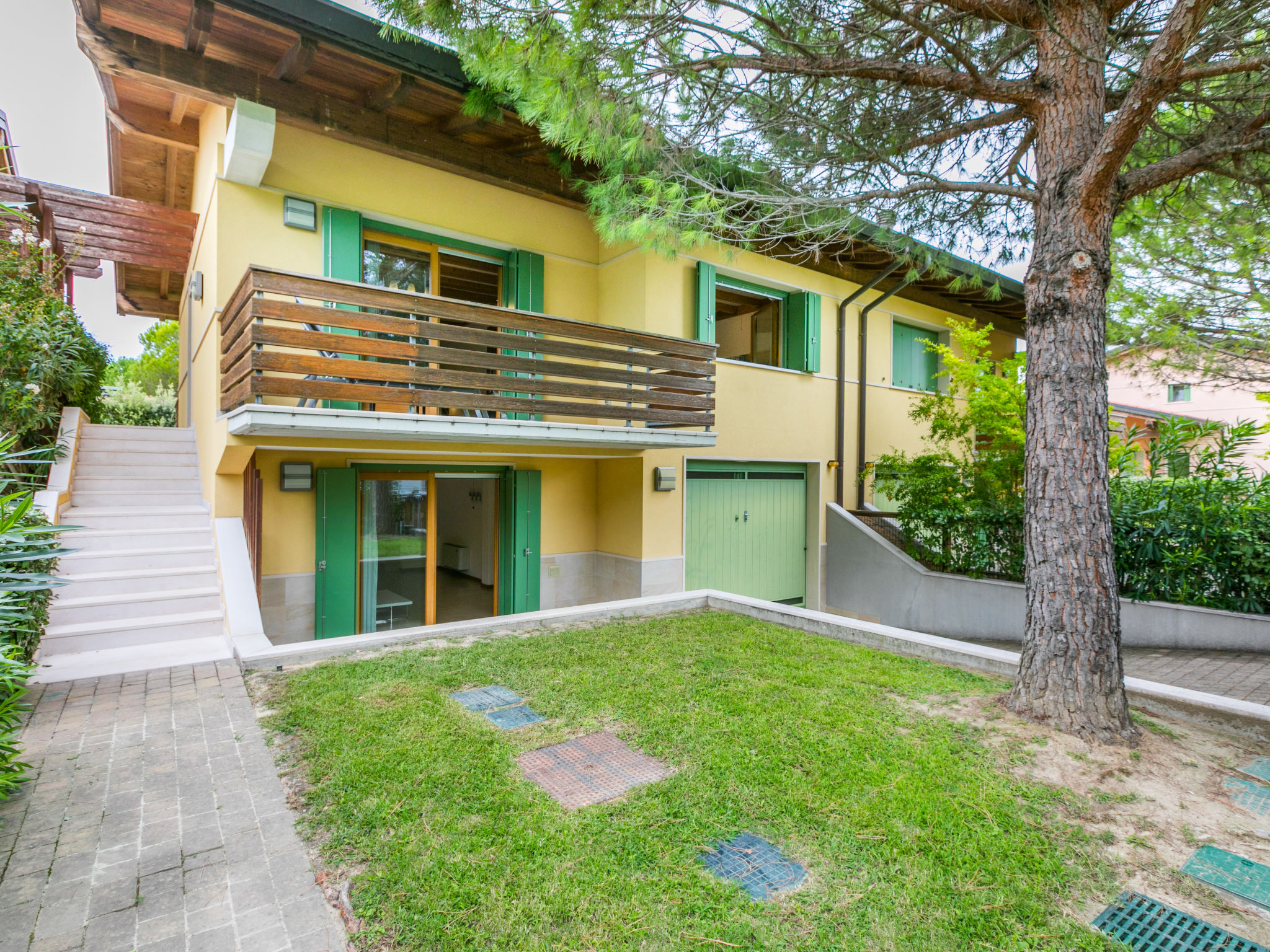
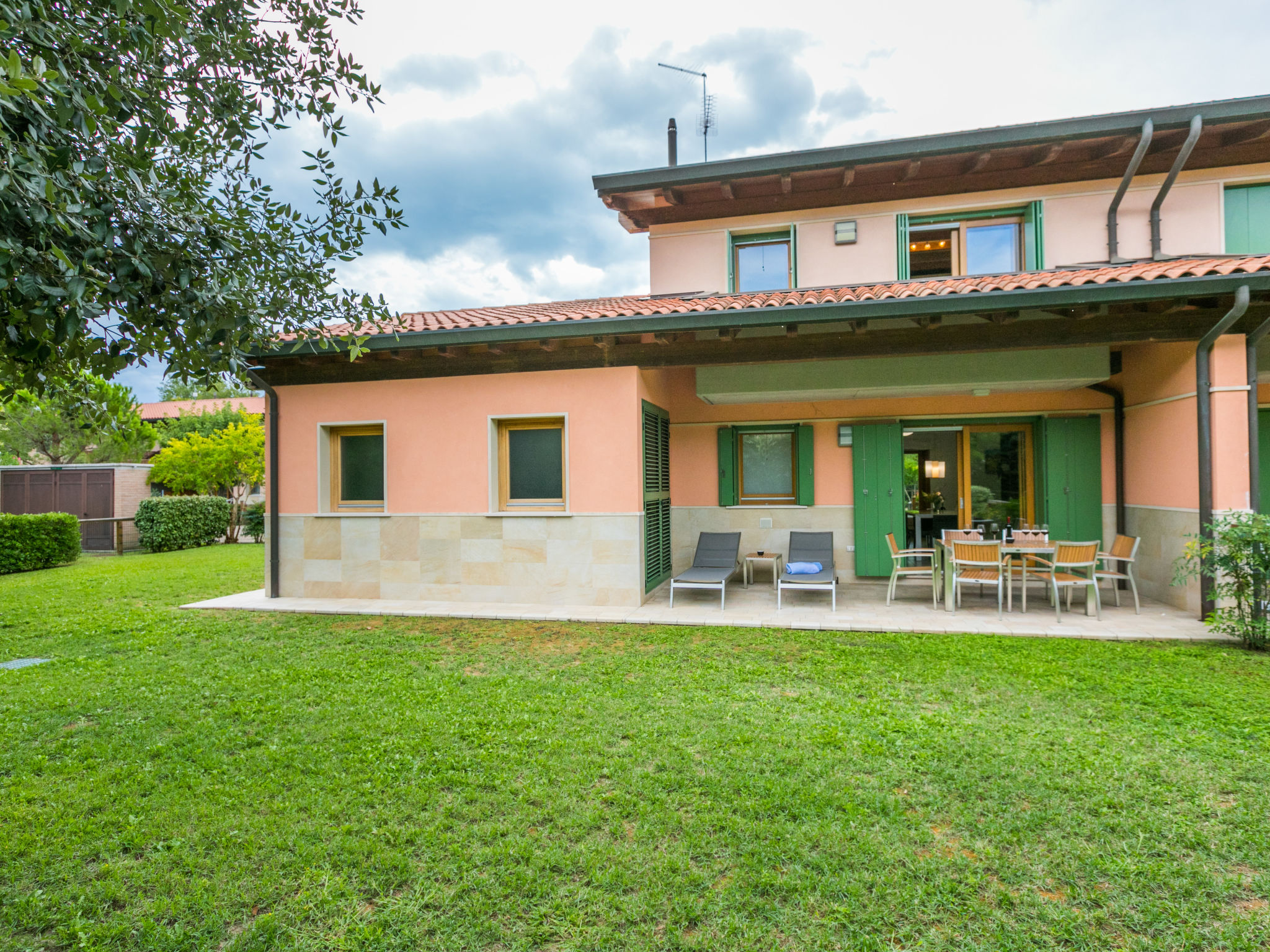
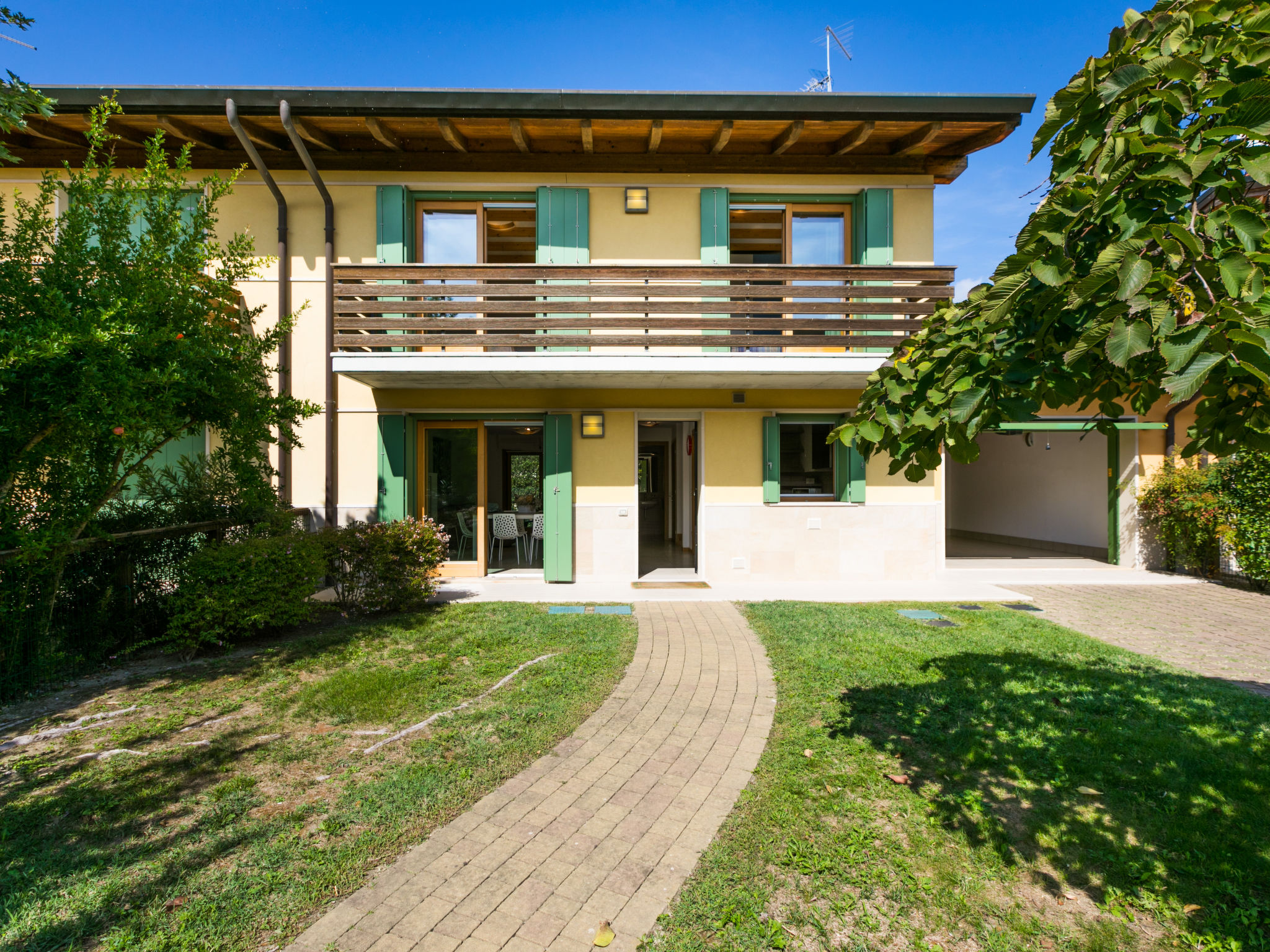
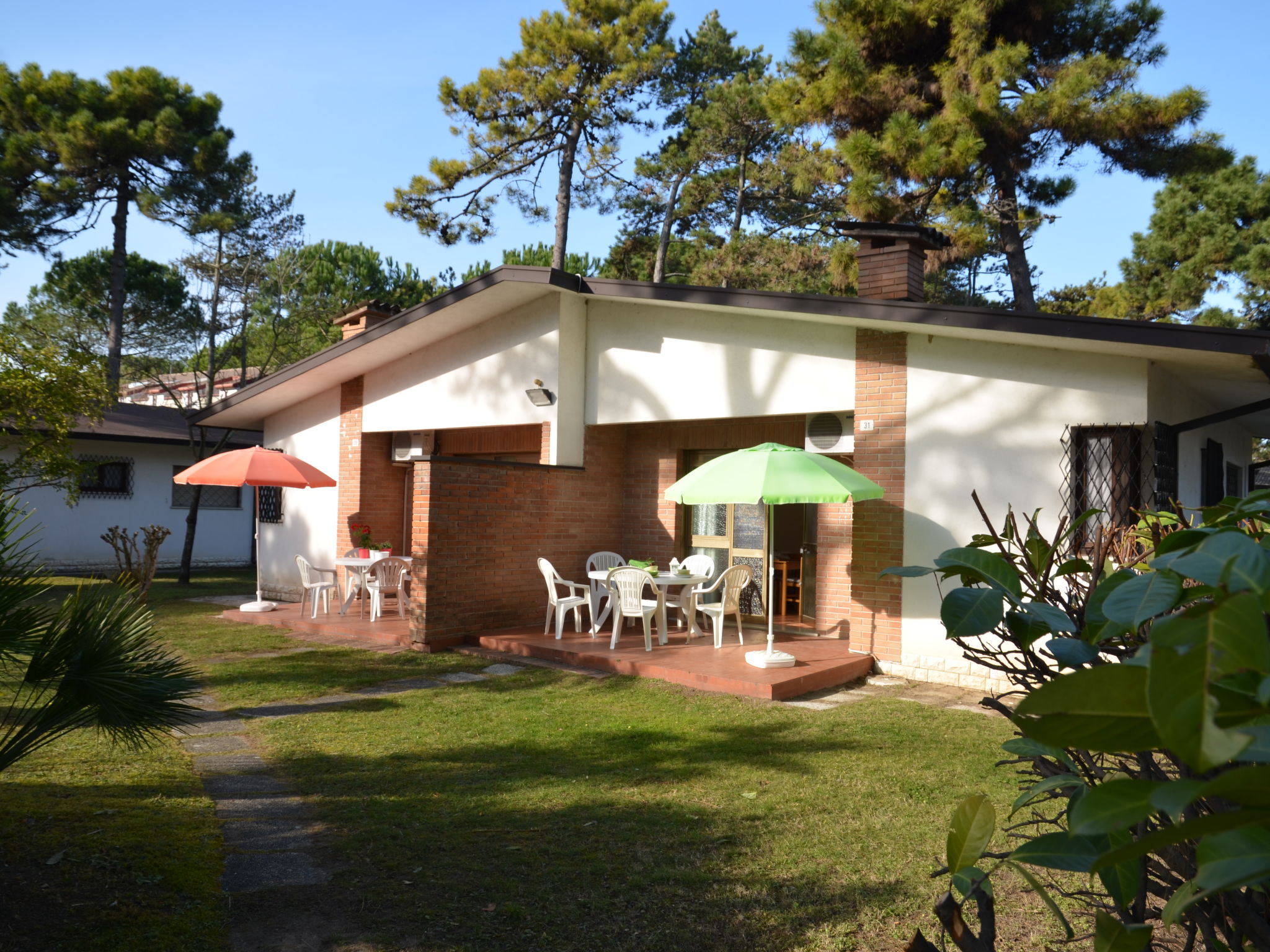
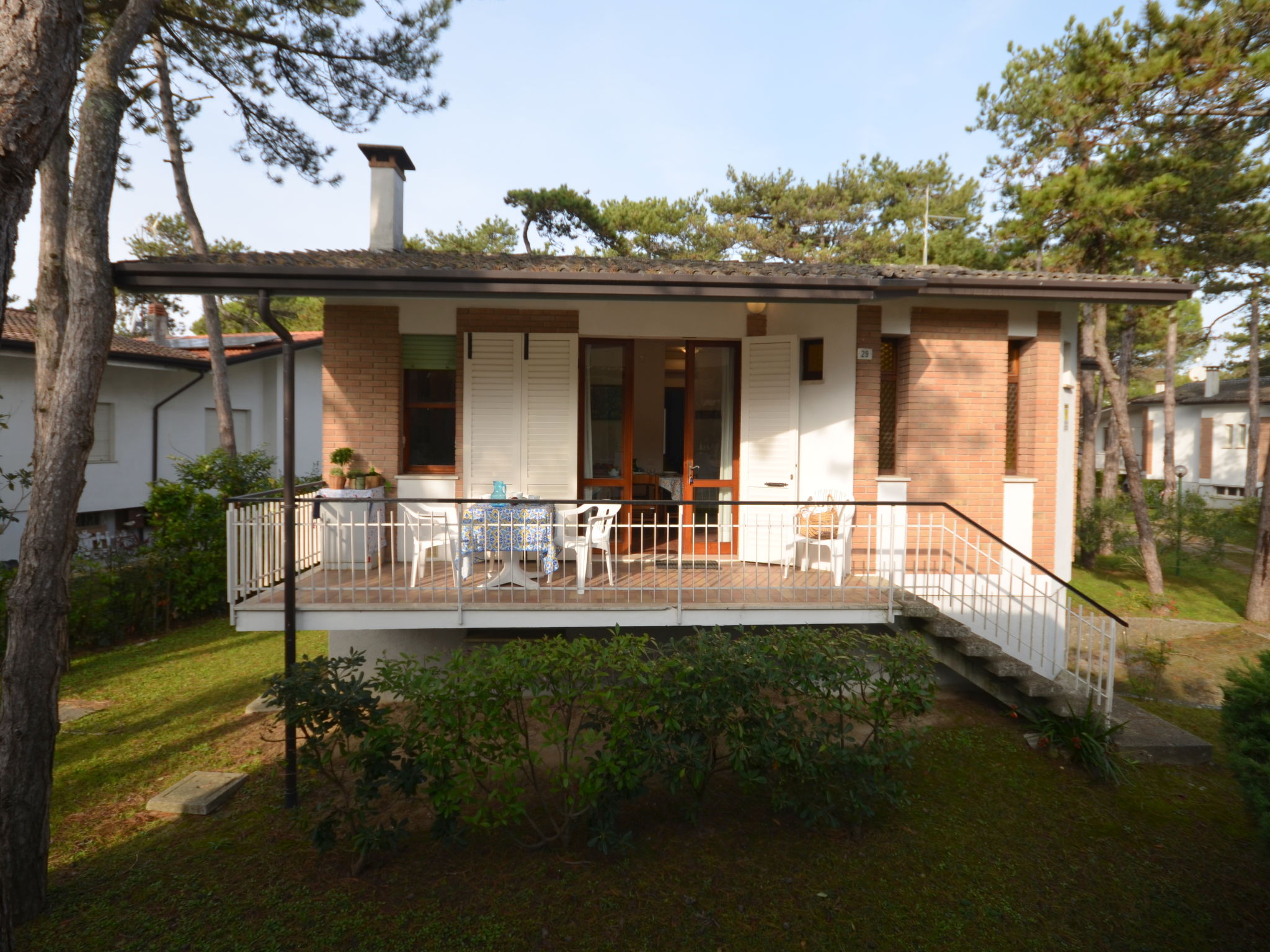
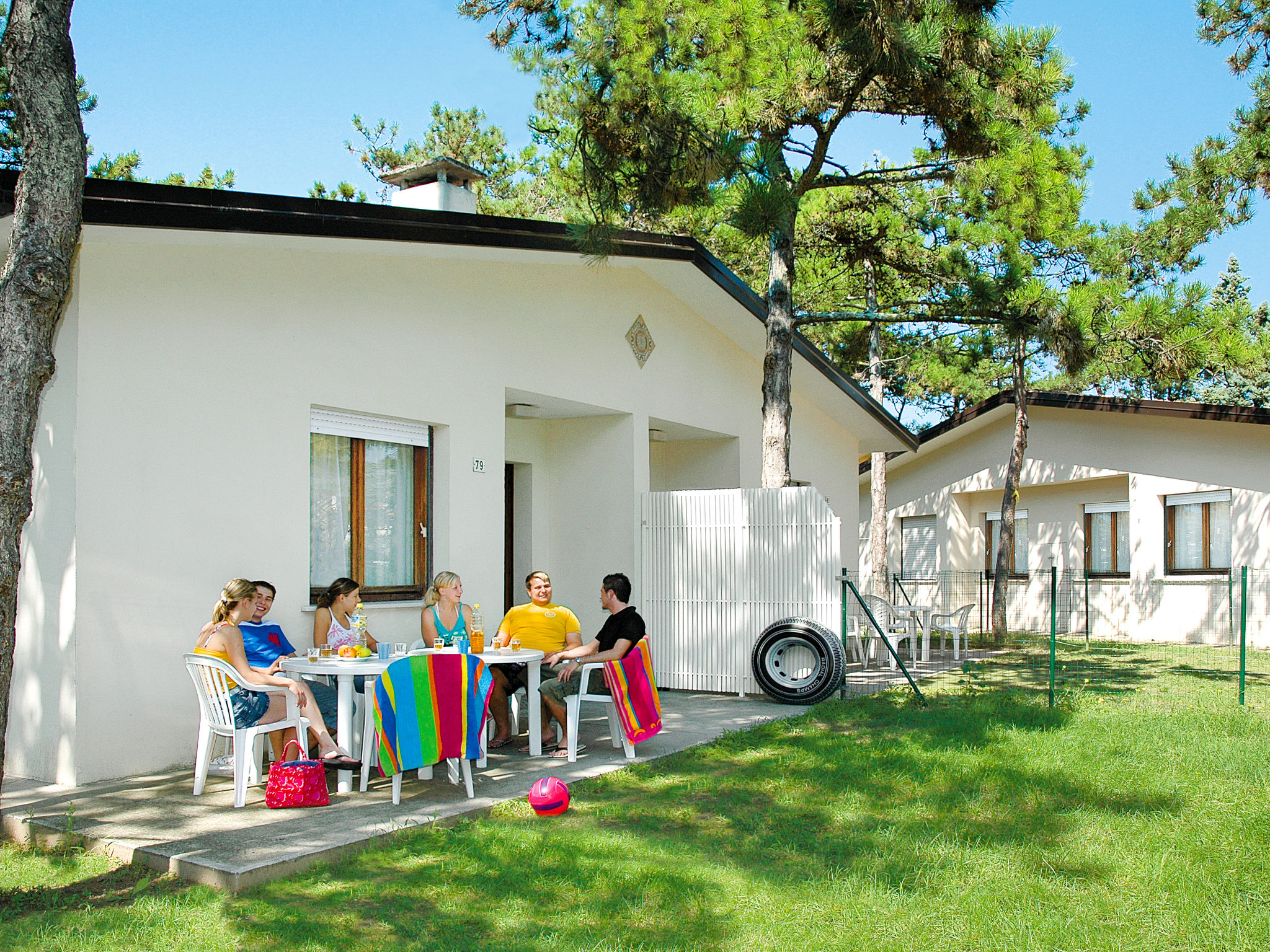
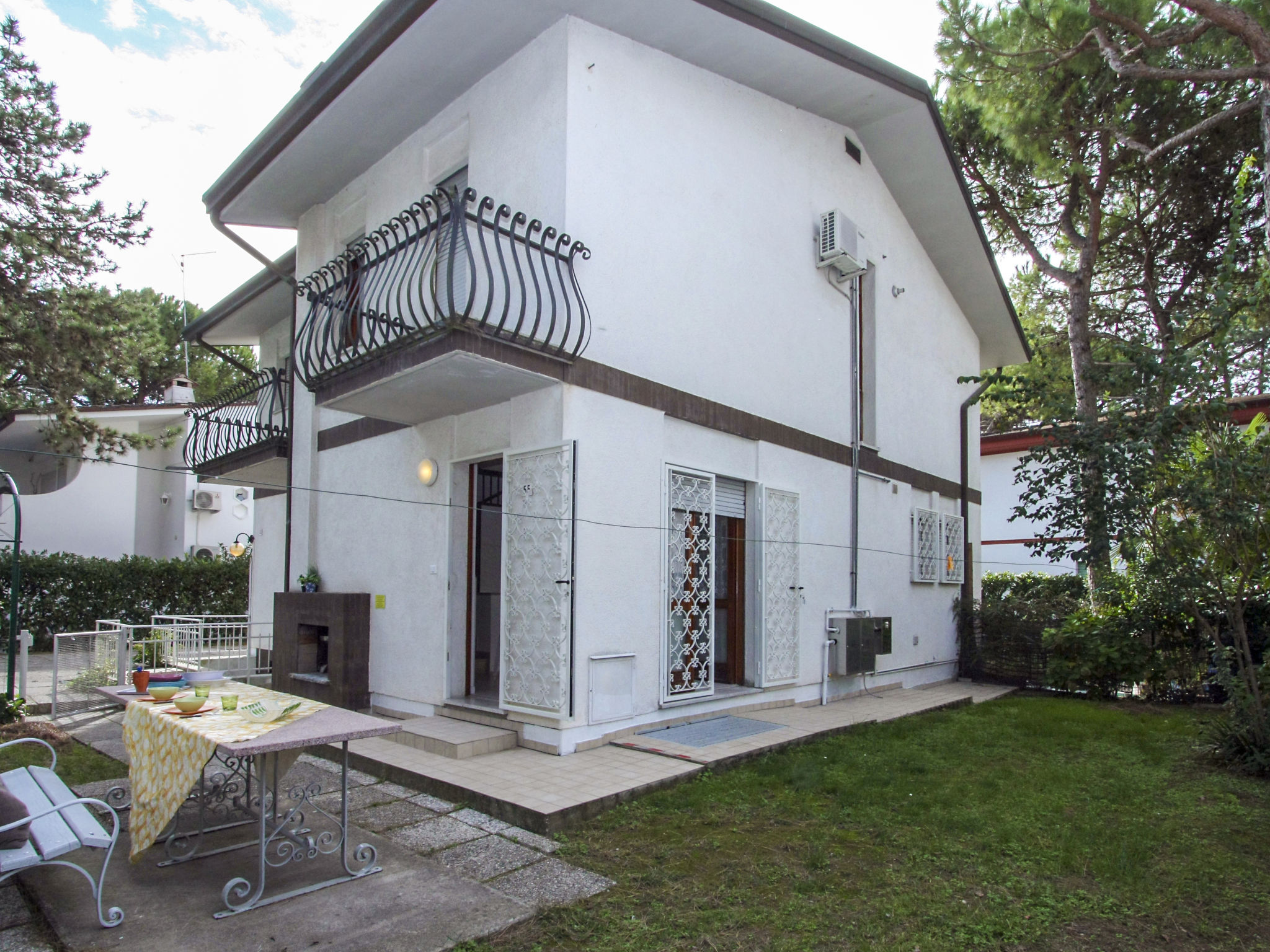
Most of our Friuli homes are here. Pineta was laid out among pine trees on a spiral street plan, with a wide, gently shelving sandy beach run largely as paid lidos with sunbeds and umbrellas. Riviera, at the western end by the Tagliamento river mouth, is quieter. Trieste airport is around 50 minutes away and Venice Marco Polo about an hour and a quarter.
Best for: Families who want a sandy beach in a pine wood setting
Not for you if: You want an old town: Lignano is a modern resort, largely built after the war.
Lignano Sabbiadoro and Latisana
Sabbiadoro is the older, busier end of Lignano, with a long pedestrian shopping street, a marina and boats across the lagoon to the fishing village of Marano. The beach runs for kilometres, so there is room even in high season. Latisana, inland on the Tagliamento, is a market town about 20 minutes away with a railway station.
Best for: Families who want shops, restaurants and evening life on foot
Not for you if: You want quiet in August, when the resort is packed with Italian, Austrian and German families.
Grado and Aquileia (Terzo d'Aquileia, Strassoldo, Clauiano)
Grado is an old fishing town on an island in the lagoon, joined to the mainland by a causeway, with a sandy beach and narrow lanes around its early Christian basilica. Aquileia, ten minutes inland, was a major Roman city and its basilica floor mosaics are a UNESCO site. Strassoldo has two castles; Clauiano is a small, well-kept farming village. Trieste airport is about half an hour away.
Best for: Beach days combined with Roman history
Not for you if: You want lots of choice: we have far fewer homes here than in Lignano.
Trieste and the Karst coast (Sistiana, Duino, Monfalcone)
Trieste has grand Habsburg-era squares, long-established coffee houses and the seafront at Barcola, where locals swim from the promenade. West along the coast, Sistiana has a sheltered bay and Duino a castle on the cliffs, linked by the Rilke path, an easy coastal walk. Miramare castle is on the way into the city. Trieste airport, near Monfalcone, is 15 to 30 minutes away.
Best for: City life, rocky swimming spots and walks along the cliffs
Not for you if: You want sand: swimming here is from rocks, pebble coves or concrete platforms.
Cividale, Udine and the eastern hills (Valli del Natisone, Povoletto, Tarcento)
Cividale del Friuli has a Lombard temple on the UNESCO list and the Devil's Bridge over the green Natisone river. The Colli Orientali vineyards run along the hills around it, and the Valli del Natisone climb towards Slovenia. Udine, the regional capital, has a Venetian-style main square. Povoletto and Tarcento are small towns at the foot of the hills. Trieste airport is around 45 minutes away.
Best for: Food, white wine and quieter country stays
Not for you if: You want a beach within an easy drive: the coast is an hour or more away.
The mountains: Carnia and the Valcellina (Ovaro, Raveo, Barcis)
Ovaro and Raveo are villages in Carnia, the alpine valleys of northern Friuli. Ovaro sits at the foot of Monte Zoncolan, one of the hardest climbs of the Giro d'Italia and a small ski area in winter. Barcis is on an emerald reservoir in the Valcellina, near the deep Cellina gorge. Expect simple village shops and winding roads. Venice and Trieste airports are about one and a half to two hours away.
Best for: Walkers and cyclists who want cool summers and few crowds
Not for you if: You want a lively resort or a short transfer from the airport.
San Daniele and the western hills (Rive d'Arcano, Anduins, Sequals, Arba)
San Daniele del Friuli is the home of the cured ham, with prosciutto makers offering tastings and a ham festival in June. Rive d'Arcano is close by in the moraine hills. Further west, Sequals and Arba are near Spilimbergo, a town known for its mosaic school, and Anduins sits in the quiet Val d'Arzino. Venice airport is around an hour and a quarter away.
Best for: A rural base for food lovers
Not for you if: You want a wide choice of houses: there are only a handful here.