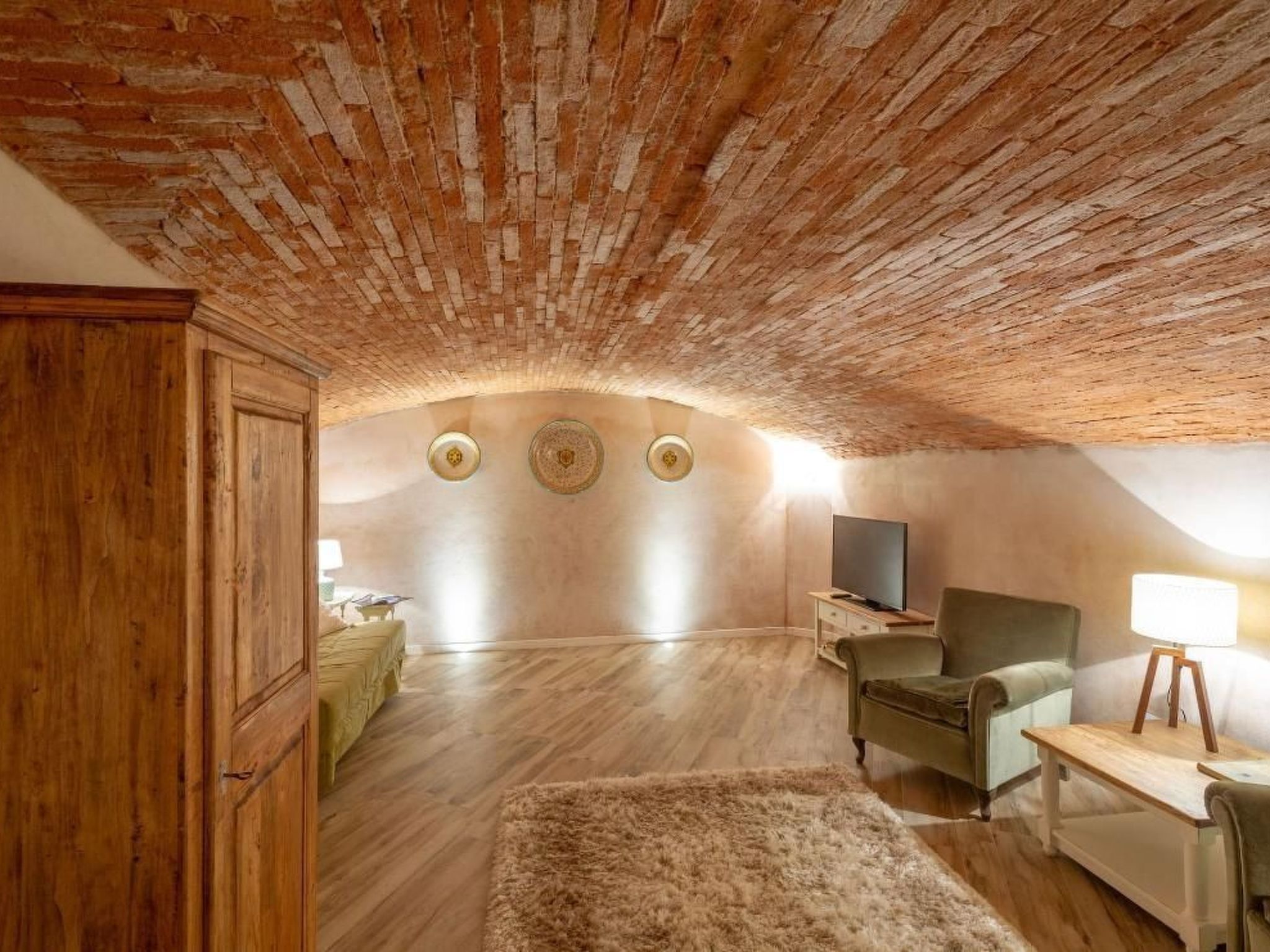
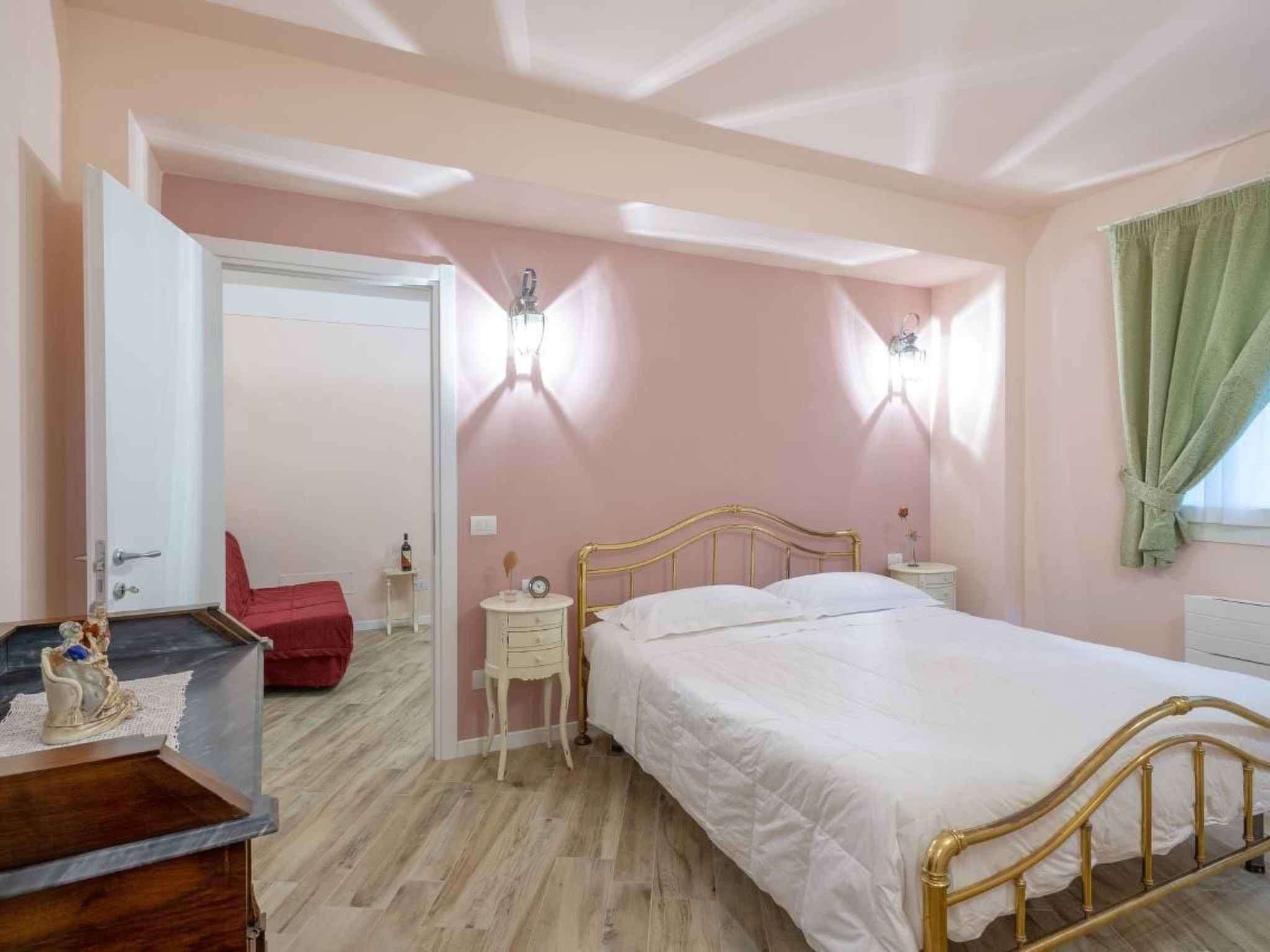
The countryside surrounding Florence offers a quieter alternative to the crowds of the city itself. Rolling terrain, cypress-lined roads, and olive groves stretch across the Mugello valley to the north and the Valdarno to the south. This is authentic Tuscany: not the wine-focused pageantry of Chianti, but a landscape where local farmers still tend vineyards and olive presses operate as they have for generations. You can still reach Florence for a day trip when you want culture and restaurants, but otherwise remain tucked into villages where the rhythm follows the seasons. Prices here are also notably gentler than the more famous wine regions, without any real sacrifice in character or beauty.
What Makes Florence Countryside Special
- Serious olive oil territory. Unlike Chianti's grape-centric reputation, this area is known for pressing some of Tuscany's best oil. Many agriturismo (farm stays) sell their own or arrange visits to working mills. The November harvest brings activity and urgency to the hillsides.
- Genuine rural calm without pretence. You won't find galleries, wellness spas, or Michelin-starred restaurants announcing themselves at every turn. Villages are places where people actually live and work, not tourism stages.
- Mugello valley to the north. This is where Toscanello cheese comes from, and where the landscape feels more forested and alpine than the southern rolling vistas. Fewer tourists venture this far.
- A proper base for villa exploration. The countryside location works well if you want to explore multiple Tuscan areas. You're roughly central to Chianti, Siena, and the coast without committing to any single area.
- More affordable than neighbours. Your holiday budget stretches further here. You're buying peace and space, not brand-name prestige.
Top Towns & Resorts in Florence Countryside
Mugello Valley (North)
The Mugello stretches north of Florence toward the Apennines, a landscape of chestnut forests, dairy farms, and small stone villages. This is the least touristy corner of the region. Borgo San Lorenzo is the main market town, with a pleasant central piazza and local character. A few kilometres away, smaller places like Dicomano and Ronta feel genuinely off the beaten path. The valley has a cooler, greener character than the southern countryside; think forested hillsides rather than sunburnt olive groves. It's quieter precisely because it offers less obvious visual drama, but that's part of its appeal if you want to avoid crowds.
Valdarno (South)
The Valdarno spreads south and southeast of Florence along the Arno river valley. This is flatter, warmer terrain with vineyards and mixed agriculture. The towns here (Figline Valdarno, Cavriglia, Terranuova Bracciolini) are solid working communities rather than tourist postcards. That said, they have useful amenities: groceries, petrol stations, cafes where you can sit with locals rather than tour groups. Some areas toward the industrial zones can feel suburban, so location within the Valdarno matters more than in other parts of Tuscany. But settle in the right spot and you get affordable, functional countryside living.
Fiesole and the Northern Hills
Technically a suburb of Florence, Fiesole perches on a hill with views over the city and the surrounding countryside. It's historic (there's an Etruscan museum, Roman ruins), but it's also relatively well-trodden. Still, if you want quick access to Florence without staying in the city itself, a villa in the Fiesole hills works well. The surrounding villages of San Domenico and Maiano are quieter, and the cypress-studded landscape here is more manicured than the raw countryside further out. You're paying a bit more for the proximity to the city and the cultural credentials.
Chianti Fringe (East)
The eastern edge of the Florence countryside blurs into Chianti territory around places like Greve in Chianti and Panzano. If you like the idea of being connected to Chianti's wine reputation but want slightly lower prices and smaller-village feel, this is the fringe to consider. Greve is popular with wine tourists, so expect more activity and restaurant buzz than deeper countryside. The landscape here has that classic postcard quality (cypress trees, terraced vineyards, terracotta-roofed farmhouses), which some find essential to a Tuscany experience and others find a bit stage-managed.
The Industrial Buffer Zones
Worth being direct about: parts of the Florence countryside lie near industrial estates and light manufacturing zones. This is particularly true near Figline and some areas of the Valdarno. Check a villa's exact location carefully. A few kilometres from the scenic hilltop villages, you can end up with views of warehouses and roads. This isn't automatically a deal-breaker; many villas are genuinely removed from these areas, but it's why we always recommend asking for detailed location descriptions and looking at satellite maps. Some travellers don't mind trading postcard views for affordability. Others find it jarring.