Villas in Dicomano
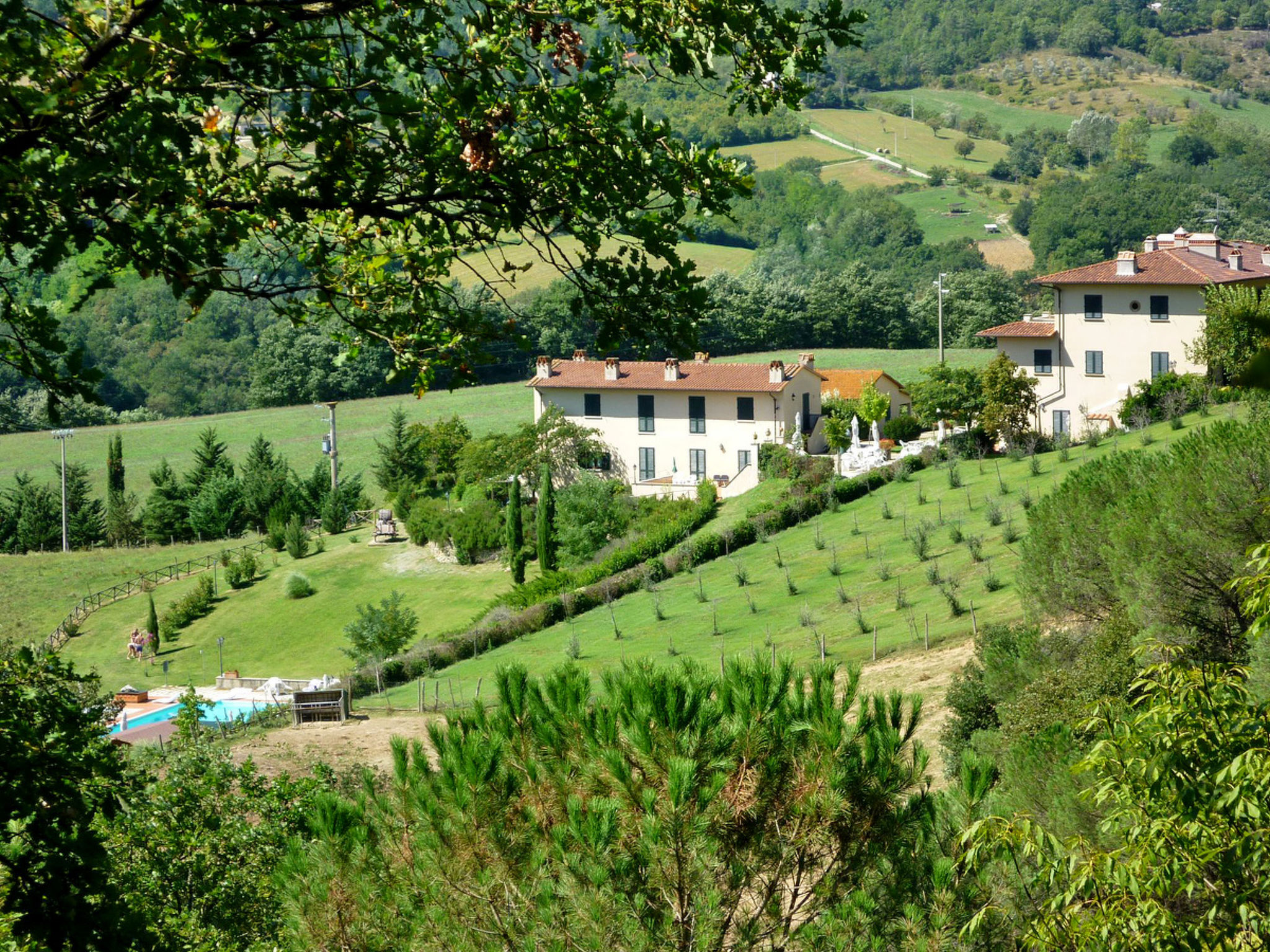
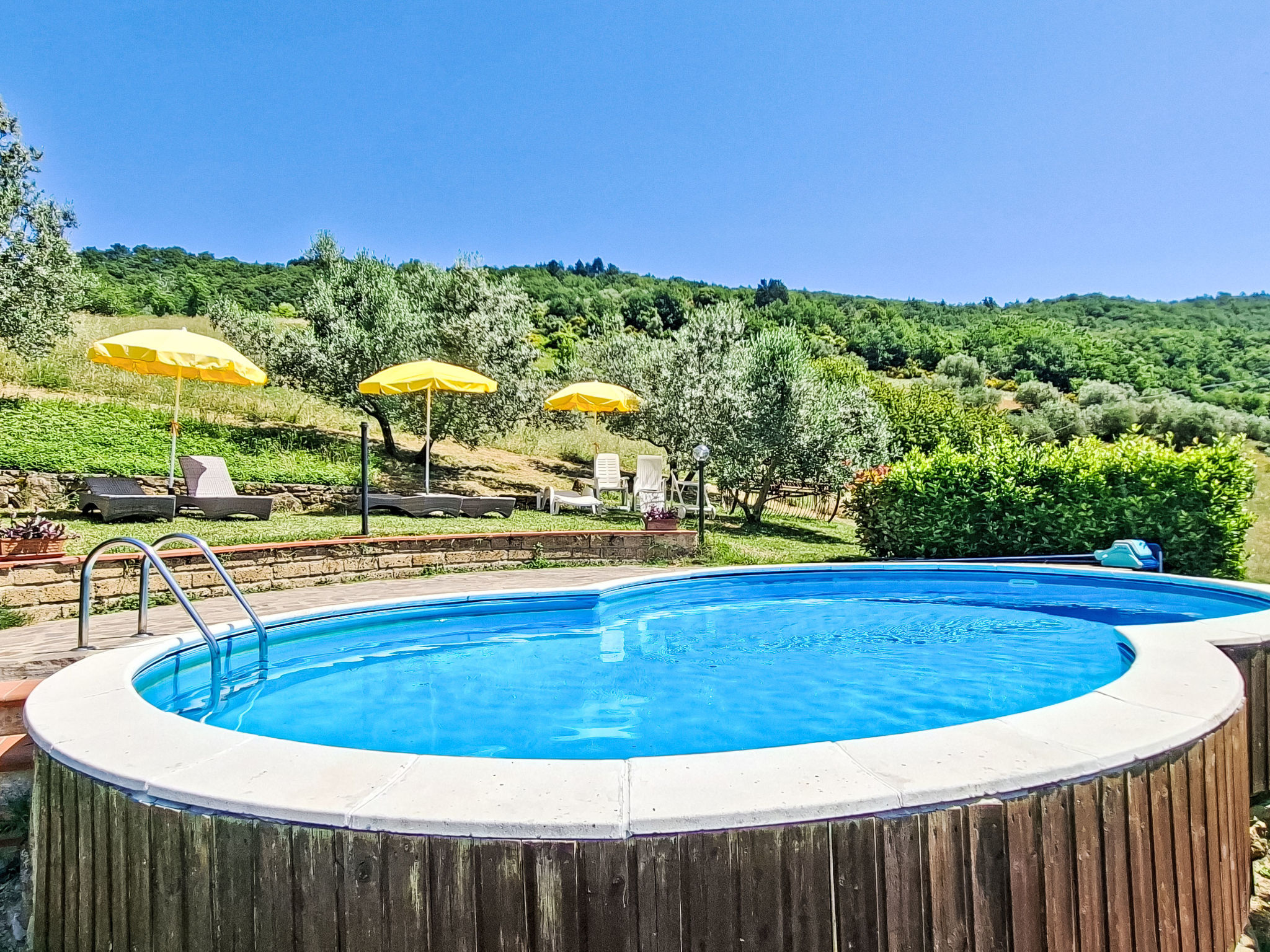
Dicomano suits couples and small families who want a Tuscan base in the Mugello with Florence under an hour away by train. Nearly all homes here have a private pool and a garden, and most sleep around four. It is a valley town, so there is no beach and little nightlife.
- Villas
- 12
- From, per week
- £272
About Dicomano
Dicomano sits where the Comano river flows into the Sieve, in the Mugello, a historic valley region in northern Tuscany. Mountain scenery gives way to the valley floor here, with beech, oak and chestnut woods on the slopes and olive groves and vines lower down. The 12th-century Romanesque Pieve di Santa Maria stands on a small hill with an imposing bell tower, and the town hall houses an archaeological museum covering prehistory to the Renaissance. Monte Giovi peaks at 992 metres. The local chestnut, Marrone del Mugello IGP, is eaten fresh or dried. The homes sit close together around the town.
Is Dicomano right for you?
- Best for
- Couples and families wanting a private pool and day trips to Florence
- Not for you if
- You want a beach or big-resort nightlife; Dicomano is a small valley town in the Mugello.
Near Dicomano
Frascole
Archaeological site just outside town, with the foundations of the Romanesque church of San Martino dal Poggio and a probable Etruscan fortification.
Monte Giovi
A summit at 992 metres, the eastern end of the ridge that separates the Mugello from the Valdarno and the lower Sieve valley.
Borgo San Lorenzo
Mugello town with a Romanesque parish church holding a Madonna attributed to Giotto, and the Chini Manufacture Museum at Villa Pecori Giraldi.
Getting to Dicomano
Pisa Airport is about 1 hour 40 minutes from Dicomano by road, or around 2 hours 45 minutes by train with a change in Florence. From Florence's Santa Maria Novella station, trains to Dicomano take about 51 minutes. A car is useful for the hill villages and the Mugello beyond.
Villas in Dicomano
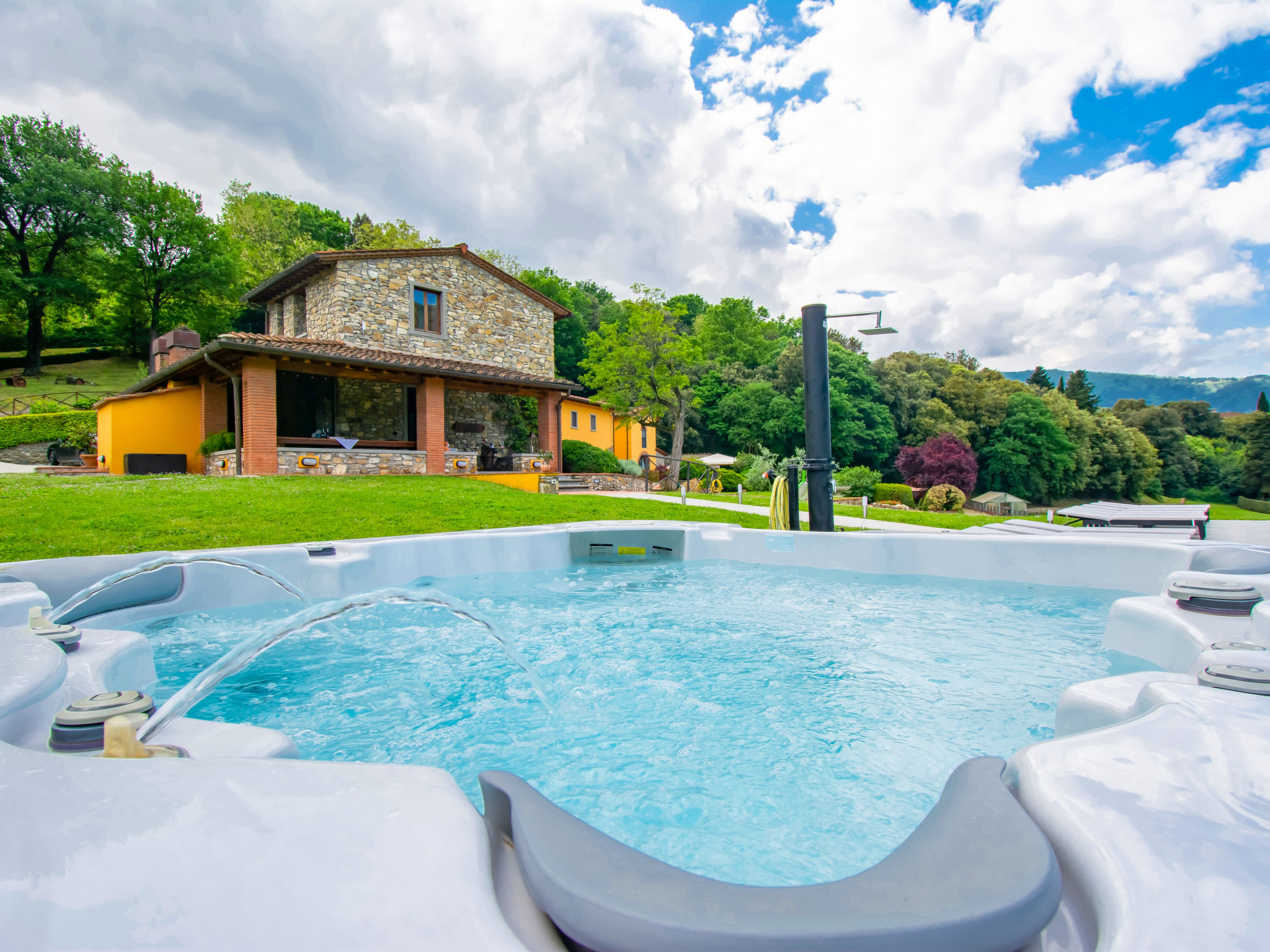
4-star property
La Ginepraia
Dicomano, Florence Countryside, Italy
8
2
0
Air ConBBQDishwasher+13 more
from£195
per night
2-star property

2-star property

3-star property
Il Poderino
Dicomano, Florence Countryside, Italy
5
2
0
BBQDishwasherFireplace+12 more
from£85
per night
4-star property
La Fonte
Dicomano, Florence Countryside, Italy
4
2
0
BBQDishwasherMicrowave+9 more
from£56
per night
3-star property
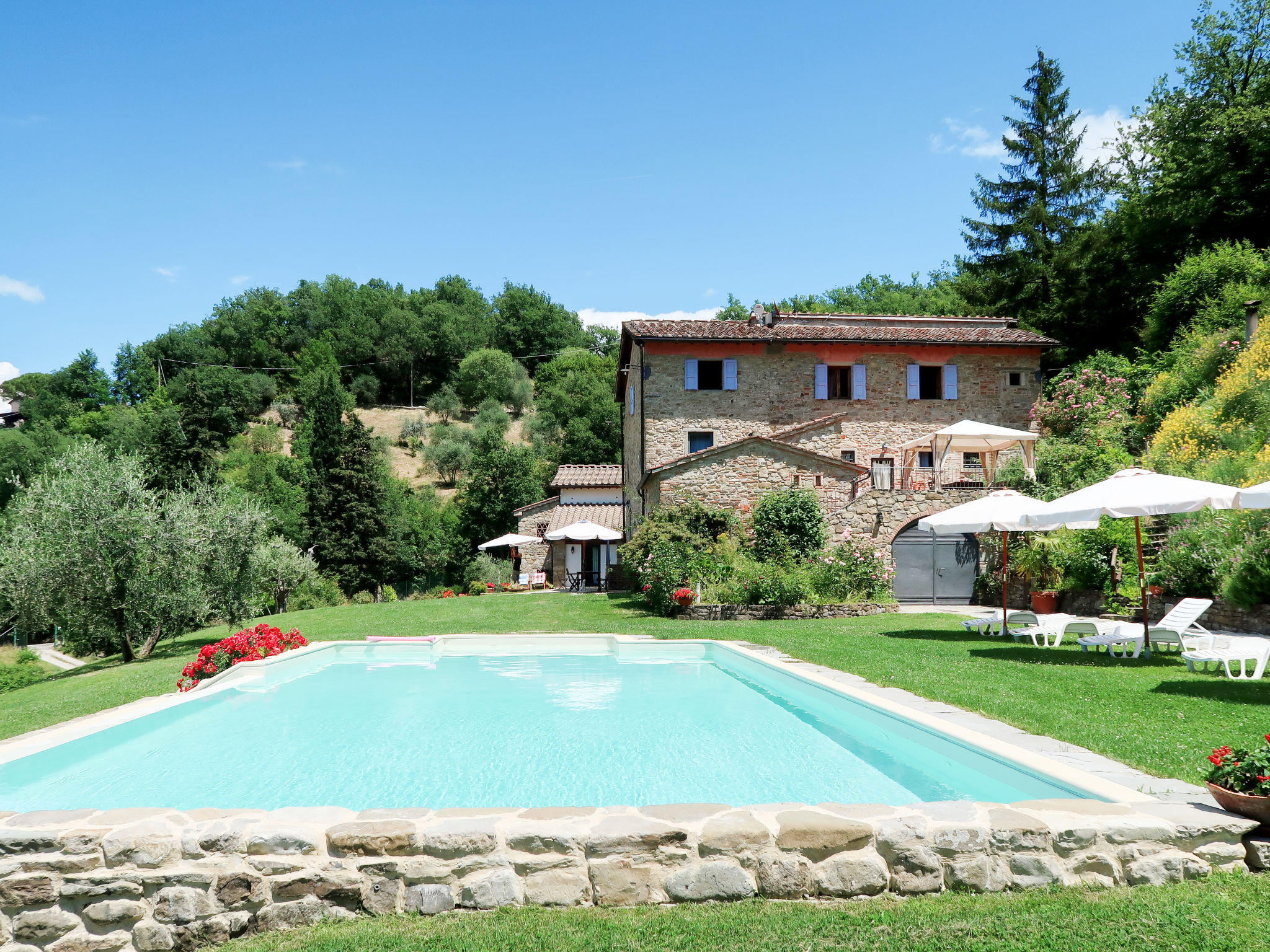
3-star property
La Fonte
Dicomano, Florence Countryside, Italy
2
1
0
BBQDishwasherMicrowave+9 more
from£39
per night
2-star property
2-star property

2-star property
2-star property
3-star property
Dicomano villa holidays: questions answered
How far is Dicomano from Florence?
About 40 minutes by road, or about 51 minutes by train from Firenze Santa Maria Novella. That makes Florence a realistic day trip without a car, though evening trains need checking.
What is Dicomano known for?
Its Romanesque parish church, an archaeological museum and chestnuts. The Pieve di Santa Maria dates from the 12th century, and the Mugello chestnut, Marrone del Mugello IGP, is eaten fresh or dried.
Is there anything to see in Dicomano itself?
Yes. The archaeological museum in the town hall covers prehistory to the Renaissance, using finds from the Mugello and the Sieve valley, and the Oratorio di Sant'Onofrio is a striking piece of neoclassicism.
Is Dicomano in the Mugello?
Yes. The town lies in the Mugello, the valley region that follows the River Sieve in northern Tuscany, and the area is often called the green heart of Tuscany.
Nearby towns to Dicomano
Written by the TrustedVillas team. Last reviewed October 2026.
Find Your Perfect Villa in Dicomano
Our villa experts are here to help you find the ideal property for your vacation. Contact us for personalized recommendations.