Florence City and Surroundings
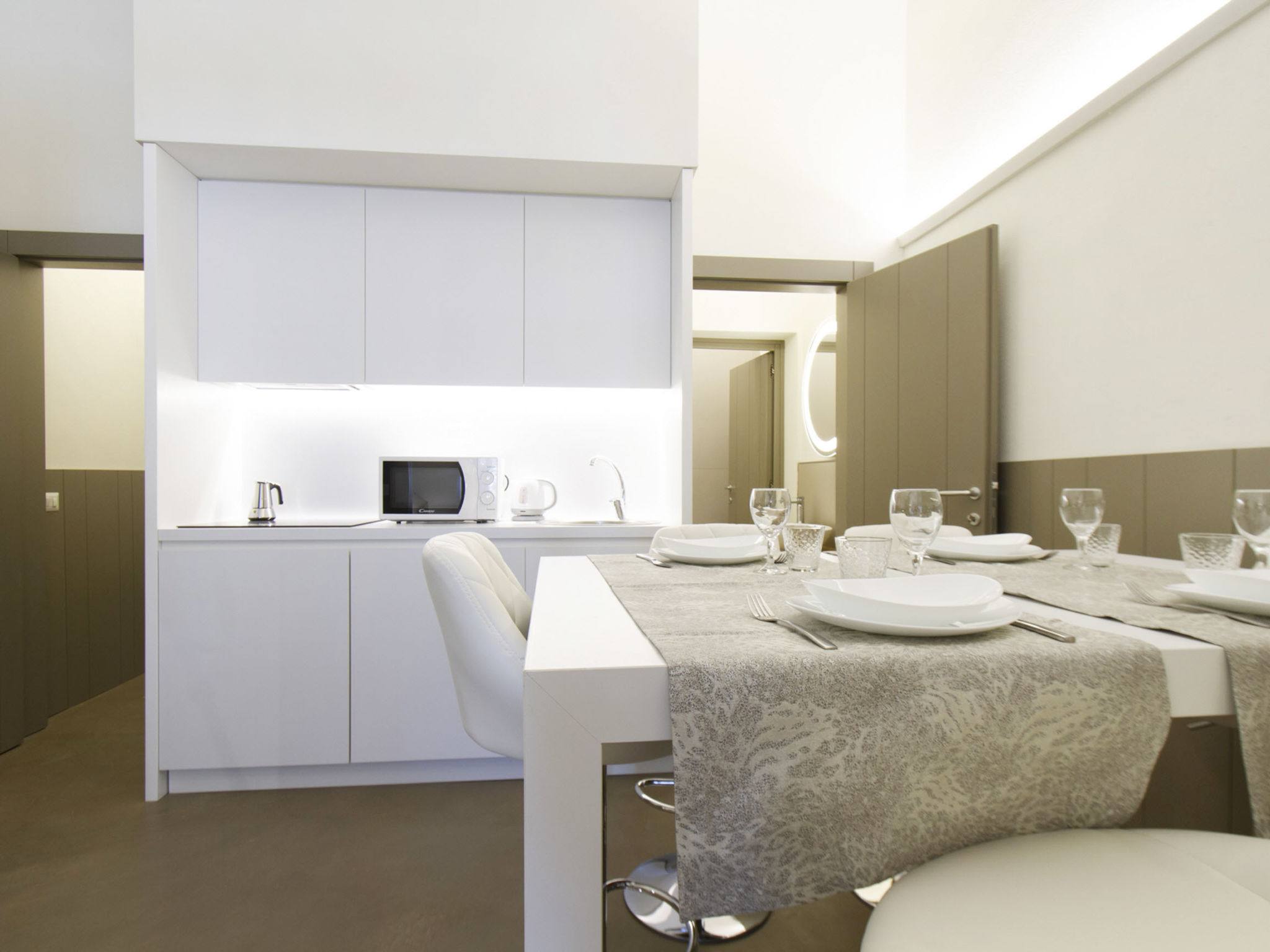
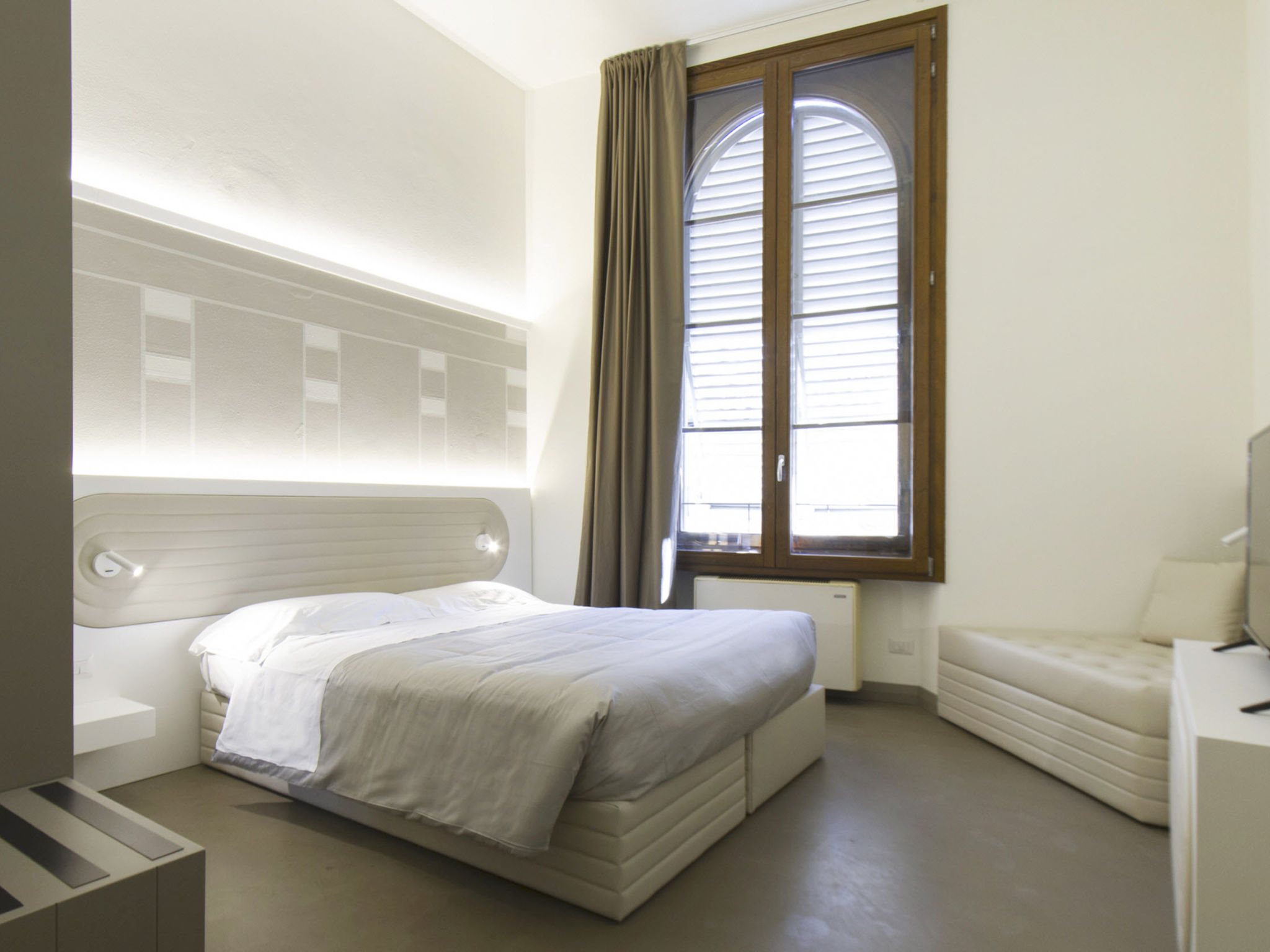
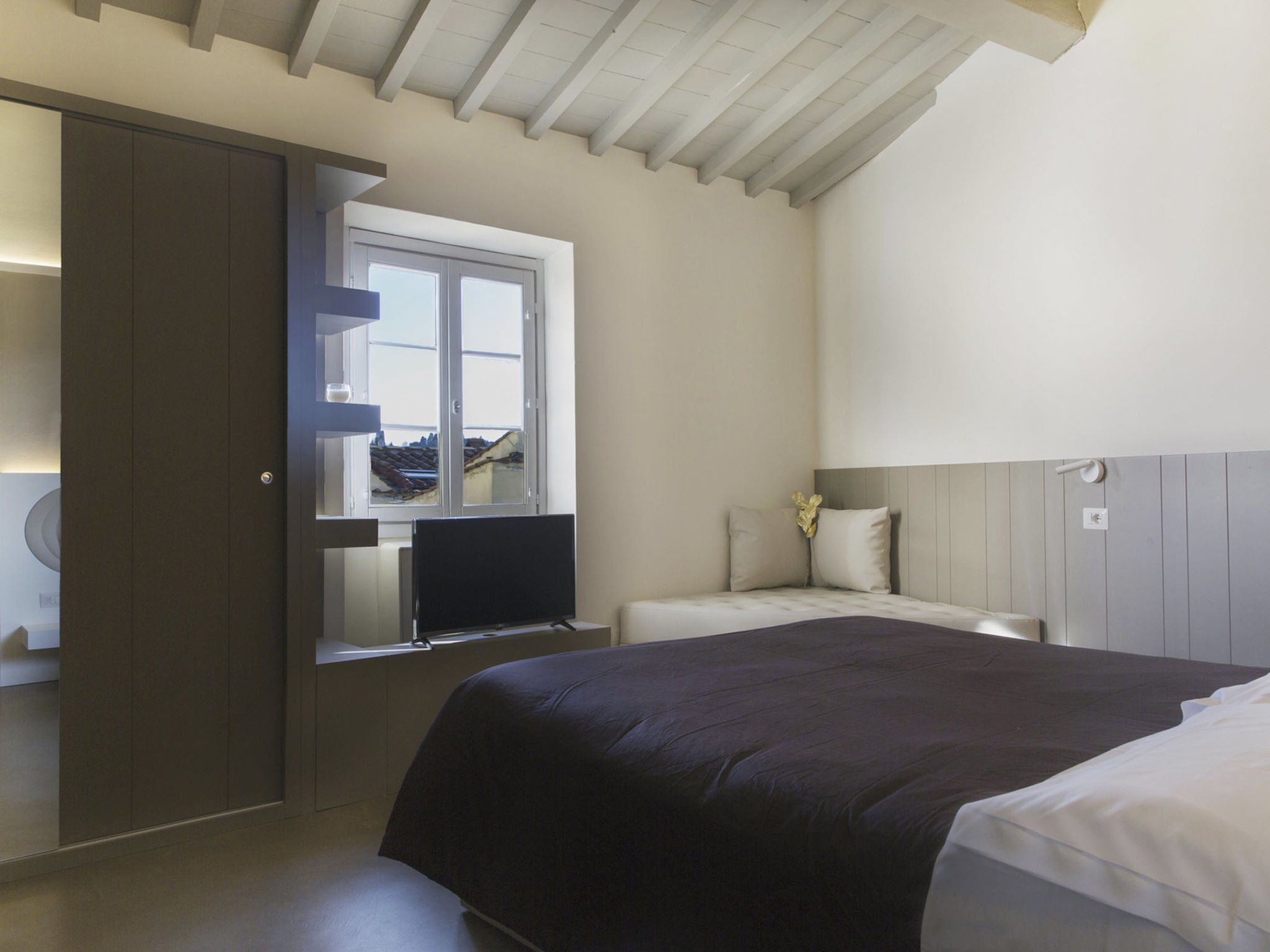
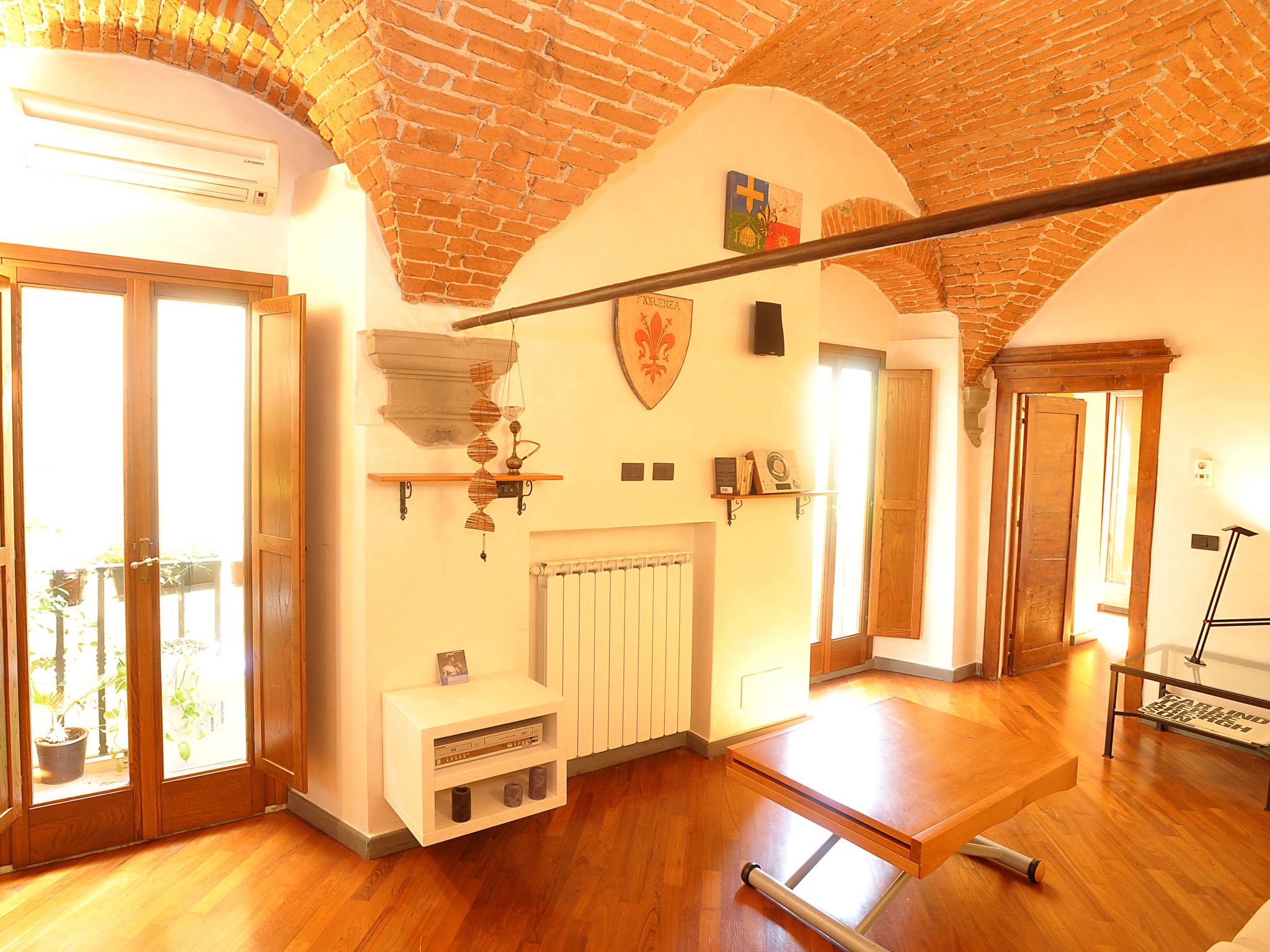
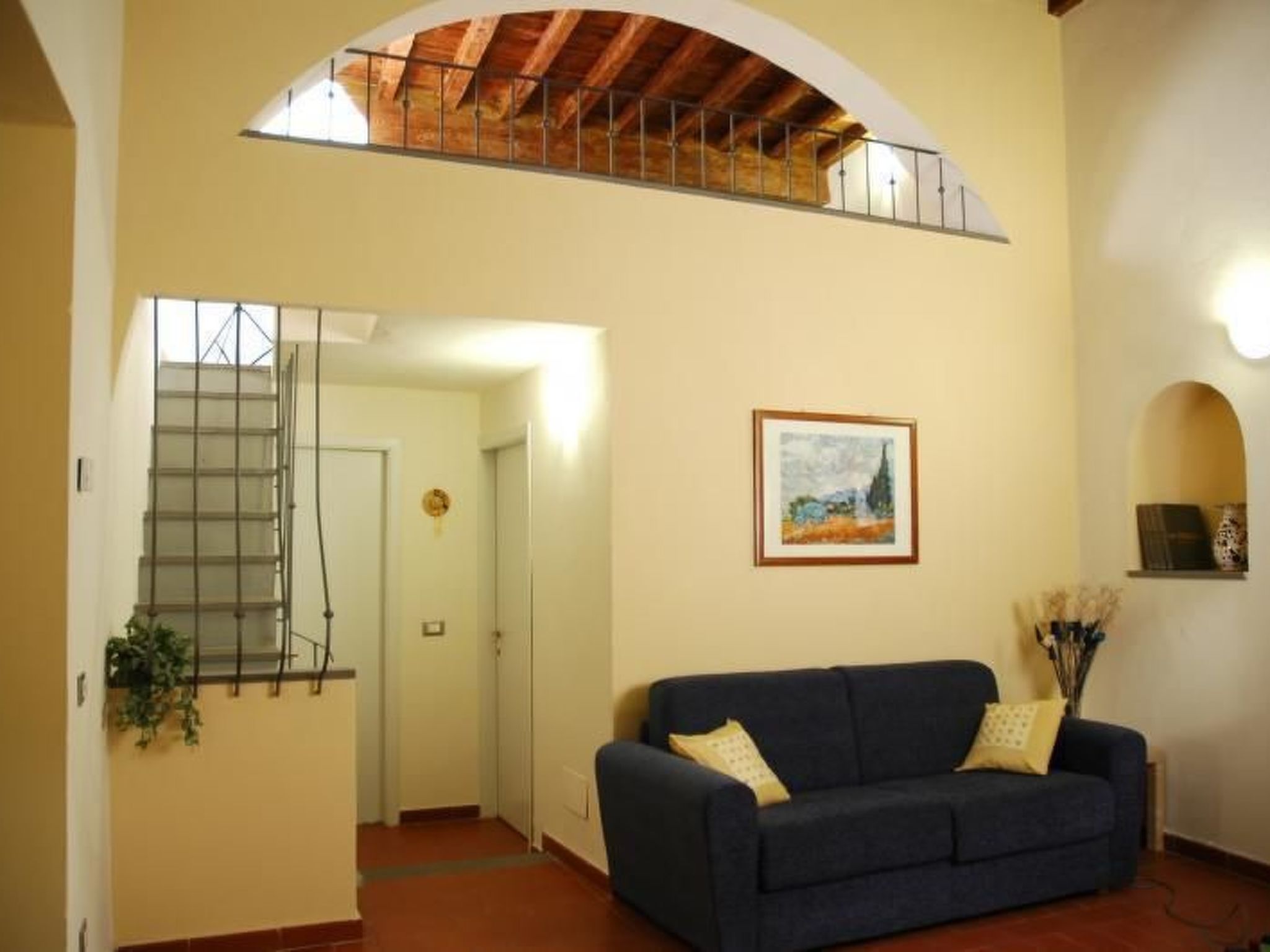
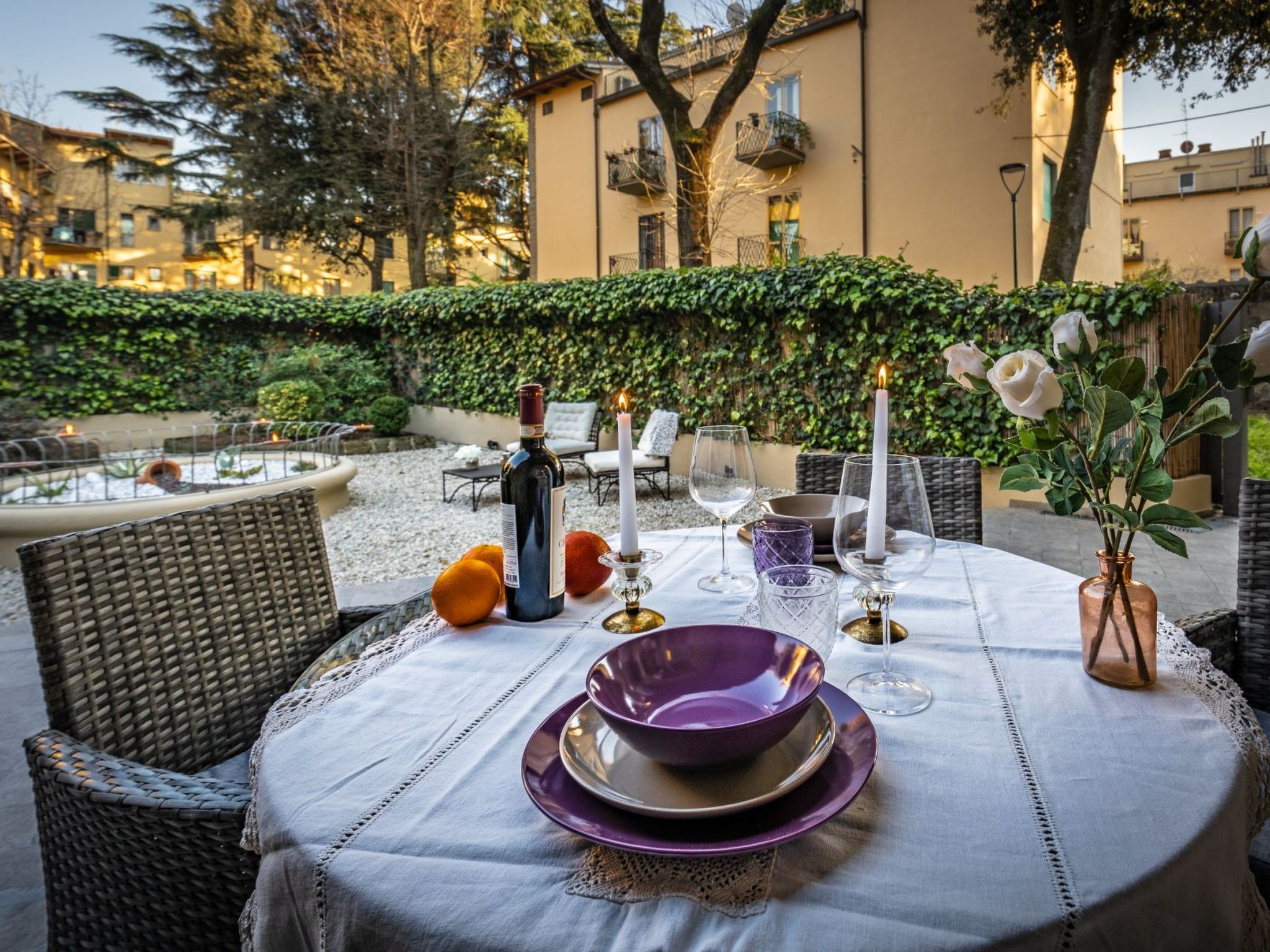
Florence rewards slow mornings and strategic planning. The city's Renaissance art collection is genuinely unmatched. The Uffizi, Bargello, and Accademia are world-class institutions containing objects you've seen in textbooks. The Duomo and Campanile dominate the skyline (you can climb both). Ponte Vecchio is absolutely rammed with tourists and gold jewellers. It's most worthwhile to cross it early, before 9 AM. The rest of the experience involves wandering medieval streets, sitting in plazas with an espresso, and stumbling into smaller churches with frescoes that stopped your breath. This requires accepting crowds and planning ruthlessly. The city gets genuinely hot in July and August (often 30–32°C), which makes walking sweaty and tempers short. Spring and autumn are overwhelmingly better. Staying in city apartments rather than villas means you're using public transport or your feet exclusively. The surrounding hills (Fiesole northward, rolling Tuscan countryside to the south and west) offer slightly quieter alternatives and vineyard landscapes, but you sacrifice direct city access unless you're happy with car or bus trips.
What Makes Florence City Special
- Art concentration that genuinely cannot be replicated elsewhere: The Uffizi alone holds Botticelli, Leonardo, Raphael, Michelangelo. The Accademia has Michelangelo's David. The Bargello has sculpture spanning centuries. If Renaissance art matters to you at all, you're here for a reason.
- Medieval and Renaissance architecture as lived environment: You're not visiting a museum recreation. You're actually walking streets unchanged since the 15th century, past buildings where actual Medicis lived. The city is organic, not curated for tourism (though overwhelmingly touristy).
- Food that delivers locally without pretension: Bistecca alla fiorentina (Florentine steak) is genuinely remarkable. Fresh pasta markets run daily. Neighbourhood restaurants serve proper food to locals. You must navigate past tourist-trap restaurants near Ponte Vecchio, but they exist side-by-side with genuine alternatives.
- The surrounding hills shift mood immediately: Fiesole, a 20-minute bus ride uphill, feels like a separate world—quieter, cooler, with views back toward the city. Olive groves and vineyards surround the city on other sides. You get a city experience with genuine landscape context unavailable in Rome or Milan.
- April and October/November are revelatory: Same city, dramatically fewer crowds, pleasant temperatures (18–24°C). This is when Florence works best. Summer crowds turn it into theme-park madness.
Top Areas in Florence and Surroundings
City Centre (Duomo, Piazza della Signoria, Uffizi)
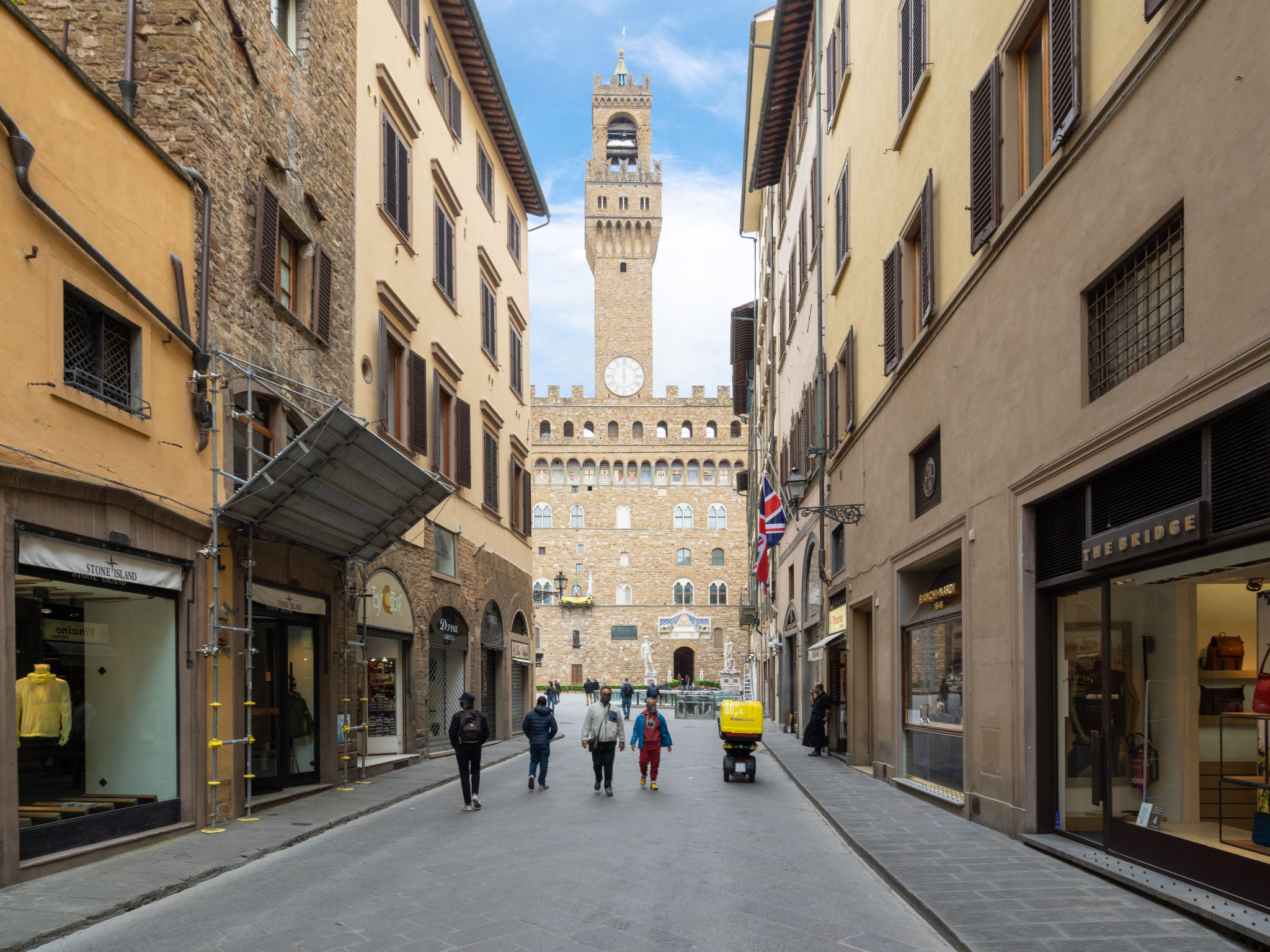
The touristic heart. The Duomo's green and white marble is visible from half the city. The adjacent Campanile (bell tower) offers climbing and views. Piazza della Signoria is where everything happens. It's essentially a constant open-air party from morning to night. Restaurants and cafés encircle it; most are expensive and mediocre. The Uffizi gallery runs the south side. A long building requiring 3–4 hours minimum to see properly, best visited early morning or with advance booked tickets to skip queues. Palazzo Vecchio (the city's town hall) sits at the piazza's south edge and is worth a visit. The crowds here are genuine and relentless. Visit early (7–8 AM) if you want photos of sights without humans, or accept that you'll share every experience with hundreds of other people. Accommodation in this zone is expensive and you're surrounded by tourists.
Ponte Vecchio and Oltrarno
Ponte Vecchio is entirely jewellery shops and tourists stacking shoulder-to-shoulder. Cross it early morning, accept the crowds, move on. The Oltrarno (south bank of the Arno) is slightly quieter. Palazzo Pitti is a Medici residence worth touring and the Boboli gardens behind it provide space and greenery. The neighbourhood has workshops (leather, metalwork, restoration) that are genuinely functioning rather than tourist theatre. Restaurants are still expensive, but less aggressively touristy. If you're staying in Florence, this neighbourhood edges slightly quieter than the city centre.
Santo Spirito / Squares-Based Exploring
Piazza Santo Spirito is less manic than Piazza della Signoria. The church is genuinely beautiful. The plaza has local cafés and a neighbourhood feel that persists despite tourism. Nearby Piazza Beccaria and Piazza San Felice have a bit more breathing room. These areas work well for evening aperitivos (drinks with snacks) when the crowds have calmed slightly. Restaurants here are more genuinely local than touristy, though still expensive by any non-tourist standard. Walking through small streets connecting these plazas is where Florence actually emerges as a real place instead of an open-air museum.
Accademia and Northern Neighbourhoods
The Accademia (housing Michelangelo's David) draws obsessive crowds. If you care about sculpture, it's worth experiencing despite the queues. The surrounding neighbourhood (around Via Cavour) is a mix of small restaurants, hotels, and tourist infrastructure. Basilica di San Marco is genuinely beautiful and less crowded than the Duomo. Walking through this neighbourhood is less intensely touristy than the city centre. Piazza San Marco and surrounding side streets offer a slightly more genuine Florence. Still expensive, still touristy, but less suffocating.
Fiesole
Perched on a hill northeast of the city, Fiesole is cooler, quieter, and genuinely pleasant. A 20-minute bus ride gets you there. The town centre has an ancient amphitheatre, monastery (San Francesco), and decent views back toward Florence. It's far less touristy than the city. Locals actually inhabit it. Restaurants serve better value. The trade-off is that you're now outside the city, so getting back into Florence's museums or nightlife requires another bus journey. Fiesole works well as a quieter base if you don't mind commuting into the city by bus for major sights. Summer temperatures are noticeably cooler than Florence itself (4–5 degrees difference).
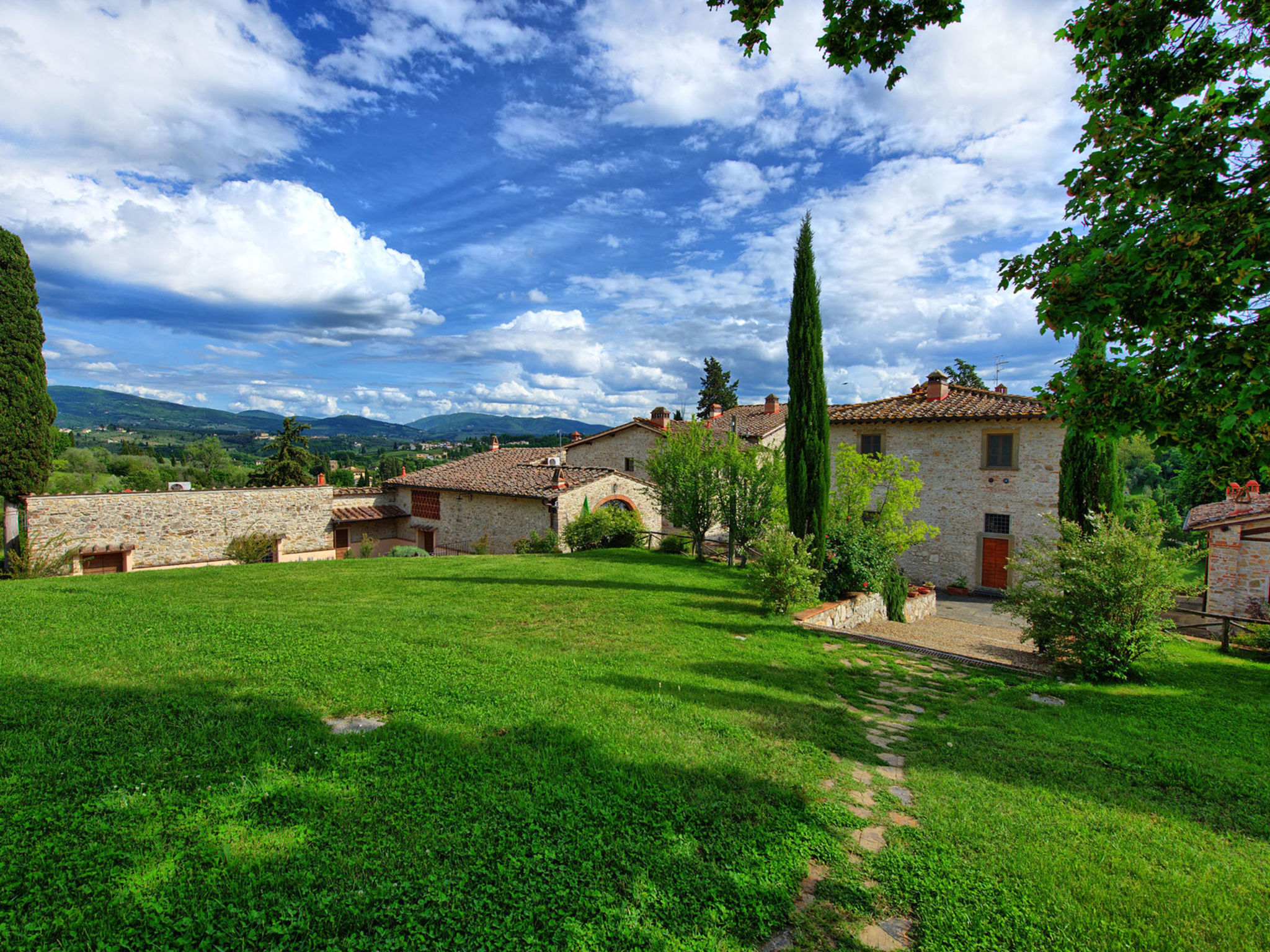
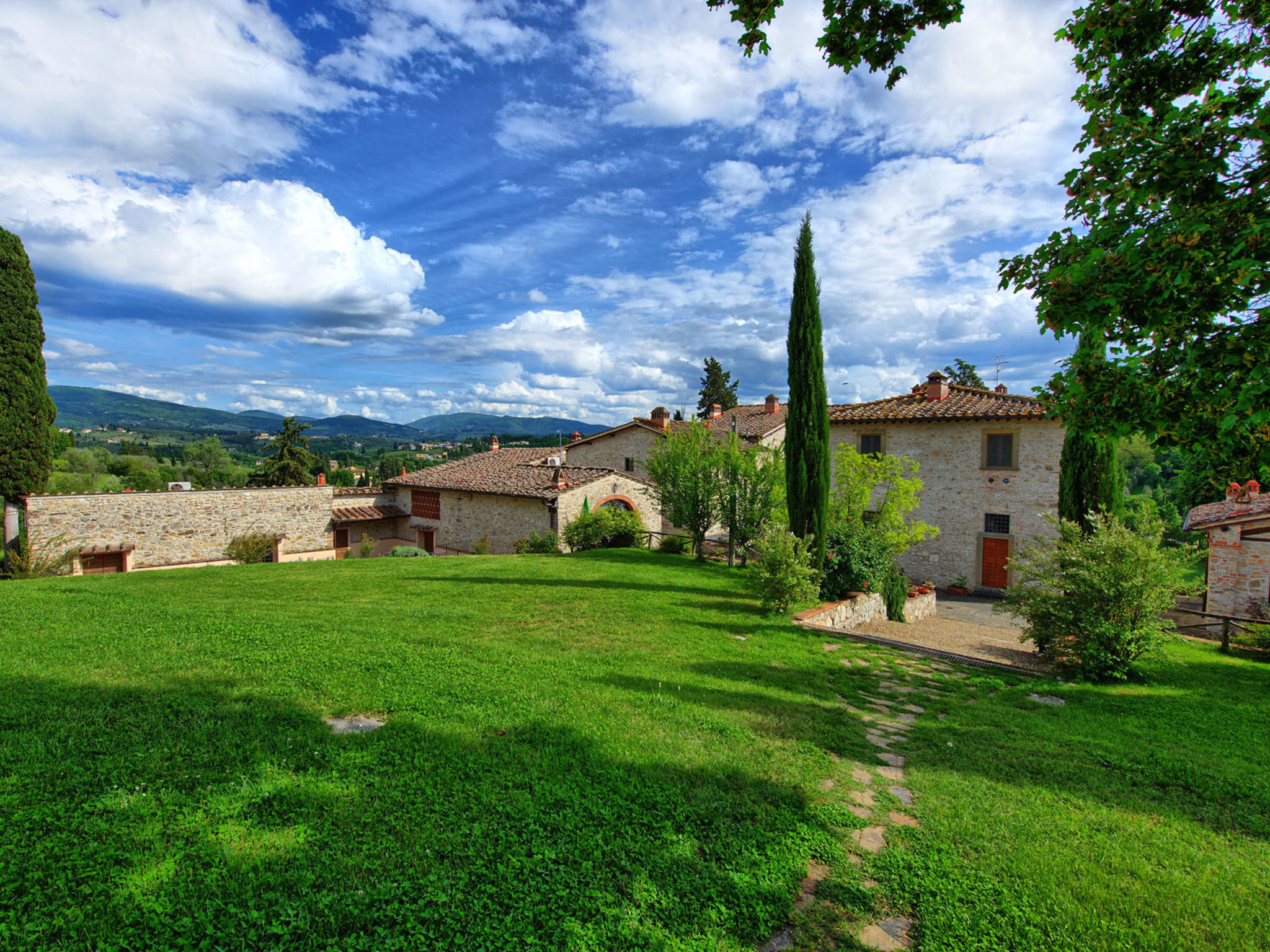
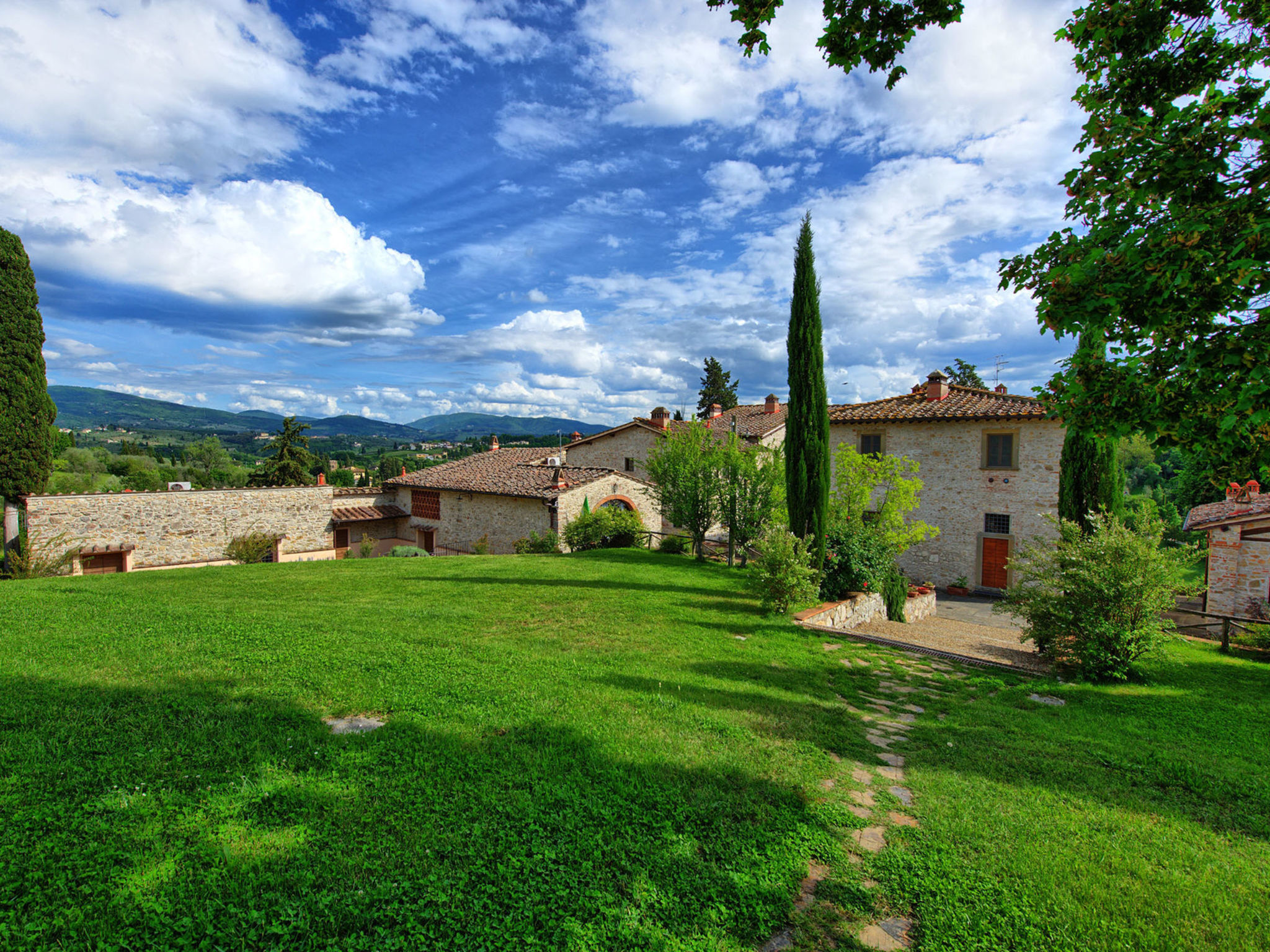
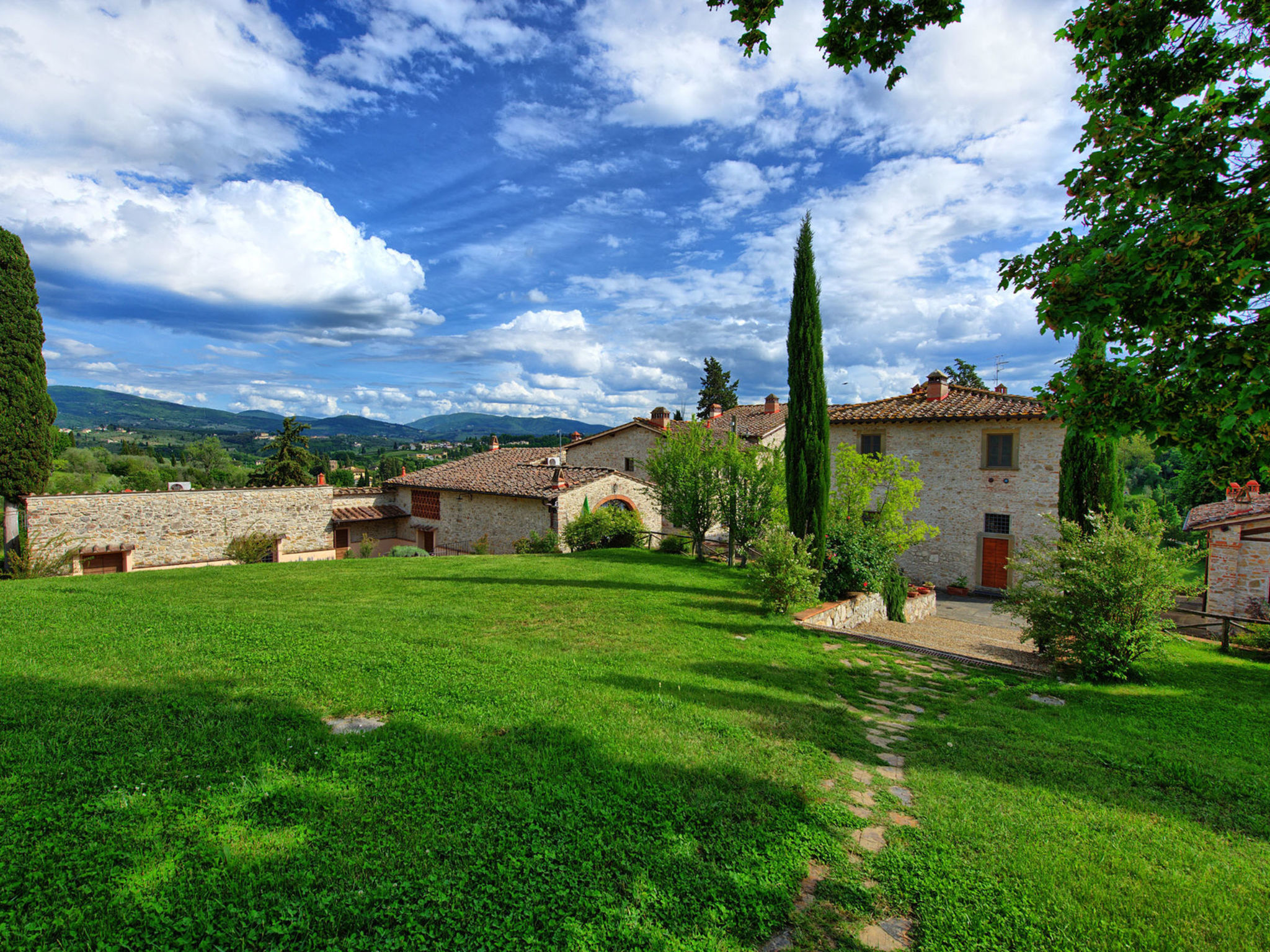
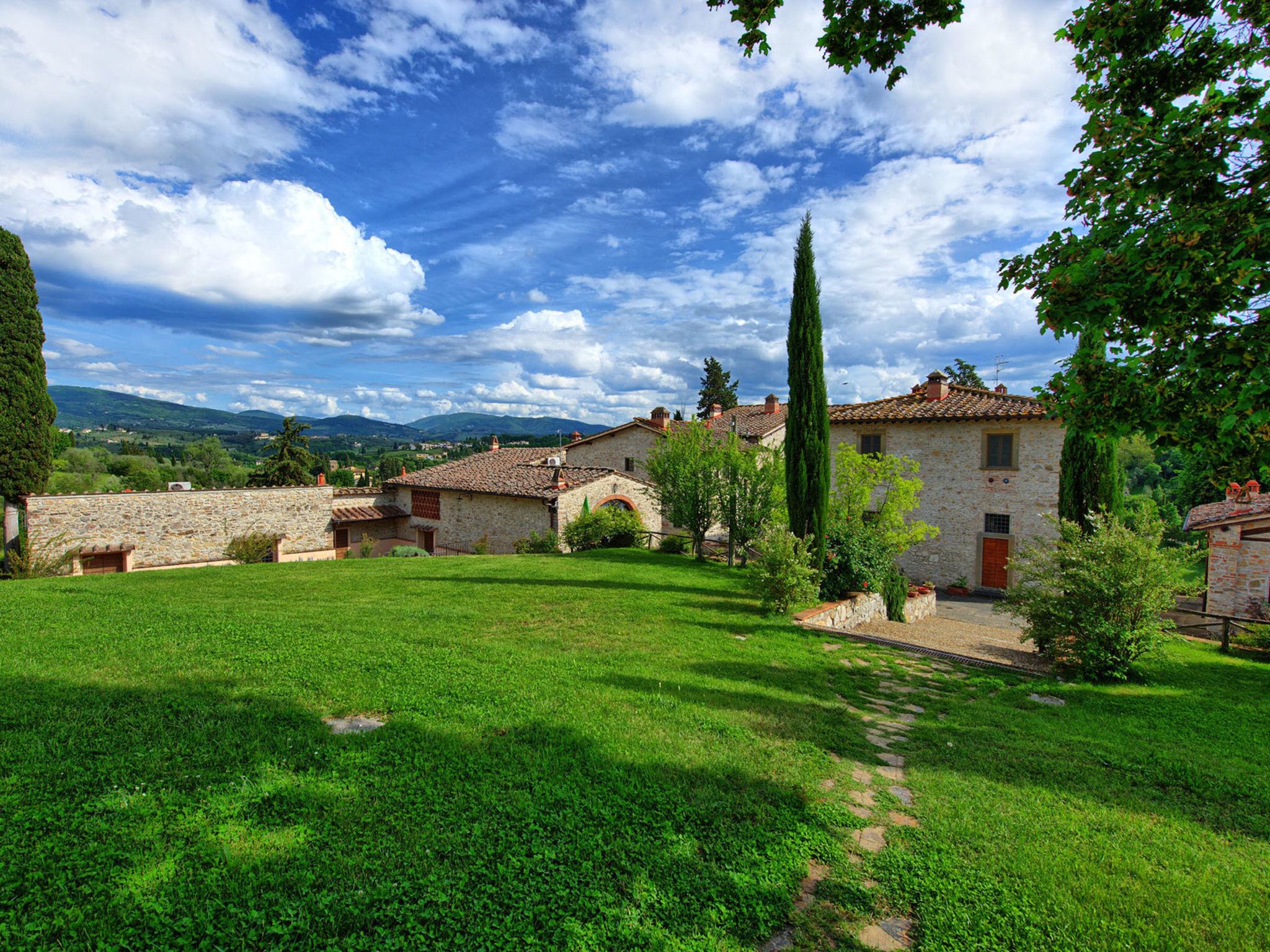
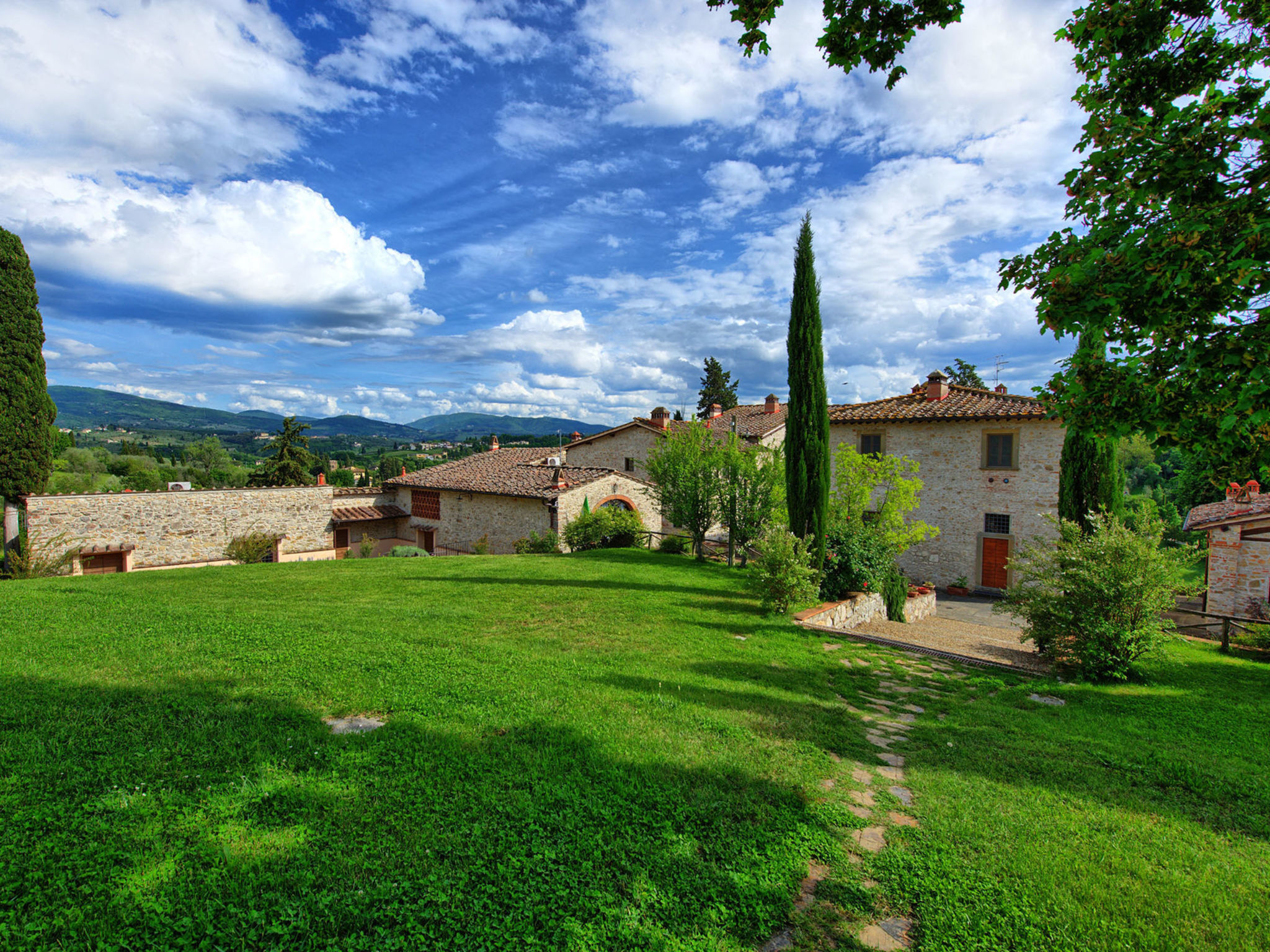
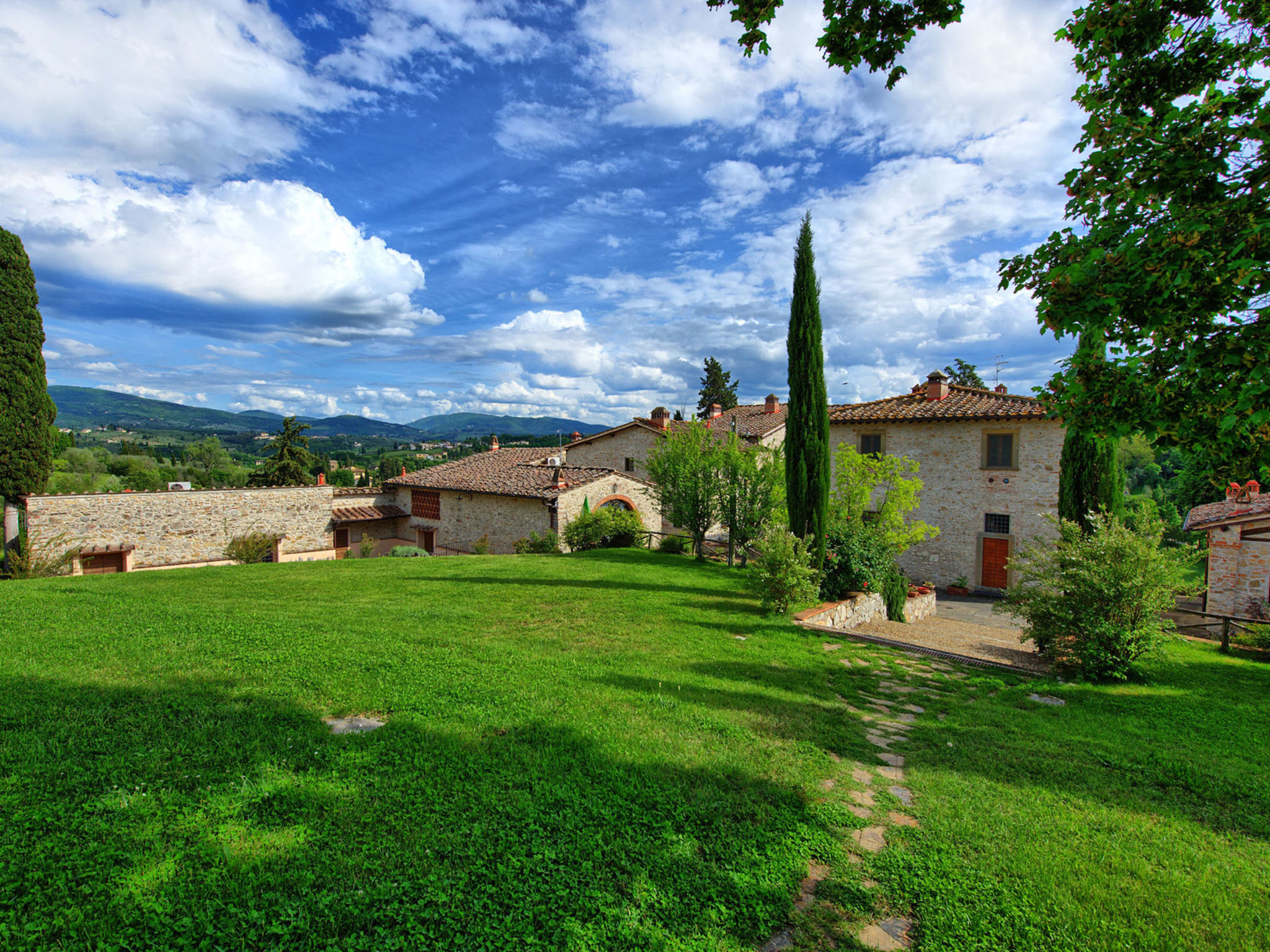
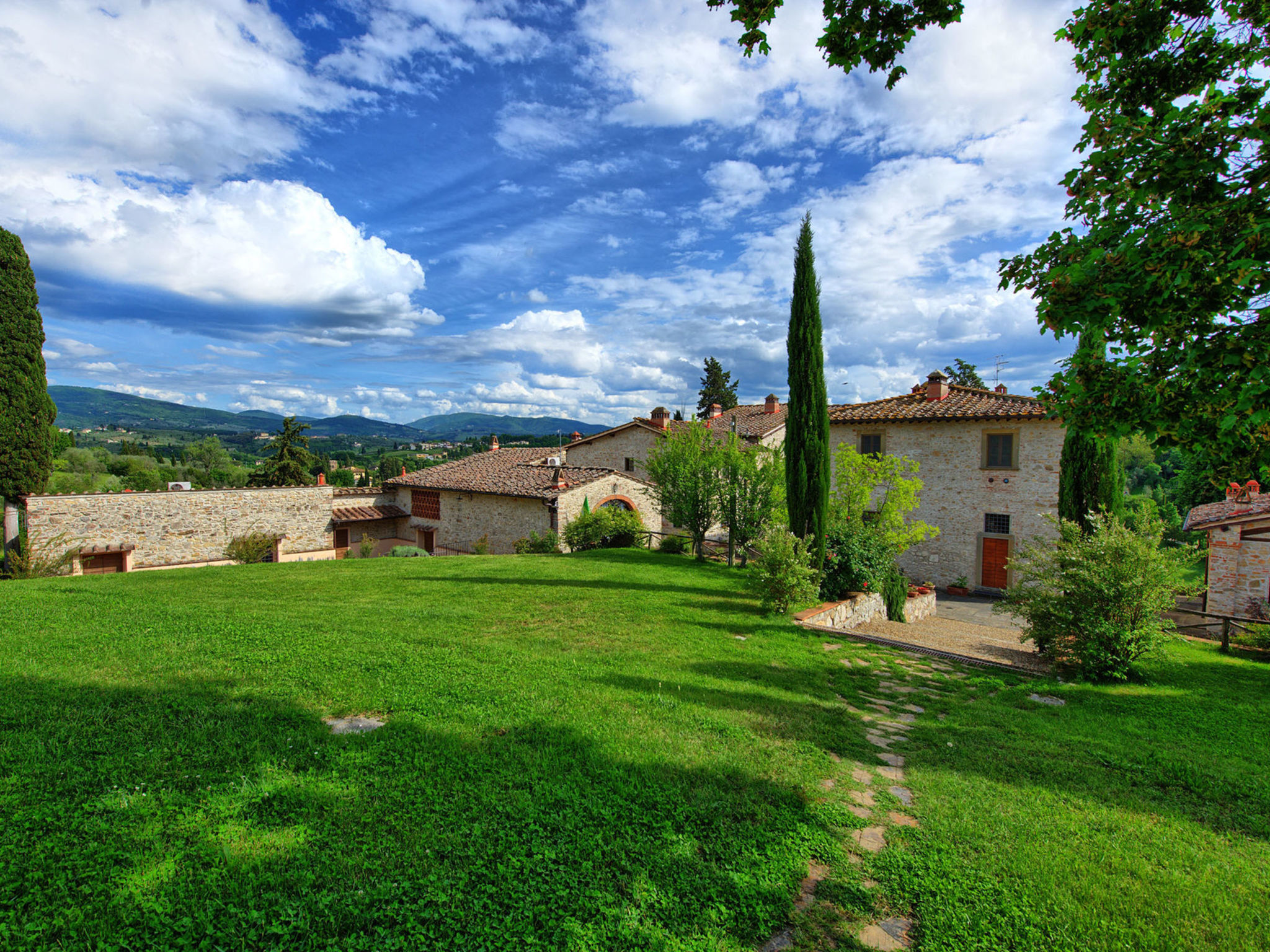
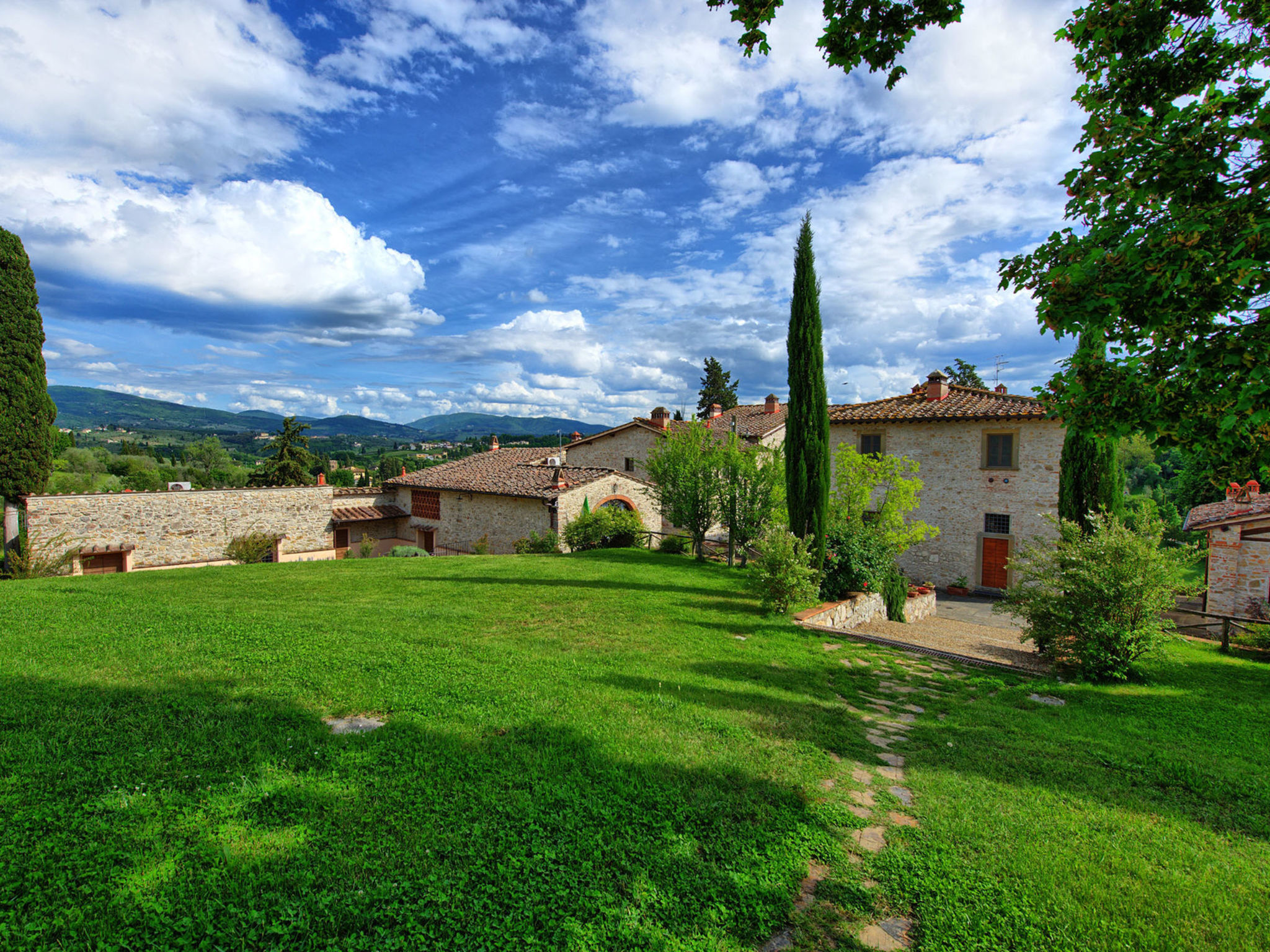
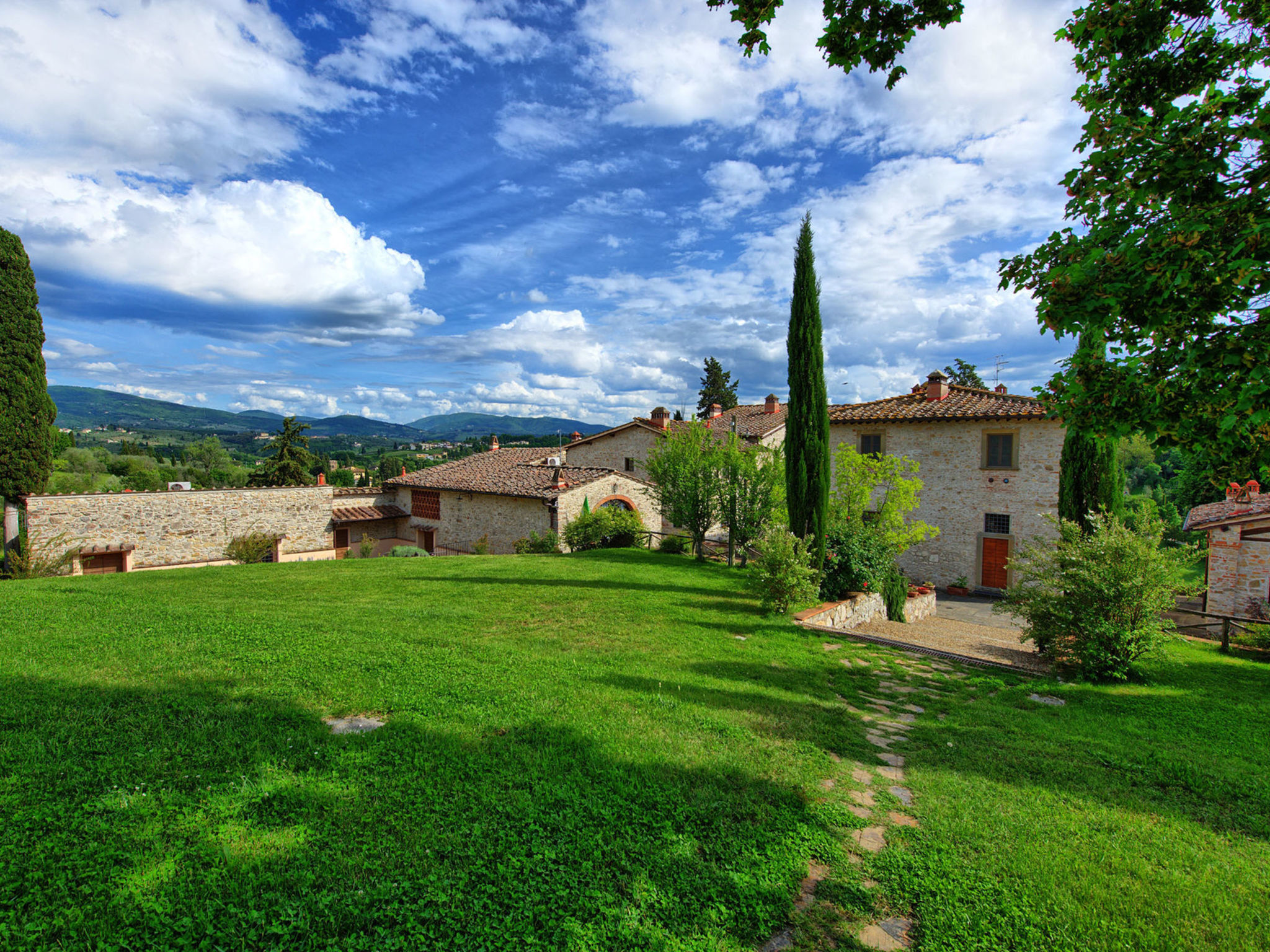
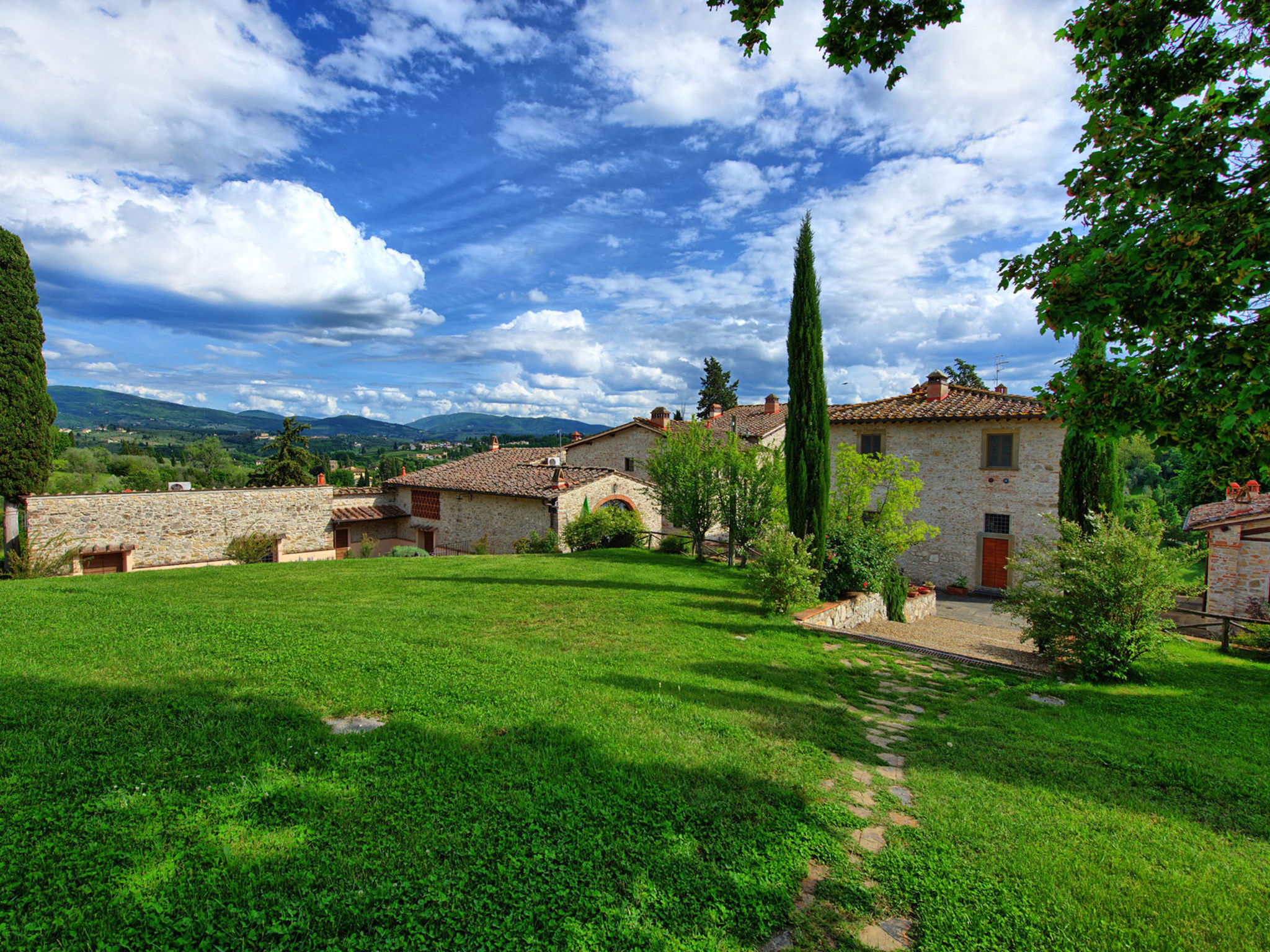
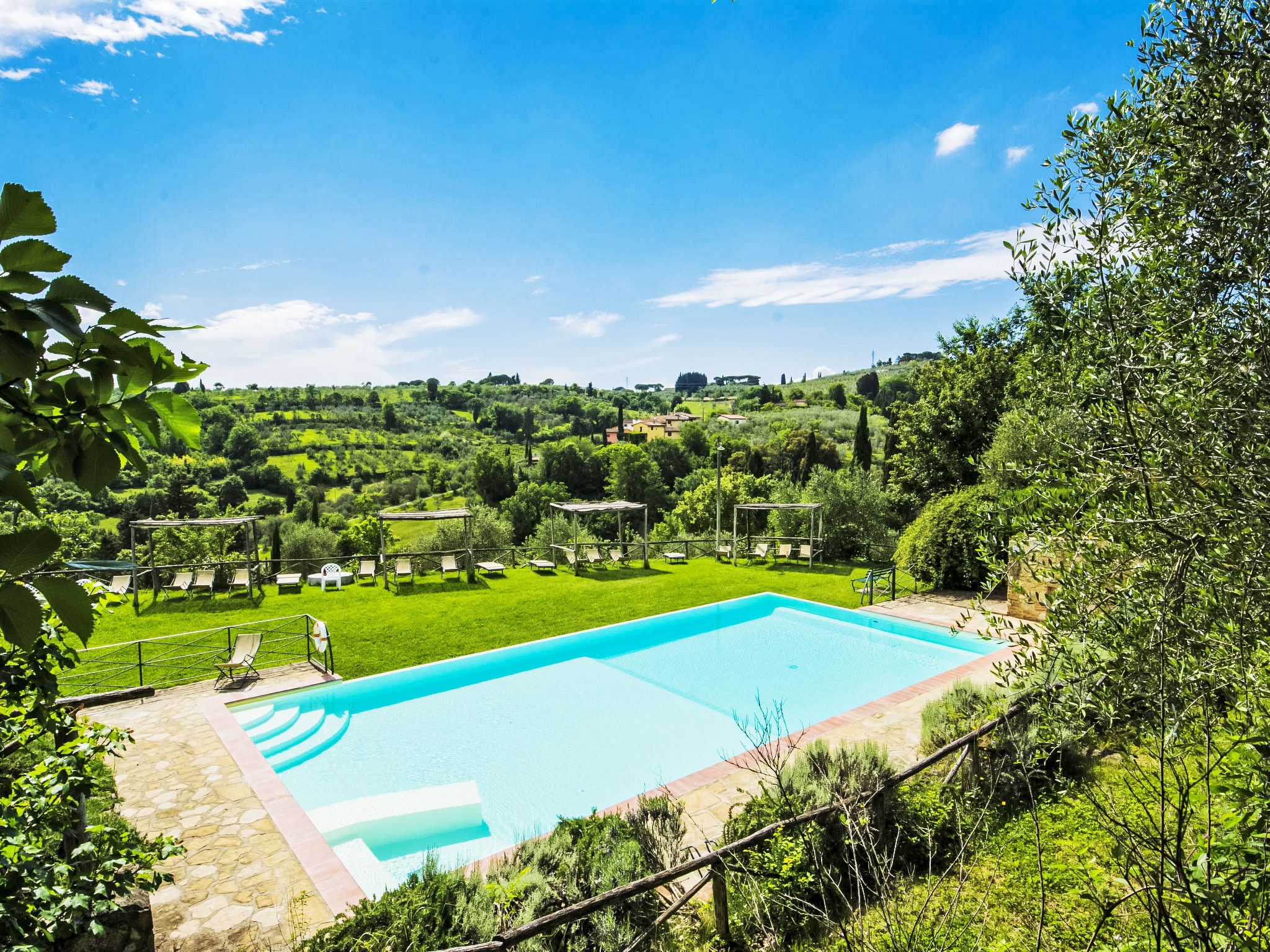
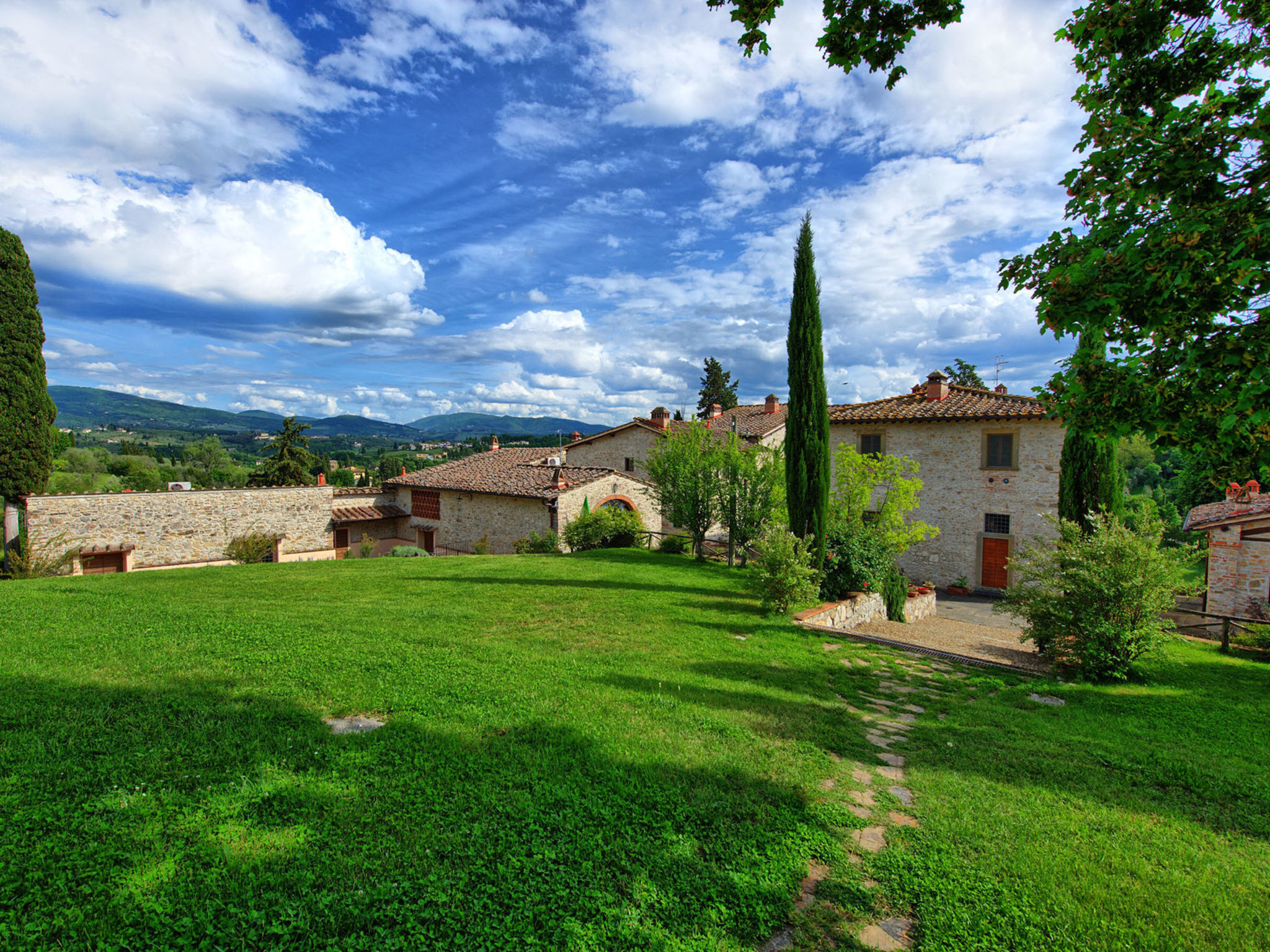
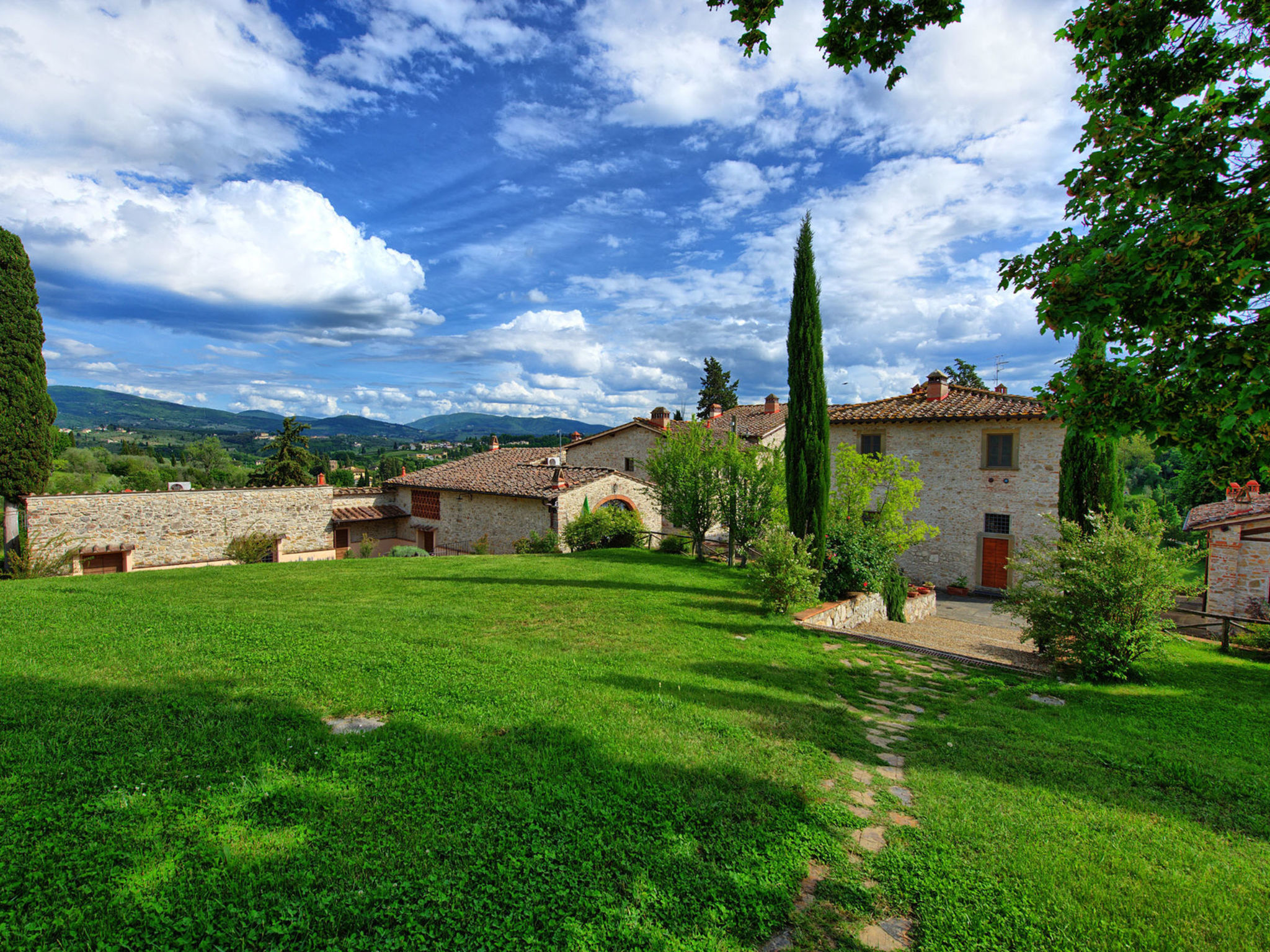
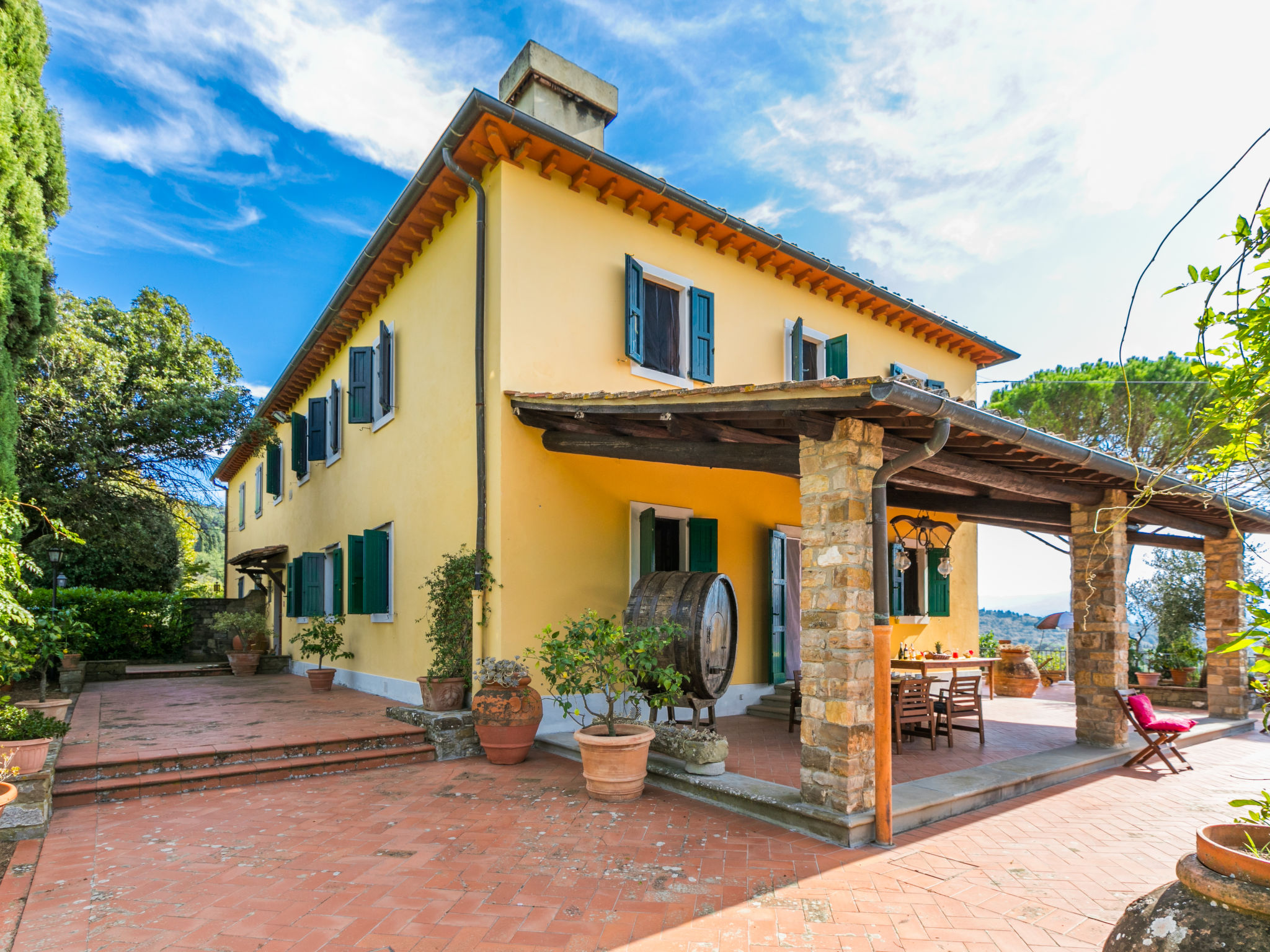
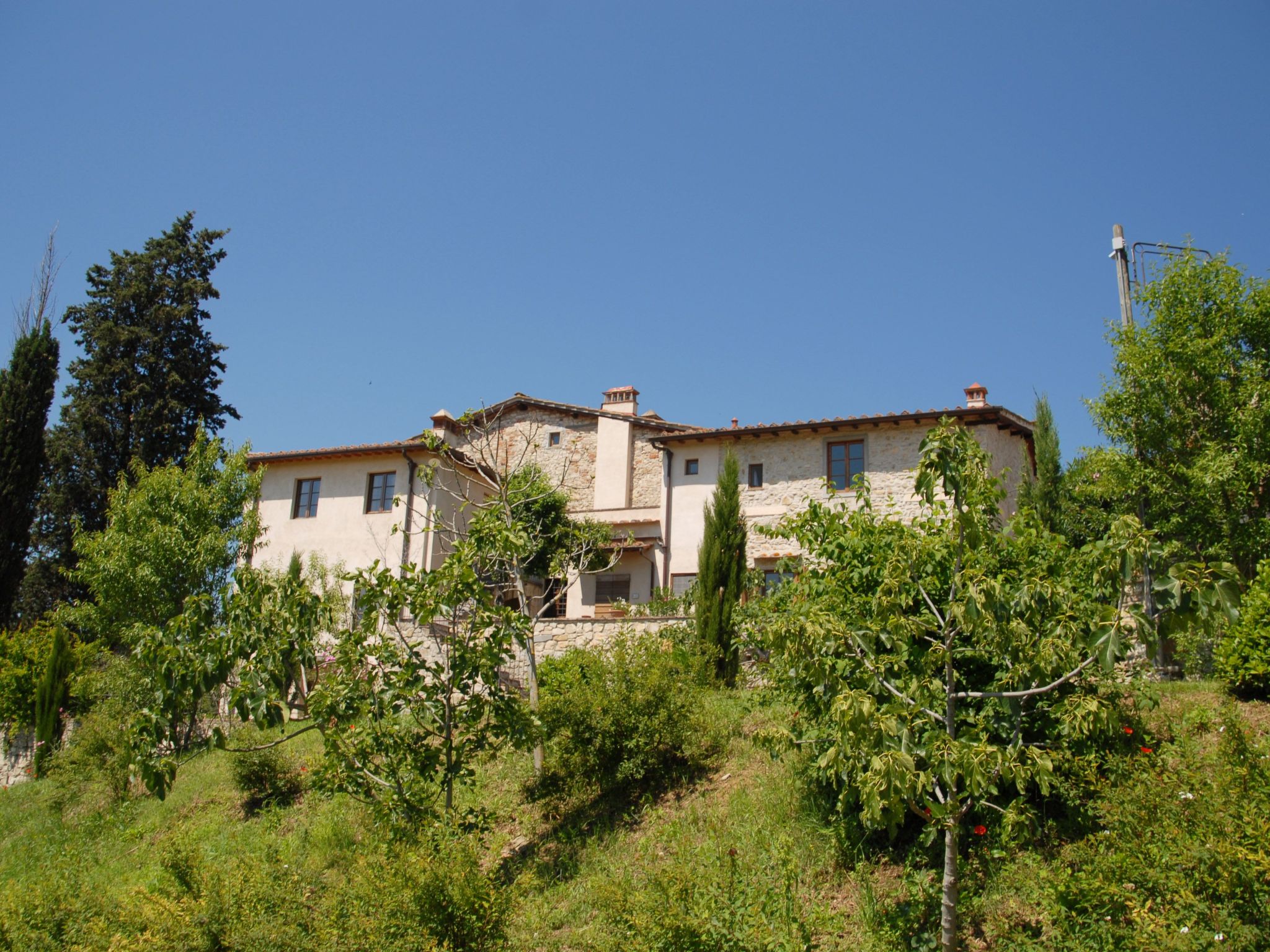
Hills South and West (Chianti, Val di Pesa)
Beyond the immediate suburban sprawl, rolling countryside with vineyards appears. Small towns like San Casciano in Val di Pesa or Greve in Chianti offer vineyard landscapes and agriturismos (farm stays). They're 20–40 minutes driving from Florence. If you want countryside and wine rather than city art, base yourself here and day-trip into Florence. The landscape genuinely shifts from urban to rural. Roads can be narrow and winding. Your own transport is essential.