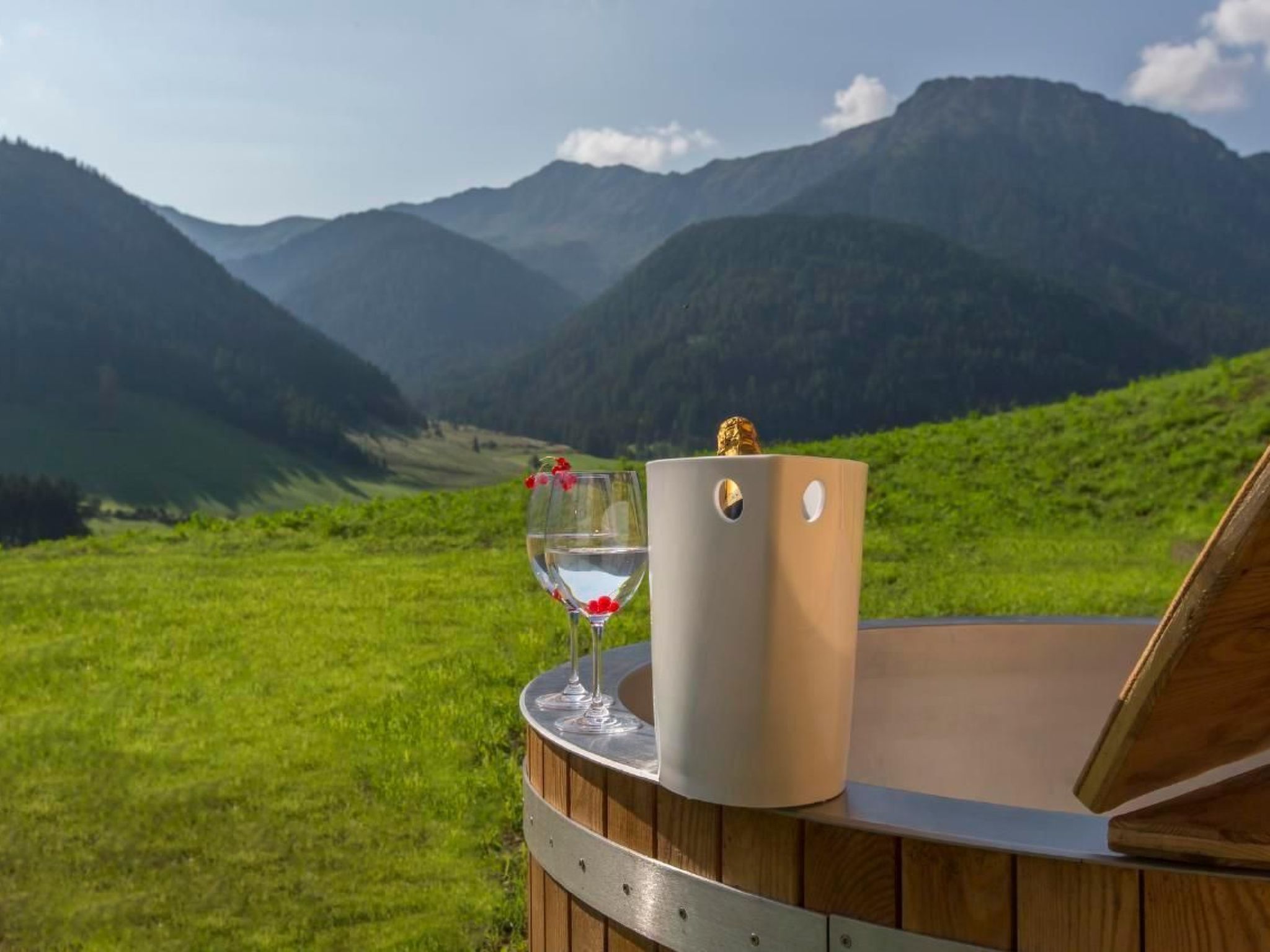
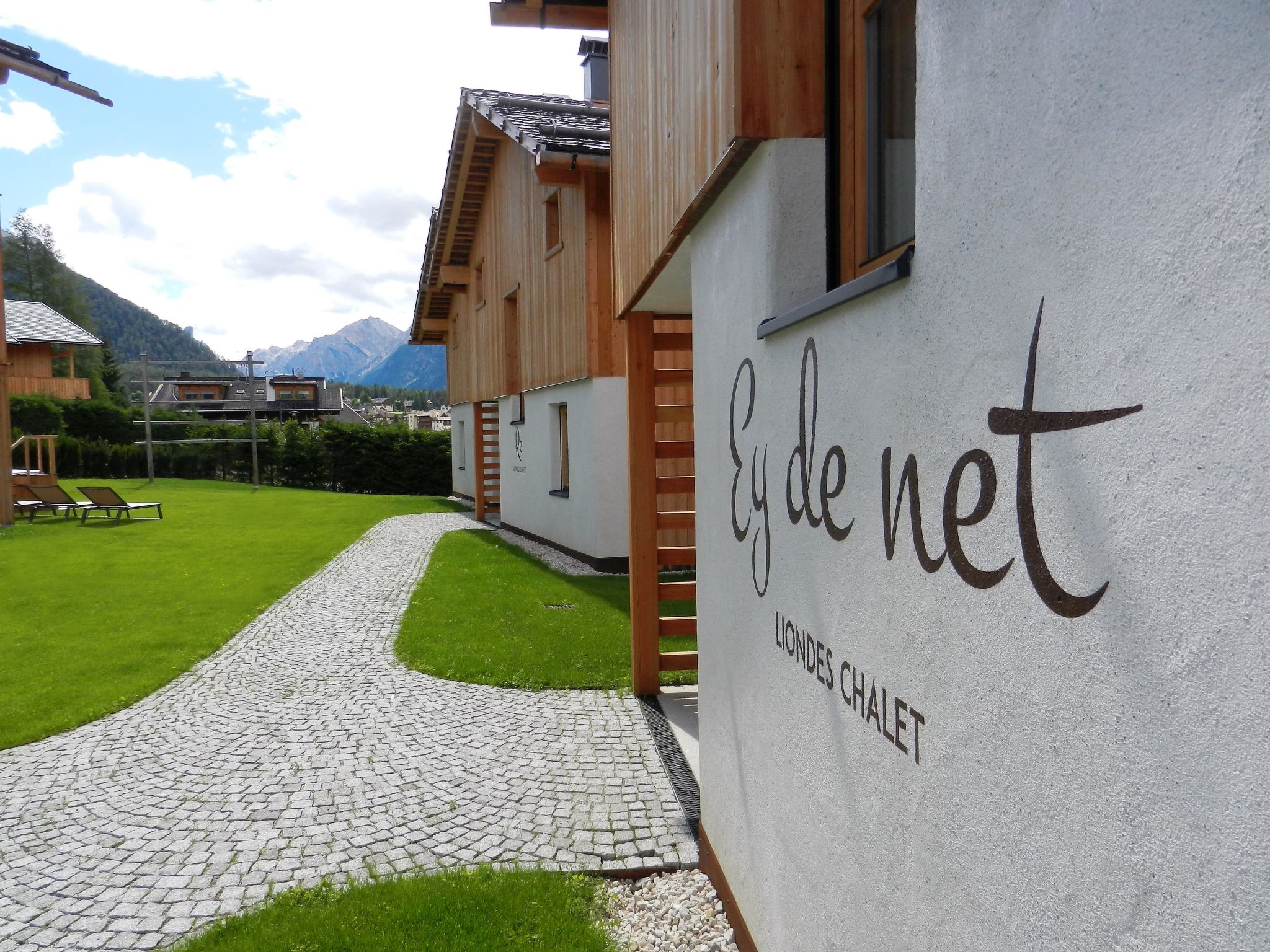
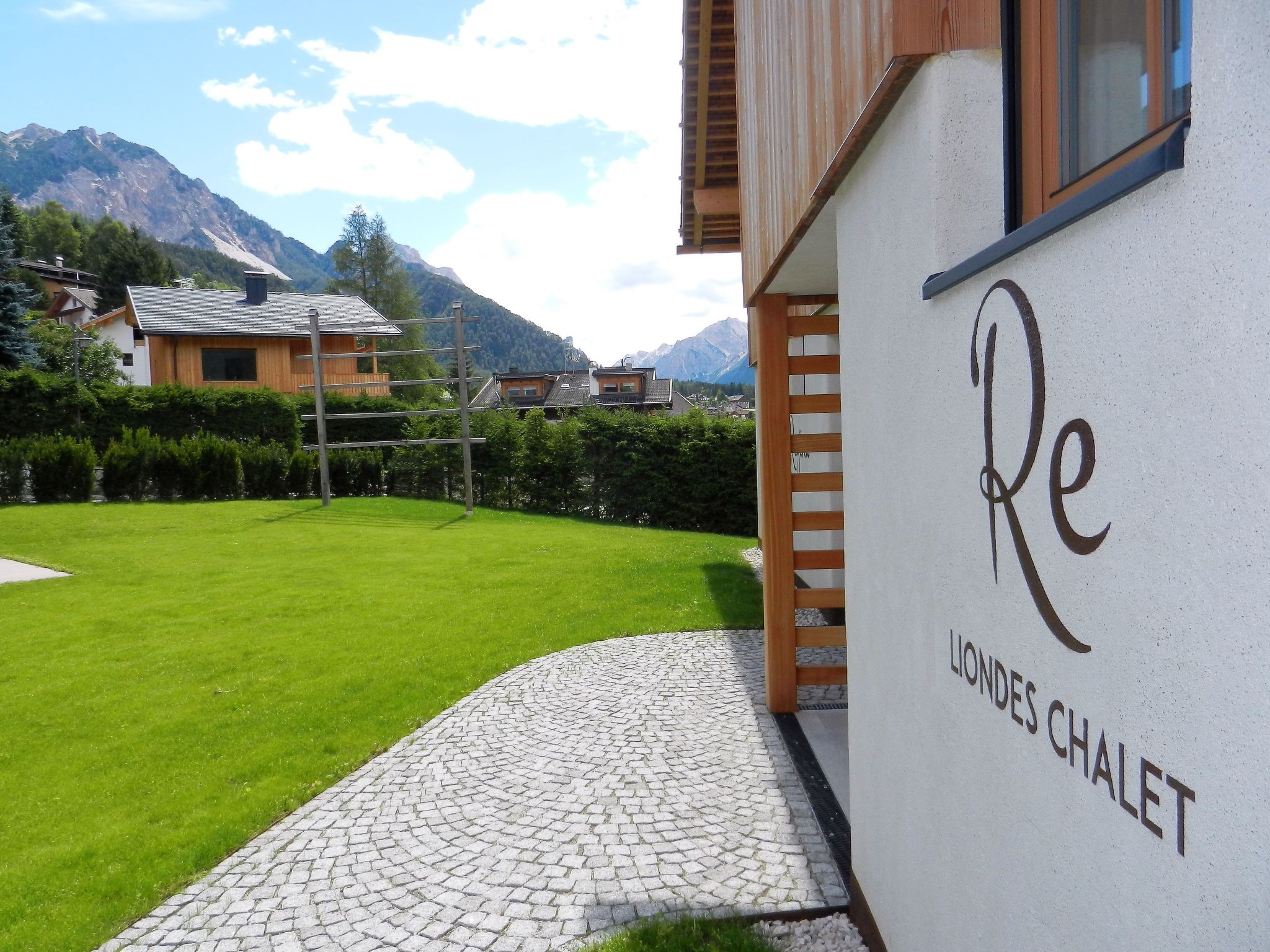
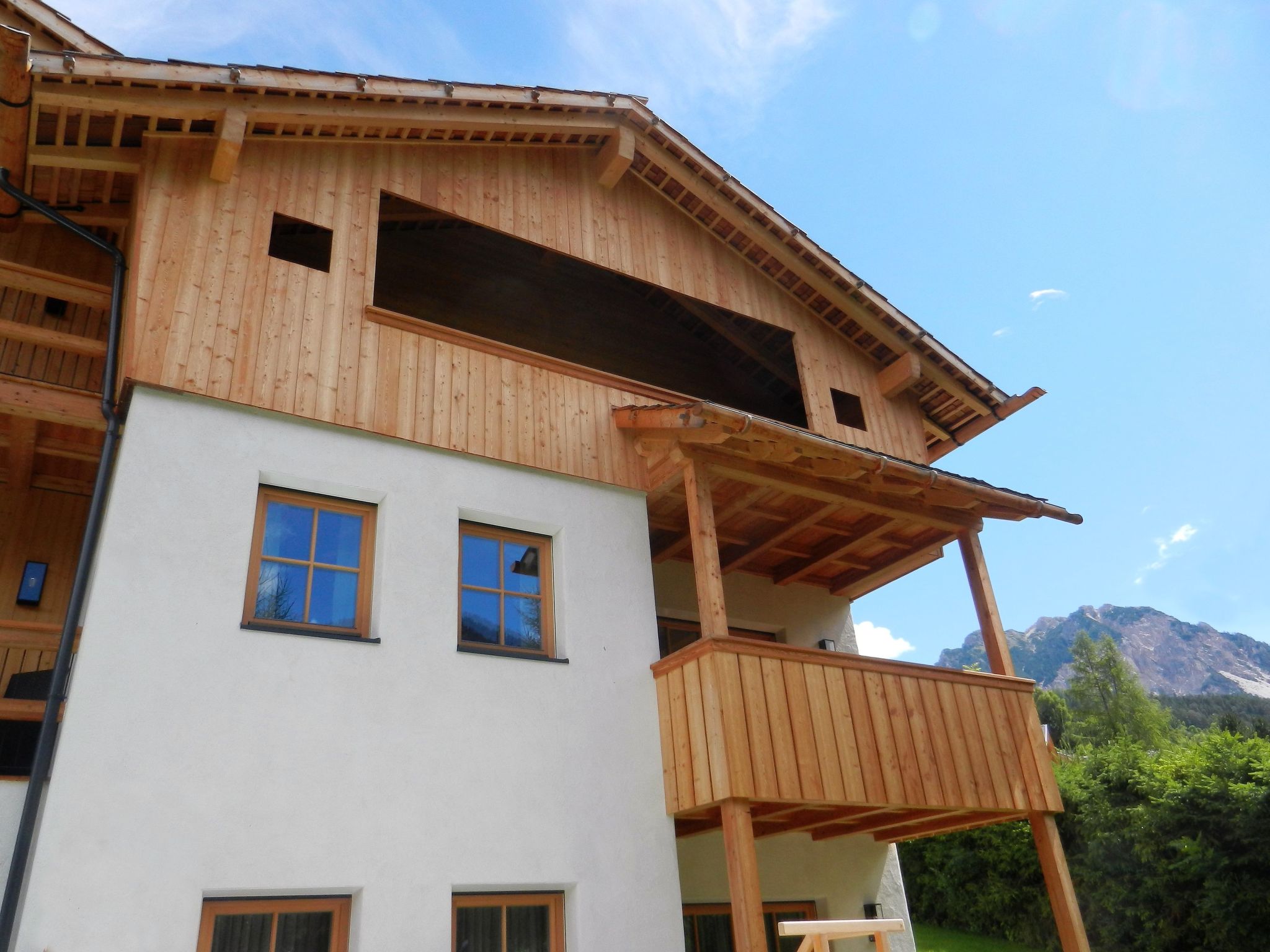
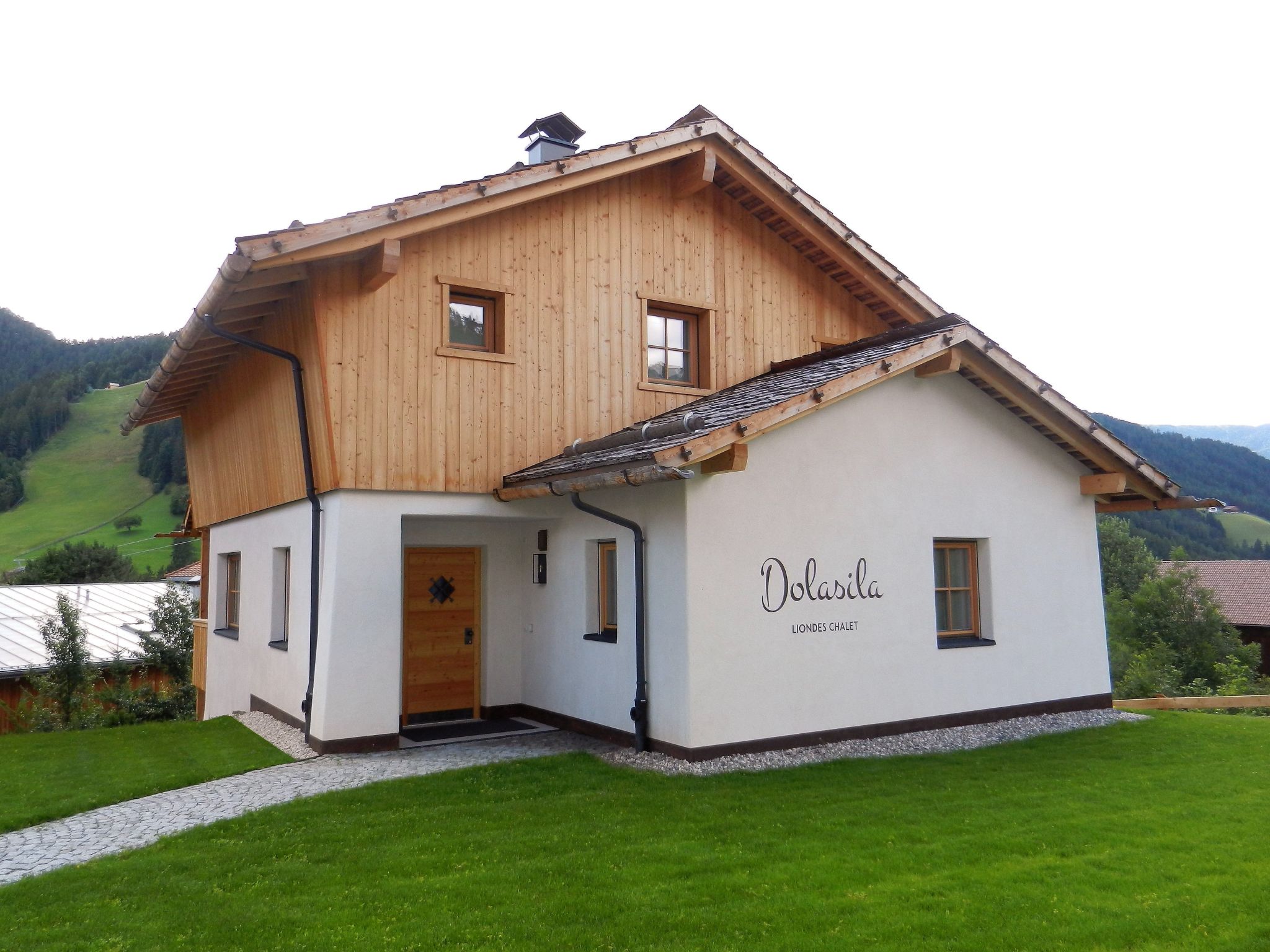
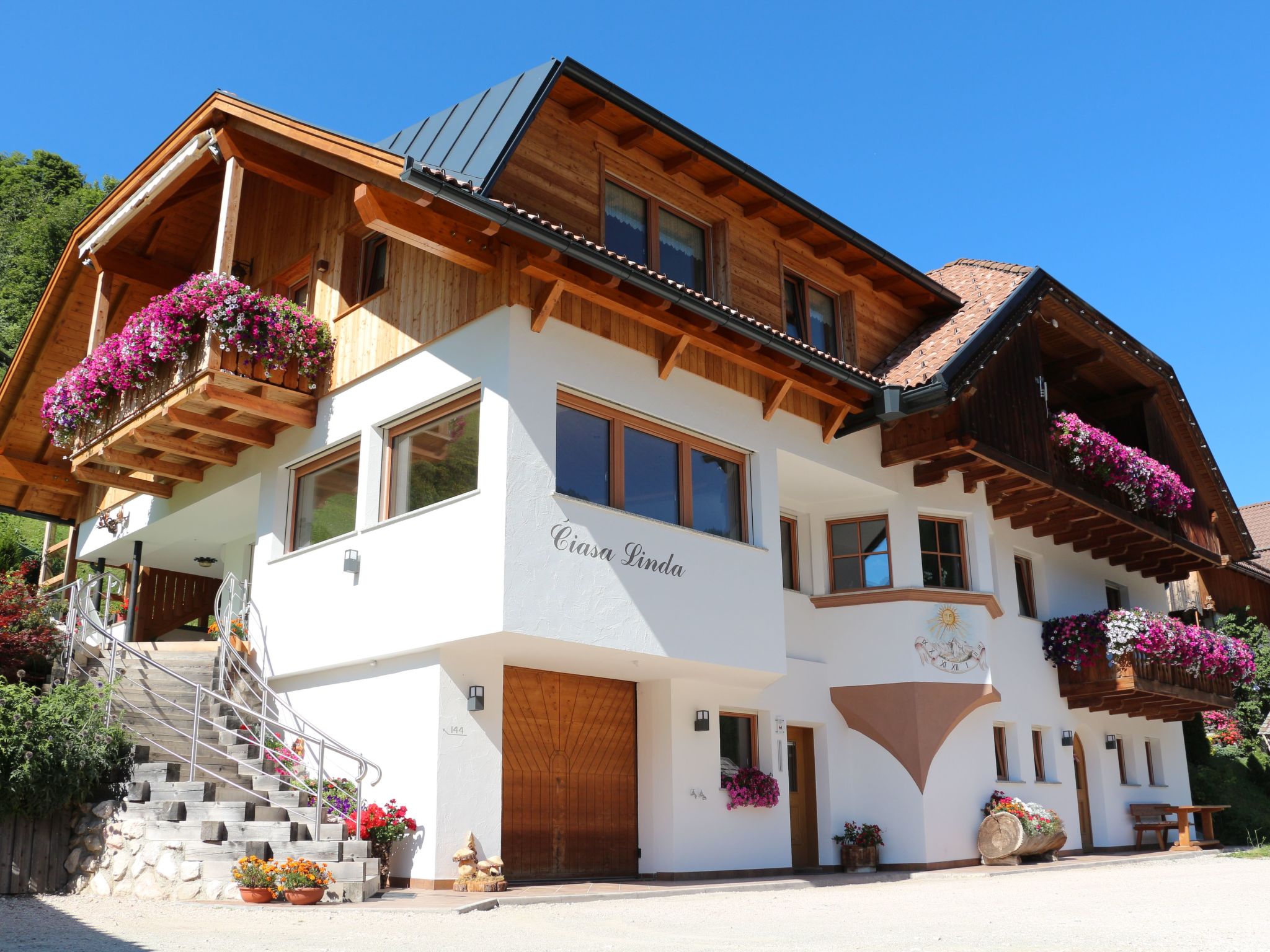
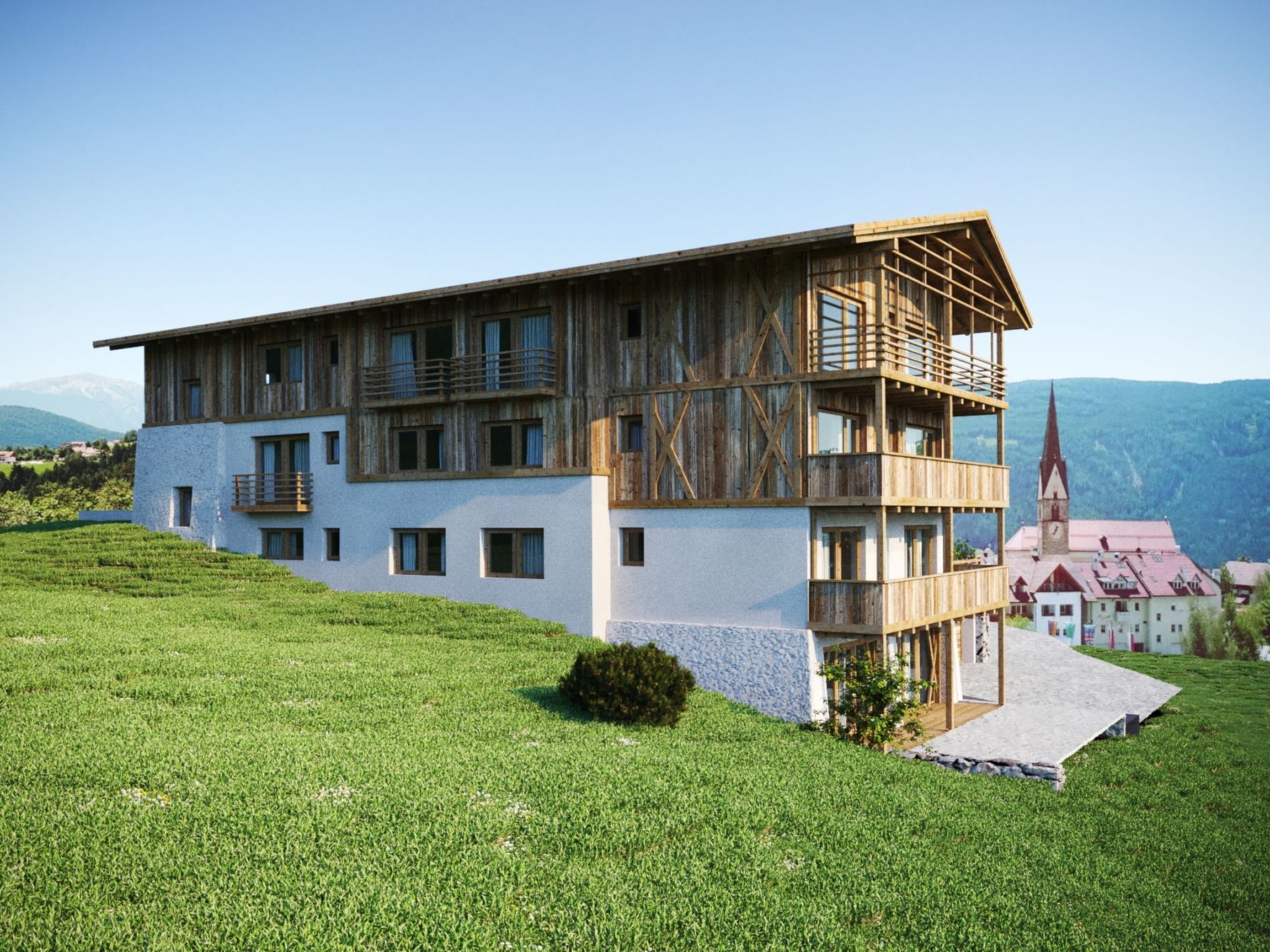
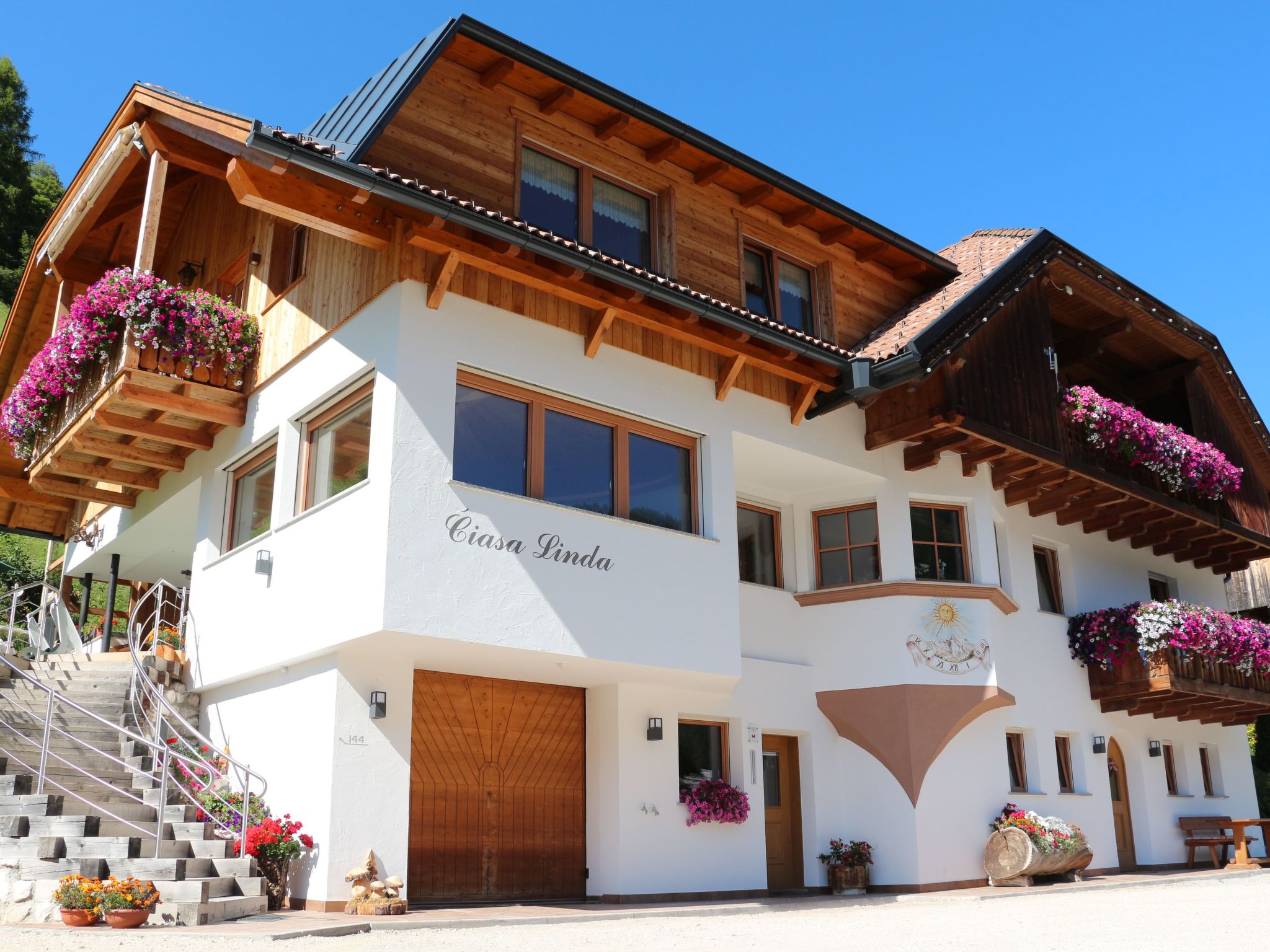
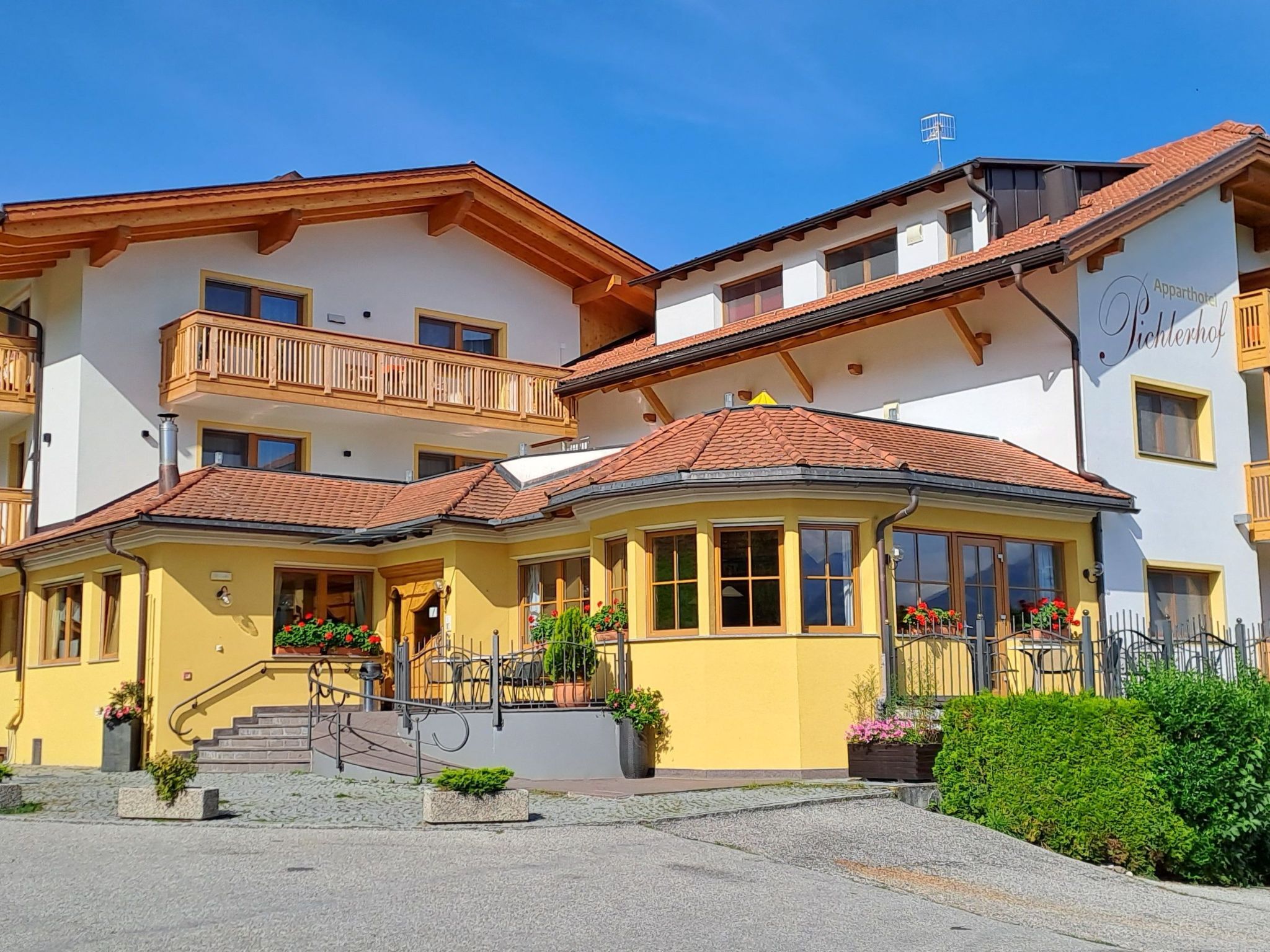
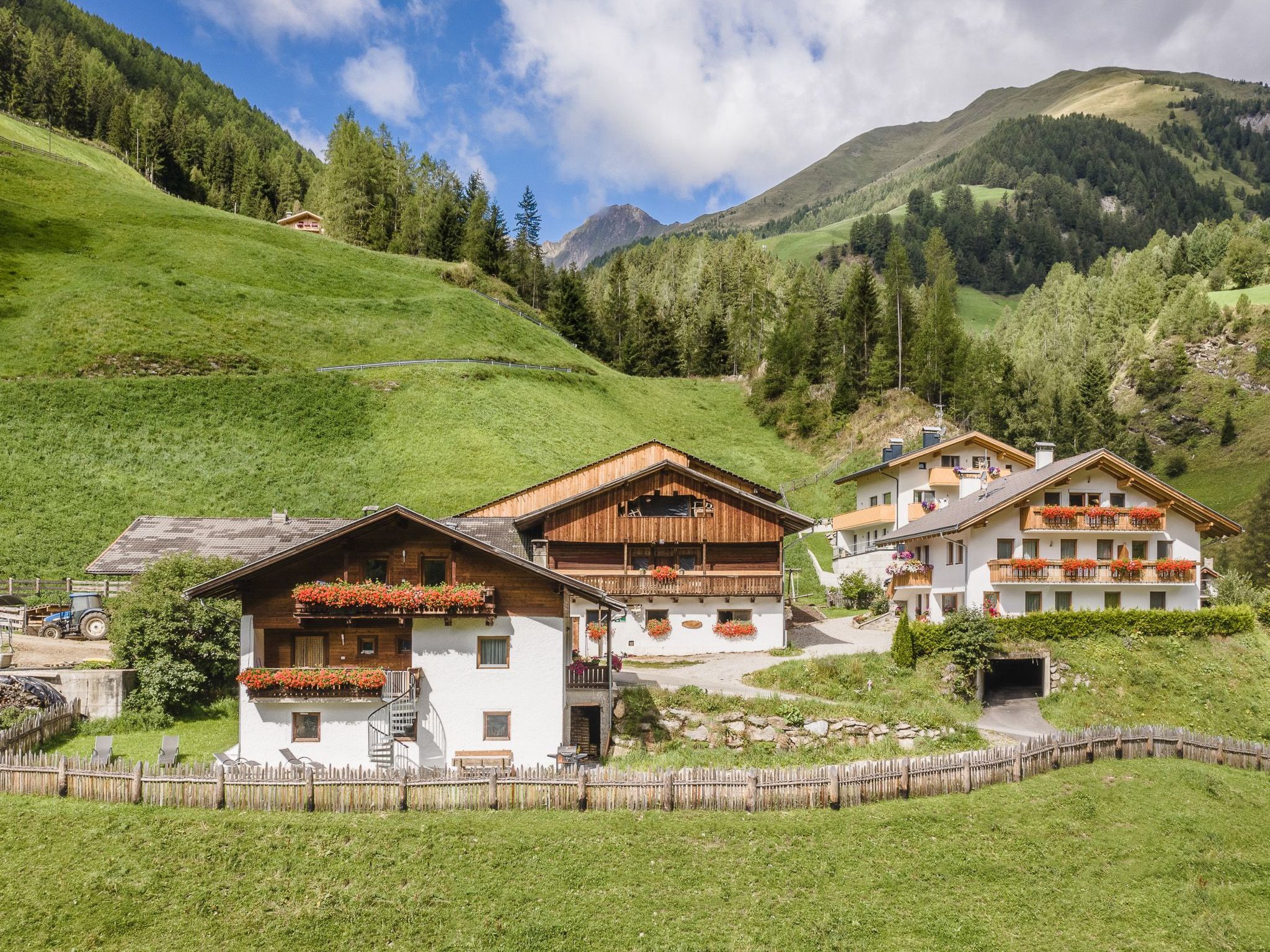
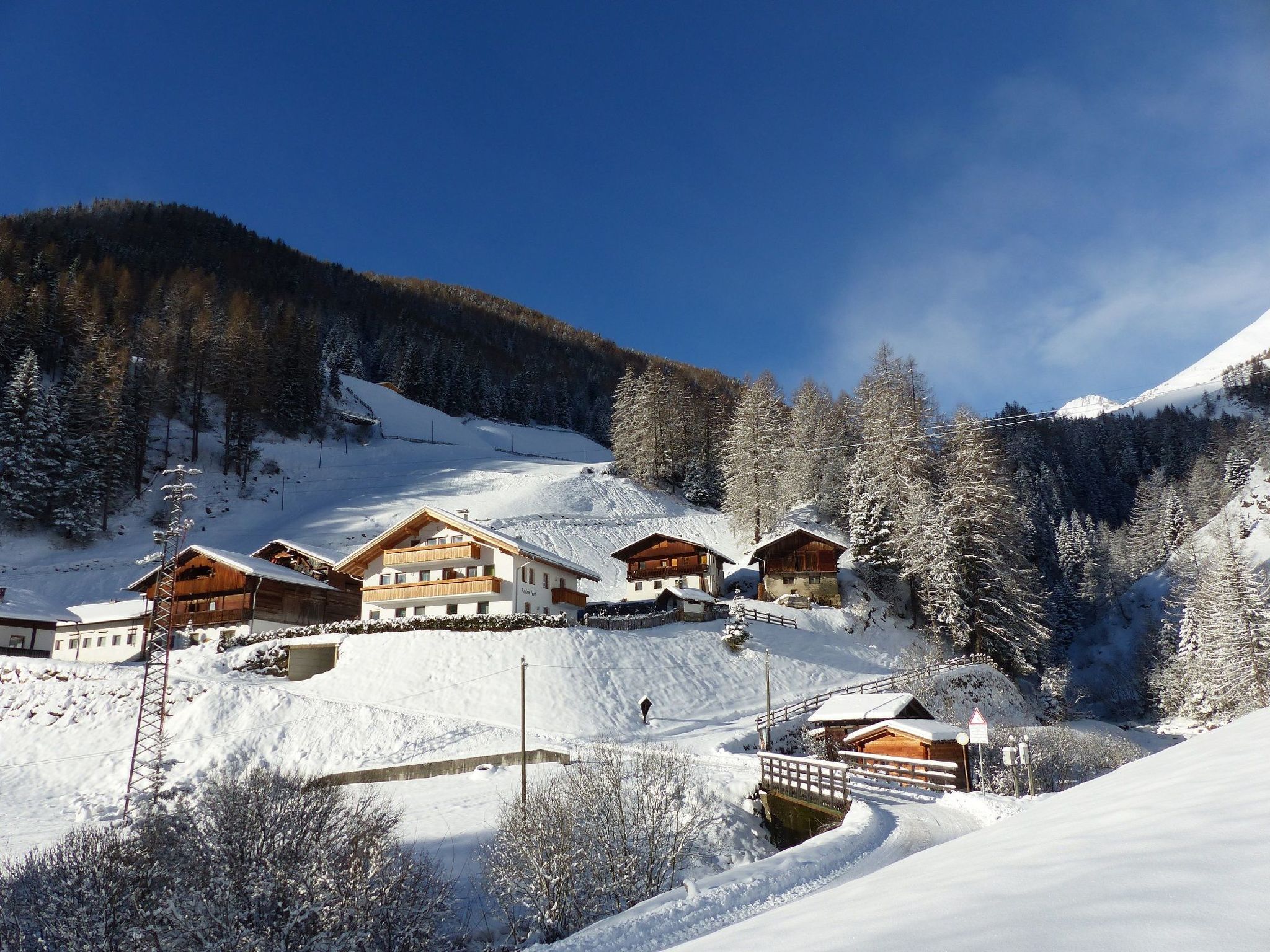
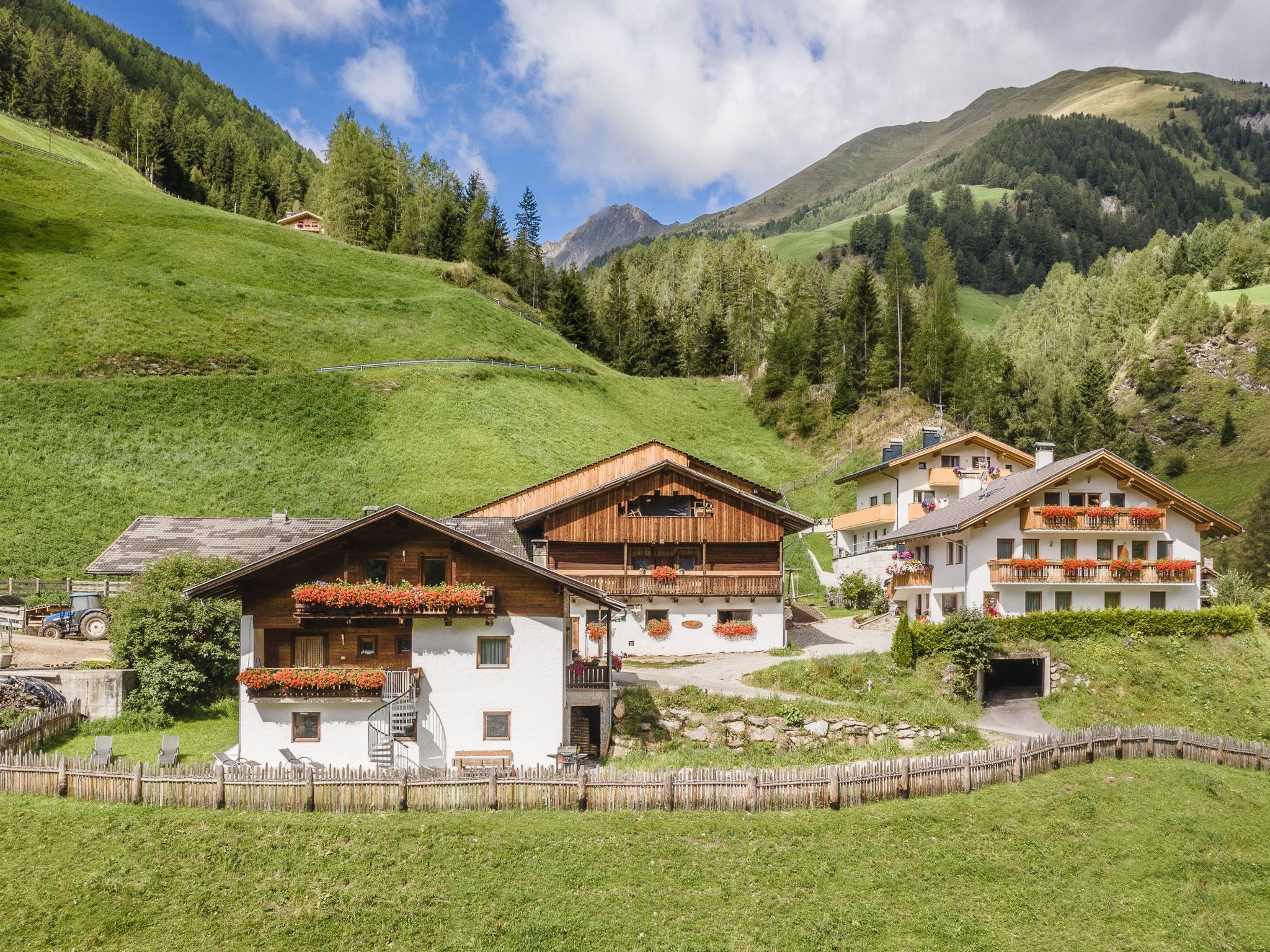
The Dolomites set themselves apart from other Alpine regions because they're not just high, they're architecturally dramatic. Those jagged, pale limestone peaks look almost impossibly sharp, and they change colour through the day from pink to orange to pale grey. We visit for the hiking in summer. The trails here are genuinely well-maintained and varied, from easy valley walks to serious all-day mountain routes. Winter brings skiers to Cortina d'Ampezzo, riding on Olympic legacy infrastructure from the recent 2026 games. The real draw though is that you get genuine mountain life: mountain huts where locals still speak German alongside Italian, restaurants built inside rock faces, and scenery that makes every photo look undeserved. The region straddles the Italian-Austrian border culturally; you'll hear German as often as Italian, see Austrian food on menus, and feel Austria's influence on architecture and mountain hospitality.
What Makes the Dolomites Special
- Via ferrata climbing: you're literally climbing up metal rungs and ropes bolted into the mountainside. It sounds extreme, feels manageable if you're reasonably fit, and looks incredible. The views mid-climb are extraordinary, and you get genuine adrenaline without needing professional climbing skills.
- The light. Sunrise and sunset are reasons to wake early or stay late. The limestone glows; photographers call it "enrosadira" (becoming roseate).
- It's bilingual. German-Italian culture is genuinely woven in, from food (speck and Knödel on the same menu) to place names and daily life.
- Summer skiing at higher elevations, genuinely possible through July. Rare in Europe and novelty value alone makes it worth one run.
- Mountain hut culture. Not just shelter. These rifugios serve proper food, operate on a casual schedule, and feel less commercialised than equivalent establishments elsewhere in the Alps.
Top Towns & Resorts in the Dolomites
Cortina d'Ampezzo
The famous one. It's been a skiing destination since the 1956 Winter Olympics, and hosted again in 2026. The town centre feels upmarket and a little expensive. It's the place to see luxury car imports and €40 coffees. But the village itself is actually quite compact and walkable. Summer brings climbers and hikers, and the Olympic facilities (ice skating, bobsled) are openly available if you're curious. One honest note: it's pricey year-round, and in peak season (Christmas, February half-term, summer school holidays) it feels rammed with other affluent tourists. The scenery justifies the visit, but go in shoulder seasons (April or September) if budget is a concern. Search villas near Cortina d'Ampezzo
Bolzano
The regional capital, and genuinely different from Cortina. It's an actual city with local life, medieval architecture, and serious museums (the Ötzi Ice Man mummy is here, in its own dedicated museum). The old town has arcaded streets (porticos), pavement cafes, and narrow streets that are pleasant for wandering. It's less ritzy than Cortina, more liveable, with functioning shops and restaurants that serve locals, not just tourists. The surroundings offer immediate hiking access without needing to drive far. It has the advantage of being accessible without a car if you use public transport (buses and trains are frequent). The downside: December Christmas markets are mobbed with visitors, and February can feel genuinely grey and cold with limited daylight. It's a good base if you want city life alongside mountain access. Search villas near Bolzano
Bressanone
Smaller and quieter than Bolzano. A pretty medieval town built around a cathedral, with a river running through it. Tourist traffic is lighter, prices lower, and the feel is more like a real place where people live and work. The surrounding valleys offer serious hiking and good mountain biking routes. The Pust Valley is genuinely beautiful and less crowded than the more famous Ötz Valley across the border in Austria. The town itself is manageable on foot, with local restaurants serving South Tyrolean food to locals (a good sign). The climate is a consideration though: cold winters, sometimes foggy mornings, and the town sits at altitude which affects weather. It's an fine base if you want mountain hiking without the tourist machinery of Cortina. Search villas near Bressanone