Calabria sits at the tip of Italy's boot, and it feels genuinely removed from the northern regions that dominate guidebooks. The coastline here doesn't play by the Amalfi script. Tropea perches on cliffs above turquoise water in a way that feels neither manufactured nor overcrowded. Head inland toward the Sila mountains and you'll find villages that tourists rarely reach, cooking with nduja and preserving traditions that haven't been packaged for visitors. Yes, the infrastructure is rougher around the edges, the roads inland can be challenging, and summer heat is relentless. That's precisely why prices stay low and the experience feels honest.
What Makes Calabria Special
- Tropea's dramatic clifftop setting and turquoise water are real; they just lack the selfie crowds of Positano.
- Food here is distinct and fiery. Nduja (spicy spreadable salami), bergamot citrus, and swordfish carpaccio aren't riffs on Tuscan themes.
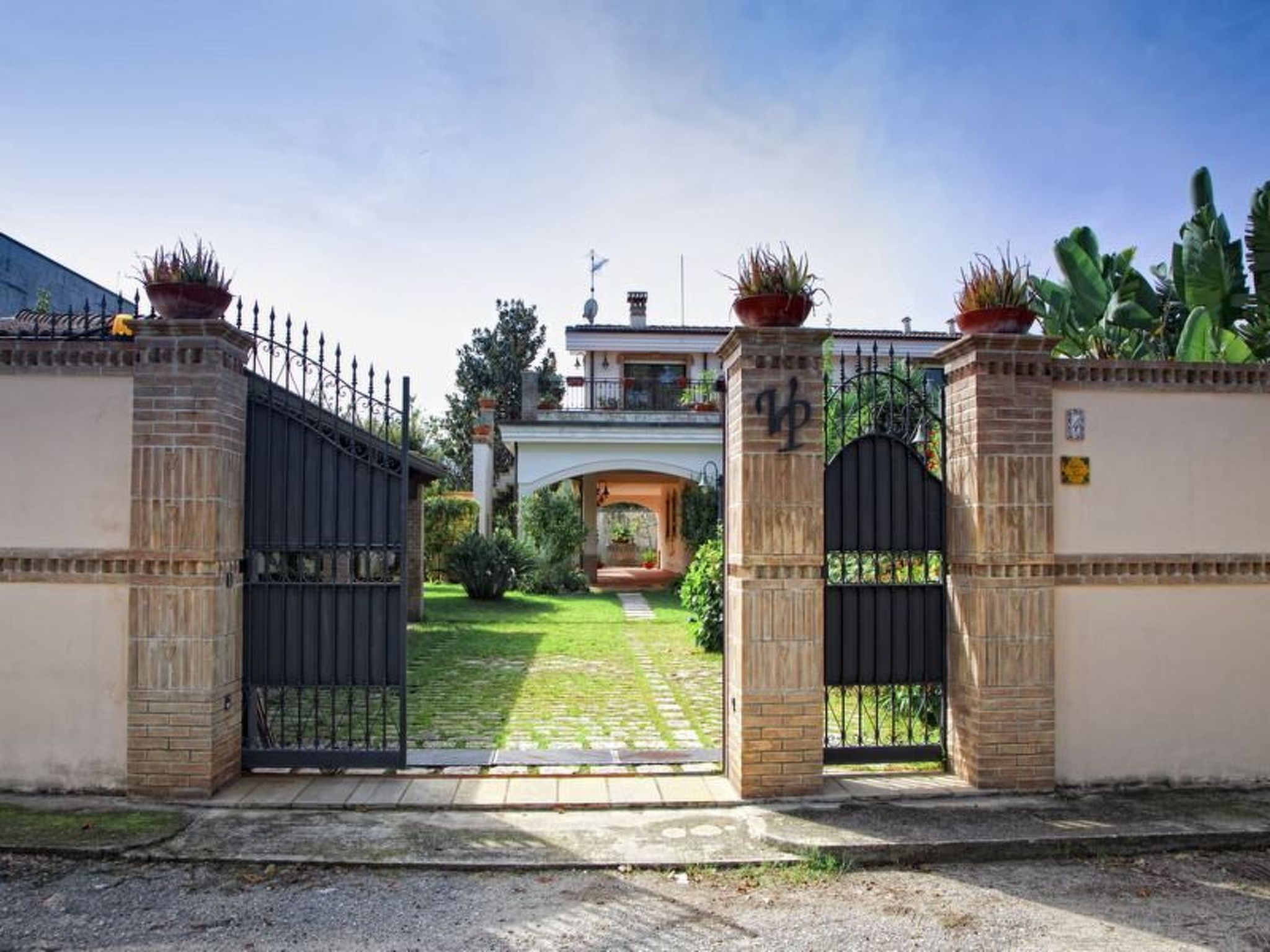
- You can rent a private villa for substantially less than equivalent properties in the Amalfi or Cinque Terre, without sacrificing views.
- The interior Sila plateau offers mountain cool, wild forests, and an entirely different Calabrian rhythm that most visitors never see.
- Capo Vaticano beaches deliver genuine drama with rocky headlands, hidden coves, and water so clear you'll question if you're really in southern Europe's least developed region.
Top Towns & Resorts in Calabria
Tropea
The obvious starting point, and it deserves that status. The clifftop arrangement is theatrical. Pastel buildings stack above a small beach and rocky outcrops. The main piazza thrums with a certain amount of tourist energy during summer, but walk five minutes away from the central drag and you'll find yourself in quiet alleys with family-run restaurants. Water is genuinely swimmable and clear. The drawback: peak summer (July/August) transforms this into a crowded resort. Plan a visit in June or early September if you want the full experience without elbow-to-elbow crowds.
Capo Vaticano
You'll understand why the name exists when you arrive. This cape stretches into the Tyrrhenian Sea with beaches scattered below dramatic rocky formations. Over 40 kilometres of coastline means you won't struggle to find space, even in August. Spiaggia di Tropea (yes, another beach with that name) is the most developed, but head north along the coast and you'll find progressively quieter stretches. The village itself is minimal. This works in your favour for tranquility, but restaurants and services are thinner on the ground than in Tropea proper. Car rental is close to mandatory here.
Search villas near Capo Vaticano →
Reggio Calabria
The region's capital has a reputation for chaos and rough edges that's only partially deserved. Yes, the waterfront can feel shabby by Sicilian standards, but the Riace Bronzes sit in the Museo Nazionale and justify the detour alone. Two nearly life-sized Greek bronze warriors, pulled from the sea centuries ago, remain among the finest examples of ancient Greek sculpture. The museum itself is modest, the city lacks Palermo's polish, but that's the point. You're seeing a working southern Italian city, not a stage set. Lamezia Terme airport sits about 80 kilometres north, making this a practical entry point. The seafood along the harbour is genuine and affordable, though atmosphere can feel unpredictable after dark.
Search villas near Reggio Calabria →
Sila Plateau and Mountain Villages
Push inland from the coast and you discover an entirely different Calabria. The Sila plateau sits at 1,500 metres, offering cool air, dense forests, and genuine solitude. Villages like Cosenza (the regional capital before that role moved to Reggio) and smaller mountain towns feel genuinely untouched. This region isn't designed for beach holidays. It's for hiking, for encountering people who don't speak English, for understanding how Calabria worked before tourism arrived. Infrastructure is real but modest. Roads inland can be poor quality. But those seeking escape from the coastal circuit will find it here.