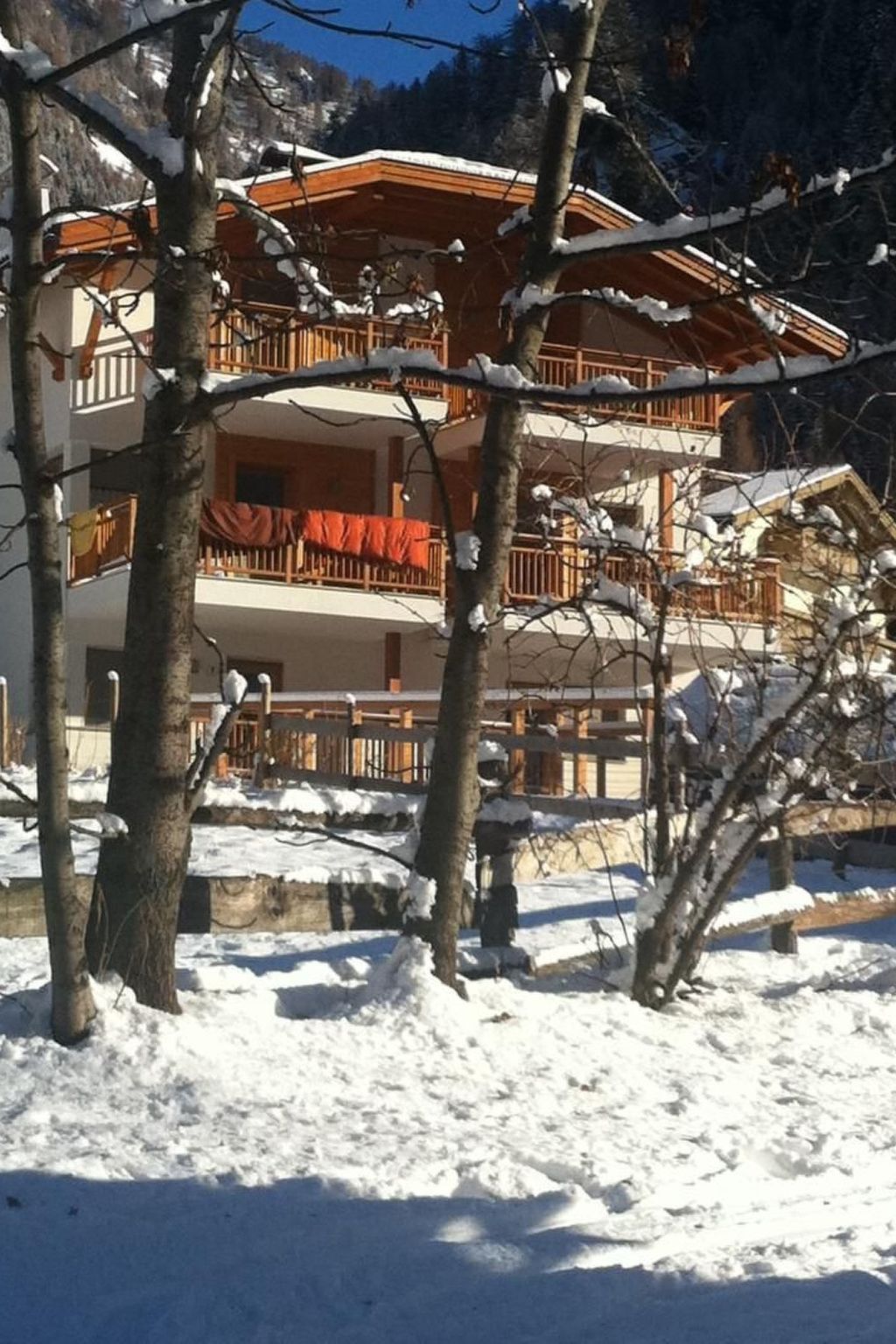
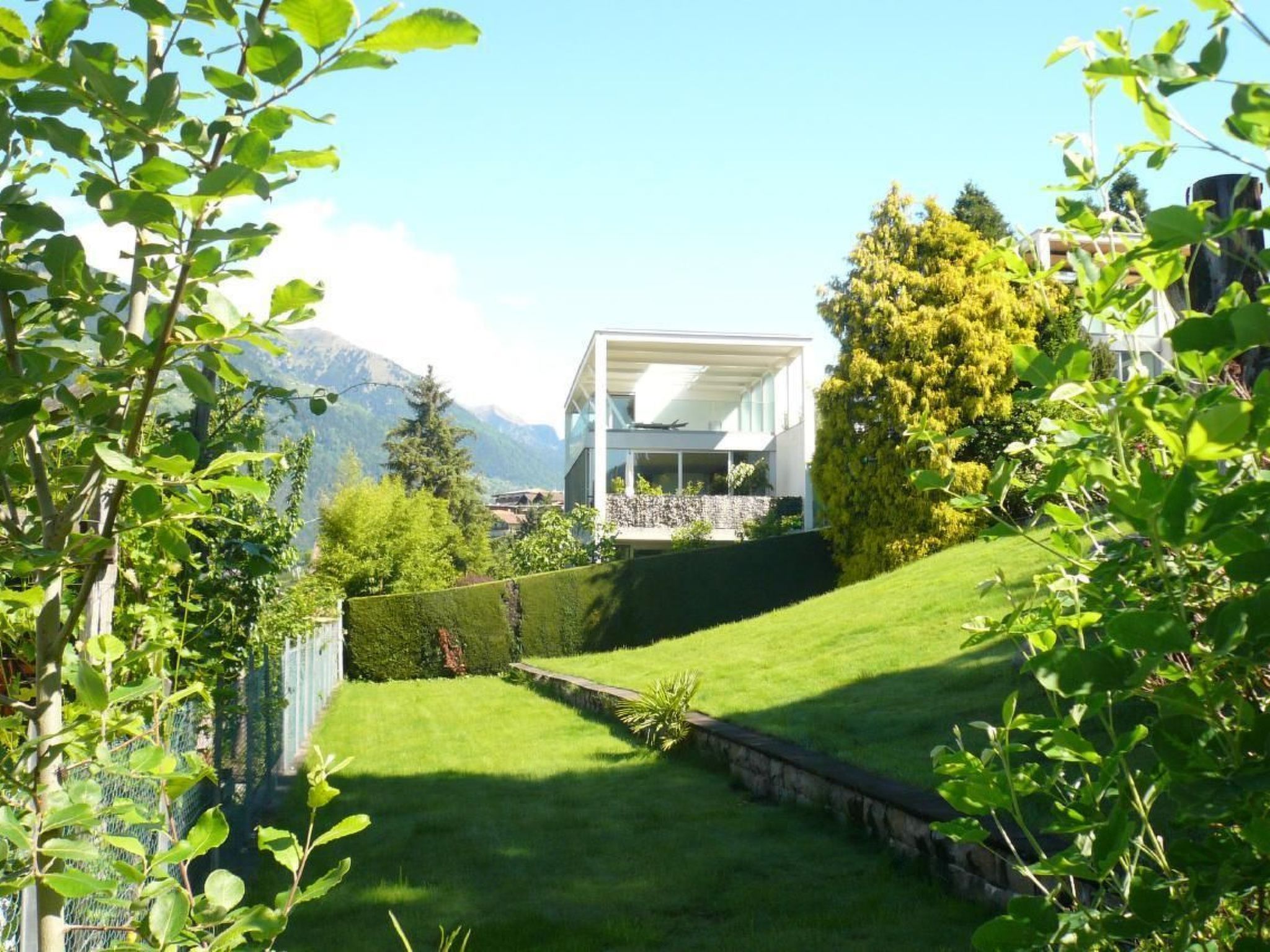
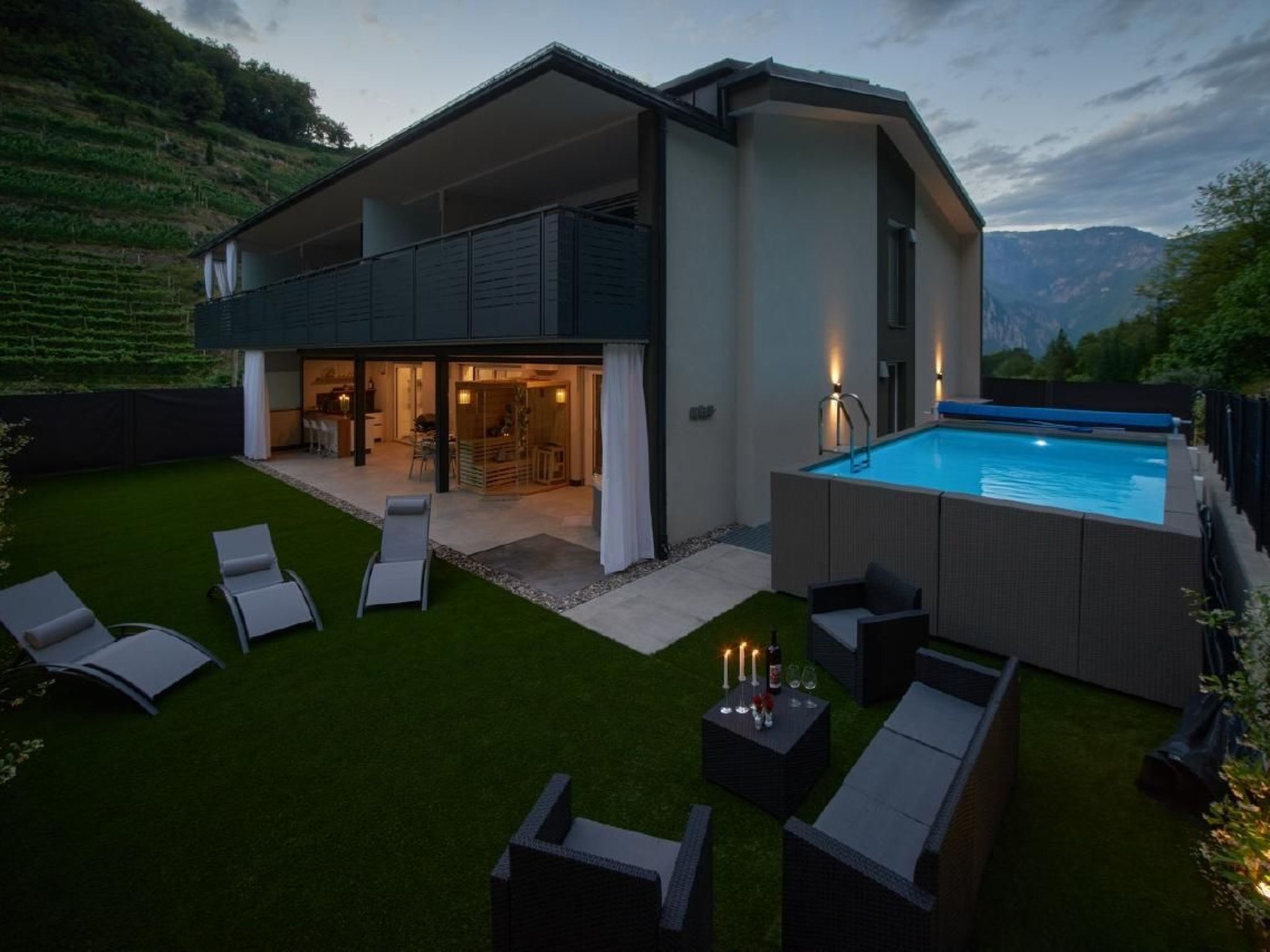
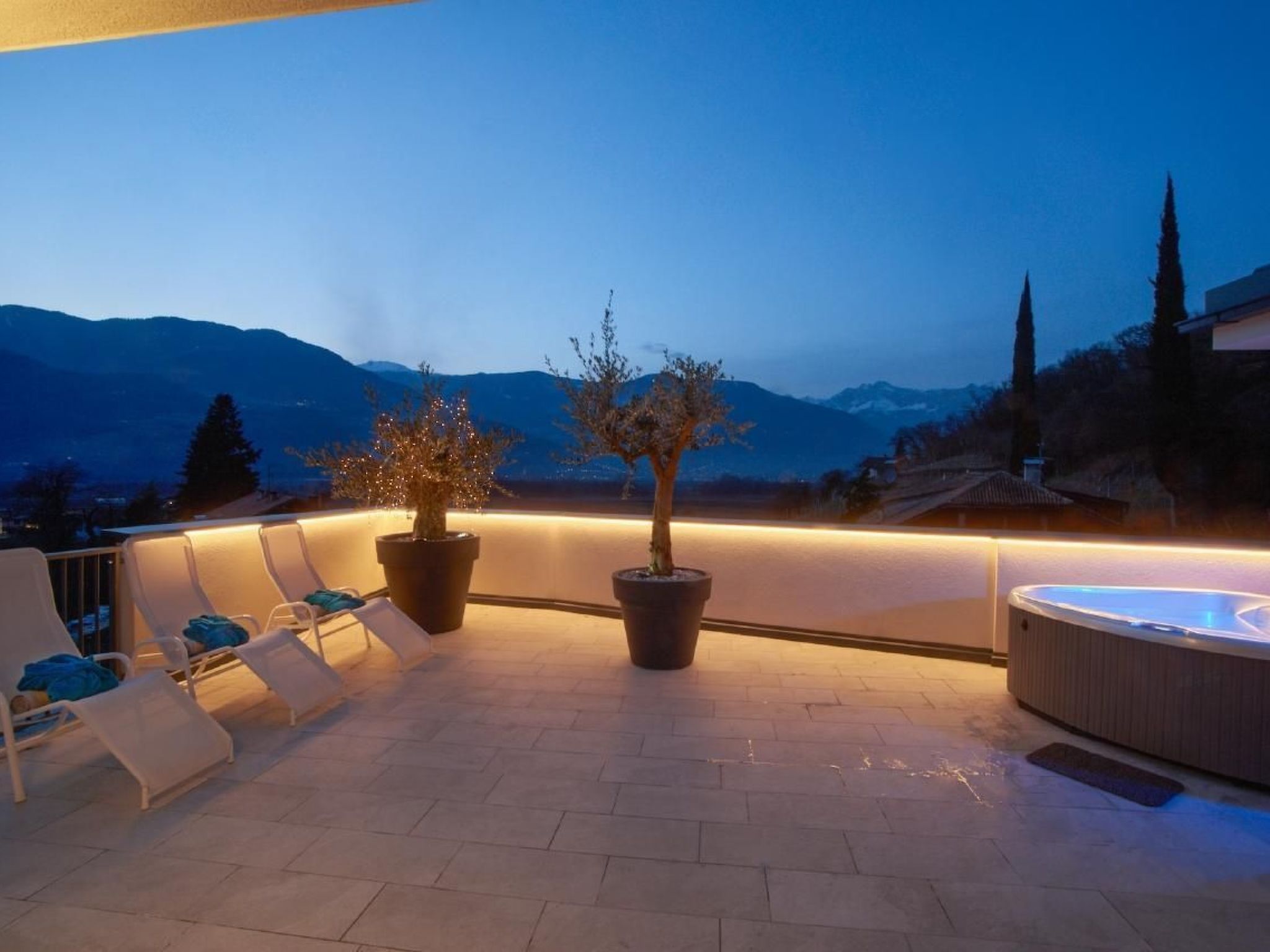
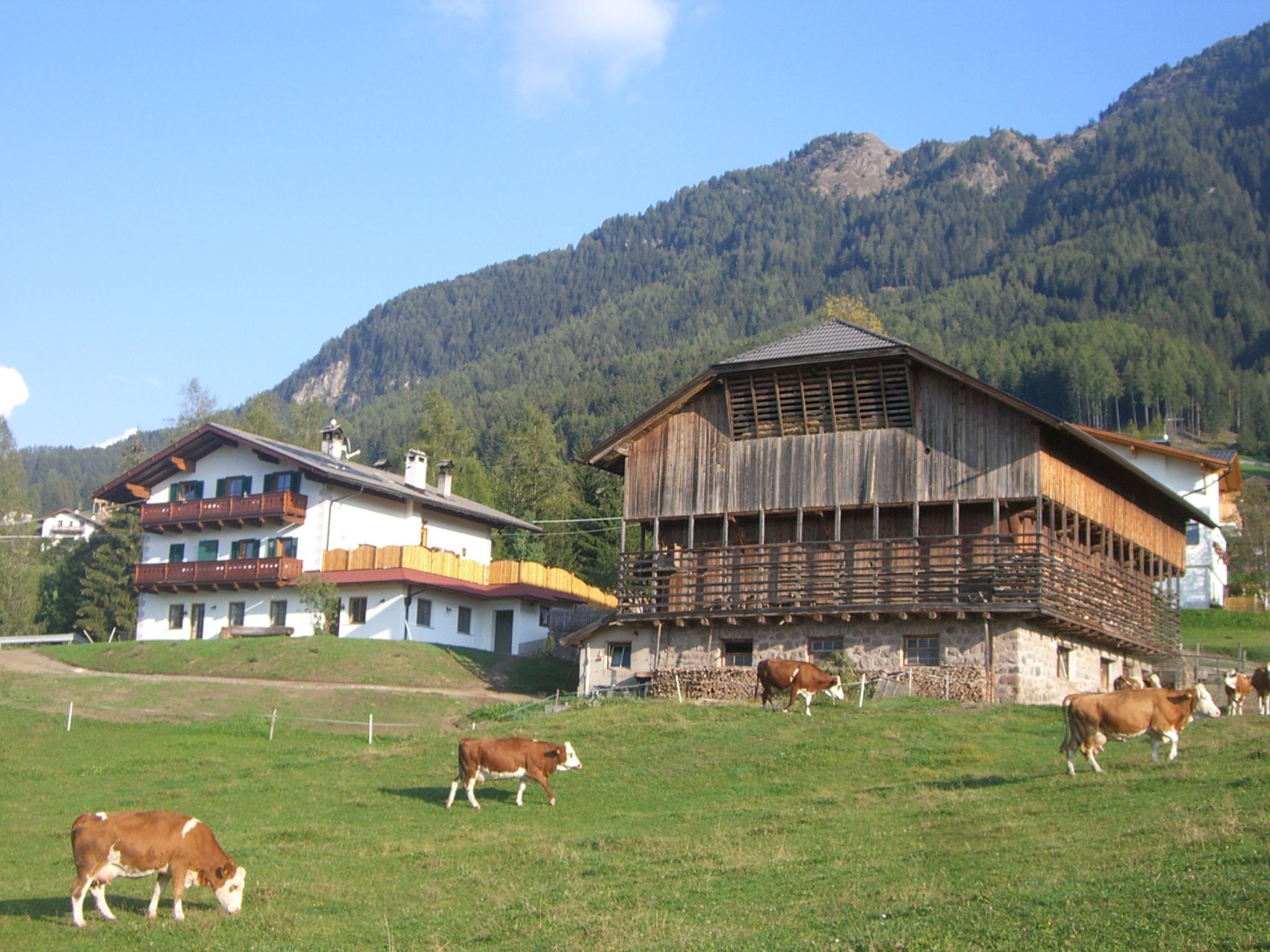
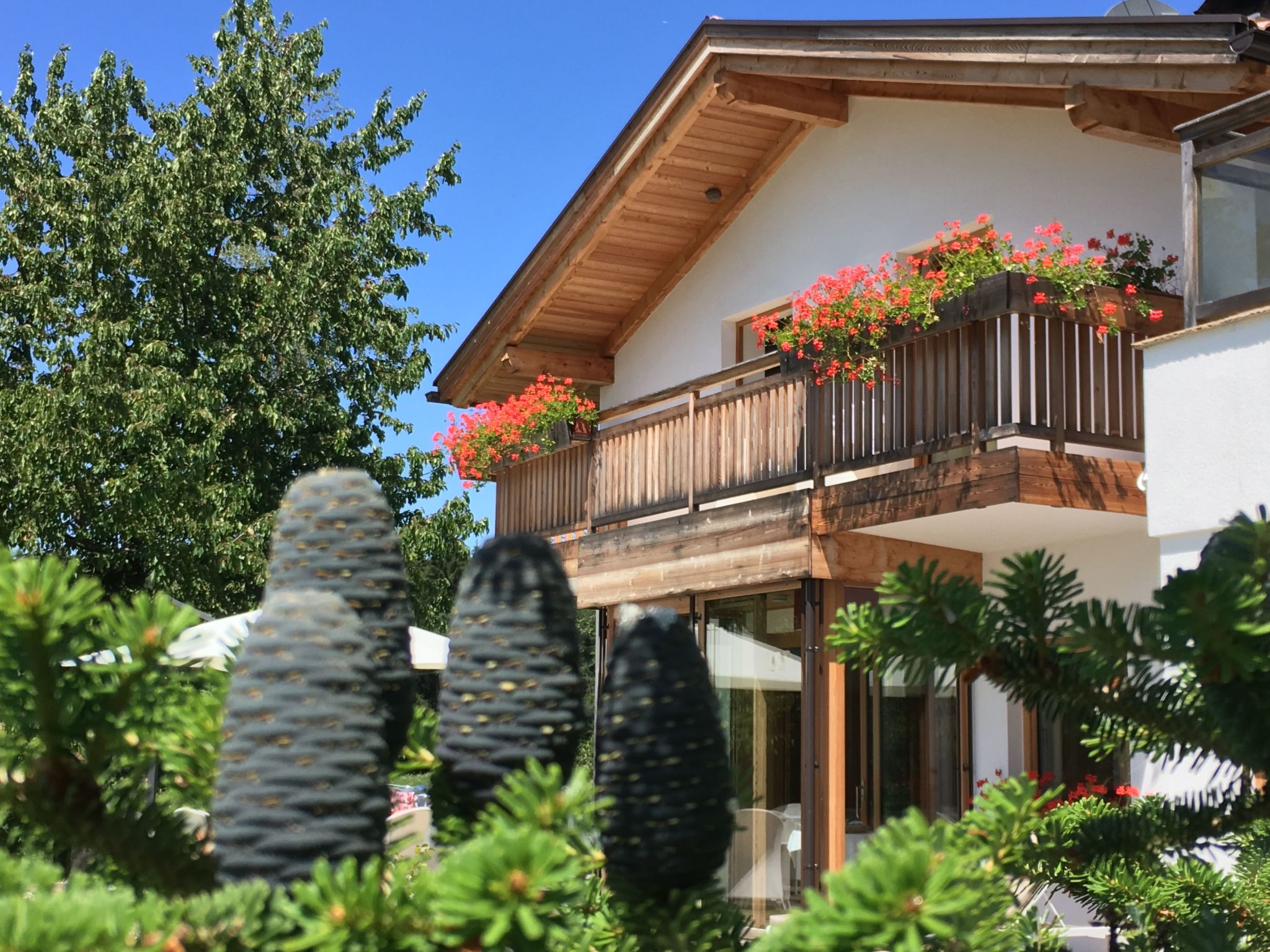
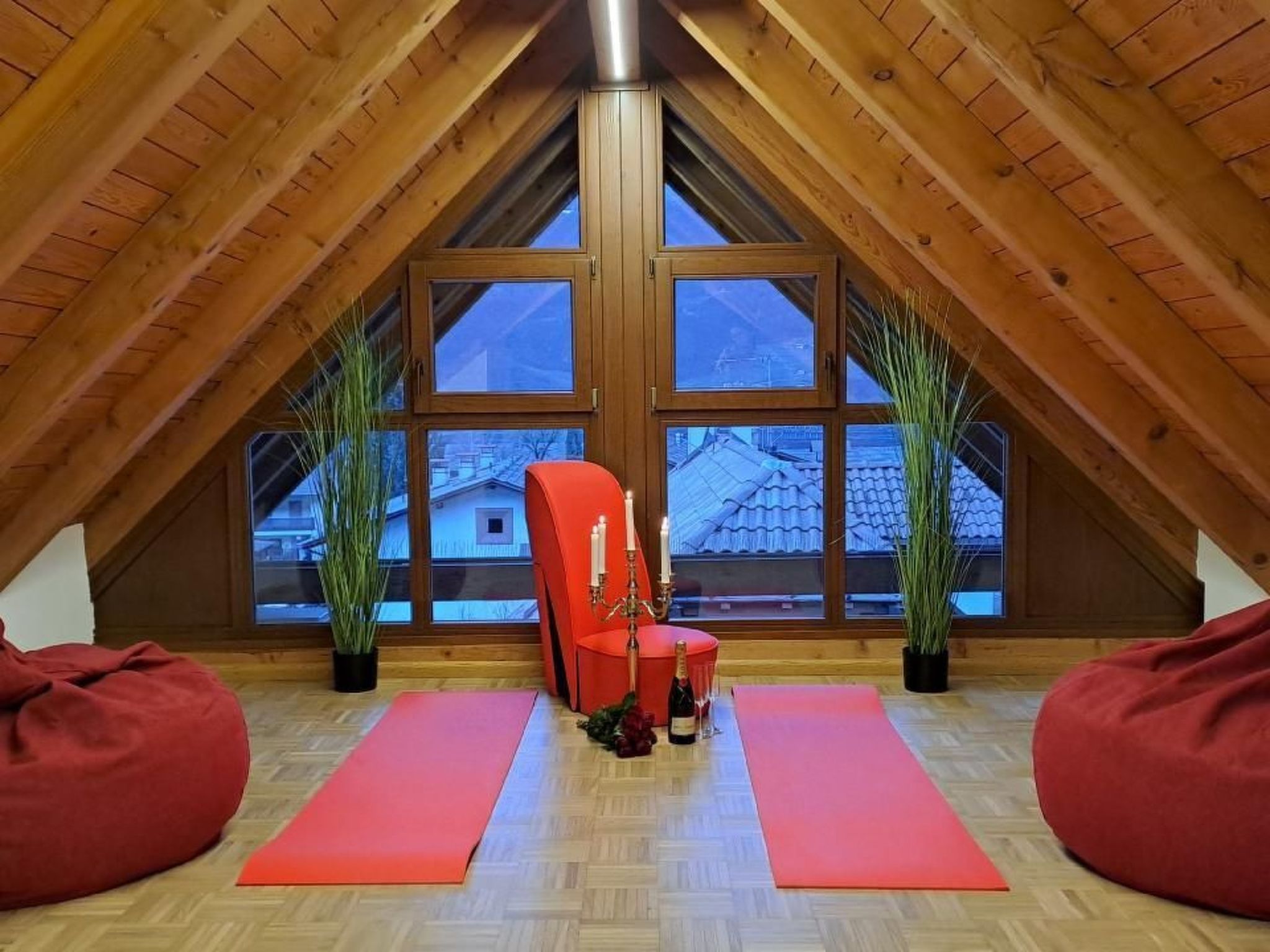
Aldein, Kaltern and the wine country south of Bolzano (Aldein, Kaltern, Andriano)
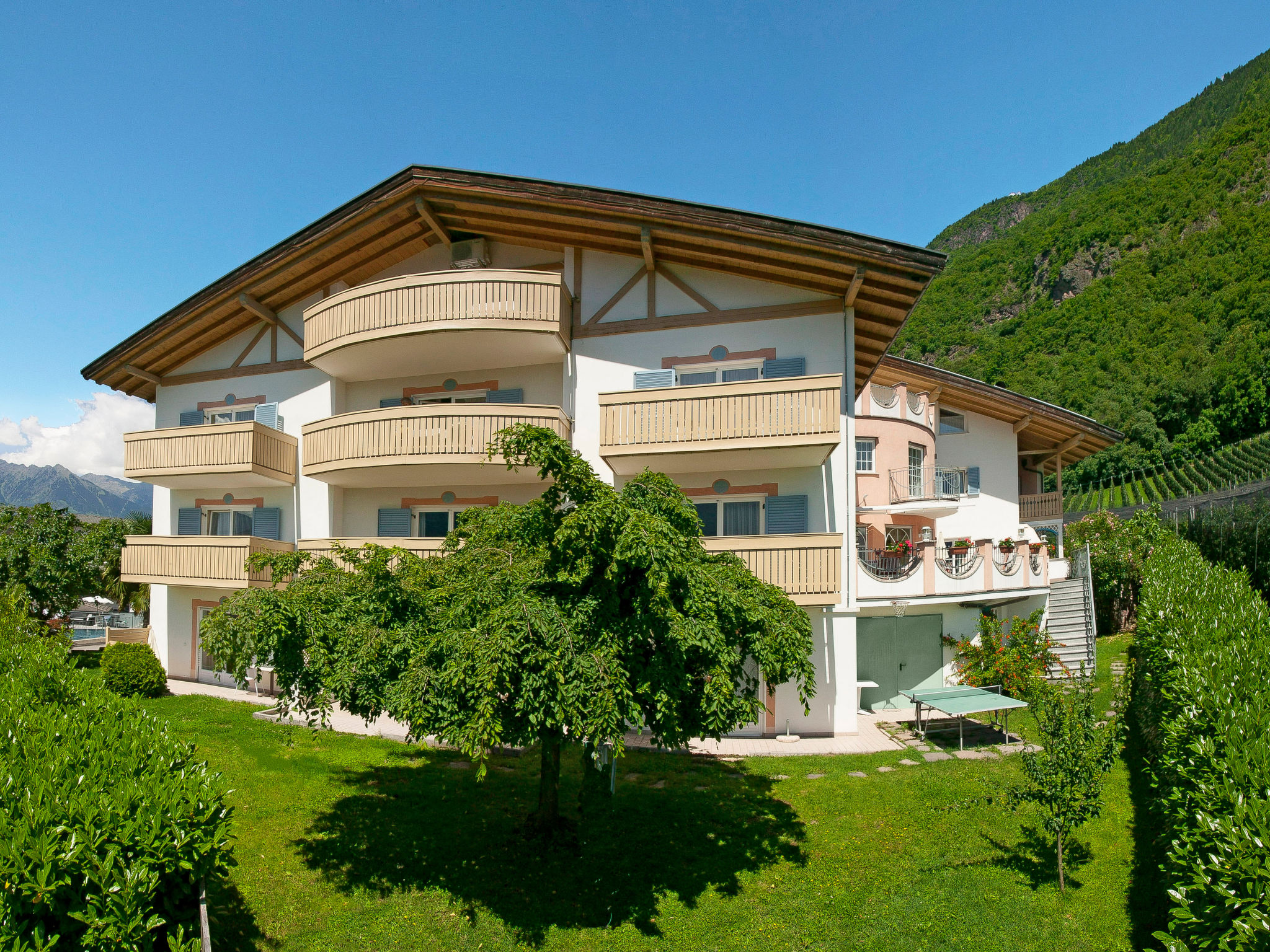
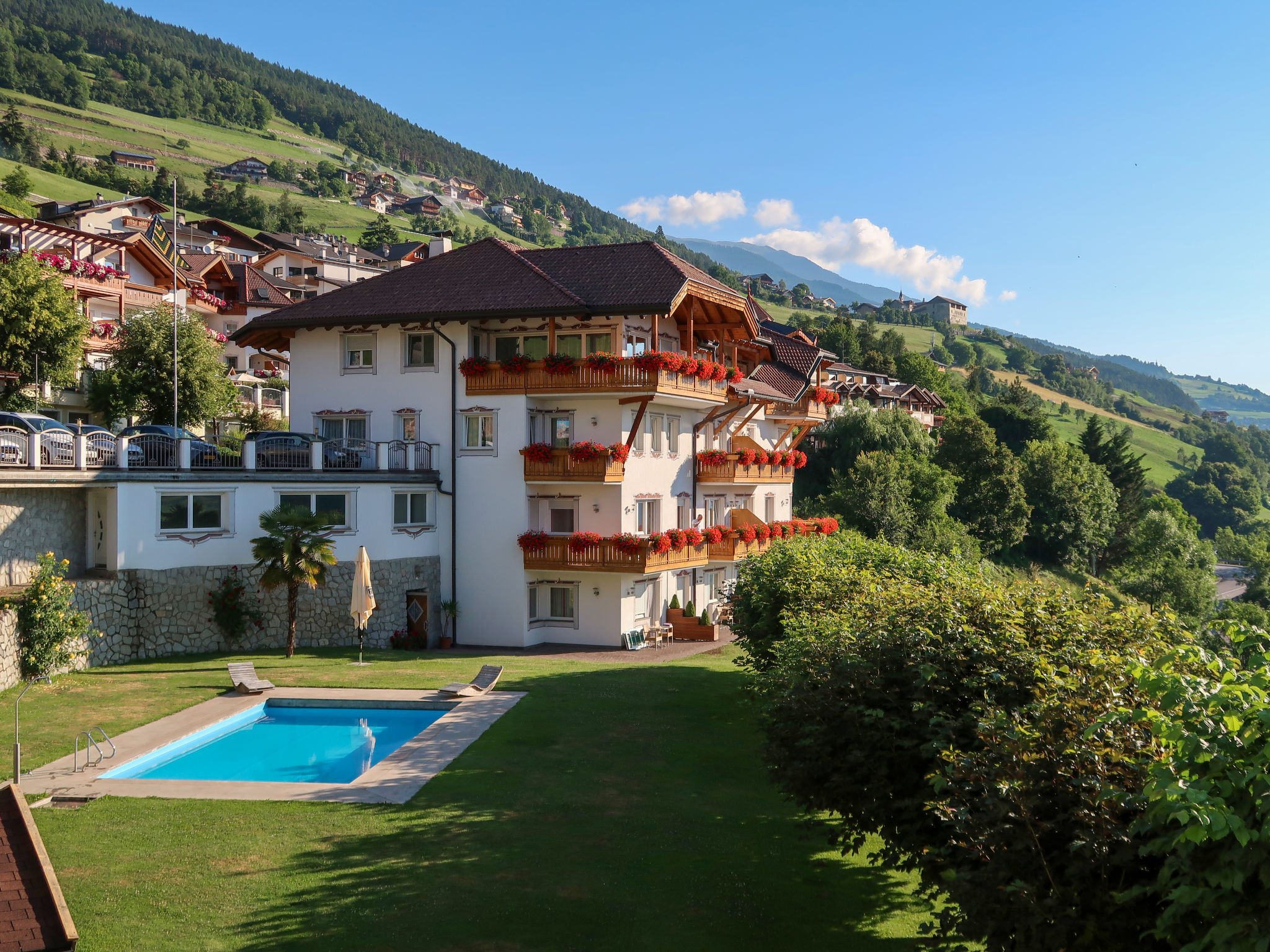
Aldein (Aldino) sits on a high plateau above the Adige valley, next to the Bletterbach gorge, part of the Dolomites UNESCO site, with walks through layers of rock and fossil tracks. Below, Kaltern (Caldaro) is a wine town on the South Tyrol Wine Road, with Lake Kaltern for summer swimming. Andriano is a small wine village near Terlano. Bolzano is 20 to 40 minutes away and Verona airport around two hours.
Best for: Walkers and wine drinkers who want the Dolomites within a short drive
Not for you if: You want to ski from the door: Aldein's nearest bigger slopes are at Obereggen, around half an hour away.
Merano and the Adige valley (Postal, Gargazon, Merano, Schenna)
Merano is an old spa town with a thermal baths complex, riverside promenades and a mild climate that grows palms as well as apples. Postal (Burgstall) and Gargazon are flat villages among the orchards between Merano and Bolzano, handy for cycling the valley paths. Schenna sits on the slope above Merano, close to the irrigation-channel walks (Waalwege). The Merano 2000 ski area is a short drive. Verona airport is just over two hours away.
Best for: Couples and families who want a spa town, orchards and easy walks
Not for you if: You want cool mountain air in August: the valley floor gets hot and humid in high summer.
The upper Vinschgau and the Ortler (St Valentin, Sulden, Latsch)
St Valentin auf der Haide sits beside the Haidersee on the Reschen Pass road, a few minutes from the church tower that stands in Lake Reschen at Graun. It has its own small ski area. Sulden lies at the foot of the Ortler, South Tyrol's highest mountain, with high slopes that usually open in autumn and run into May. Latsch is lower down among the orchards. Innsbruck is around two hours away over the Reschen Pass.
Best for: Skiers who want a long season and walkers after high, quiet country
Not for you if: You want a short transfer: this is the far west of the province, three hours or more from Verona.
The Eisacktal and Pustertal (Meransen, Villanders, Bressanone, Valdaora)
Meransen (Maranza) is a sunny plateau village above Mühlbach with lifts into the Gitschberg-Jochtal ski area. Villanders (Villandro) looks across the Eisack valley to the Dolomites, with walks on the Villanderer Alm pastures. Bressanone (Brixen) is an old bishop's town with the Plose ski area above it. Valdaora (Olang) sits at the foot of the Kronplatz, one of the province's biggest ski mountains. Innsbruck is around an hour to an hour and a half away.
Best for: Families who want Dolomiti Superski areas and Christmas markets
Not for you if: You want a single base for everything: these villages are spread out and an hour or so apart.
Bolzano and the Sarntal (Bozen, Sarentino)
Bolzano (Bozen) is the provincial capital, with arcaded streets, a daily fruit market and the archaeology museum that holds Ötzi the iceman. Cable cars climb from town to the Renon (Ritten) and San Genesio plateaus. The Sarntal runs north through a narrow gorge to Sarentino (Sarnthein), a farming village with traditional crafts and the small Reinswald ski area. Verona airport is around two hours from Bolzano.
Best for: City breaks, museums and a quiet valley next door
Not for you if: You want lakes or big skiing nearby: the Sarntal has only small ski areas.