Skiathos: Where Sporades Charm Meets Sandy Shores
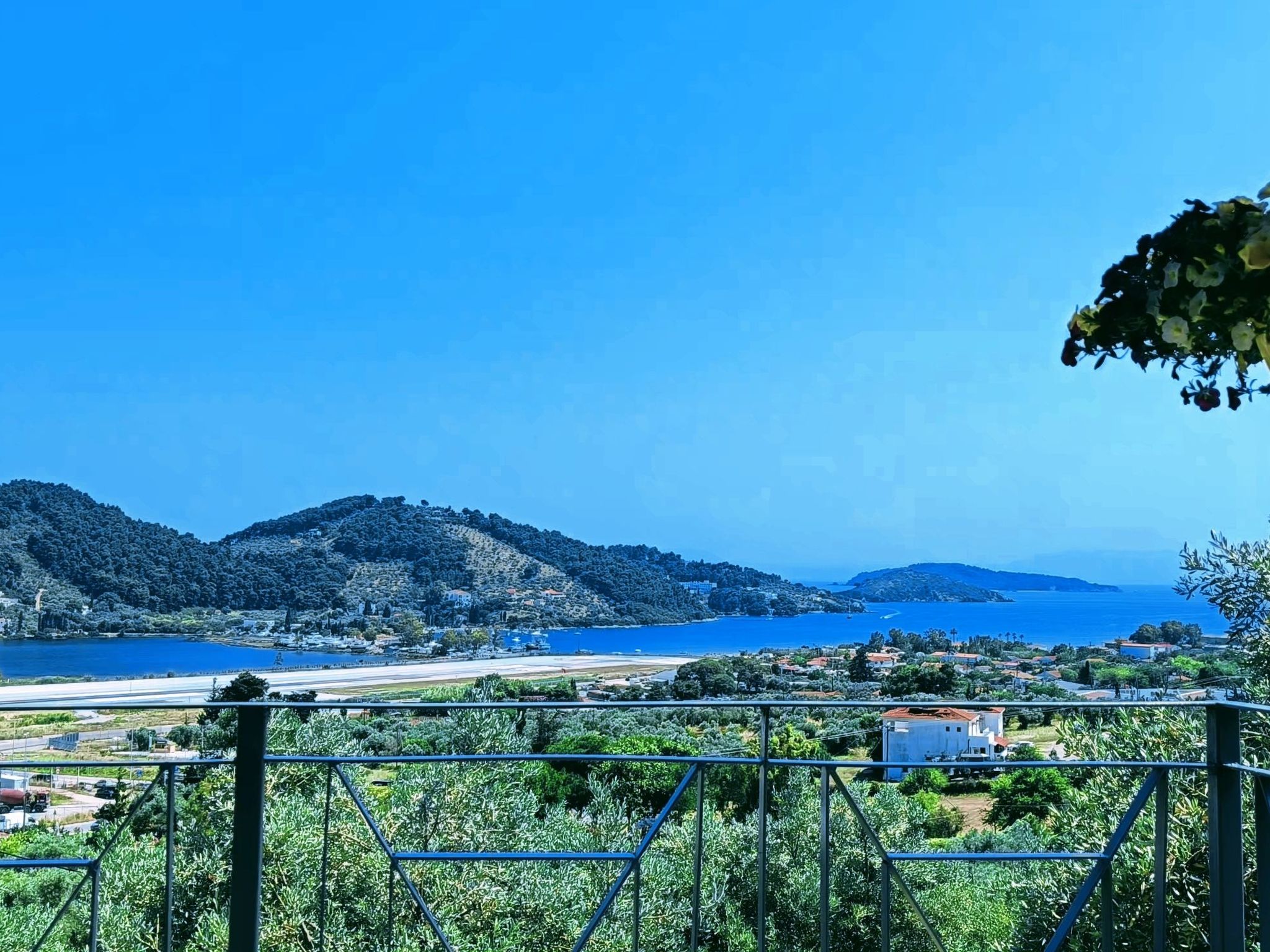
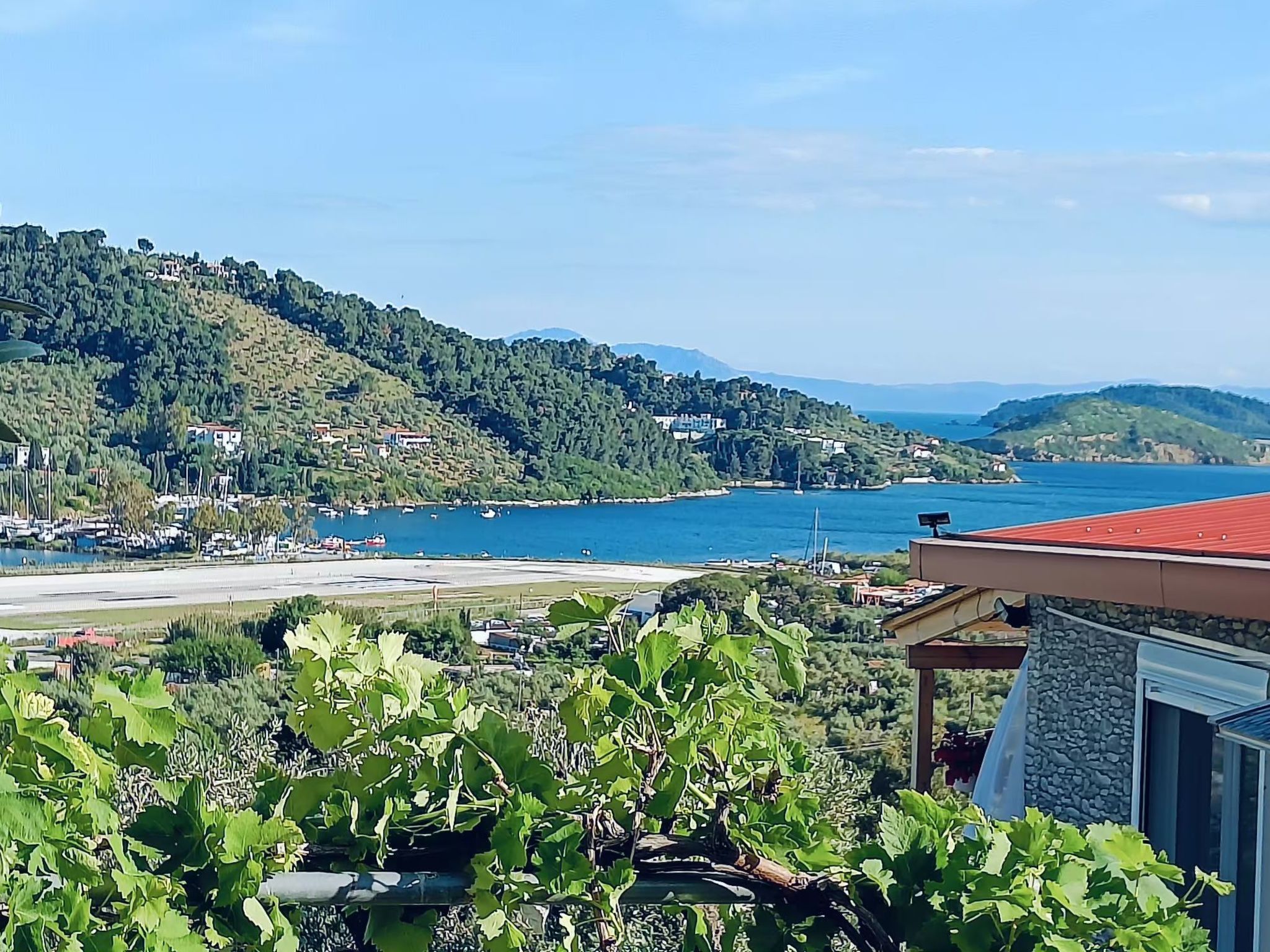
If you've never heard of Skiathos, you're about to discover why this Sporades island punches above its weight. We find it strikes an interesting balance. It's accessible enough for families and couples seeking reliable sunshine, yet far enough off the main Greek tourist circuit that you're not elbow-to-elbow with cruise ship crowds. The island's 60-plus beaches (we're not exaggerating) mean there's genuinely always a quiet cove waiting if you venture beyond Koukounaries. Locals are used to visitors but haven't surrendered the place to tourism completely. Pine forests slope down to turquoise bays, fishing boats bob alongside tavernas, and evening light paints the Aegean gold. It's a working island as much as a holiday one.
What Makes Skiathos Special
- Obsessive about beaches: from sandy sprawls to rocky coves reachable only by boat or hiking boots. North coast beaches stay wilder and slightly cooler, while the south coast gets most of the sun worship.
- Pine trees everywhere mean shade is actually available, unlike many Greek islands where sun exposure is a design feature, not a bug.
- The town keeps its character. Port-side Skiathos Town has a living fishing harbour; the waterfront restaurants aren't purely for tourists (though tourists eat there too).
- Low-key wine culture emerging from family vineyards that don't charge London prices for Pinot Grigio alternatives.
- Proximity to other Sporades islands (Skopelos, Alonissos) means island-hopping without exhausting ferry rides.
Top Towns & Resorts in Skiathos
Skiathos Town (Chora)
The beating heart is chaotic in August. The waterfront buzzes with tavernas, and the old town's narrow streets hide bars, local shops, and restaurants where Greek food isn't simplified for foreign palates. It's genuinely worth exploring beyond the main drag. We'd warn you: parking is a nightmare in peak season, and the Saturday market can feel overwhelming. But off-season or on a quiet morning, it's atmospheric and real. The ferry port is here, so if you're moving to other islands, you'll start your journey from the clocktower.
The town's layout rewards wandering. Behind the waterfront, streets climb upward past traditional houses, small grocers, and tavernas where Greeks eat dinner. The nautical museum offers insight into Skiathos's maritime history. Sunset from the port is genuinely good. Light reflects off water and old buildings in ways that feel effortless rather than forced. We'd suggest arriving or departing on a quiet morning if possible; the town shows its real character when coaches haven't yet deployed. Fish tavernas along the quay source from boats working that morning, which means quality is higher and prices more honest than tourist-focused alternatives.
Search villas near Skiathos TownKoukounaries & Megali Ammos
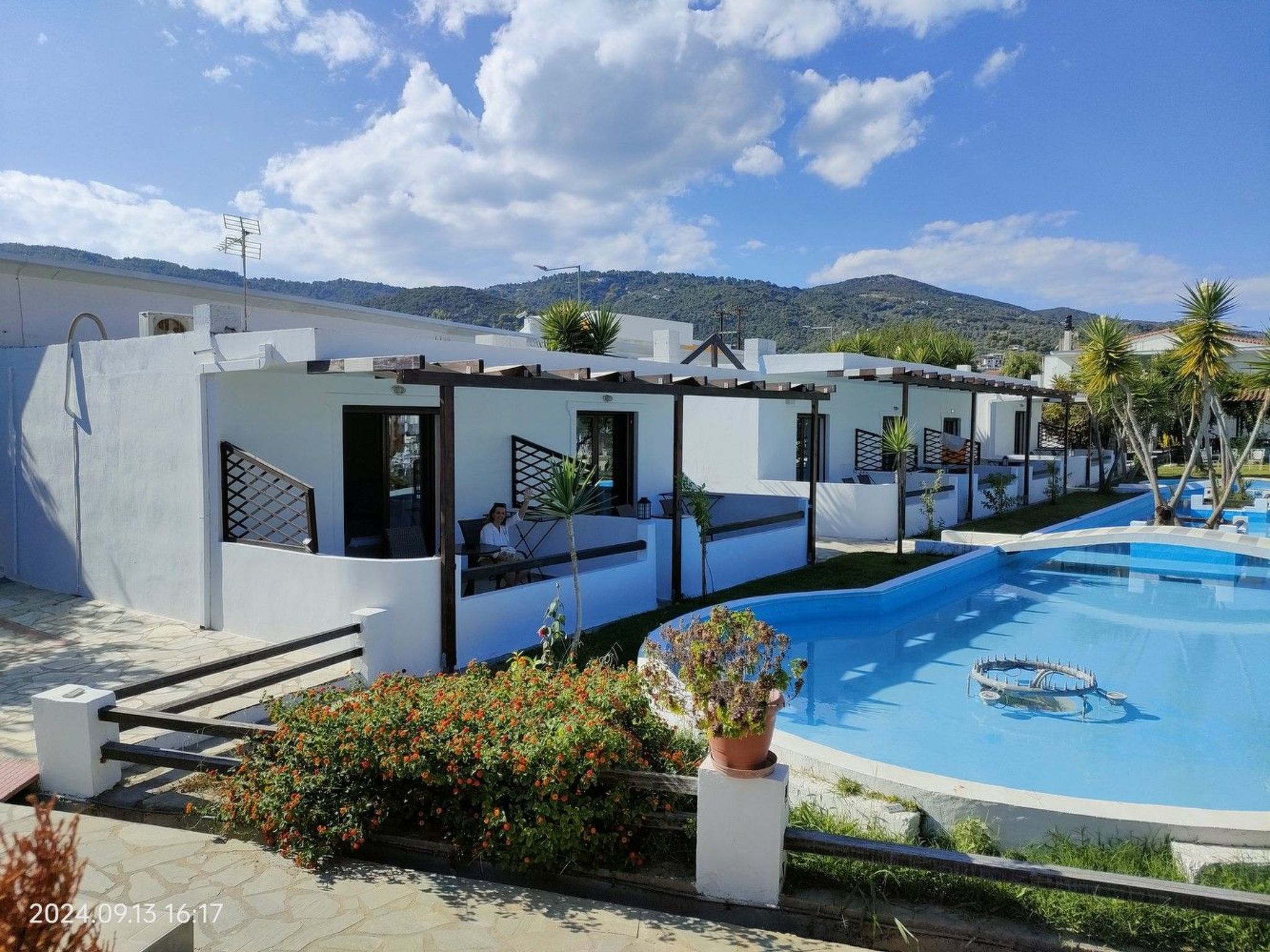
Koukounaries Beach is arguably Greece's most famous crescent of sand (golden, sheltered, backed by pines). The beach itself is free, but it does get rammed from late morning onward, especially in July and August. Accommodation options range from honking-big resort hotels to family-run studios. Megali Ammos, just along the coast, offers a slightly quieter alternative, though "quieter" is relative when the beaches here are this appealing. We'd suggest visiting either at dawn or after 5pm to enjoy them without the masses.
Search villas near KoukounariesTroulos & Agia Paraskevi
The east coast's quieter answer to Koukounaries, Troulos offers a long beach with manageable crowds and a row of tavernas that actually serve dinner without relying on tourist discounts. Agia Paraskevi is smaller still (essentially a beach and a few holiday homes scattered on the hillside). Both suit families wanting reliable swimming without the full carnival atmosphere. Wind can pick up here in afternoon, though, so we'd recommend mornings for the clearest conditions.
Search villas near TroulosXanemos & Banana Beach
Xanemos on the north coast is where you go when you want windy conditions (a feature if you're into water sports, a bug otherwise). It's more rugged and less developed. Banana Beach is famous for one reason: its shape. Locals use it more than tourists. Both areas are quieter and feel genuinely off-the-path. Expect rougher terrain and less casual infrastructure, but that's partly their charm. In rough seas, swimming isn't always safe, so check conditions before you commit to the drive.
The north coast generally appeals to people comfortable with less polish. Facilities are functional rather than luxurious (basic tavernas and rental rooms, but no resort-style accommodation). Windsurfing schools operate at Xanemos when conditions are right, particularly in afternoons when wind strengthens. If you're not interested in water sports, the northern beaches are less appealing than southern and eastern alternatives because rougher water and wind make swimming less reliable. We'd suggest treating this area as an exploration option if you're staying elsewhere rather than a primary base unless you're specifically seeking wind sports.
Search villas near Xanemos