Lake Constance Holiday Rentals & Villas
Lake Constance (Bodensee in German) sits at the meeting point of Germany, Austria, and Switzerland. The lake itself — at 63 kilometres long and in places 14 kilometres wide — feels substantial. Mountains rise to the south (Alps), vineyards cover hillsides to the north, and the water creates a milder climate than Alpine valleys further north. We return to Lake Constance for its combination of water, mountains, wine culture, and manageable crowds. Lakeside towns like Lindau, Konstanz, and Friedrichshafen have real character; surrounding countryside is rural and agricultural. The region appeals to people wanting lake swimming, cycling routes, and Alpine views without the intensity of high-mountain areas. It's the least famous of Germany's major holiday destinations — which means you'll find better value and fewer crowds than comparable locations in France or Switzerland.
What Makes Lake Constance Special
- Water and mountains together: The lake offers swimming, sailing, and water activities while Alpine mountains create a dramatic backdrop. This combination is rare . Most lakes are in lowlands or high mountains, not both.
- Wine and agricultural character: The region produces white wine (Müller-Thurgau, Riesling); orchards and vineyards blanket hillsides. Wine tastings, farm markets, and agricultural traditions feel genuine rather than performed for tourists.
- Three-country culture: Borders are nearby but unmarked (Schengen area). You can have breakfast in Germany, lunch in Austria, dinner in Switzerland. This creates cultural texture and hiking/cycling options across borders.
- Cycling infrastructure: Dedicated cycle routes circle the lake and follow river valleys. Flat terrain makes cycling accessible for varied fitness levels. Bike rental is ubiquitous and reasonably priced.
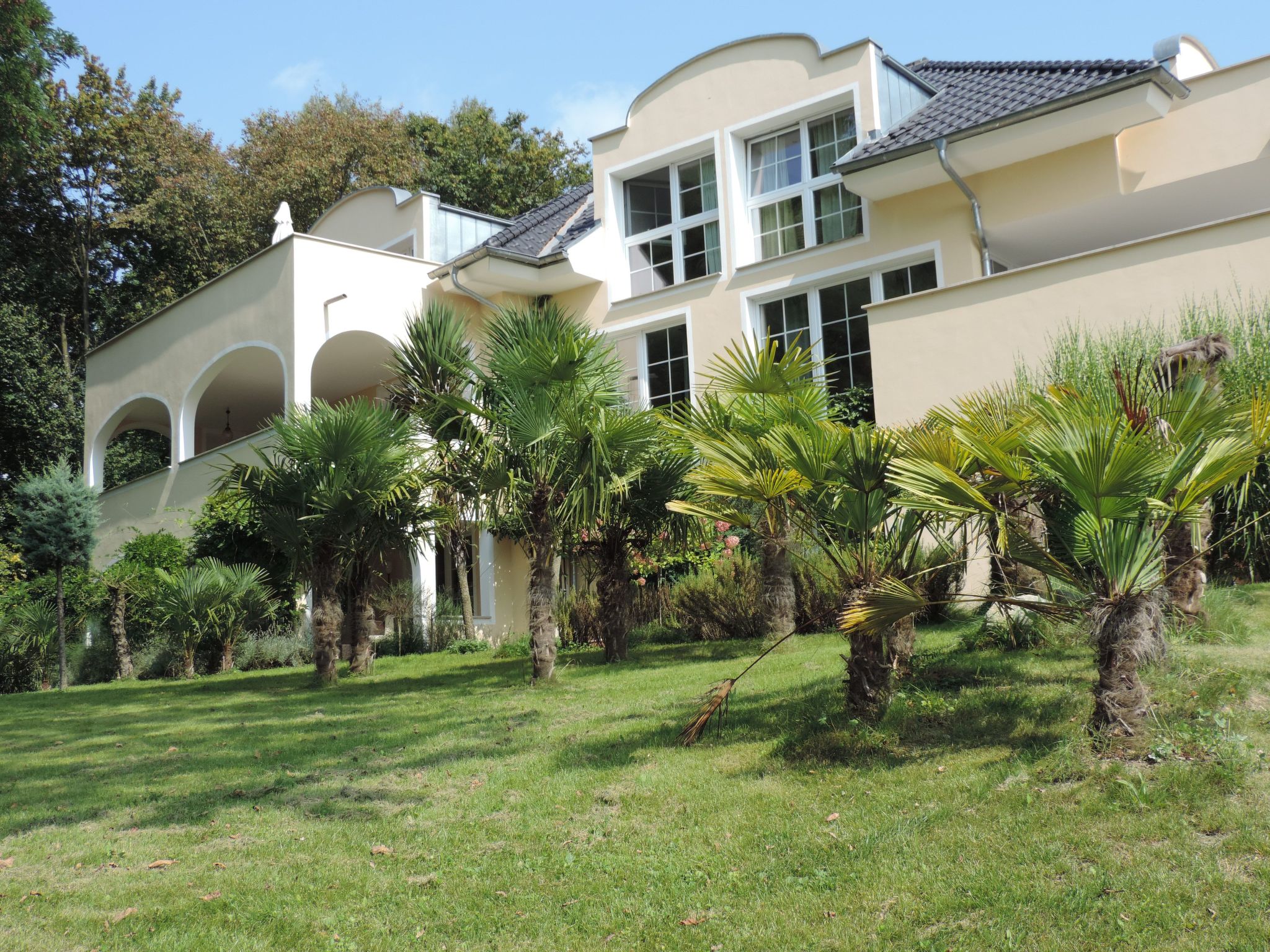
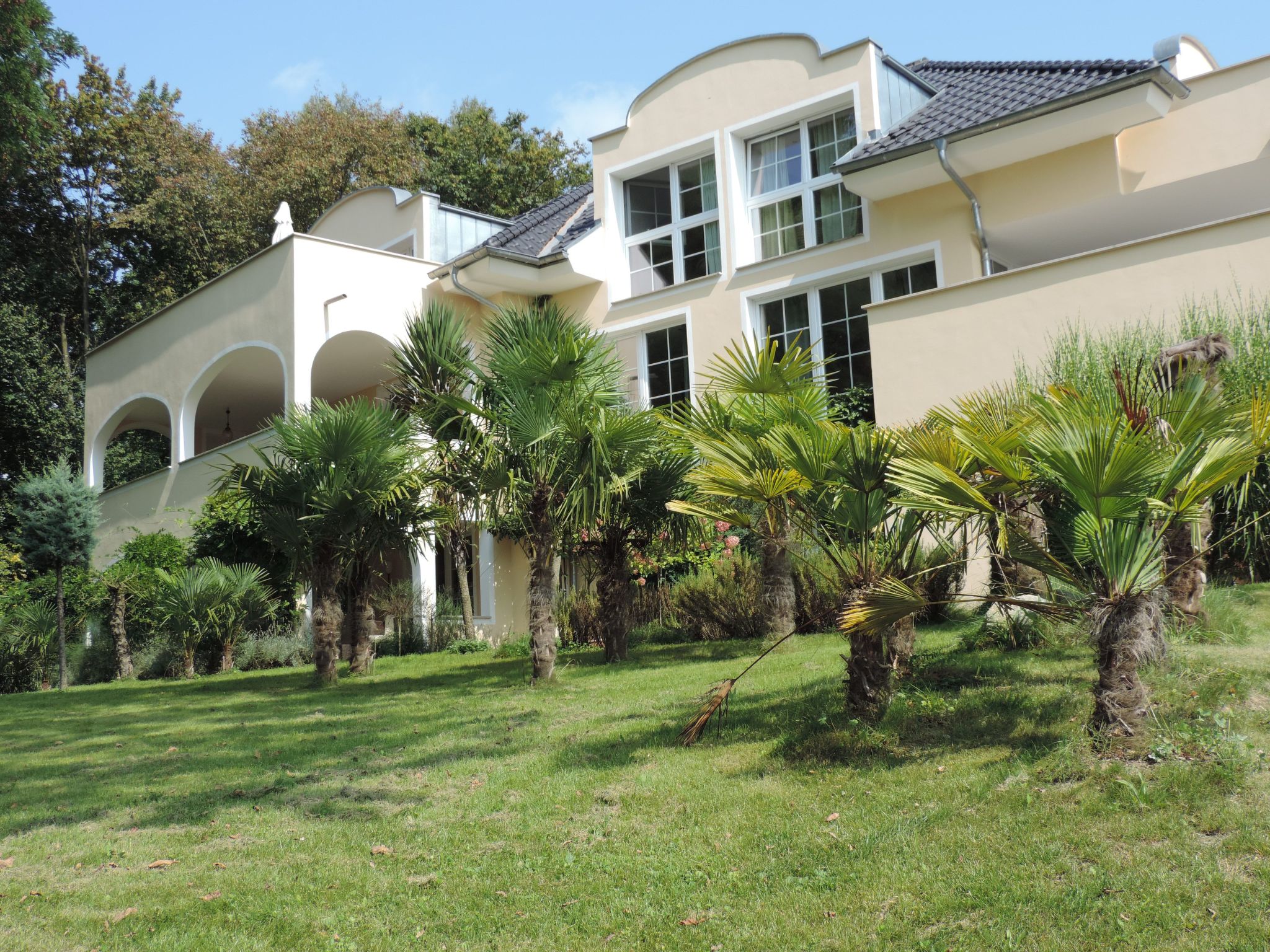
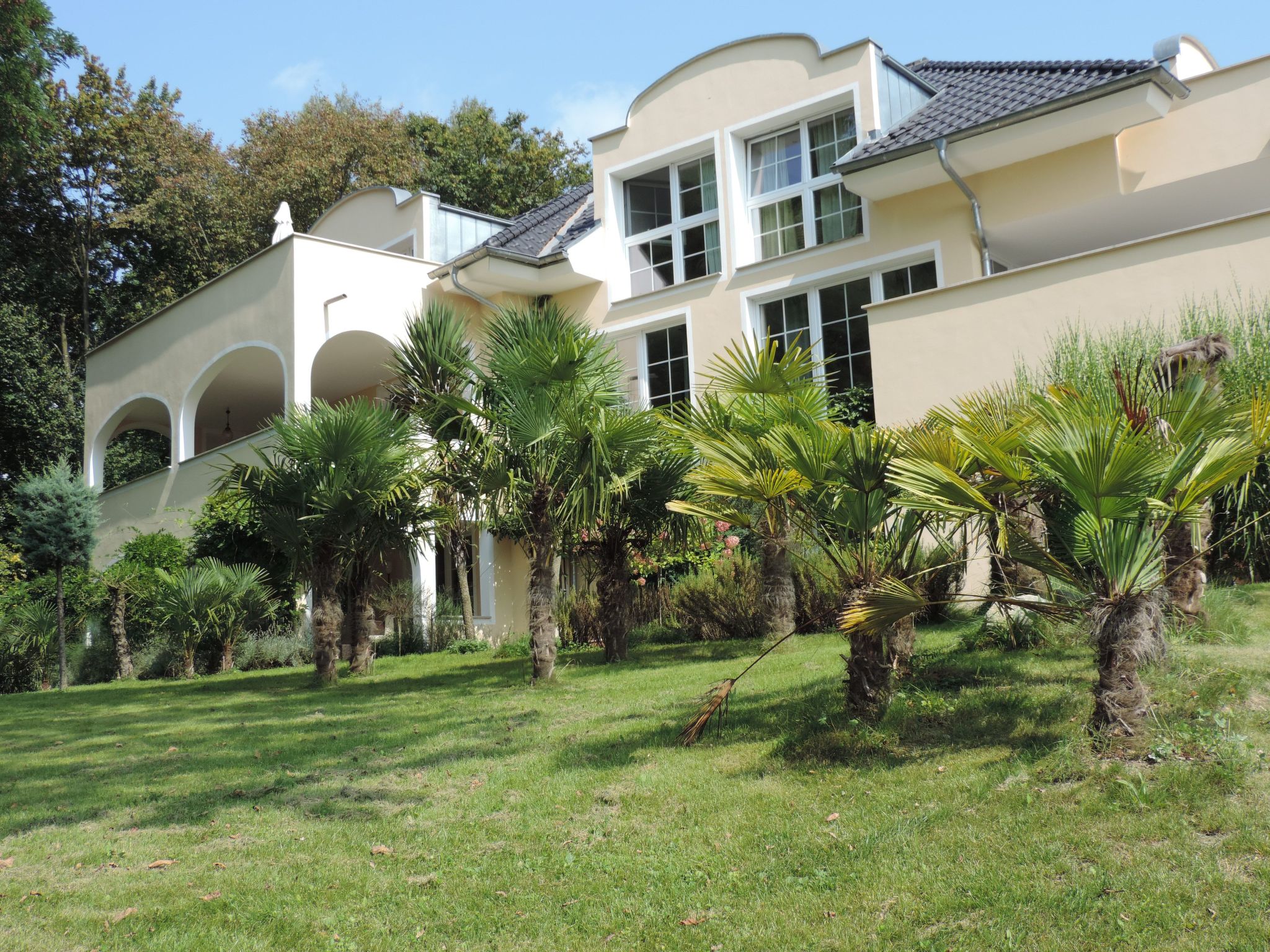
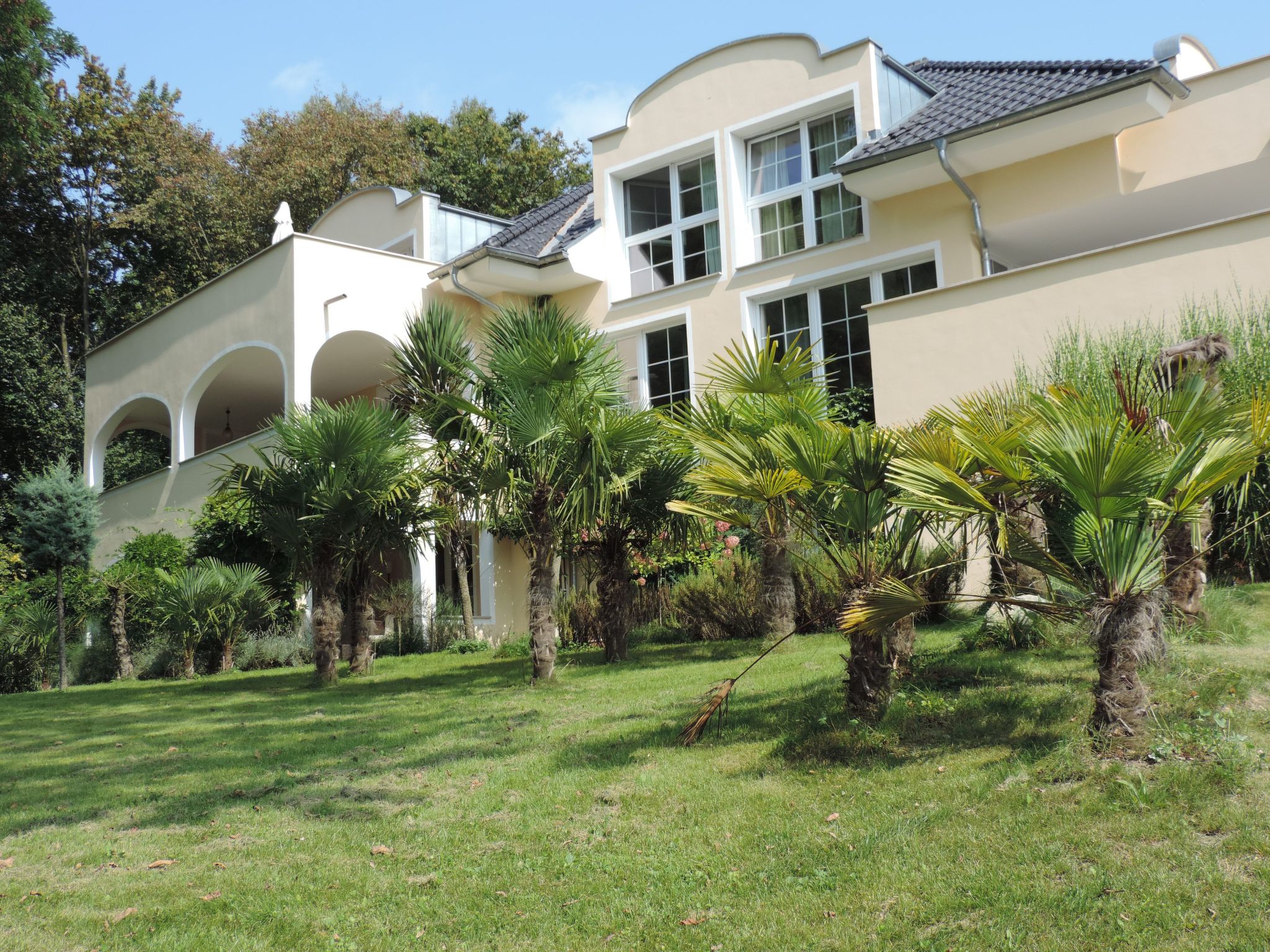
- Milder climate than interior Germany: Water moderates temperature . Summers are warm but not scorching; winters are chilly but less severe than Alpine valleys. Growing season is longer; palm trees are visible in some lakeside towns.
Top Towns & Resorts on Lake Constance
Lindau
visually appealing island town (actually a peninsula now) with harbour, medieval architecture, and promenade appeal. The harbour entrance is marked by a distinctive lighthouse. Lindau is busy with tourists but genuinely appealing. Good restaurants, water sports access, and town beaches. Pricier than surrounding villages but worth it for the atmosphere and location. Works as a home base or day-trip destination. Summer sees significant crowds; spring and autumn are sweeter. The surrounding countryside (villages like Wasserburg, Nonnenhorn) offers quieter bases within easy drive of Lindau. Browse villas near Lindau
Konstanz (Constance)
Larger city (population ~85,000) at the lake's southeastern tip, right on the Swiss border. Historic old town with medieval architecture; modern shopping and dining. University town feel means more cultural events and nightlife than smaller resorts. Transit point between Germany and Switzerland. More urban than Lindau but still manageable. Railway and boat connections are good. Prices are moderate for a larger town. Works well for people wanting city amenities alongside water and mountain access. Surrounding villages (Mitteltal, Konstanz-Petershausen) offer countryside quieter than the city itself. Browse villas near Konstanz
Friedrichshafen
Lakeside town on the northern shore, known for Zeppelin history (Zeppelin Museum is exceptional). Town has lakeshore promenade, beaches, water sports facilities, and reasonable restaurants. Less "traditional" than Lindau or Konstanz but more functional and less touristy. Good base for cycling routes. Railway connection to Lindau and other lakeside towns. Prices are reasonable. The surrounding Württemberg countryside is rural and agricultural . Vineyards, farmland, and small villages characterize the hinterland. Browse villas near Friedrichshafen
Meersburg
Hilltop town with dramatic lakeside setting and castle prominence (the town is dominated by an actual castle, now a museum). Medieval architecture is genuine; the steep streets and waterfront create that postcard appeal. Very touristy in summer but manageable in shoulder seasons. Boats run to Konstanz and Friedrichshafen; exceptional cycling routes access the countryside. Pricey for accommodation and restaurants but the atmosphere justifies it if you like medieval towns. Surrounding countryside offers quieter villa bases with easy access to Meersburg attractions. Browse villas near Meersburg
Wasserburg
Small village (population ~2,400) with lakeside appeal and less tourism than Lindau or Meersburg. Harbour, beach, and local restaurants create charm without the crowds. Quiet enough for genuine rest; close enough to Lindau for day trips. Good for people wanting water access and relaxation rather than attractions. Cycling routes are exceptional. Accommodation and dining prices are reasonable. The surrounding wine region offers tastings and farm visits. This works well as a villa base if you want the lake without the resort experience. Browse villas near Wasserburg
Rural Wine Country (Tettnang region)
Inland from the lake, rolling vineyards and small villages (Tettnang, Langenargen, Markdorf) offer wine tastings, farm visits, and genuine agricultural character. Far less touristy than lakeside towns. Quiet, green, and peaceful. Good base for exploring both lake and countryside. Local restaurants serve wine and regional food. Cycling routes connect to lake. You're 30 minutes from water-based activities but surrounded by wine country charm. Prices are reasonable; authenticity is high. Browse villas near Lake Constance wine country