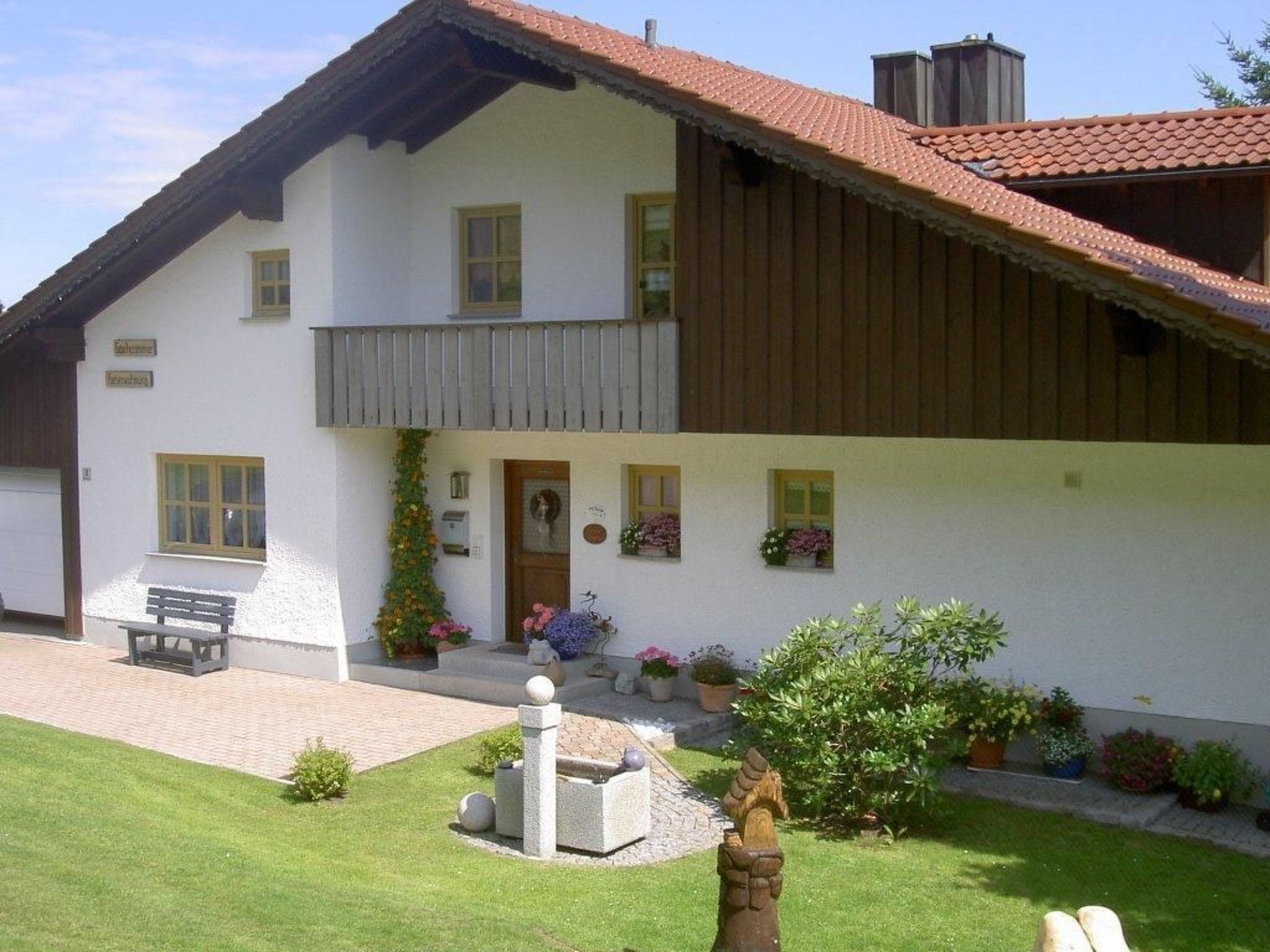
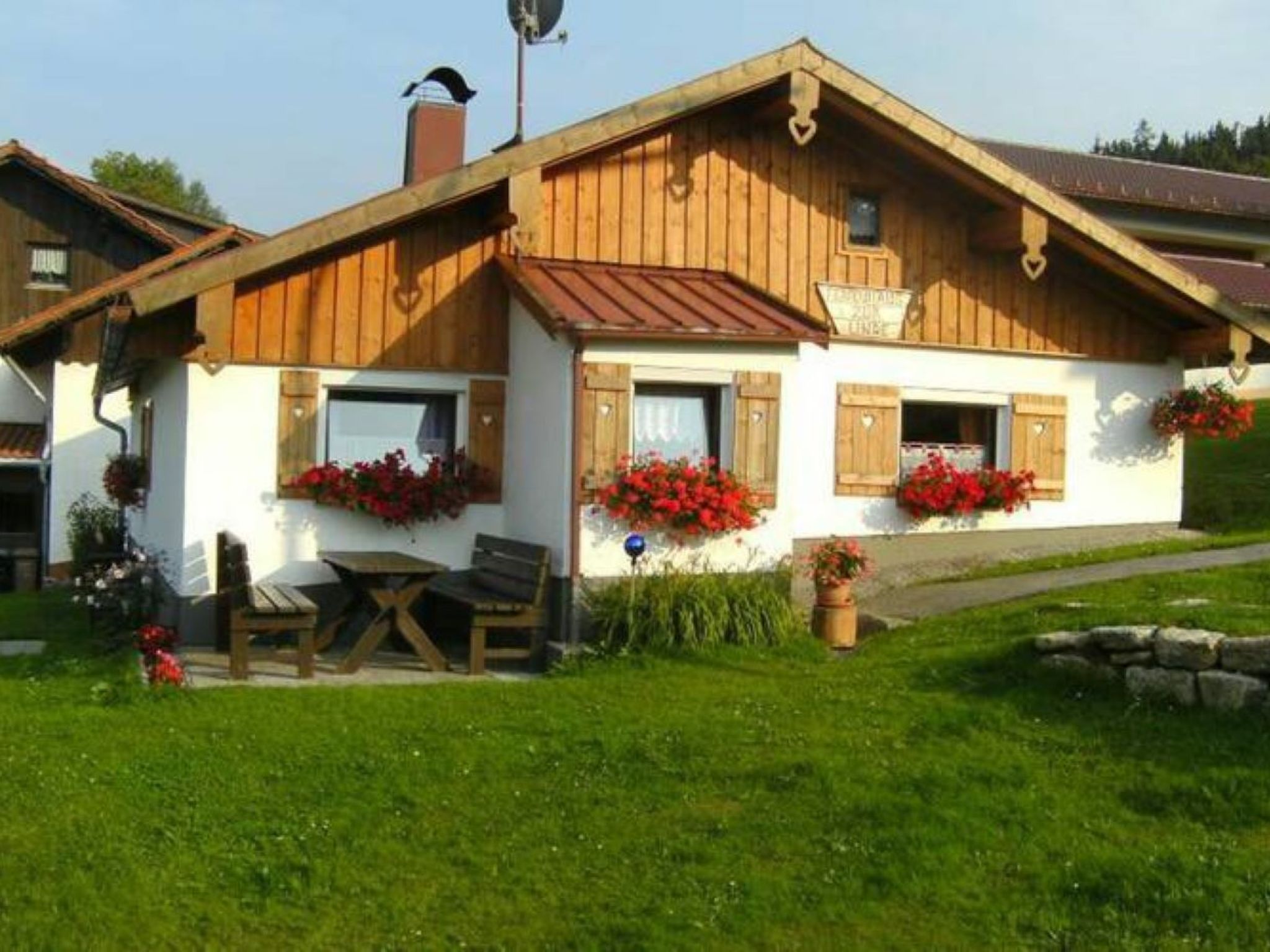
Bavaria Holiday Rentals & Villas
Bavaria is the region most UK visitors picture when they think "Germany" — . Alpine mountains rise sharply in the south; medieval towns cluster in river valleys; beer gardens and traditional Bavarian dress are genuinely part of daily life in smaller towns. The landscape swings from high mountains to rolling farmland to well-maintained lakes within an hour's drive. We find that Bavarian villas work best as bases for exploring both this region and neighbouring Austria — many locations are closer to Innsbruck or Salzburg than to Munich. The region is busy in summer and around major attractions (Neuschwanstein Castle is relentlessly touristy), but venture just a few kilometres off the main roads and you'll find quiet farmland, peaceful lakes, and villages where tourism feels optional.
What Makes Bavaria Special
- Genuine Alpine scenery: Real mountains, not just hills. Hiking season (May-October) is serious here; trails range from gentle riverside walks to technical scrambles. Winter brings snow suitable for both skiing and visually appealing village strolls.
- Castles that feel earned: Yes, Neuschwanstein is famous. But Hohenschwangau, Linderhof, and scores of smaller fortifications across the region offer equal or greater atmosphere with fewer tour groups. Many sit atop walking routes rather than in carparks.
- Regional food and drink culture: Not just beer and sausage (though those are exceptional). Bavarian Käsespätzle (cheesy pasta), fresh trout, seasonal berries, and local cheese from Alpine dairies are the real food story. Beer gardens aren't tourist traps — they're where locals spend summer evenings.
- Religious and rural traditions: Small villages still observe Easter and Christmas markets with genuine community feeling. Traditional dress appears at local festivals, not as costume. This authenticity . And occasional kitschiness . Is part of Bavaria's appeal.
- Very strong German identity: Bavaria has its own dialect (challenging even for other Germans), customs, and slight tension with "Prussian" northern Germany. Understanding this local pride adds texture to your visit.
Top Towns & Resorts in Bavaria
Munich (München)
Bavaria's capital is a sprawling city of 1.5 million. English Garden is genuinely world-class; Marienplatz is striking; beer halls like Hofbräuhaus have atmosphere despite tourist crowds. Museums are exceptional. Food markets and beer gardens are real local haunts. Day trip from rural villas is feasible; overnight stays in the city work if you've booked close to public transport. Munich is expensive by German standards . Accommodation and restaurants cost 30-40% more than smaller towns. April through October sees heavy crowds at major attractions. November-March is quiet but grey and cold. Browse villas near Munich
Garmisch-Partenkirchen
Mountain resort town two hours south of Munich, literally in the shadow of the Zugspitze (Germany's highest peak). Summer hiking capital; winter skiing town. Population feels more manageable than Munich; the valley setting is dramatically Alpine. Accommodation and restaurants are pricier than small villages but cheaper than Munich. Mountain cable car, valley trains, and forest walks mean you're genuinely in the mountains rather than looking at them from a distance. One caveat: the town itself has package-tour bustle in summer. Surrounding villages (Garmisch, Partenkirchen, Mittenwald) offer quieter bases. Browse villas near Garmisch-Partenkirchen
Füssen & the Romantic Road
The gateway to Neuschwanstein Castle and the larger "Romantic Road" route through medieval Bavarian towns. Füssen itself is a pretty walled town; nearby villages like Hohenschwangau and Schwangau have the castle views. This is unquestionably the most touristy corner of Bavaria . Neuschwanstein draws 1.5 million visitors annually, and crowds are relentless in summer. If you're set on castles, go early (8 a.m.) and consider booking a villa 15-20 km away to avoid the congestion. The landscape and smaller historic towns do justify a visit if you're prepared for tourist volume. May, September, and early October are your best bets. Browse villas near Füssen
Berchtesgaden
Mountain town in the far south, positioned between peaks. Famous for the salt mines (historic, touristy but interesting), lake scenery, and hiking terrain. Less overwhelming than Füssen or Munich because it's genuinely remote . You're 15 minutes from Austrian border and roughly two hours from Munich. Local food culture and mountain traditions feel authentic here. Winter brings substantial snow; summer is Alpine and cool even when surrounding regions are warm. Warning: the town itself gets busy; quiet farms and small hotels in surrounding valleys offer better villa-rental appeal. Browse villas near Berchtesgaden
Mittenwald
Small artists' village one hour south of Munich, famous for frescoed buildings and genuinely peaceful atmosphere. Population barely 2,000 but with exceptional restaurants and galleries. Gateway to Austria; walking distance to beautiful valleys and lakeside scenery. If you want Alpine setting with community feel rather than resort bustle, Mittenwald is exceptional. Lüftlmalerei (traditional Bavarian frescoes) define the architecture. Cafés and restaurants are exceptional; prices are reasonable compared to major resorts. Summer is busy with tourists and hikers, but nothing like Füssen. Winter can feel isolated if you're not prepared for cold. Browse villas near Mittenwald
Rothenburg ob der Tauber
Walled medieval town that looks like a toy village . And yes, it's extremely touristy. The walls themselves are walkable and genuinely impressive; the town square feels enduring. But you'll be sharing it with tour groups and day-trippers, especially April-October. If you visit, go before 9 a.m. or after 5 p.m. Stay in a nearby village and visit as a day trip. The surrounding Tauber Valley region is lovely, less crowded, and rewarding for villas . Combine a morning in Rothenburg with afternoon walks in quieter countryside. Browse villas near Rothenburg