Villas in Collioure
Collioure suits couples who want to walk everywhere, in an old fishing port where Matisse and Derain painted. Homes here are small, mostly one bedroom for up to four and without pools, and street parking in the centre is close to impossible, so plan to leave any car in a car park.
- Villas
- 8
- From, per week
- £336
About Collioure
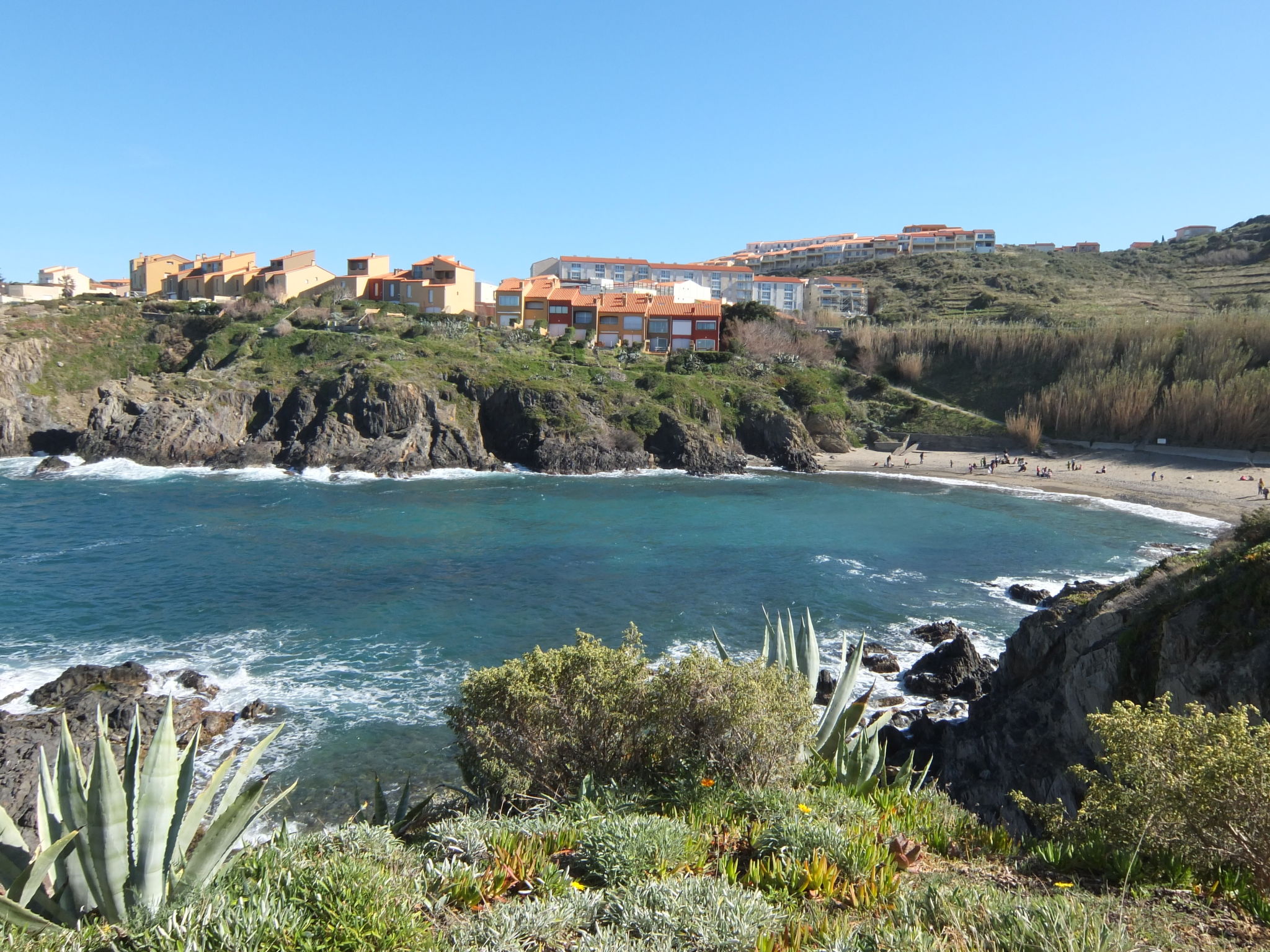
Collioure is an old fishing port of about 2,700 people, the first stop on the Côte Vermeille and 27 km from the Spanish border. Its seafront splits at the Château Royal: the town centre runs from the castle to the clock tower, and the Port d'Avall carries on to the Pams museum, with a footbridge at the foot of the castle joining the two. The church of Notre-Dame-des-Anges was converted from a former lighthouse. Old terraced vineyards climb the hills behind the town, and the centre is compact, made up largely of pedestrian streets. Our homes are in and just around the town, so most days need no car at all.
Is Collioure right for you?
- Best for
- Couples happy to walk everywhere and skip the pool
- Not for you if
- You want a private pool or room for a big group, because the homes here are small and none has a pool.
Near Collioure
Banyuls-sur-Mer
Reached from Collioure on Catalan Courriers buses; it shares its name with the Banyuls appellation, known for aperitif and dessert wines from the terraced hillsides.
Perpignan
Home to the airport nearest Collioure, and the starting point for the trains and Catalan Courriers buses that run into town.
Getting to Collioure
Perpignan airport is the nearest, around 30 minutes by car. Several trains a day run from Perpignan and from Spain to Collioure station, and Catalan Courriers buses come in from Perpignan and Banyuls-sur-Mer. A car is optional: street parking in the centre is close to impossible, though there are car parks and a summer park-and-ride shuttle.
Villas in Collioure
2-star property
Les Roches Bleues
Collioure, Pyrénées-Orientales, France
4
1
0
MicrowaveFridgeBalcony+3 more
from£48
per night
3-star property
Collioure le haut
Collioure, Pyrénées-Orientales, France
4
1
0
Air ConDishwasherMicrowave+8 more
from£51
per night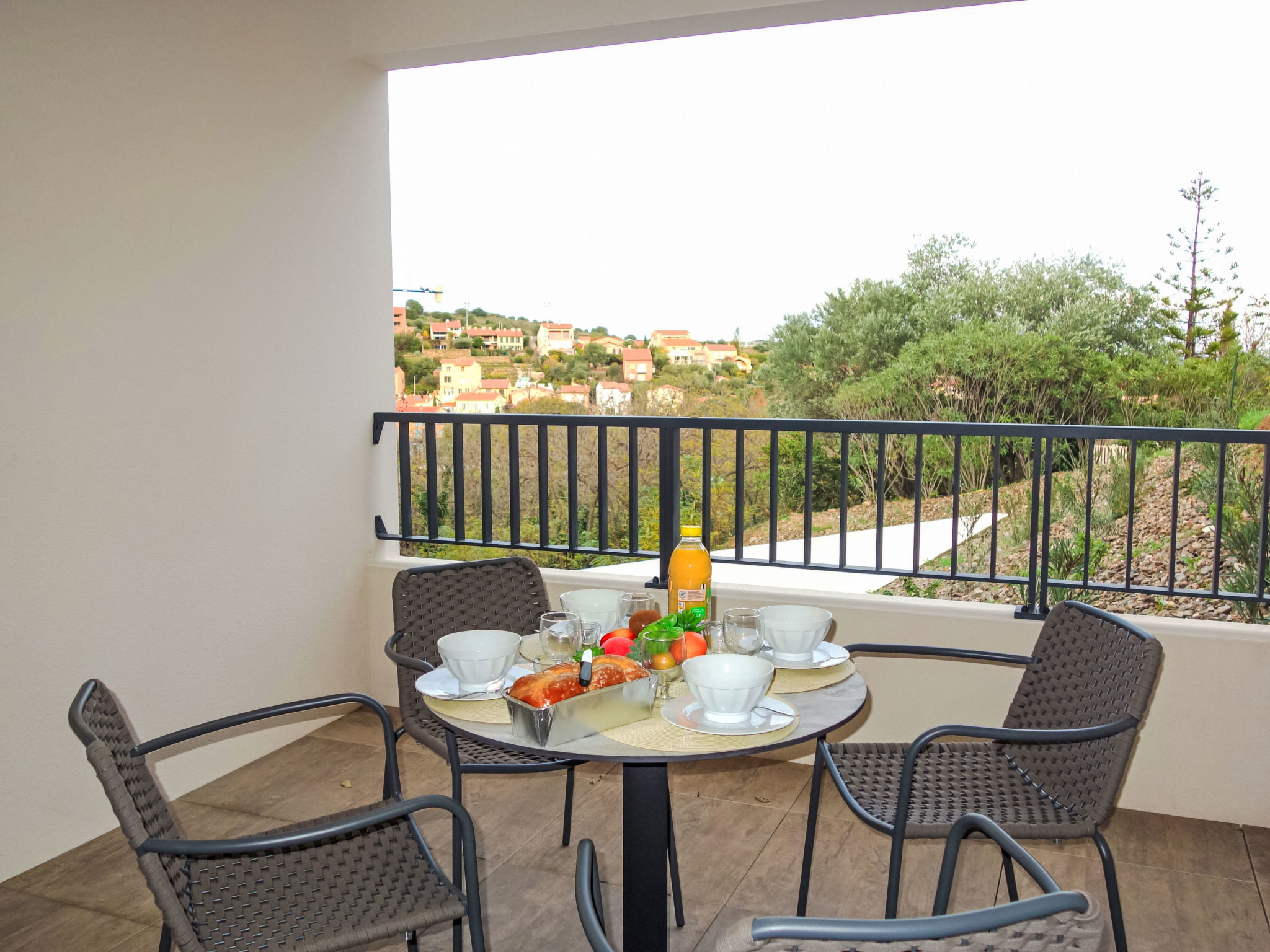
3-star property
Collioure le haut
Collioure, Pyrénées-Orientales, France
4
2
0
Air ConDishwasherMicrowave+8 more
from£76
per night
2-star property
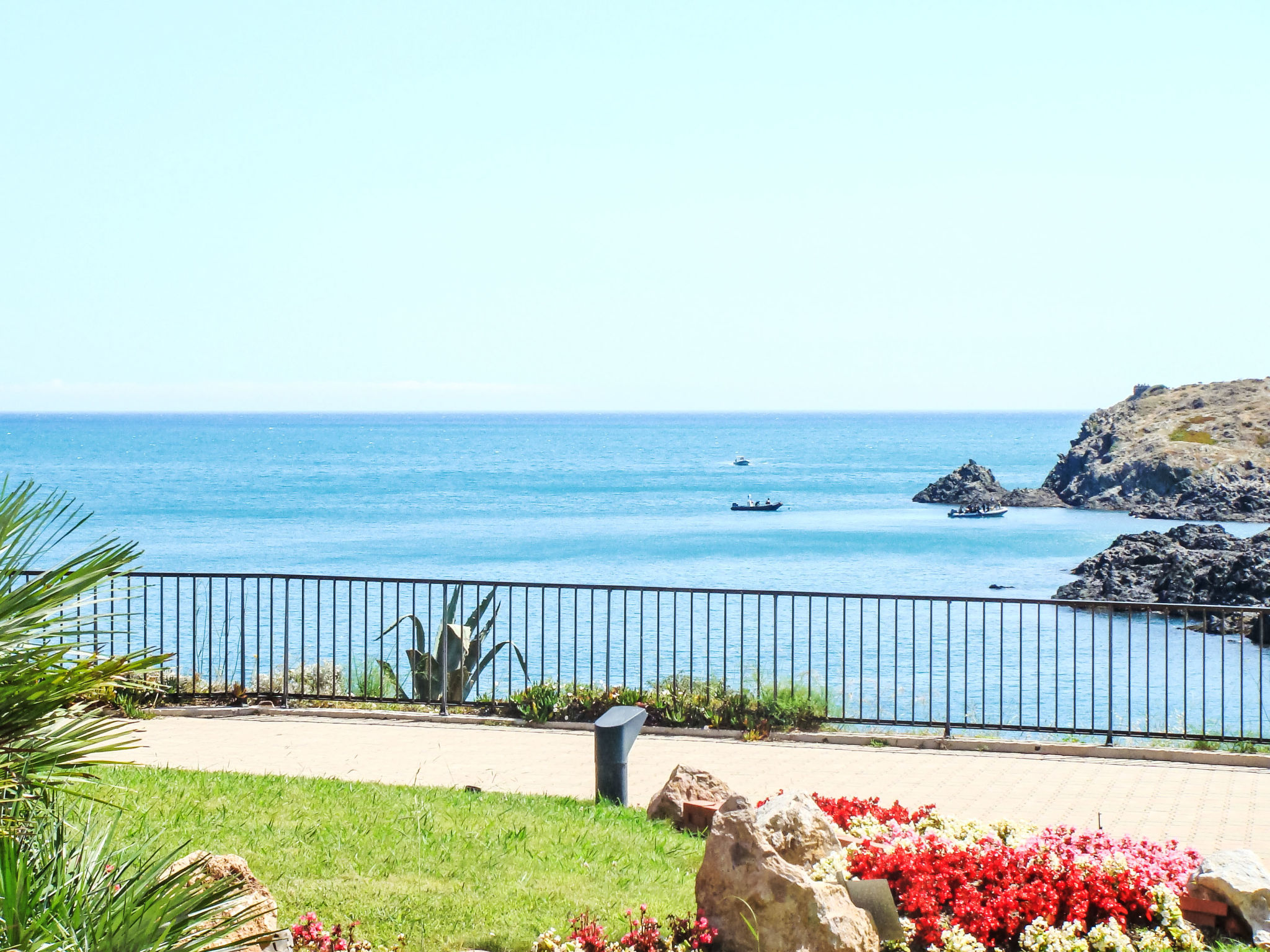
1-Bedroom Home, Collioure
Collioure, Pyrénées-Orientales, France
4
1
0
ParkingMicrowaveTerrace+5 more
from£65
per night
1-Bedroom Home, Collioure
Collioure, Pyrénées-Orientales, France
5
1
0
MicrowaveFridgeNon-Smoking+3 more

2-star property
Les Roches Bleues
Collioure, Pyrénées-Orientales, France
7
2
0
DishwasherMicrowaveWashing Machine+4 more
2-star property
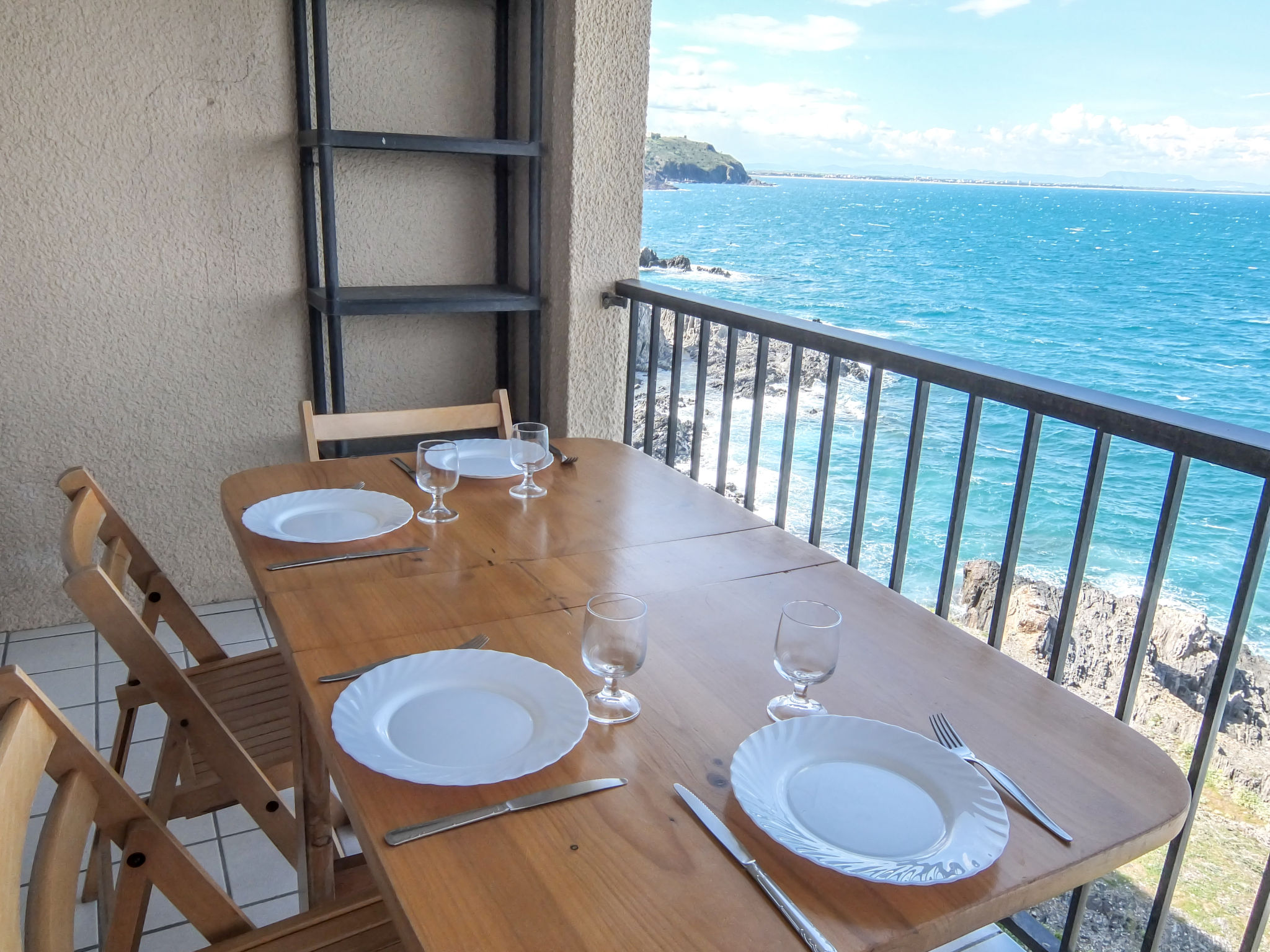
Les Roches Bleues
Collioure, Pyrénées-Orientales, France
4
1
0
FridgeBalconyNon-Smoking+1 more
Collioure villa holidays: questions answered
Do you need a car in Collioure?
Not really. The centre is compact with pedestrian streets, trains arrive from Perpignan and Spain, and finding a street space is close to impossible. If you do drive, leave the car in one of the central car parks or use the park and ride that runs in summer.
What is the Château Royal in Collioure?
A 13th-century royal castle on the bay, rebuilt several times, whose defences were strengthened by Vauban under Louis XIV. It is open to visitors, and it gives views right across the bay.
Why is Collioure linked with Matisse?
Matisse and Derain both worked here in the early 20th century, when the town was a centre of Fauvism. Reproductions of their paintings now stand at the spots where the originals were made, so a walk round the port follows their views.
What wine is made in Collioure?
Mostly red and rosé, with a few whites, under the Collioure appellation. The same terraced vineyards behind the town also produce Banyuls, the neighbouring appellation known for aperitif and dessert wines.
How far is Collioure from Spain?
About 27 km from the border. Regional trains reach Collioure from Spain as well as from Perpignan, and the road in from the main Perpignan to Spain route follows the sea through the hills.
Nearby towns to Collioure
Written by the TrustedVillas team. Last reviewed October 2026.
Find Your Perfect Villa in Collioure
Our villa experts are here to help you find the ideal property for your vacation. Contact us for personalized recommendations.