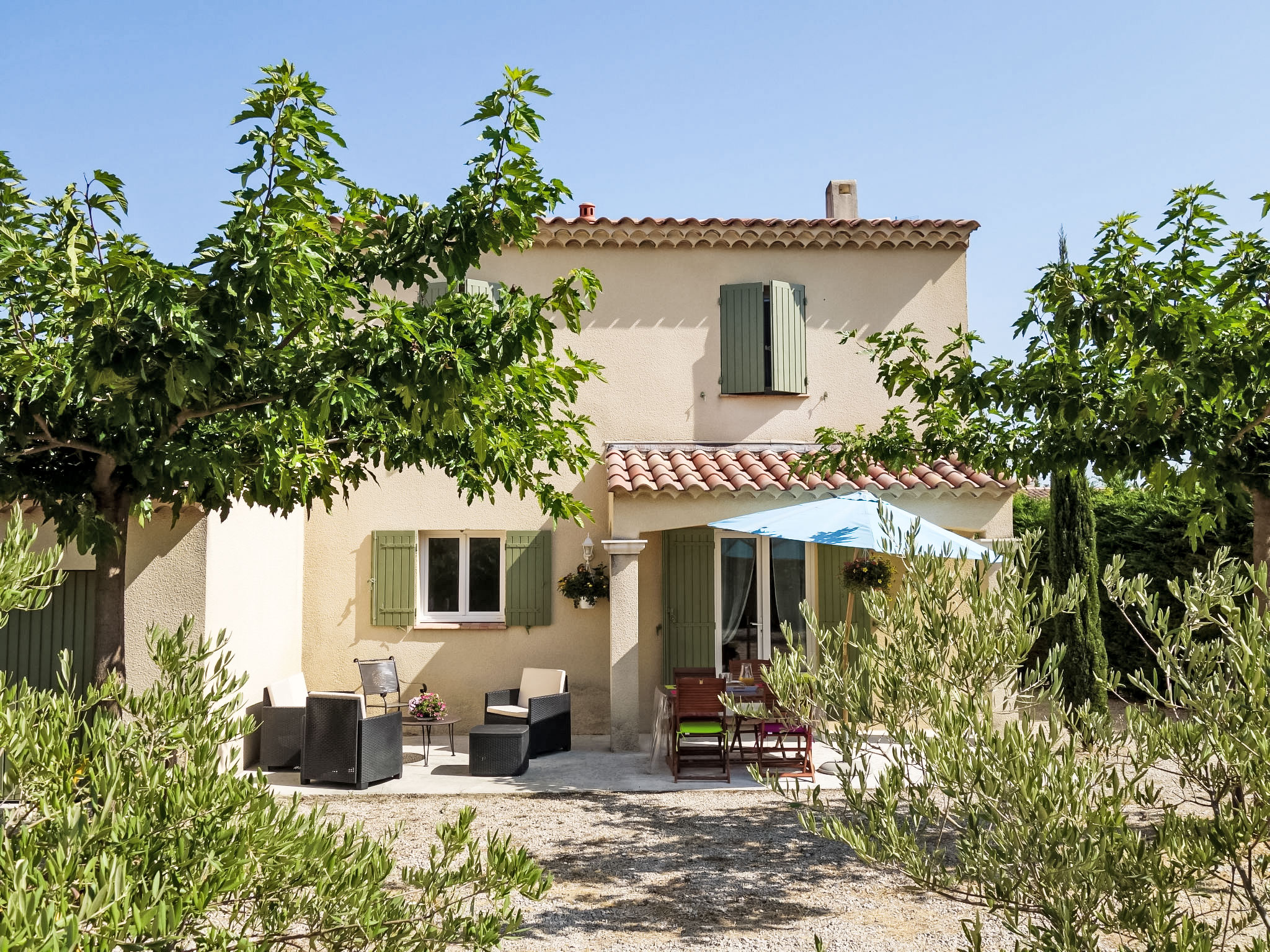
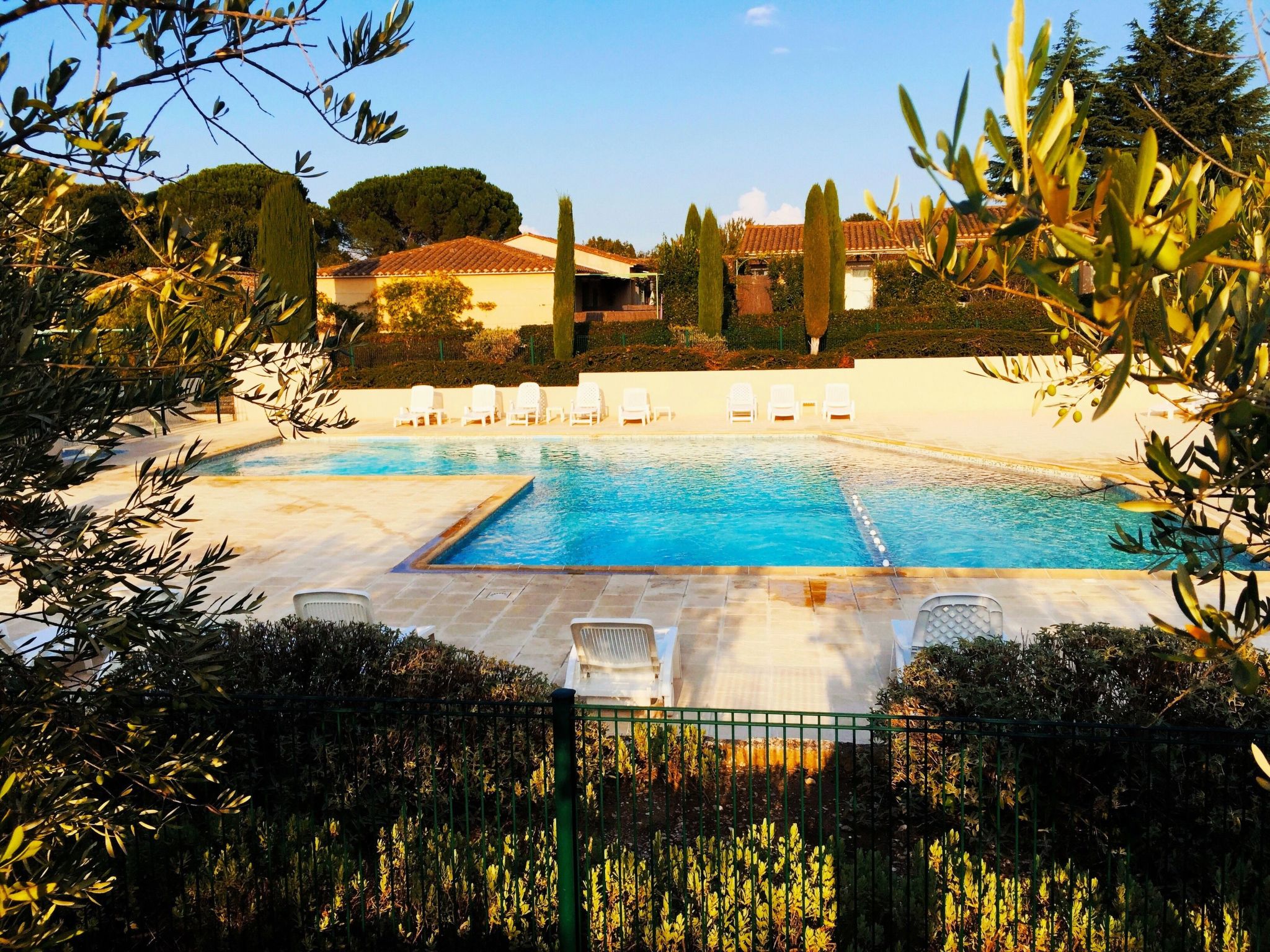
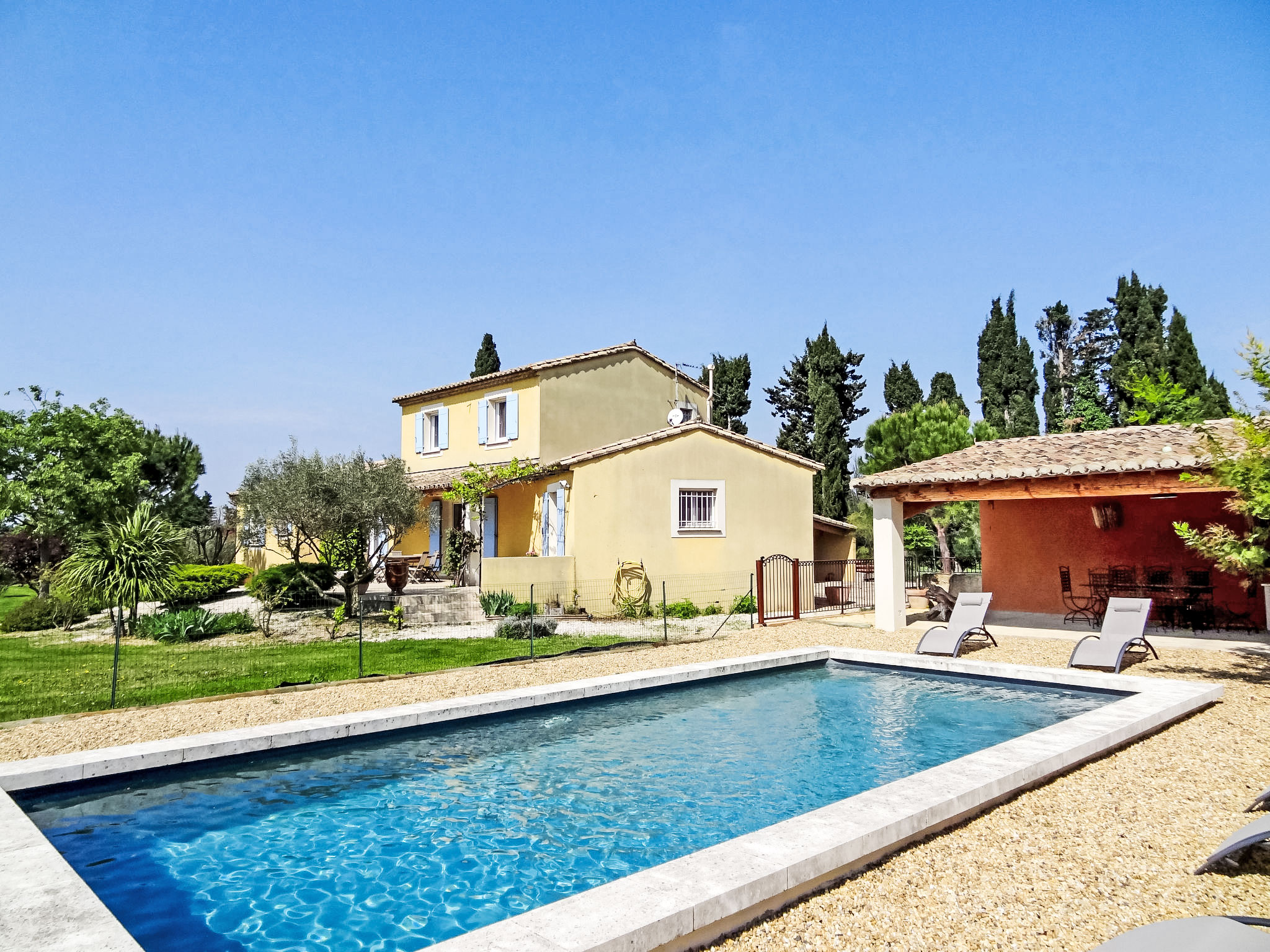
Saint-Remy-de-Provence is smaller than Avignon, less polished than Gordes, and genuinely comfortable in a way that suggests locals actually live here year-round. The town sits on the main square around Les Antiques (Roman monuments), and cafés genuinely feel like gathering spots rather than visitor traps. You're 30 minutes from Avignon if you want museums and energy; surrounded by countryside if you want quiet; and positioned perfectly for exploring both the Luberon villages and the Rhône valley wine region. It's the Provence option for people who prefer eating well and wandering to photography sessions.
Why Stay in Saint-Remy-de-Provence
- It's a functioning town, not a museum. There are locals here doing local things: shopping, eating, working. The main square feels lived-in rather than staged for tourists, even in summer.
- Food scene is genuinely strong. L'Aile ou la Cuisse and Le Clos de la Glycine are serious restaurants run by chefs with real credentials. Casual spots like L'Exedra focus on quality produce. The market (Wednesday and Saturday mornings) is an event locals attend, not just tourists.
- Location is tactically smart. Day trips to Avignon (30 minutes), Arles (30 minutes), Gordes (45 minutes), or wine regions all radiate outward. You're not landlocked but not overwhelmed by scale either.
- Honest caveat: it's still very Provençal and increasingly touristed. If you want solitude, the surrounding countryside and small villas are where you'll find it. The town centre is pleasant but can feel a bit busy on market days.
Things to Do in Saint-Remy-de-Provence
Start with the archaeological site just outside town: Les Antiques (the Mausoleum of Julius and the Arch of Glanum) are properly impressive Roman relics standing in open countryside. They're free to view from outside, though you can pay for a guided tour. The site feels less touristy than equivalent attractions in bigger towns.
The Wednesday and Saturday morning markets are impressive. Produce, flowers, cheese, and local wines all gather in a square that feels like an actual meeting place. Go early (by 9am) for best selection; by 11am the energy shifts from local shopping to tourist browsing.
Arles (30 minutes south) is larger, more famous, and genuinely worth a day trip. The Roman arena, van Gogh's Yellow House location, and the Alyscamps (a Roman burial ground that's genuinely atmospheric) are all reachable on foot. Arles feels less packaged than some Provençal towns and the light there is exceptional. Van Gogh came here for a reason.
The Chaîne de la Montagnette (low mountains between Saint-Remy and Arles) has hiking trails of varying difficulty. The walk to the Chapelle de Sainte-Sixte (1.5 hours) climbs through scrub and gives you views across the Crau plain. Many walks start directly from town; pick up a map from the tourist office.
Wine tasting in the nearby Rhône region is accessible by car (20–30 minutes west). Châteauneuf-du-Pape is famous but touristy. Gigondas and Vacqueyras are quieter; many small producers offer tastings for €5–€10. Call ahead; many close at lunch.
Les Baux-de-Provence (20 minutes north) is a dramatic hilltop ruin that's worth seeing from a distance, though the village itself is aggressively touristed. The Carrières de Lumières (a quarry converted into an art installation space using projection) is genuinely unusual if you want a rainy-day option.