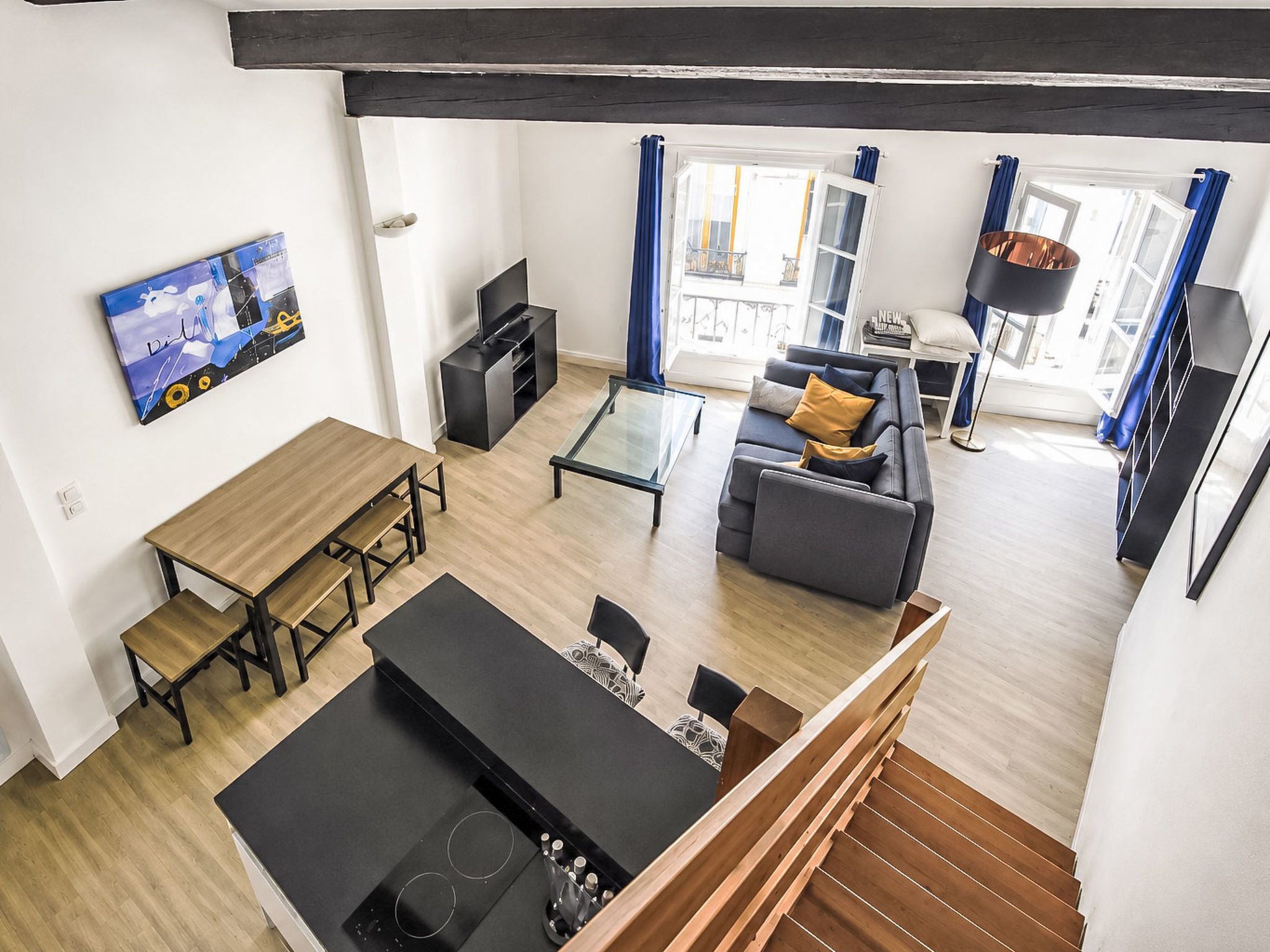
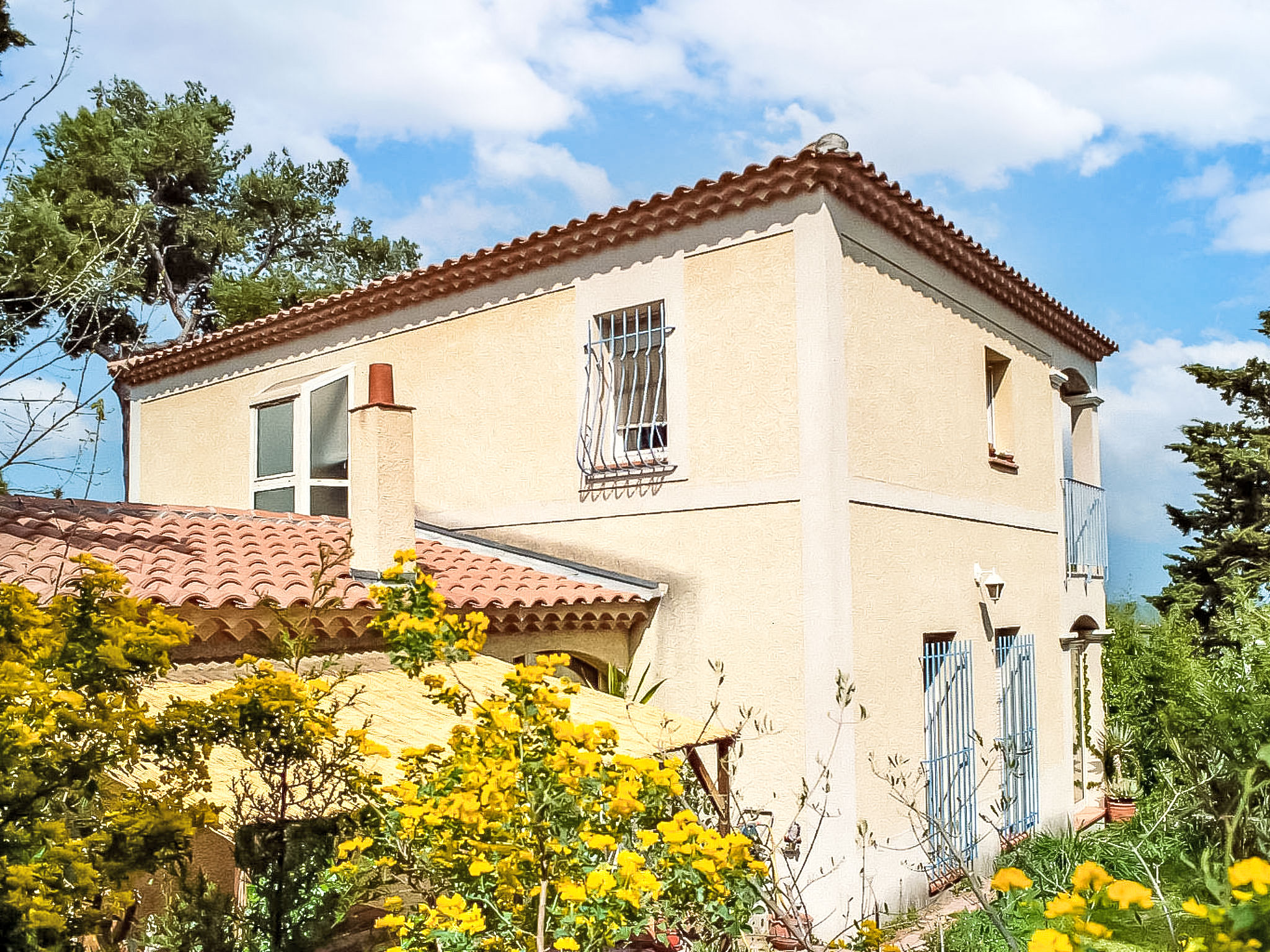
Avignon isn't the quiet countryside retreat many expect when booking a Provençal villa. It's a medieval city where Roman popes once ruled, and that history still shapes everything you see. The Palais des Papes dominates the old town, but we find the real charm lies in the side streets off Place de l'Horloge, where locals actually eat, drink, and live. You'll hear the Rhône flowing past the ramparts, and on warmer evenings, the café buzz echoes through narrow lanes that feel properly lived-in rather than staged for tourists.
Why Stay in Avignon
- City energy without the airport chaos. You're based inside a genuinely animated medieval centre with museums, restaurants, and markets that don't exist just for visitors. The Saturday market on Place Crillon runs year-round with produce, flowers, and local goods.
- Fast trains to everywhere else in Provence. From Avignon centre station, you can reach Aix-en-Provence, the Luberon villages, or the Côtes du Rhône wine region in under an hour. Useful if you want villa relaxation mixed with day-trip variety.
- Real local restaurants, not tourist traps. The restaurant scene here is serious. Locals eat here, chefs have roots here. Places like Christian Etienne (Michelin-starred but genuinely approachable) sit alongside casual bistros that don't exist for Instagram.
- Fair warning: summer heat and festival crowds. July and August get hot (often hitting 35°C+) and the In/Out Festival brings significant congestion. Parking inside the old town is tight year-round, though villas outside the ramparts usually offer dedicated spaces.
Things to Do in Avignon
The Palais des Papes is unavoidable and worth seeing. The scale and interior frescoes genuinely impress, but don't stop there. Spend an hour wandering the ramparts on foot; the walk from Pont Saint-Bénézet (the half-ruined bridge everyone's heard of) around the eastern edge gives you a sense of the city's medieval layout without feeling like herding sheep.
The Musée Angladon holds an unexpectedly strong modern art collection in a 18th-century mansion just south of the old town. Cézanne, Picasso, and lesser-known work all sit here, often flying under the radar. Entry is around €10 and you'll rarely queue.
For food-focused exploration, the Saturday market on Place Crillon is the best entry point. Arrive by 9am, eat breakfast at one of the café stands, and work through the produce and local specialties. Thursday morning brings a smaller market near Halles de l'Horloge if you want fewer tourists.
The Côtes du Rhône wine region starts less than 20km north. Accessible by car in 30 minutes, Châteauneuf-du-Pape is the famous name, but smaller appellations like Gigondas and Vacqueyras offer quieter tastings and lower prices. Many properties have summer hours only, so call ahead.
The Luberon valley villages (Lourmarin, Ménerbes, Bonnieux) are 45 minutes' drive south. All three have character, though they've become increasingly touristed. Lourmarin's Wednesday market is the liveliest and the village has the most restaurant options. Parking is limited; go early or late.
If you want a beach fix without driving three hours to the Mediterranean, the Sorgue river near Fontaine-de-Vaucluse (50 minutes south) has swimming holes and a scenic drive, though water temperatures stay cool even in summer.