Villas in Hyères
Hyères suits couples and small groups wanting a real Var town with a medieval hill quarter, Porquerolles ferries and sandy Giens beaches. Most homes are one-bedroom places, and air conditioning is common. The old town sits about 4 km from the sea, so the coast and the centre are two separate trips.
- Villas
- 65
- From, per week
- £269
About Hyères
Hyères is a town of about 56,000 whose medieval quarter climbs the slopes of the Castéou hill around the Castle of Saint Bernard, about 4 km from the sea. The homes are scattered across several kilometres, with the middle of them south of the old town, towards the coast. They are mostly small: one-bedroom flats and houses for around four, some with a private pool and a garden, and over half with air conditioning. The Giens peninsula to the south is a double tombolo, with wide, shallow sandy beaches on its north side and west strip, cliffs on the south, and old salt ponds between where flamingos live. Evenings are those of a working town. The climate is hot-summer Mediterranean, one of the warmest and driest in France.
Is Hyères right for you?
- Best for
- Couples and small families wanting a working town near island ferries
- Not for you if
- You want to walk from the door to the sand or want a big villa.
Near Hyères
L'Almanarre beach
A sandy beach about 4 km long on the west side of the Giens peninsula, a major spot for windsurfing and kitesurfing.
Porquerolles
The largest of the Îles d'Hyères, about 7 km long, reached by ferry from La Tour Fondue, with Notre Dame and Plage d'Argent beaches.
Pesquiers salt marshes
Old salt ponds between Giens's two tombolos, protected wetland where colonies of pink flamingos live.
Villa Noailles
A modernist villa in Hyères, designed by Robert Mallet-Stevens and commissioned in 1923, with a fashion and photography festival each spring.
Getting to Hyères
Toulon-Hyères airport is about 4 km southeast of the town centre, but its only UK route is a seasonal British Airways flight from London City. Hyères station links to Toulon, Marseille and Paris. With homes spread towards the coast, a car makes the beaches and La Tour Fondue easier.
When to go to Hyères
Summer is hot and dry, and it is also when the islands and Giens beaches are fullest. The town gets about 2,900 hours of sun a year and about 665 mm of rain, so spring and autumn are usually pleasant and quieter. The mistral blows here, which suits the windsurfers at L'Almanarre, and the airport's UK flights are seasonal, so winter trips mean connecting elsewhere.
Villas in Hyères

3-star property

4-star property
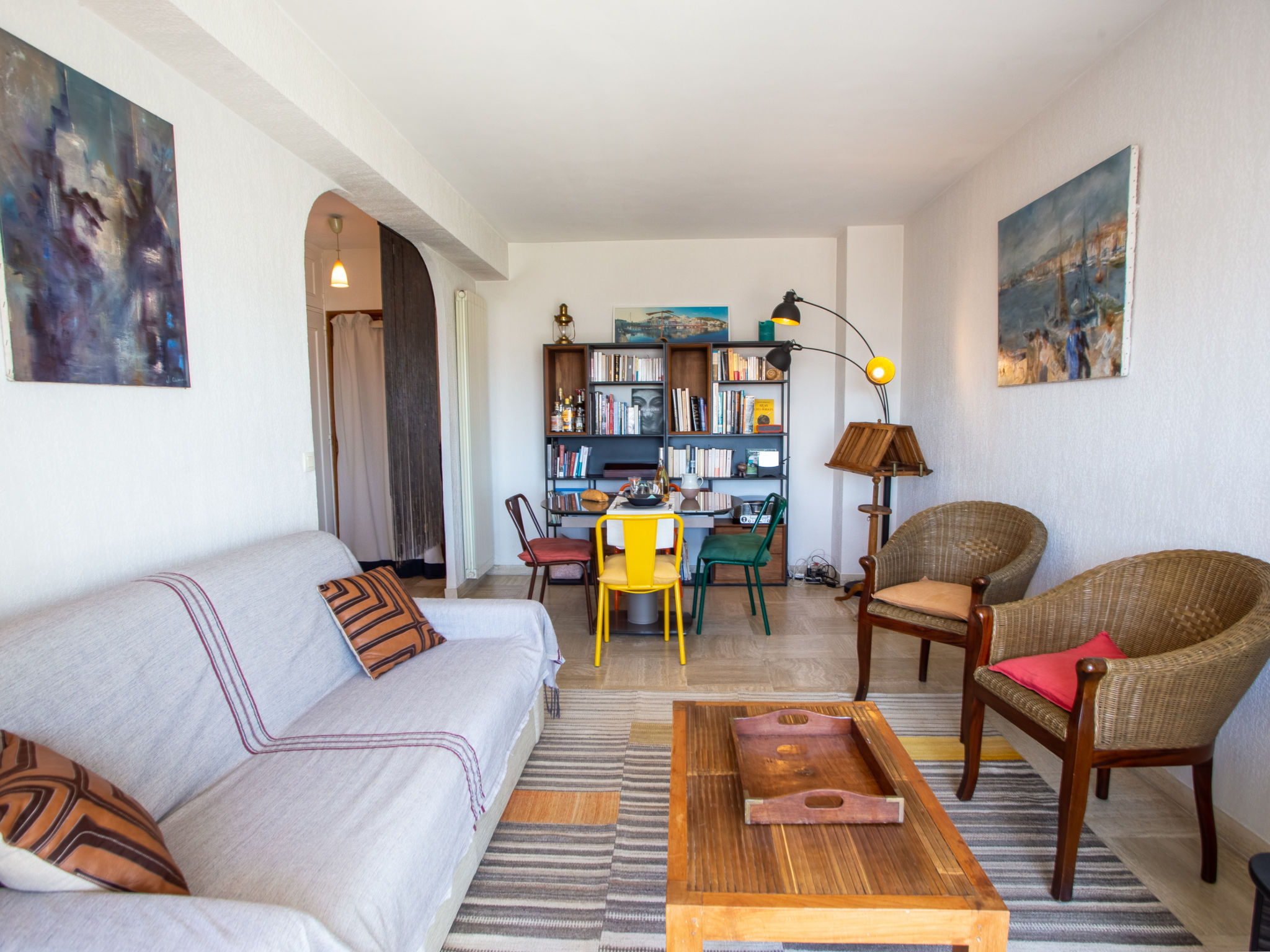
3-star property
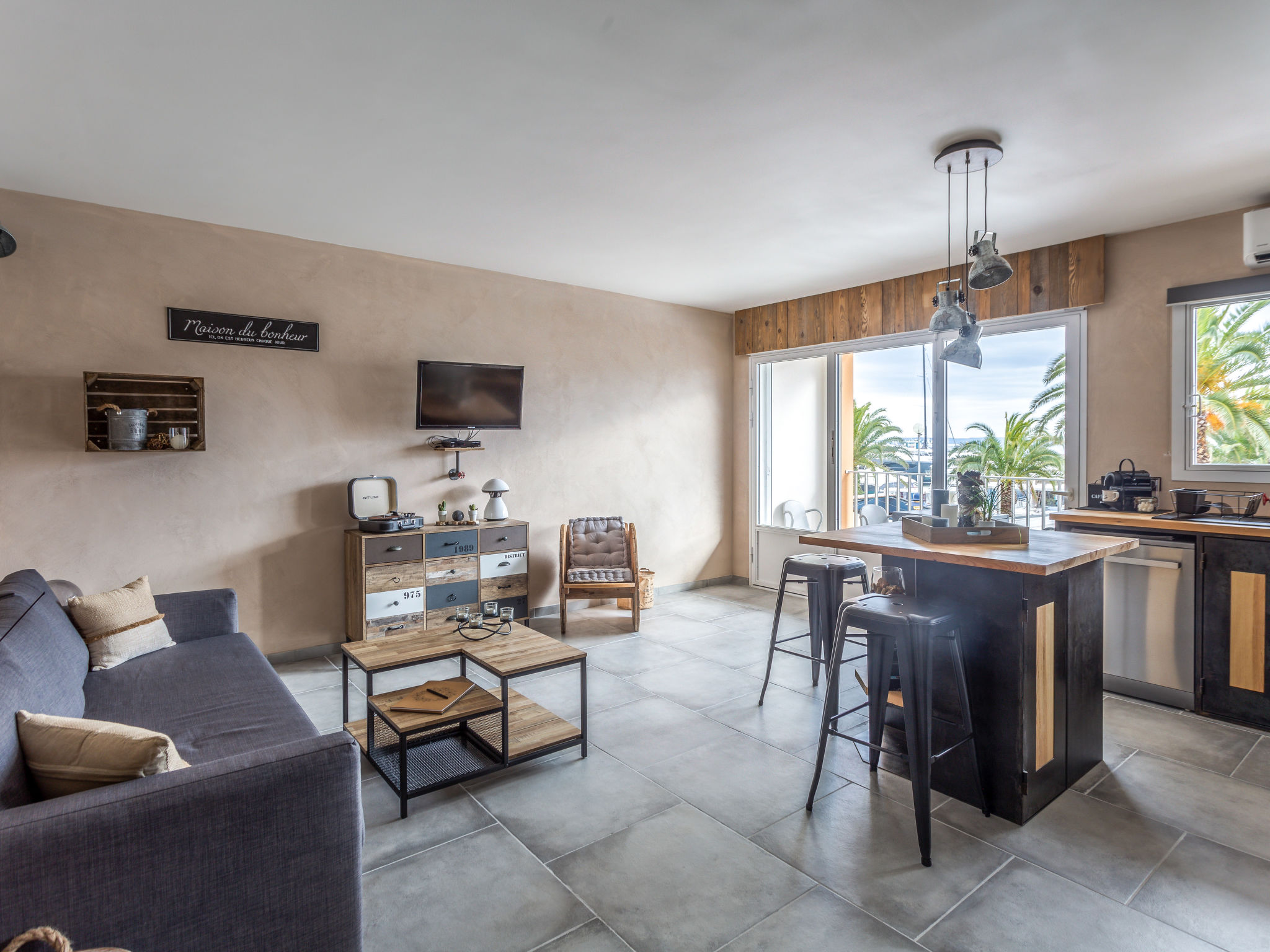
4-star property

2-star property
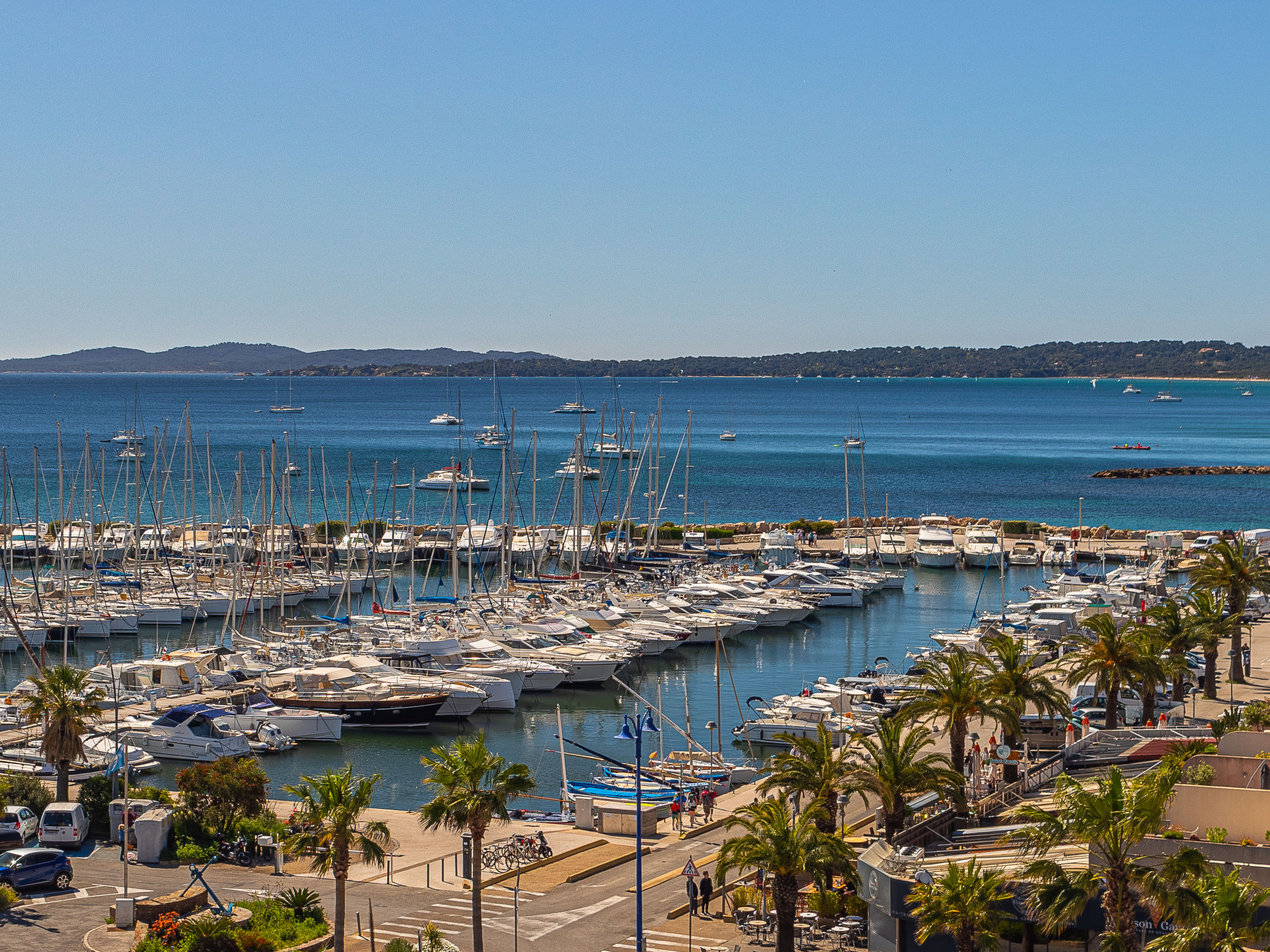
3-star property
Les Astérides
Hyères, Cote d'Azur, France
6
3
0
DishwasherMicrowaveParking+7 more
from£134
per night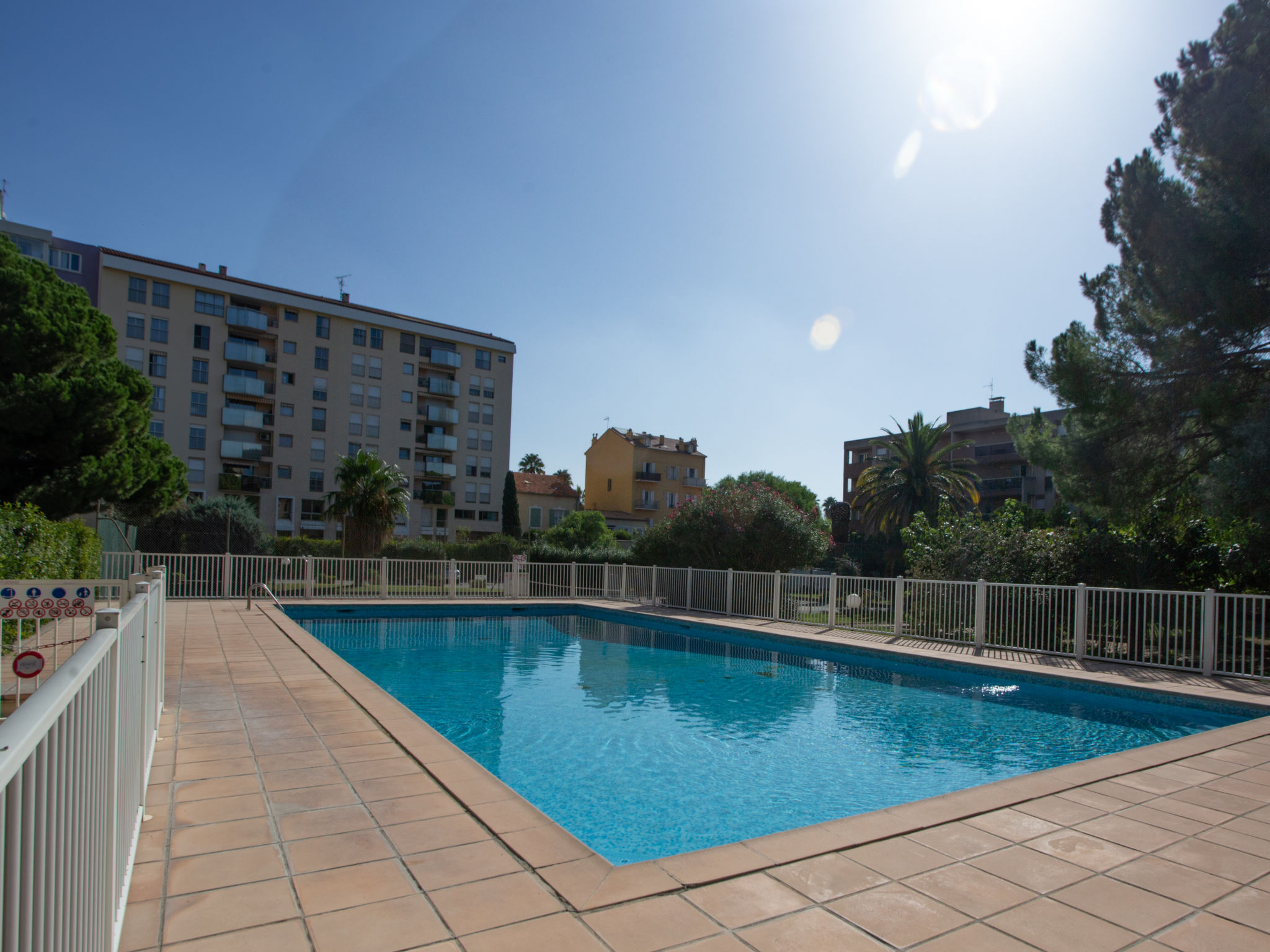
3-star property
Les Jardins du Luxembourg
Hyères, Cote d'Azur, France
6
3
0
Air ConDishwasherGarden+11 more
from£134
per night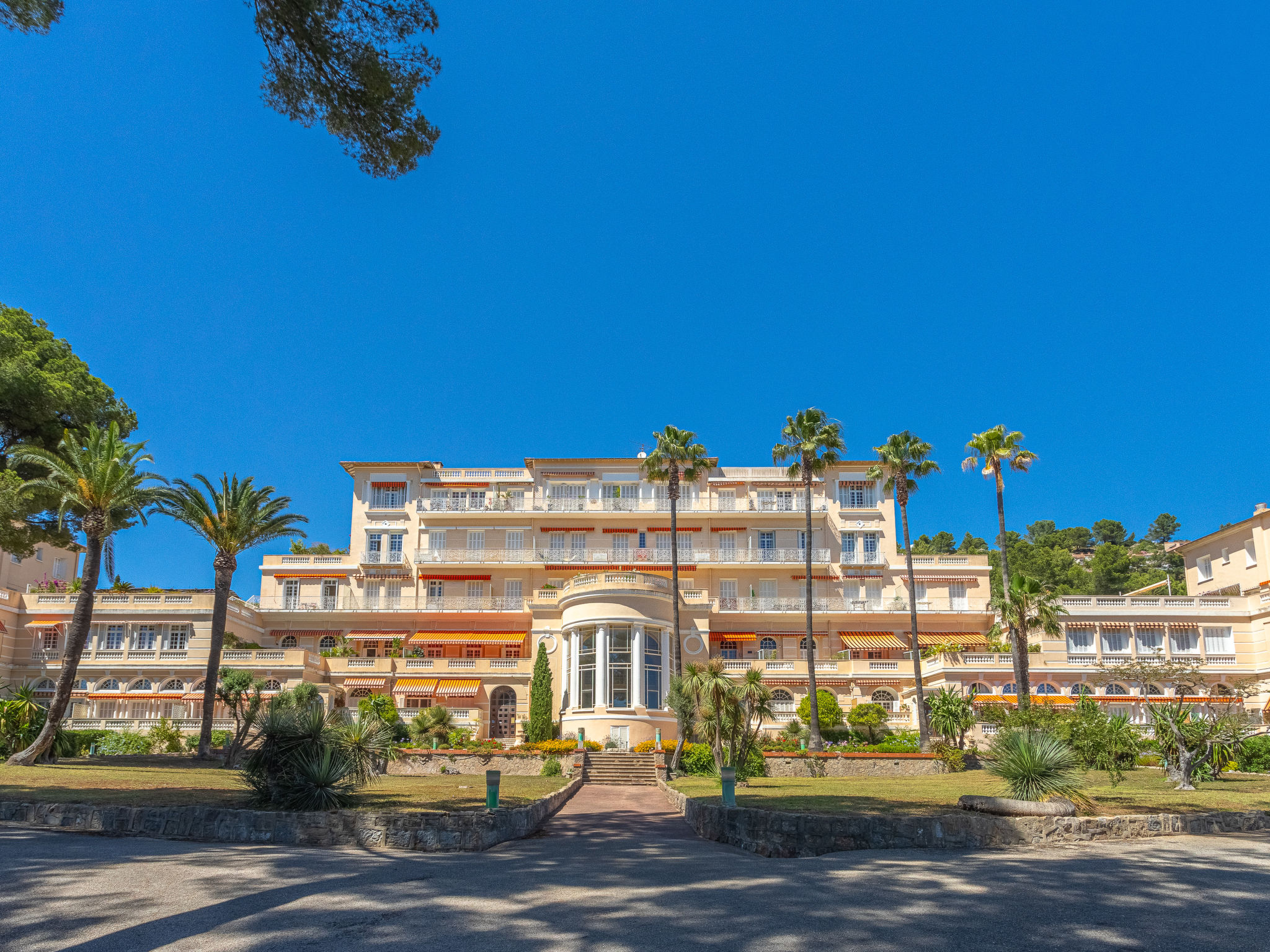
4-star property
Mont des Oiseaux
Hyères, Cote d'Azur, France
6
3
0
Air ConDishwasherGarden+10 more
from£192
per night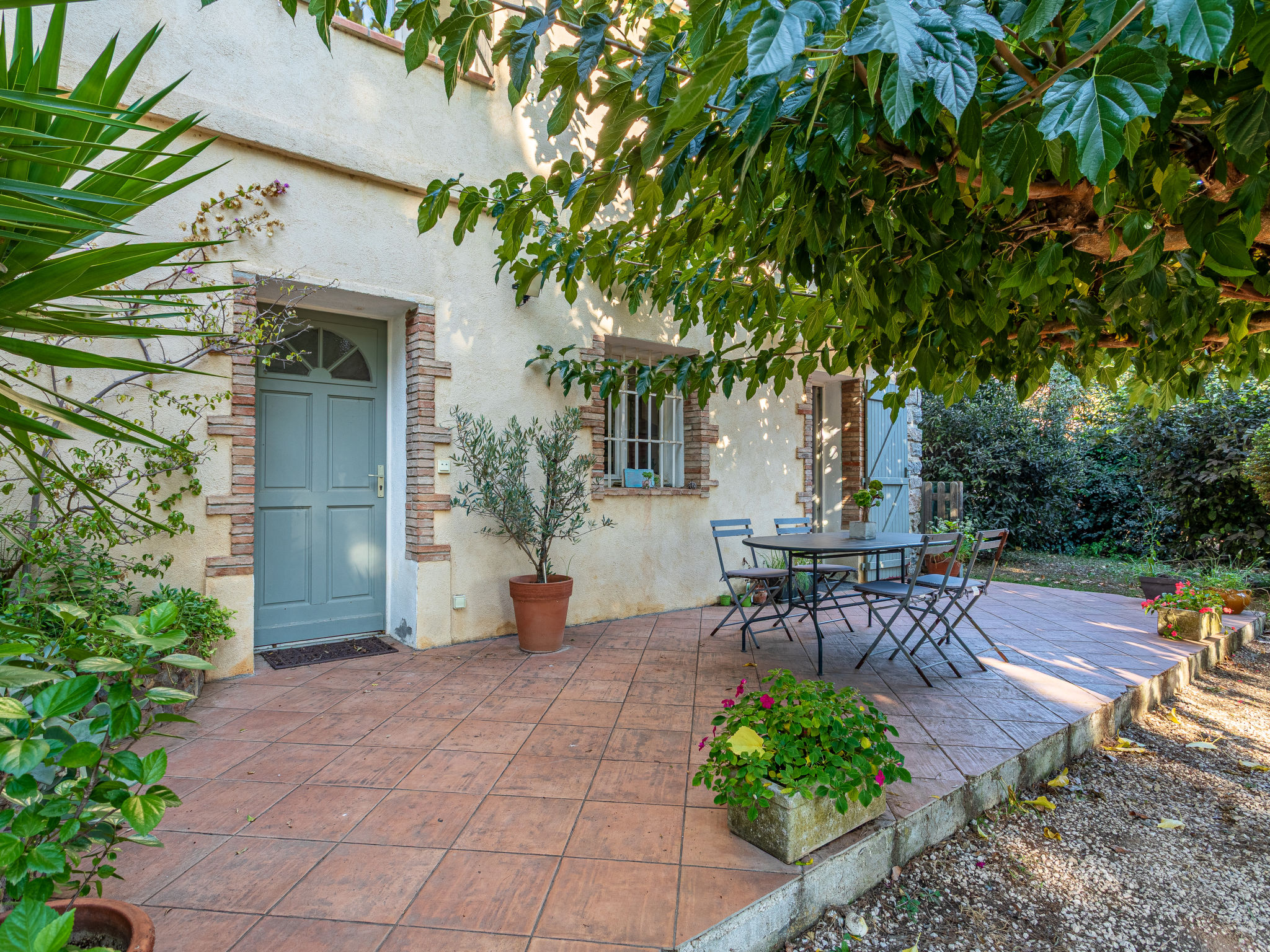
3-star property
2-star property

3-star property
3-star property
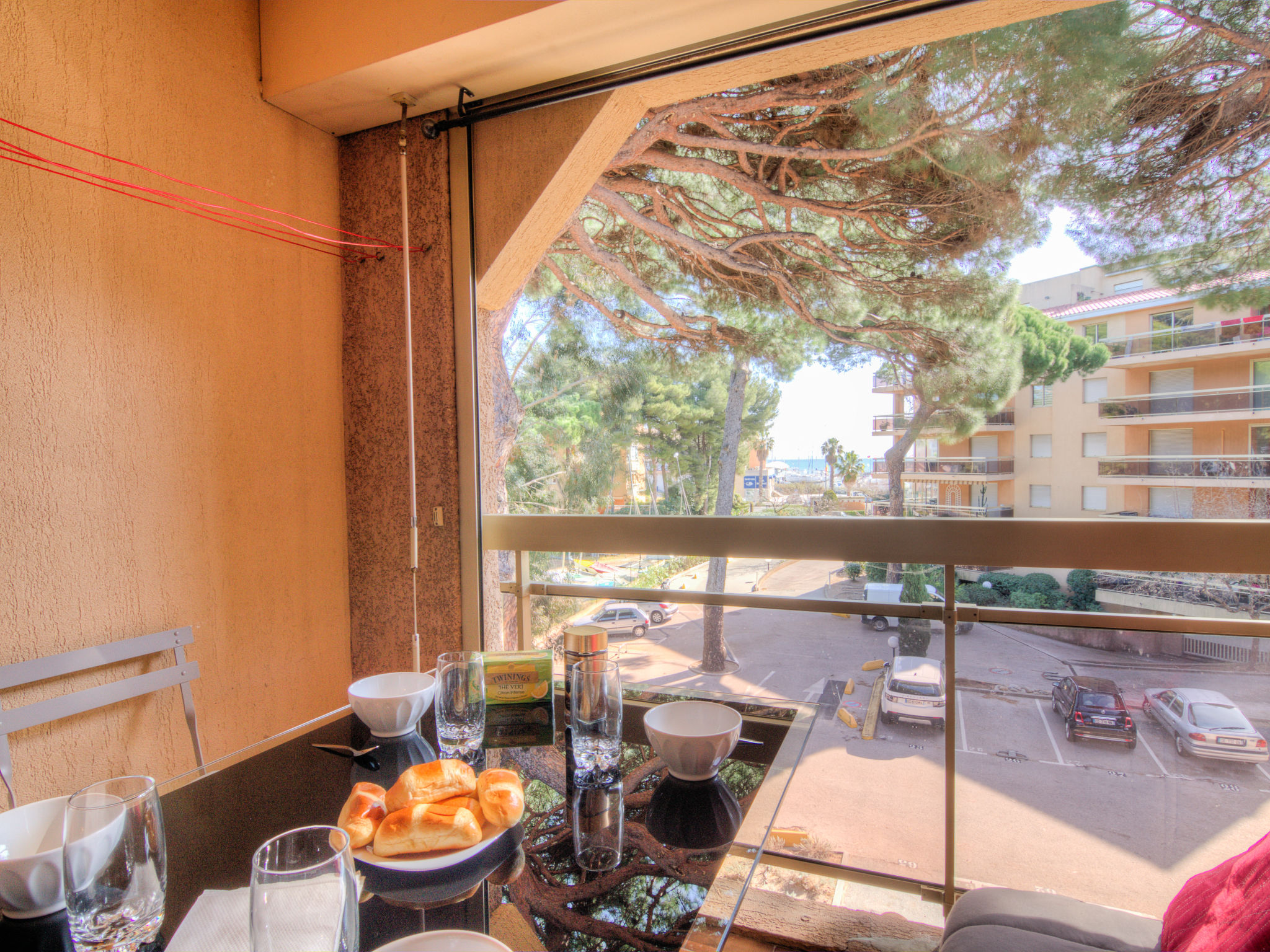
2-star property

2-star property
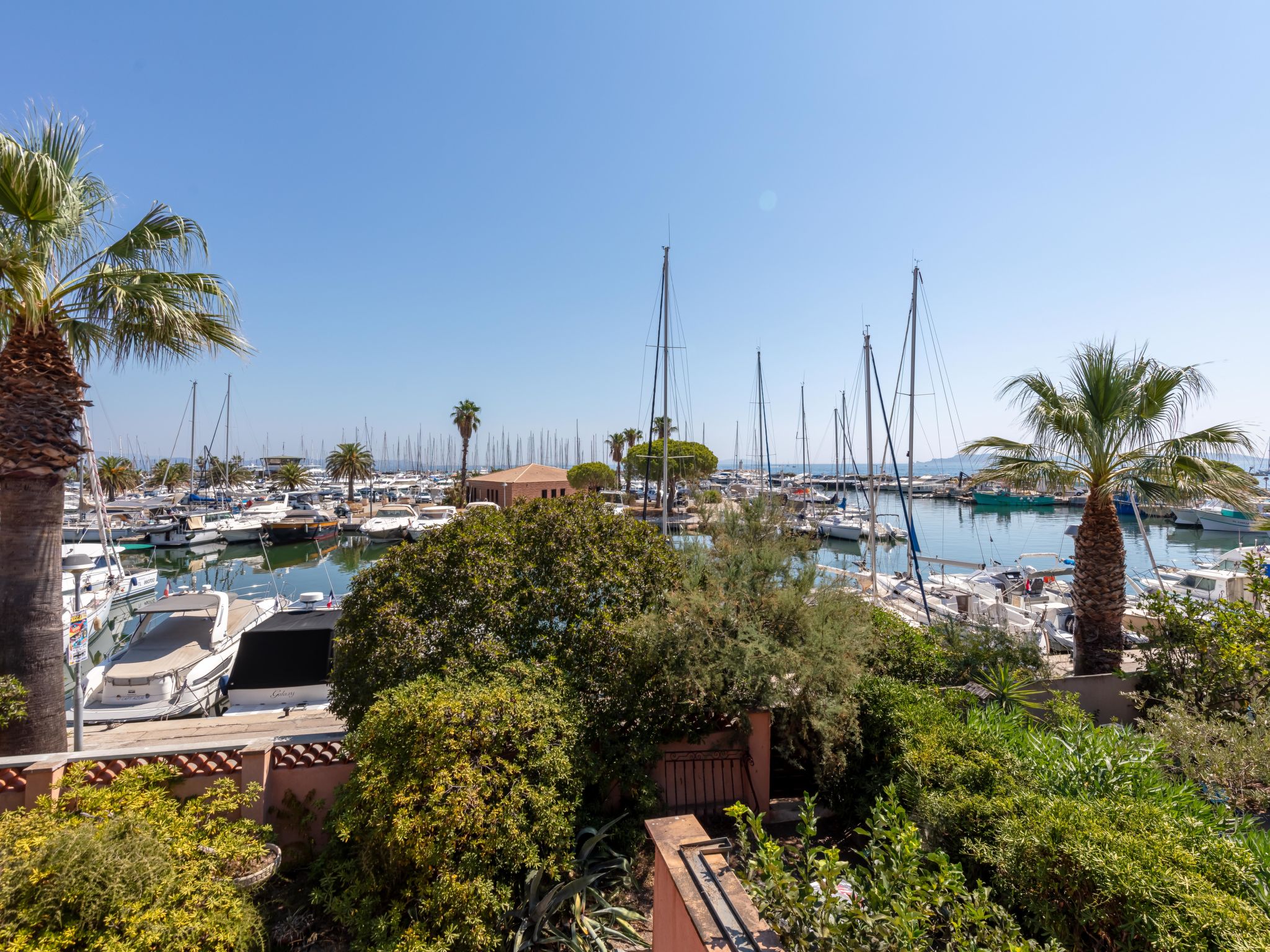
Port de la Gavine I
Hyères, Cote d'Azur, France
4
1
0
Air ConDishwasherMicrowave+8 more
from£75
per night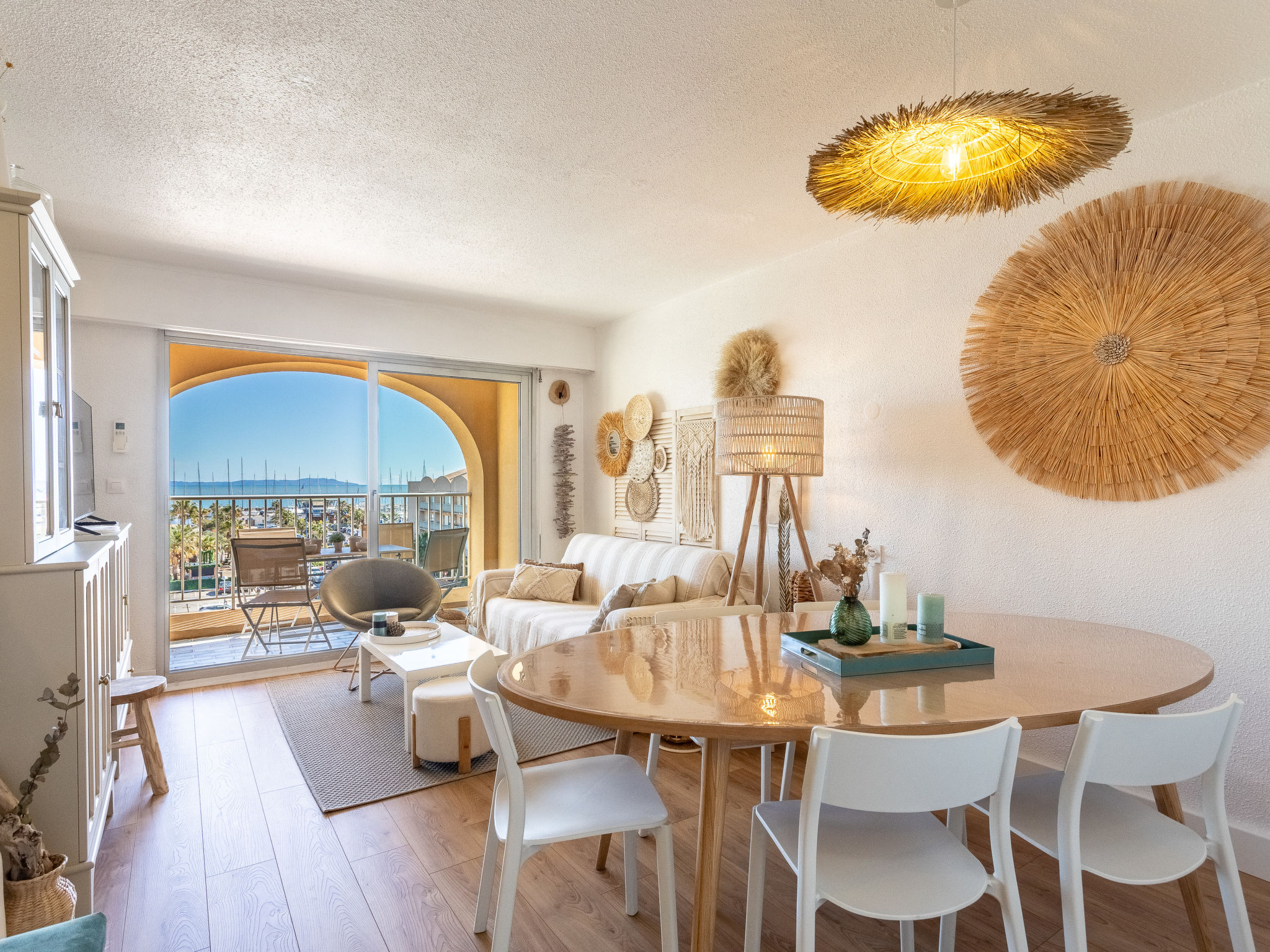
2-star property
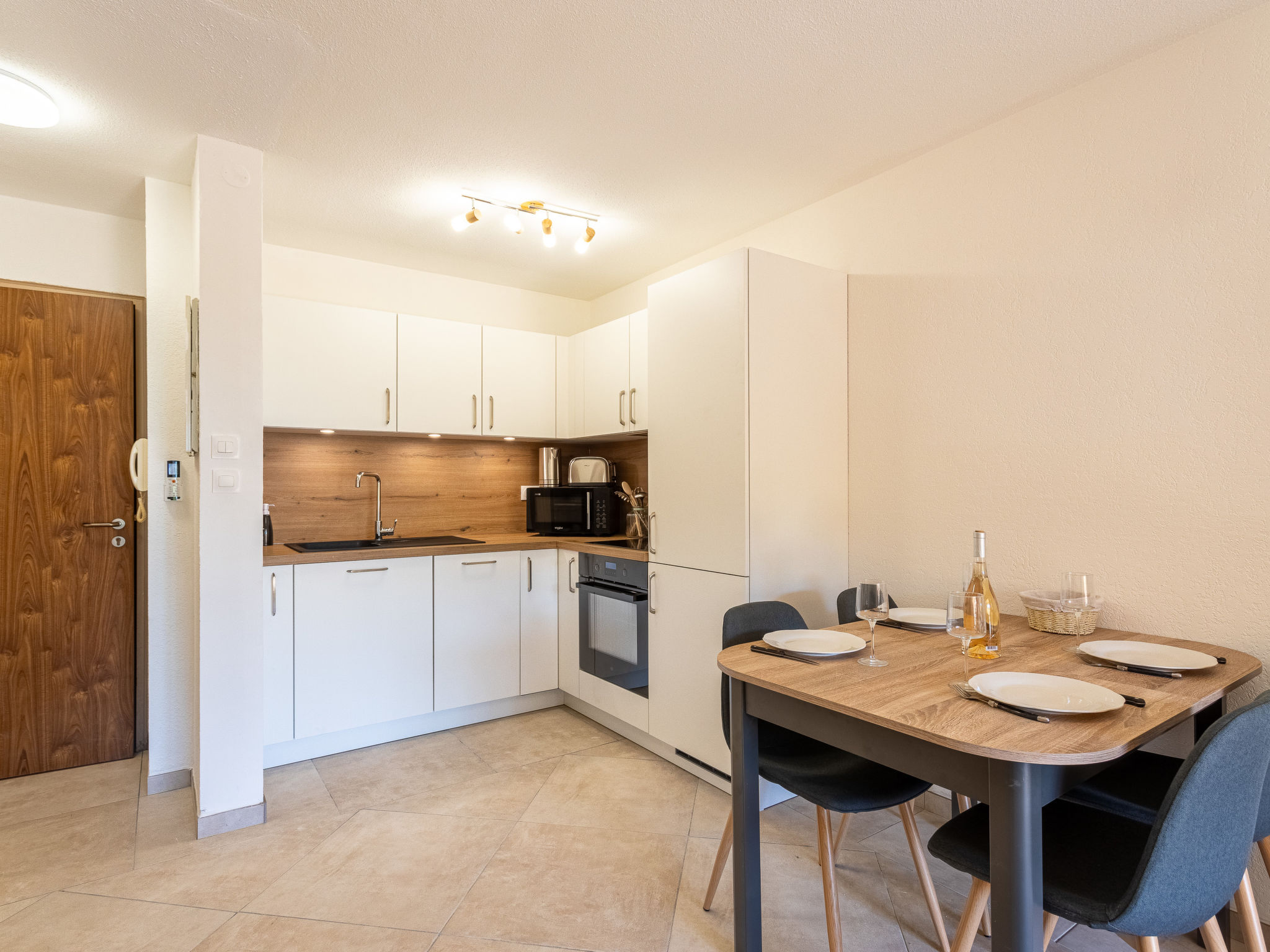
Port de La Gavine
Hyères, Cote d'Azur, France
4
1
0
Air ConParkingDishwasher+8 more
from£76
per night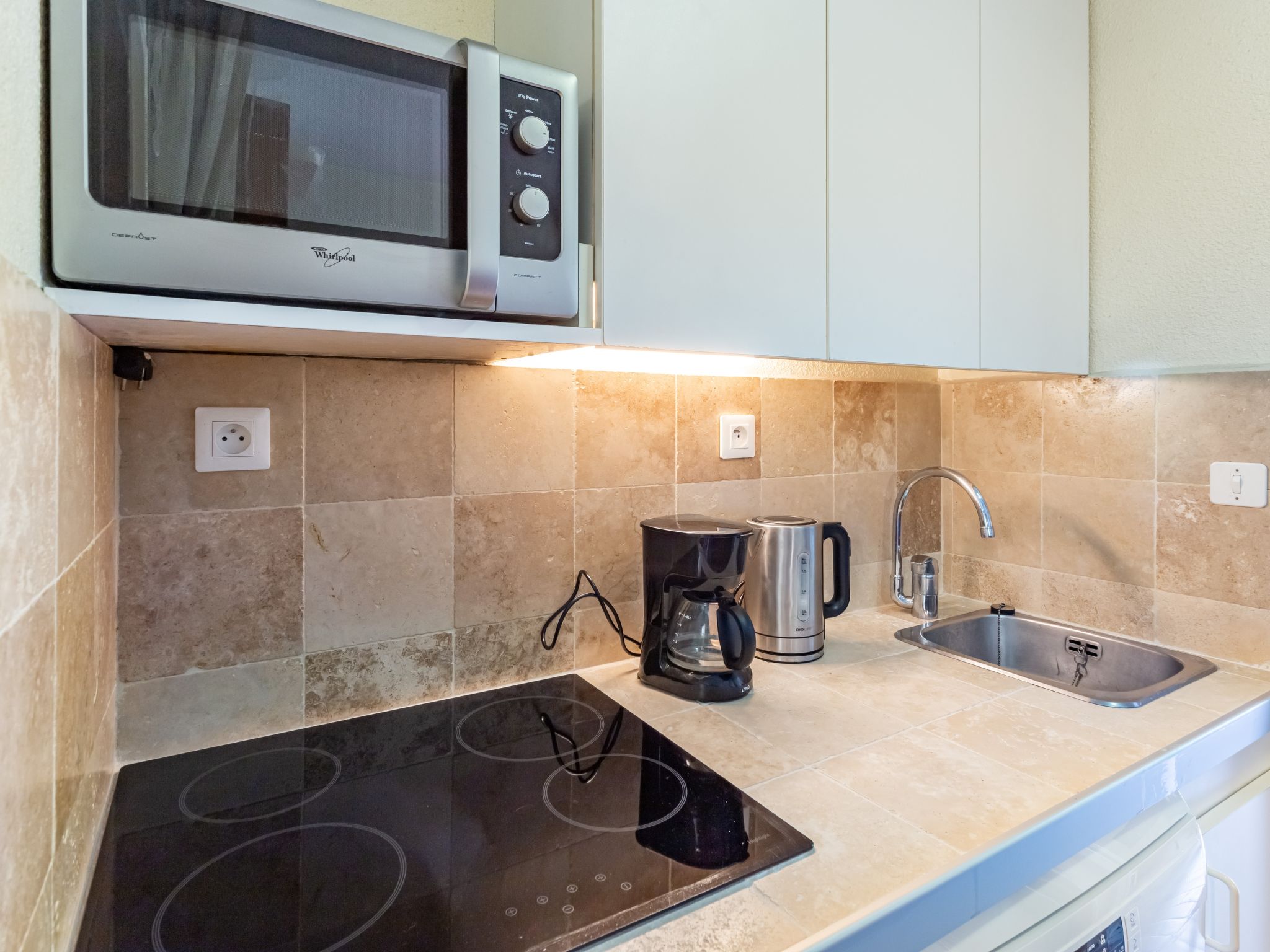
2-star property
Port de La Gavine
Hyères, Cote d'Azur, France
4
1
0
DishwasherMicrowaveParking+7 more
from£48
per night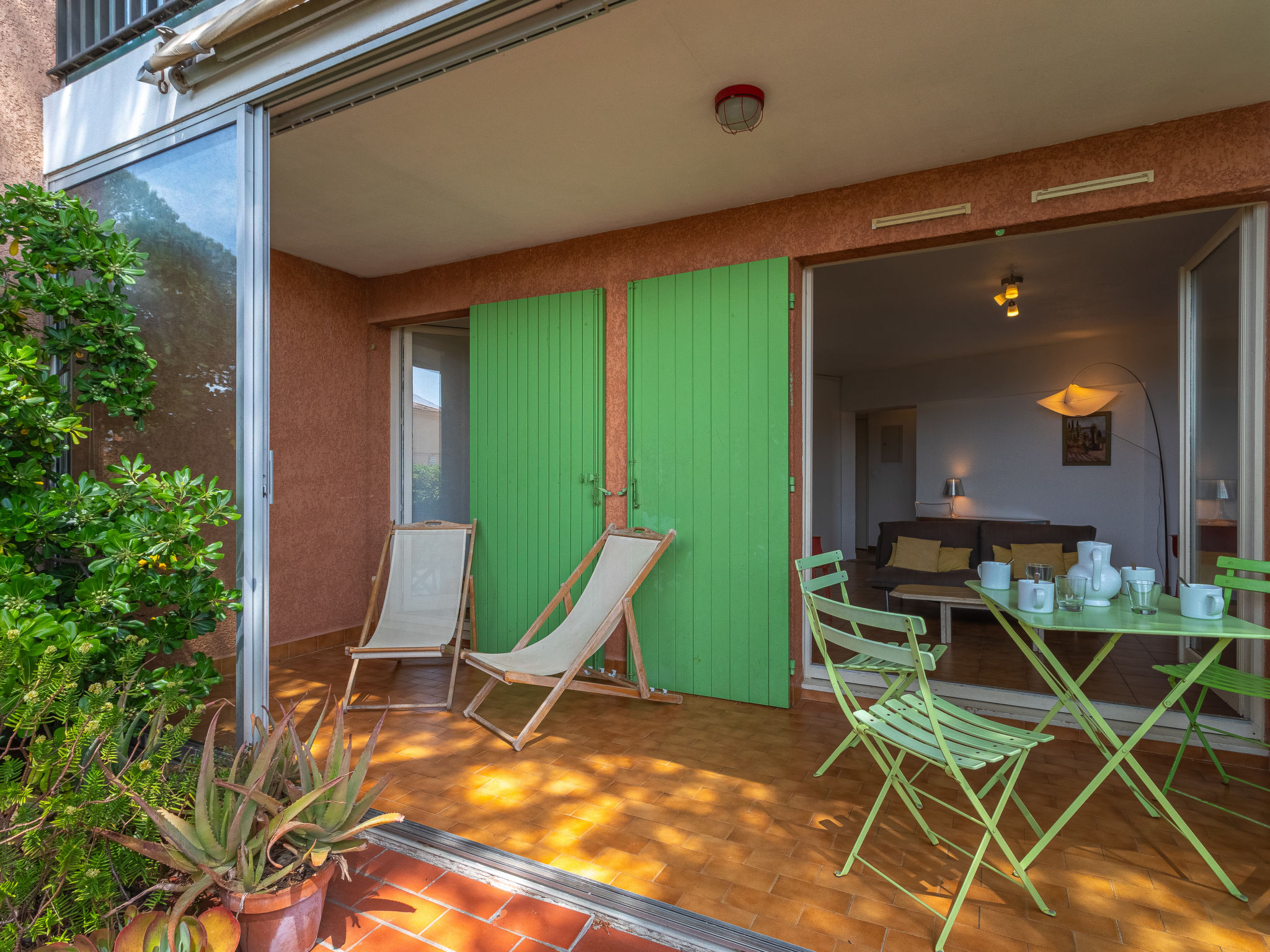
2-star property
Les Palmiers
Hyères, Cote d'Azur, France
6
2
0
DishwasherMicrowaveParking+8 more
from£103
per night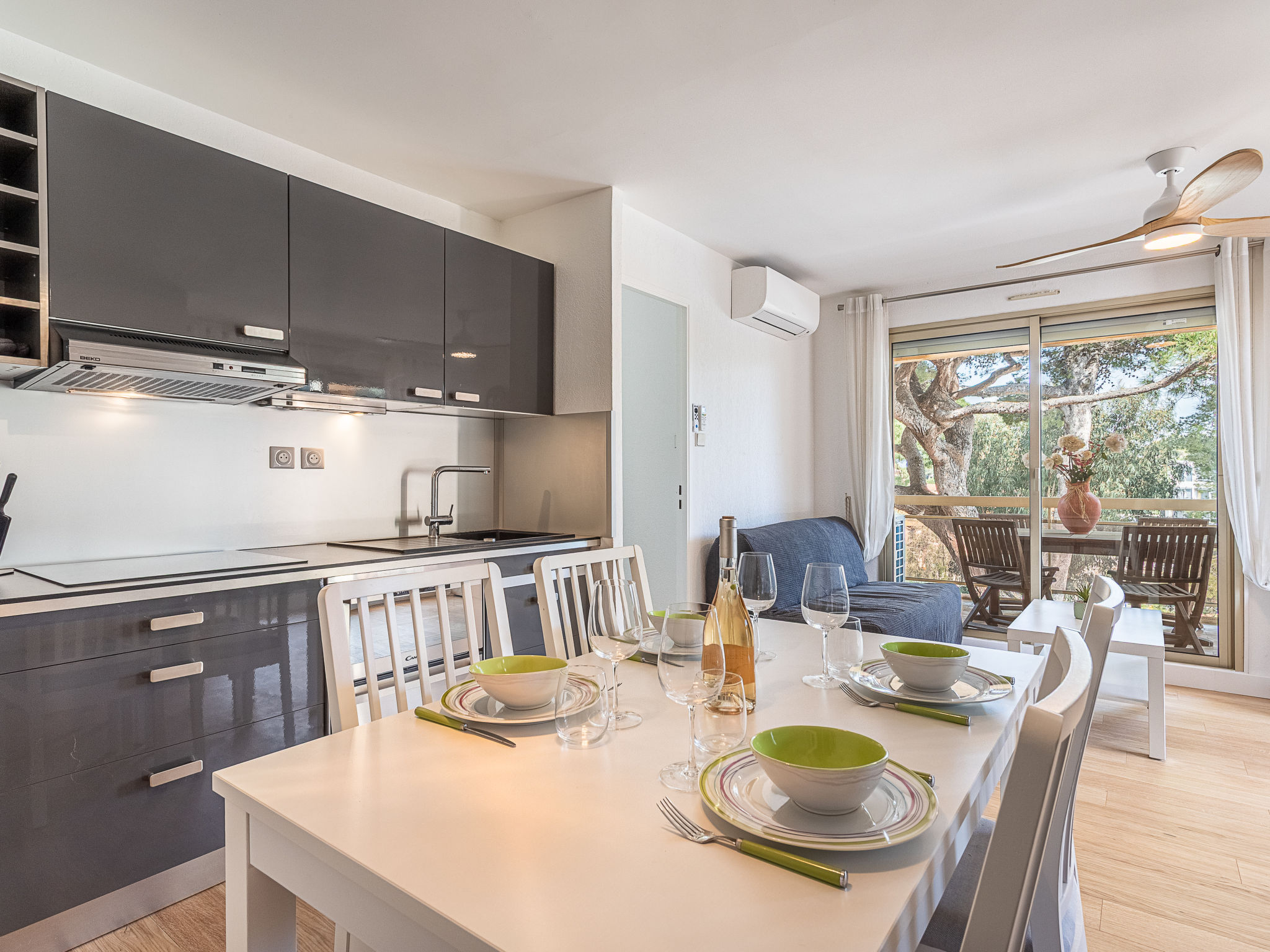
3-star property

3-star property

3-star property
Port de la Gavine I
Hyères, Cote d'Azur, France
6
2
0
Air ConDishwasherMicrowave+8 more
from£134
per night
4-star property
Port de La Gavine
Hyères, Cote d'Azur, France
2
1
0
Air ConDishwasherMicrowave+8 more
from£56
per night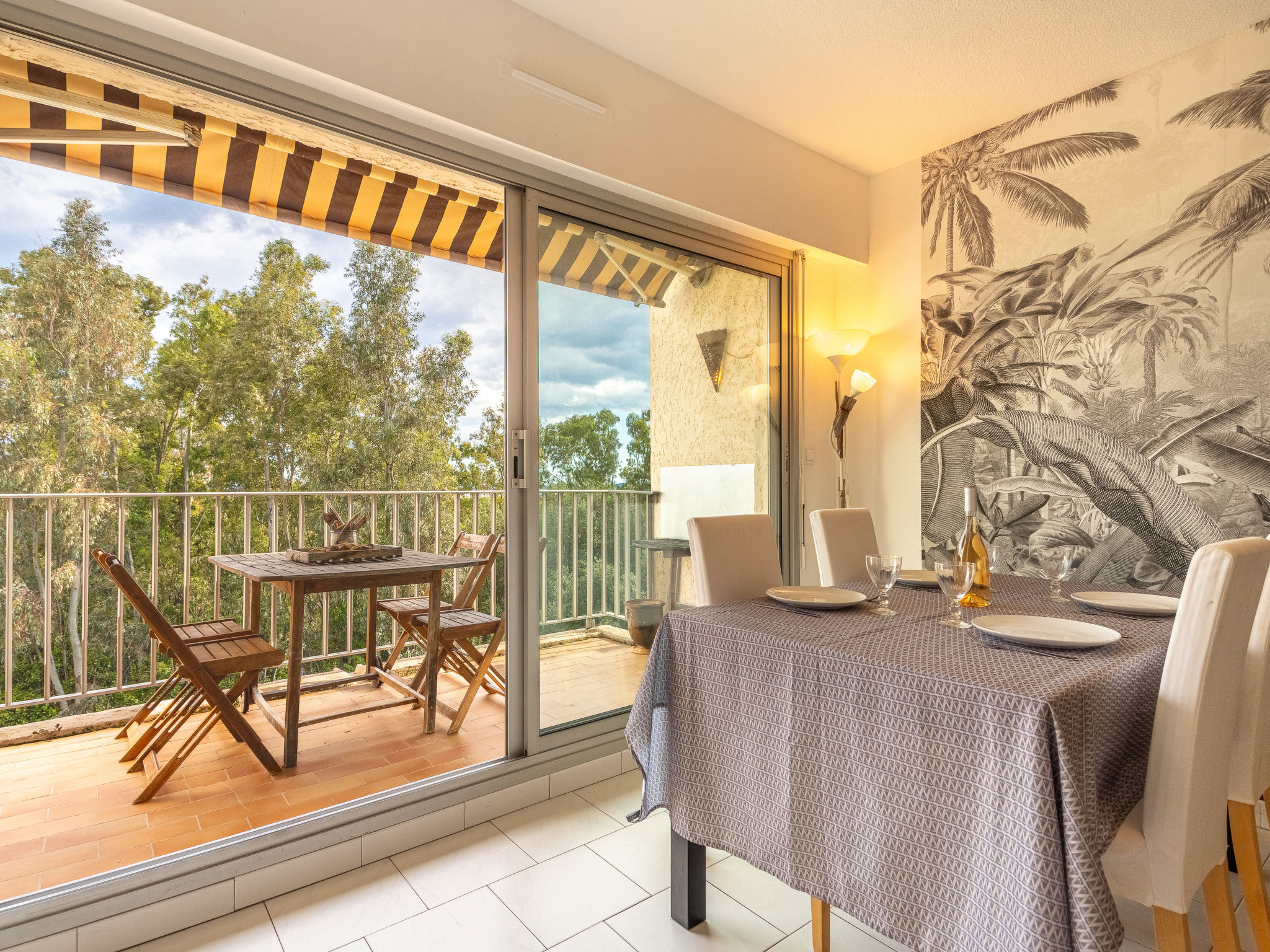
3-star property
Le Grand Large
Hyères, Cote d'Azur, France
4
2
0
DishwasherMicrowaveParking+8 more
from£101
per night
4-star property
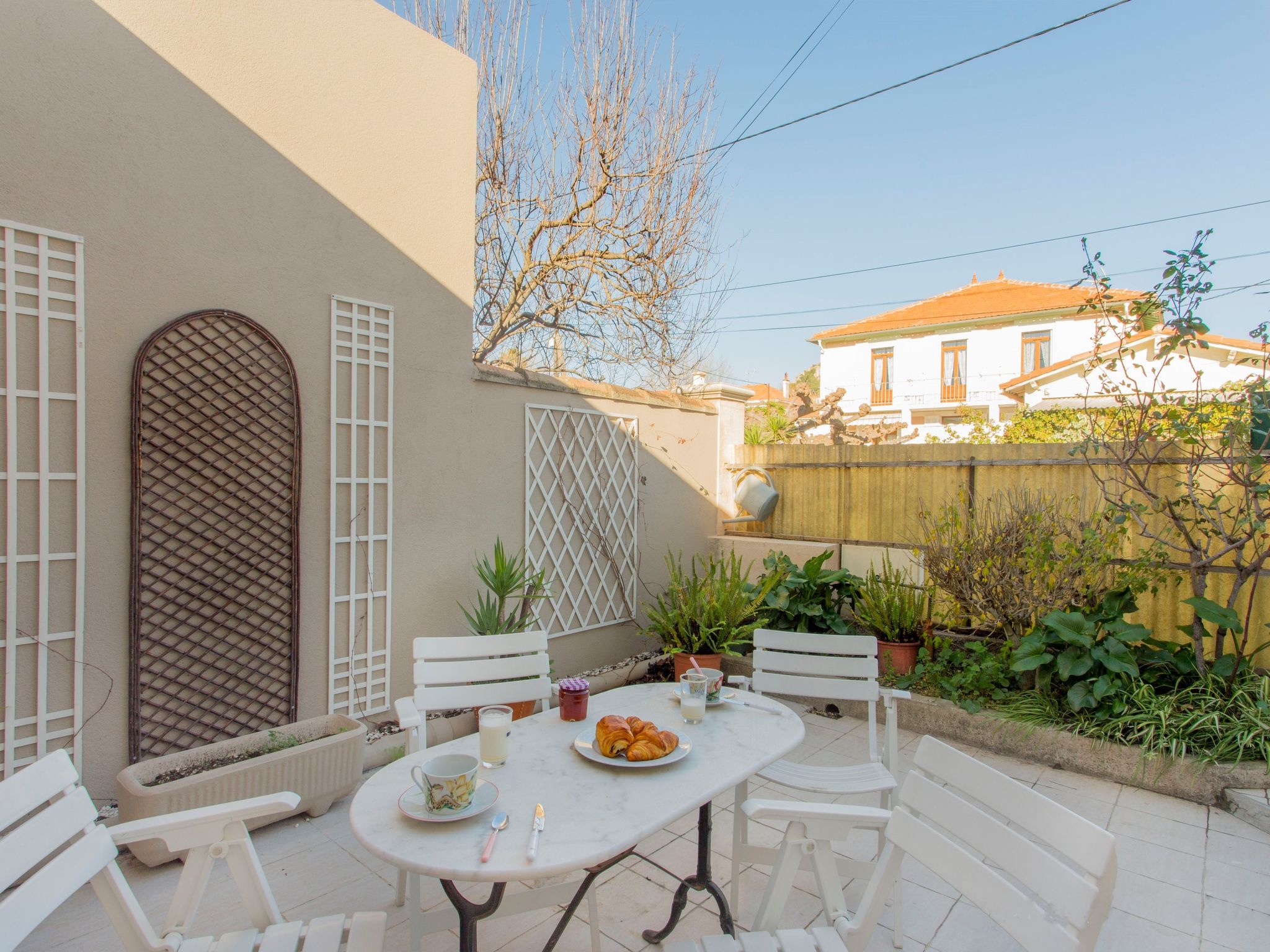
Résidence Odalys Collection Riviera
Hyères, Cote d'Azur, France
8
1
0
GardenParkingPool+9 more
3-star property
Hyères villa holidays: questions answered
Is Hyères on the beach?
No. Hyères's old town sits about 4 km from the sea, so the centre and the coast are separate. The north side of the Giens peninsula and its west tombolo, where L'Almanarre is, have wide, shallow sandy beaches.
Is Porquerolles worth a day trip from Hyères?
For beaches and walking, yes. Ferries leave from La Tour Fondue on Giens. It is the largest of the Îles d'Hyères at about 7 km long, with Notre Dame, La Courtade and Plage d'Argent on its north coast, and much of it lies in Port-Cros National Park.
Which airport for Hyères?
Toulon-Hyères is closest, about 4 km southeast of the centre, but its only UK route is a seasonal British Airways flight from London City. Outside that season you will need to connect or fly to a bigger airport.
Is Hyères windy?
Often enough for the windsurfers. The mistral blows here, and L'Almanarre on the Giens peninsula is a major windsurfing and kitesurfing spot, though Hyères is also one of the warmest and driest places in France.
Is Hyères a quiet place?
Not as a whole: it is a town of about 56,000, so it has traffic and services all year. The medieval quarter climbs the Castéou hill, and the Giens peninsula has the beaches and the flamingo marshes.
Nearby towns to Hyères
Written by the TrustedVillas team. Last reviewed October 2026.
Find Your Perfect Villa in Hyères
Our villa experts are here to help you find the ideal property for your vacation. Contact us for personalized recommendations.