Lake District: Mountains, Lakes & Real Wilderness
Walking, water sports, appealing towns, and England's highest peaks
What Makes the Lake District Different
The Lake District is England's most famous walking destination, and with reason—the landscape is genuinely dramatic. Mountains (called fells here) rise directly from lakes with minimal foothills. The sense of verticality is real. You're looking at serious geography, not gentle hills.
But here's the honest part: it rains frequently. Fell weather changes rapidly. Paths can be muddy and slippery. If you're expecting reliable sunshine and easy strolls, you'll be disappointed. If you're expecting genuine mountains, cool lakes, and unmatched walking, you'll be rewarded.
The Lakes and Valleys
Windermere and South Lakes
Windermere is England's largest lake and the main tourist hub. Towns like Ambleside and Bowness are well-equipped with restaurants, shops, and accommodation. Walking ranges from easy shoreline strolls to serious fell walks (Catbells is famous—2.5 hours to the summit, 360-degree views). The south is the busiest region, particularly in school holidays.
Ullswater and the Patterdale Valley
Ullswater is arguably more beautiful than Windermere—wilder, less commercialised. Patterdale and Glenridding are small, quiet towns. Walking is good—Helvellyn is England's most popular fell walk (and genuinely steep in places). The valley feels less touristy than Windermere despite being equally good for walking.
Keswick and Derwent Water
Keswick is a proper market town with genuine independent shops and restaurants. Derwent Water is beautiful and less crowded than Windermere. Catbells rises almost vertically from the shoreline—iconic fell walks. Helvellyn and Scafell Pike (England's highest mountain) are accessed from here. This region is good for walkers seeking drama without Windermere's crowds.
Grasmere and the Central Lakes
Grasmere is small, beautiful, and busy. William Wordsworth lived here. The lake is lovely and walkable. Stone Circle (2000+ years old) is nearby. The region combines literary heritage with good walking. Langdale Valley extends south—wilder, less visited, genuinely beautiful. Good base for serious walkers.
Penrith and the Northern Lakes
Penrith is a town with character, good restaurants, and independent shops. It's less obviously touristy than Ambleside but perfectly positioned for Lake District exploration. Ullswater is close. Helvellyn and Catbells are accessible. Penrith is good as a quieter base that doesn't sacrifice dining or culture.
Walking: The Main Attraction
What You Need to Know
Lake District walks range from easy lakeside strolls to serious mountain scrambles. Easy walks (Cat Bells, Orrest Head) can be completed in 2-3 hours. Medium walks (Helvellyn via Striding Edge, Scafell Pike via Mickledore) require 6-8 hours and serious fitness. Fell weather is unpredictable. Mist can obscure summit views within minutes. Visibility, temperature, and wind can change rapidly.
Essential Kit
Proper walking boots (not trainers) are essential. Muddy paths demand grip. Waterproof jacket and trousers. Not light rain jackets, but serious waterproofs. Layers matter. It's cold at 900m even when it's warm at lake level. Map and compass (or GPS), phone batteries fail. A decent headtorch for early starts on winter days.
Popular Walks
Cat Bells (2-3 hours): Steep initially, then a traverse along the ridge. Views over Derwent Water. Accessible to moderately fit people. Muddy and slippery when wet.
Helvellyn (6-8 hours): Via Striding Edge (dramatic, exposed scramble) or via Swirral Edge (easier). Serious fell walk, genuinely steep in places. Good fitness required.
Scafell Pike (7-9 hours): England's highest mountain. Multiple routes; all are serious. Long, steep, and demanding. Best on clear days. On misty days you can't see the views that justify the effort.
Langdale Pikes (4-5 hours): Two connected peaks with good views. Pike o' Stickle offers rock scrambling. Genuinely steep but shorter than Helvellyn or Scafell.
Safety Notes
People die on Lake District fells. Not frequently, but it happens. Usually through poor planning, underestimating difficulty, or pushing through bad weather. Start early. Carry a map. Check weather forecasts. Know your fitness limits. Don't try Scafell Pike on a day when visibility is poor and you're uncertain of the route.
Towns Worth Exploring
Ambleside
The main tourist hub. Independent shops, restaurants, and accommodation. Busy in peak season, genuinely pleasant in shoulder seasons. Good base for walking and water sports. Waterfalls, easy walks, and lake access nearby.
Windermere Town
The town opposite the lake, separated from Ambleside. Less attractive but with good infrastructure. Train station here for connections to Manchester. Quieter than Ambleside.
Keswick
A proper working town, not just tourism. Good independent restaurants, genuine pubs, and markets. The Monday market runs for centuries. Good base for fell walking, less crowded than Ambleside.
Kendal
South of the lakes, a historic market town. Gateway to the District. Good restaurants and shops but less obviously touristy than Ambleside. Good for people who want Lake District access without tourist atmosphere.
Grasmere
Small, beautiful, and famous for Wordsworth and gingerbread. The village is appealing but crowded. Good walking base. Quieter outside holiday season.
Penrith
Market town outside the lakes with good restaurants and shops. Less touristy, more authentic. Good base if you want Lake District access without tourist cliché.
Beyond Walking
Water Sports
Kayaking, sailing, and paddleboarding operate on the main lakes. The water is cold (10-15°C even in summer), so wetsuits are essential. Facilities are concentrated around Windermere and Ullswater.
Museums and Heritage
Wordsworth House in Grasmere and Dove Cottage are genuine literary landmarks. Lakeland Motor Museum, Beatrix Potter connections (Hill Top Farm), and Victorian churches justify a day or two if museums interest you.
Cycling
The terrain is challenging. Fell roads are steep. But cycling routes around the lakes and through valleys are good. Rental is available in major towns.
Fishing
Lake and river fishing are popular. Trout fishing requires permits. Coarse fishing is available with proper licensing. Local tourism offices can advise.
Practical Planning
When to Visit
May-June: Good walking weather, gardens in bloom, fewer people than summer. Days are long. Useful for fell walks.
July-August: Warmest but busiest. School holidays are peak season. Properties book months in advance. Fell paths can have queues at bottlenecks.
September-October: Good walking weather, autumn colours, fewer crowds. Water is still swimmable (barely). Our recommended time.
November-February: Cold, wet, and short days. But extraordinarily quiet. Fells get snow. Adds beauty but requires care. Well suited to solitude seekers.
Driving and Parking
A car is essential. Parking in Ambleside and Windermere is challenging in summer. Arrive early or use paid car parks. Petrol is expensive. Many roads are single-track with passing places. Allow extra time for driving. It's not as fast as main roads elsewhere.
Accommodation
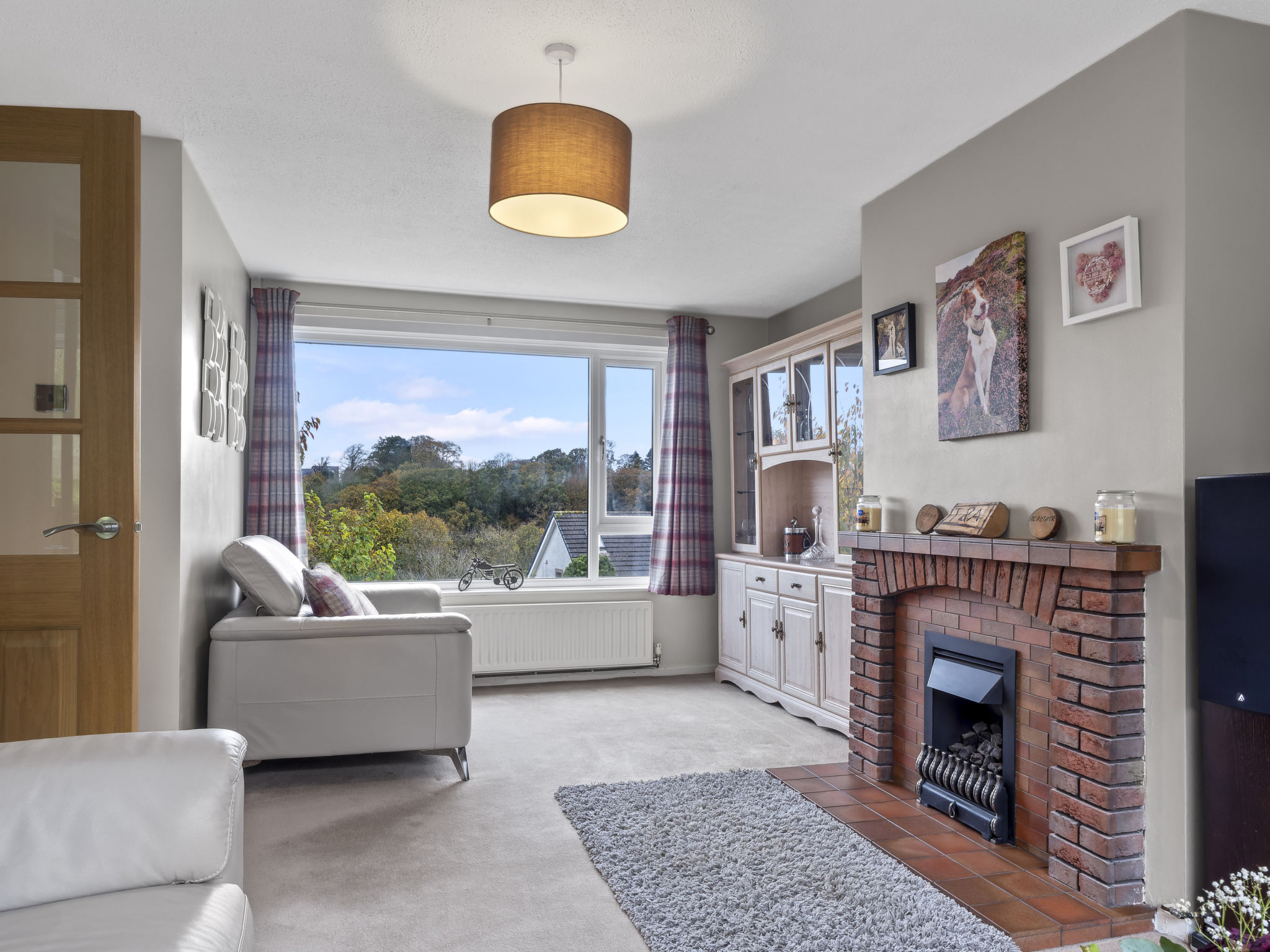
Properties range from traditional stone cottages (with character and quirks) to modern conversions. Cottages often have low doorways and narrow staircases. Central heating is standard; winter properties should confirm radiators work well. Many are dog-friendly, which affects availability.
Food and Supplies
Self-catering properties should stock basics from main towns. Village shops exist but have limited selection and higher prices. Restaurants are reliably good, though peak season booking is essential. Pubs are good and reasonably priced.
Costs
A 4-bedroom lakeside property costs £2,500-4,500 weekly in peak season, £1,500-2,500 in shoulder seasons. Walking is free. Attractions charge admission. Budget accordingly. Petrol and food cost more than lowland regions due to limited supply chains.
Lake District Questions
Is it always raining?
Not always, but frequently. The western lakes (Windermere side) get more rain than the eastern lakes (Ullswater side). Bring waterproofs and accept that rain is part of the experience.
Can I swim in the lakes?
Yes, but they're cold (10-15°C even in summer). Thermal wetsuits are advisable. Some lakes have safer swimming areas with lifeguards. Open water swimming events happen throughout summer.
Are the fell walks really as difficult as people say?
It depends on the walk. Easy walks like Cat Bells are manageable for moderately fit people. Helvellyn and Scafell Pike are genuinely steep and demand good fitness. Expose to height and scrambling can worry people unaccustomed to mountains.
Is it too crowded in summer?
Peak July-August gets very busy. Early morning starts help. Midweek is quieter than weekends. If crowds matter, visit in May, June, September, or October.
Can we do a Lake District holiday without serious walking?
Yes. Easy walks, lake cruises, towns, museums, and restaurants exist. But the main attraction is the landscape. Walking is the best way to experience it. Even moderately easy walks (1-2 hours) reward with views and access.
What about staying in nearby towns outside the Lake District?
Kendal (south), Penrith (north), and Lancaster (west) are towns with good accommodation and access. Less touristy, potentially cheaper, and genuinely good places to stay. You're 20-45 minutes from the lakes.
Find Your Lake District Villa
Explore properties from quiet fell-side cottages to comfortable lakeside bases.
Browse Lake District Properties