Updated March 2026 | By TrustedVillas Western Jutland Team
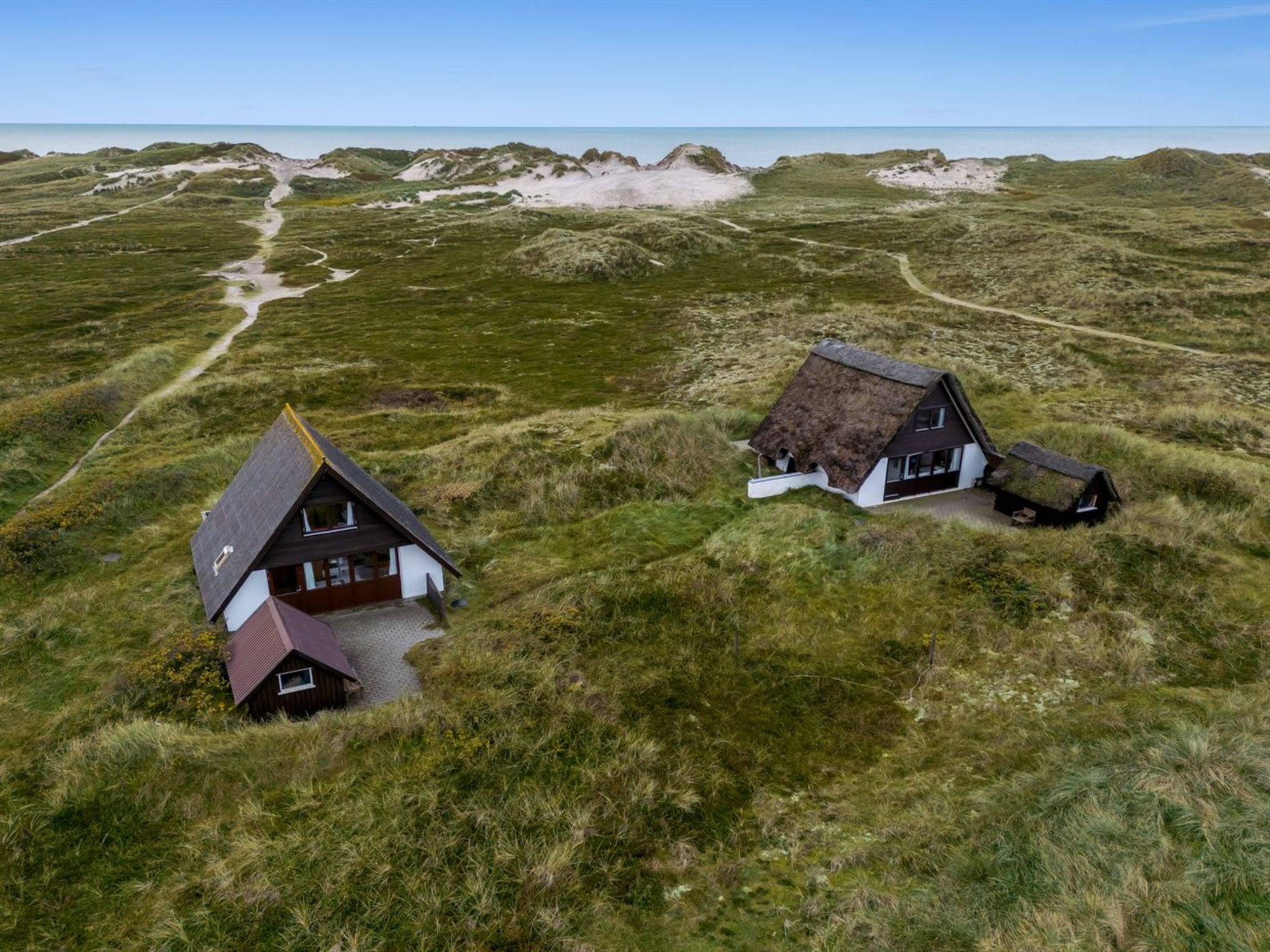
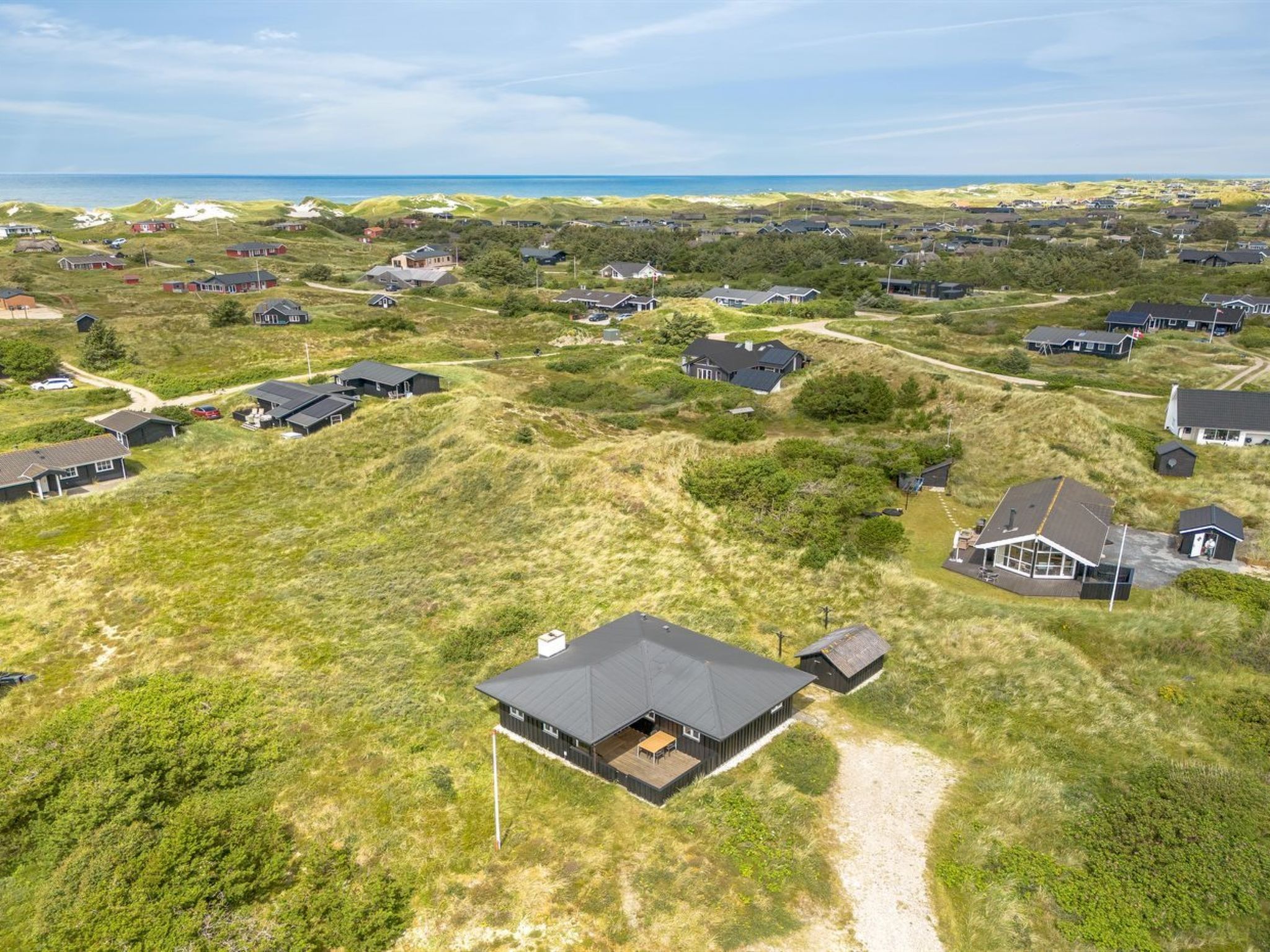
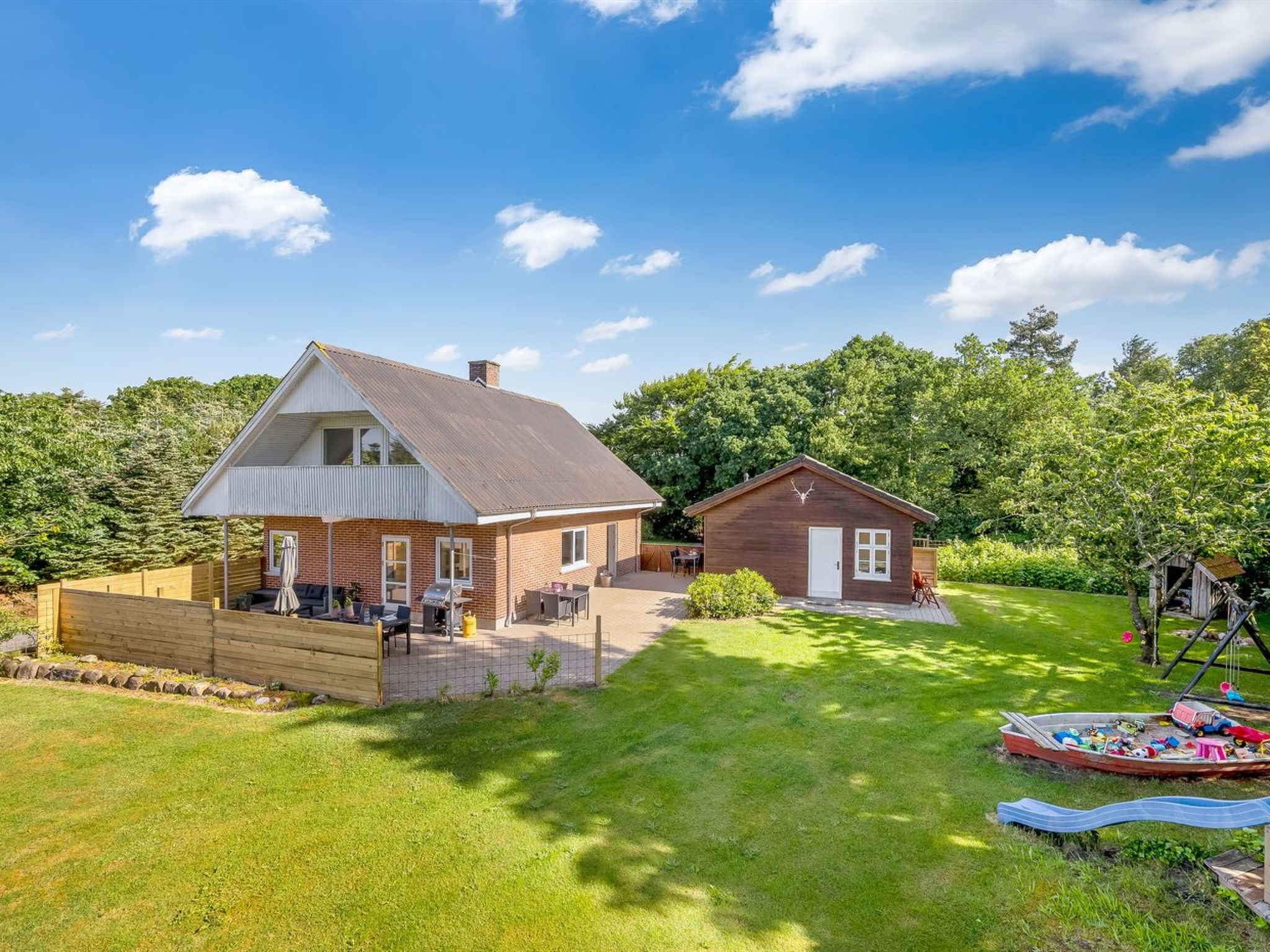
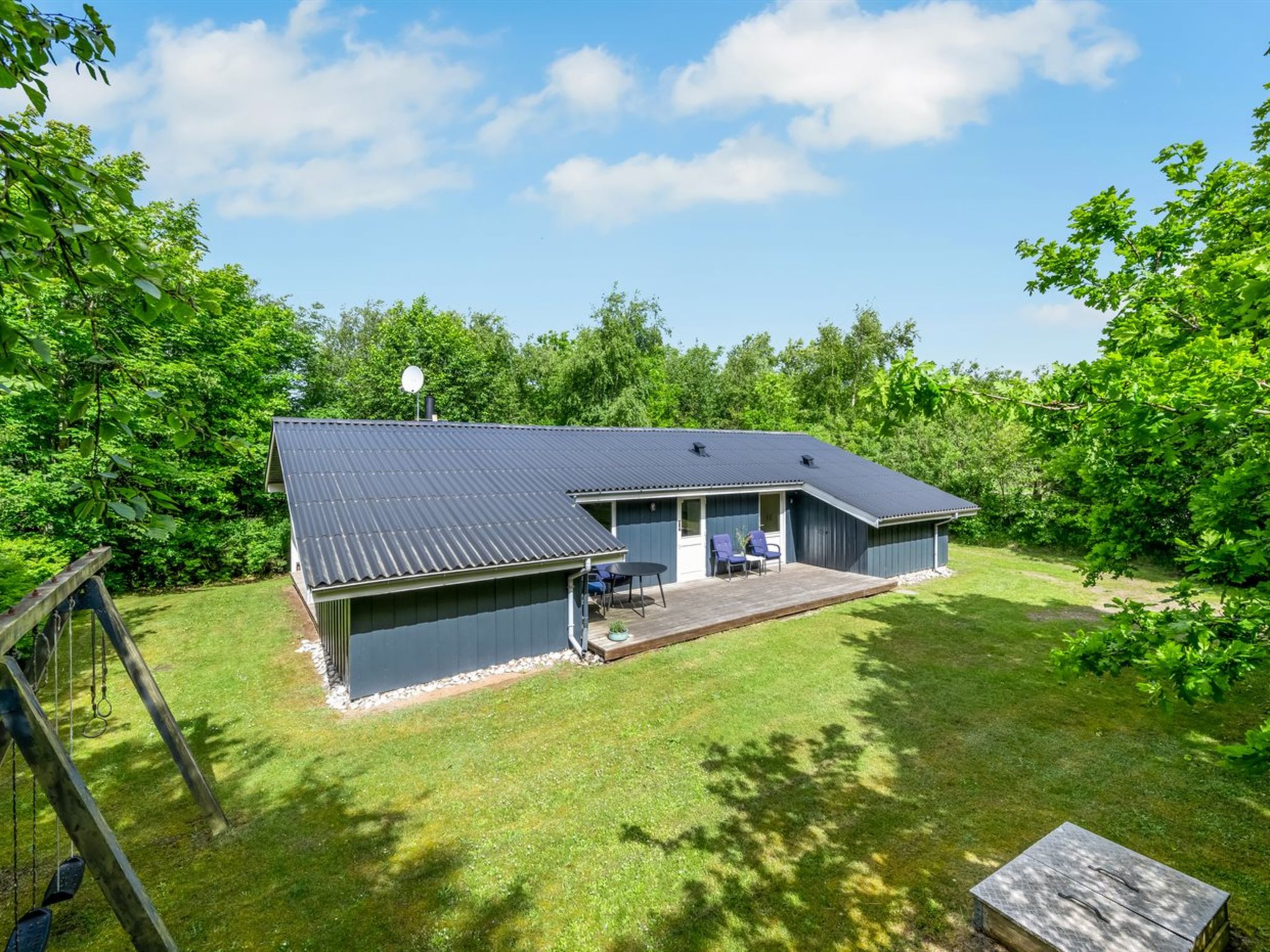
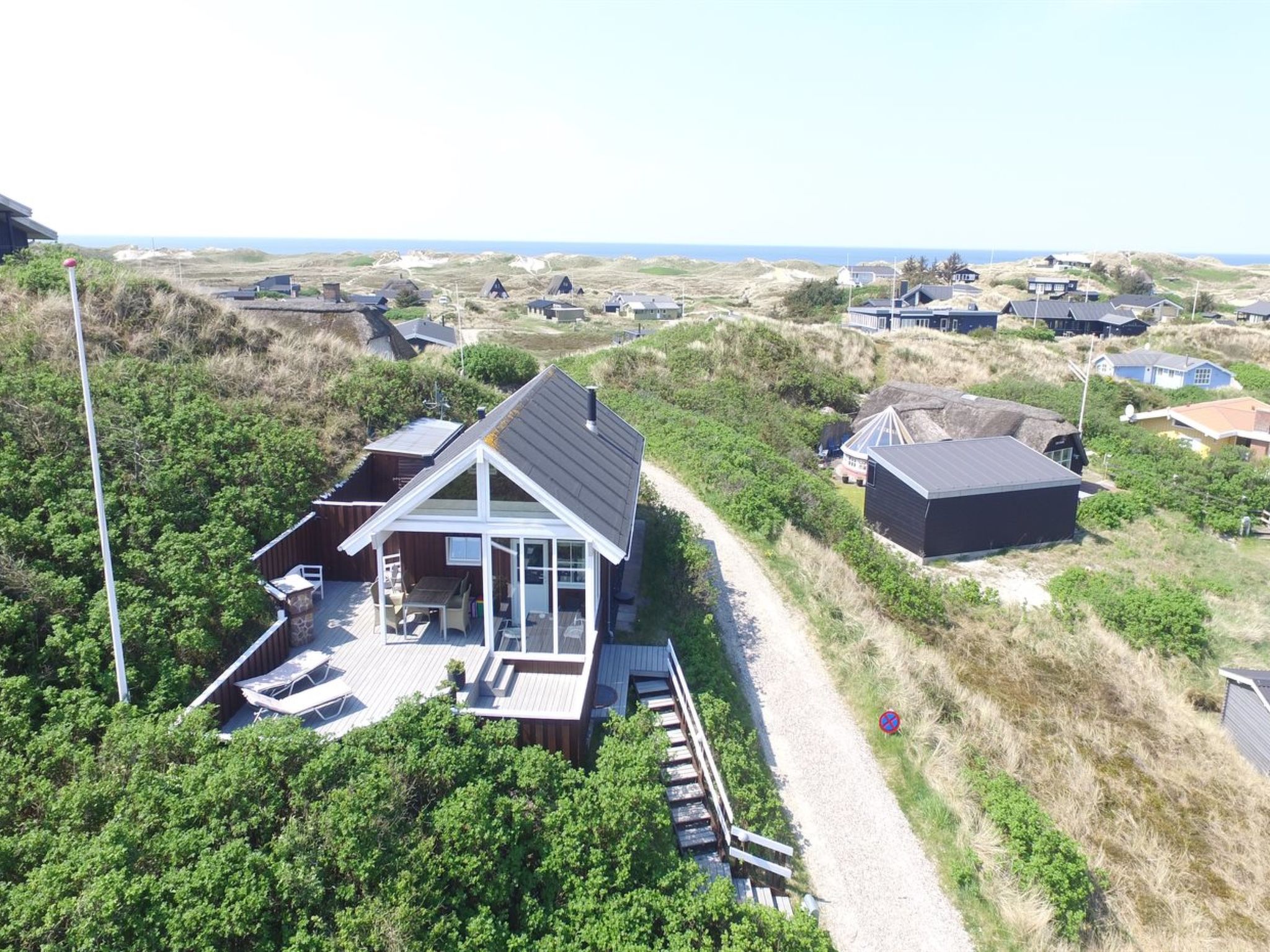
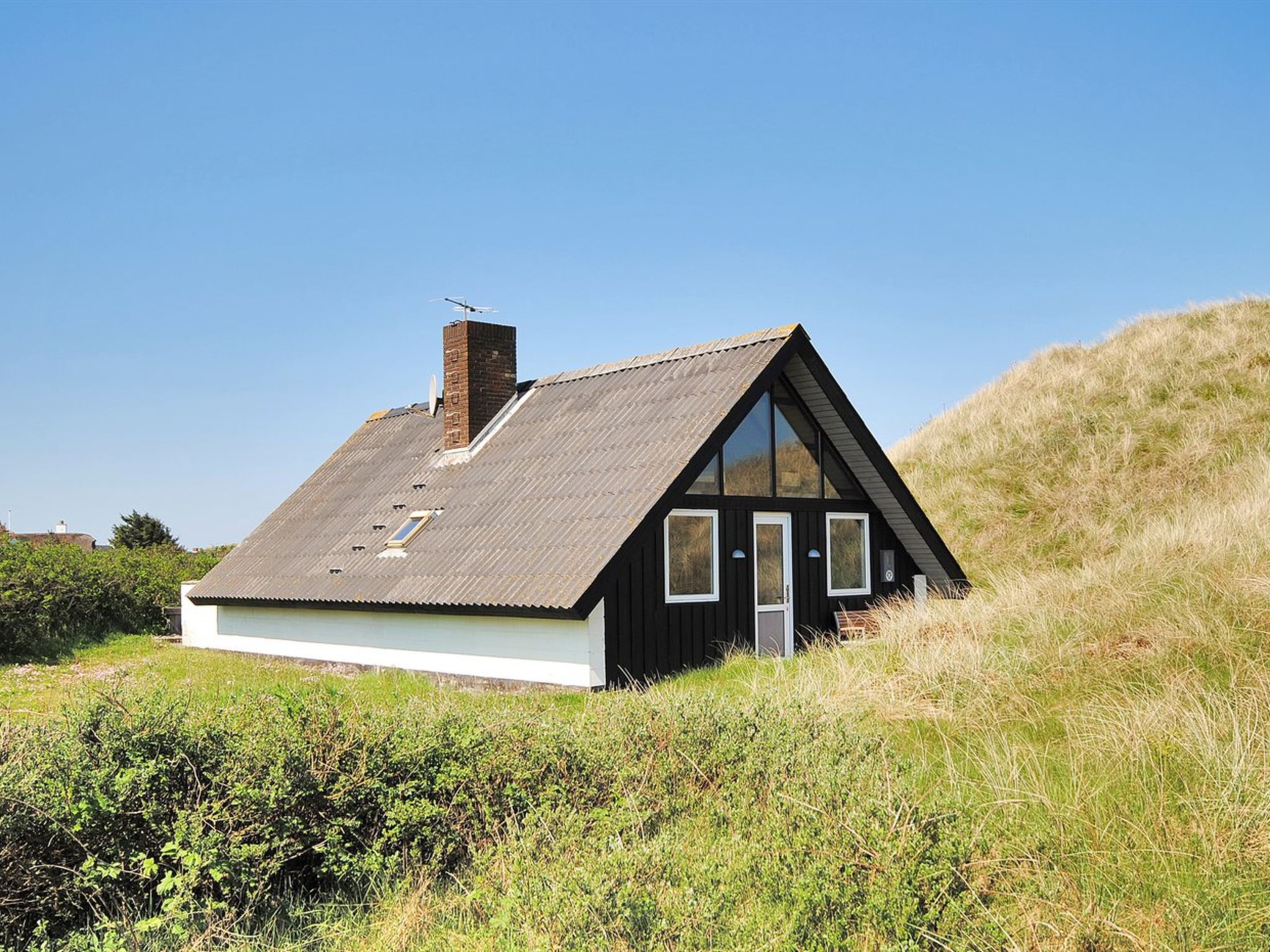
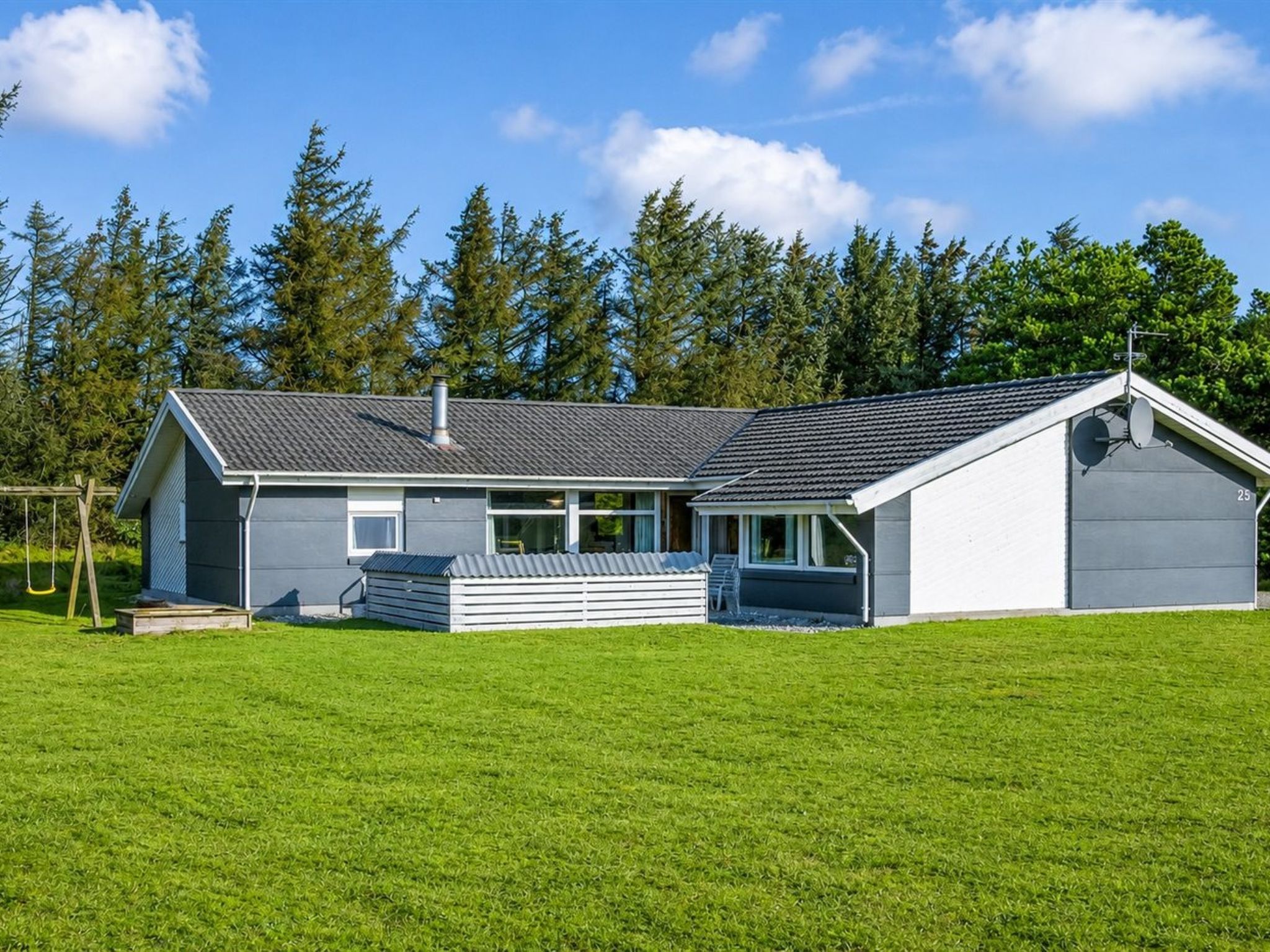
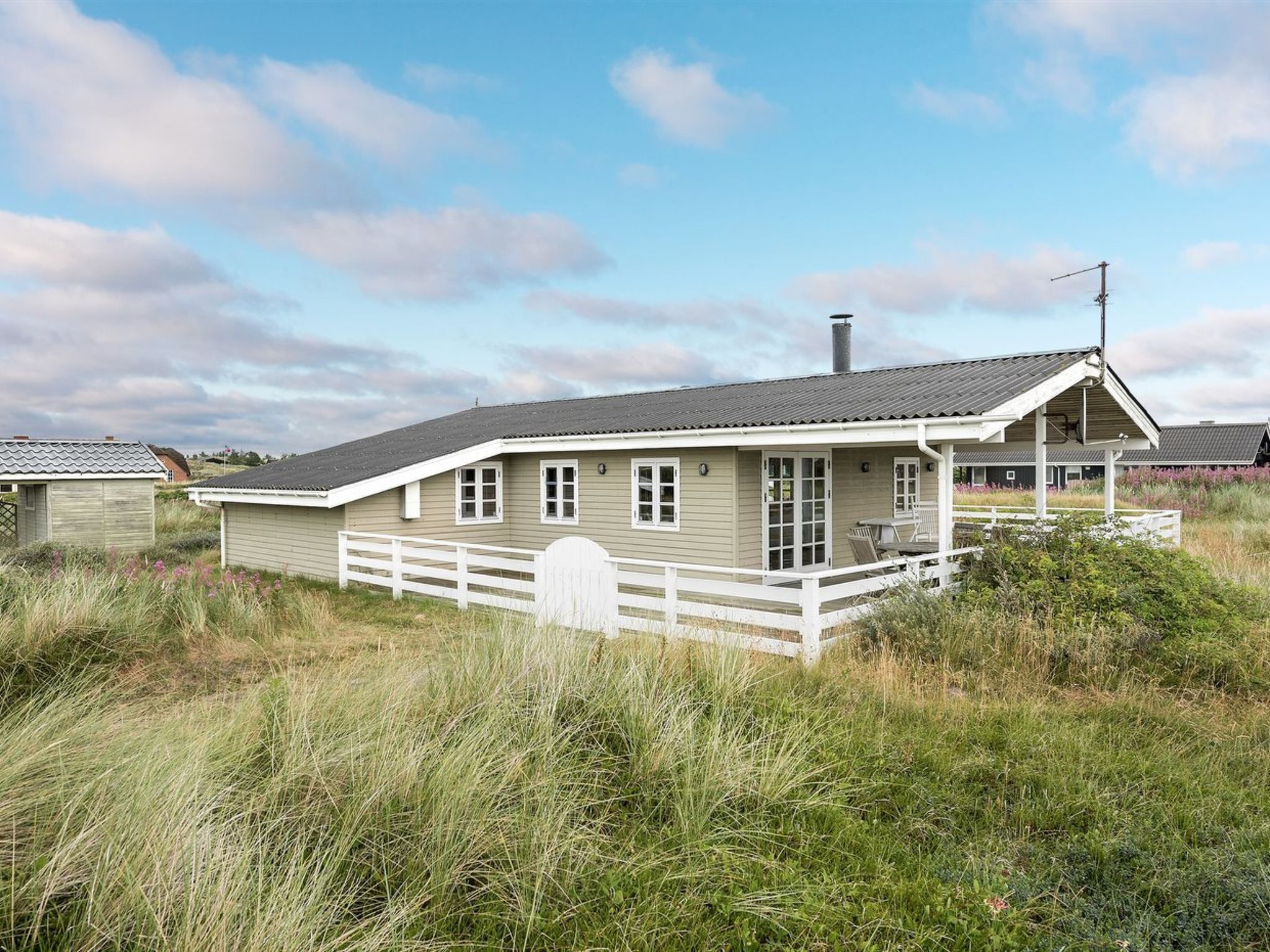
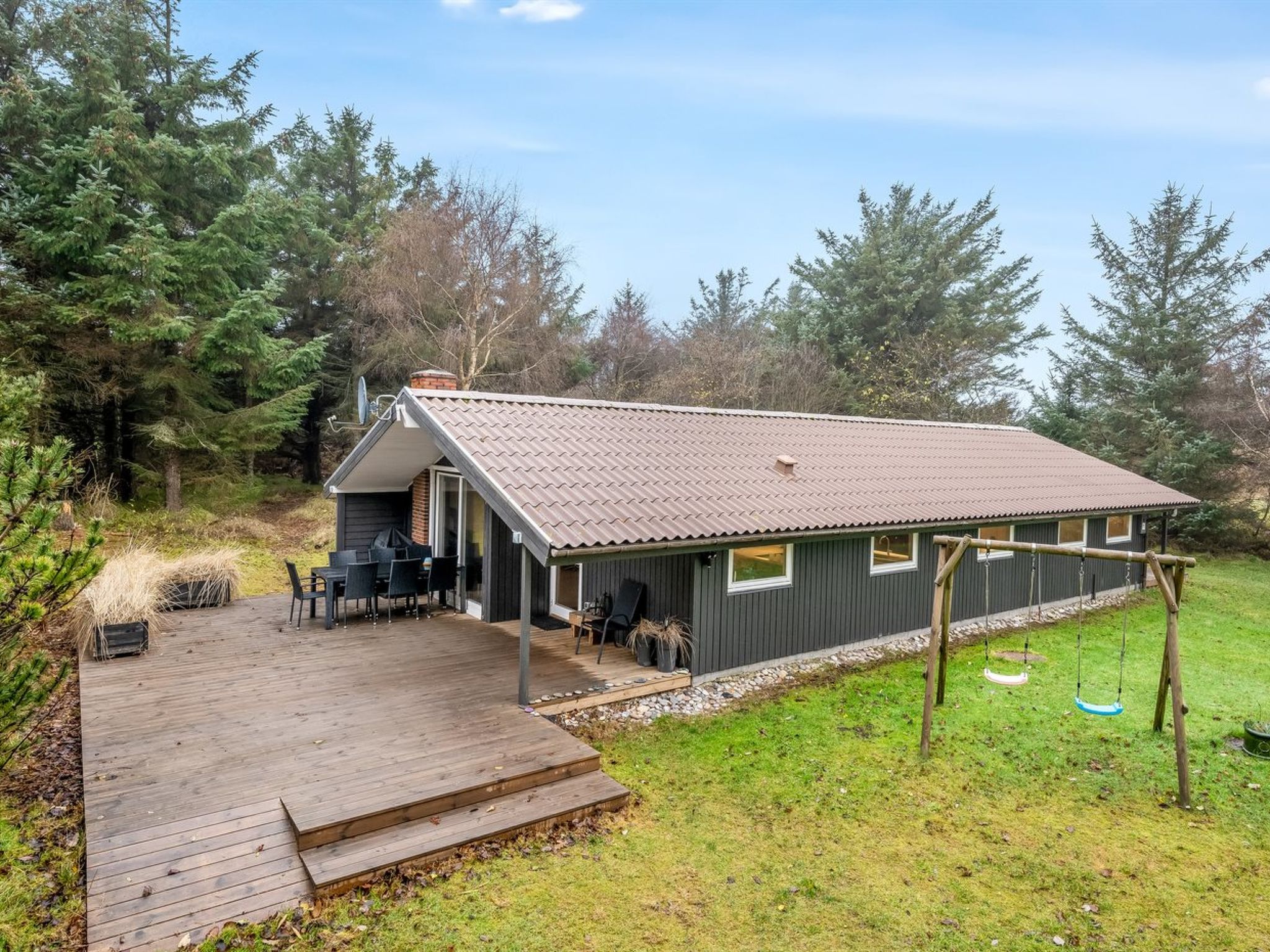
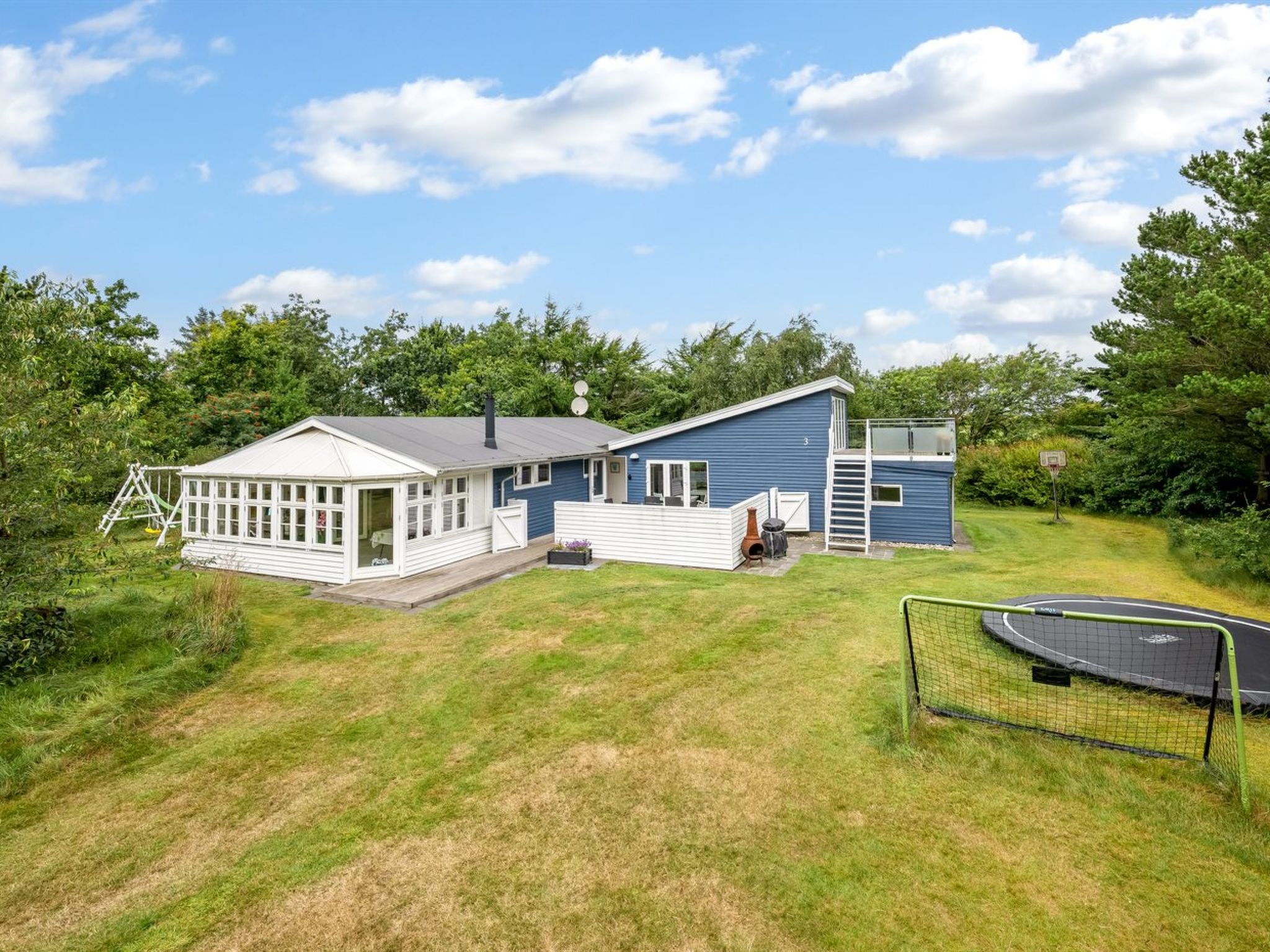
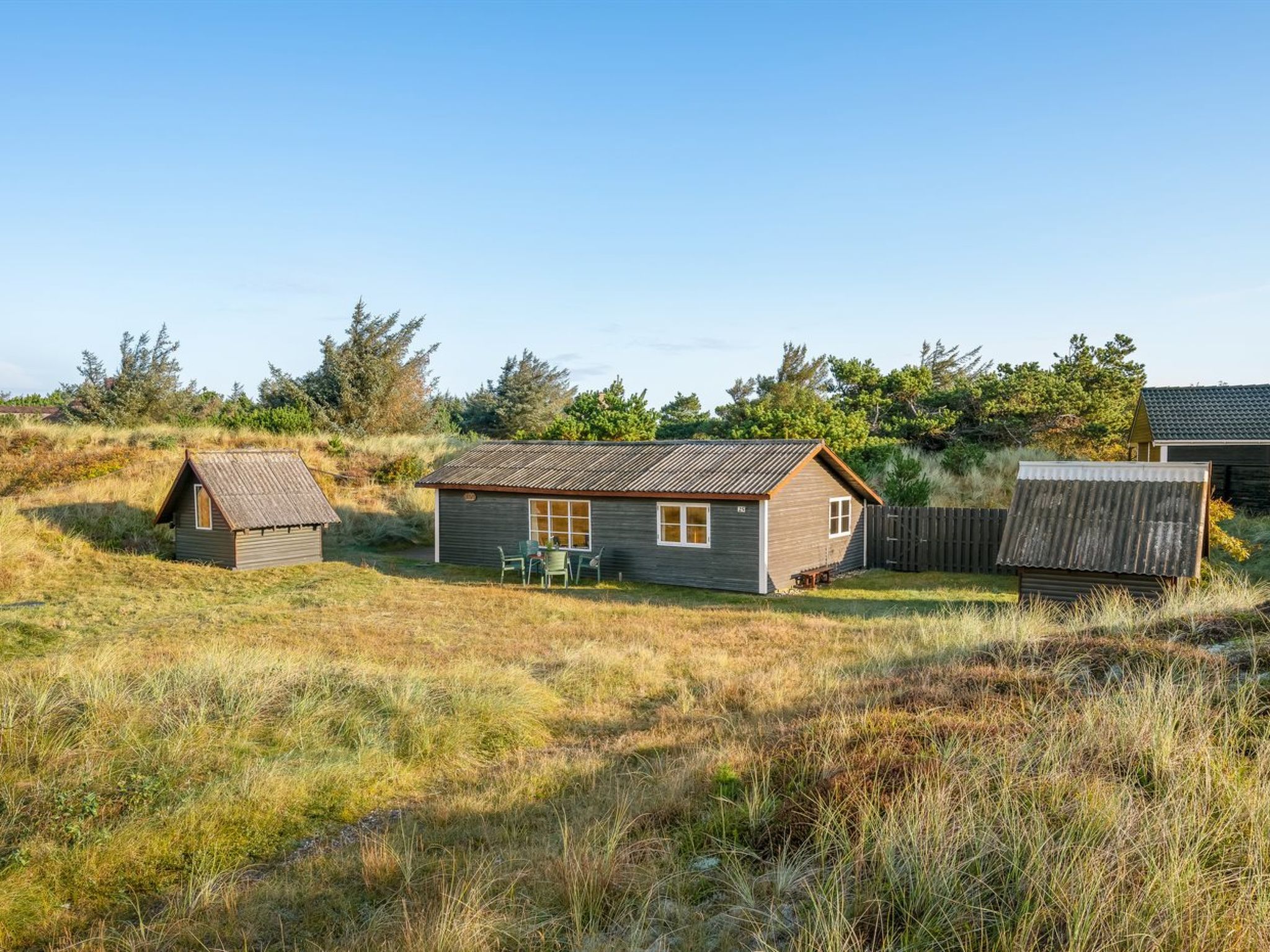
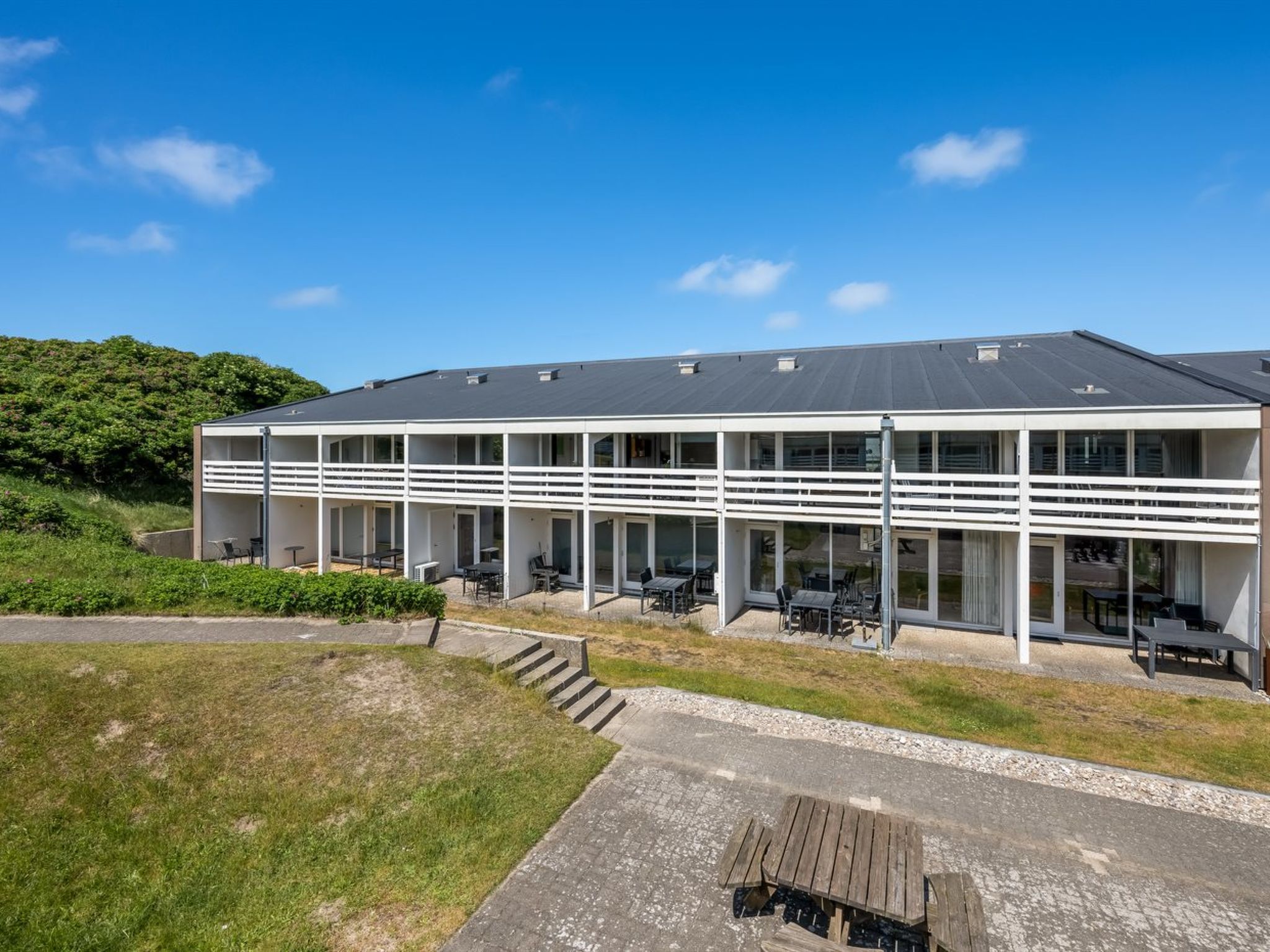
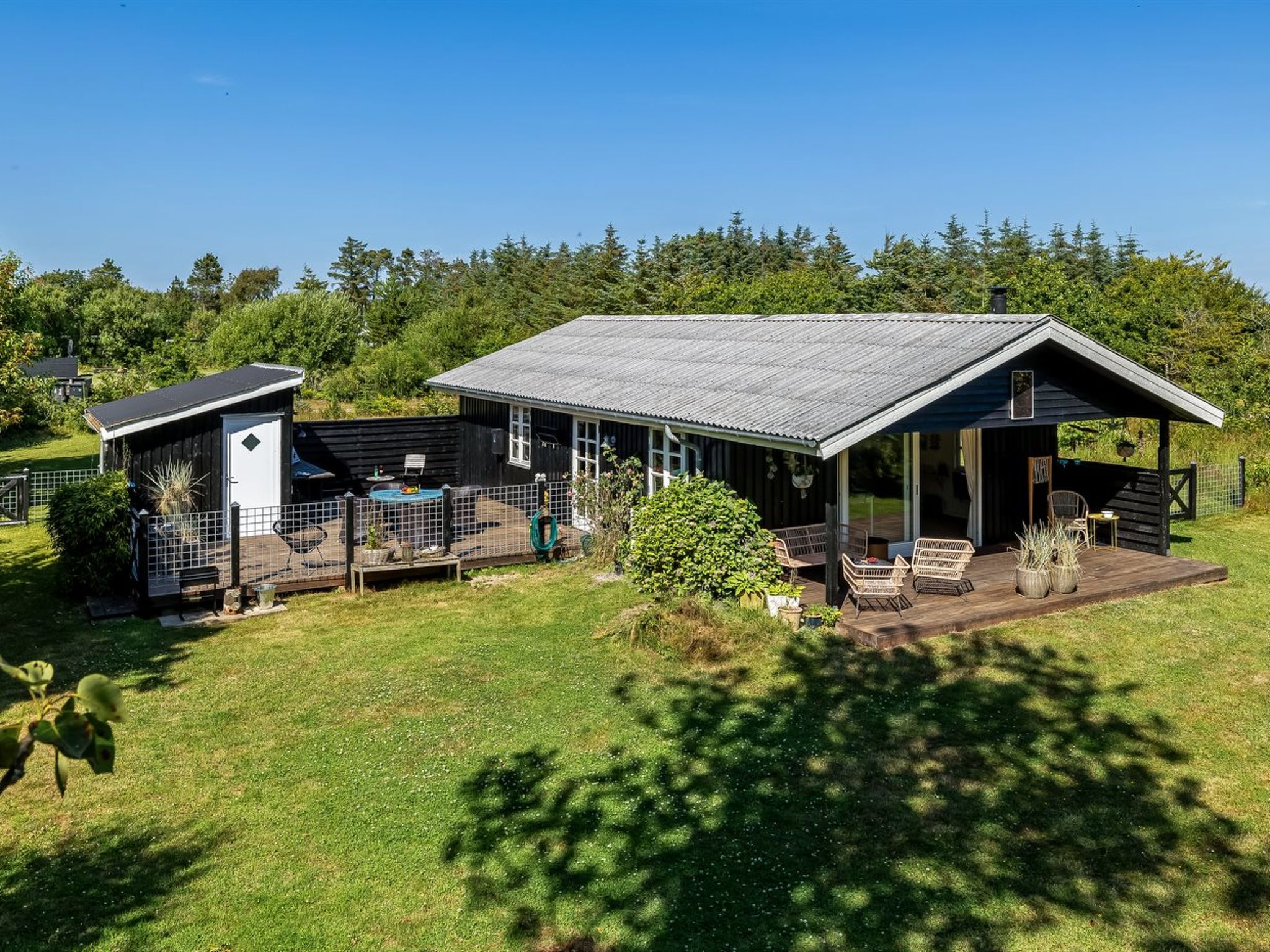
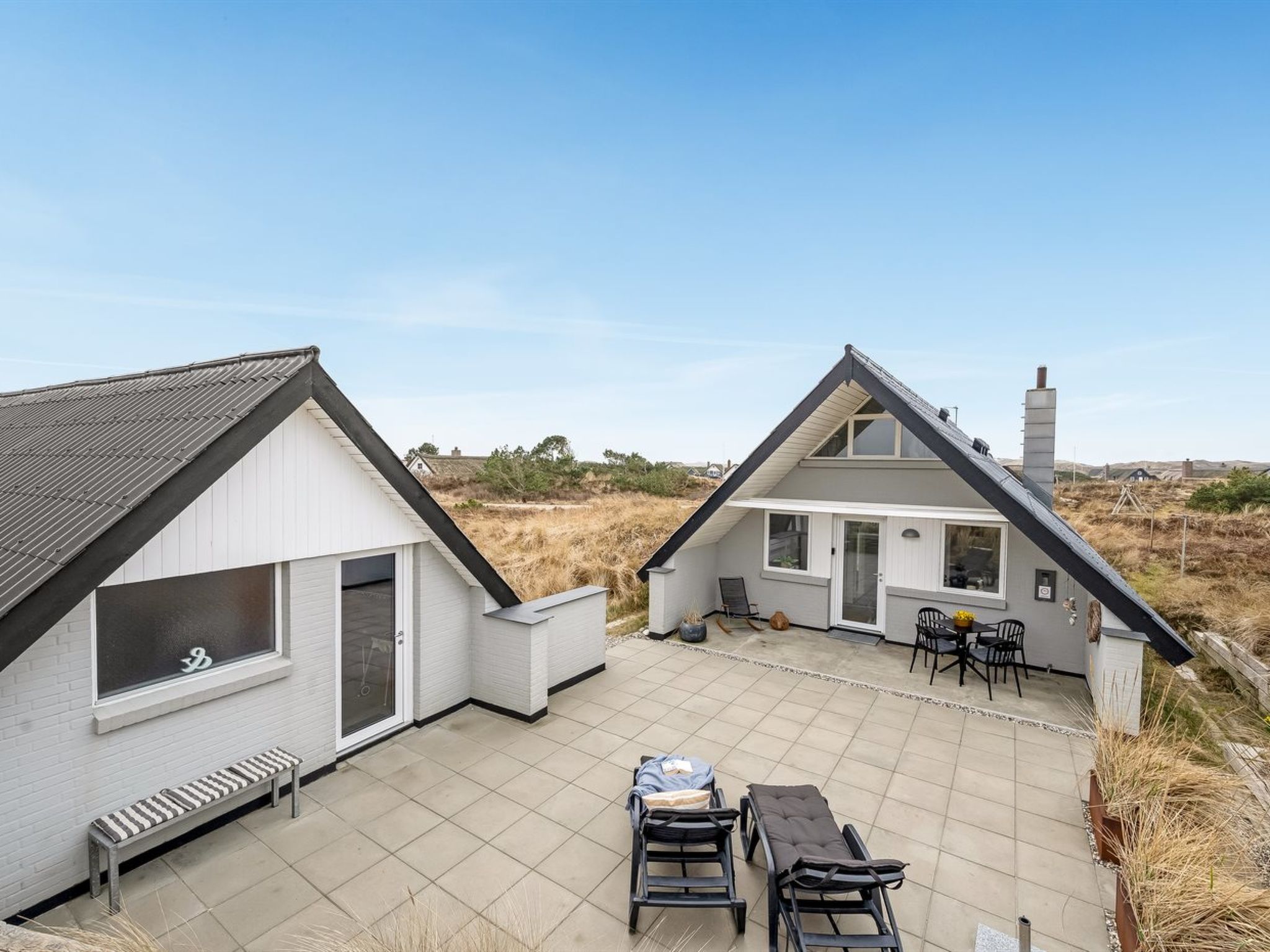
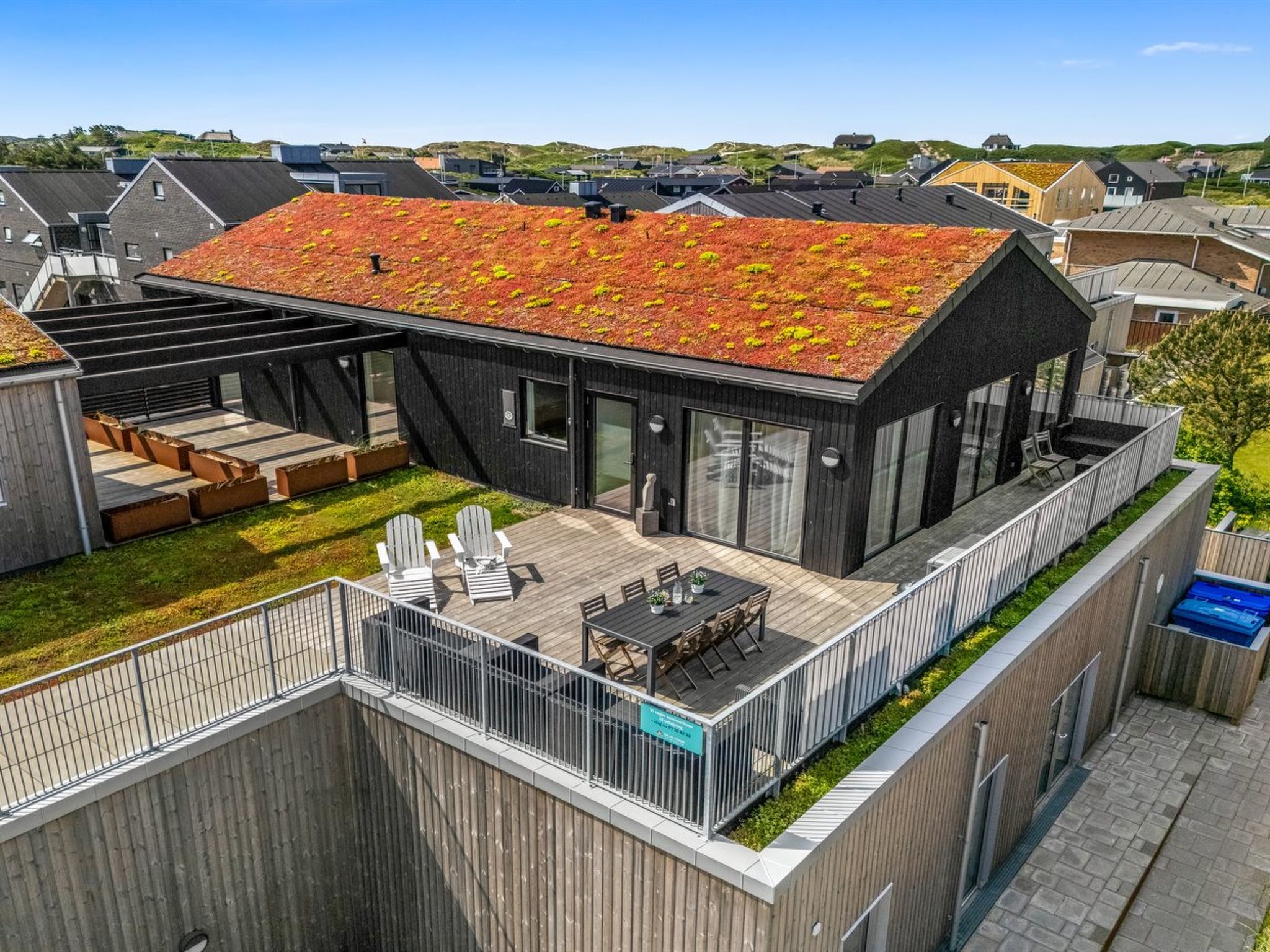
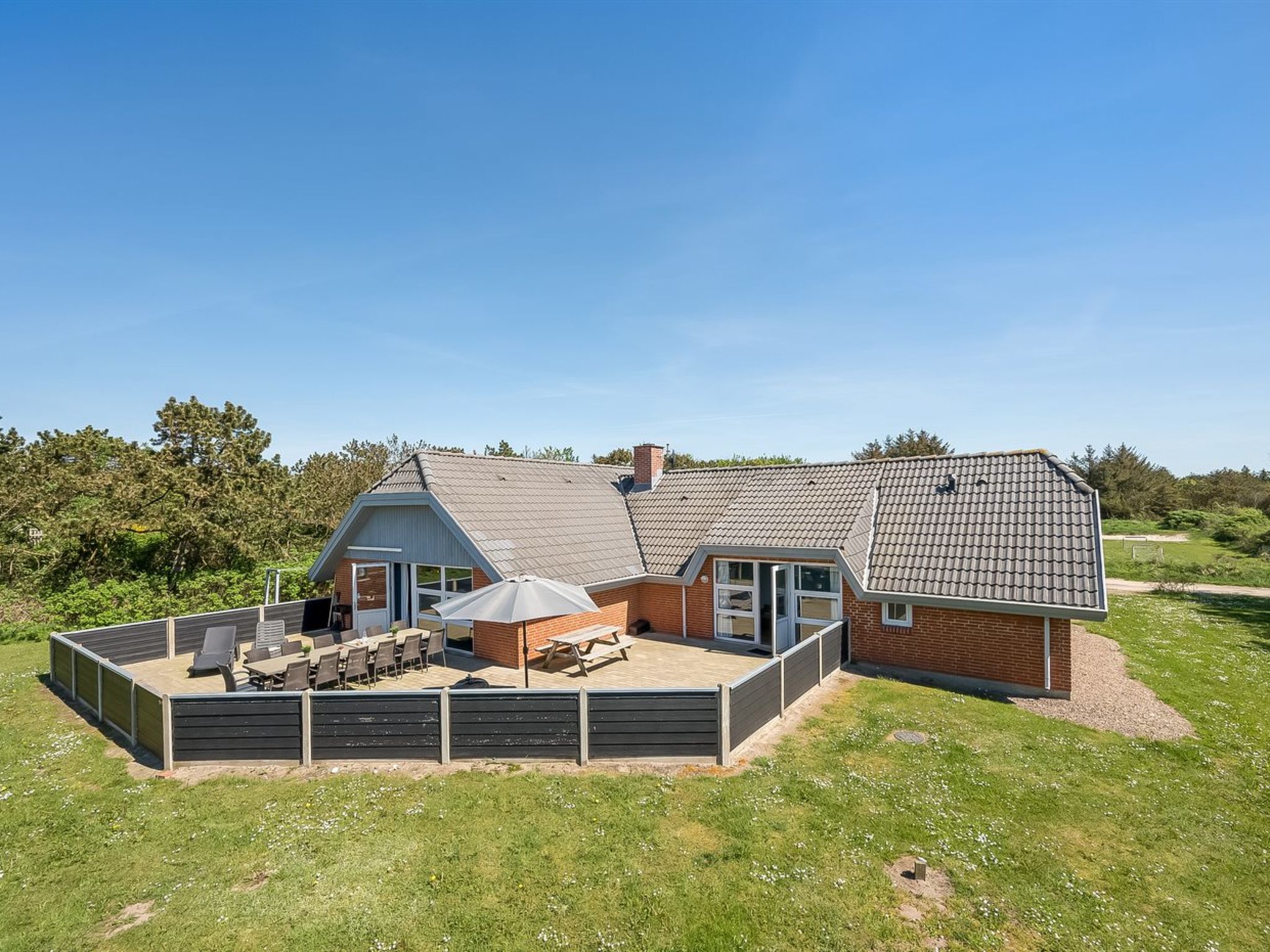
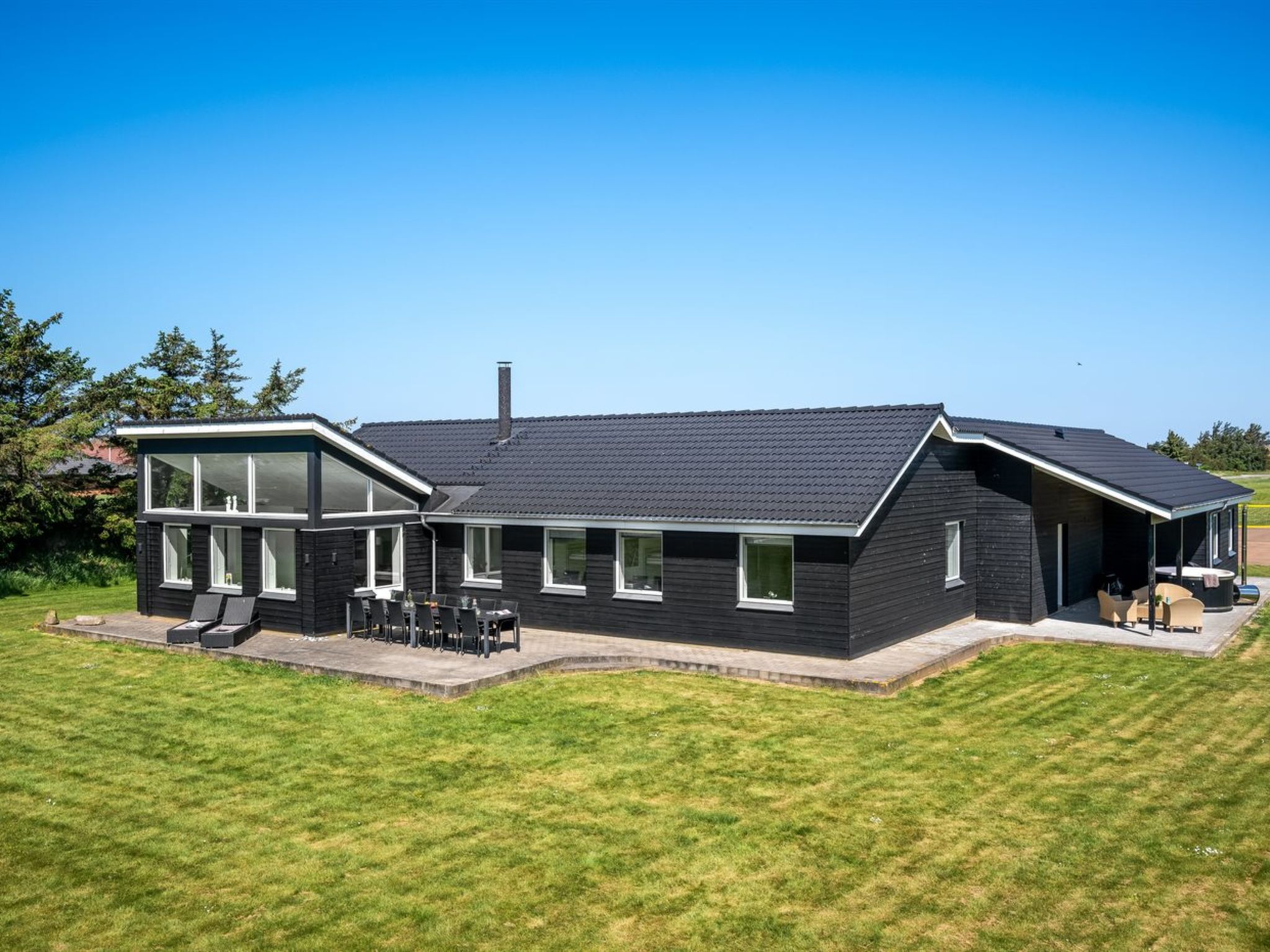
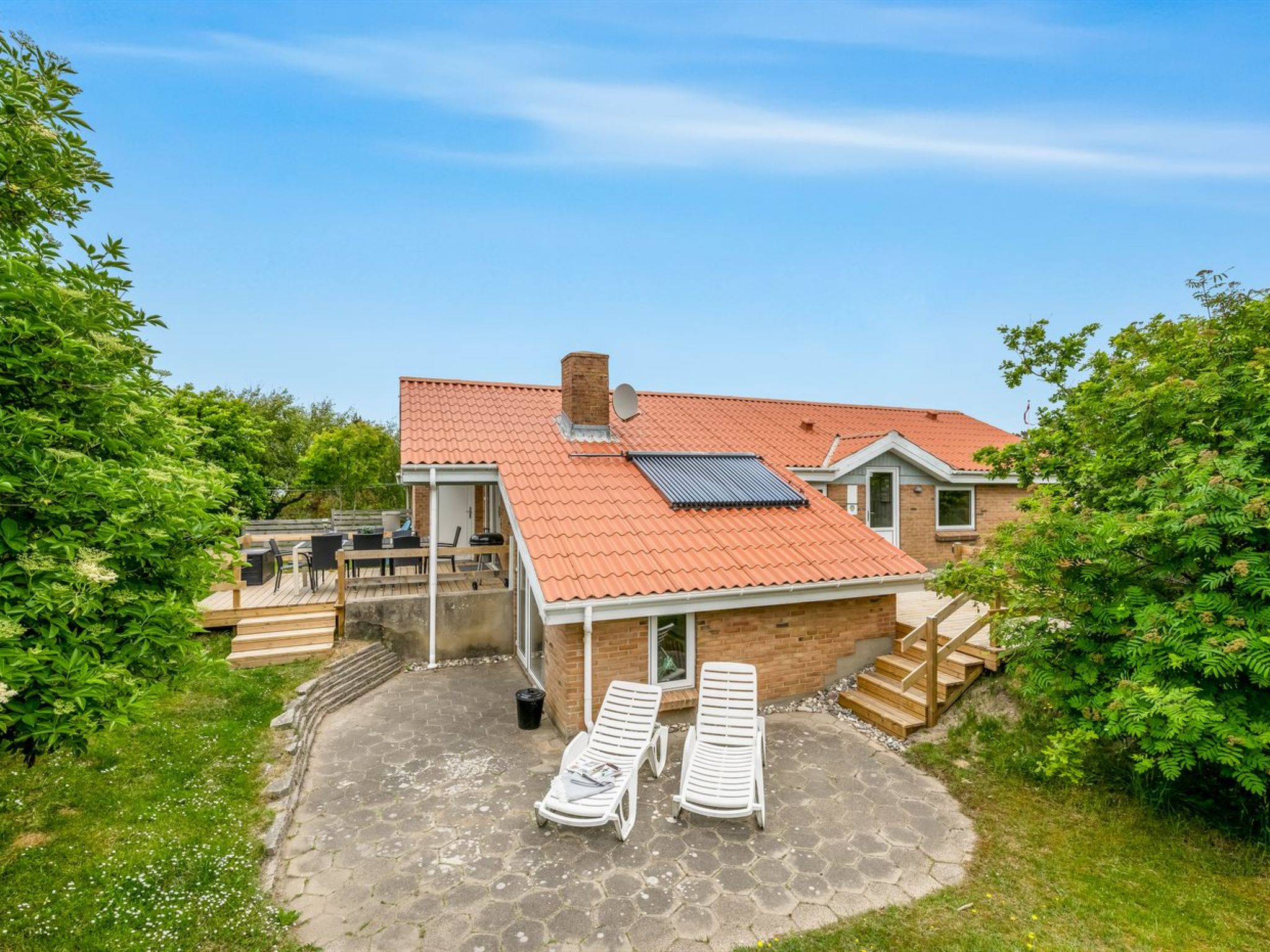
Western Jutland offers Denmark's most dramatic landscape: windswept North Sea beaches, dune systems that shift with winter storms, and small villages that feel genuinely remote despite good roads. This region isn't polished—it's raw, weather-exposed, and that's precisely why visitors return obsessively. Villas overlook vast beaches where wind sculpts sand patterns daily, sit within dune forests where you hear nothing but wind and birds, or perch on cliffsides watching Atlantic swells. The architecture is honest: timber houses painted in deep reds and greens, modern designs built to frame sea views, and beachfront shacks elevated above storm surge lines. Summers bring 18-21°C warmth and extended daylight; autumns deliver spectacular golden light and dramatic weather fronts moving across from the Atlantic; winters test resolve with 2-4°C temperatures and frequent gales; springs offer emerging colour and renewable hope. This is the region for people who find crowded Mediterranean beaches objectionable and prefer authentic coastal drama.
Why Stay in Western Jutland?
- Solitude on demand: While villages exist, they're small and authentic. Most days you'll encounter more seabirds than people on beaches. Isolation is built into the geography, not an accident.
- Dramatic light: Atlantic weather systems create spectacular sunsets, storms that are genuinely thrilling to watch, and golden afternoon light unmatched elsewhere in Denmark. Photographers and artists gravitate here intensely.
- Water sports access: Windsurfing, kitesurfing, and wave-riding are major cultures here—wind is constant, making it Europe's premier wind-sports destination outside dedicated resorts.
- Beach walks indefinitely: Miles of undeveloped beach mean walks can extend for hours without encountering another soul. Shells, driftwood, and sea-smoothed stones provide endless collecting meditations.
- Genuine remoteness: No major cities, limited restaurants, and small supermarkets mean you're planning ahead rather than walking out for dinner. This suits self-catering families and couples who enjoy simplicity.
Western Jutland's Key Areas
Ringkøbing Fjord Region
Ringkøbing Fjord sits on Western Jutland's southern reaches. A shallow lagoon separated from the North Sea by a dike system that protects beaches and allows unique ecosystem development. Villas here often overlook fjord calm waters on one side and North Sea drama on the other. The landscape is flatter than northern areas, making it slightly less wind-battered. Small towns like Ringkøbing and Hvide Sande offer essential shops and a handful of restaurants. Summer temperatures reach 19-21°C; winters hover around 2-4°C. The region suits families seeking dramatic scenery without extreme exposure.
Explore Villas in Ringkøbing Area →
Blåvand & Southernmost Beaches
Blåvand marks the southern tip of Western Jutland. A small village built on dunes with a lighthouse and the feeling of being at the edge of the world. Beaches here are clean and genuinely empty most days. The landscape is severely exposed, with wind a constant presence. Summer brings 19-21°C and long daylight; winter demands serious weather tolerance. Villas range from elevated beach houses to dune-forest retreats. This area appeals to wind-sports enthusiasts, solitude-seekers, and people who find silence more valuable than amenities.
Hjerting & Central Western Coast
Hjerting and surrounding villages sit in the central coast section. A transition between Ringkøbing's lagoon-protected areas and the exposed northern beaches. Villas cluster along dunes offering both protection and sea views. The villages are small but slightly less extreme than Blåvand. Water sports opportunities abound. Cycling inland connects to forest villages away from coastal wind. This area balances beach drama with minimal amenities. It requires self-sufficiency.
Explore Villas in Hjerting Area →
Northernmost Coastal Reaches
North of Ringkøbing, the coastline becomes increasingly wild. Fewer villages, longer gaps between services, and bigger ocean swells. This territory demands significant self-catering capability. Villas are scattered, offering genuine isolation. Wind exposure is maximal. Summer water temperatures reach 17-18°C; winter drops to 2-3°C. Autumn and winter bring spectacular storms visible from villa windows. This is the domain of artists, writers, and couples seeking intentional remoteness.