Villas in Fanø
Fanø suits beach lovers: a 16 km island with one long west shore beach, thatched Sønderho and a 12-minute ferry from Esbjerg. The catch is the boat: Nordby has the only crossing to the mainland, so every big shop means a sailing.
- Villas
- 135
- From, per week
- £382
About Fanø
Fanø is a Wadden Sea island 16 km long and 3 km wide, with about 3,300 residents. The whole west shore is one beach of fine white sand with no stones, opening up wide in the south at low tide. Kite flying, surfing and buggies are popular, and cars may drive on it between Sønderho and Fanø Vesterhavsbad. Nordby, where the ferry lands, is the main village, with a 1786 church full of ship models. Sønderho at the southern tip has around 300 mostly 19th-century buildings along narrow lanes, and many of its homes are now summer residences. Our houses are scattered along much of the island, mostly for around six people. Evenings mostly mean a fireplace, and some houses have a sauna.
Is Fanø right for you?
- Best for
- Couples and families after island quiet, thatched Sønderho and a huge beach
- Not for you if
- You dislike ferries, since Nordby has the only crossing to the mainland and every shopping run depends on it.
Near Fanø
Sønderho
Village at the southern tip with about 300 mostly 19th-century buildings, thatched houses and Sønderho Kro, which dates from 1722.
Nordby
The largest town, where the ferry lands; its 1786 church holds ship models and has no large tower.
Esbjerg
Mainland port across the 12-minute ferry; bus line 5 runs from Esbjerg's main station to the ferry port in about 10 minutes.
Ribe
Denmark's oldest town, with a cathedral begun in 1150 and the Wadden Sea Centre a few kilometres outside.
Getting to Fanø
Billund is the usual airport for UK visitors, with British Airways from Heathrow and Norwegian from Gatwick listed. You then reach Fanø on the 12-minute ferry from Esbjerg to Nordby. On the island a car or bicycle is the most convenient way round, and a bus runs from Nordby to Sønderho.
When to go to Fanø
Summer is when the island fills, with about 30,000 visitors, and the beach is busiest, though at about 15 km it is long enough to walk away from the crowd. Lifeguards cannot cover all of it. In spring and autumn the starling flocks called sort sol gather shortly after sunset over marshes near Tønder and Ribe, within reach of the mainland. Winter is for fireplaces and empty sand.
Villas in Fanø
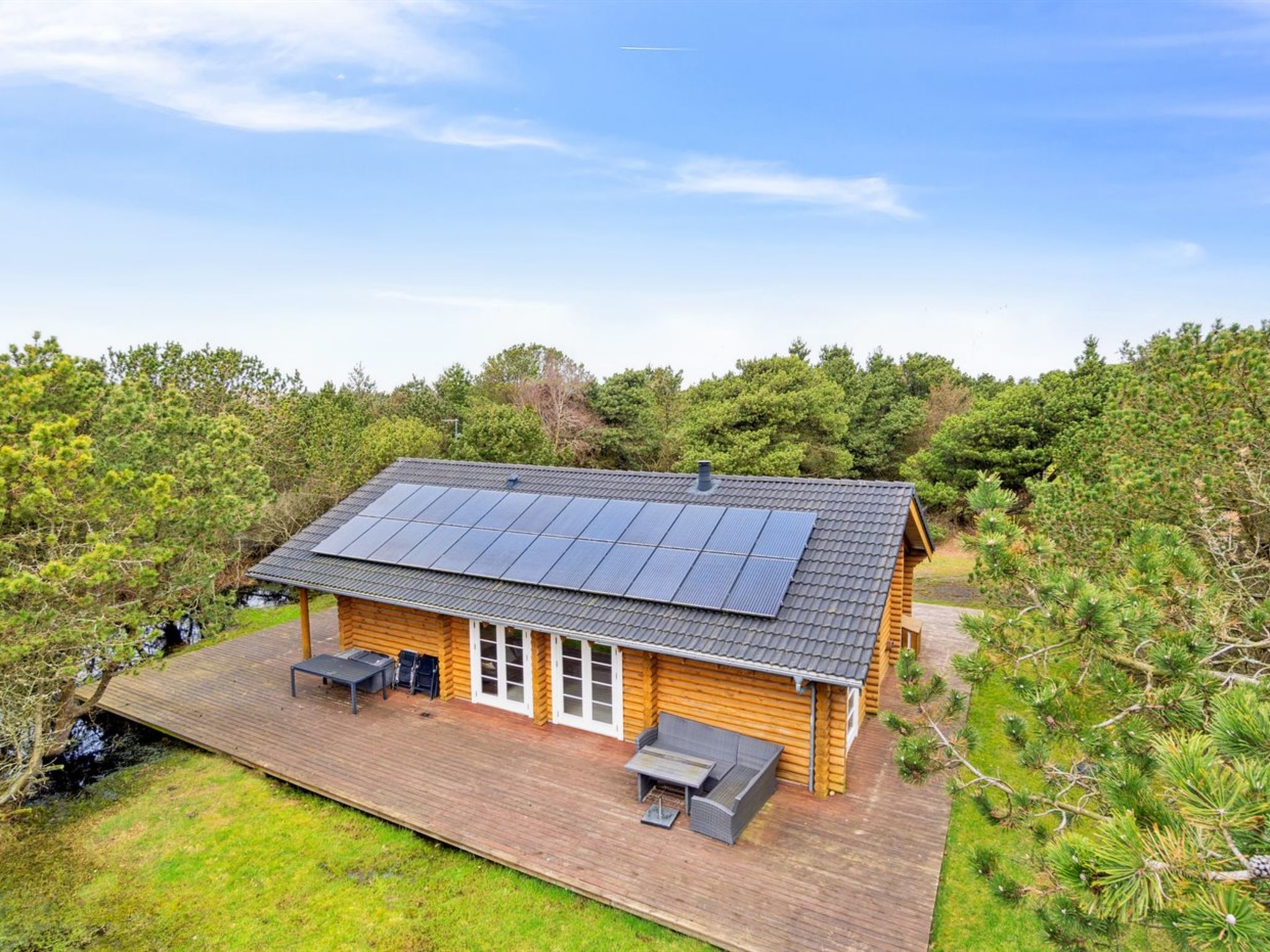
5-star property
"Luzy" - 1km from the sea
Fanø, Western Jutland, Denmark
6
3
0
DishwasherFireplaceMicrowave+7 more
from£144
per night
4-star property
"Suoma" - 800m from the sea
Fanø, Western Jutland, Denmark
4
3
0
DishwasherFireplaceParking+4 more
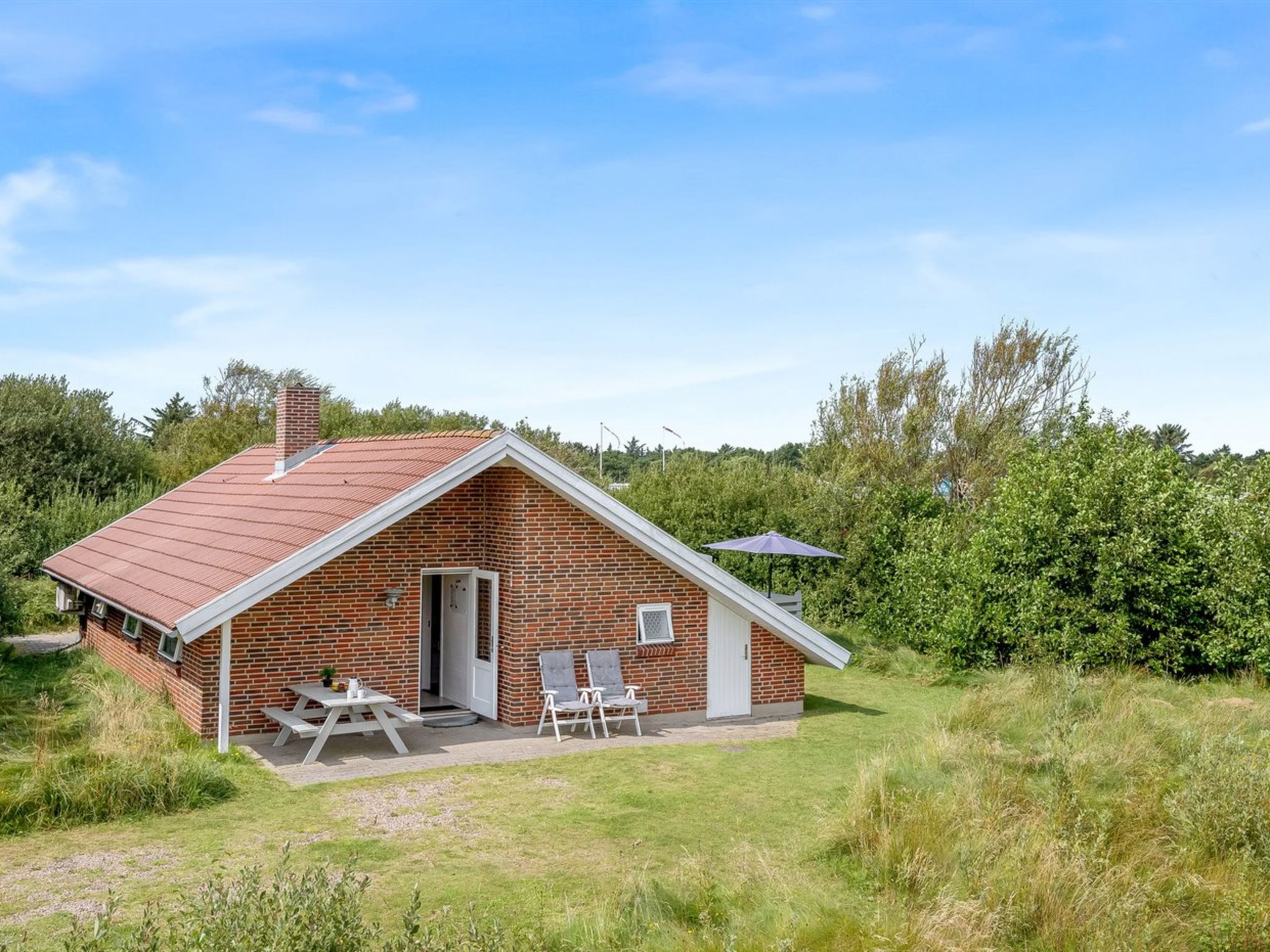
4-star property
"Danica" - 500m from the sea
Fanø, Western Jutland, Denmark
4
3
0
BBQDishwasherFireplace+9 more
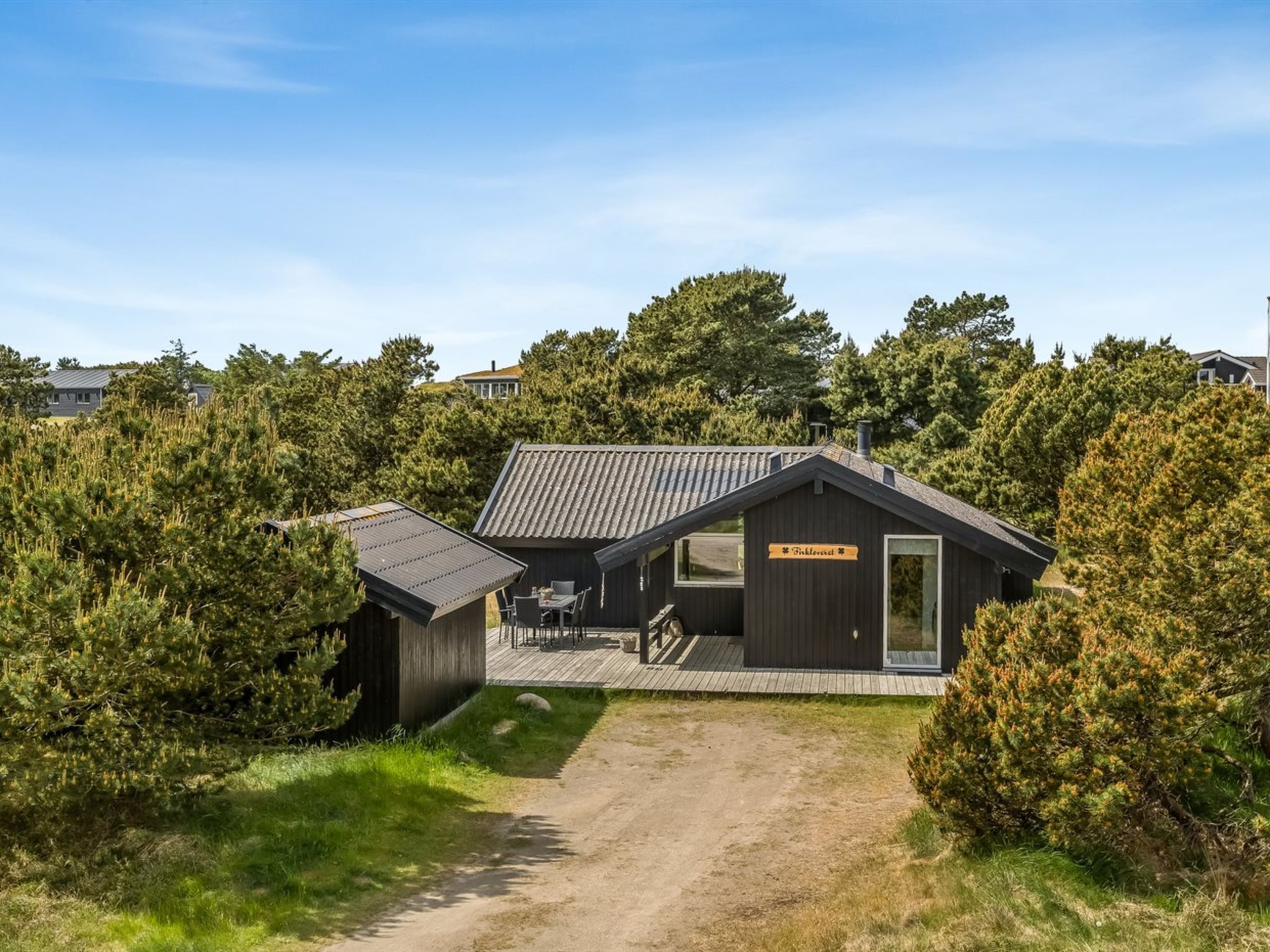
5-star property
"Ubbe" - 800m from the sea
Fanø, Western Jutland, Denmark
6
3
0
DishwasherFireplaceParking+7 more
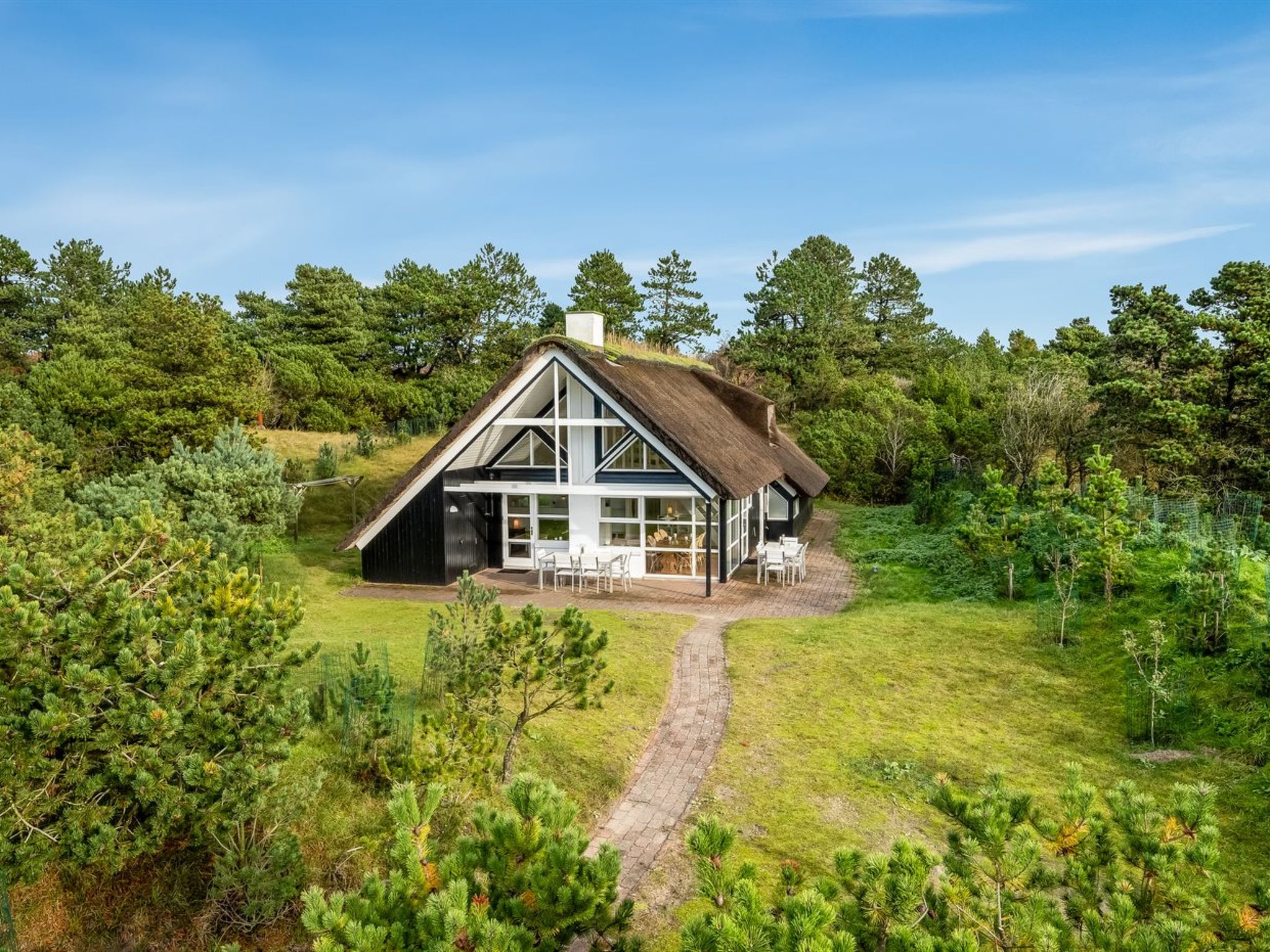
5-star property
"Florencia"
Fanø, Western Jutland, Denmark
8
3
0
DishwasherFireplaceMicrowave+8 more
from£117
per night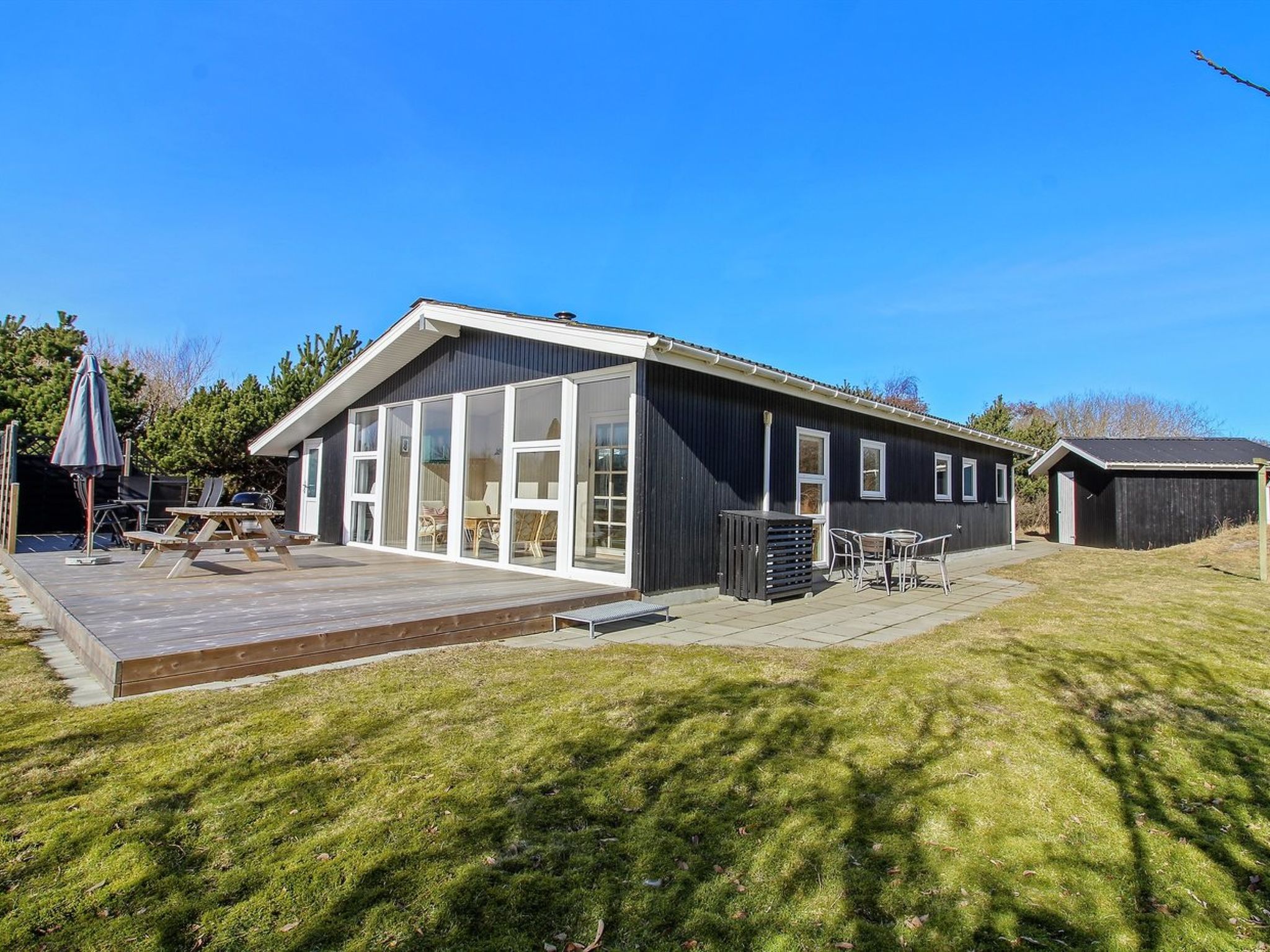
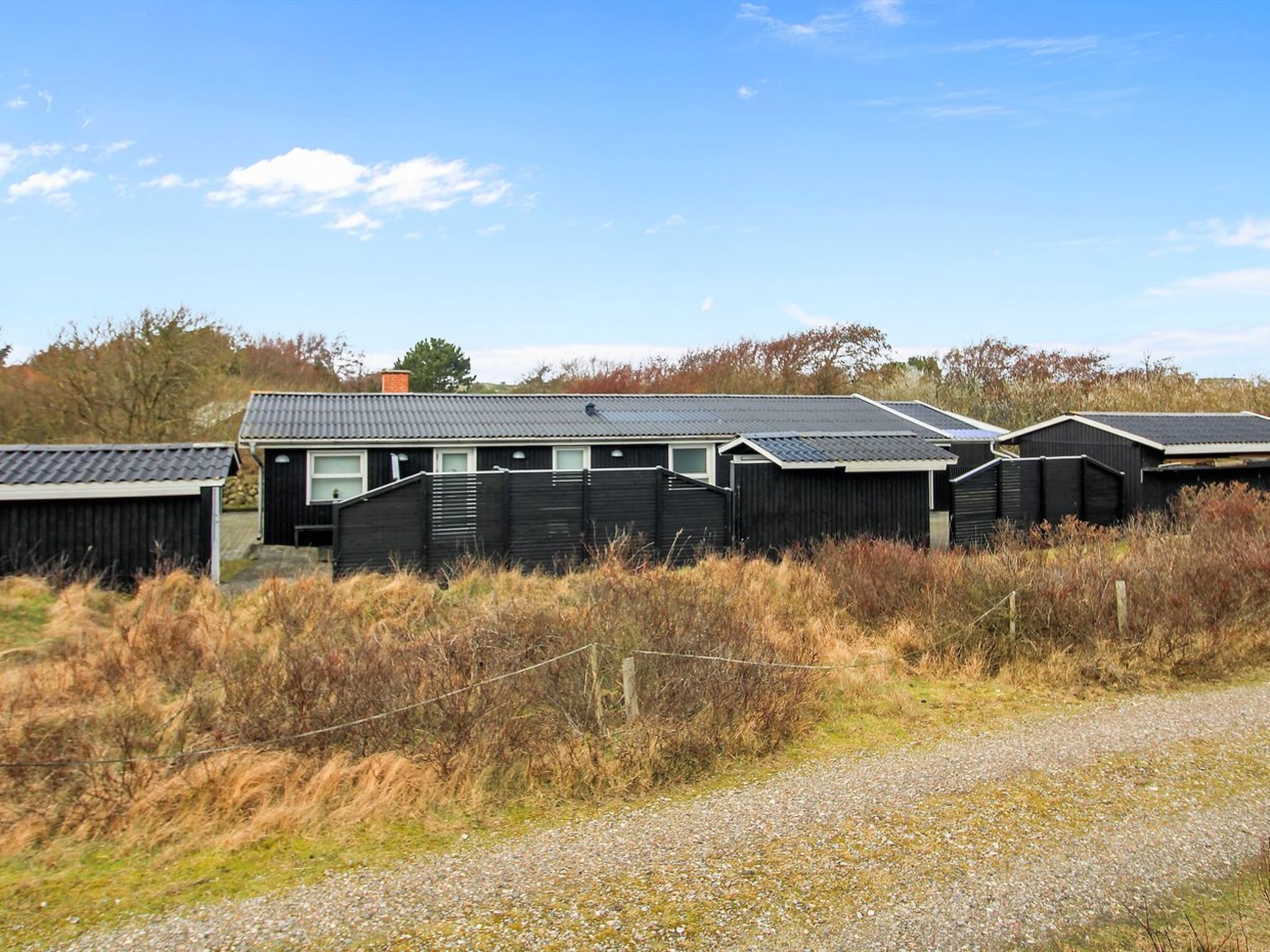
4-star property
"Andine" - 1.2km from the sea
Fanø, Western Jutland, Denmark
8
4
0
BBQDishwasherFireplace+9 more
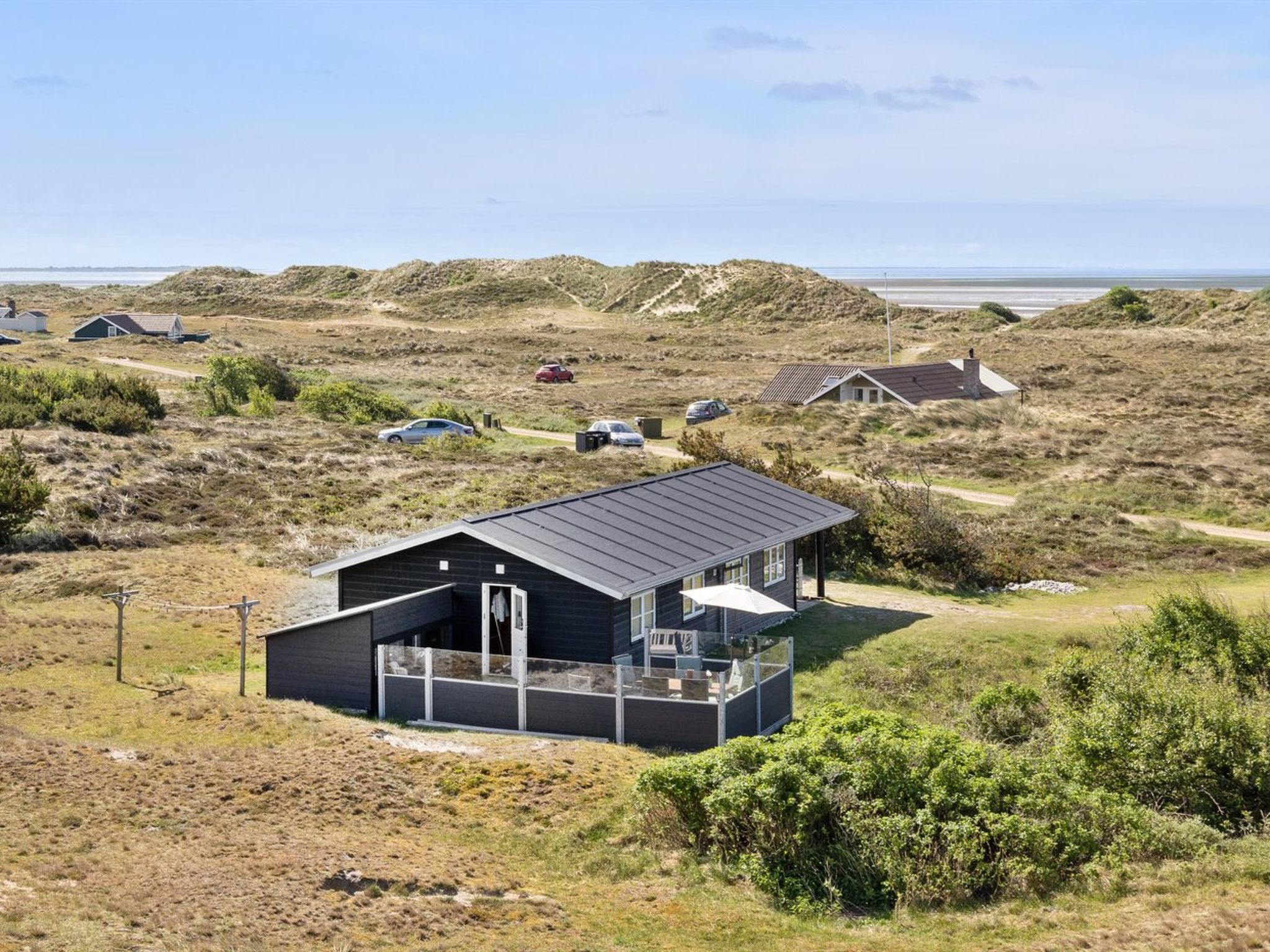
4-star property
"Aatos" - 500m from the sea
Fanø, Western Jutland, Denmark
4
2
0
DishwasherFireplaceMicrowave+5 more
3-star property
"Anton" - 1.5km from the sea
Fanø, Western Jutland, Denmark
6
3
0
DishwasherMicrowaveParking+6 more
from£83
per night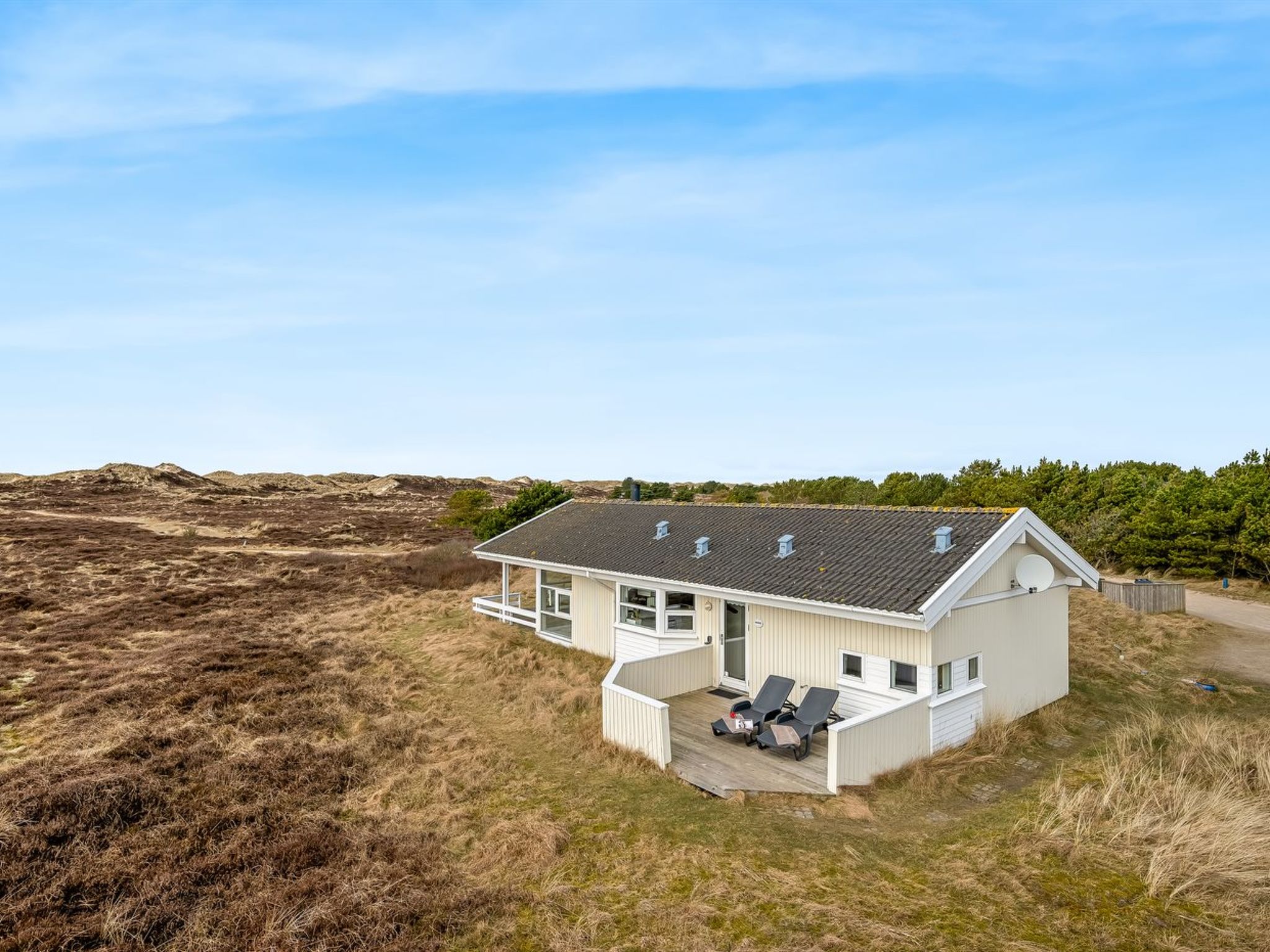
4-star property
"Ferdine" - 1.5km from the sea
Fanø, Western Jutland, Denmark
6
3
0
DishwasherFireplaceMicrowave+8 more
from£139
per night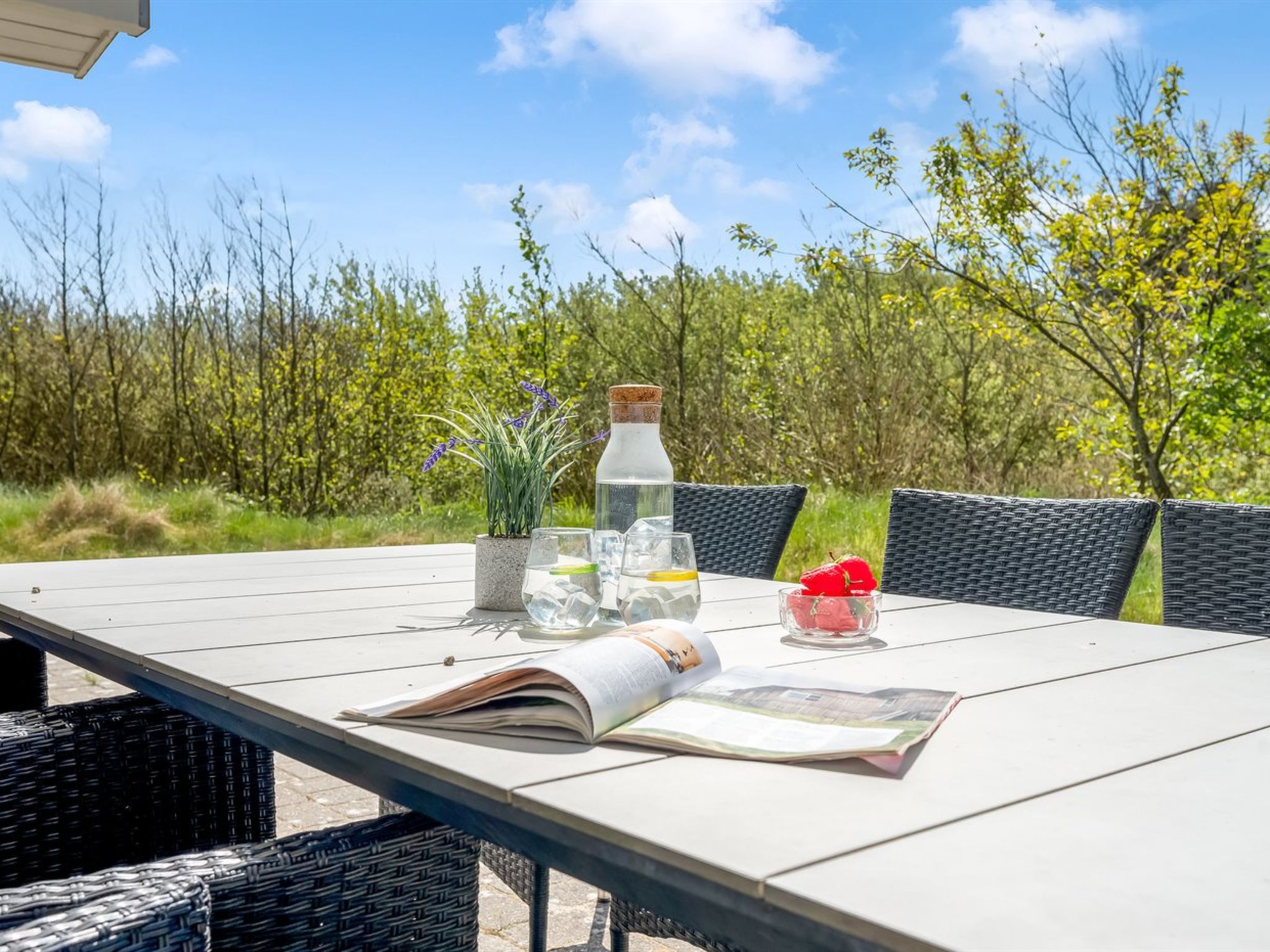
4-star property
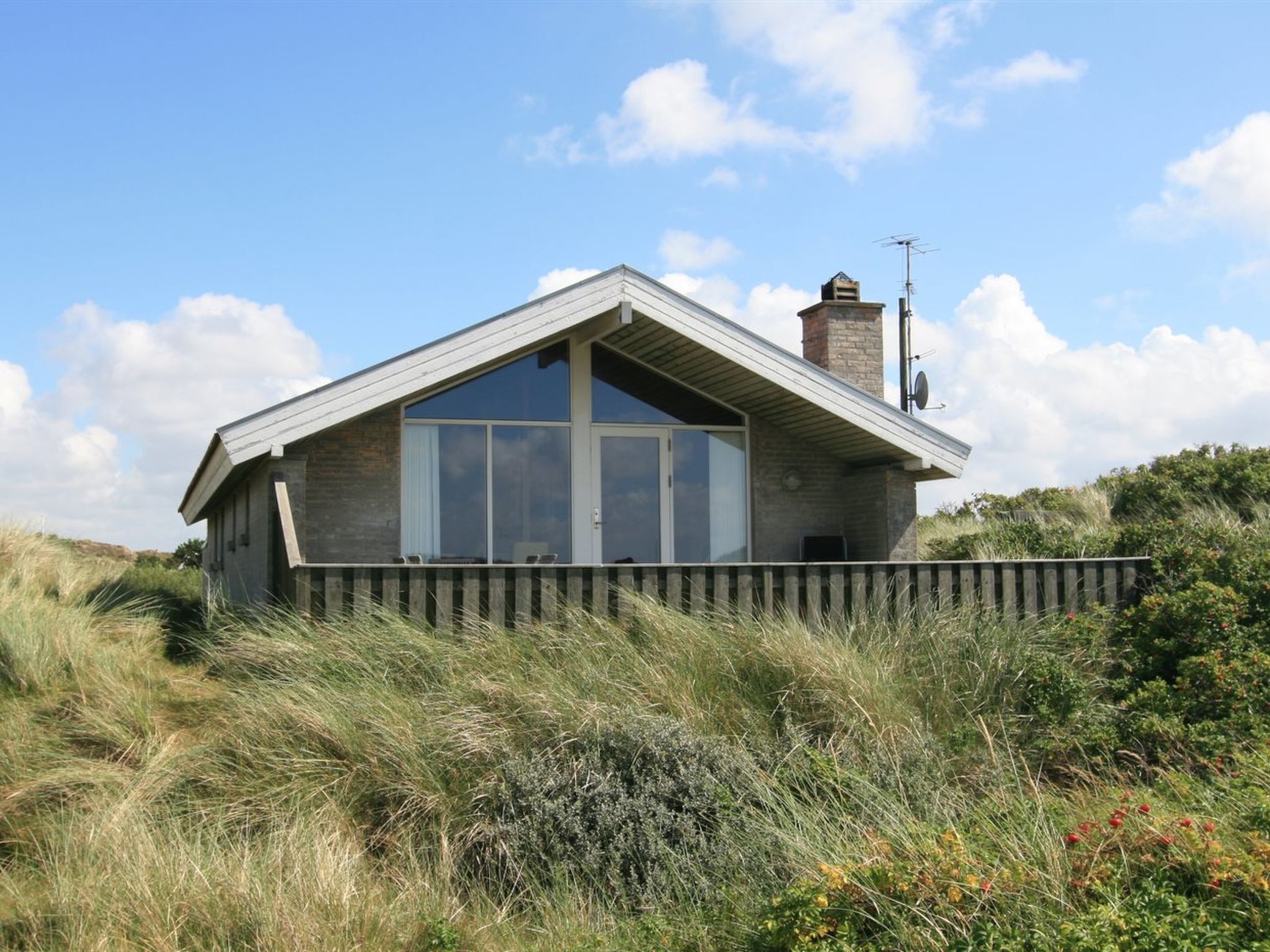
"Dagny" - 300m from the sea
Fanø, Western Jutland, Denmark
6
3
0
DishwasherFireplaceMicrowave+6 more
3-star property
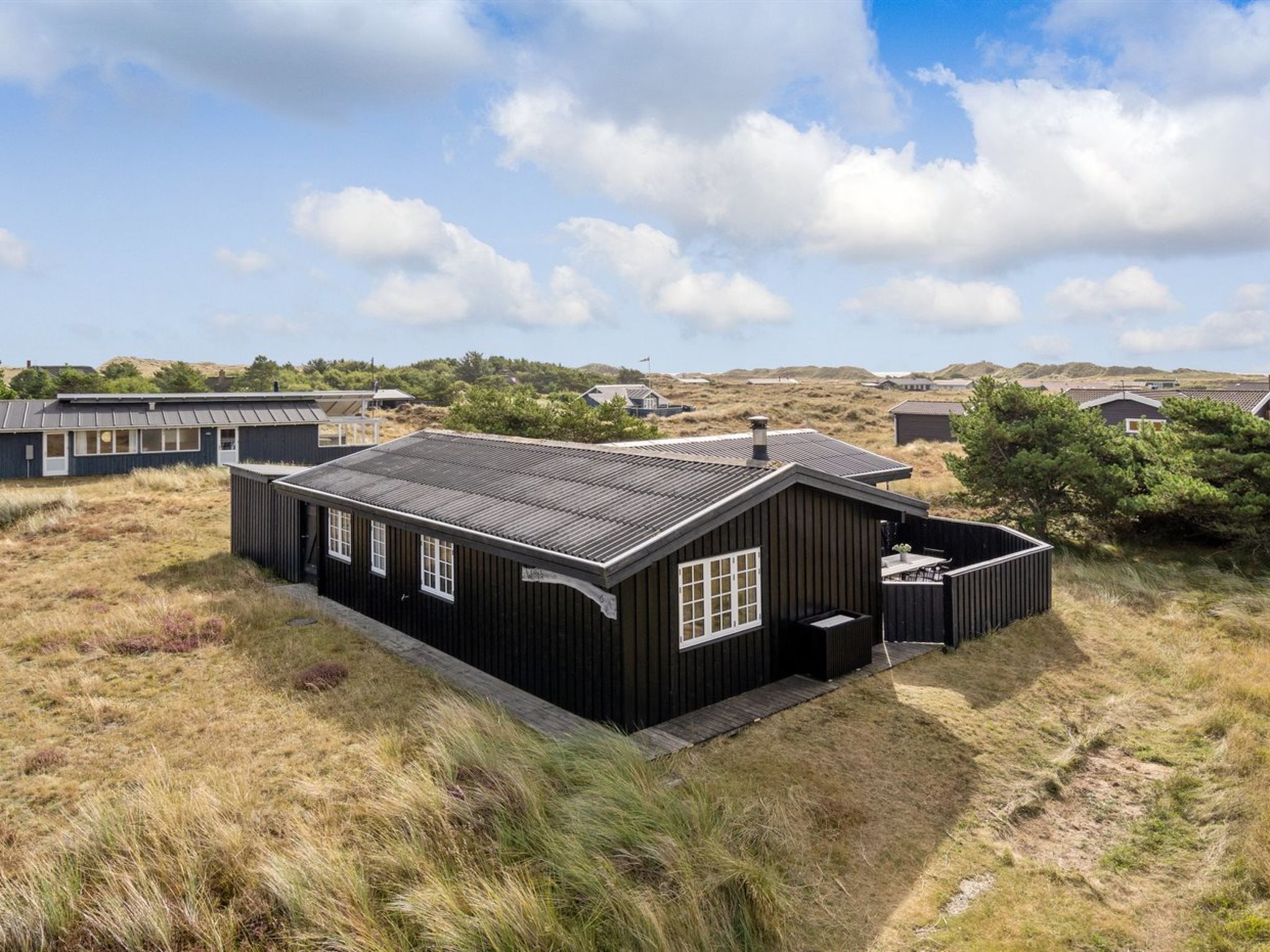
"Enwald" - 300m from the sea
Fanø, Western Jutland, Denmark
6
3
0
DishwasherFireplaceParking+7 more
3-star property
"Aleksi" - 500m from the sea
Fanø, Western Jutland, Denmark
4
3
0
DishwasherFireplaceMicrowave+7 more
from£113
per night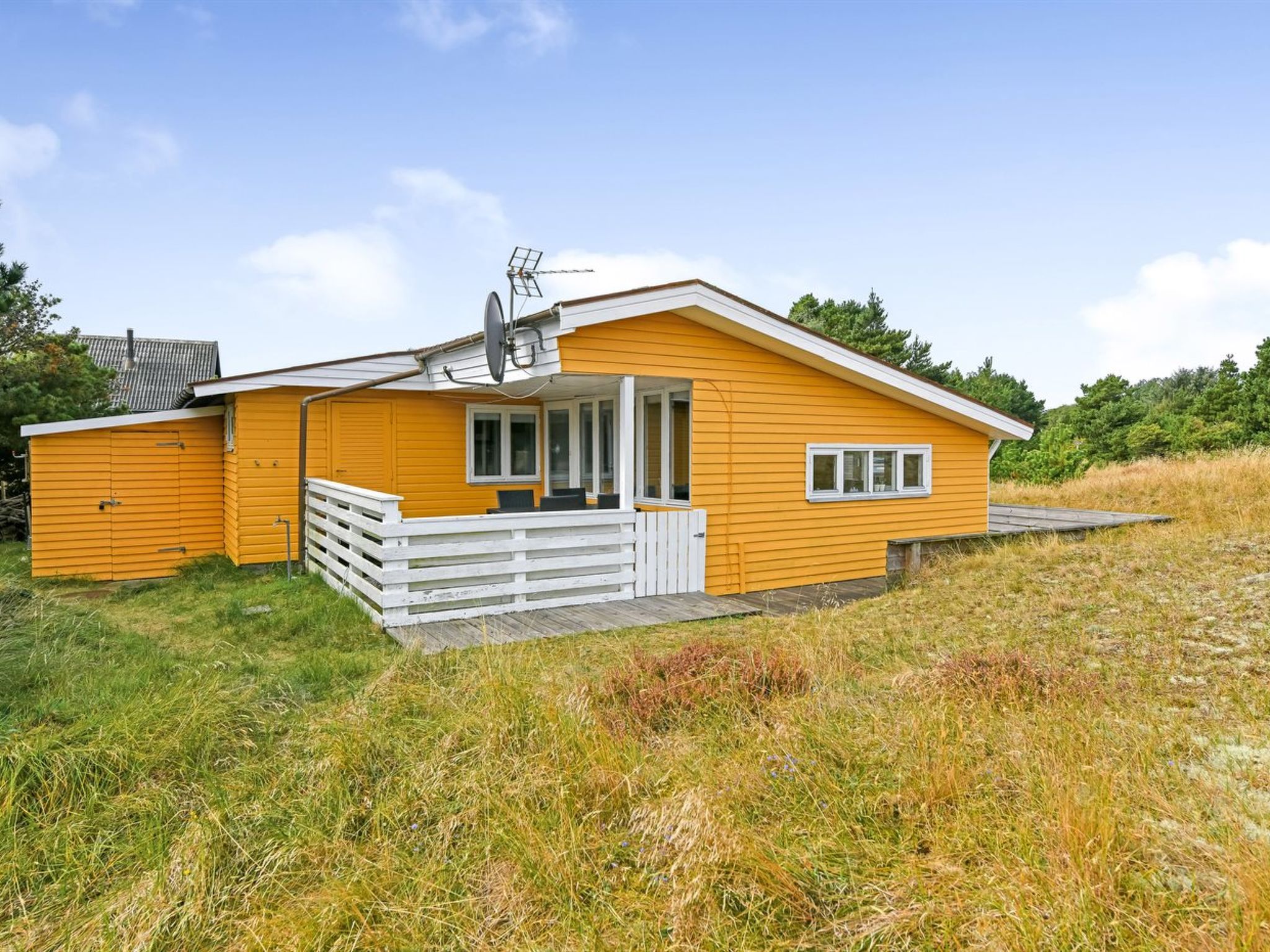
2-star property
"Heinke" - 2km from the sea
Fanø, Western Jutland, Denmark
4
2
0
FireplaceMicrowaveParking+5 more
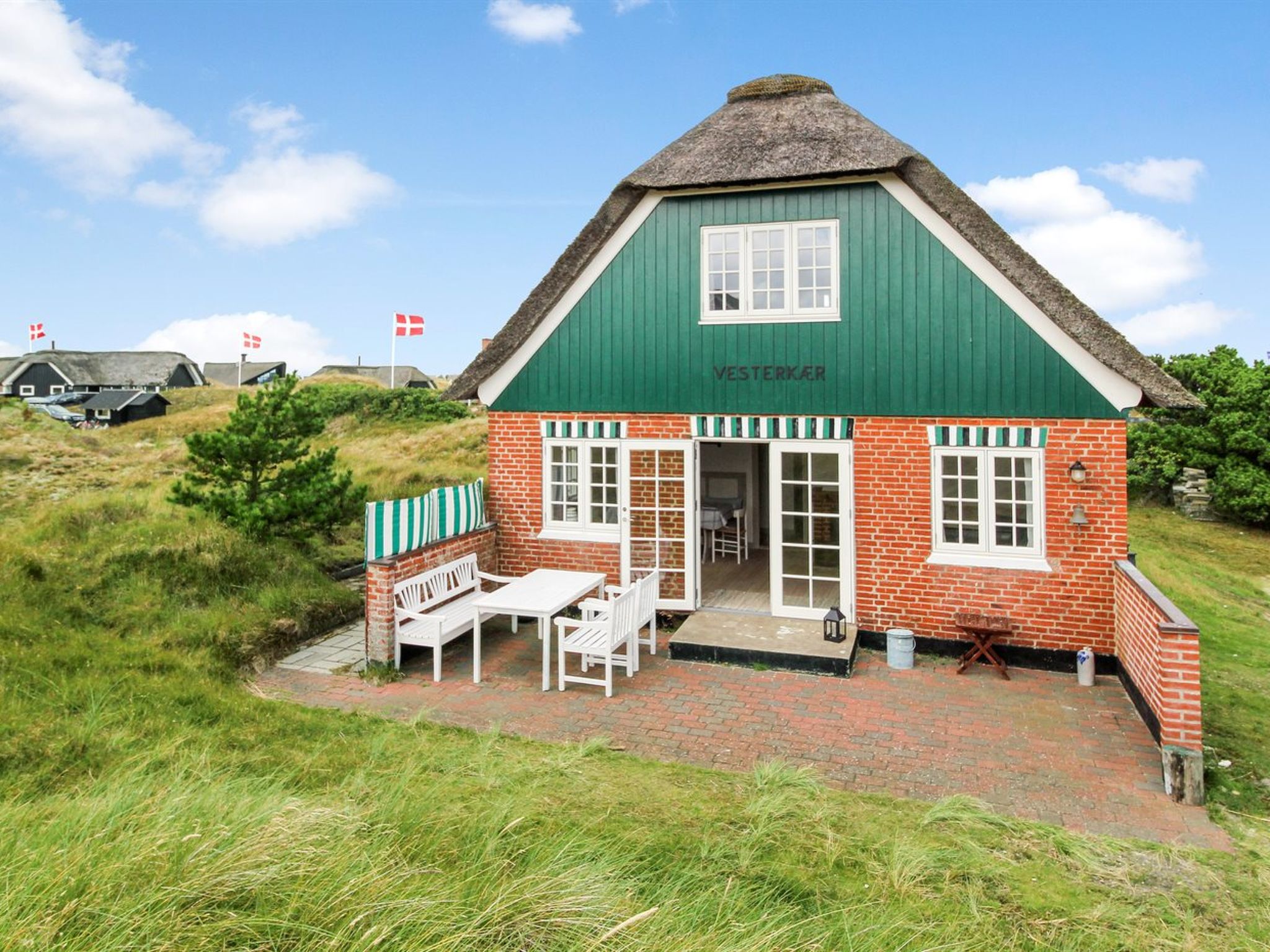
4-star property
"Liselott" - 300m from the sea
Fanø, Western Jutland, Denmark
4
3
0
DishwasherFireplaceParking+6 more
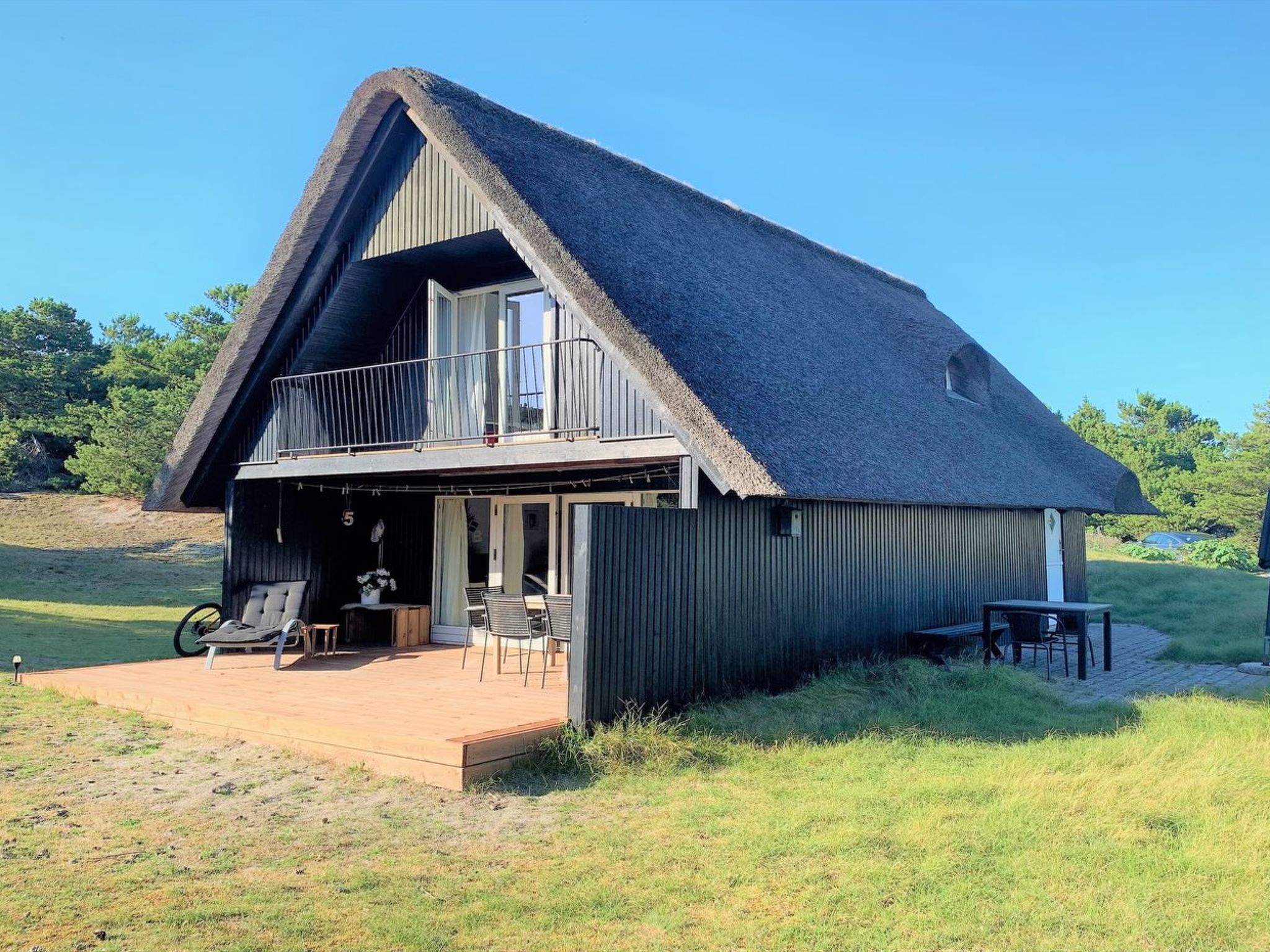
3-star property
"Emina" - 400m from the sea
Fanø, Western Jutland, Denmark
5
2
0
DishwasherFireplaceMicrowave+5 more
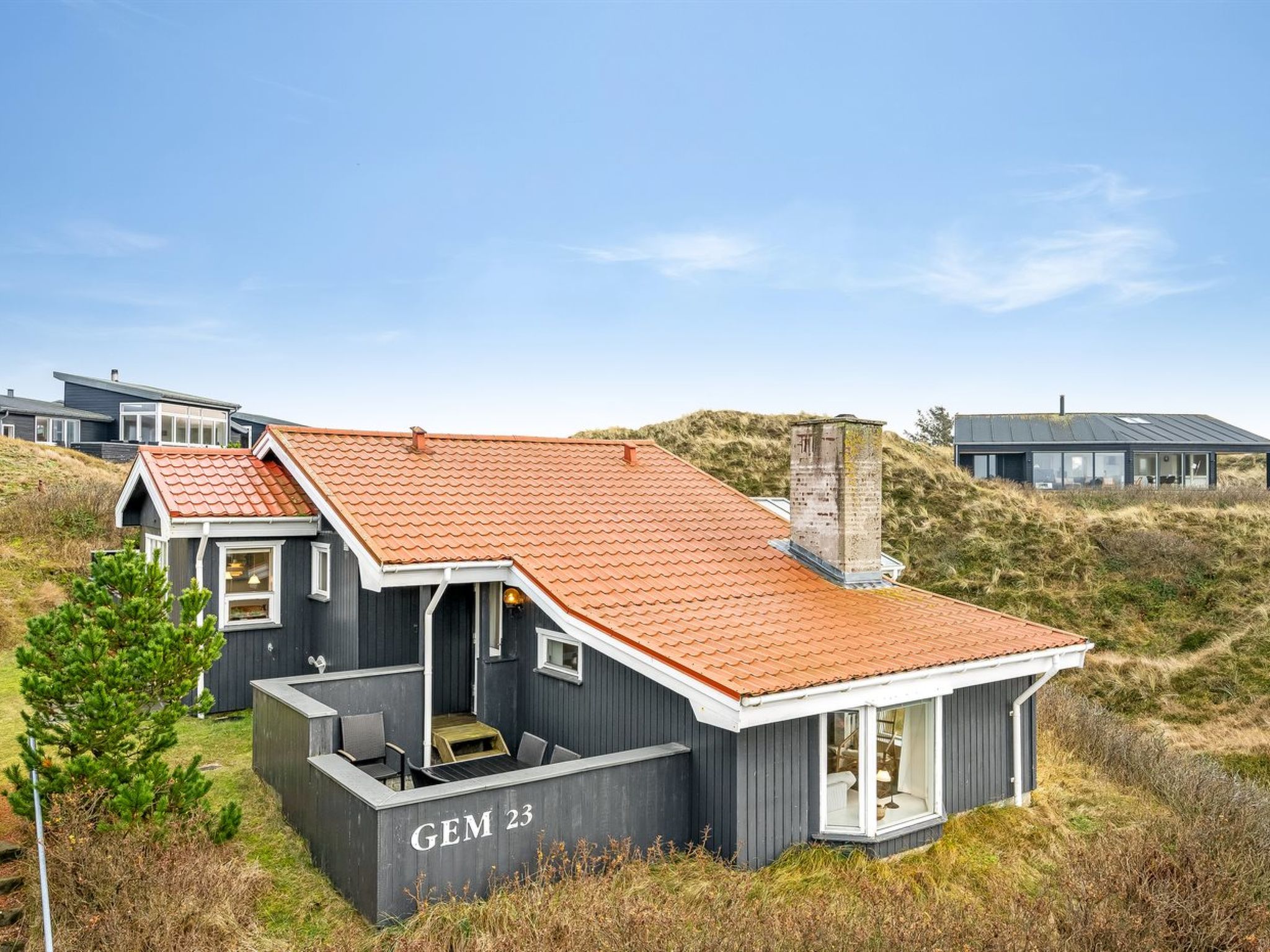
4-star property
"Hanne" - 750m from the sea
Fanø, Western Jutland, Denmark
4
2
0
BBQDishwasherFireplace+8 more
from£83
per night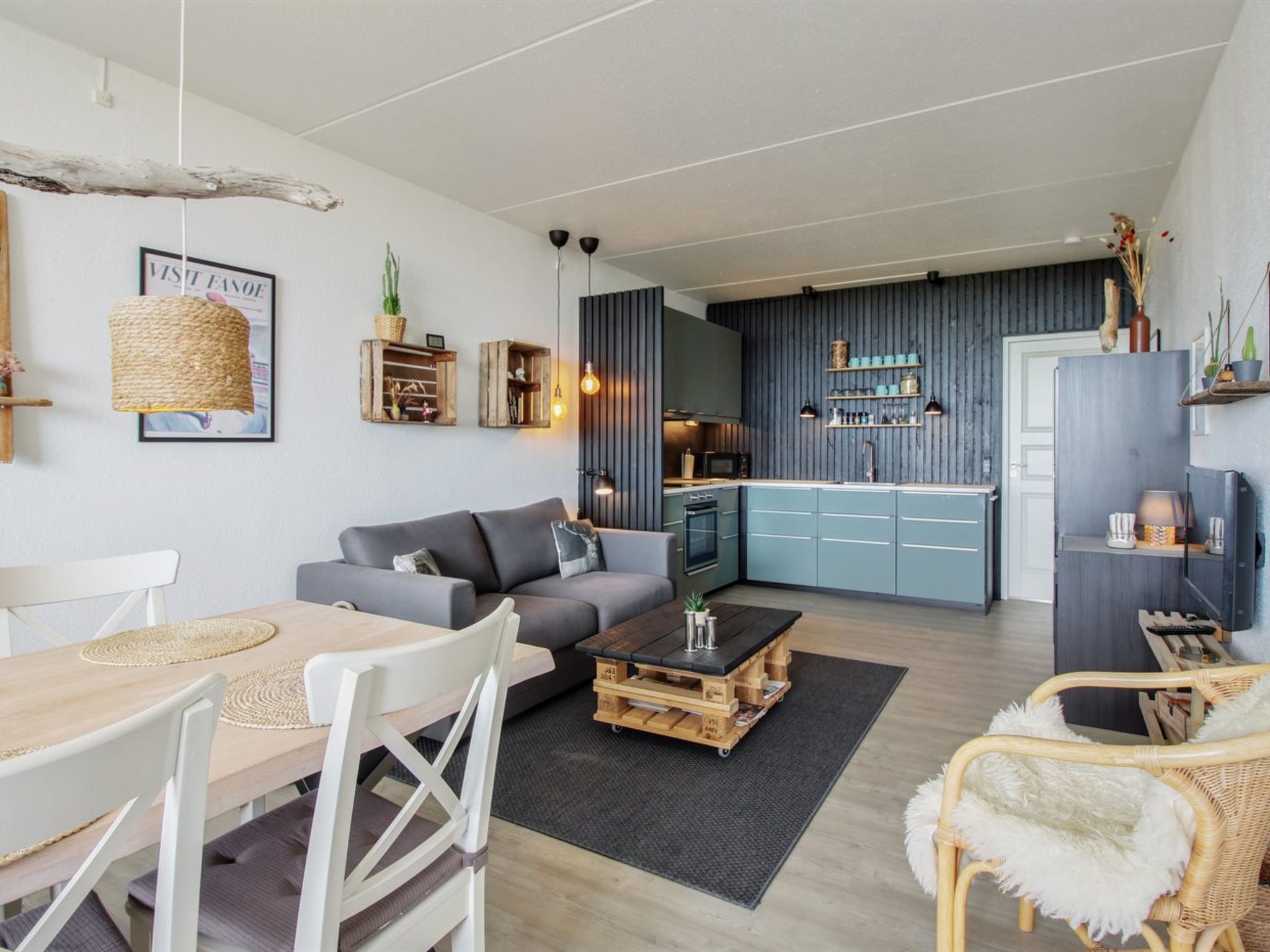
5-star property
"Brynhild" - 50m from the sea
Fanø, Western Jutland, Denmark
4
1
0
DishwasherMicrowaveParking+6 more
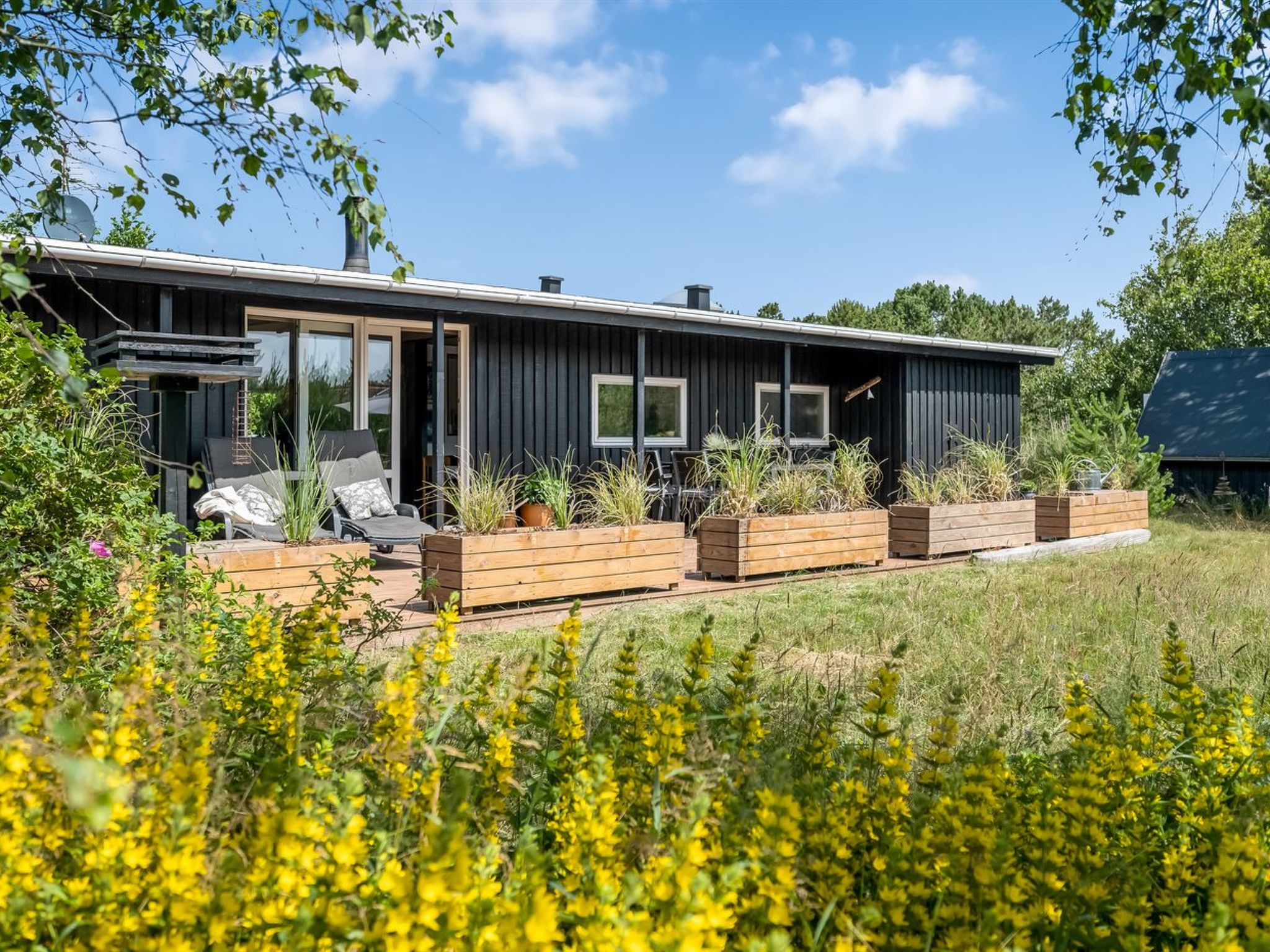
4-star property
"Fatima" - 1km from the sea
Fanø, Western Jutland, Denmark
8
4
0
BBQDishwasherFireplace+8 more
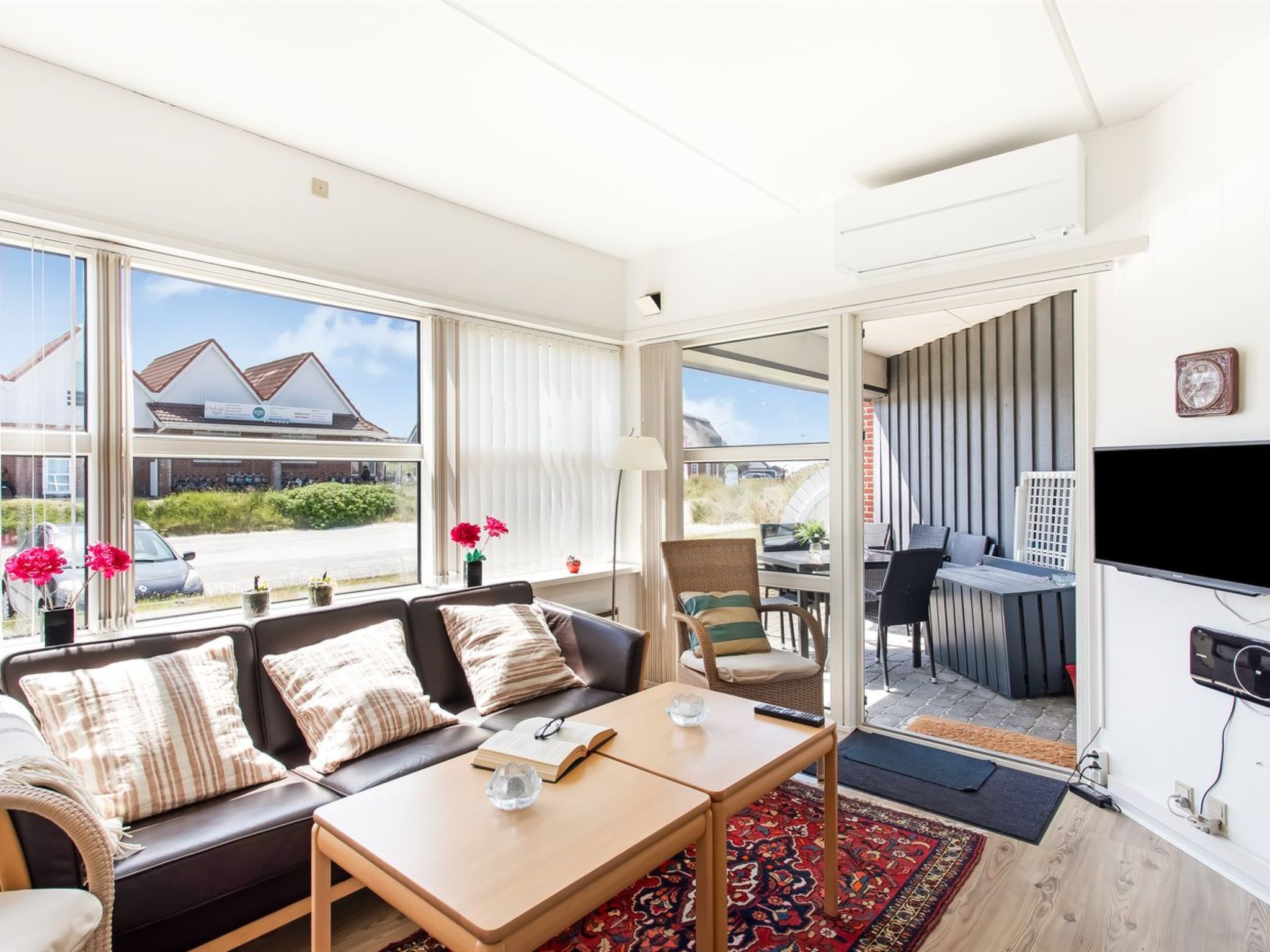
3-star property
"Milly" - 100m from the sea
Fanø, Western Jutland, Denmark
4
2
0
DishwasherParkingTerrace+4 more
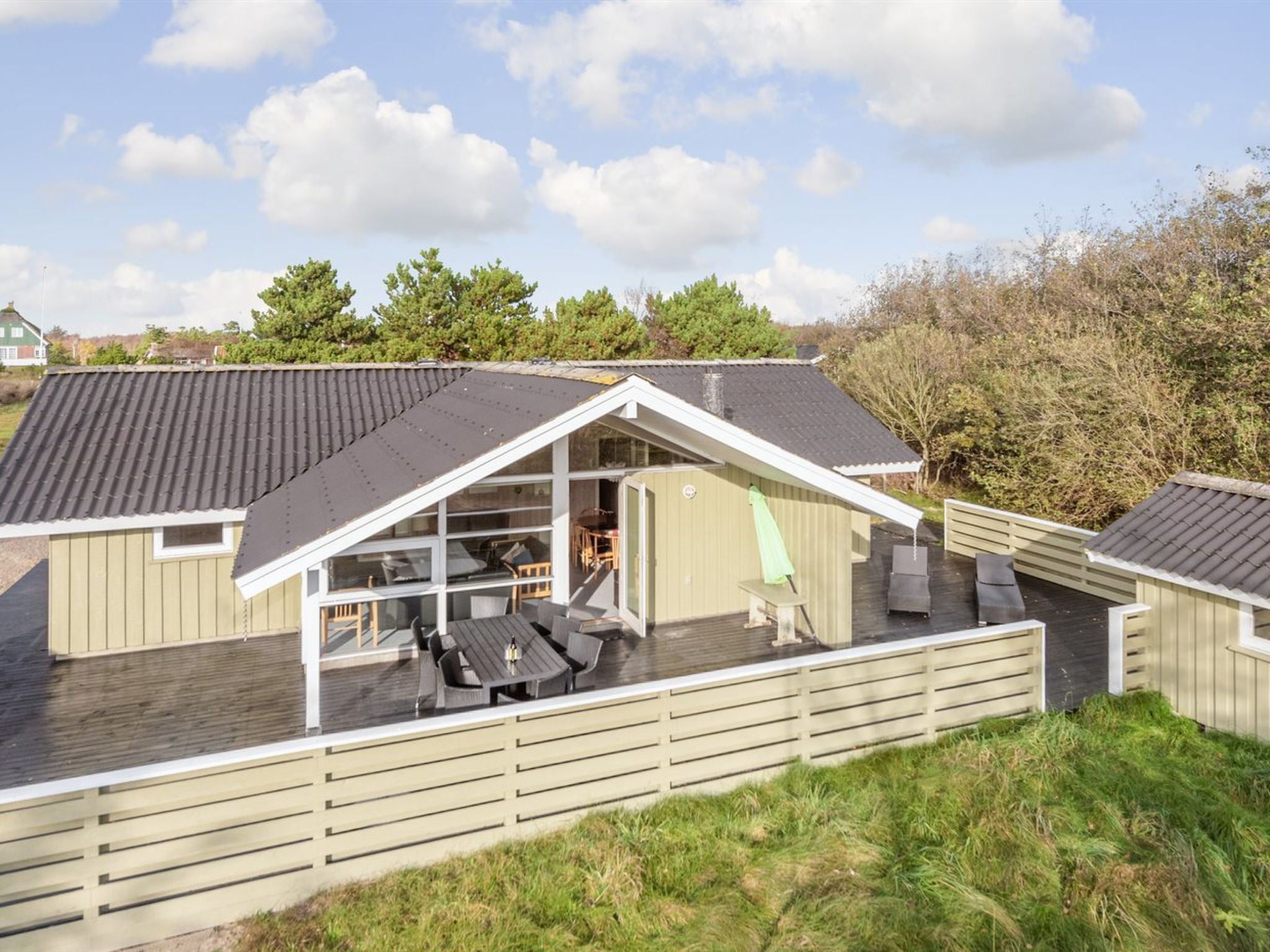
4-star property
"Nanne" - 1km from the sea
Fanø, Western Jutland, Denmark
7
4
0
BBQDishwasherFireplace+9 more
from£123
per night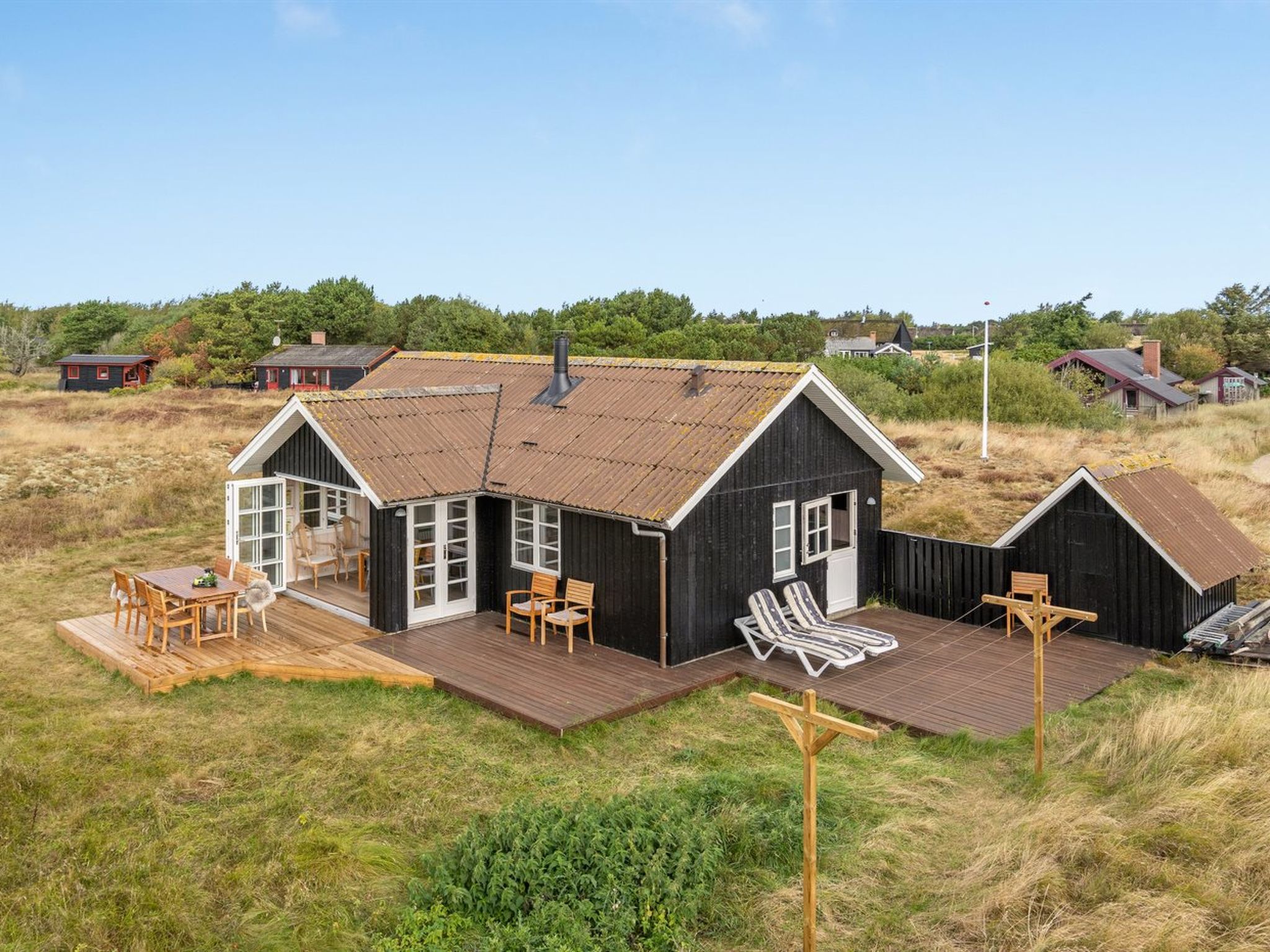
4-star property
"Urcu" - 475m from the sea
Fanø, Western Jutland, Denmark
5
3
0
DishwasherFireplaceParking+6 more
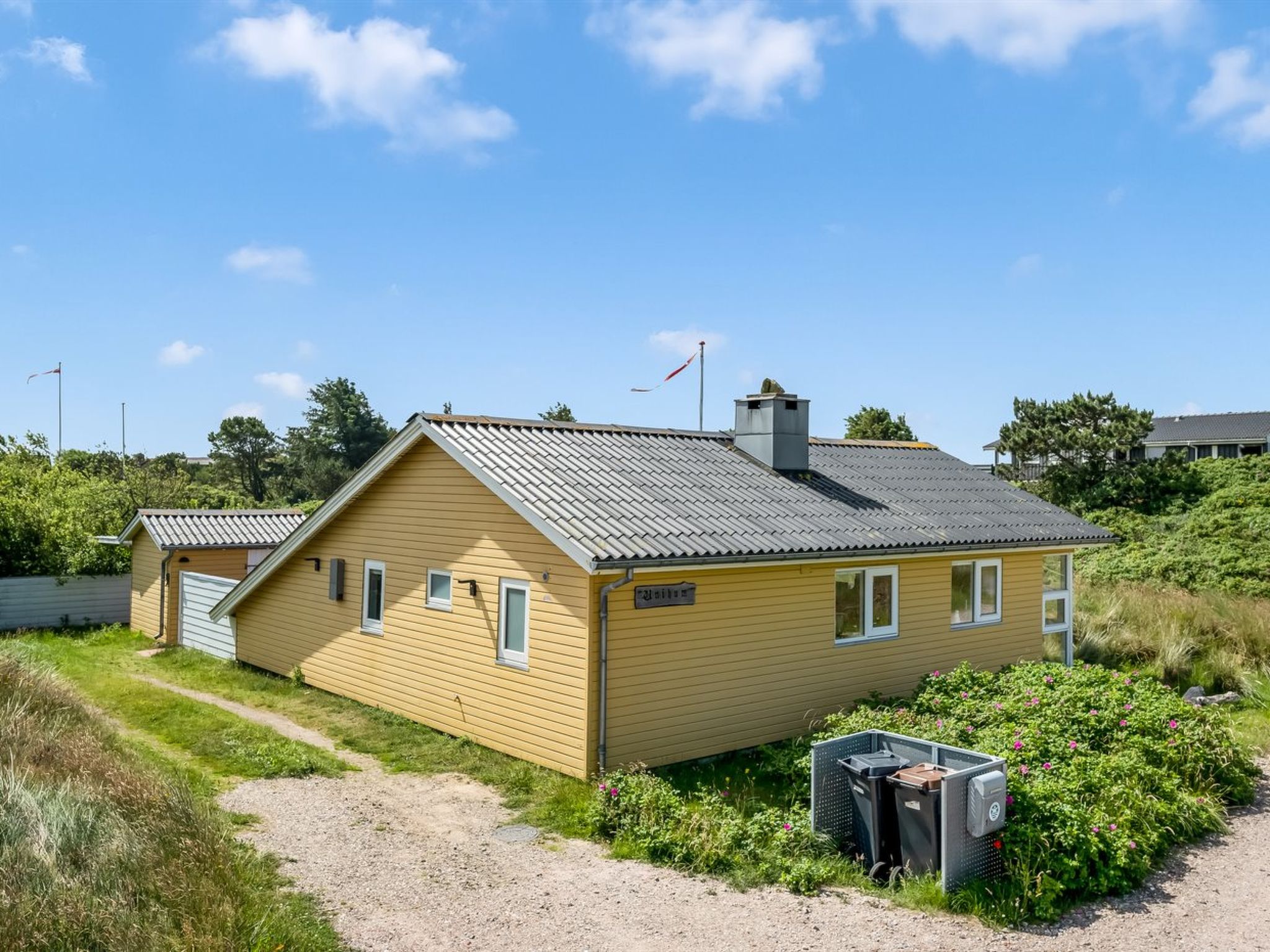
4-star property
"Tedora" - 300m from the sea
Fanø, Western Jutland, Denmark
4
3
0
BBQDishwasherFireplace+8 more
from£106
per night
4-star property
"Hildwik" - 2km from the sea
Fanø, Western Jutland, Denmark
6
3
0
FireplaceWashing MachineFridge+3 more
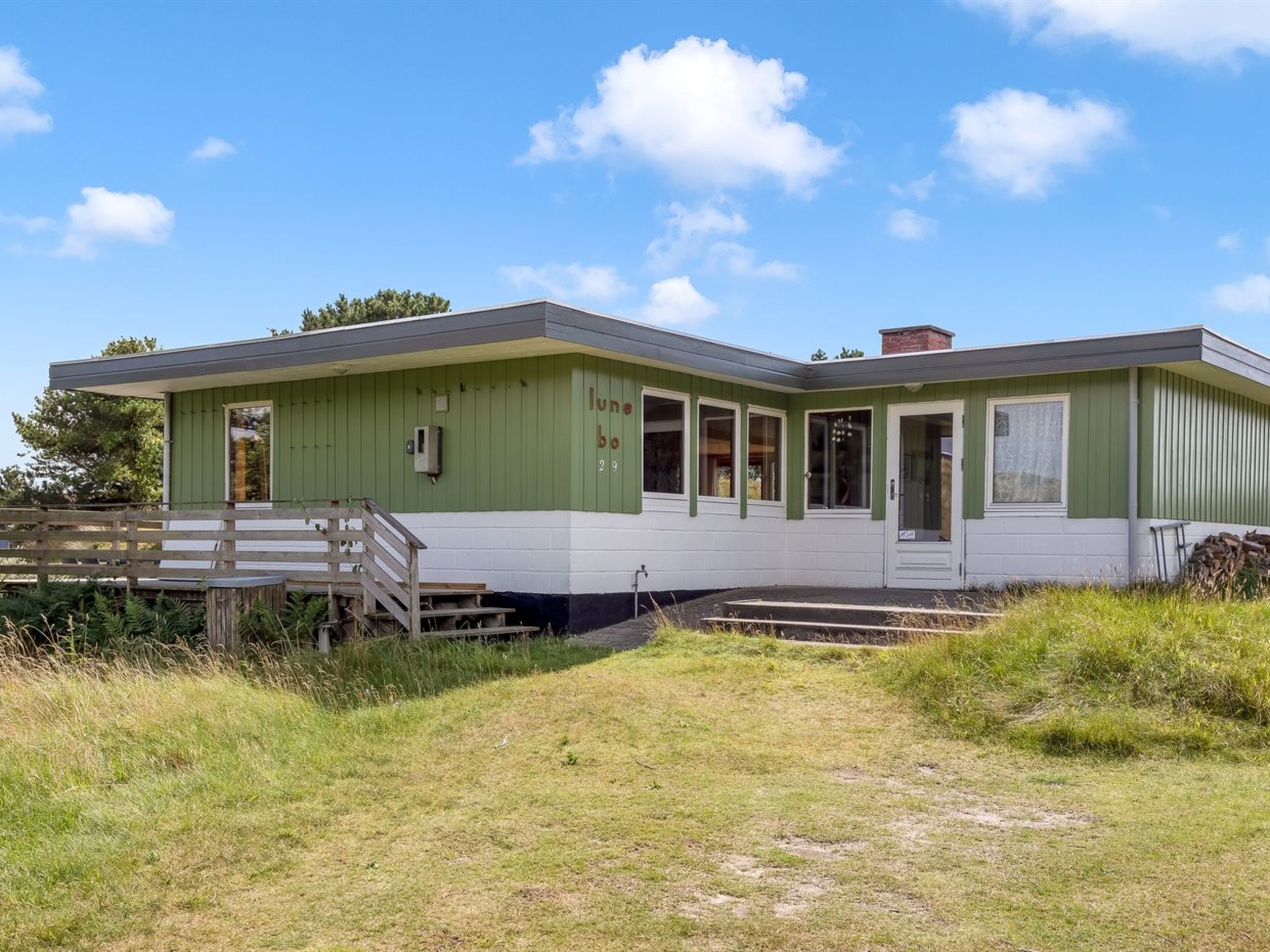
3-star property
"Sweni" - 800m from the sea
Fanø, Western Jutland, Denmark
6
3
0
DishwasherFireplaceMicrowave+6 more
Fanø villa holidays: questions answered
Is the beach on Fanø sand or pebble?
Sand. The west shore is fine white sand, and the beaches have no stones or pebbles. The southern stretch opens up wide at low tide, and the northern part grows wider each year as new dunes form.
Can you drive on the beach on Fanø?
In places, yes. Cars are allowed onto the beach between Sønderho and Fanø Vesterhavsbad. Check local rules and tide times before you drive on.
How long is the ferry to Fanø?
About 12 minutes, from Esbjerg to Nordby, and it is the only ferry between Fanø and the Danish mainland. Bus line 5 from Esbjerg station to the ferry port takes about 10 minutes.
Is Fanø good for kite flying?
Yes. Kite flying, surfing and buggies are popular on the west beach, and the area south of Rindby is known as the buggy beach for kitesurfing. Fanø also hosts an International Kite Festival.
Is Sønderho worth a visit from a Fanø house?
Yes, if you like old villages. It has around 300 well-preserved buildings, mostly from the 19th century, with thatched ends, and Sønderho Kro dates from 1722. A bus runs there from Nordby.
Nearby towns to Fanø
Written by the TrustedVillas team. Last reviewed October 2026.
Find Your Perfect Villa in Fanø
Our villa experts are here to help you find the ideal property for your vacation. Contact us for personalized recommendations.