South Dalmatia, Croatia
South Dalmatia sits at the southern tip of Croatia's Adriatic coast, where limestone cliffs drop into turquoise water and medieval towns cling to rocky peninsulas. We visit for the contrast: you can hike through macchia scrubland one morning and kayak past thousand-year-old fortifications the next. The Dinaric Mountains create dramatic backdrops, and the islands feel genuinely remote despite being minutes by boat from the mainland. What you're really after here is a slower pace (lingering dinners of grilled fish, mornings when the only sounds are cicadas and waves, the kind of heat that makes you plan your day around a long siesta).
What Makes South Dalmatia Special
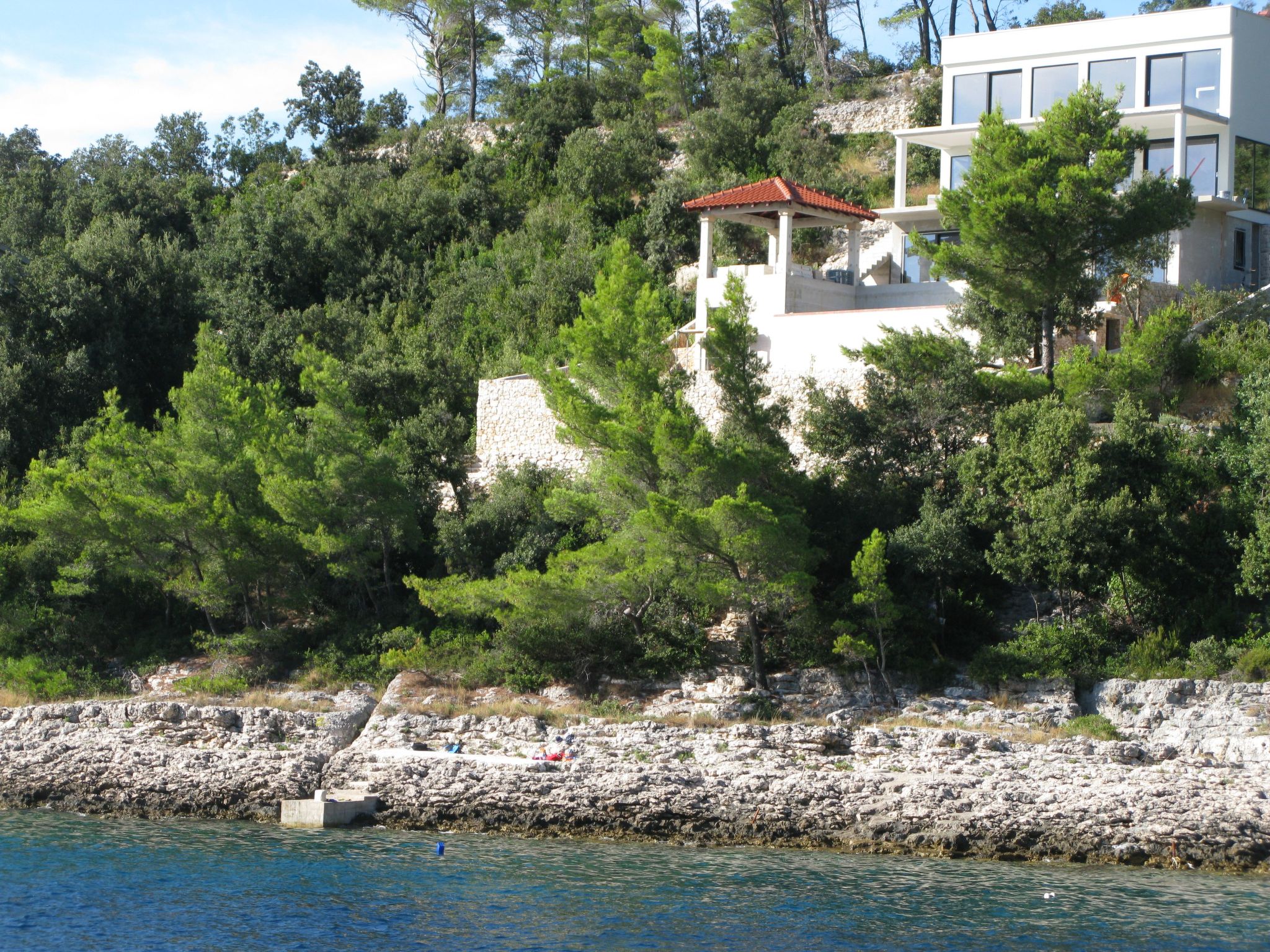
- A coastline fractured into islands and peninsulas: no two bays are the same, and you can spend weeks exploring without running out of hidden anchorages
- Medieval towns that aren't museum pieces. Dubrovnik's famous, yes, but smaller places like Cavtat and Slano are living communities where locals still fish from harbours and sell vegetables at daily markets
- Wine country that few tourists know about. The limestone slopes around Smokvica and Trstenik produce bold reds that taste different because the terroir is so mineral-forward
- Island ferries that work year-round, making off-season travel (September to October, April to May) genuinely feasible without feeling stranded
- A longer swimming season than northern Dalmatia: water reaches 26°C by August and stays warm until late September
Top Towns & Resorts in South Dalmatia
Dubrovnik
Dubrovnik remains the region's anchor, with its limestone ramparts, marble streets, and Renaissance architecture drawing crowds year-round. The Old Town's undeniably grand, but August brings cruise ship visitors by the thousands; you'll queue for lunch and photograph shoulders instead of the coast. If you come in April or October, the stones glow without the crush. Explore the quieter neighbourhoods like Pile or Ploče where residents live actual lives. The surrounding Elaphiti Islands are accessible by daily ferry and offer you space to breathe.
Cavtat
An hour south, Cavtat is what Dubrovnik might have been if tourism hadn't arrived quite so insistently. The harbour curves in a near-perfect crescent, fishing boats still moor where yachts tie up, and the waterfront restaurants serve local catches without theatrical presentation. You can walk the full length of the Lungomare in twenty minutes. It's genuinely small (accommodation fills quickly) and car parking can be difficult in summer. But the authenticity feels worth the squeeze.
Slano
Between Dubrovnik and Cavtat, Slano is a linear village that stretches along a single shingle beach. This is where locals from both larger towns come to escape, and where you'll find better value than in either neighbour. It's not scenic in the dramatic sense (the mountains are inland, the architecture is functional). But the peace is real, the locals know your face by day three, and the seafood is precisely what you paid for. The main road runs close by, which means some noise if you're sensitive.
Elaphiti Islands (Lopud, Šipan, Kolocep)
A cluster of three main islands just offshore, the Elaphiti offer what the mainland sometimes lacks: space. Lopud has a small village, one main street, and perhaps one hundred permanent residents. Šipan is even quieter, with scattered farmhouses and vineyards. Kolocep feels nearly abandoned out of season. They're car-free (ferries only), which makes them genuinely peaceful, but it also means you rely entirely on ferry schedules. Expect restaurants to have very limited hours in shoulder seasons, and always bring cash (card readers are unreliable).
Search villas in Elaphiti Islands
Ston
On a limestone peninsula just north of the main coast, Ston is famous for its medieval walls (the longest fortification in Europe, locals will tell you). The town itself is small and somewhat austere, built around salt ponds that glitter in sun. The walls are genuinely dramatic to walk, though the climb in August heat is punishing. Fish are exceptional (this is oyster and mussel country), and rents are cheaper than coastal equivalents. The catch: Ston is a thin spit of land, so in winter storms you're sometimes cut off, and there's minimal nightlife or entertainment beyond dining.