Villas in Senj
Senj suits visitors who want a historic Adriatic harbour town below the Velebit mountains, in Lika-Senj County. It is also one of the windiest stretches of this coast, with bura gusts reaching about 220 km/h near the town, mostly in winter.
- Villas
- 60
- From, per week
- £231
About Senj
Senj is a town of about 6,000 people, around 4,200 of them in the urban area, sitting at sea level in the foothills of Mala Kapela and Velebit. It was the Roman town of Senia and later the base of the Uskoks, whose Nehaj Fortress, finished in 1558, is now a museum of weapons and costumes. The old centre has city walls, a medieval city hall, the harbour, a co-cathedral and a sundial on the 45th parallel. Homes are scattered around the town over some eight kilometres, and few have a garden. Fishing, boating and tourism drive the local economy. The Vratnik pass, where the Velebit range begins, is near the town. Out of season the bura matters most.
Is Senj right for you?
- Best for
- Visitors wanting a historic harbour town under the Velebit
- Not for you if
- You want calm weather, because the bura can start suddenly even on clear days.
Near Senj
Nehaj Fortress
On Nehaj hill in the town: five towers, eleven large cannon openings and Uskok weapons on display.
Vratnik pass
At 694 metres, where the Velebit range begins; the Josephina road crosses it to Josipdol.
Northern Velebit National Park
One of two national parks carved from the Velebit; the 57 km Premužić trail runs through the northern and middle range.
Getting to Senj
Rijeka airport is the closest, about 55 minutes by car, and public transport from the airport takes over two hours. Without a car you will struggle, since homes are scattered around Senj.
When to go to Senj
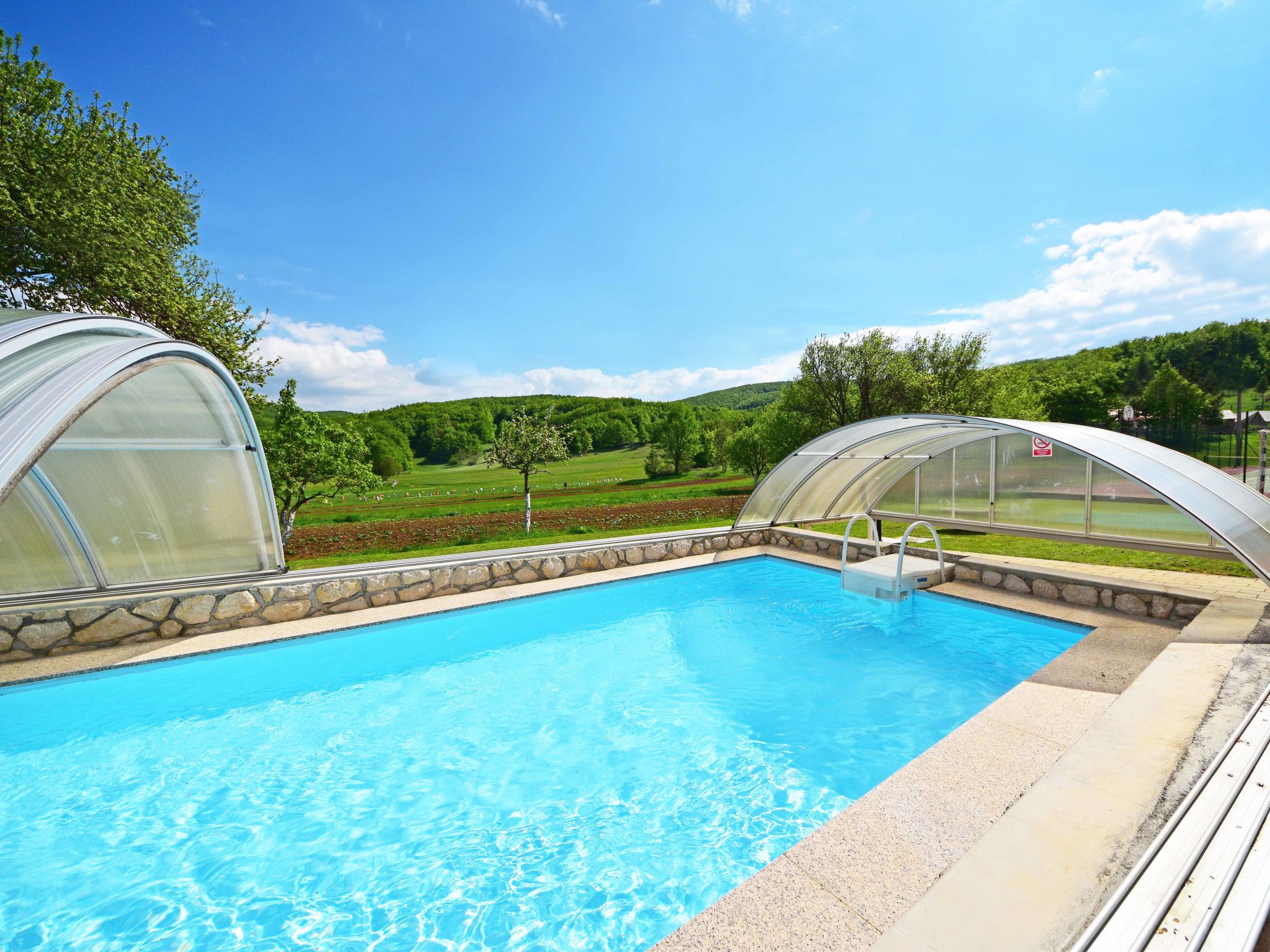
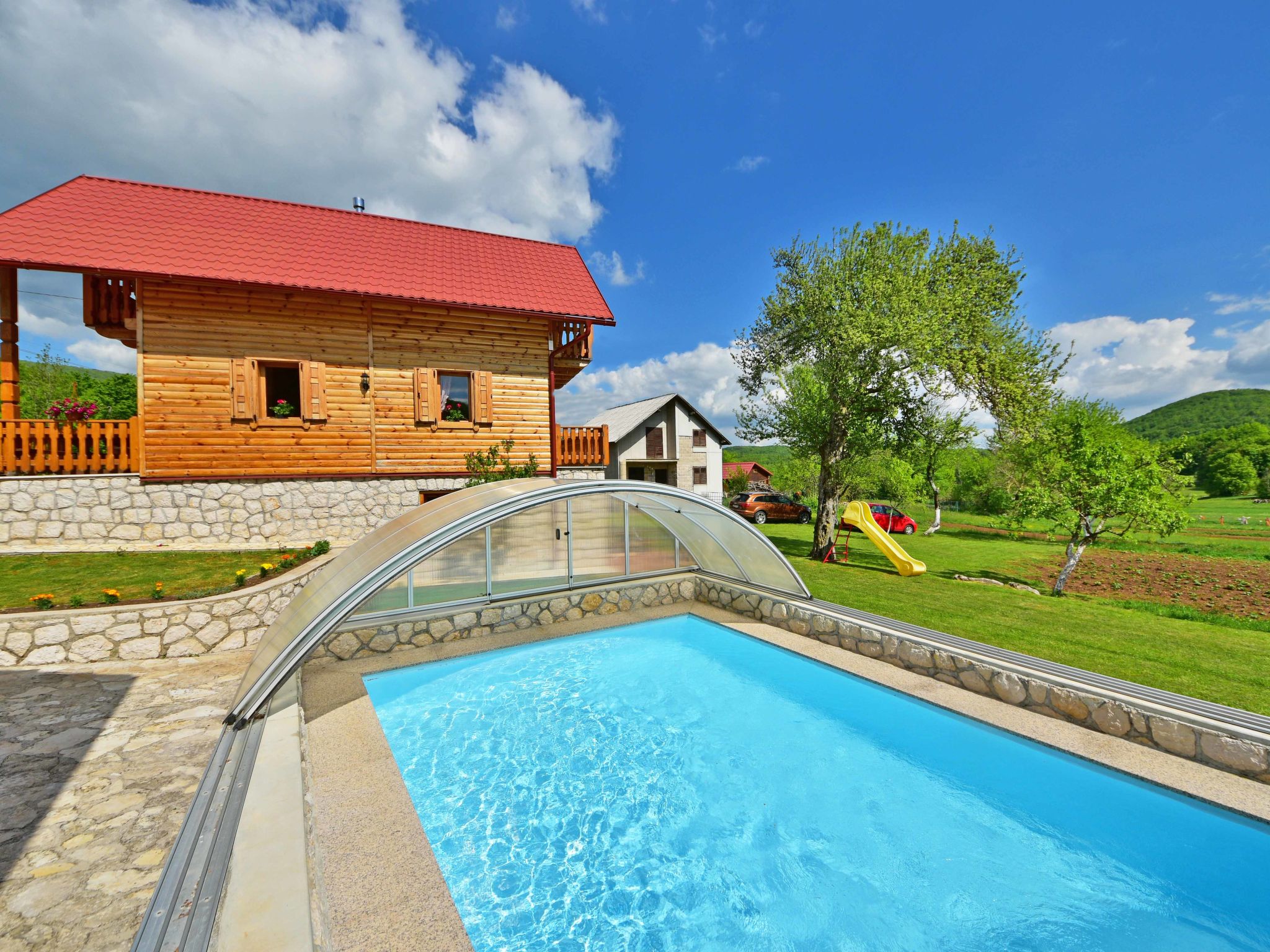
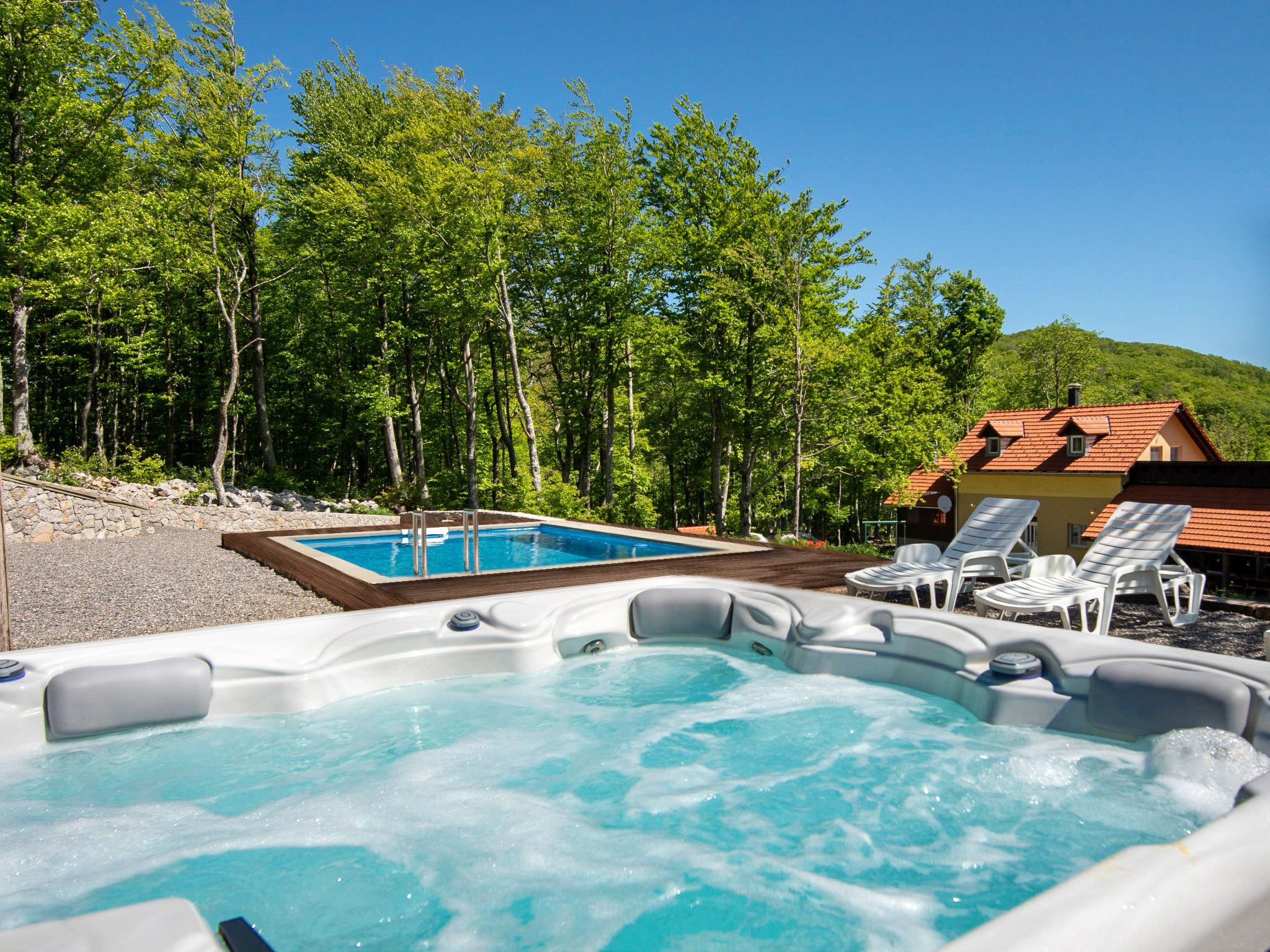
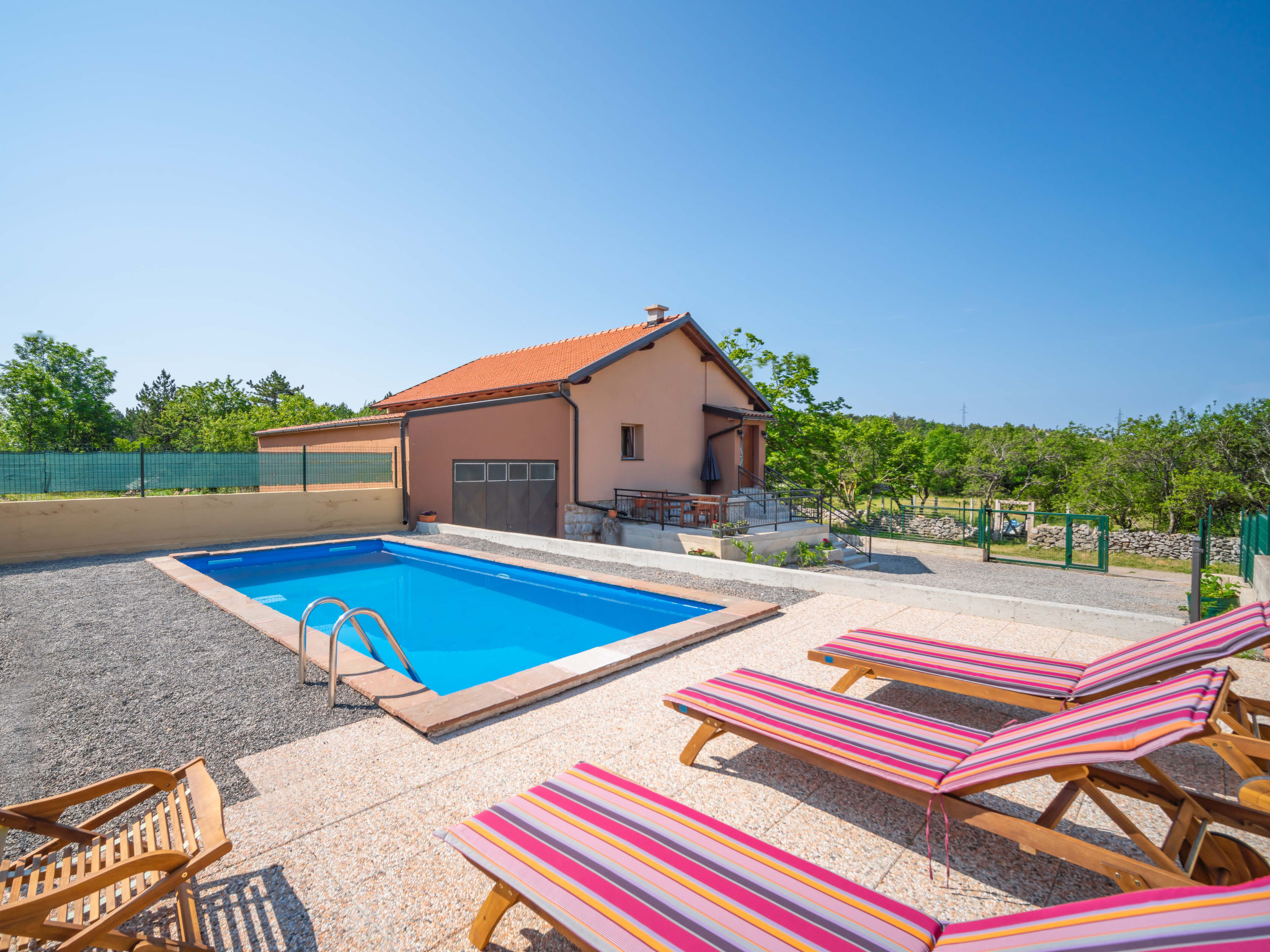
The bura is most common in winter, blows in gusts, and can start suddenly on a clear, calm day, which often disrupts road traffic. Summer is the easier season for swimming. Some homes have a pool and nearly all have air conditioning.
Villas in Senj

4-star property
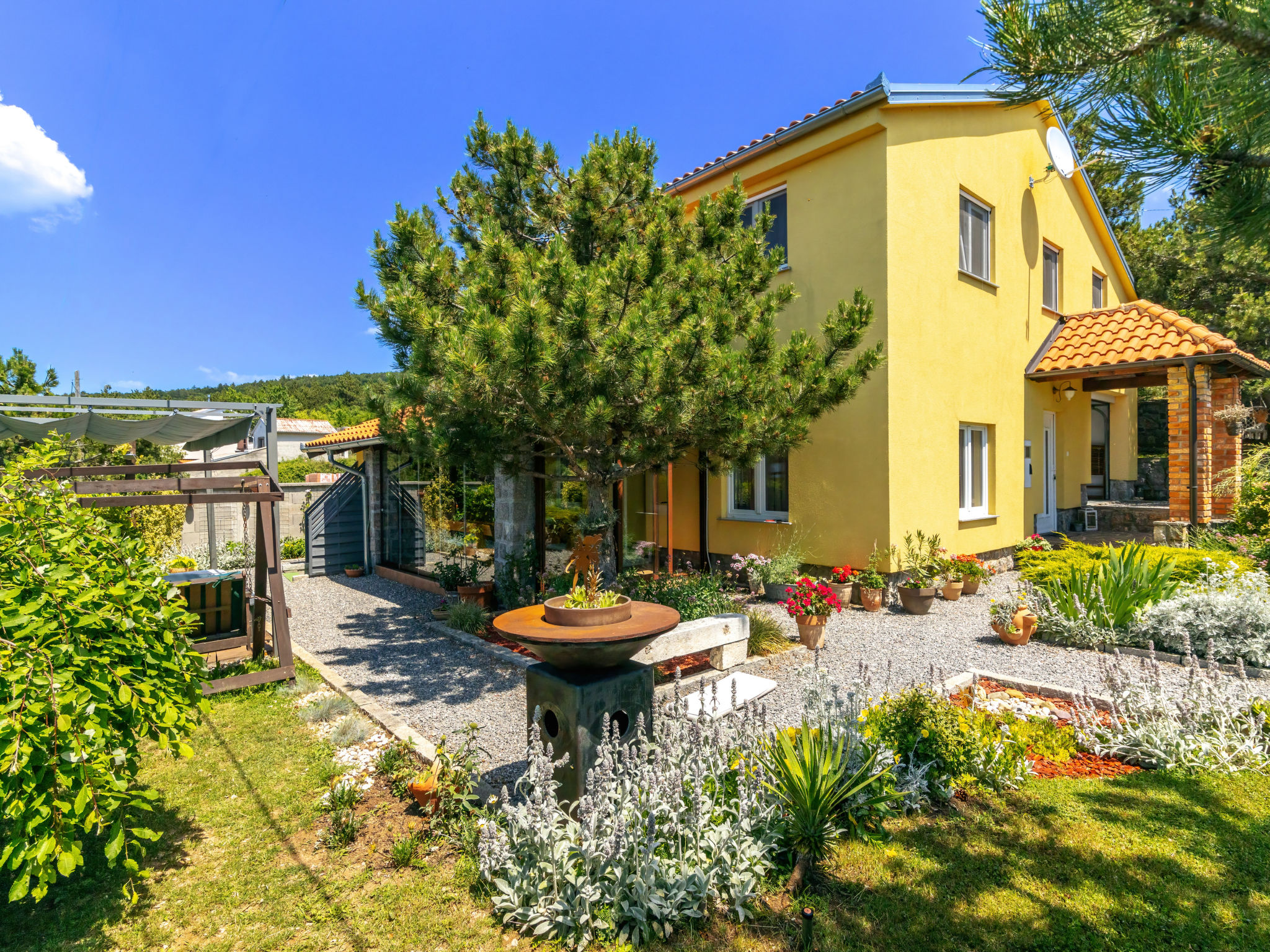
3-star property
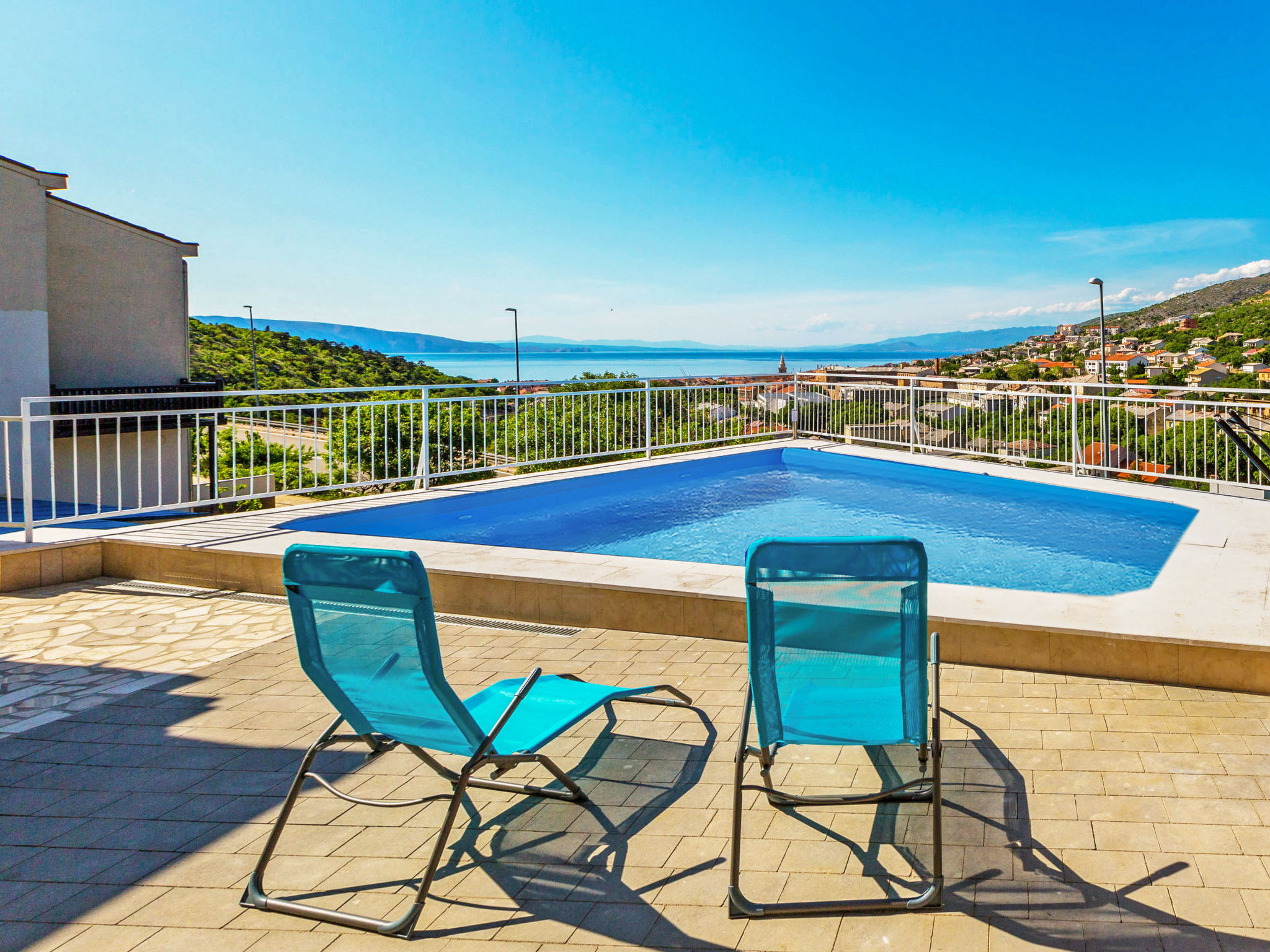
3-star property

3-star property
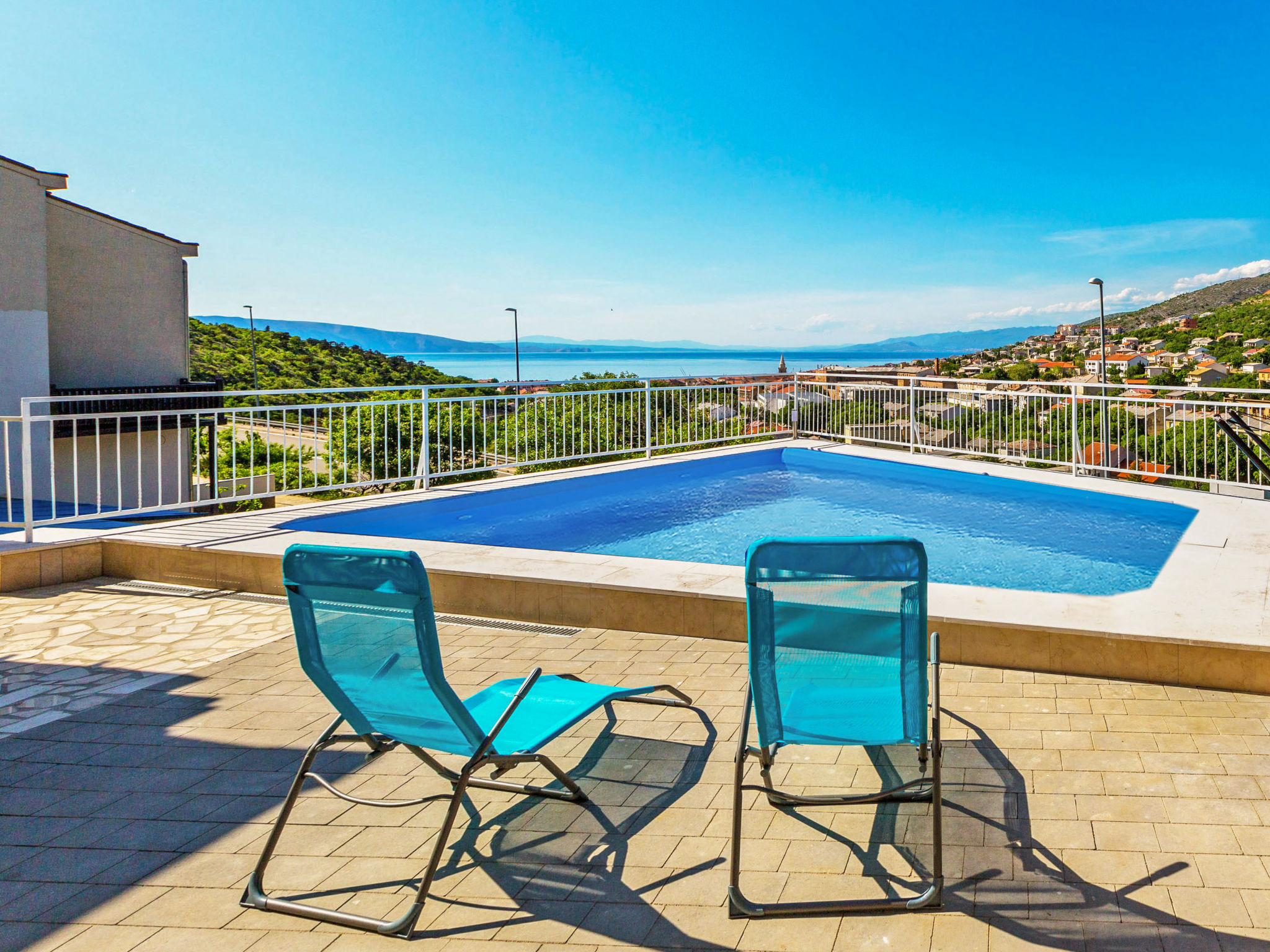
3-star property
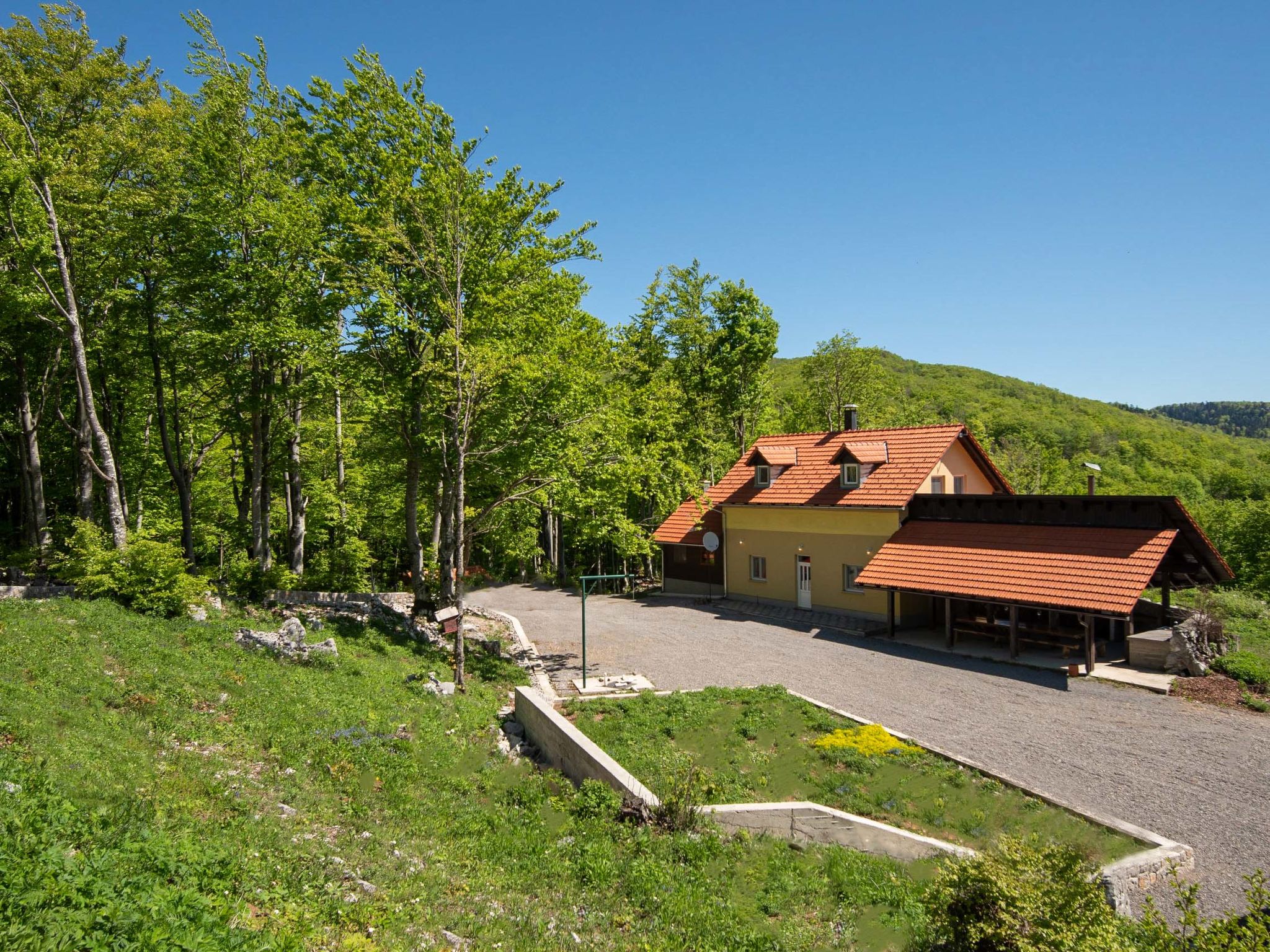
3-star property
3-star property
3-star property
4-star property
3-star property

4-star property
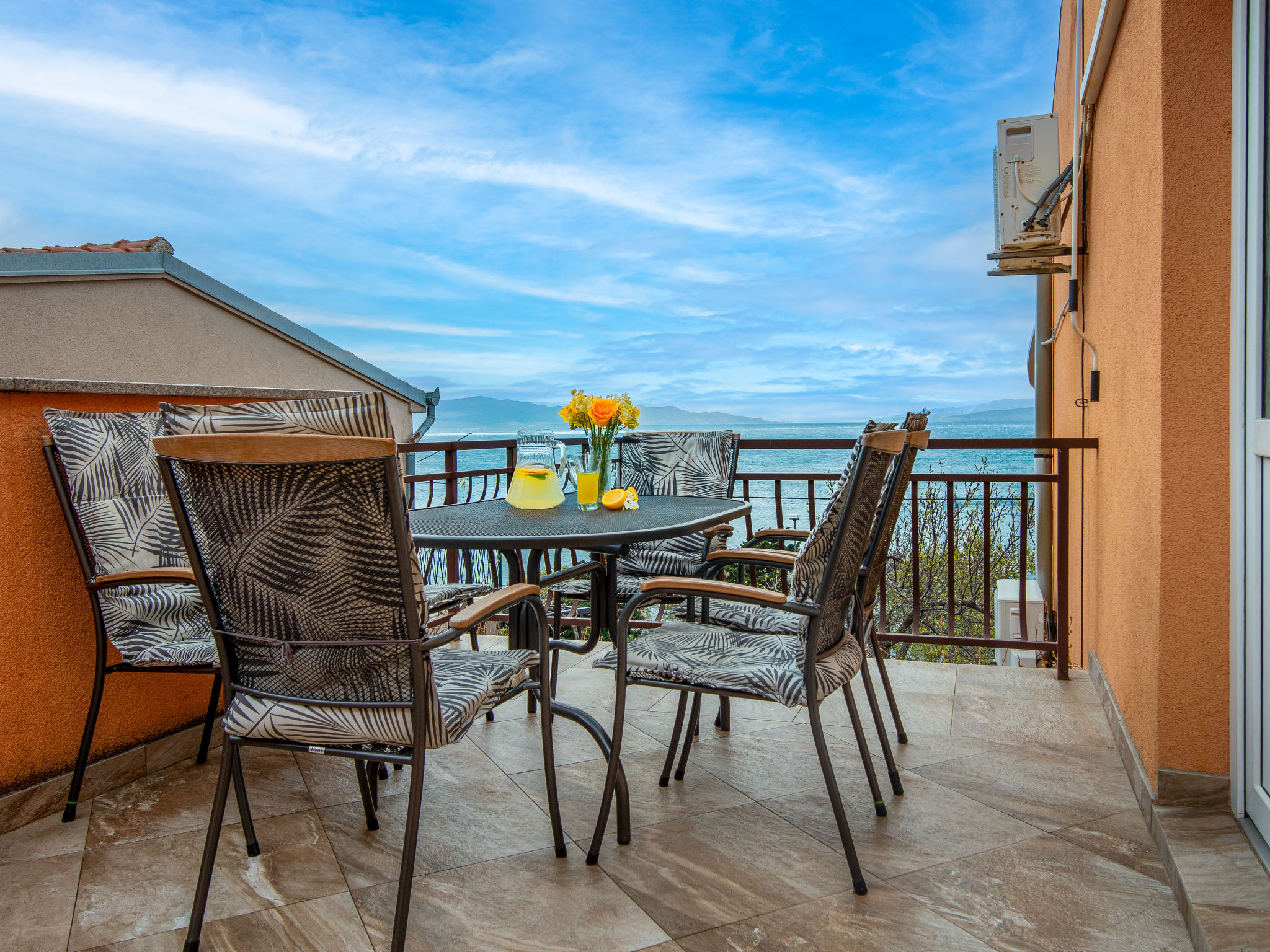
3-star property
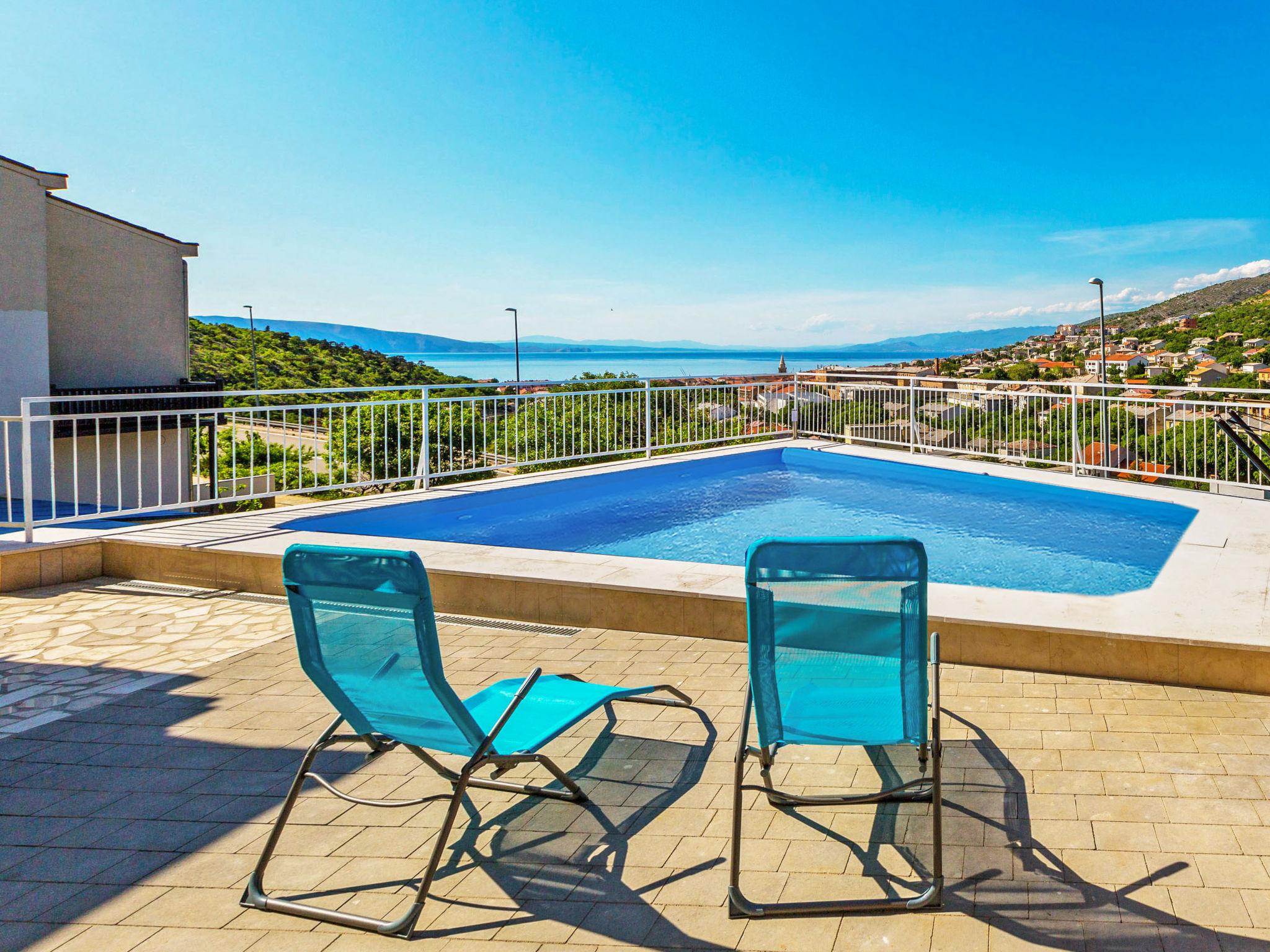
3-star property
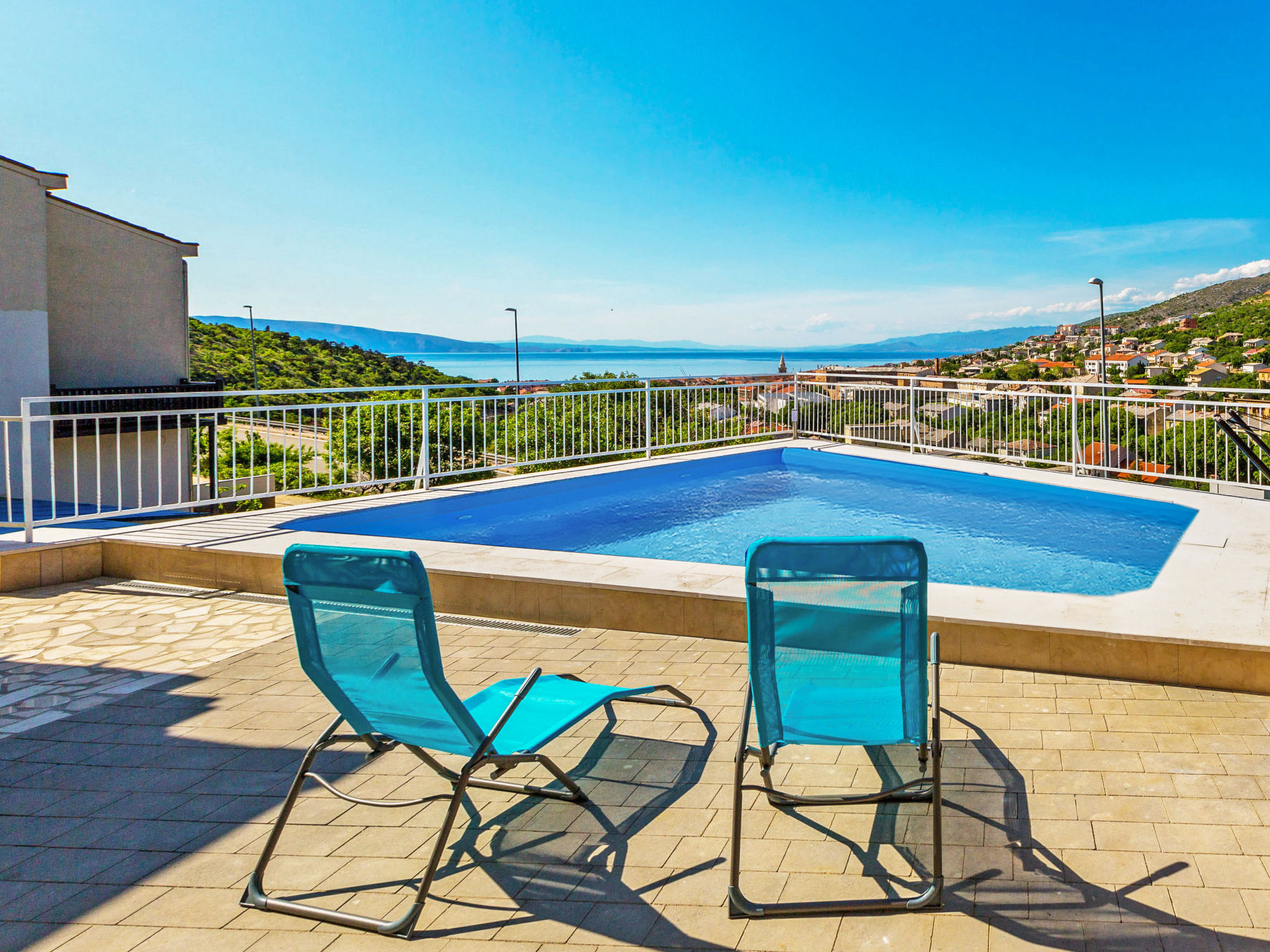
3-star property

5-star property


4-star property


5-star property


Senj villa holidays: questions answered
Which county is Senj in?
Senj is in Lika-Senj County, on Croatia's upper Adriatic coast in the Croatian Littoral. It lies at the foot of the Velebit and Mala Kapela mountains.
How windy is Senj?
Very, at times. The bura is most common in winter, and near Senj gusts can reach about 220 km/h. It can arrive suddenly on a clear day and often disrupts road traffic.
What is Nehaj Fortress in Senj?
It is a fortress on Nehaj hill in Senj, finished in 1558 by Ivan Lenković for the Uskoks. Today it holds a collection of Uskok costumes and weapons, and it has five towers and eleven large cannon openings.
How far is Senj from Rijeka airport?
About 55 minutes by car. A shuttle and bus combination exists, but takes over two hours, so a car is the practical choice.
Does Senj have homes with pools?
A fair share do, though fewer than half. Gardens are scarce, and homes are scattered over a stretch of around eight kilometres, so check each listing.
Nearby towns to Senj
Written by the TrustedVillas team. Last reviewed October 2026.
Find Your Perfect Villa in Senj
Our villa experts are here to help you find the ideal property for your vacation. Contact us for personalized recommendations.