Kvarner: Mountains Meet Adriatic, Minus the Crowds
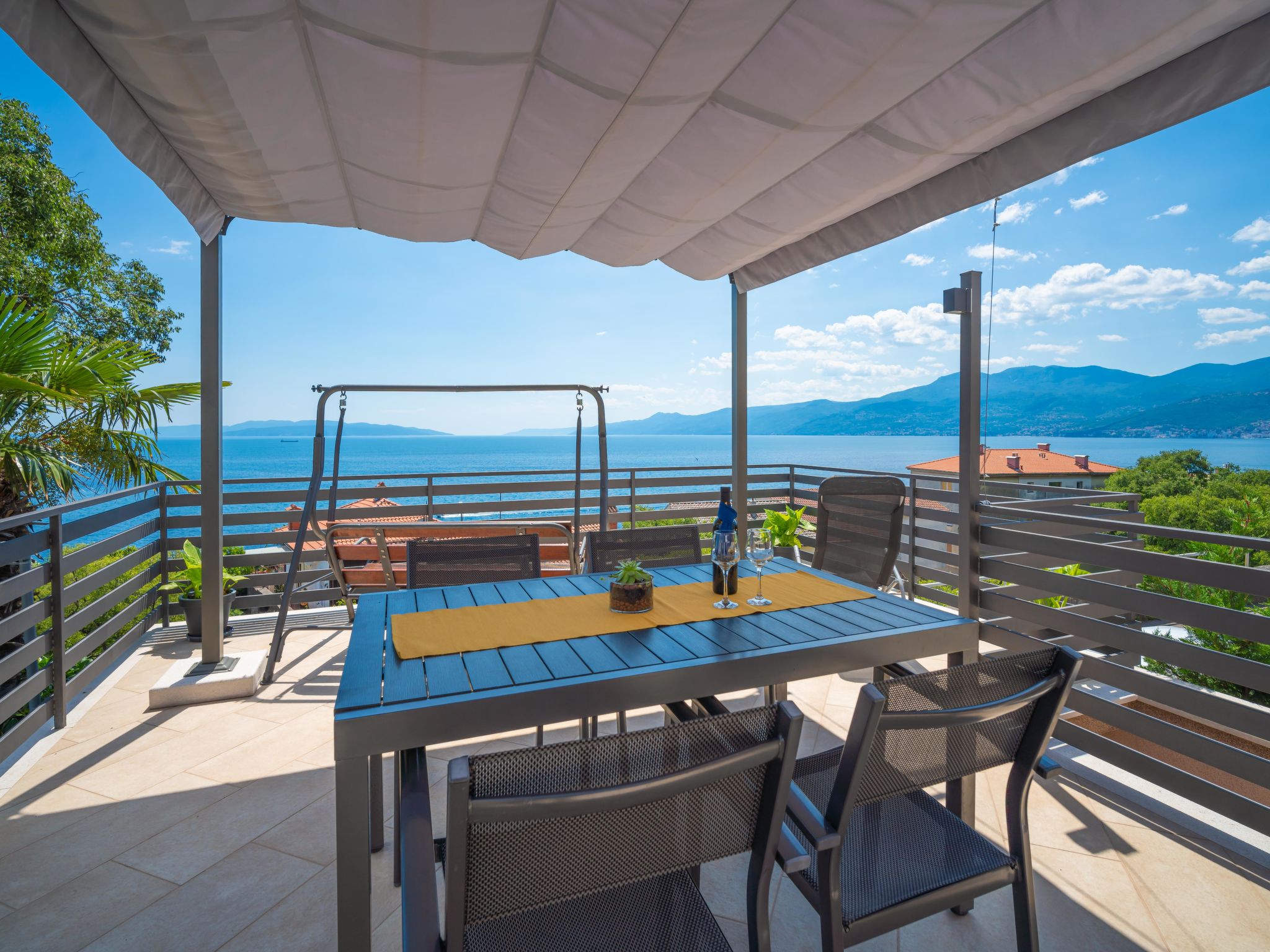
Kvarner sits at a geographical sweet spot. Look up and you see the Velebit Mountain behind the coast—dramatic limestone formations rising steeply. Look down and you're feet from the Adriatic. It's the reason Opatija became a grand Habsburg resort in the 1800s—they understood that this combination of sea, shade and cool air was rare and precious. What makes Kvarner work now is that it hasn't fully followed Dubrovnik and Split into the tourism machine. You get good infrastructure—good hotels, reliable restaurants, easy road access from Vienna and Budapest. But you don't lose the sense that locals run the show. The islands are less Instagram-famous than their Central Dalmatian equivalents, which is entirely to their advantage. They're quieter, more forested, and feel more lived-in than destination-like. Opatija's belle-époque architecture is genuinely impressive without the crowds you'd encounter in more famous resort towns.
What Makes Kvarner Special
- Opatija's seafront promenade (Lungomare): 12km of coastal path lined with belle-époque villas, parks and sea views. It's genuinely special. Built in the 1890s and still the best walk of any Croatian coast town. The path is wide, tree-lined, studded with cafés and gazebos.
- The islands have real character: Krk, Rab and Cres aren't party islands. Krk has intact medieval towns and is large enough to feel like a destination. Rab's Old Town is unexpectedly elegant with four bell towers dominating the skyline.
- The mountain backdrop: The Velebit creates microclimates and visual drama. Opatija is always slightly cooler than exposed coasts. The views inland are properly dramatic and make the coast feel less flat and featureless.
- Mix of experiences without rushing: Beach time, medieval towns, island ferries, mountain walks, good food, Austrian architectural heritage. You get range without needing to drive hours between them.
- Older tourist infrastructure: This means better restaurants, more reliable services and less of the "new money" restaurant culture that sometimes dominates newer coastal destinations. There's genuine maturity to how the region functions.
Top Towns & Resorts in Kvarner
Opatija
The jewel of Kvarner. Opatija was built as a Habsburg resort for wealthy Central Europeans and it still shows. The belle-époque villas are meticulously kept, the seafront is lined with palms and pines. The Lungomare, the coastal promenade, runs for 12km and is genuinely beautiful. Wide, tree-lined, studded with hotels and gazebos. Behind it, the old town is compact and medieval. The town feels most alive in April-May and September-October when the weather is good but it's not heaving with families. Restaurants are solid and reliable. The vibe is more mature and settled than young and party-focused.
Honest note: Opatija is expensive. Hotels and restaurants run higher than anywhere else in Kvarner. Parking is tight in the centre and paid. In winter, it can feel very quiet and some facilities close. The beach situation is limited. Mostly pebbled coves and rocky entries rather than sandy beaches.
Krk (Island & Town)
Krk is Croatia's largest island and properly worth time. The main town has a compact medieval centre with a fine cathedral and Venetian-era buildings. Beyond the town, the island has beaches (Baška has a long pebble beach), villages with local wine traditions, and enough size to explore for several days. Krk Bridge connects it to the mainland, which means you don't need a ferry. The island has real infrastructure, diverse dining, and a more local feel than Rab.
Honest note: Being bridged to the mainland means more traffic during summer. Tourist crowds and water sports crowds can make the main beaches chaotic. Baška beach in July-August is noticeably busy with families.
Rab (Island & Town)
Rab Town is unexpectedly beautiful. A compact medieval old town with four bell towers dominating the skyline, a cathedral of architectural substance, and winding stone streets opening onto waterfront cafés. The island is hilly and less developed than Krk, with good walking, quiet beaches on the north coast (Lopar), and good water clarity. You need a ferry to get here (15 minutes), which keeps the daytrippers down. If Opatija feels refined and Krk feels practical, Rab feels artistic. There's a creative community and a different atmosphere.
Honest note: Ferries can get cancelled in bad weather. Rab gets very quiet in winter with many restaurants shutting. The ferry dependency means less flexibility. Beaches are mostly pebbled.
Cres (Island & Town)
Cres is long, narrow and quiet. More forested and less touristed than Krk or Rab. The main town is a simple medieval settlement on a sheltered bay with a castle ruin, marina and good restaurants. Cres is known for its griffon vulture colony, cycling routes and maritime traditions. It appeals to people who want island peace without entertainment pressure.
Honest note: Cres is sparse on infrastructure. Restaurants are fewer and less polished. The landscape is scrubby in places. Ferry timetables can limit flexibility. Accommodation is limited; booking ahead is essential.
Rijeka & Coastal Towns
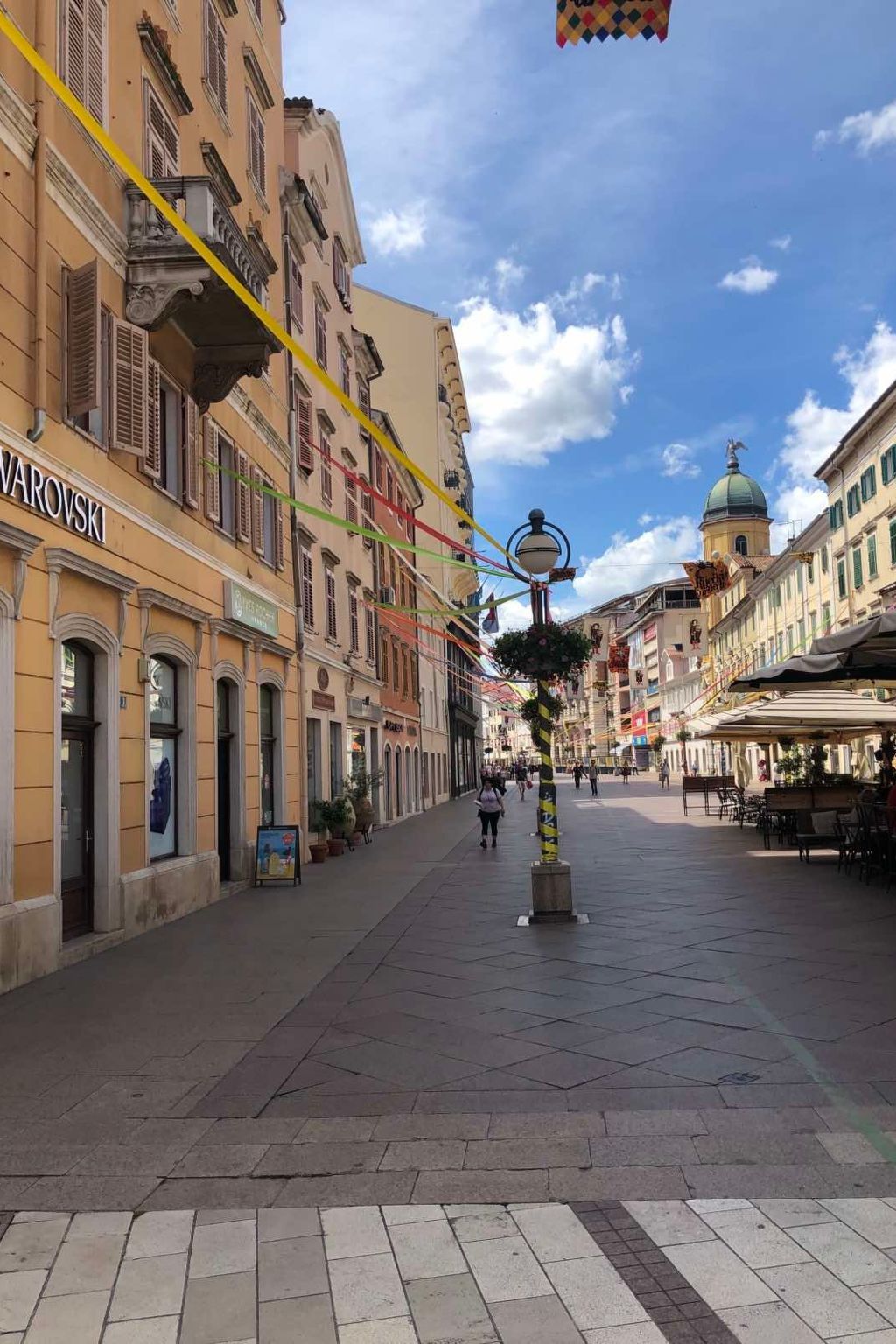
Rijeka is the Kvarner's largest city and a transport hub, but it's industrial rather than touristic. That said, it has good museums, local restaurants, and genuine urban energy. Along the coast near Rijeka are smaller towns like Lovran (quieter, more local) and Volosko (a tiny fishing village that became fashionable for restaurants). These give you coast without Opatija's gloss or expense.
Honest note: Rijeka's port and industrial zones aren't pretty. The charm is real but requires looking past the functional city parts. Parking in Rijeka is a hassle.