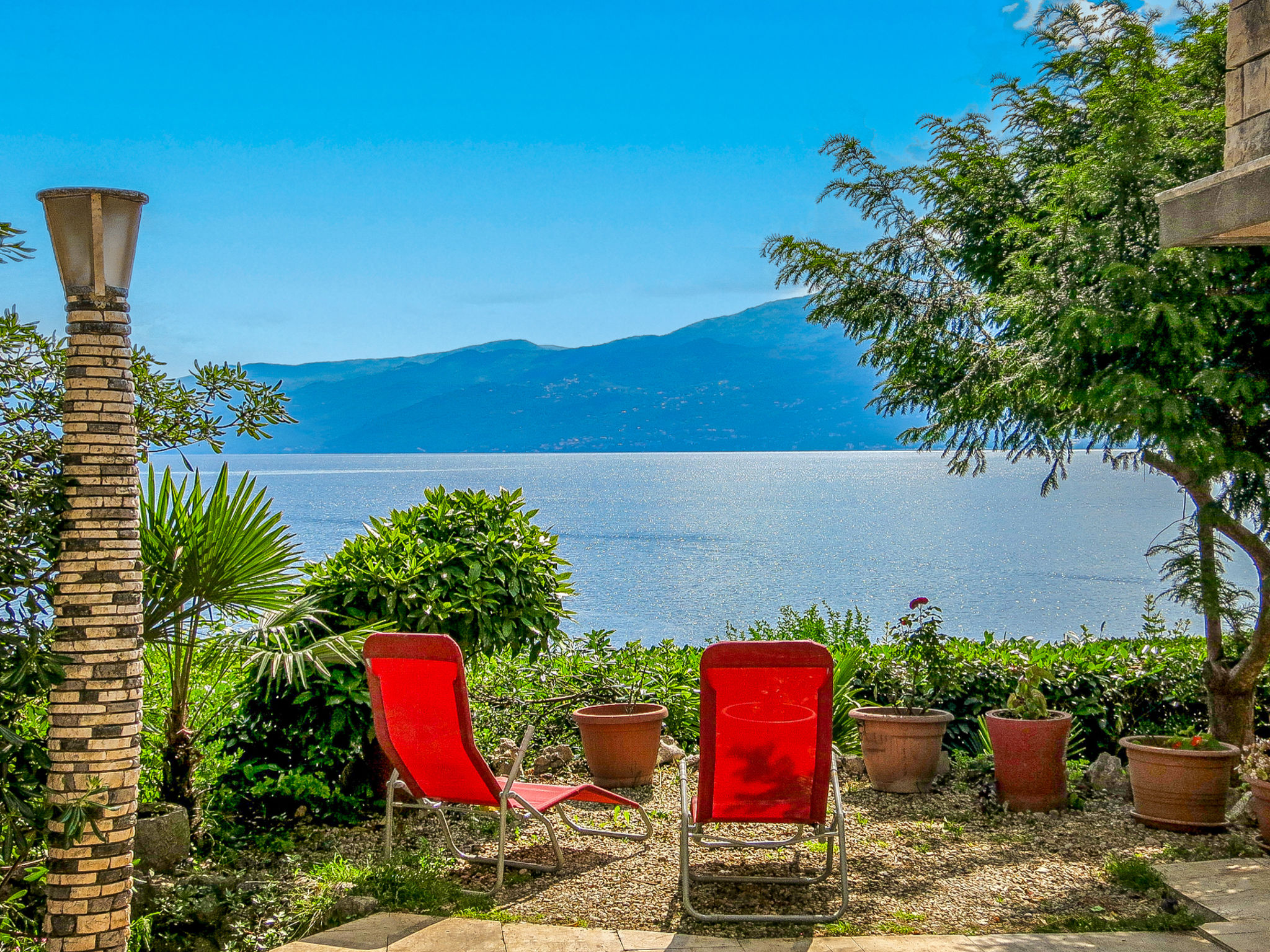
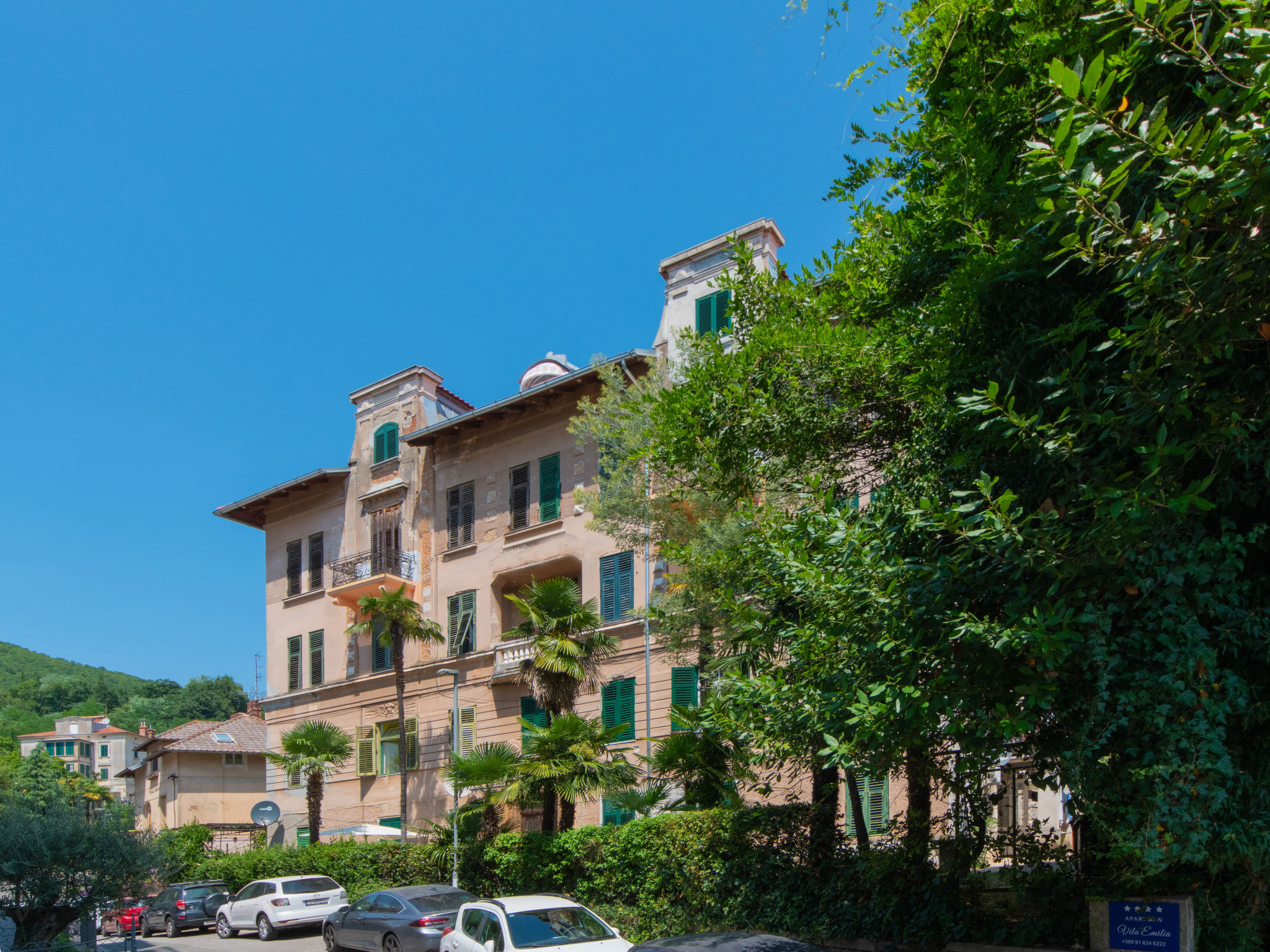
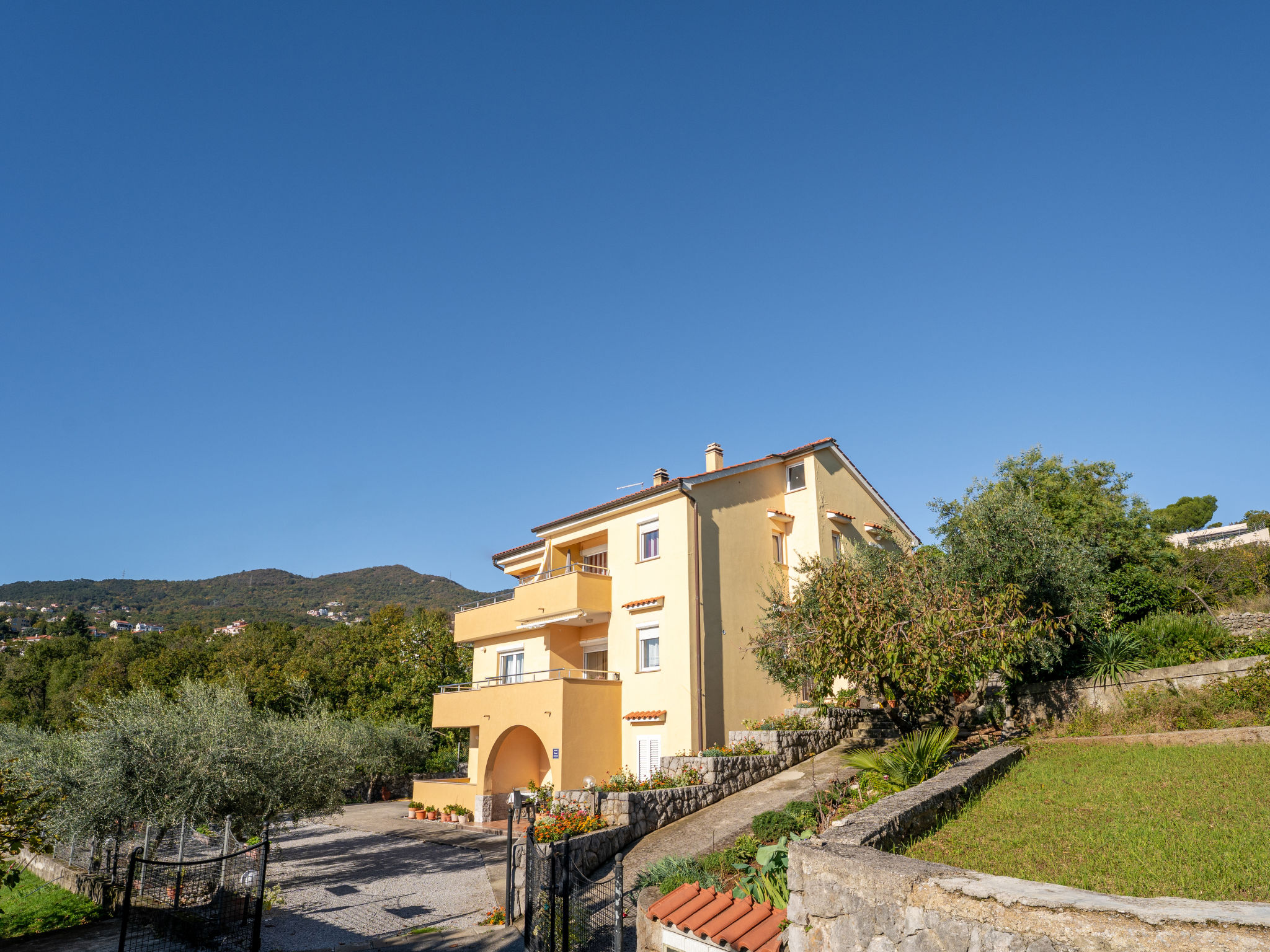
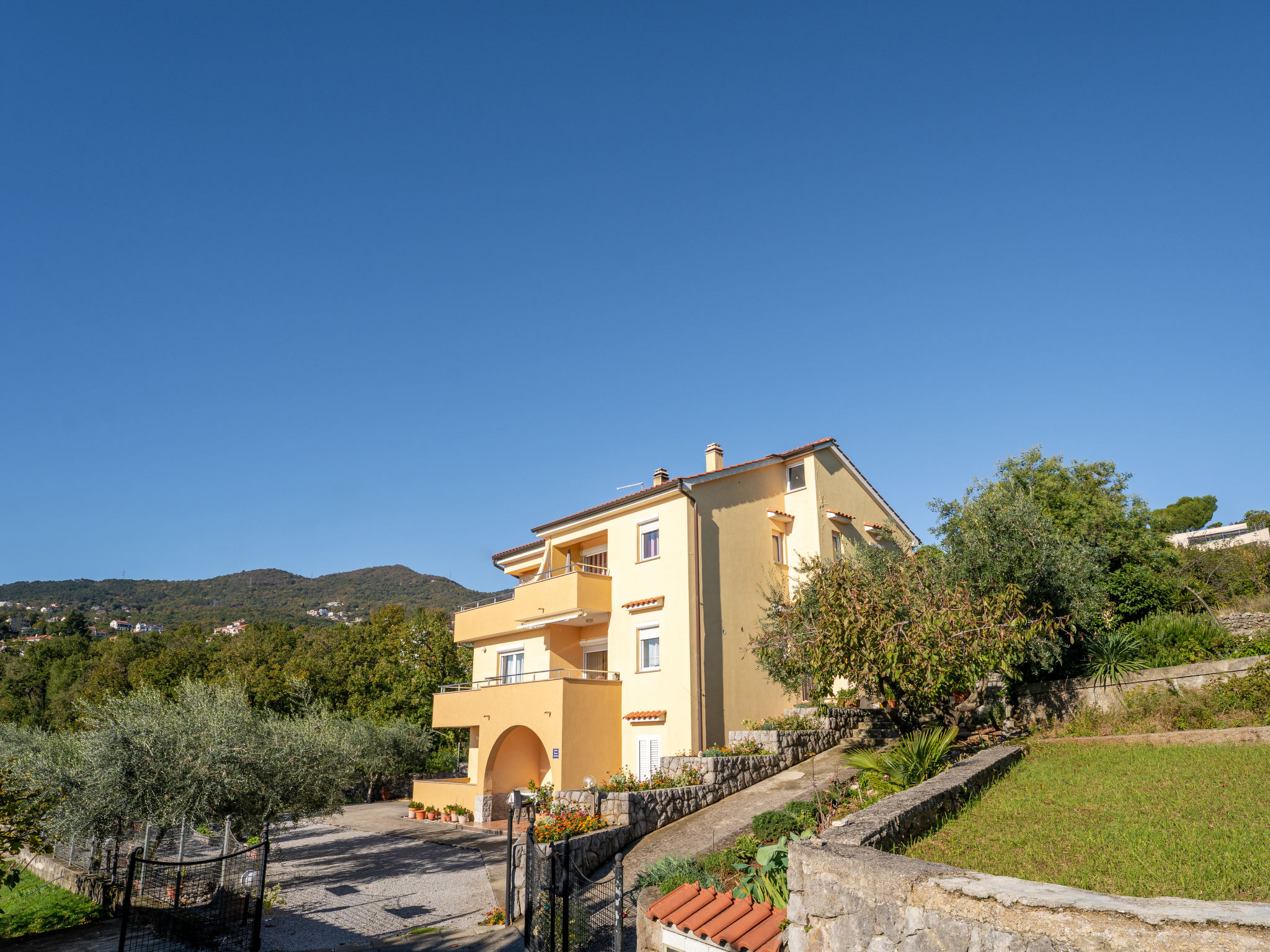
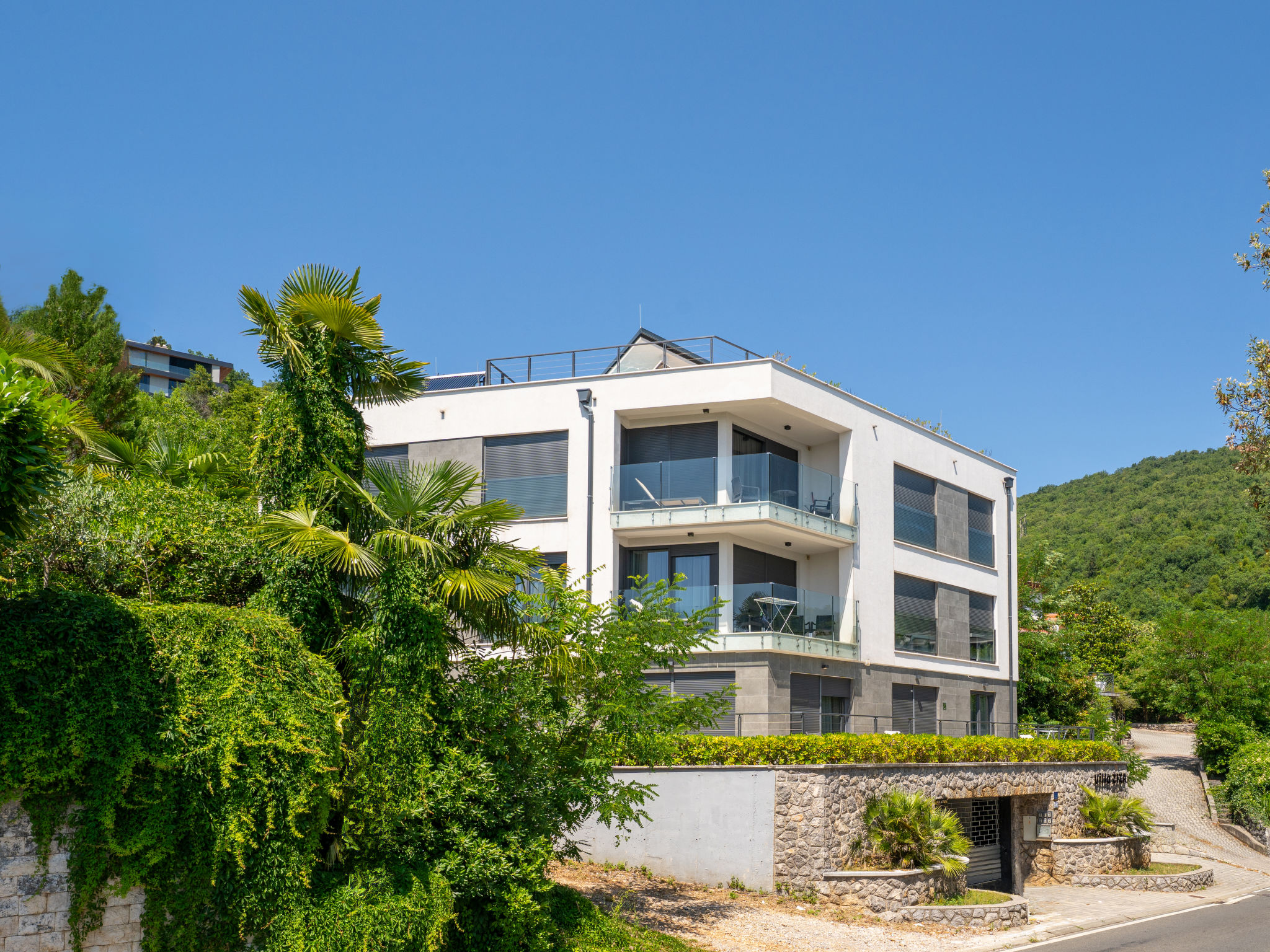
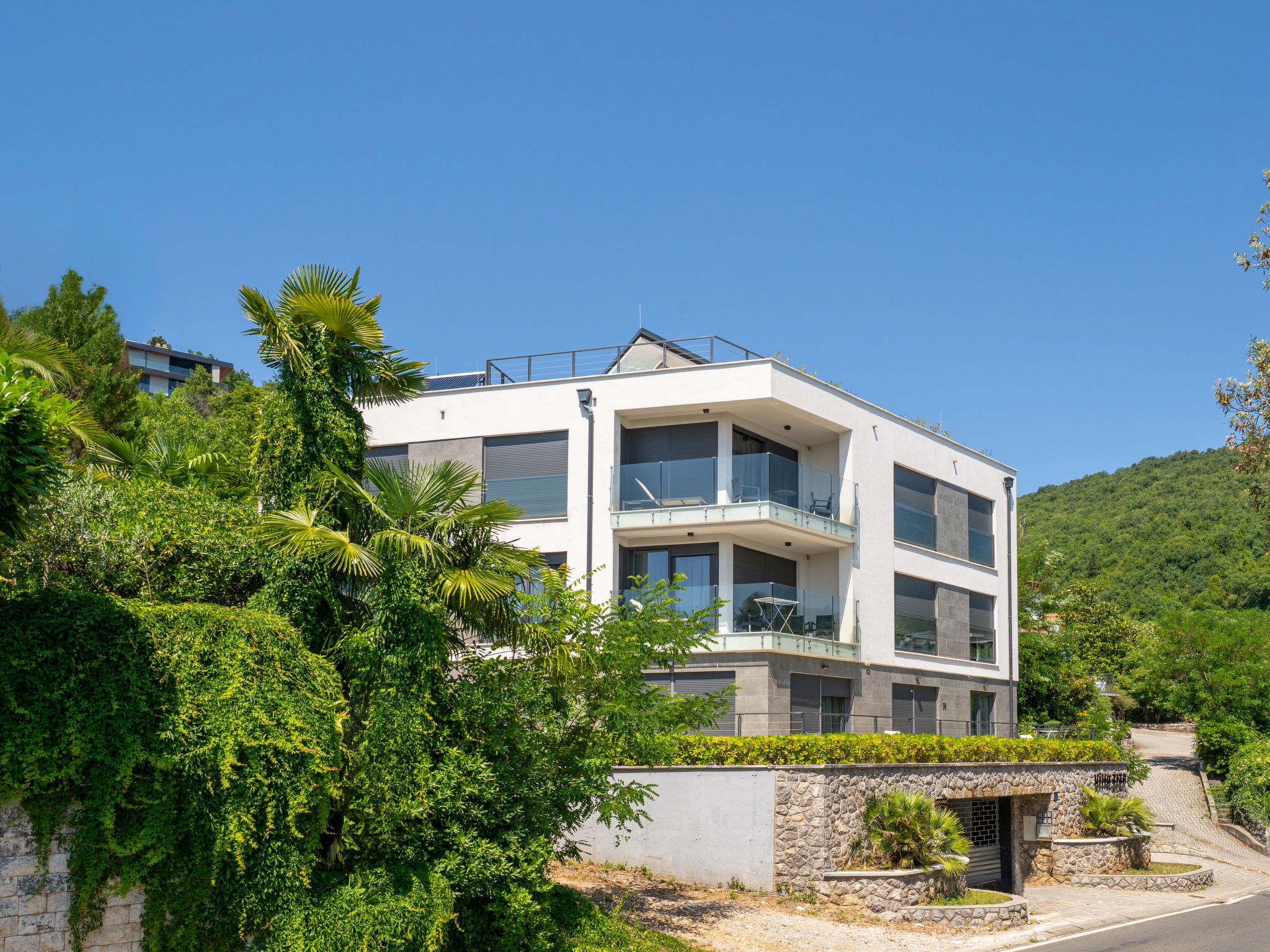
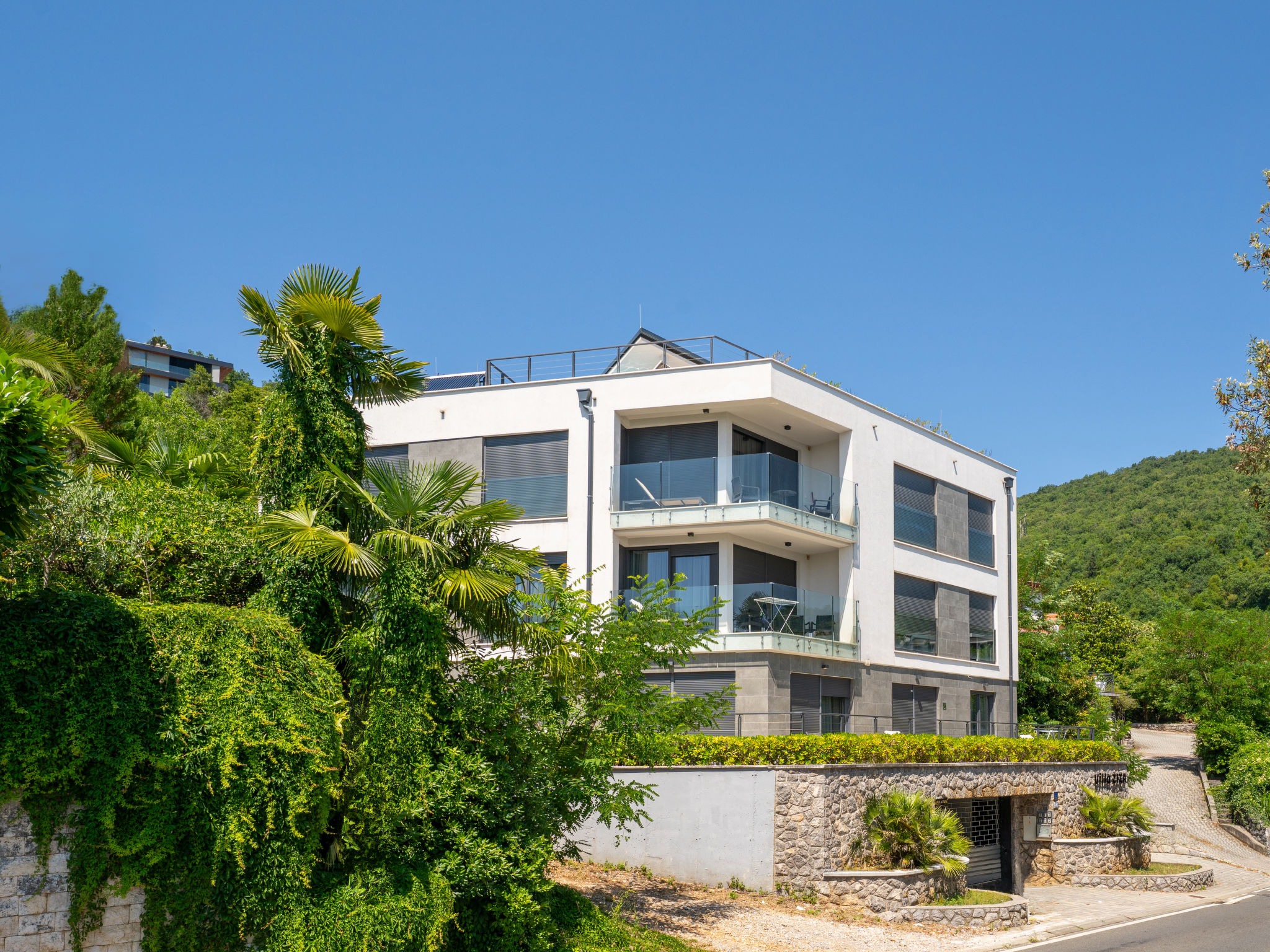
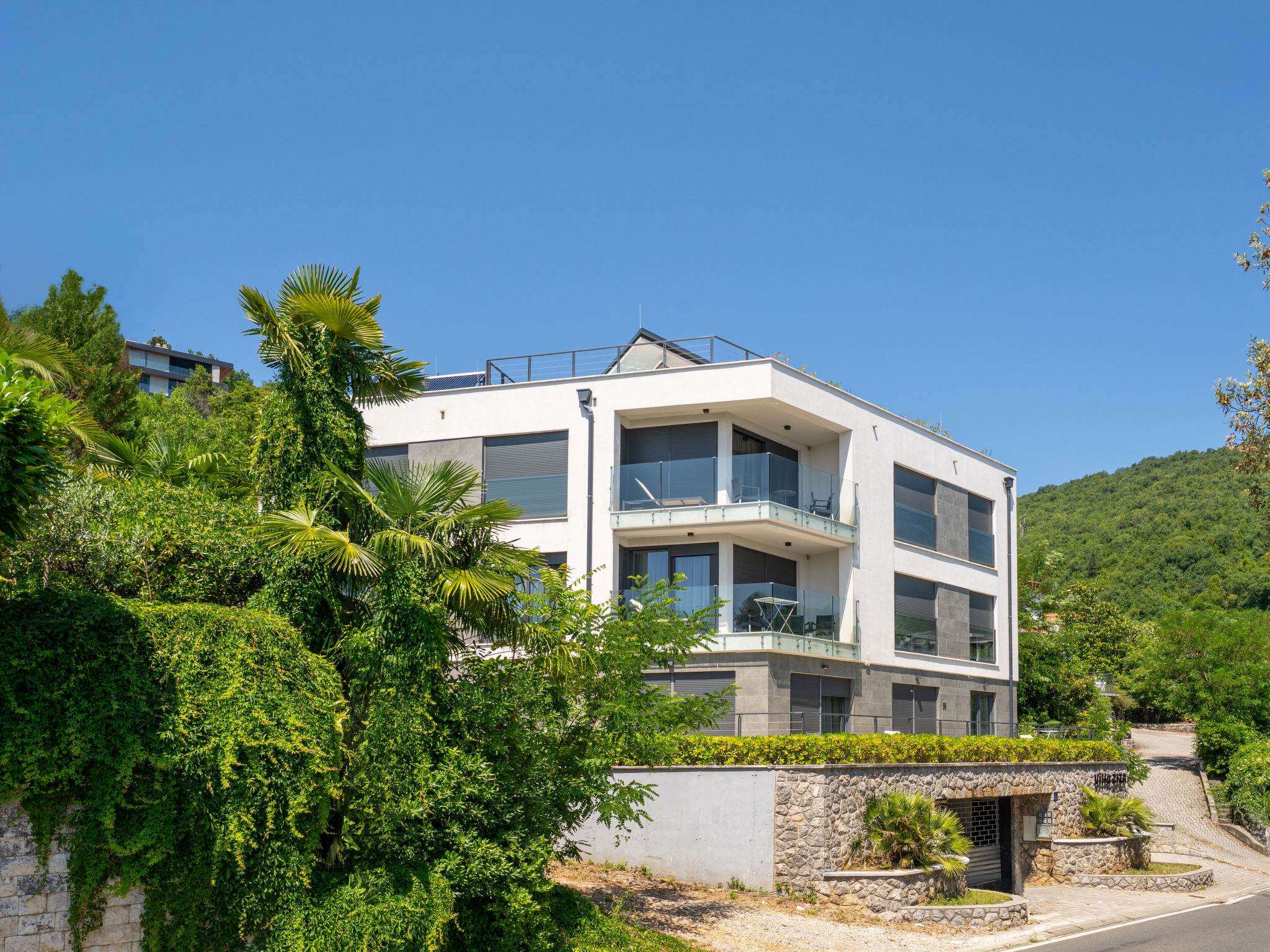
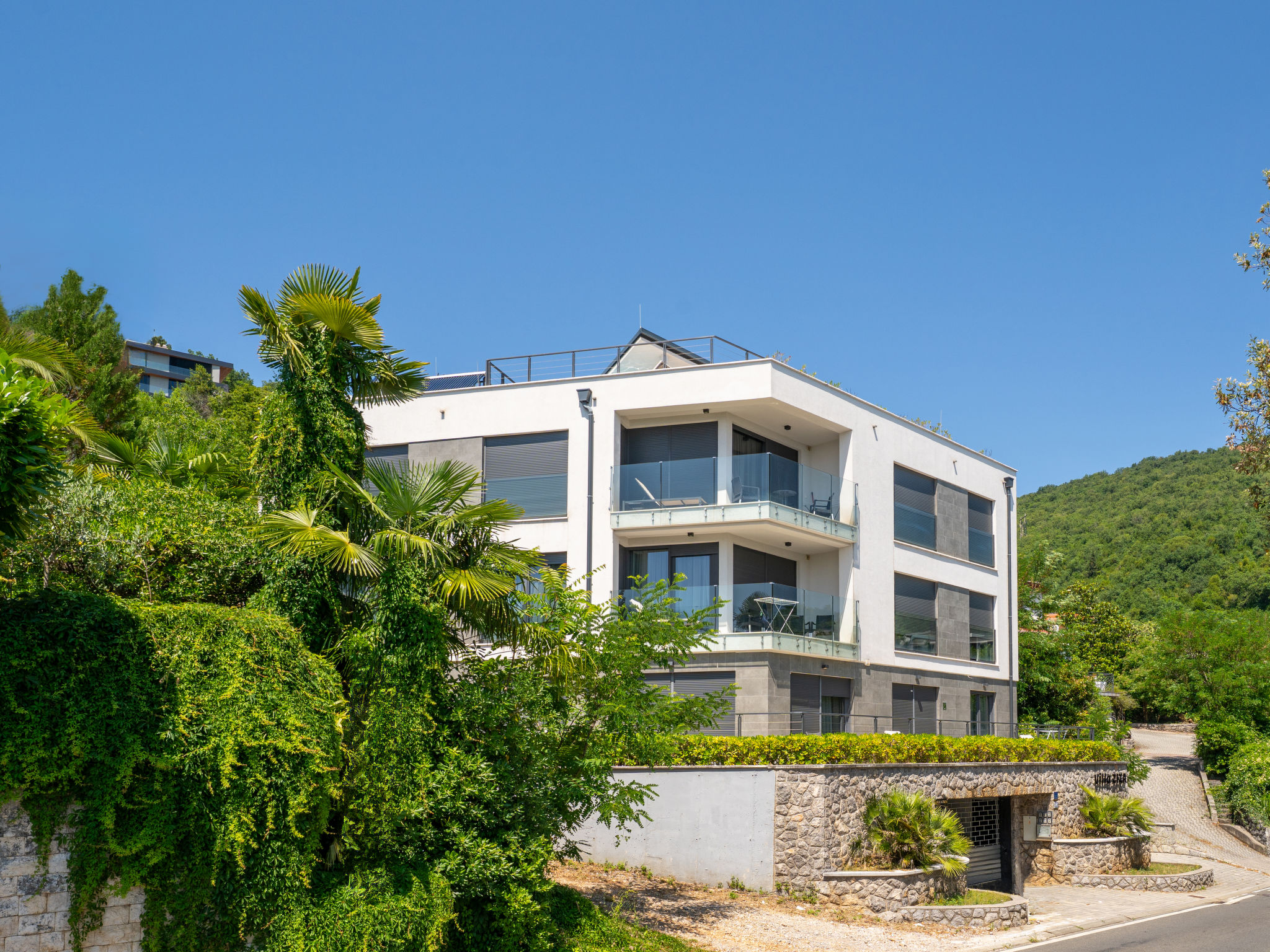
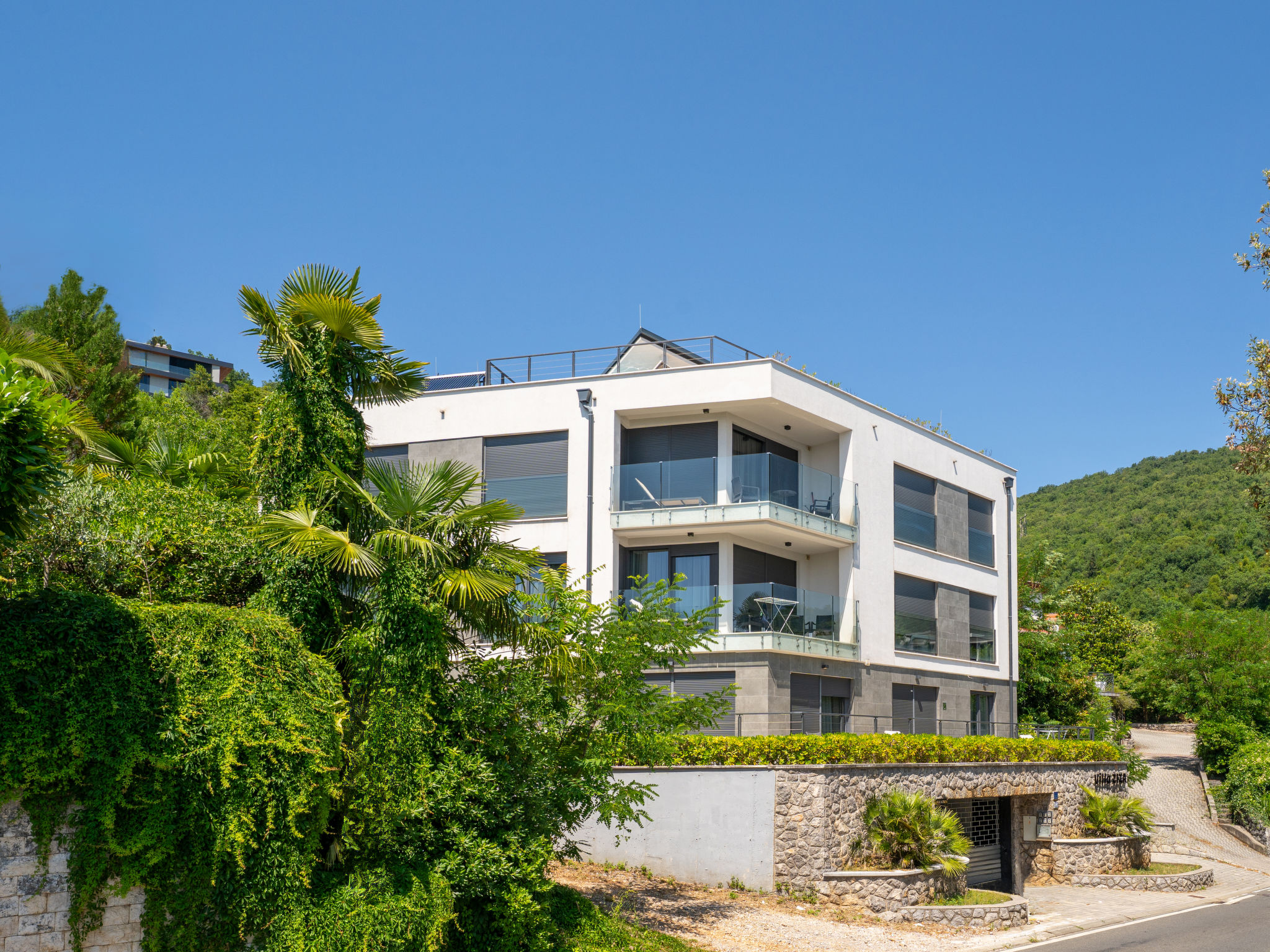
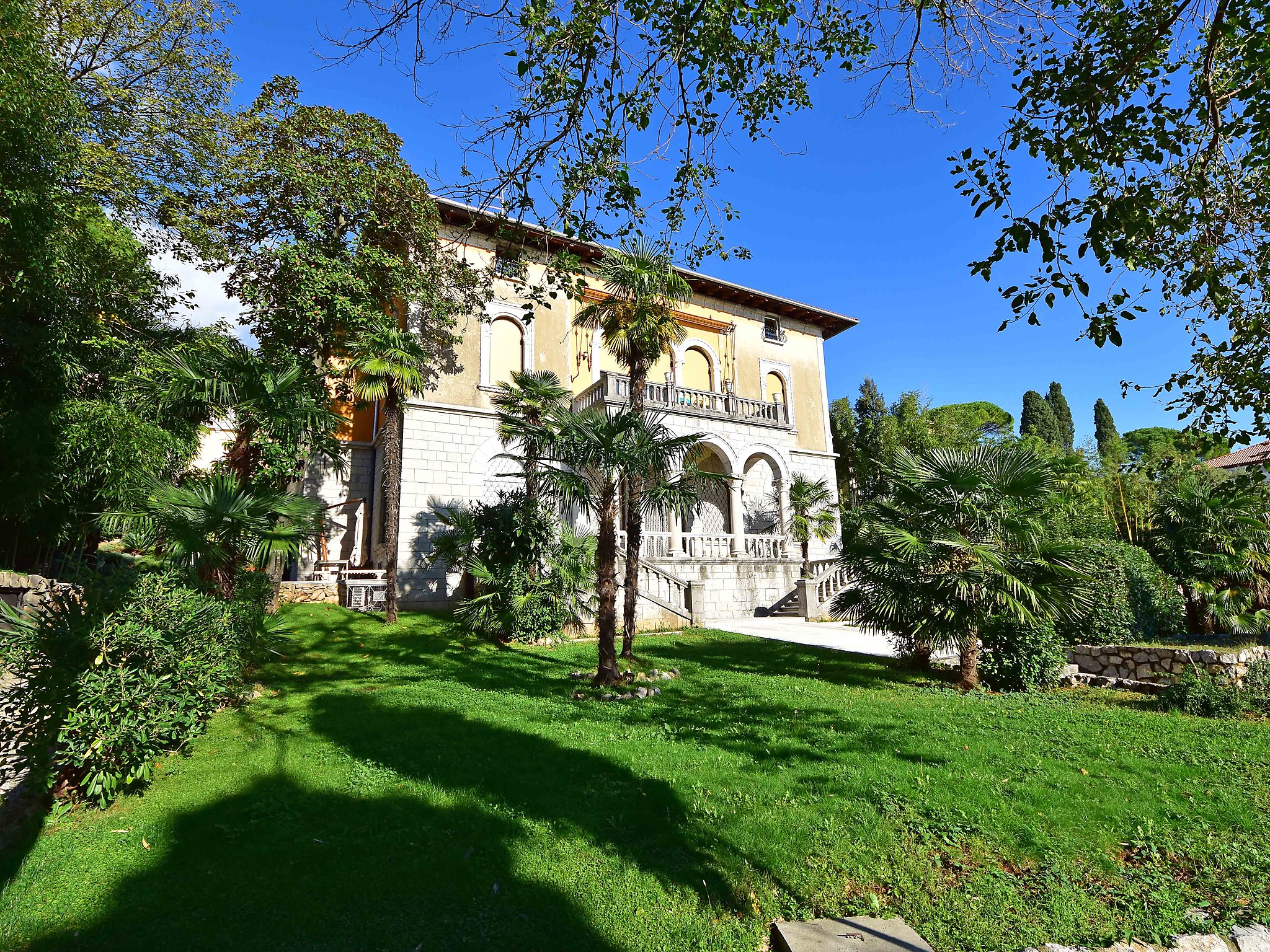
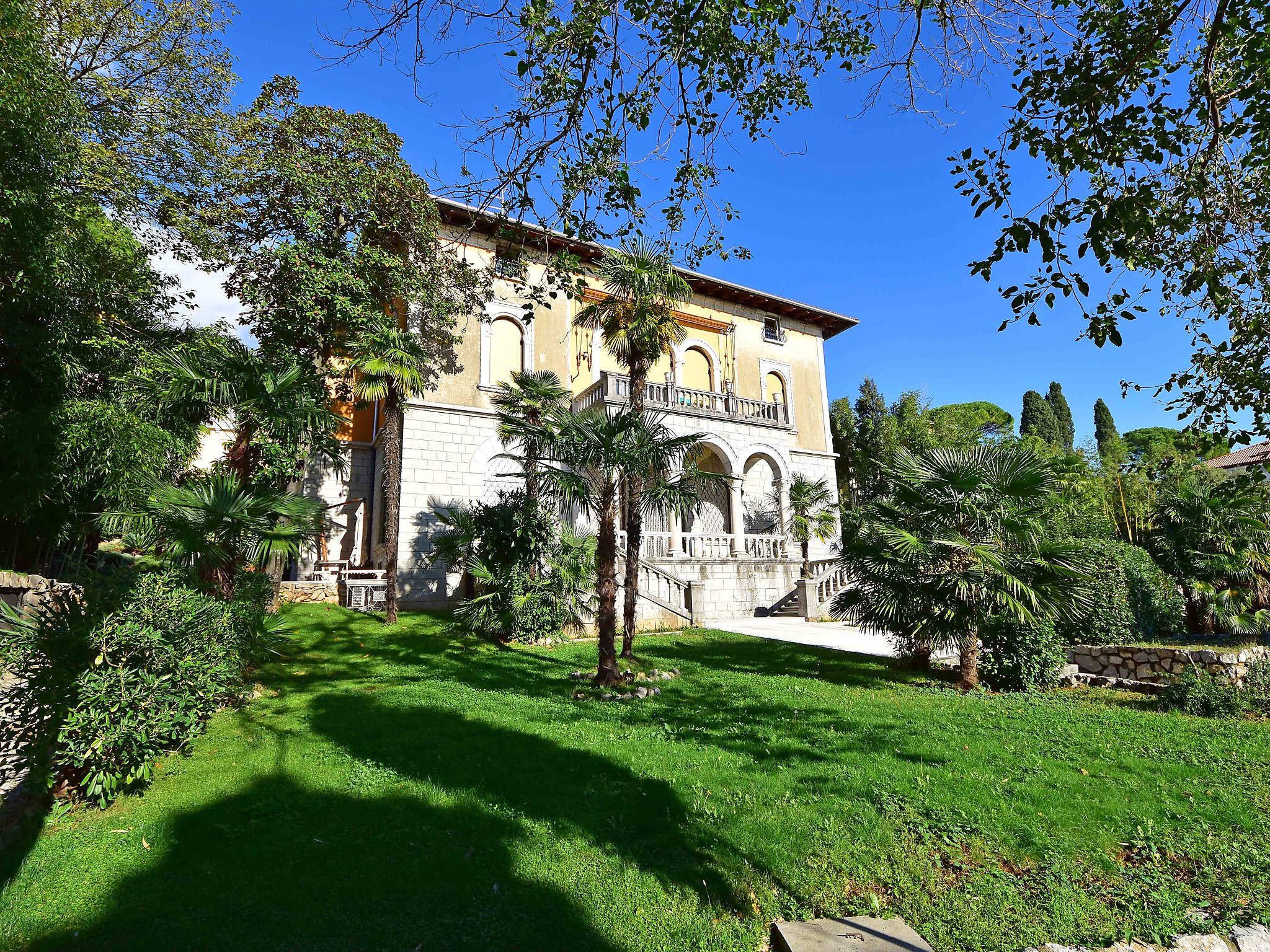
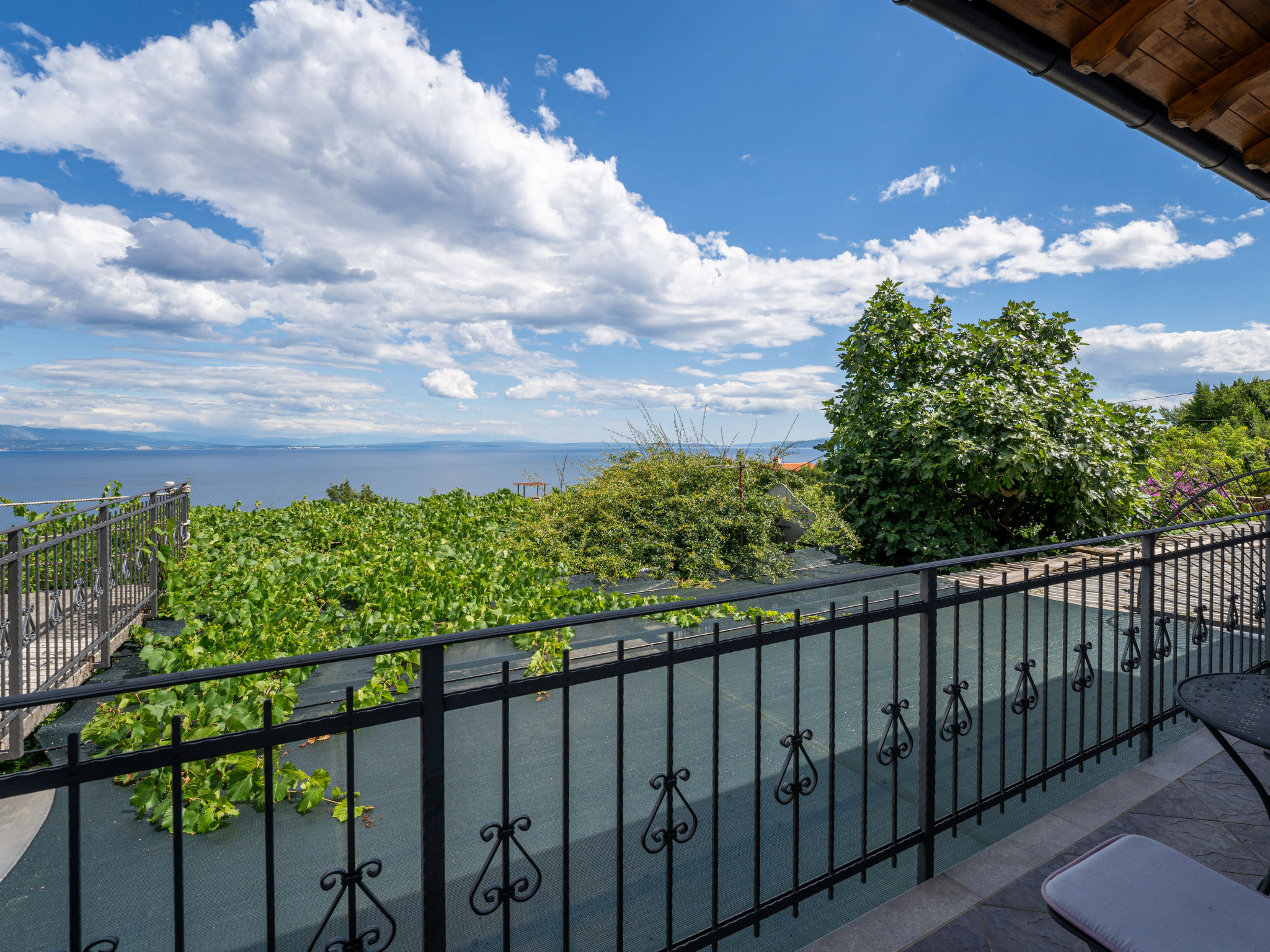
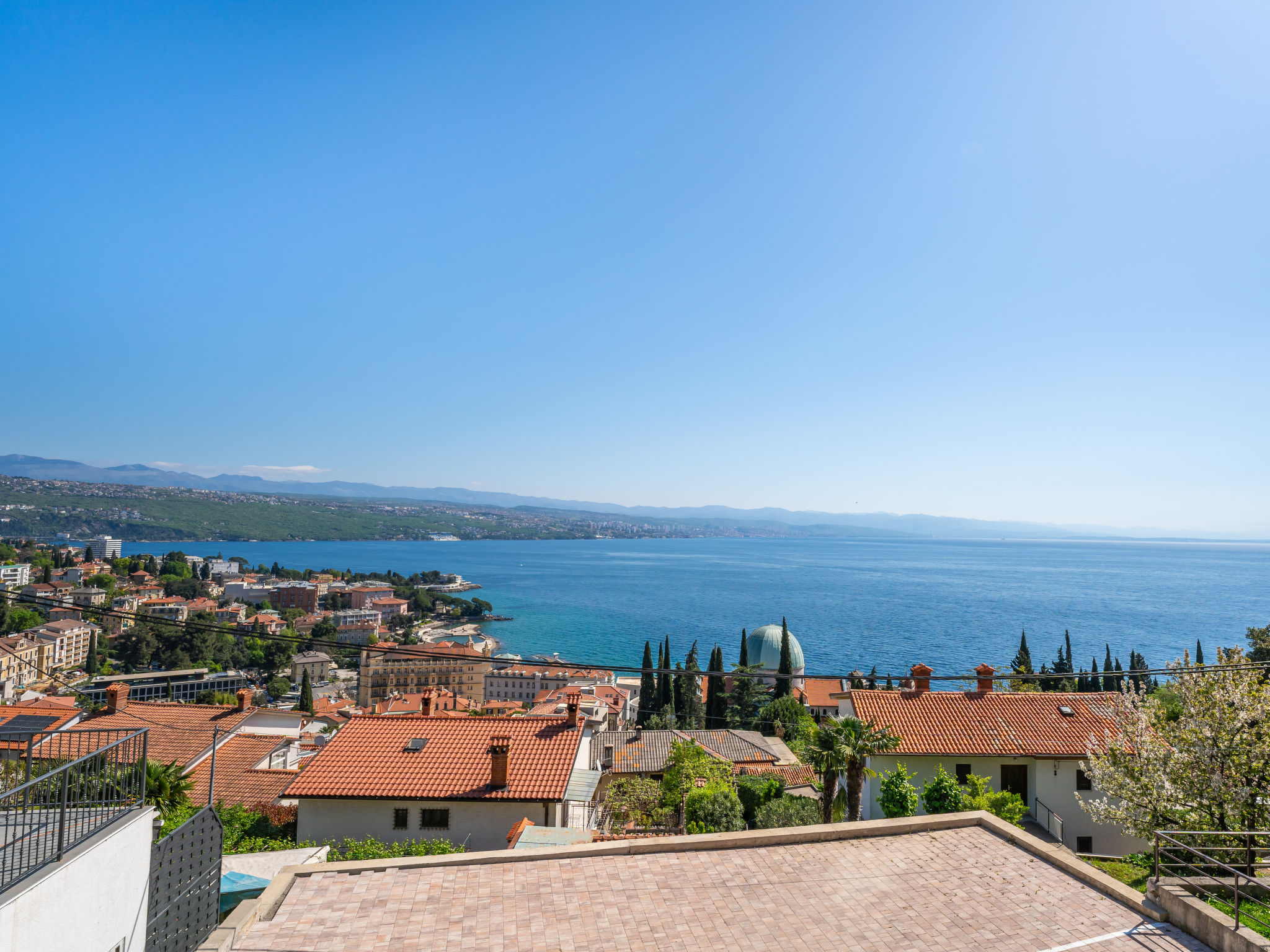
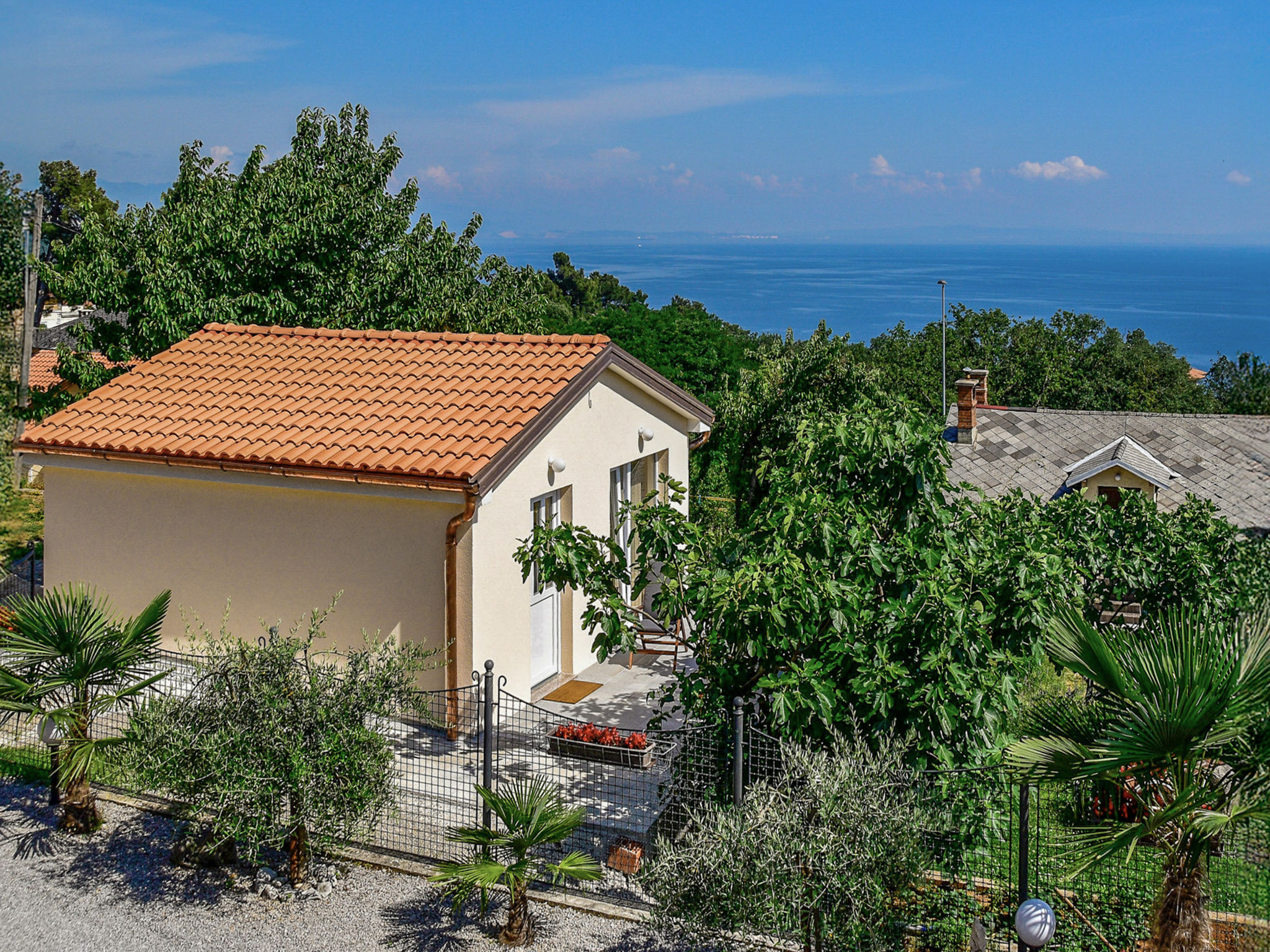
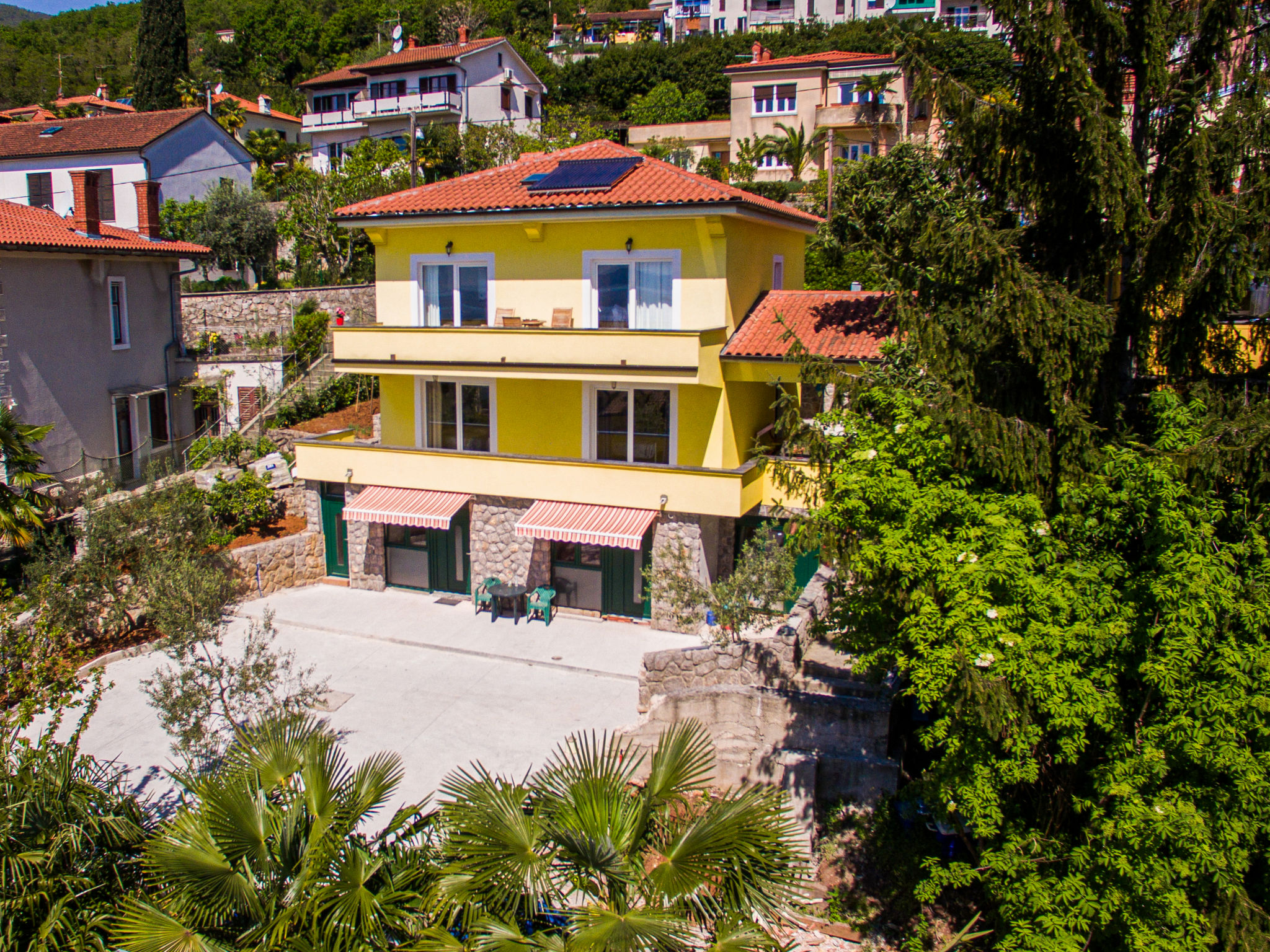
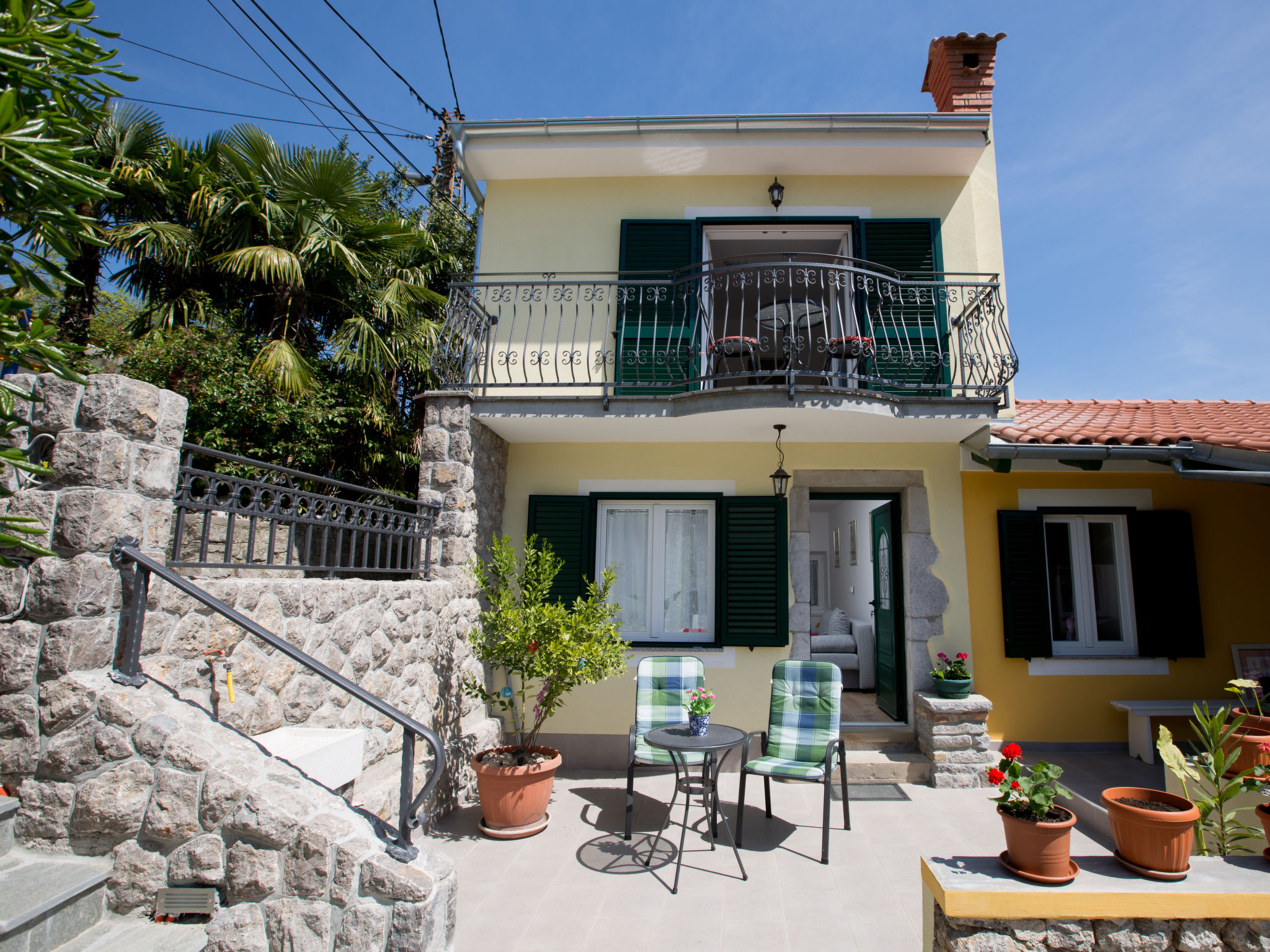
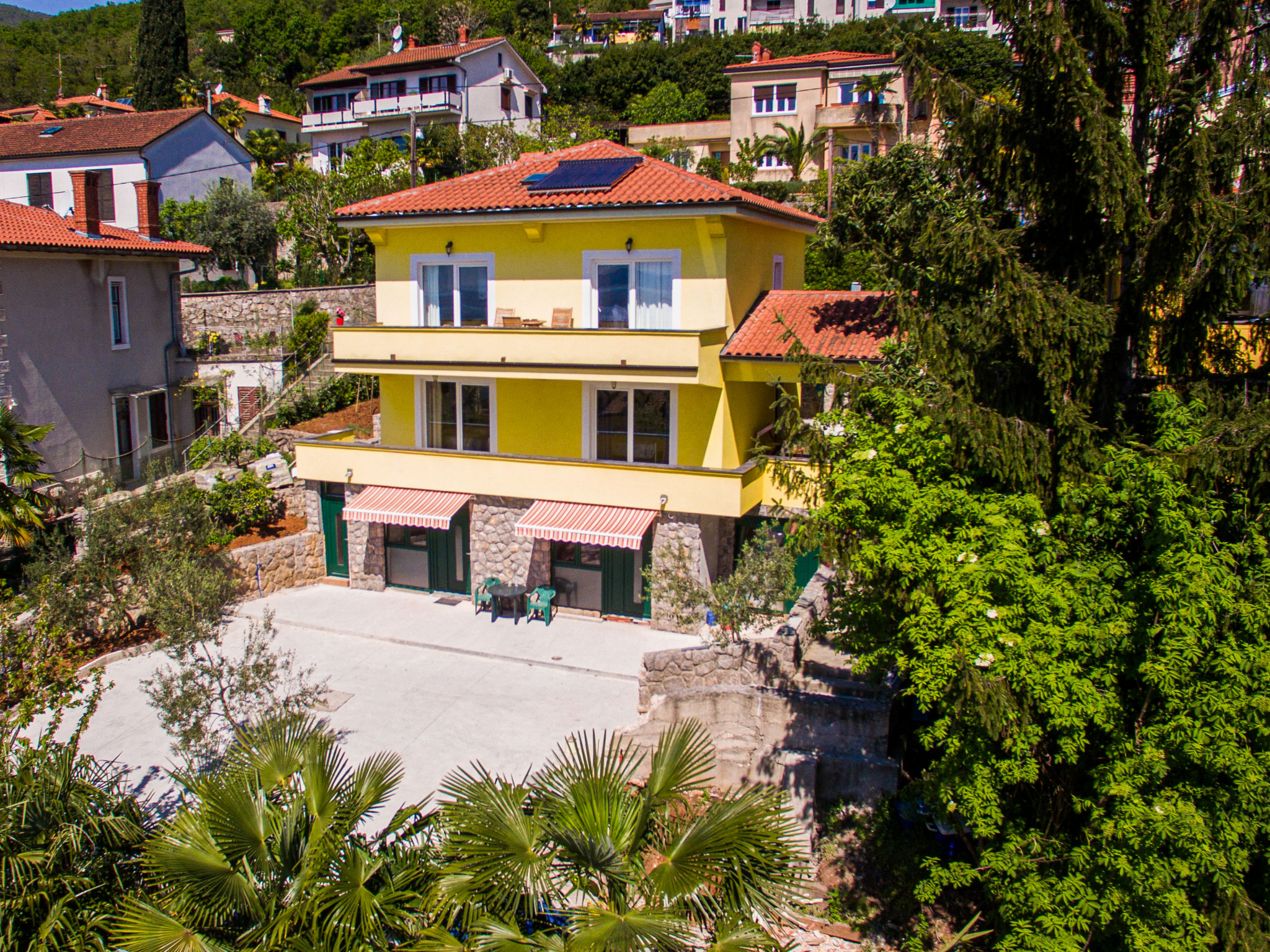
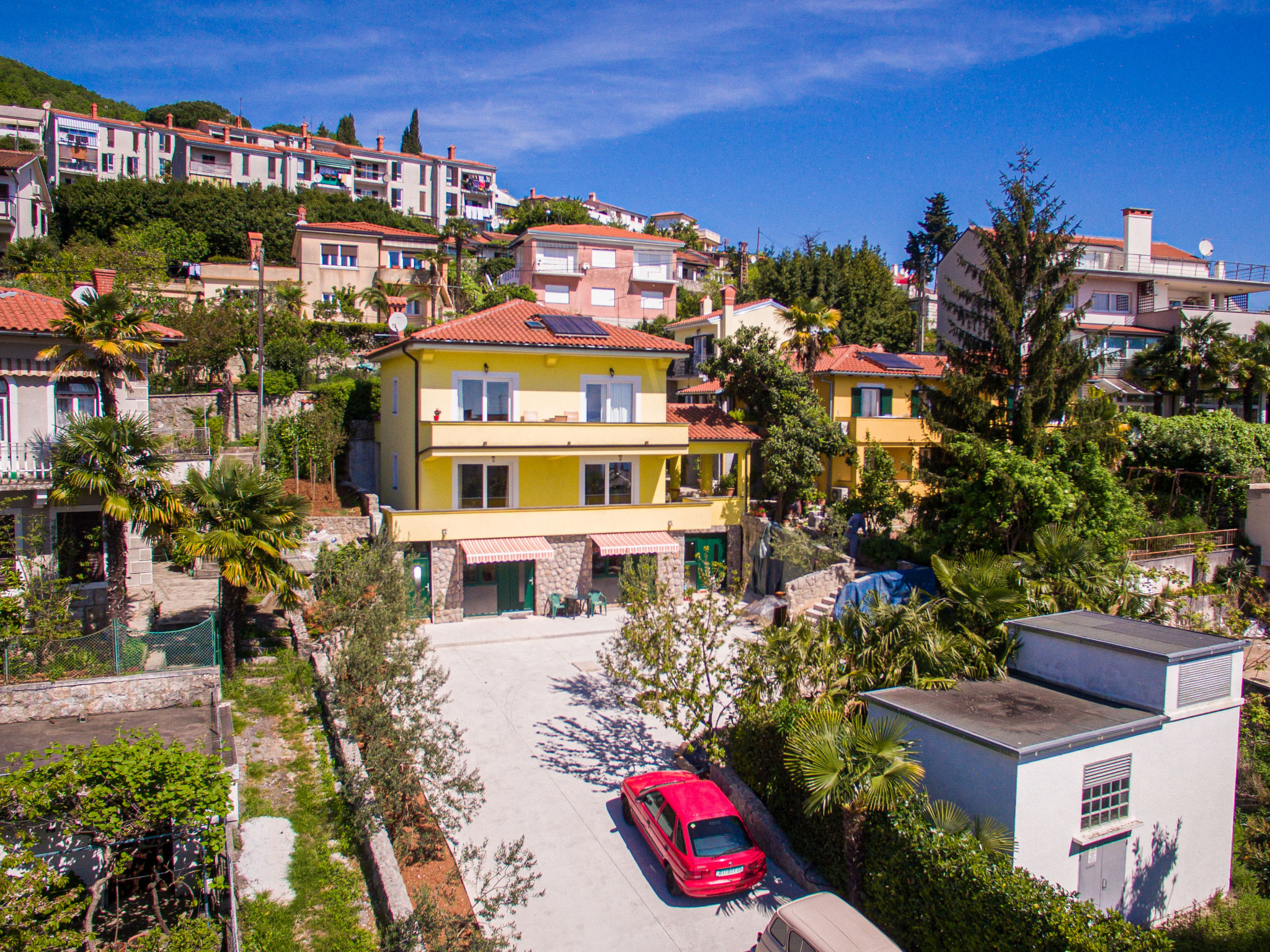
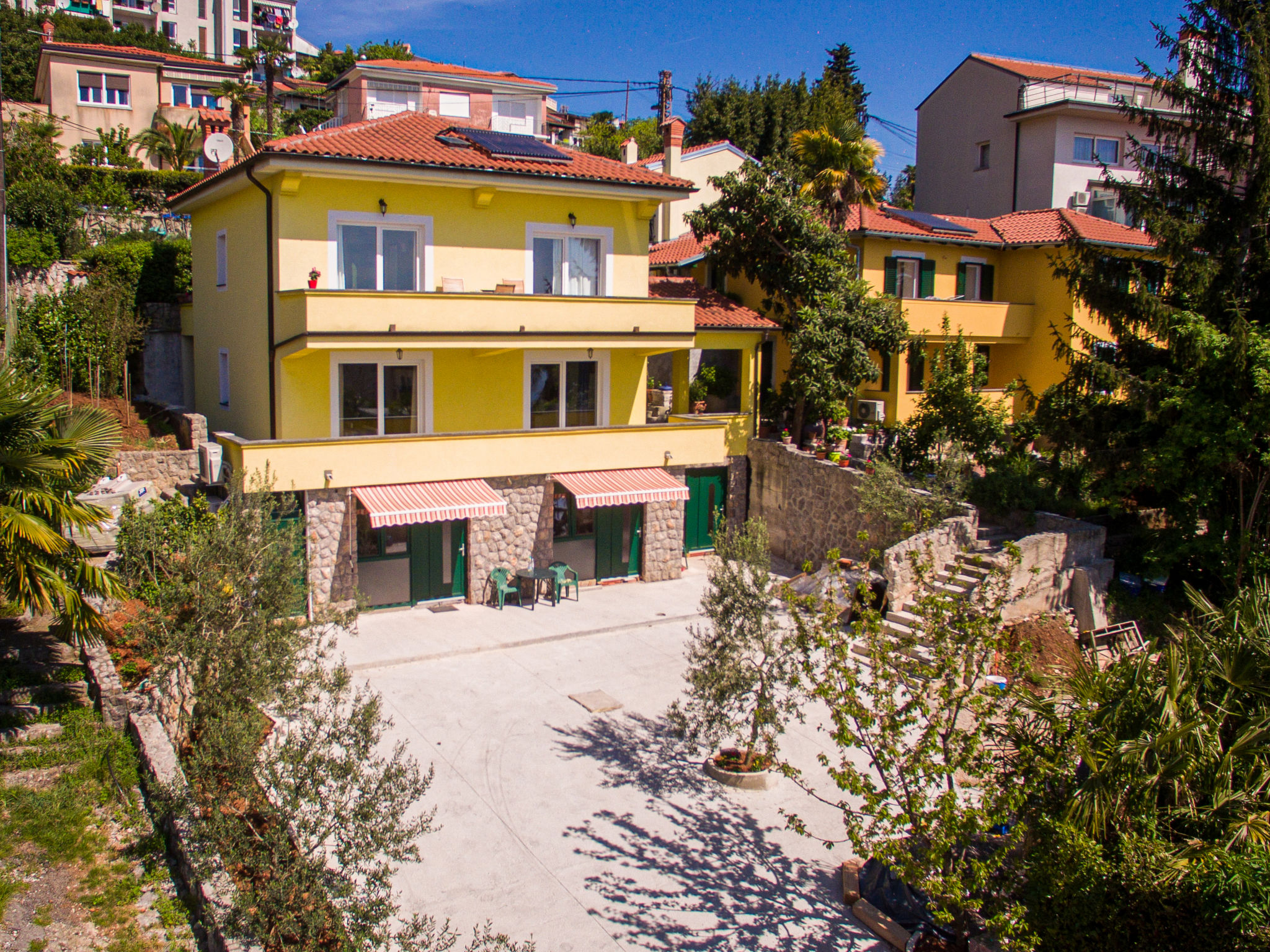
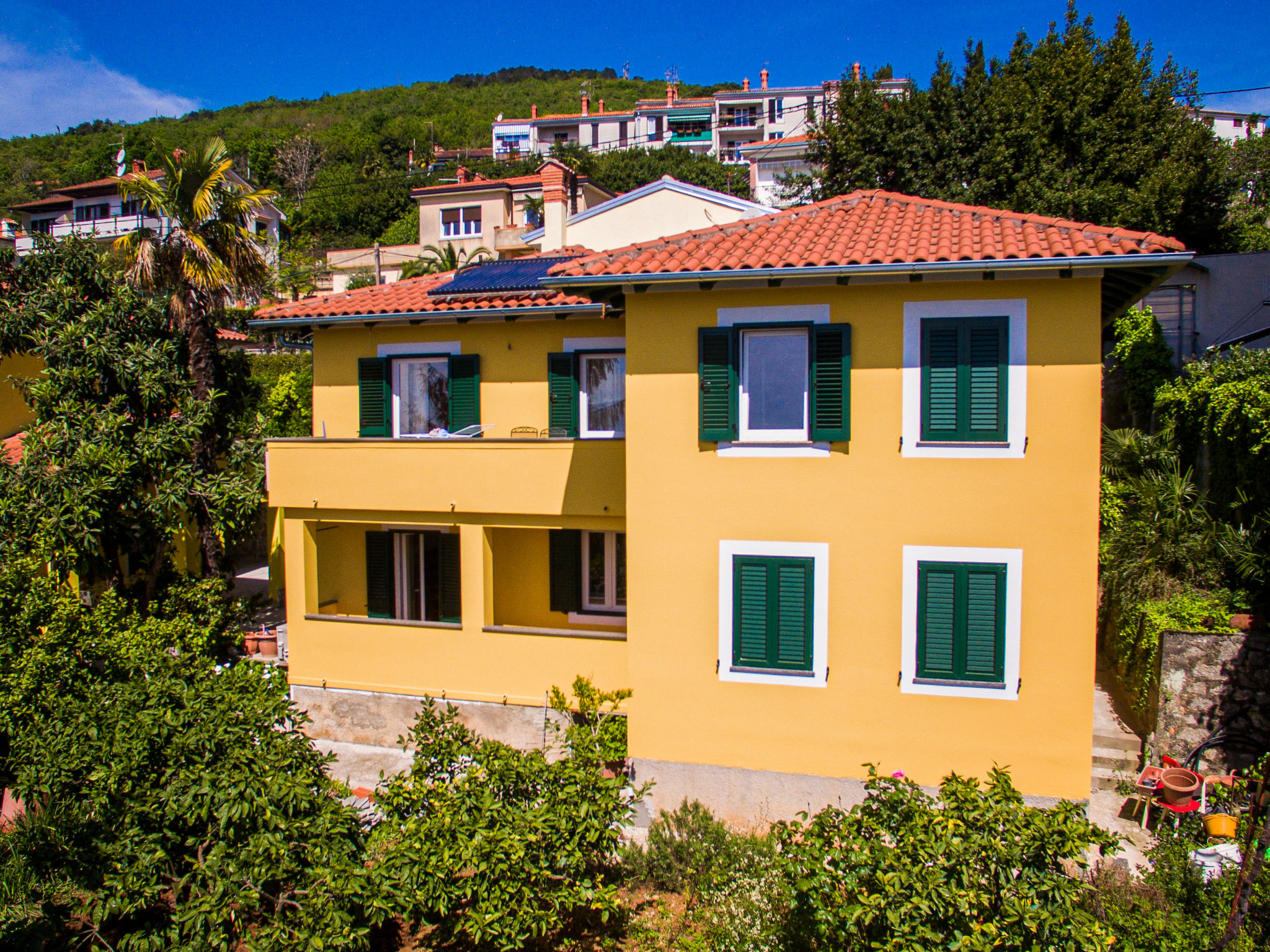
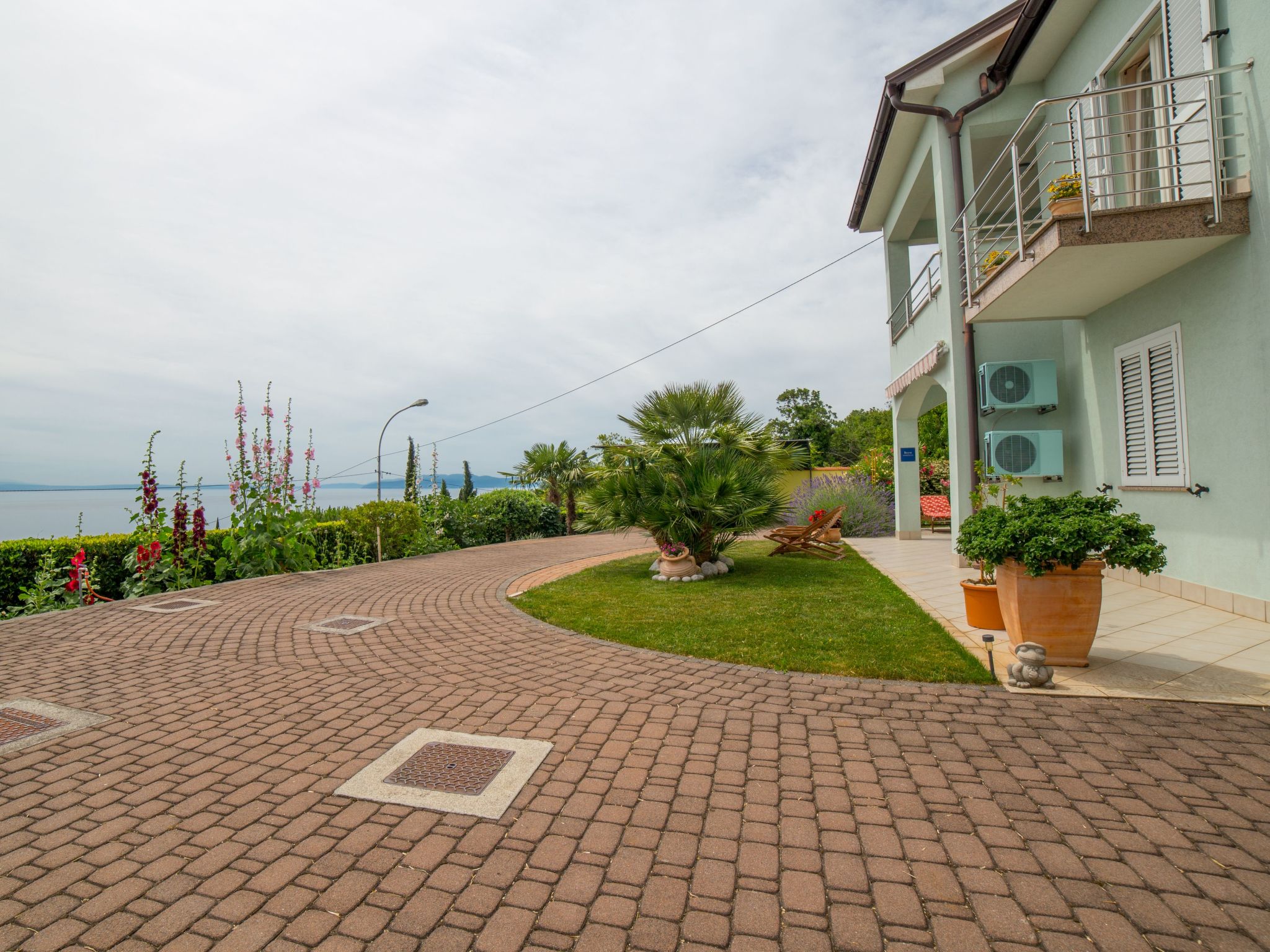
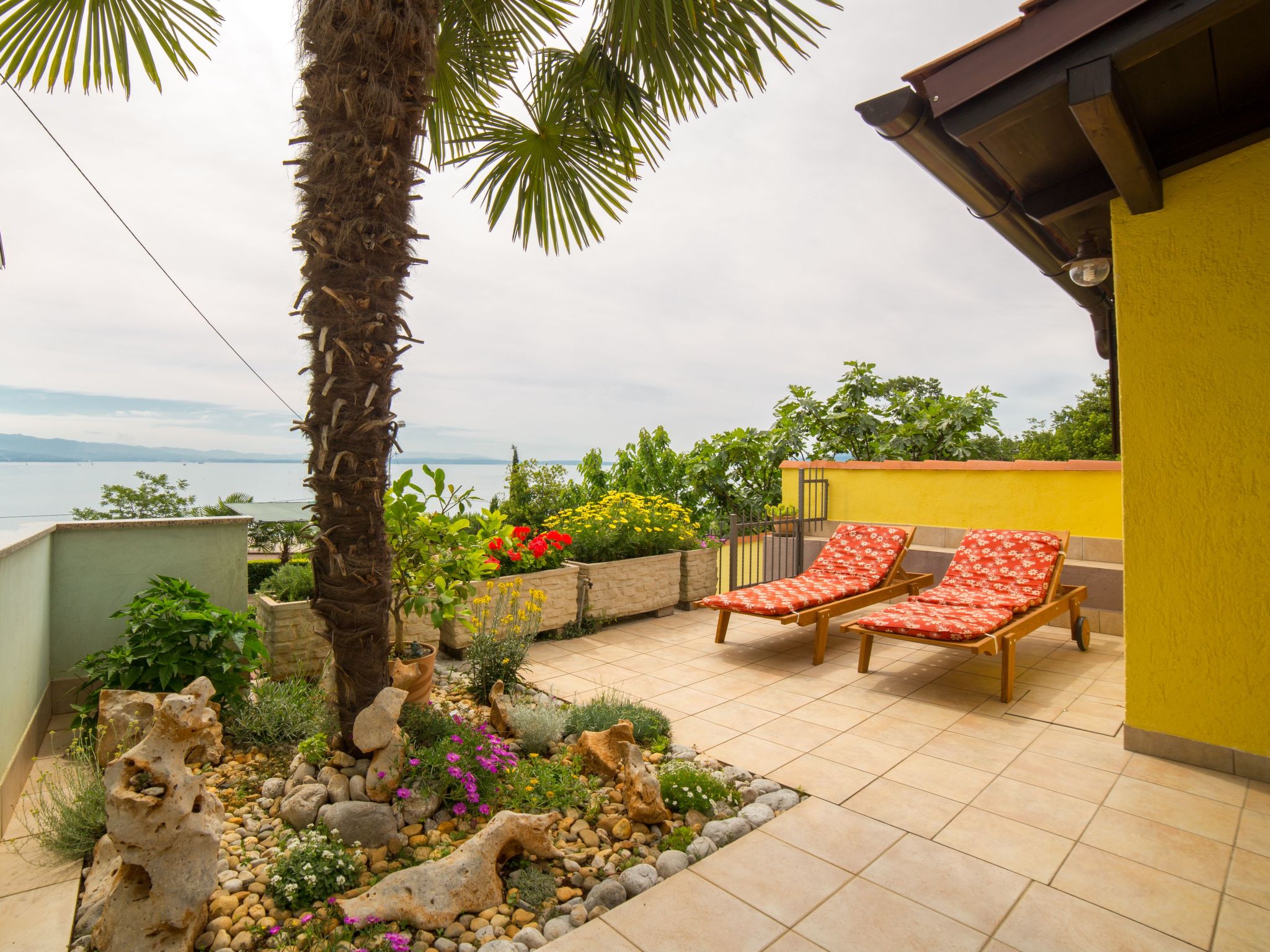
Opatija is the Austro-Hungarian resort that time forgot, and that's its appeal. Grand 19th-century villas line the waterfront, palm trees sway against pastel facades, and the whole place moves at a deliberately slow pace. It's on the mainland Kvarner coast facing the Adriatic, with views across the water to nearby islands. The vibe is more Central European resort than Mediterranean beach town — refined, quieter, with an older clientele — but it's genuinely distinctive if you want atmosphere over nightlife.
Why Stay in Opatija
- Walkable waterfront architecture. The Lungomare, a 12km promenade, hugs the coast through gardens and past elegant villas. Walking it sunrise or sunset is genuinely absorbing. You're not dodging crowds; you're taking in real seaside grandeur that feels European in a way southern Croatian resorts don't.
- A completely different pace. Opatija attracts retirees and couples seeking quiet. Restaurants feel civilized, not tourist-oriented. Markets happen without frenzy. If you want to escape chaos and actually relax, this town understands that mission.
- Good food without the scene. Seafood restaurants are locally-sourced and well-prepared, not scene-driven. Prices are fair. The town also surprises with Italian-influenced cooking (given the Austro-Hungarian legacy and proximity to Italy). Wine and food pairing is taken seriously.
- The trade-off: less action. If you want lively nightlife, buzzing beach clubs, or crowds of backpackers, go to Split or Hvar. Opatija closes early. Bars are quiet. The beach scene is minimal. It's restful, not exciting.
Things to Do in Opatija
Walking the Lungomare is the primary activity. Start from Opatija town center and stroll north or south. The promenade passes through small beaches, gardens, and villages like Volosko and Ičići. The full walk takes 3–4 hours; do sections. Stop at cafes along the way. The water is clear and swimmable from beach access points, though most swimmers use designated beaches rather than rocky spots.
Volosko, about 2km from town, is a fishing village with tied-up boats and top-notch seafood restaurants. Walk there along the promenade in an hour, eat lunch overlooking the water, and return. It feels like stepping back 50 years. Genuine and unpretentious, with fishermen selling their catch from boats.
Visit Lovran (10km south), a smaller resort town from the same era with an old town and castle ruins (Lovran Castle, above the village). The drive or bus ride takes 20 minutes. The medieval town walls and views over the bay are understated but pleasant. Restaurants are similar to Opatija in quality and price.
Hiking trails crisscross inland hills. The Učka Nature Park, about 30km south, offers marked trails through limestone terrain with views back towards the Adriatic and across to islands. Half-day walks are feasible; full-day hiking requires planning. The park is popular with Croatian weekenders but not overrun.
Day trip to nearby island of Cres (accessible by bridge or short ferry from Rijeka, the larger port 25km away) for a change of scenery. Cres town has olive groves, quiet beaches, and fewer tourists than island hotspots further south. The drive from Opatija takes 1.5 hours; ferries are slower but scenic.
The town's museums (a natural history museum and a gallery) are small and specialized. More for curious travelers than major attractions. Opatija is more about the walk, the restaurants, and the pace than sights to tick off.