Central Dalmatia: Split, Islands & the Roman Legacy
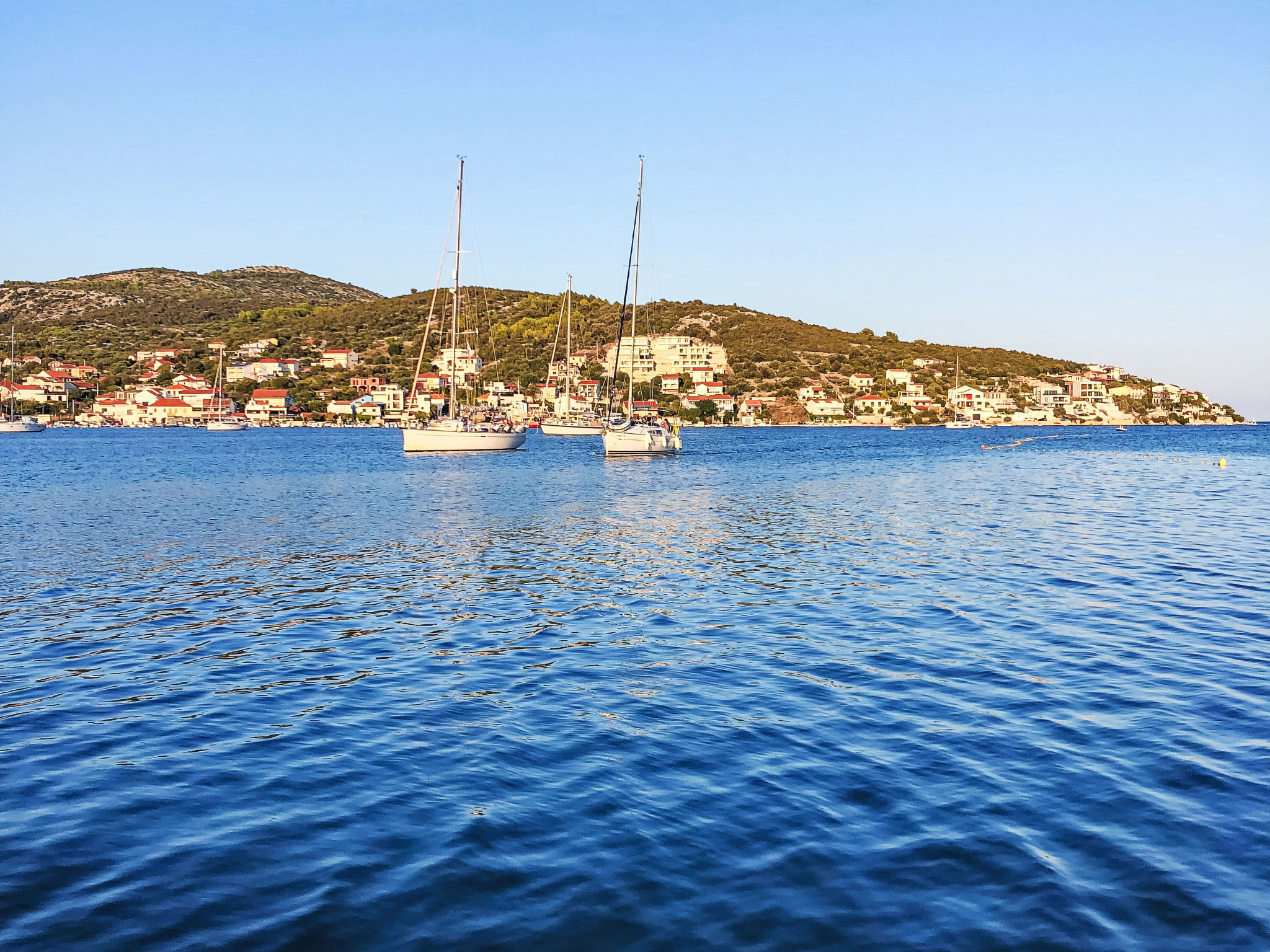
Central Dalmatia is the most visited part of Croatia, and it earns that attention. Split has the best-preserved Roman palace in the world sitting in the middle of its city centre. The palace functions as the old town—shops, restaurants, residences, museums all exist within Diocletian's walls. The Dalmatian islands—Hvar, Vis, Brač—have serious character rather than being party footnotes (though Hvar definitely parties). The coastline is dramatic, architecture layers medieval-meets-Venetian-meets-communist-era, and the food gets legitimately good as you move away from tourist restaurant rows. The challenge is navigating crowds and tourist saturation, particularly in July-August. We won't pretend this is a secret anymore, but we will say it's worth the effort to find the quiet pockets. Shoulder seasons (May-June, September) offer the best of everything without the July-August crush.
What Makes Central Dalmatia Special
- Diocletian's Palace in Split: It's genuinely one of Europe's most remarkable ruins—a 4th-century Roman palace that became a functioning medieval town, complete with underground levels, a cathedral, shops and residences all built into the structure. It's overwhelming in the best way but requires time to absorb properly.
- Island variety: Hvar for glamour and nightlife, Vis for isolation and naval history, Brač for stone heritage and quiet beaches, Korčula for medieval authenticity and wine. No two islands feel the same.
- Coastal beauty without false advertising: The cliffs near Bol (Brač) and around the Cetina River are genuinely dramatic. This isn't flat coast; it has relief, presence and geological interest. The limestone formations are visually substantial.
- Food culture: Central Dalmatia's restaurants have moved beyond tourist basics. Pašticada (slow-cooked meat in wine reduction), fresh squid, local wines, octopus salad. Places serve real food made with attention rather than mass production. Markets are good and worth exploring.
- Accessible but not shallow: You can do Split as a 2-day tourist stop. But staying longer reveals residential neighbourhoods, functioning markets, fishing ports and a city that doesn't flatten itself for visitors. The depth rewards investment of time.
Top Towns & Resorts in Central Dalmatia
Split
Split isn't a small coastal town. It's a proper city of 180,000 people with significant historical layers. Diocletian's Palace is the centrepiece, but it's not cordoned off. It's the old town. You walk through its gates to shop, get coffee, eat lunch. The palace contains museums, apartment buildings, restaurants, all functioning within 1700-year-old walls. The Riva waterfront is where everyone gathers. Tourists and locals. From there you can walk into quiet residential areas or museums in 10 minutes. Food is notably good. The central market is good for produce and people-watching. If you spend 3–4 days, you'll understand why Split works as a base or extended stay.
Honest note: Summer crowds in July-August are genuine. The Riva and old town can feel overwhelming, especially with cruise ship passengers. Parking in the centre is paid and tight. The old town gets claustrophobic when packed. Pickpockets exist; use standard urban caution. The palace gets genuinely unbearable 11am-3pm in peak season.
Hvar (Island & Town)
Hvar Town is Dalmatia's playground. A walled medieval town with Byzantine street plans, Venetian fortifications and a harbour filled with yachts. It's genuinely photogenic. The old town is functional but unabashedly touristic with upmarket restaurants, cocktail bars and gallery shops. Beyond the town, the island has lavender fields (harvested in July), fishing villages and beaches on the south shore. Hvar works as an island day trip from Split (1-hour ferry) or as a longer stay. The nightlife scene is real; waterfront bars run into the morning. But it's not exclusively party-focused. There's serious architecture and good food.
Honest note: Hvar is expensive and obvious. Everything plays to tourists. In July-August the old town is a throughway of photo stops rather than a lived space, with crowds making movement difficult. The lavender fields are Instagrammed to death. If you're avoiding crowds, visit in May or September.
Vis (Island & Town)
Vis is dramatically different from Hvar. It's a former Yugoslav naval base only opened to tourism in 1989. The main town is compact and workmanlike. No gloss. There's a small harbour, waterfront restaurants that cook what they catch (the local fish is exceptional), and a genuine sense that locals run the show. The southern coast has the famous Blue Grotto and villages like Komiza with fishing traditions. The island's recent opening means infrastructure is basic by luxury standards but functional and authentic. Vis appeals to people uninterested in the Hvar scene. It's quiet, the food is real and fresh, and water clarity is extraordinary.
Honest note: Vis's remoteness is both the appeal and the limitation. Ferries (from Split, 1 hour) are less frequent than to Hvar. Few restaurants, fewer shops, limited nightlife. If you want peace and authentic fishing village atmosphere, it's perfect. The ferry can get cancelled in bad weather. Accommodation books far in advance.
Brač (Island, Bol & Villages)
Brač is known for white limestone and the famous pebbled beach at Bol (famous for its shape. A 'horn' of pebbles extending into the sea). The main town is functional. Bol itself is pleasant with a curve of pebbled beach and waterfront restaurants. The island still has working quarries and stone traditions. Villages like Supetar and Milna are quiet, serving local fishermen. Brač works as an island base for 2–3 days (ferry from Split, 50 minutes) or as a day trip to Bol beach. It's less touristy than Hvar but more functional as an actual place.
Honest note: Bol beach gets very crowded in peak season. The pebbles are large and uncomfortable for lounging without a mat. Beyond Bol, the island has limited dining and attractions. It's really a beach base rather than a cultural destination.
Korčula (Island & Town)
Korčula Town sits on a small peninsula ringed by medieval walls, with a cathedral and marble-paved squares that genuinely feel intact and cared-for. Unlike some medieval towns that feel like museums, Korčula functions as a real settlement with local shops, cafés and restaurants. The island has beaches (pebbled coves), quiet fishing villages and walking trails. The wine here. Grk and Pošip whites. Is worth trying. The atmosphere is noticeably more relaxed than Hvar.
Honest note: Ferry times to Korčula are less convenient than to Hvar or Brač. The town can feel quiet in winter with fewer restaurants operating. The beaches aren't large or sandy; they're pebbled coves.
Makarska & Coastal Towns
South of Split along the coast, Makarska is a proper beach resort with a functioning local identity underneath the tourism layer. The Biokovo Mountains rise dramatically behind the town. The waterfront has a proper promenade feel with local restaurants mixed with tourist establishments. It's a good stopping point between Split and further Dalmatia.
Honest note: Makarska is touristy and resort-oriented rather than appealing. It's practical rather than atmospheric. In July-August it's crowded with families.