Villas in Kaštel Novi
Kaštel Novi suits larger groups wanting a Dalmatian base between Trogir and Split, with Split airport in the next settlement along. It is a lived-in town in a string of coastal settlements rather than a single resort strip.
- Villas
- 17
- From, per week
- £456
About Kaštel Novi
Kaštel Novi is one of seven settlements that make up Kaštela, strung along about 20 km of coast with the Kozjak mountain rising behind them. Its old core grew around a tower that the Trogir nobleman Pavao Antun Cippico built on the rocks in the early 16th century. Brce square sits in front of the old fortified village, and a marina developed there at the end of the 19th century. The homes are mostly big-group houses, four bedrooms being typical, and most have a garden; over half have a private pool. With around 6,500 residents, this is a lived-in town rather than a resort, and the waterfront and square are where people gather.
Is Kaštel Novi right for you?
- Best for
- Big groups basing themselves between Split and Trogir
- Not for you if
- You want a lively resort strip with bars and nightlife on the doorstep.
Near Kaštel Novi
Kaštel Štafilić
The neighbouring settlement towards Trogir, and the site of Split airport, so it is the first stretch of Kaštela waterfront to explore.
Trogir
Lies at the western end of the Kaštela coast, and works as a day trip from the seven settlements.
Split
Kaštela lies northwest of the city, so Split works as a day trip from any of the seven settlements.
Kozjak
The mountain behind the settlements has demanding bike trails, including one linking Sveti Jure, the highest peak above Kaštel Sućurac, with Split.
Getting to Kaštel Novi
Split airport sits in Kaštel Štafilić, the settlement next to Kaštel Novi on the Trogir side, so the transfer is short. Plan on a car or booked transfers all the same, because the seven Kaštela settlements stretch for about 20 km.
When to go to Kaštel Novi
July and August are the busiest weeks, when Kaštela runs a summer programme that includes a cultural summer season, a Dalmatian song festival and an evening telling the local legend of Miljenko and Dobrila. Outside those months it remains a working town of around 6,500 residents, so shops and the waterfront stay in use.
Villas in Kaštel Novi

Villa Ivana
Kaštel Novi, Central Dalmatia, Croatia
8
4
0
Air ConBBQParking+11 more
from£226
per night
4-Bedroom Home, Kaštel Novi
Kaštel Novi, Central Dalmatia, Croatia
8
4
0
Air ConBBQParking+12 more
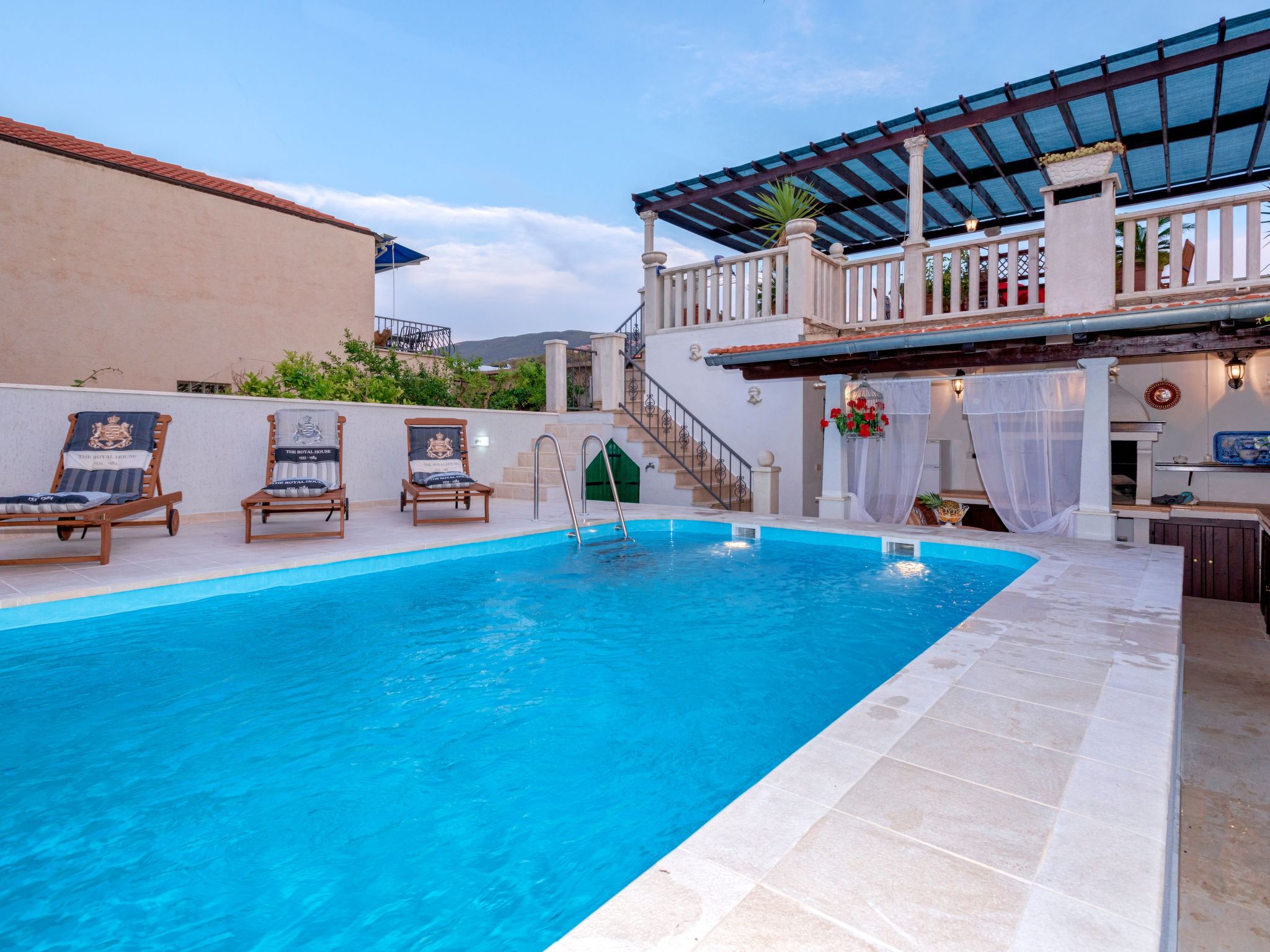
3-Bedroom Home, Kaštel Novi
Kaštel Novi, Central Dalmatia, Croatia
7
3
0
Air ConDishwasherMicrowave+6 more
from£235
per night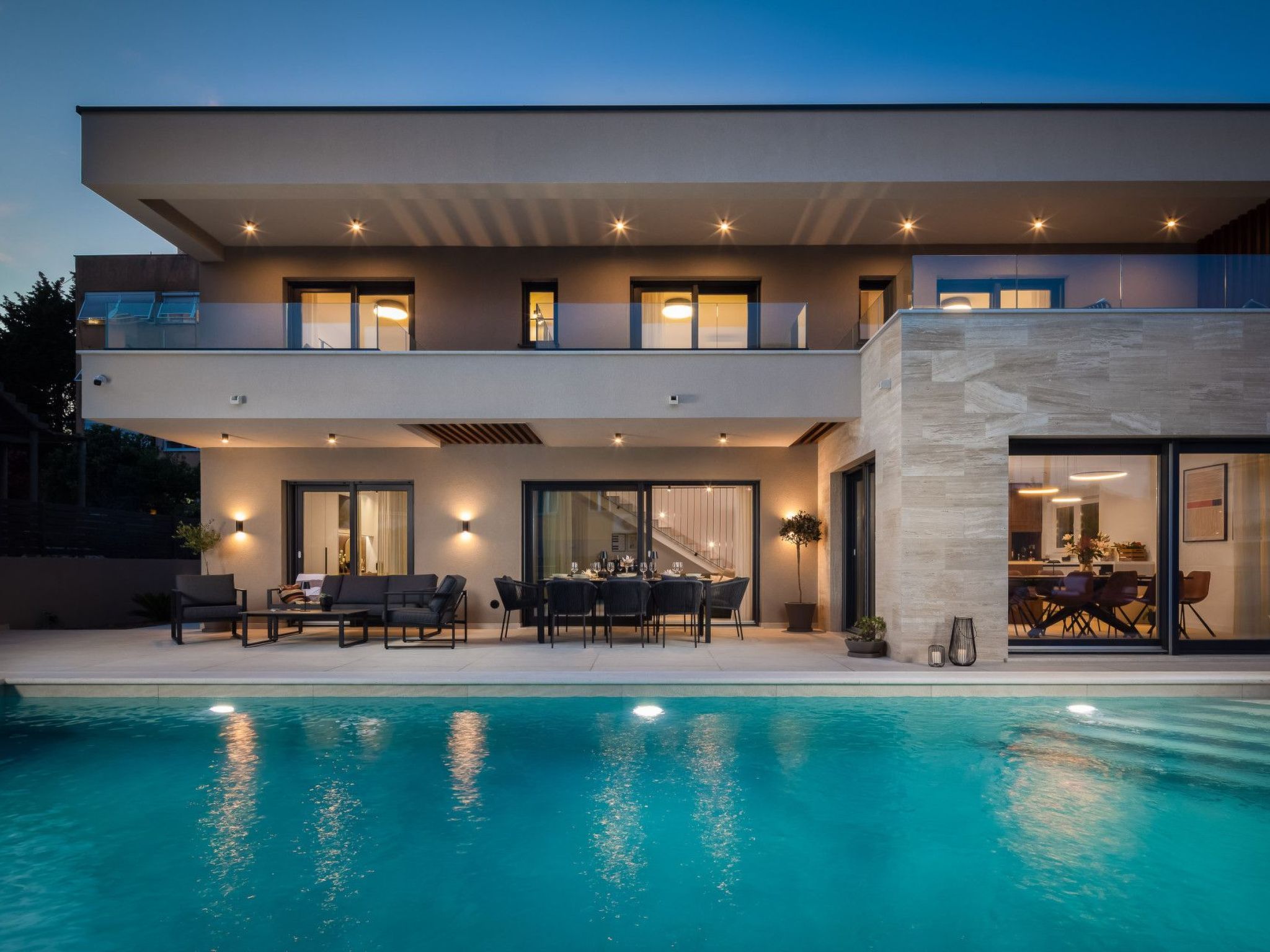
Villa Prima
Kaštel Novi, Central Dalmatia, Croatia
8
4
0
Air ConBBQDishwasher+10 more
from£543
per night
5-Bedroom Home, Kaštel Novi
Kaštel Novi, Central Dalmatia, Croatia
12
5
0
Air ConBBQParking+12 more


4-star property
1-Bedroom Home, Kaštel Novi
Kaštel Novi, Central Dalmatia, Croatia
4
1
0
Air ConBBQParking+8 more

1-Bedroom Home, Kaštel Novi
Kaštel Novi, Central Dalmatia, Croatia
4
1
0
Air ConBBQParking+9 more
from£65
per night
Villa Orchidee
Kaštel Novi, Central Dalmatia, Croatia
9
5
0
Air ConBBQParking+12 more
from£426
per night
5-star property
7-Bedroom Home, Kaštel Novi
Kaštel Novi, Central Dalmatia, Croatia
12
7
0
Air ConBBQParking+13 more

3-Bedroom Home, Kaštel Novi
Kaštel Novi, Central Dalmatia, Croatia
7
3
0
Air ConParkingDishwasher+9 more
from£118
per night
1-star property
1-Bedroom Home, Kaštel Novi
Kaštel Novi, Central Dalmatia, Croatia
4
1
0
Air ConBBQParking+8 more
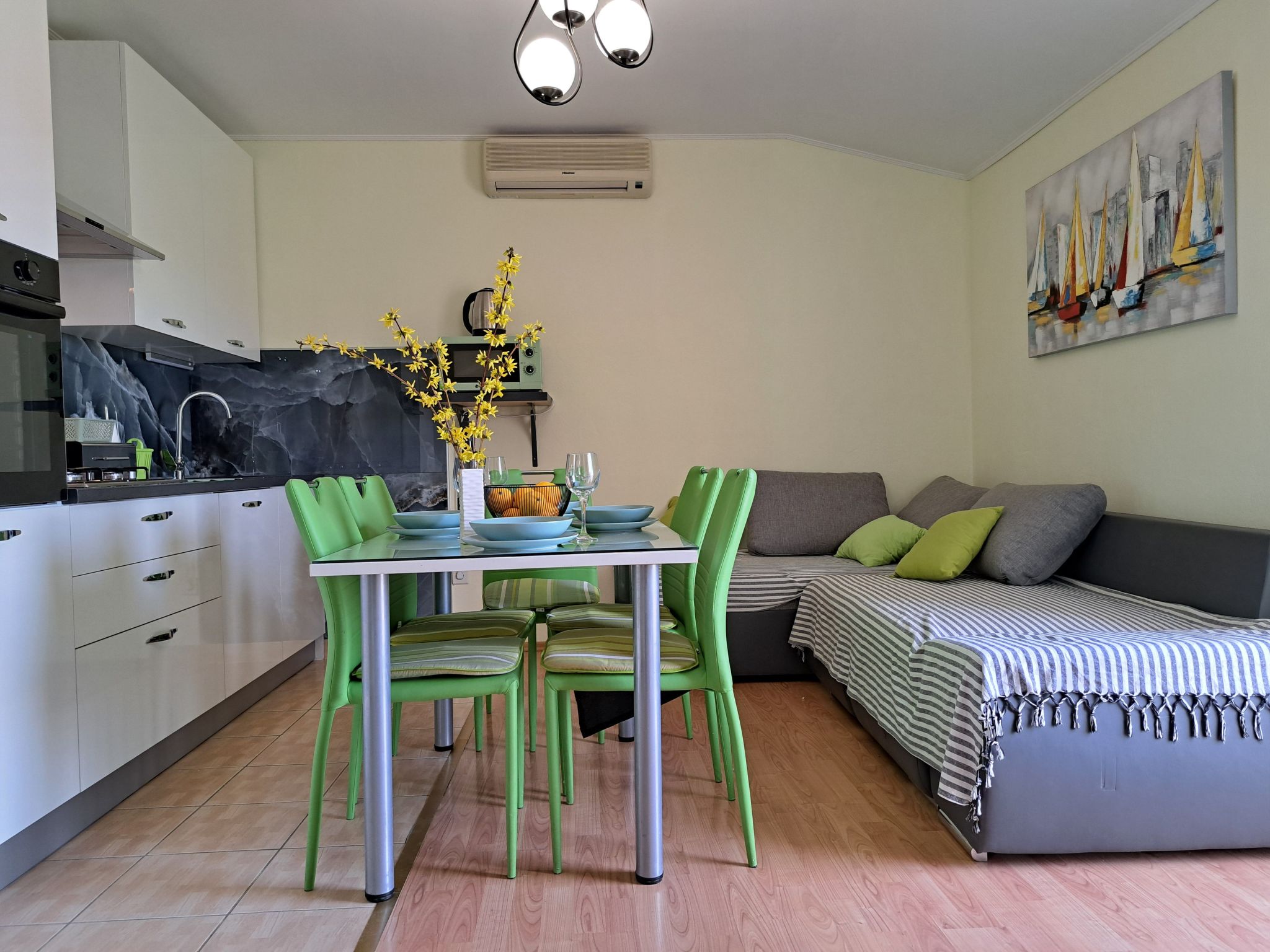
2-Bedroom Home, Kaštel Novi
Kaštel Novi, Central Dalmatia, Croatia
5
2
0
Air ConBBQParking+10 more
from£65
per night
4-Bedroom Home, Kaštel Novi
Kaštel Novi, Central Dalmatia, Croatia
10
4
0
FridgeWiFiAir Con+9 more
from£294
per night
Kaštel Novi villa holidays: questions answered
How close is Kaštel Novi to Split airport?
Very close. Split airport sits in Kaštel Štafilić, the settlement next to Kaštel Novi on the Trogir side, so the transfer is short. Check the exact drive for your address, because the Kaštela settlements stretch for about 20 km.
Is Kaštel Novi a good base for Trogir and Split?
Yes, because Kaštela sits between the two, with Trogir to the west and Split to the southeast. The coast also works for day trips to Omiš, the Makarska Riviera and several islands, though a car makes all of them easier.
Is there anything historic in Kaštel Novi?
Yes. Its core grew around a tower built in the early 16th century, at a time when landowners between Split and Trogir put up 17 forts and 12 fortified villages against Ottoman raids. The outline of the old walls survives in later houses, and an 18th-century Baroque Fraternity of St Peter building stands on Brce square.
Is there a Biblical garden near Kaštel Novi?
Yes. Kaštela has a Biblical garden on the southern slopes of Kozjak, with olive and fig trees, vines and other plants named in the Bible. A church to St Mary has stood on the site since 1189 and is known today as Our Lady of Stomorija.
Is Kaštel Novi busy in August?
It is busier in July and August, when the Kaštela summer events run, including a Dalmatian song festival and a legend-themed evening. The town has around 6,500 residents all year, so it does not empty out once the season ends.
Nearby towns to Kaštel Novi
Written by the TrustedVillas team. Last reviewed October 2026.
Find Your Perfect Villa in Kaštel Novi
Our villa experts are here to help you find the ideal property for your vacation. Contact us for personalized recommendations.