Villas in Drniš
Drniš suits families and groups who want a pool and space in the Dalmatian hinterland, about an hour's drive from Split airport. Most homes here have a private pool and four bedrooms. This is the inland Zagora rather than the coast, so every beach day starts with a drive.
- Villas
- 6
- From, per week
- £1,786
About Drniš
Drniš is a small town in the Dalmatian Hinterland, with fewer than 3,000 people in its urban area, about halfway between Šibenik and Knin. It stands on the edge of Petrovo Polje, a karst field ringed by mountains, with the Čikola as its main river. First named in a contract of 1494, the town fell to the Ottomans in 1522; their mosque was later turned into a church, and Venice held Drniš from 1683 until 1918. Yugoslav army forces took it in 1991, and it returned to Croatian control in August 1995. The town's population is now under a third of its 1961 peak. The homes are scattered around Drniš rather than in the centre.
Is Drniš right for you?
- Best for
- Groups wanting a private pool in quiet inland country
- Not for you if
- You want to walk to the sea or to a lively harbour each evening.
Near Drniš
Otavice
The village where sculptor Ivan Meštrović spent his childhood; his Church of the Most Holy Redeemer there doubles as the family mausoleum.
Petrovo Polje
The karst field beside Drniš, about 17 km long and ringed by the Svilaja, Promina and Moseć mountains.
Getting to Drniš
Fly to Split; the drive from the airport to Drniš takes about an hour. Buses run via Split's main bus station but take nearly three hours, and with the homes spread outside the town, you will need a car. Zadar airport is another option, though further away by bus.
When to go to Drniš
Summers on Petrovo Polje, the karst field beside Drniš, are dry, which is when a private pool earns its keep. Winters bring about 30 frost days a year between October and April, and both the jugo and the bora are common in the colder months.
Villas in Drniš
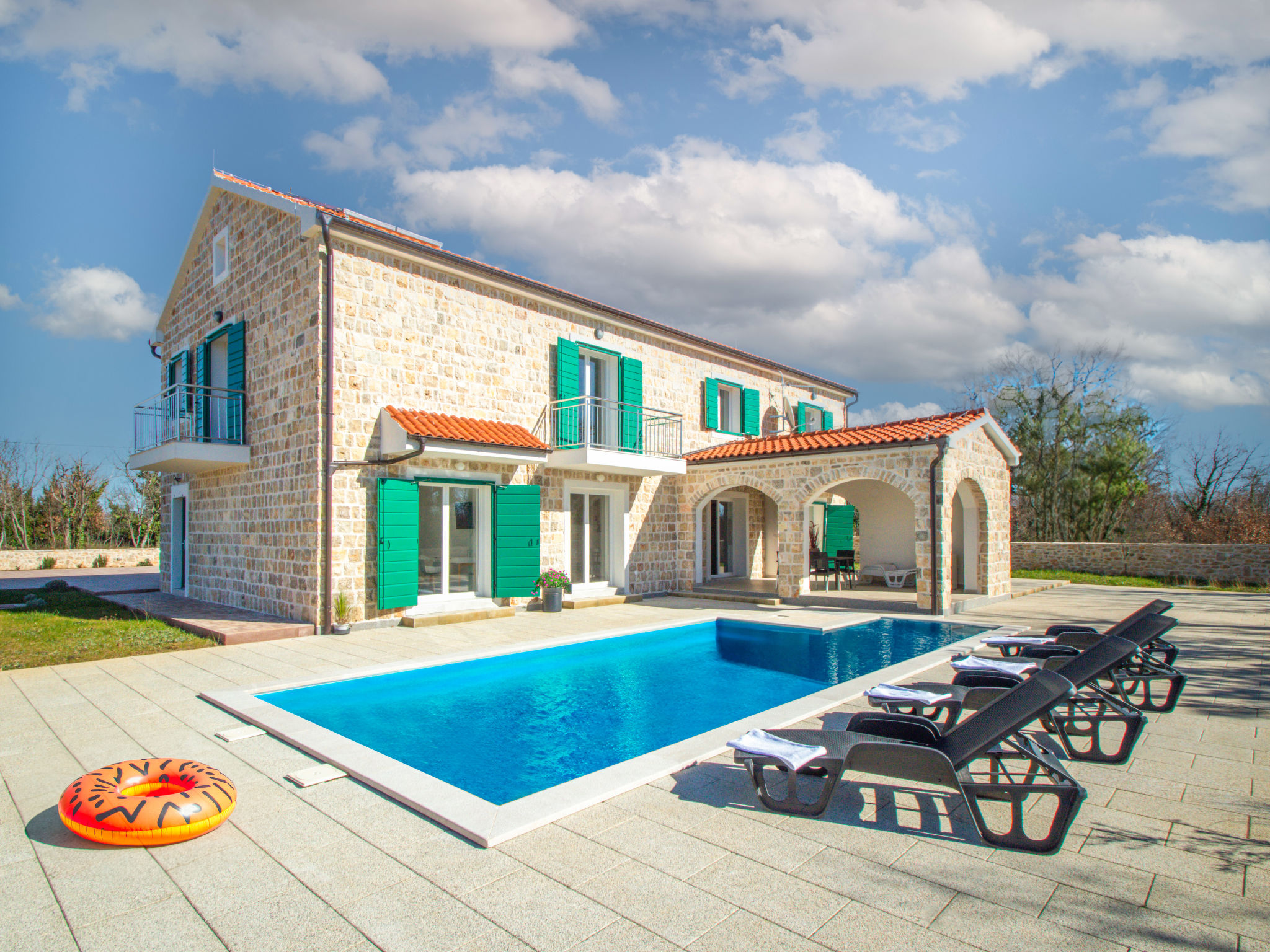
4-star property
Skelin
Drniš, Central Dalmatia, Croatia
12
6
0
Air ConDishwasherParking+8 more
from£255
per night
5-star property

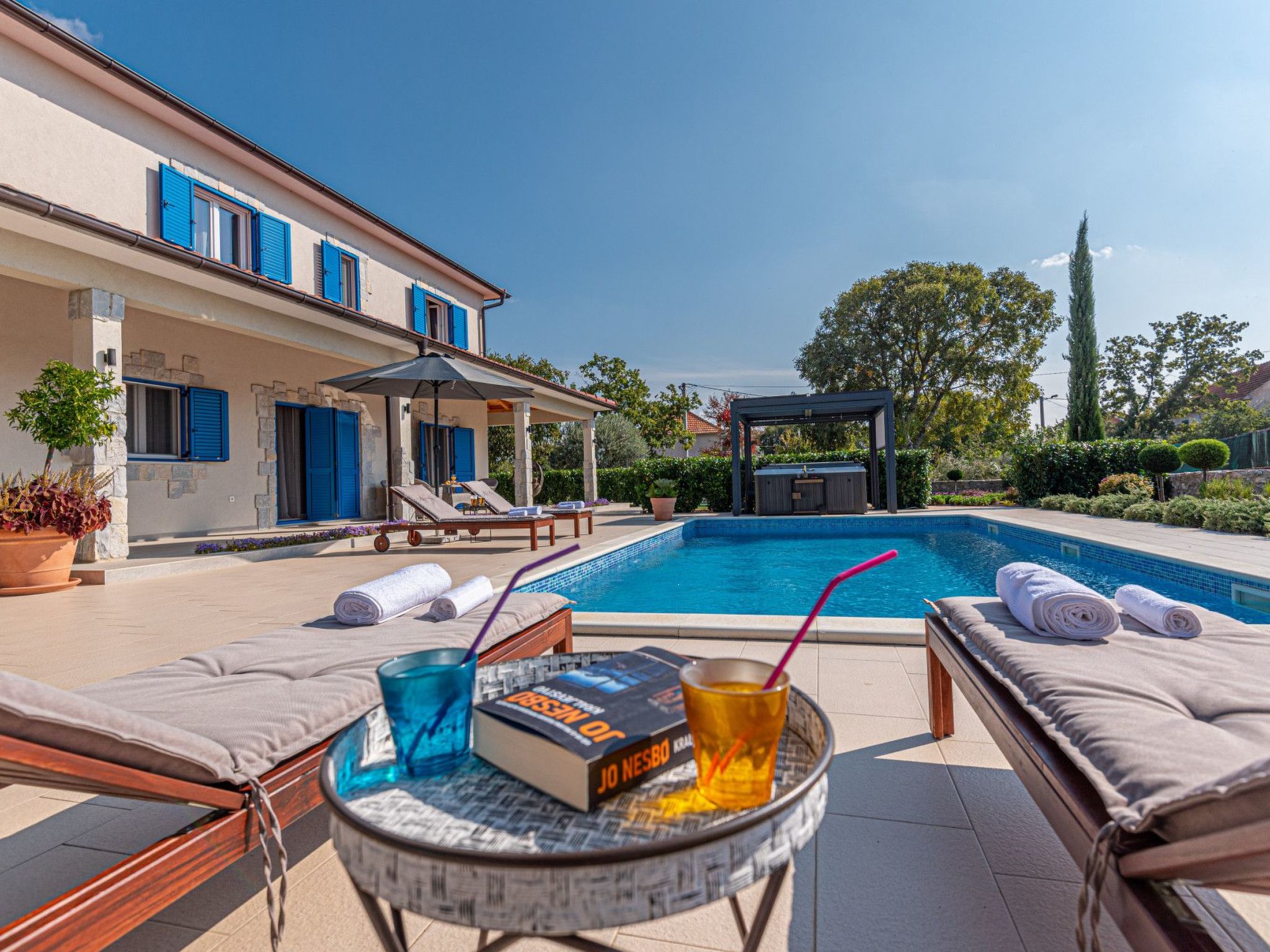
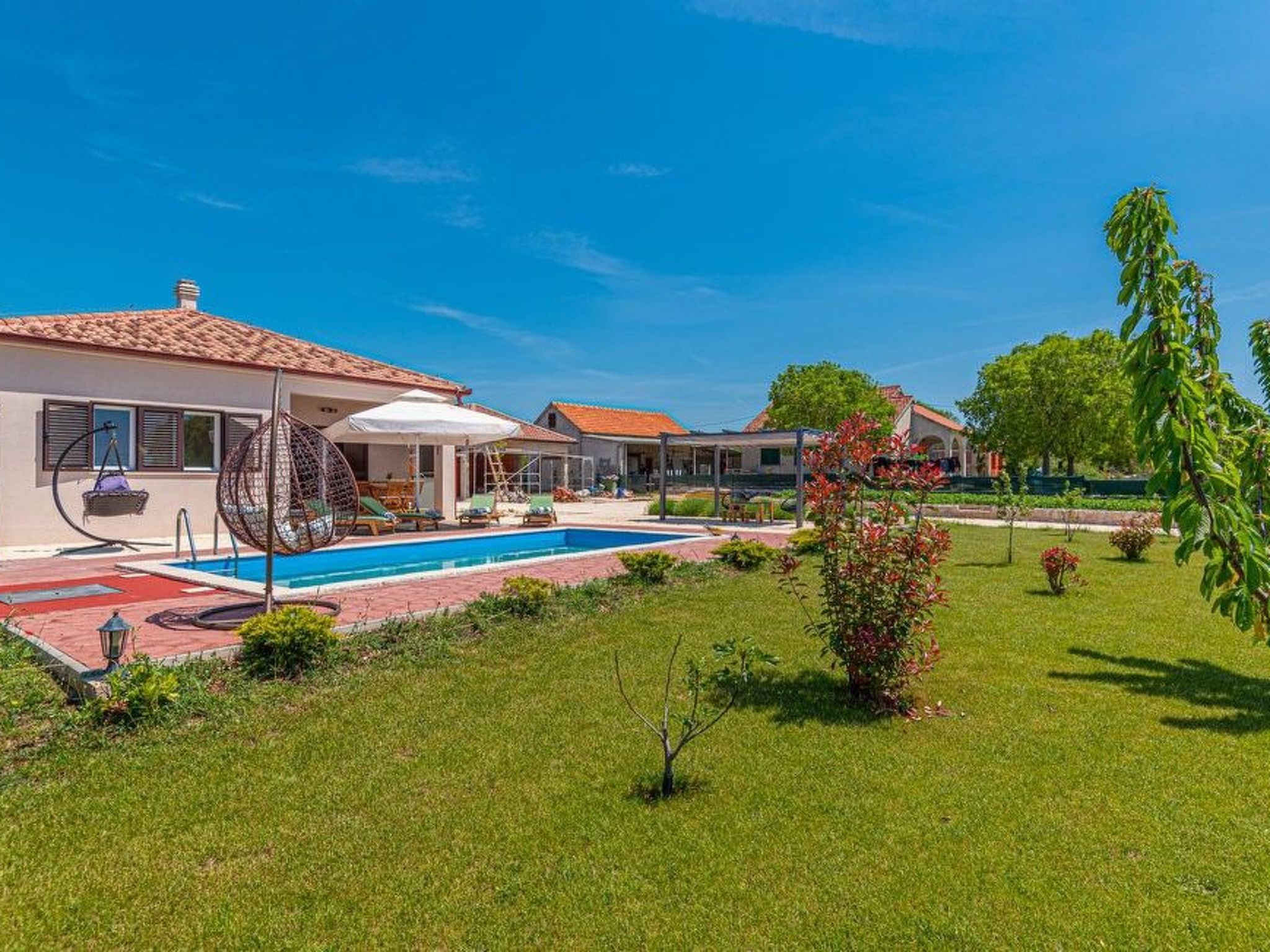
5-star property

Drniš villa holidays: questions answered
Is Drniš near the sea?
No. Drniš is in the Dalmatian Hinterland, about halfway between Šibenik and Knin, so beach days mean a drive. Most homes here have a private pool to make up for it, though it is worth checking each listing.
What is the Meštrović connection to Drniš?
The sculptor Ivan Meštrović spent his childhood in Otavice, a village near Drniš. He built the Church of the Most Holy Redeemer there between 1926 and 1930, and it serves as the Meštrović family mausoleum.
Is Drniš good for big groups?
It suits them well. Homes around Drniš typically have four bedrooms and a few sleep up to 12, so two families can comfortably share.
What is winter like in Drniš?
Expect frost. Petrovo Polje, the karst field beside Drniš, gets about 30 frost days a year between October and April, and the jugo and bora winds are both common in winter.
Nearby towns to Drniš
Written by the TrustedVillas team. Last reviewed November 2026.
Find Your Perfect Villa in Drniš
Our villa experts are here to help you find the ideal property for your vacation. Contact us for personalized recommendations.