Villas in Kinrooi
Kinrooi is a rural municipality in Belgian Limburg, between Maaseik and Bree, close to the Dutch border on the Maas. Homes are compact and mostly sleep two to six, with no pool, and the draw is flat countryside and water.
- Villas
- 14
About Kinrooi
Kinrooi is a municipality of about 12,000 people, formed in 1971 from four former municipalities. The homes here are grouped in one spot. The municipality has seven nature reserves, and the Grensmaas, the stretch of the Maas that forms the Dutch border, runs along its edge. Kessenich, the oldest village here, has a 17th-century castle. East of Kessenich, the old gravel pits have become the Maasplassen lakes, some used for recreation. The lakes and reserves are the draw rather than any resort facilities.
Is Kinrooi right for you?
- Best for
- Walkers and nature lovers wanting the Maas valley
- Not for you if
- You want a beach, a resort centre or a pool.
Near Kinrooi
Maaseik
The neighbouring town, linked to Kinrooi Dorpsplein by an hourly De Lijn bus that takes about 8 minutes.
Kessenich
A village at the eastern end of Kinrooi, the oldest in the municipality, with a 17th-century castle and Vijverbroek, a marsh overgrown with alder.
Maasplassen
Gravel-pit lakes east of Kessenich, formed after extraction began in 1949, with some now used for recreation and others for nature.
Getting to Kinrooi
Kinrooi lies between Maaseik and Bree in Belgian Limburg. De Lijn runs an hourly bus from Maaseik to Kinrooi Dorpsplein, taking about 8 minutes.
Villas in Kinrooi
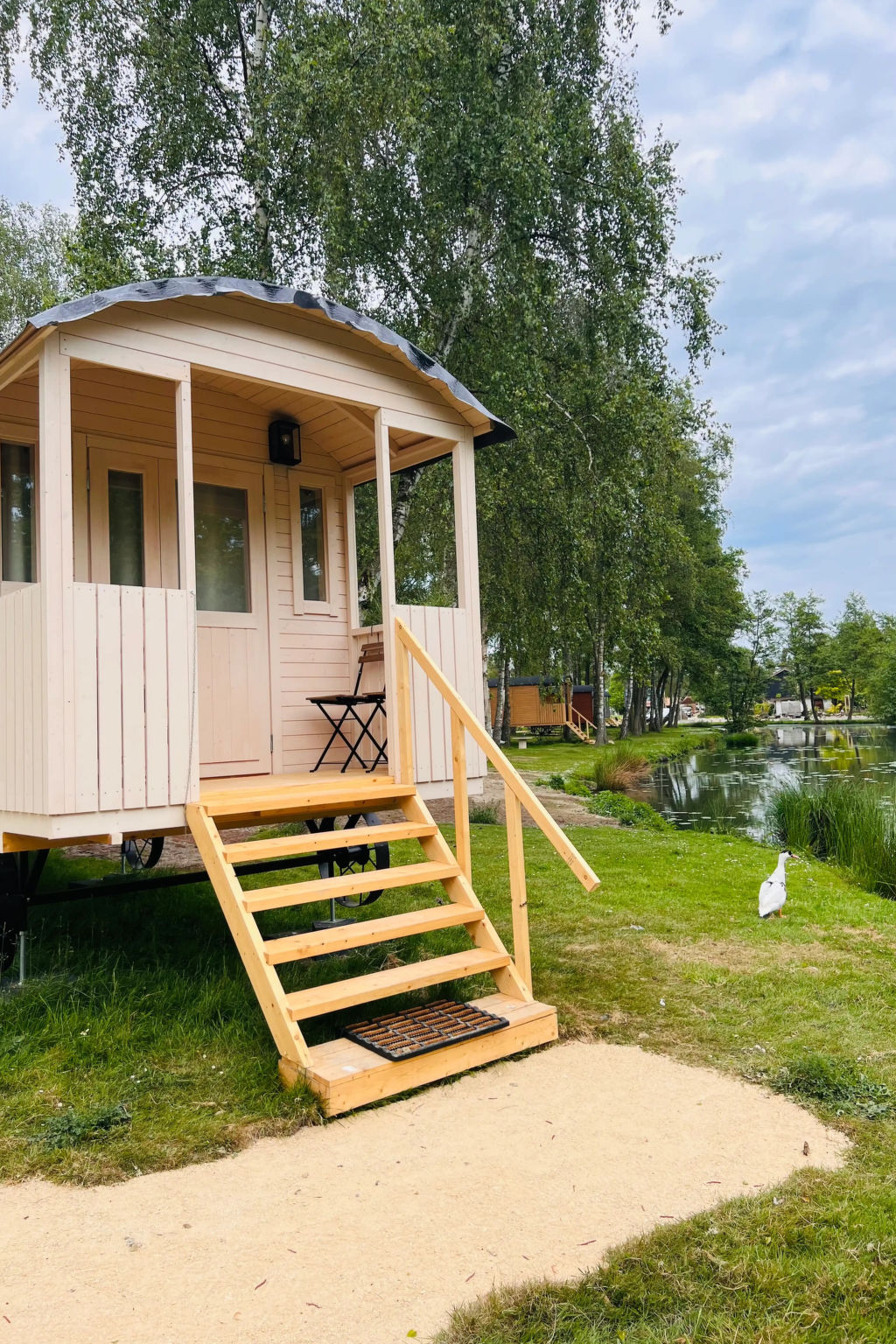
Camping Papillon Kinrooi - Pipowagen 2 p. terras
Kinrooi, Belgisch Limburg, Belgium
2
1
0
ParkingTerraceFridge+1 more
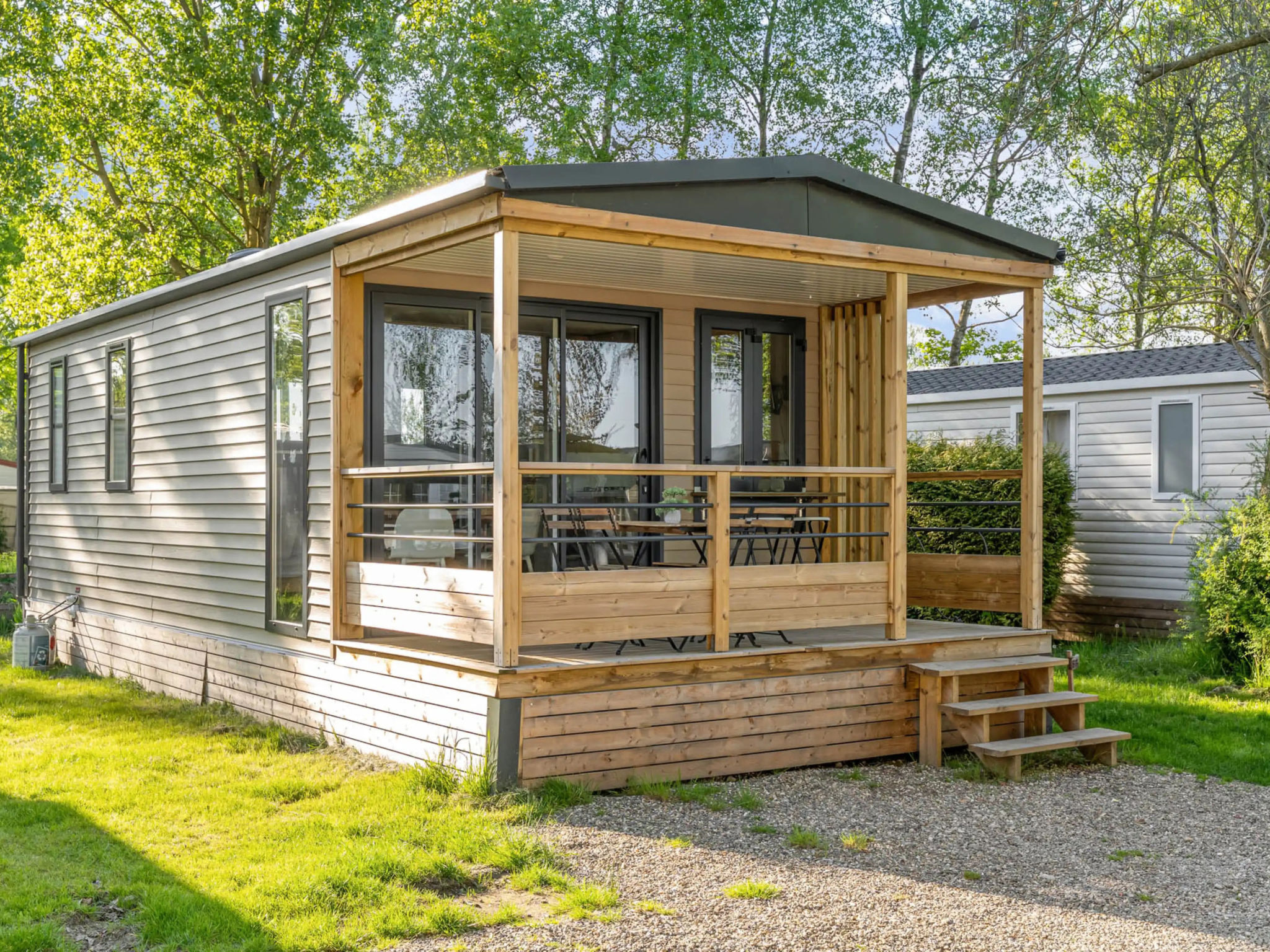
Camping Papillon Kinrooi – Vakantiehuis Premium 4P
Kinrooi, Belgisch Limburg, Belgium
4
2
0
MicrowaveParkingTerrace+3 more
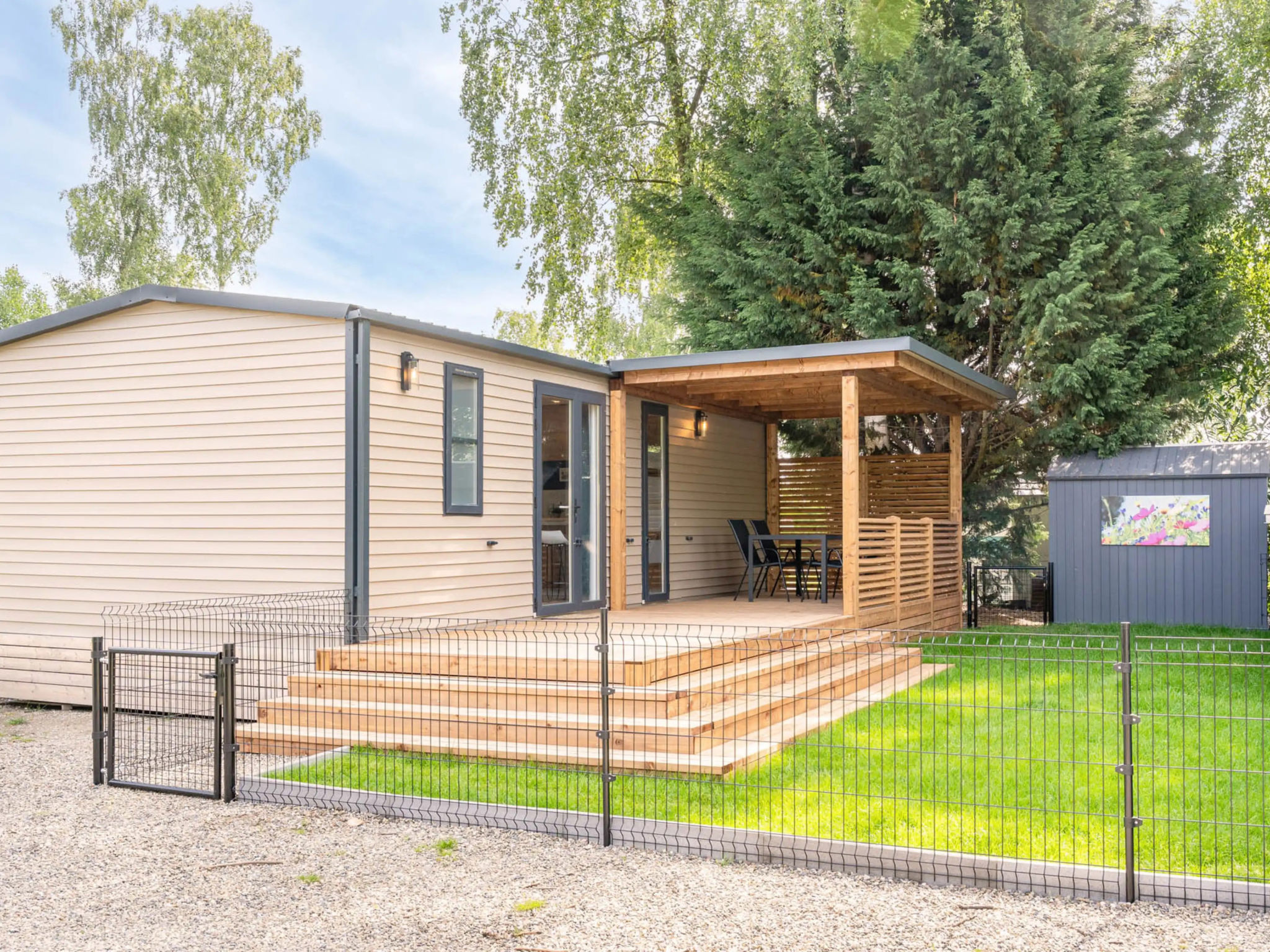
Camping Papillon Kinrooi – Vakantiehuis Familie 6P
Kinrooi, Belgisch Limburg, Belgium
6
3
0
MicrowaveParkingTerrace+3 more
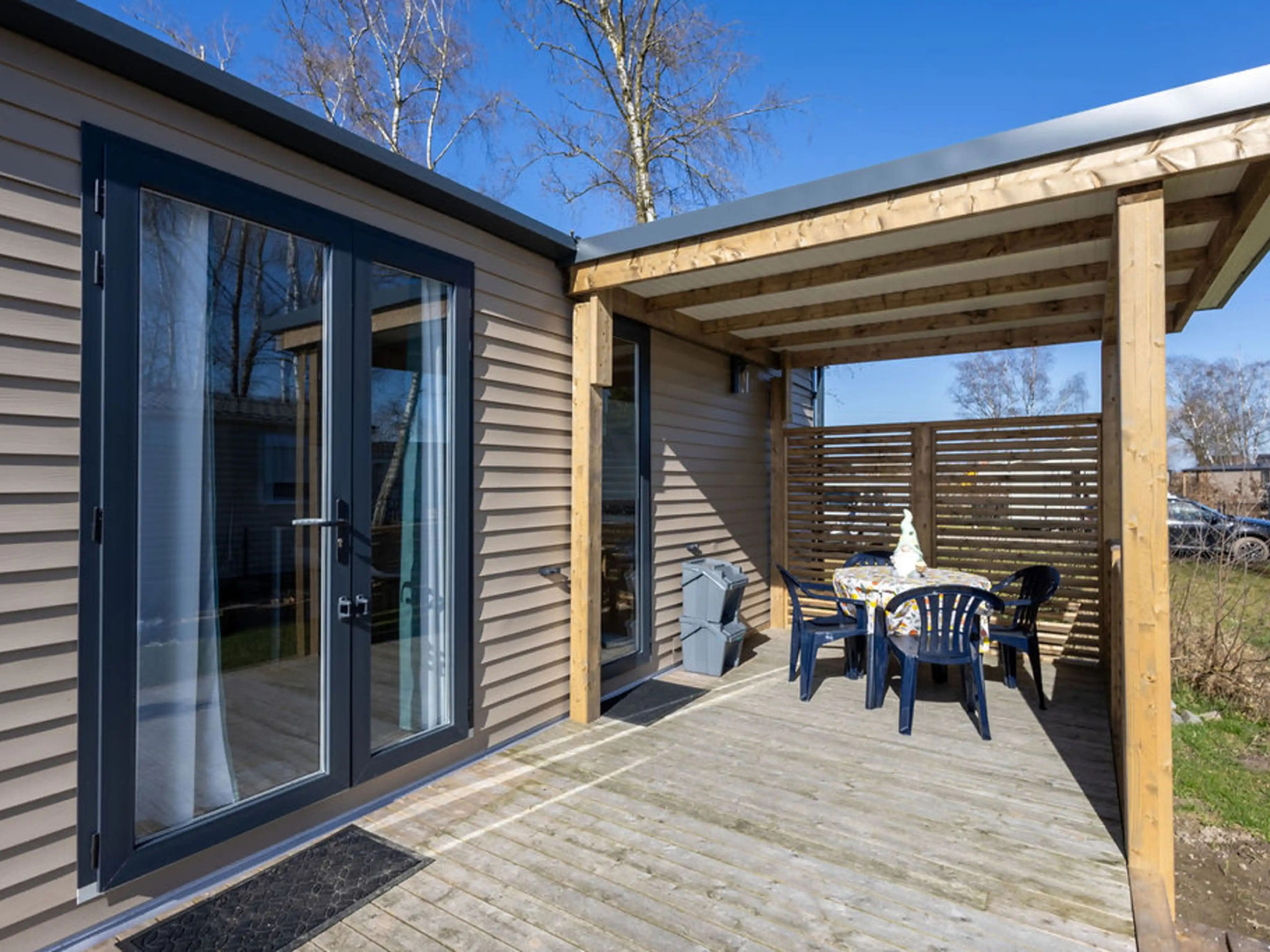
Camping Papillon Kinrooi – Vakantiehuis Familie 6P
Kinrooi, Belgisch Limburg, Belgium
6
3
0
MicrowaveParkingTerrace+3 more
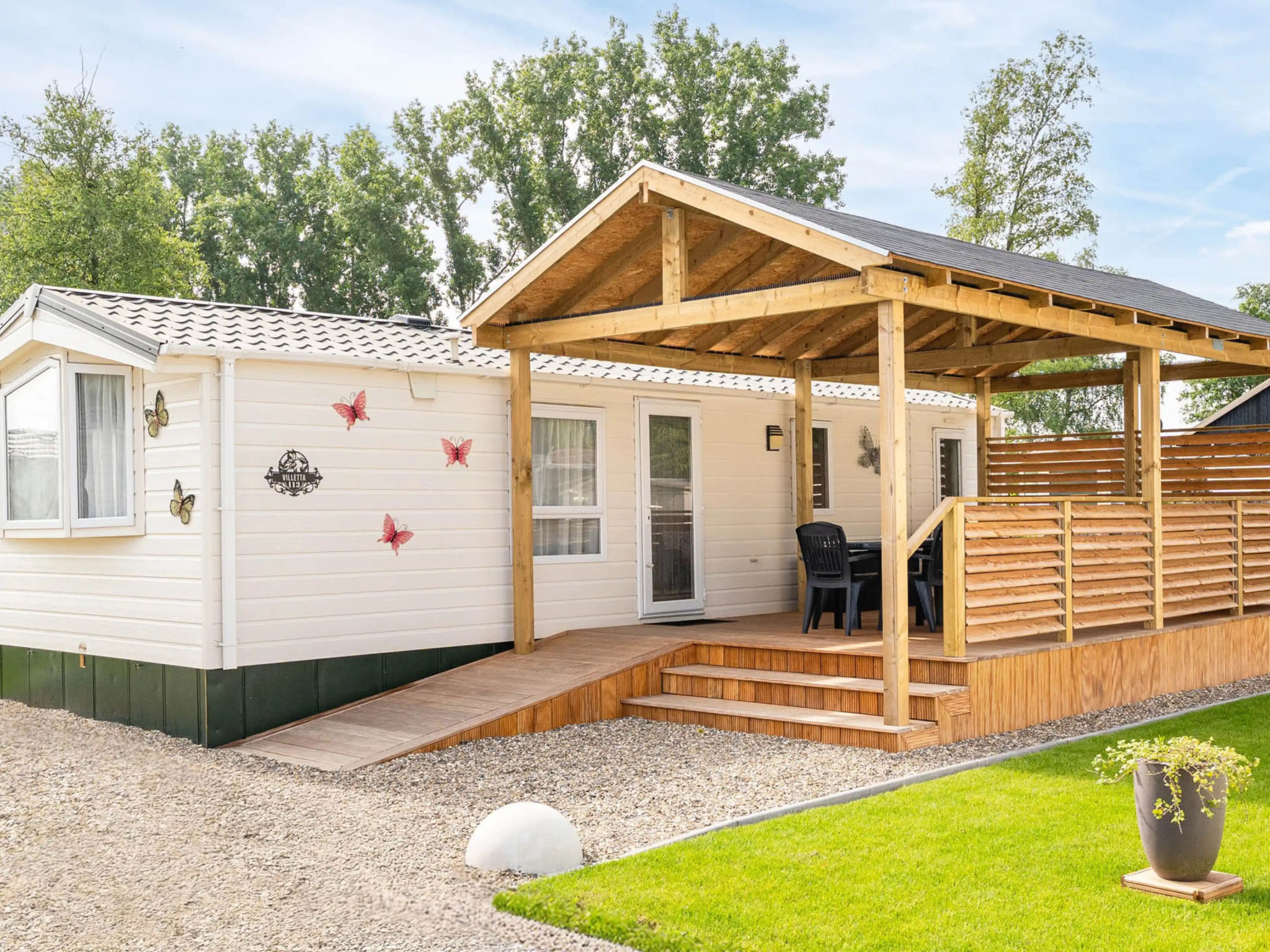
Camping Papillon Kinrooi – Vakantiehuis Villetta 4
Kinrooi, Belgisch Limburg, Belgium
4
2
0
MicrowaveParkingTerrace+5 more
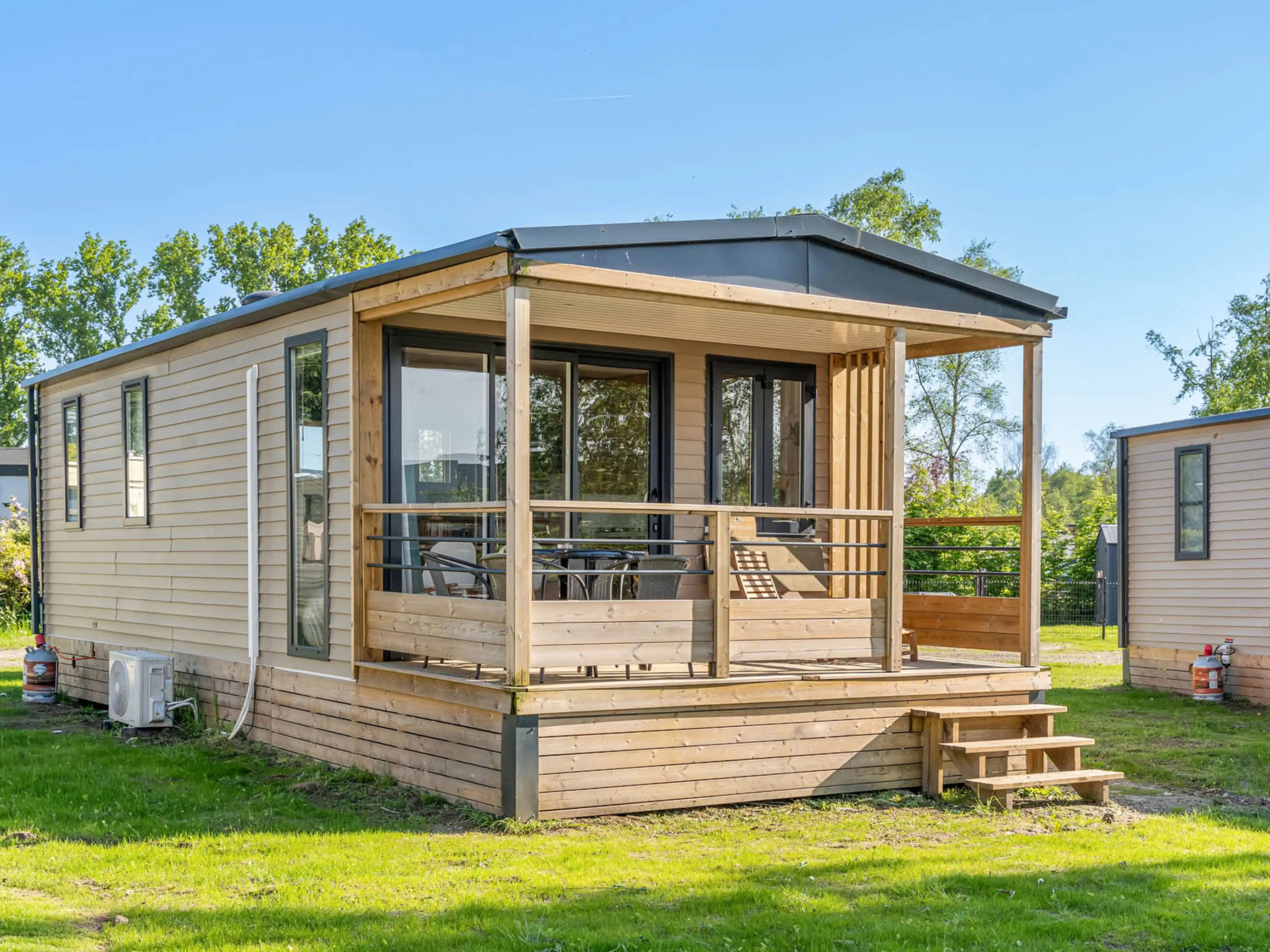
Camping Papillon Kinrooi – Vakantiehuis Premium 4P
Kinrooi, Belgisch Limburg, Belgium
4
2
0
MicrowaveParkingTerrace+3 more
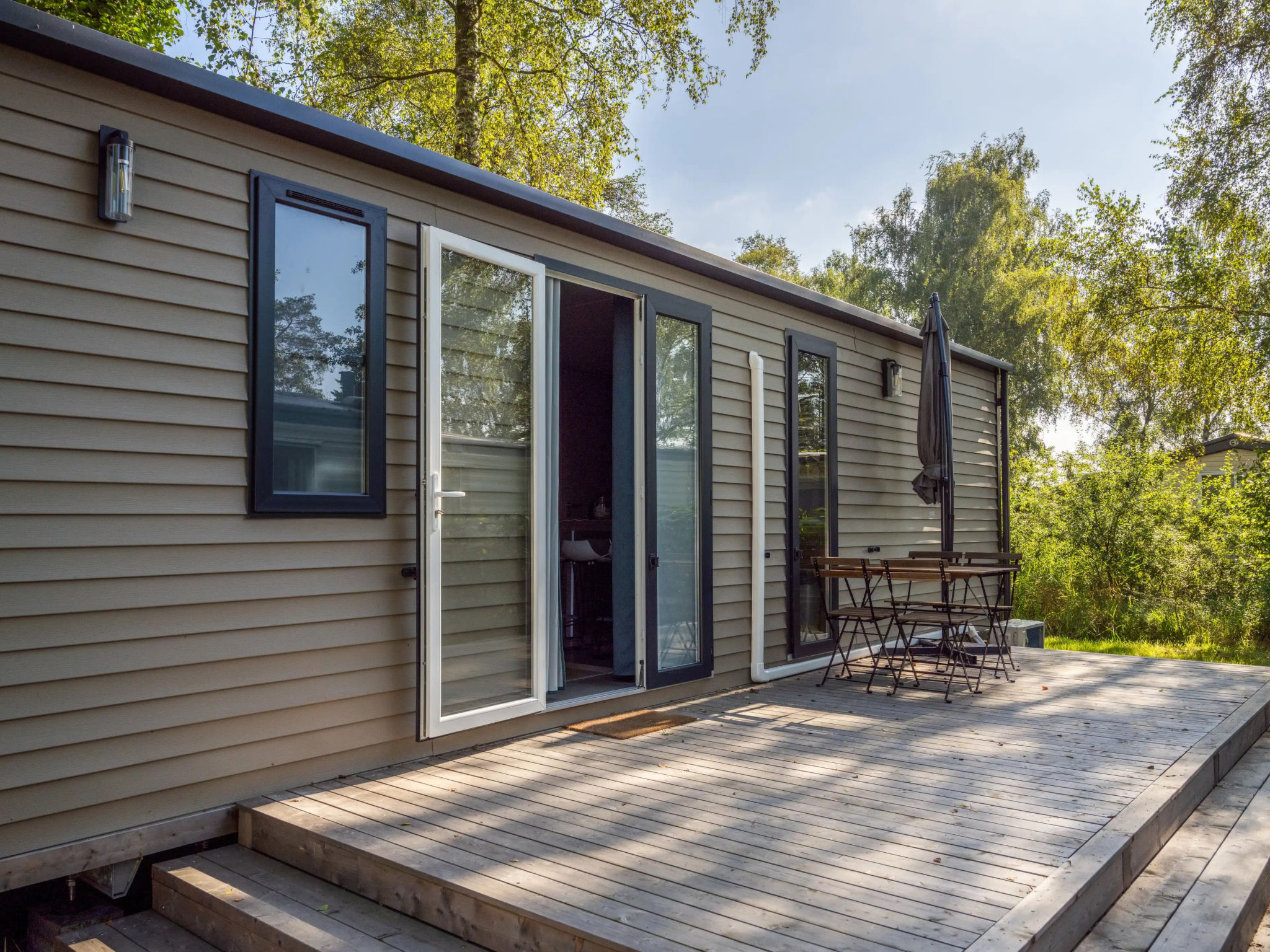
Camping Papillon Kinrooi – Vakantiehuis Familie 6P
Kinrooi, Belgisch Limburg, Belgium
6
3
0
MicrowaveParkingTerrace+3 more
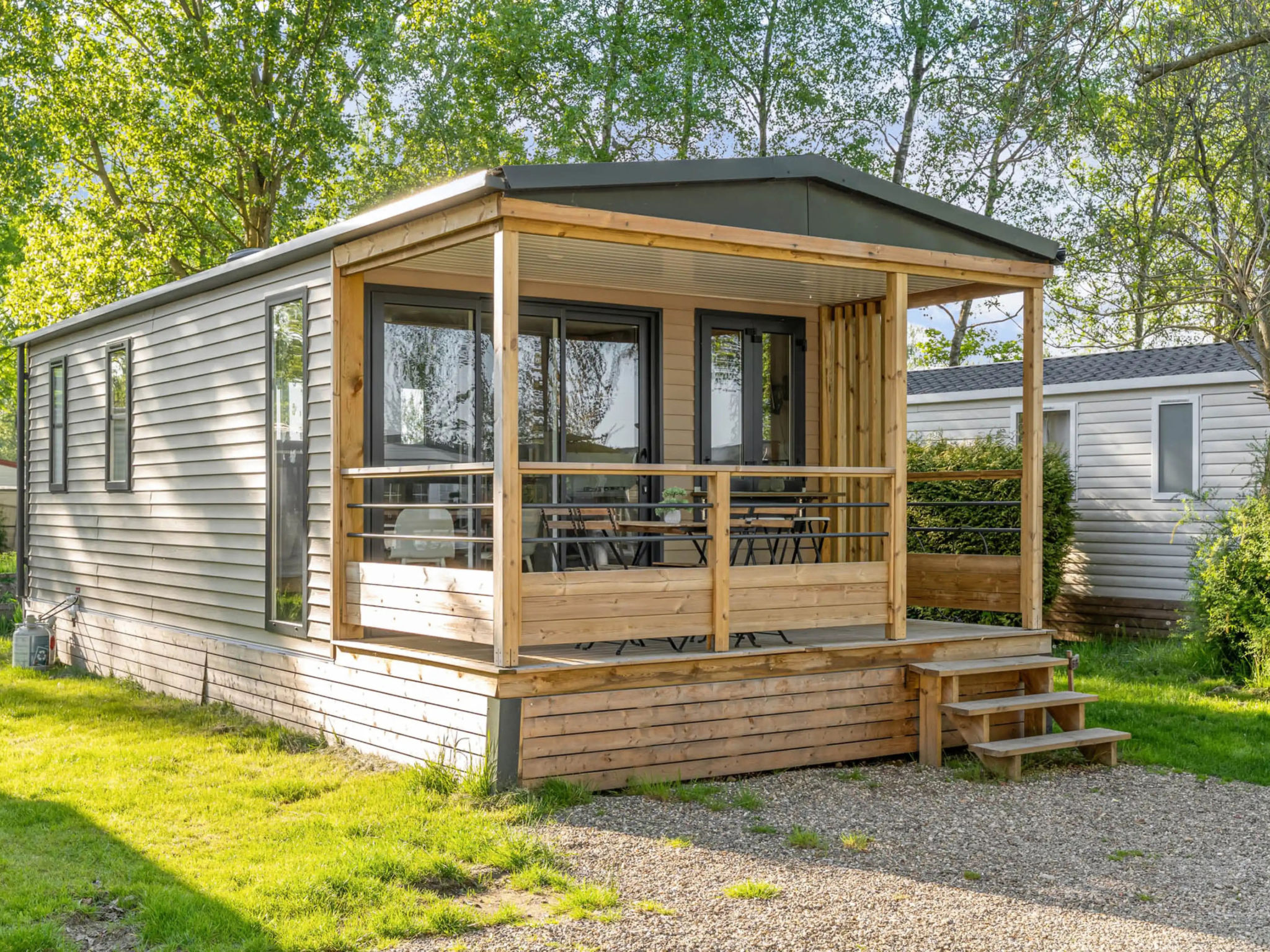
Camping Papillon Kinrooi – Vakantiehuis Premium 4P
Kinrooi, Belgisch Limburg, Belgium
4
2
0
ParkingTerraceFridge+2 more
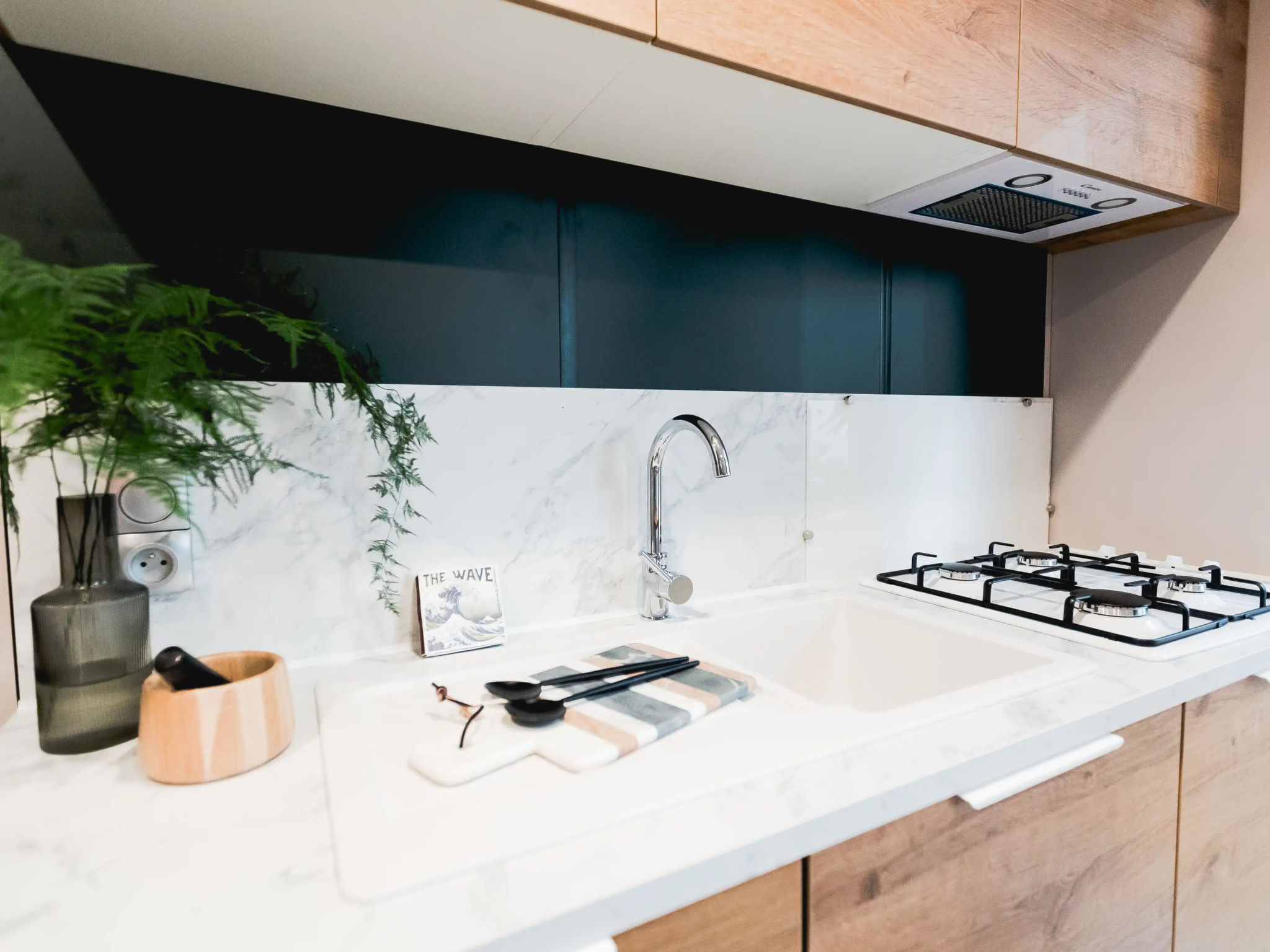
Camping Papillon Kinrooi – Vakantiehuis Familie 6P
Kinrooi, Belgisch Limburg, Belgium
6
3
0
ParkingTerraceFridge+2 more
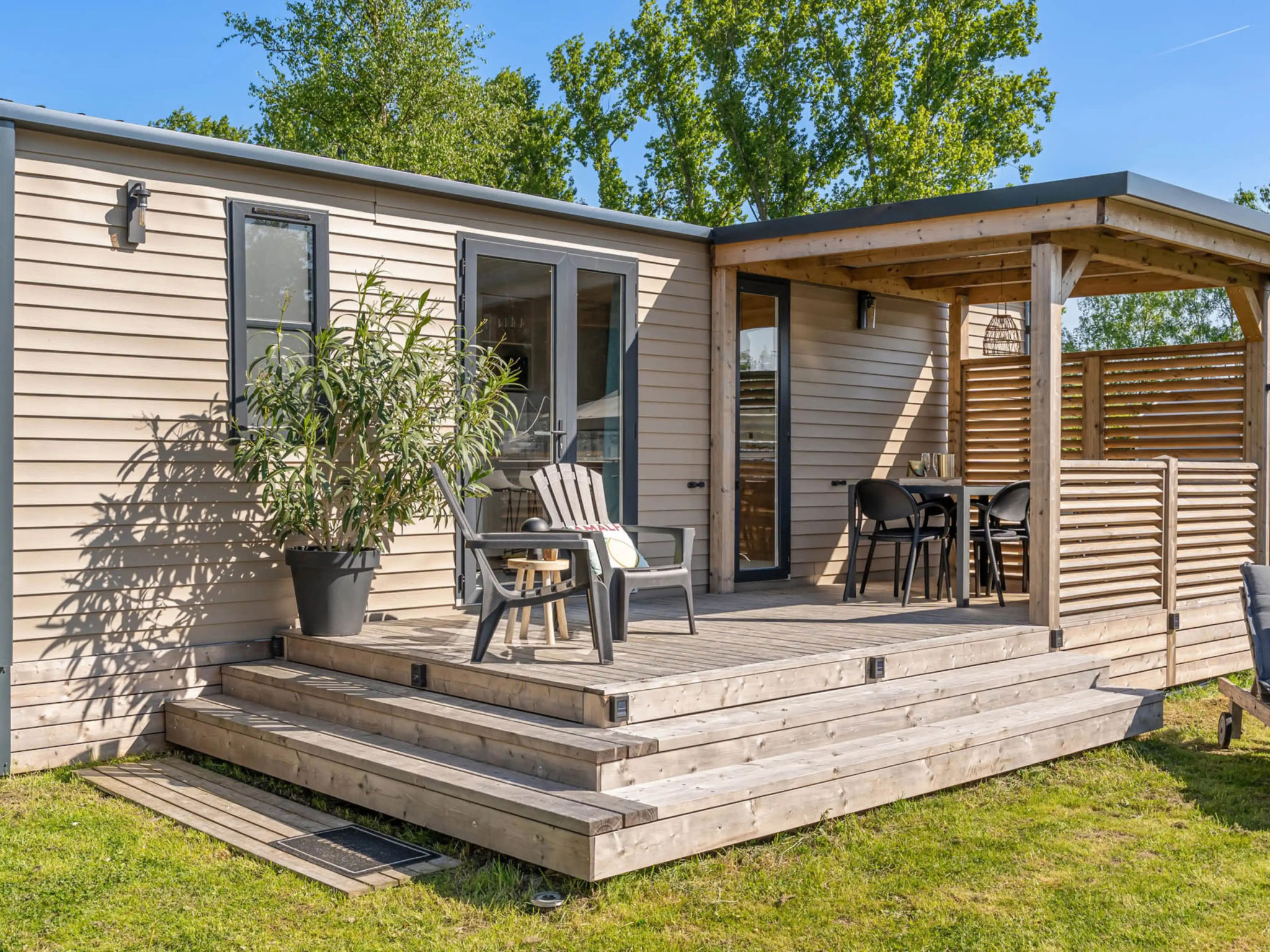
Camping Papillon Kinrooi – La Casetta
Kinrooi, Belgisch Limburg, Belgium
6
3
0
MicrowaveParkingTerrace+3 more
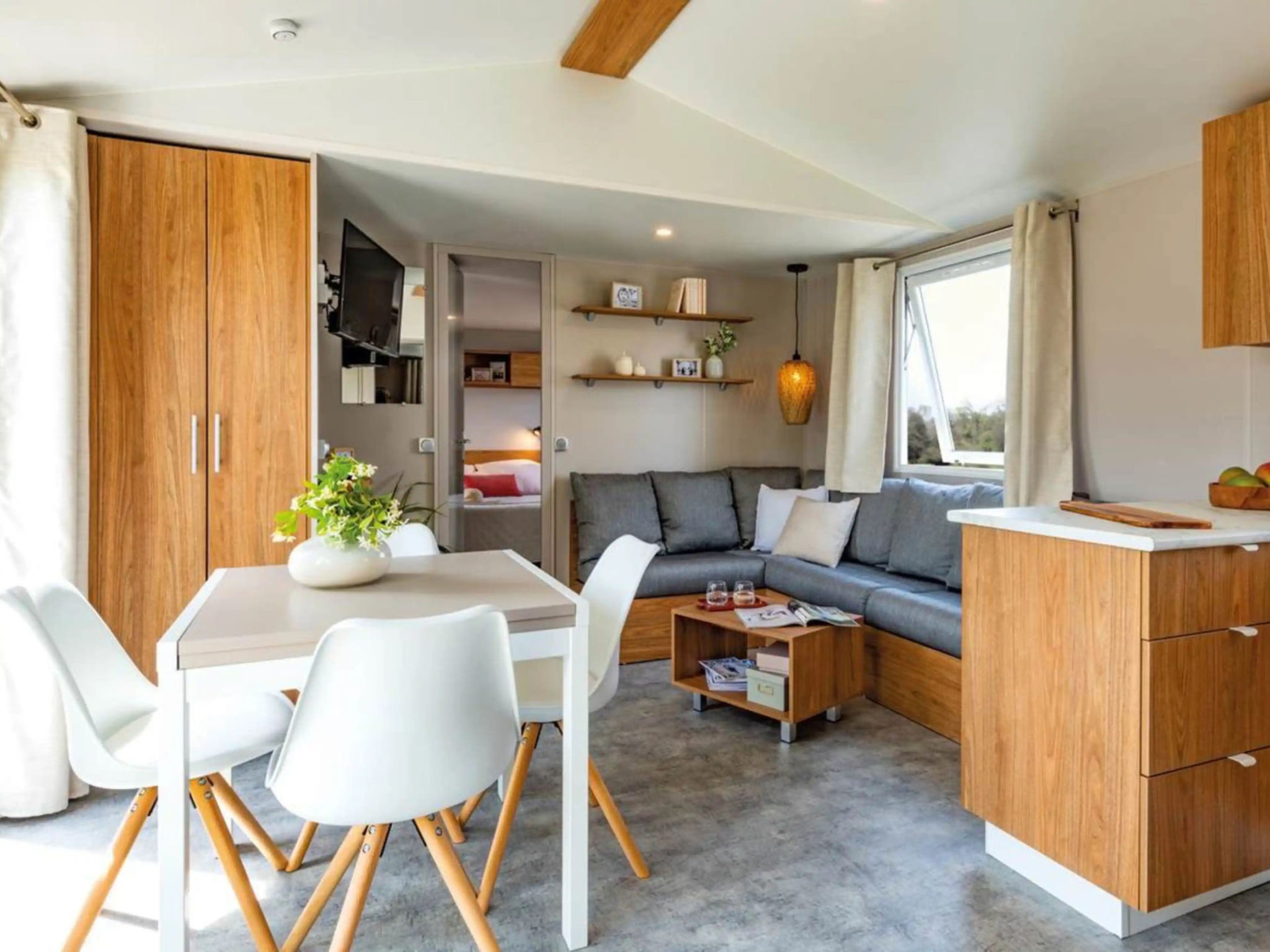
Camping Papillon Kinrooi – 86
Kinrooi, Belgisch Limburg, Belgium
4
2
0
MicrowaveParkingTerrace+3 more
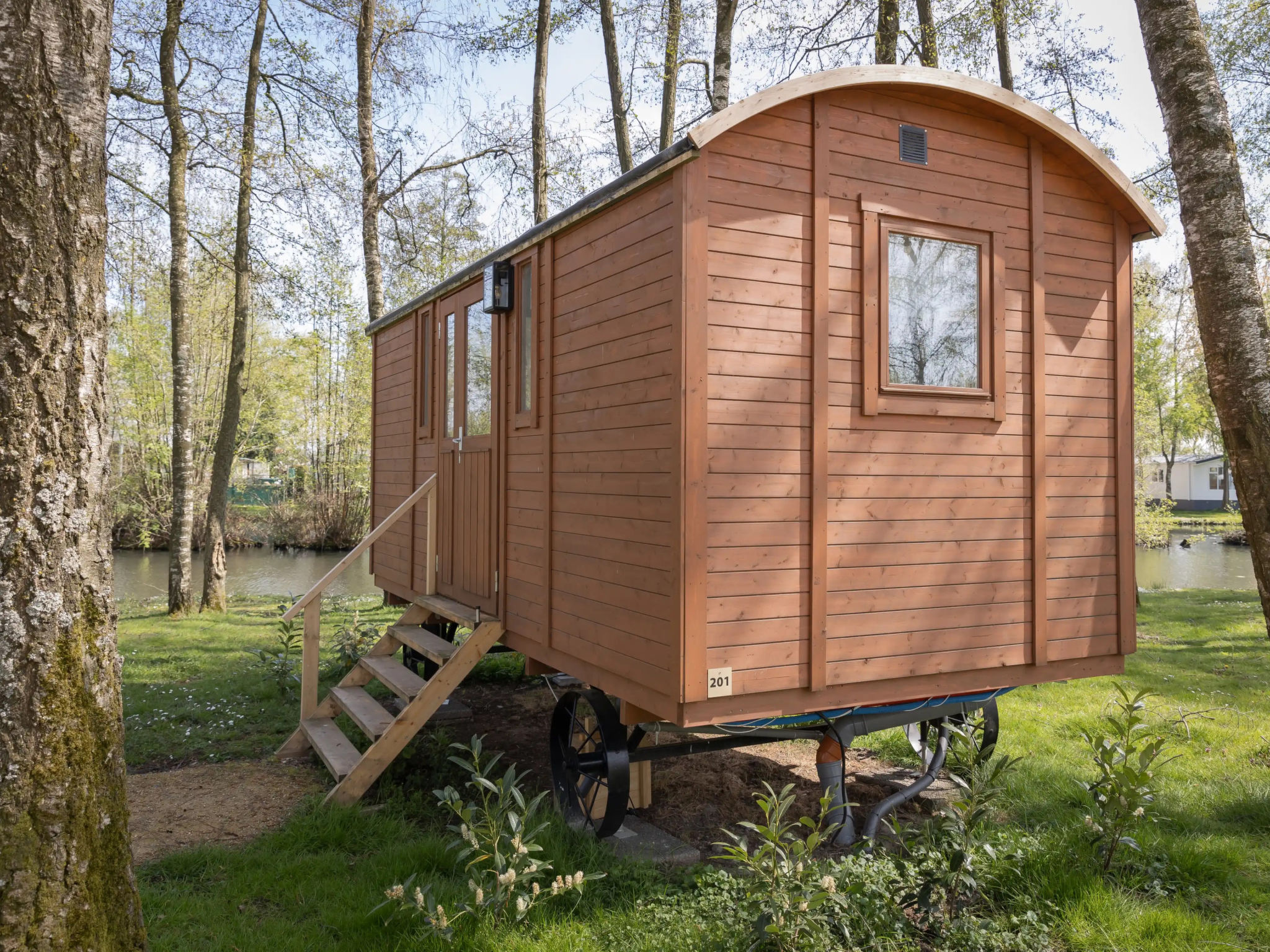
Camping Papillon Kinrooi - Pipowagen 2 personen
Kinrooi, Belgisch Limburg, Belgium
2
1
0
ParkingTerraceFridge+2 more
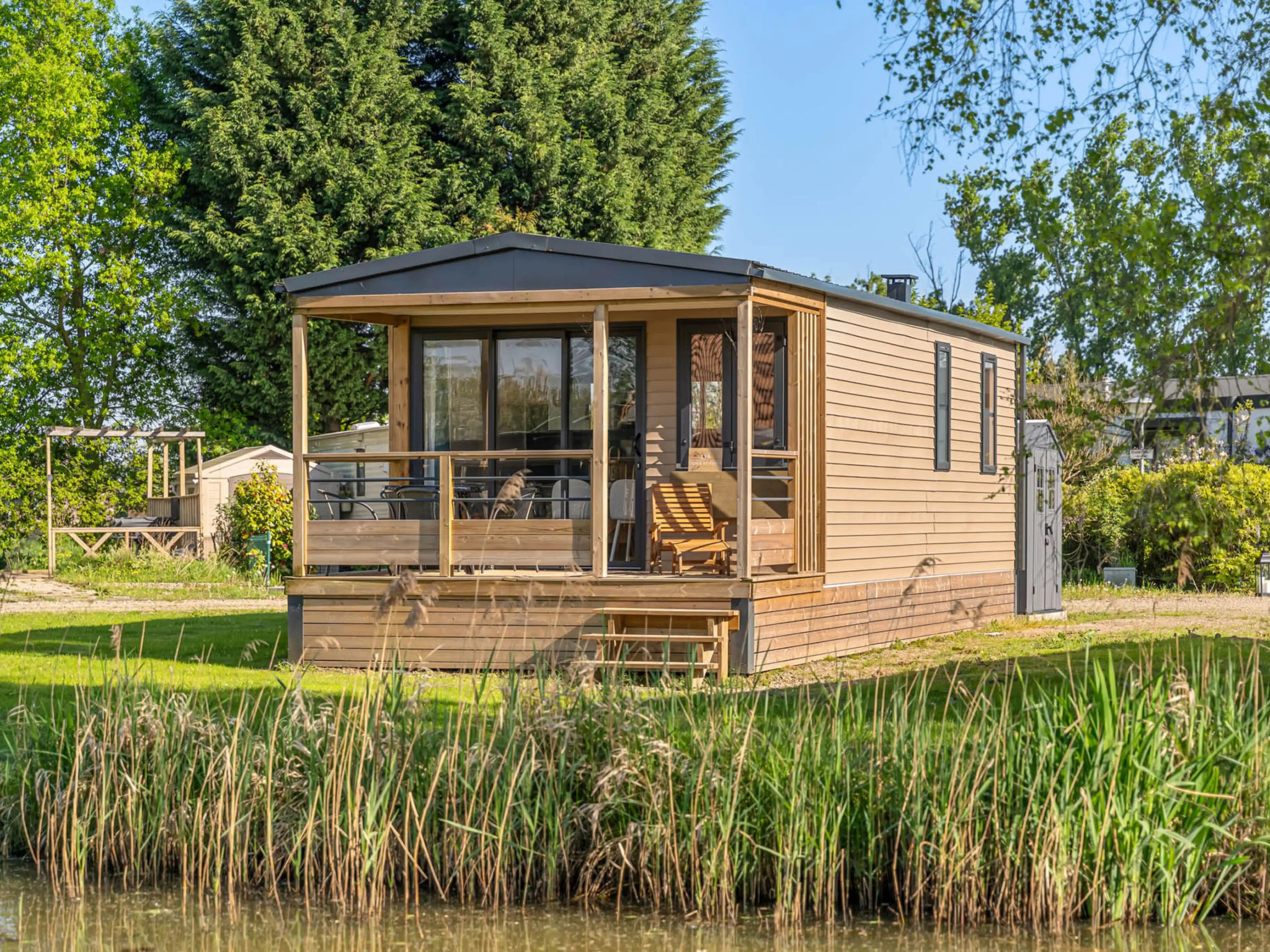
Camping Papillon Kinrooi – Vakantiehuis Premium 4P
Kinrooi, Belgisch Limburg, Belgium
4
2
0
MicrowaveParkingTerrace+3 more
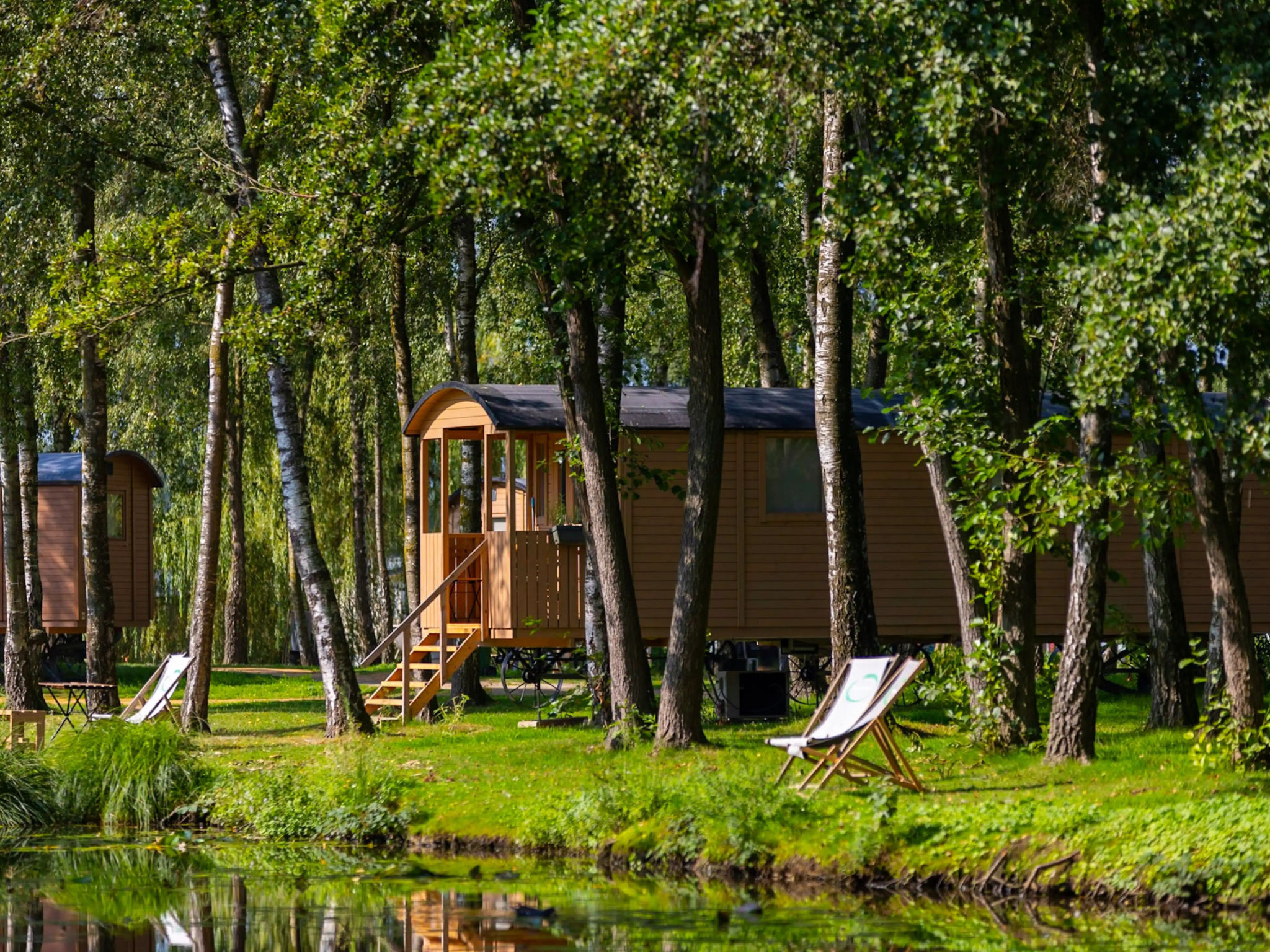
Camping Papillon Kinrooi - Pipowagen 4 p. terras
Kinrooi, Belgisch Limburg, Belgium
4
1
0
ParkingTerraceFridge+1 more
Kinrooi villa holidays: questions answered
Is Kinrooi near the Dutch border?
Yes. Kinrooi sits on the Grensmaas, the stretch of the Maas that has formed the border between Belgium and the Netherlands since 1839.
What nature is there around Kinrooi?
Kinrooi has seven nature reserves, and the Grensmaas valley is a Natura 2000 area with gravel banks, old river arms and grazing Konik horses and Galloway cattle on the Dutch side.
Is Kinrooi good for a quiet stay?
Yes. It is a rural municipality of about 12,000 people spread across five villages, and Maaseik is the neighbouring town.
What are the Maasplassen near Kinrooi?
They are lakes created by gravel extraction east of Kessenich, which started in 1949 and ended in 2008. Some are now used for recreation and others for nature.
Nearby towns to Kinrooi
Written by the TrustedVillas team. Last reviewed October 2026.
Find Your Perfect Villa in Kinrooi
Our villa experts are here to help you find the ideal property for your vacation. Contact us for personalized recommendations.