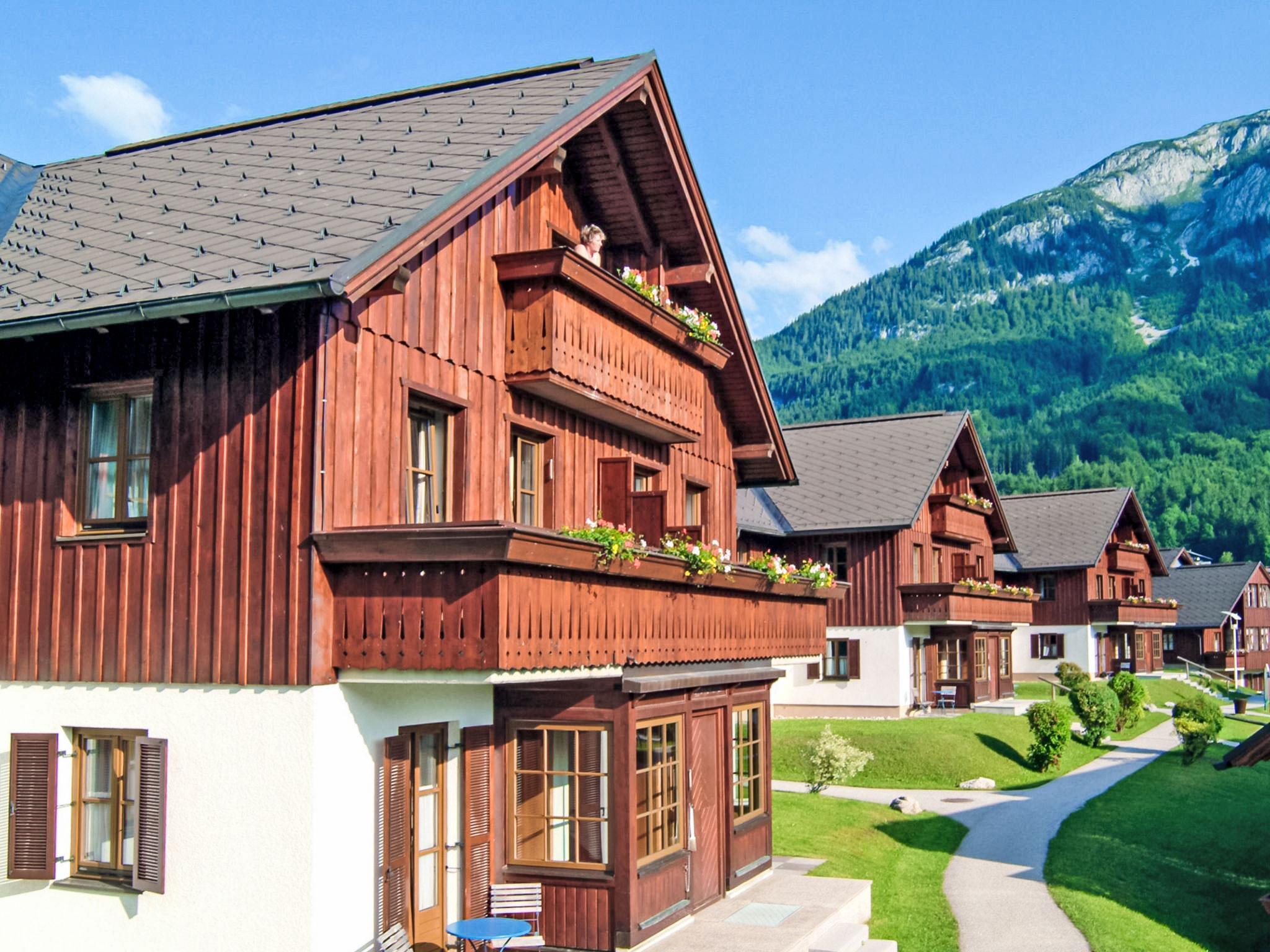
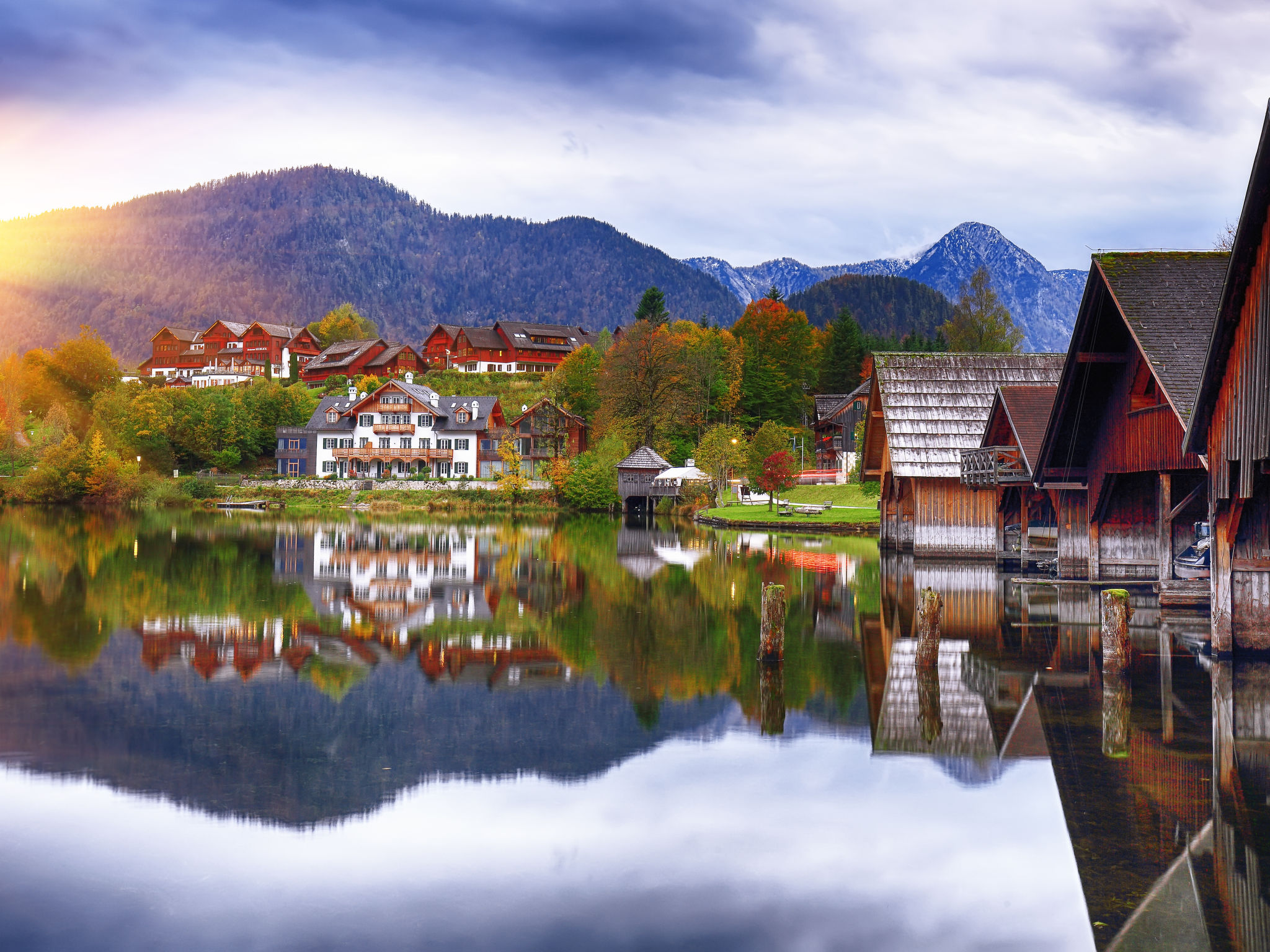
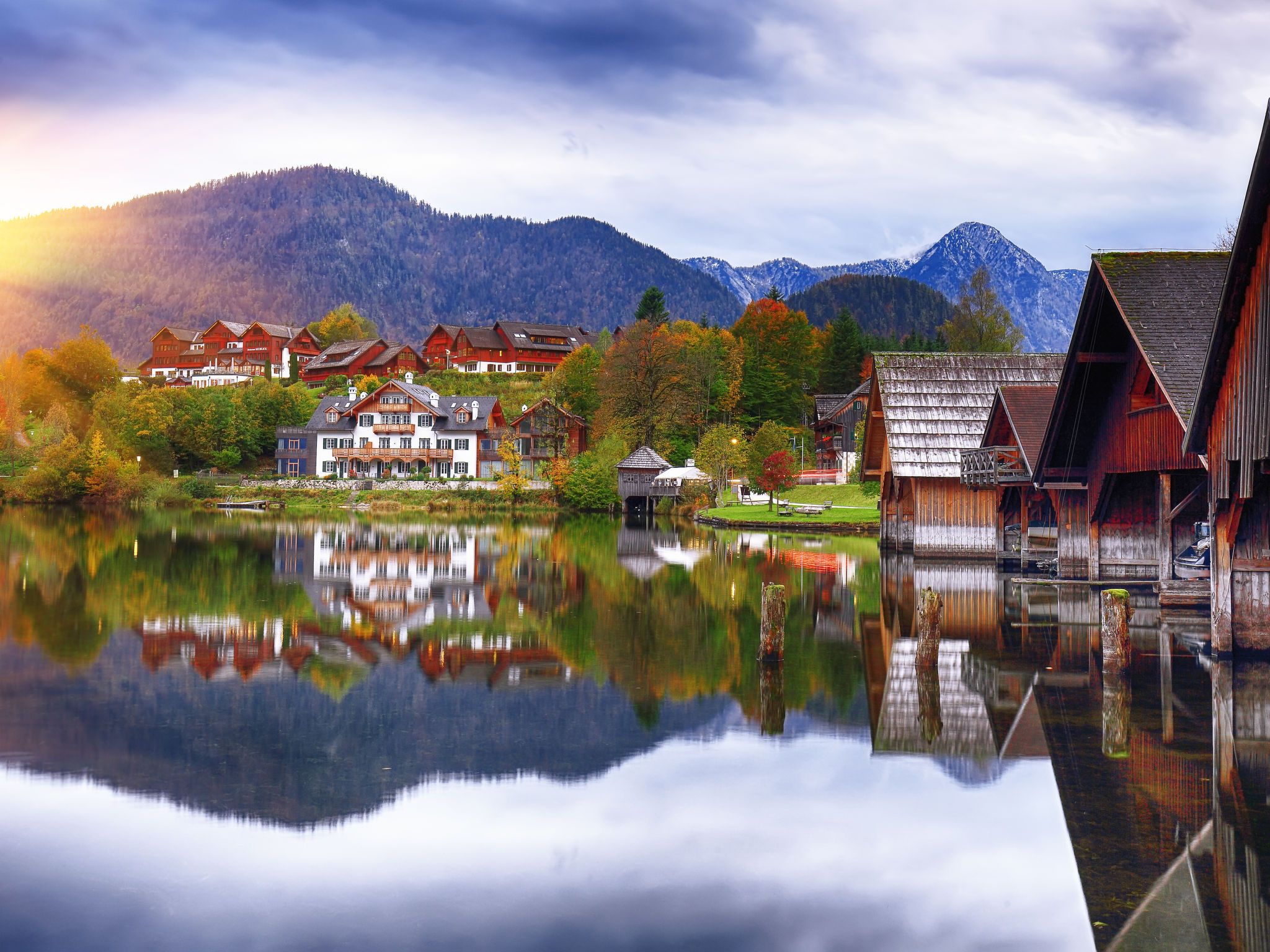
Salzkammergut sprawls across Upper Austria and Salzburg state—a lake-studded region anchored by clear water and Belle Époque resort towns. The landscape emphasises water over mountains: you'll find clean lakes (Hallstätter See, Attersee, Traunsee, Altausseer See) and gentle green hiking rather than jagged Alpine peaks. UNESCO heritage towns (Hallstatt, Bad Ischl) attract photographers and culture-focused visitors, yet countless quieter villages remain genuinely undiscovered. Unlike Tyrol's permanent tourism infrastructure, Salzkammergut feels more subtle—the region caters to those seeking water-leisure, spa culture, and Belle Époque charm without aggressive marketing. Summer temperatures reach 20-24°C; winters are mild (rarely below freezing at lake level). The region suits water-sports enthusiasts, spa-focused visitors, families seeking safe swimming, and those valuing pastoral calm over Alpine drama.
What Makes Salzkammergut Special
- Water quality uncompromised: Unlike many Alpine lakes, Salzkammergut waters remain crystalline and clean—no visible algae or cloudiness, even in peak summer.
- Safe family swimming: Designated beaches, lifeguards, shallow-water zones, and temperature stability (22-24°C peak summer) make swimming safer for young children than mountain rivers.
- Spa and wellness culture integrated: Towns like Bad Ischl offer genuine thermal facilities, wellness treatments, and relaxation-focused infrastructure. Water serves both recreation and health purposes.
- Pastoral hiking without Alpine intensity: Surrounding hills deliver good day walks (3-5 hours typical) with manageable elevation gain. Well suited to mixed-ability groups.
- Belle Époque charm without resort kitsch: Towns retain genuine architectural heritage (not reproductions) and cultural sophistication. You get refinement rather than tackiness.
Top Towns & Resorts in Salzkammergut
Hallstatt
Hallstatt occupies the postcard-famous position on Hallstätter See's northern shore. Mountainous backdrop, pastel-painted lakefront houses, and genuine UNESCO heritage architecture. Summer tourist density (6,000+ daily) is overwhelming; early morning visits (before 8am) reward with serene beauty. Winter feels genuinely peaceful. The Salt Mine (ancient, still operating since Celtic times) sits on hillside. Accessible via cable car. Villas here command premium pricing reflecting fame. Caveat: July-August is almost unbearable unless you embrace crowds. April-May and September-October offer identical beauty with 90% fewer visitors and 40% lower villa costs. Early-morning or off-season visits are non-negotiable for those prioritising experience over crowds.
St. Gilgen
St. Gilgen sits on Wolfgangsee's southern shore. A resort village balancing tourism with working-village character. Summer brings swimmers and hikers; lake water reaches 23°C peak summer. Traditional Alpine architecture with modern facilities appeals to families and couples. Mozart family summer-home connections exist but feel less commercialised than Salzburg city. Restaurants and shops cluster around town centre; villas offer both water-view and quieter setbacks. Caveat: July-August sees significant crowds around beaches and restaurants; early mornings and midweek visits feel considerably quieter. Winter is mild and peaceful.
Bad Ischl
Bad Ischl functions as Salzkammergut's cultural hub. Genuine spa town with imperial heritage, elegant Belle Époque squares, and active thermal bath facilities. The town feels genuinely refined rather than touristy. Summer brings spa guests, hikers, and cultural tourists; winter quiets considerably while maintaining key facilities. Villas near Bad Ischl suit spa-focused breaks and those wanting cultural engagement combined with hiking access. Lake Traun sits 15 minutes north; properties in surrounding countryside offer genuine seclusion. Restaurant quality is good; self-catering from farmers' markets is equally rewarding. Caveat: midsummer sees steady spa-tourism streams; midweek visits and shoulder seasons feel considerably quieter.
Mondsee
Mondsee occupies the region's northern lake edge. The warmest major Salzkammergut lake (reaching 24-25°C peak summer). The town itself feels modern rather than Belle Époque (reflecting post-WWII reconstruction). Water sports (sailing, windsurfing, kayaking) dominate summer culture. Villas here attract water-sports enthusiasts and families seeking warm-water swimming. Hiking access to Mondsee hills remains solid but feels secondary to water activities. Restaurants cluster around waterfront; town-centre shopping is practical and modern. Caveat: peak July-August sees significant crowding around beaches; early mornings and midweek visits reward with considerably quieter experiences. Winter is mild and quiet.
Altaussee
Altaussee sits in the region's quieter eastern corner. A working village overlooking its namesake lake. The village remains genuinely small and quiet despite tourist season; tourism feels secondary to local life. The lake is Austria's deepest (226m) and clearest. Visibility extends 10m+ underwater, making snorkelling and diving exceptional. Hiking surrounds the lake; trail difficulty ranges easy to serious. Villas scatter through forest clearings; many feature sauna and hot-tub options (water runs cool, 20-22°C peak summer). Summer brings hikers; winter is utterly quiet. Caveat: restaurants close early; self-catering is practical and rewarding. Late-night shopping doesn't exist. Best for couples and small groups comfortable with quiet and wanting genuine village immersion.
Attersee Area
Attersee, Austria's largest lake (19km long), stretches across the region's centre. Ringed by resort towns and quieter villages. Undersdorf and Seewalchen sit on northern shores; Schörfling and Burgau occupy quieter southern shores. Water sports dominate (sailing clubs, windsurfing, kayaking); the lake reaches 22-23°C peak summer. Villas here range water-view (premium pricing) to forested setbacks (better value, genuine quiet). Infrastructure varies by town. Major resorts offer full facilities; smaller villages require early-evening planning. Summer brings tourists and water-sports crowds; early morning and midweek visits offer considerably quieter experiences. Caveat: the lake's size means you're never far from activity, even from quiet-seeking villas.