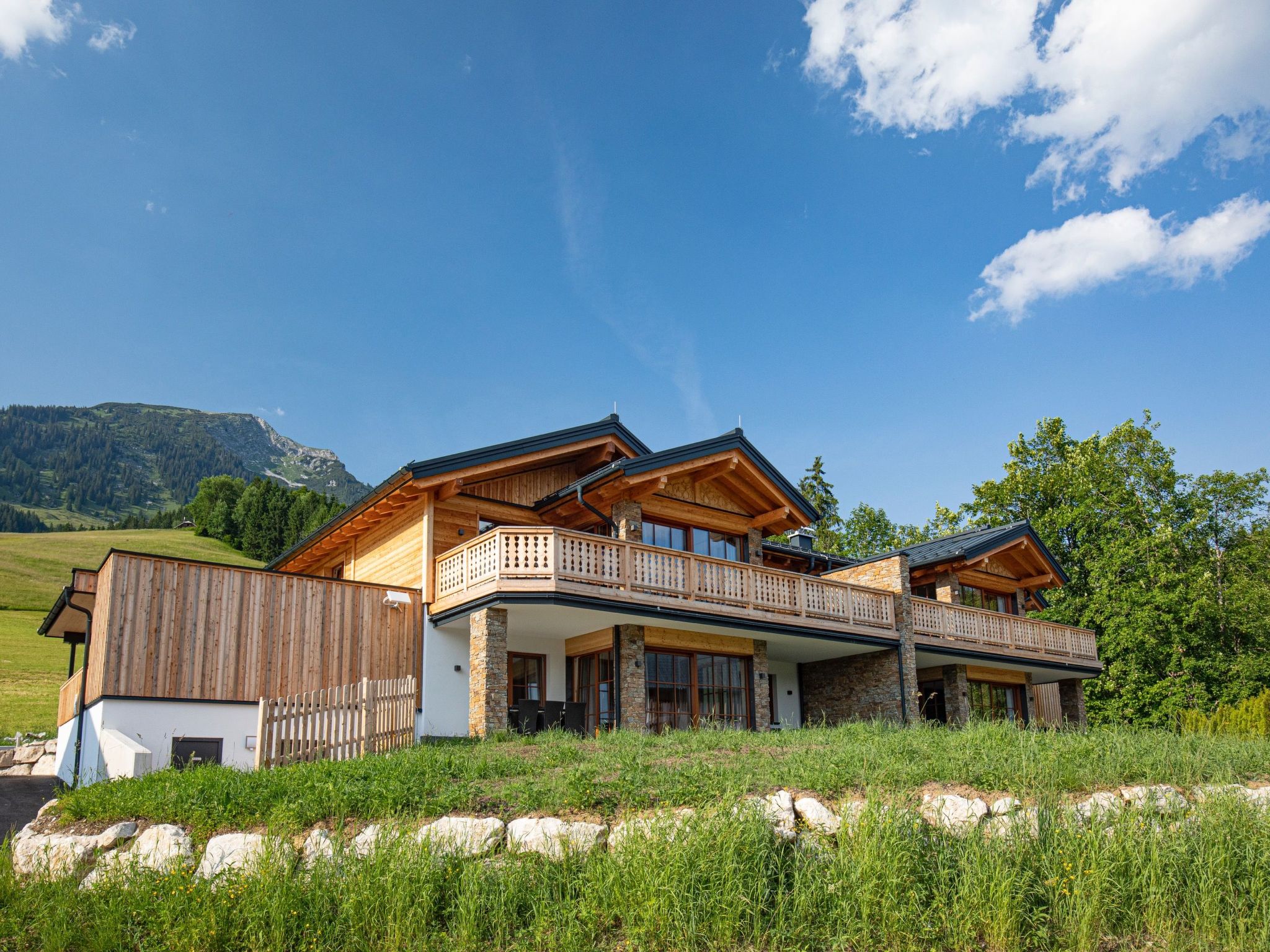
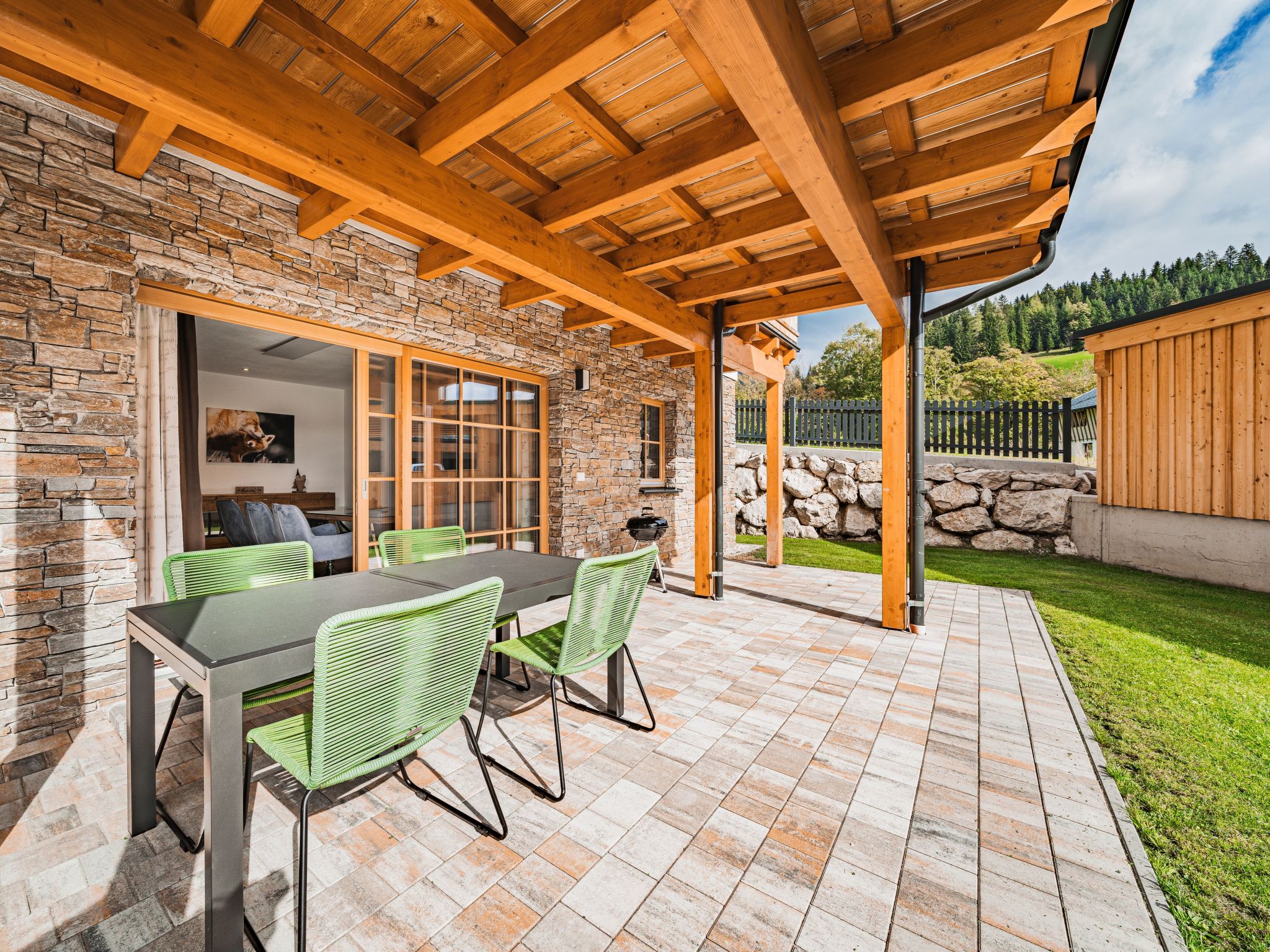
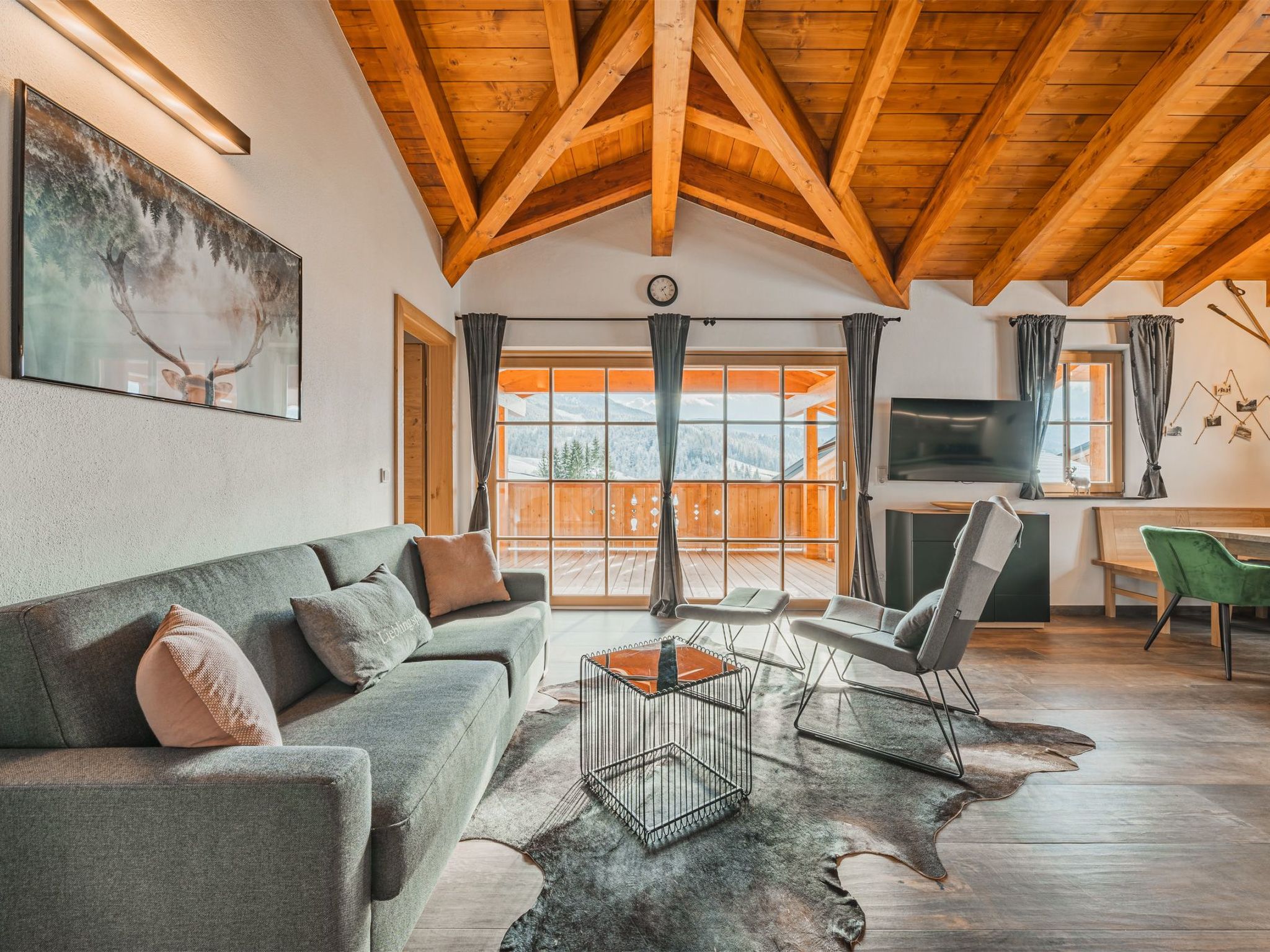
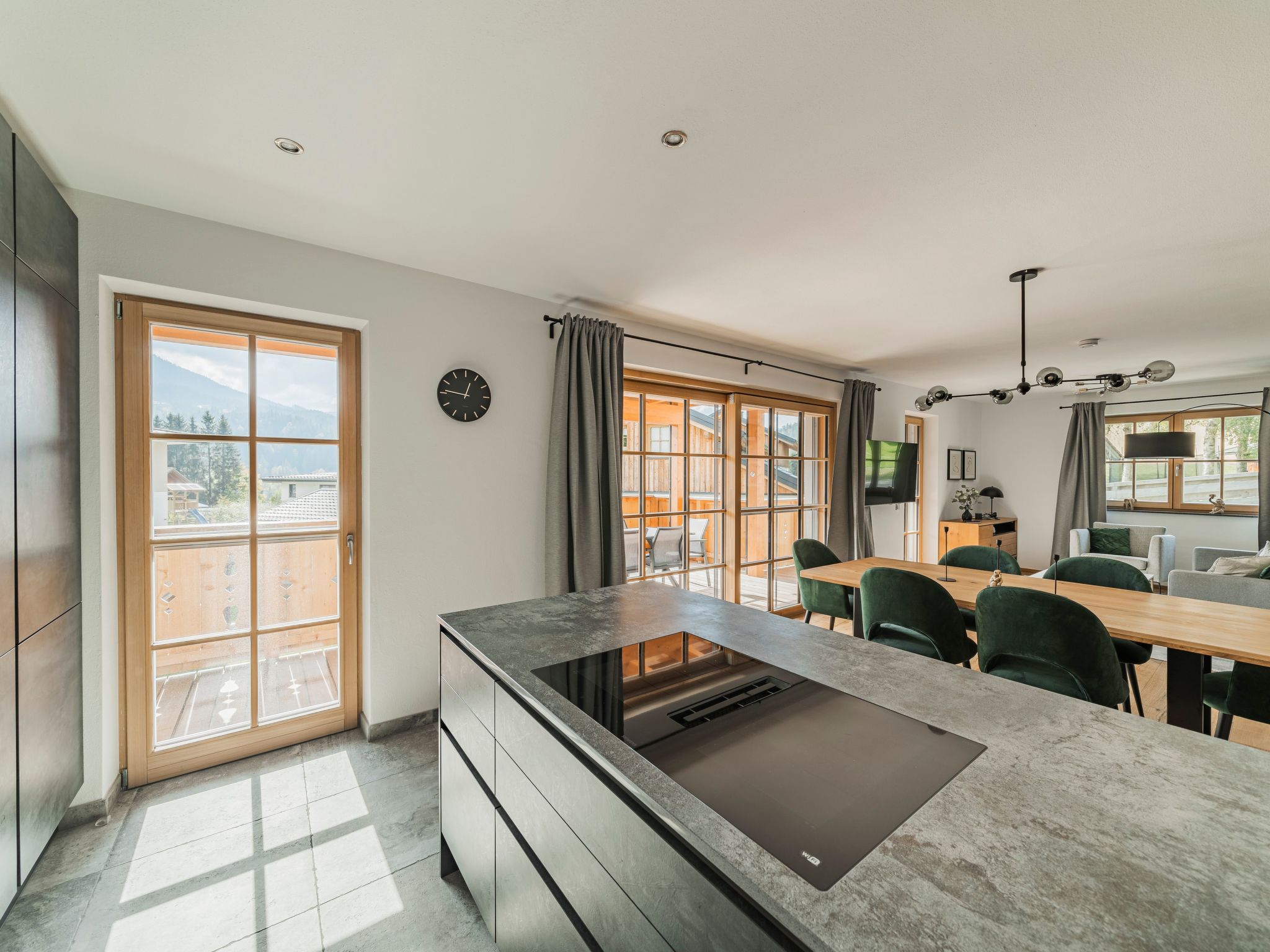
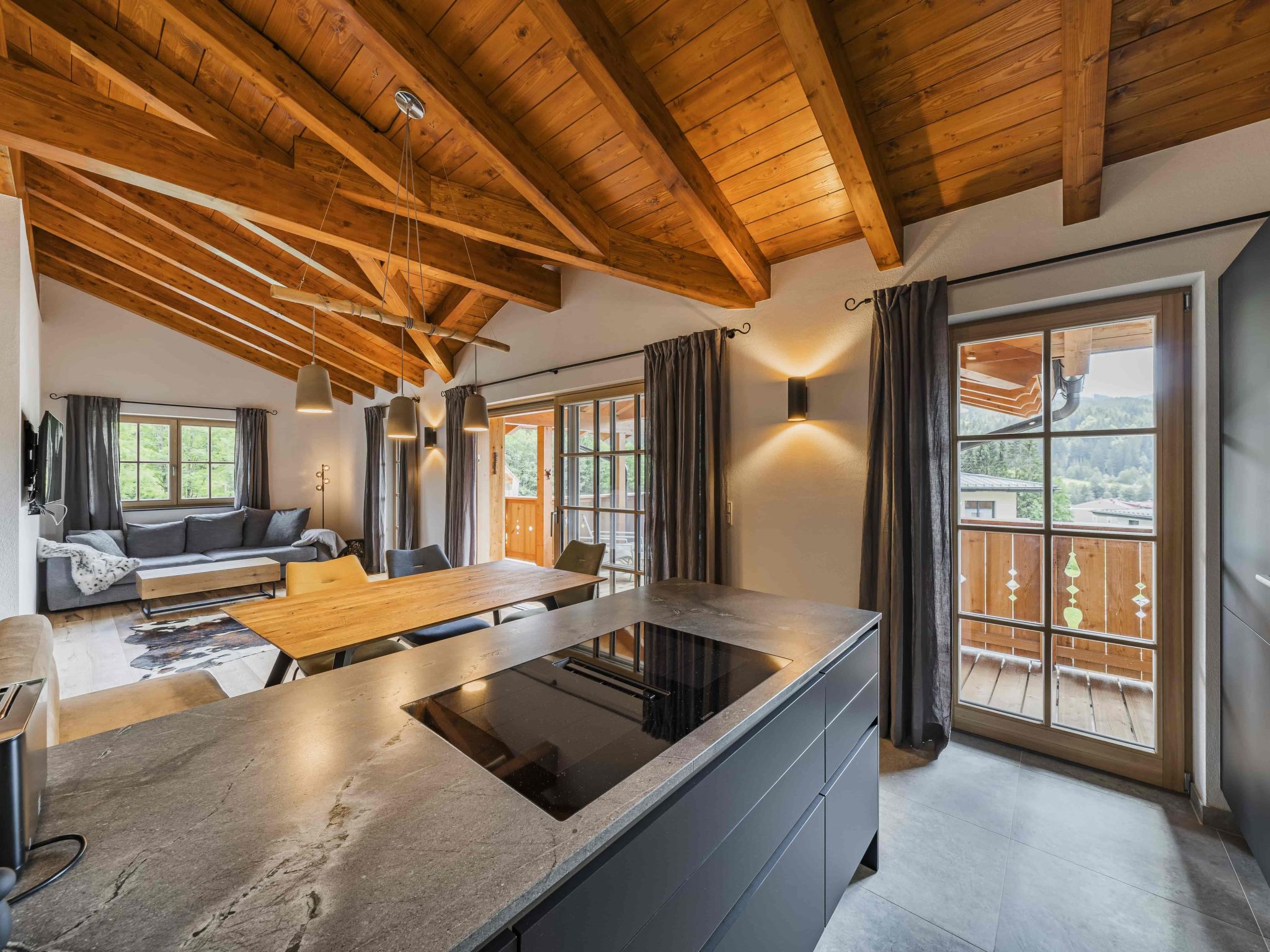
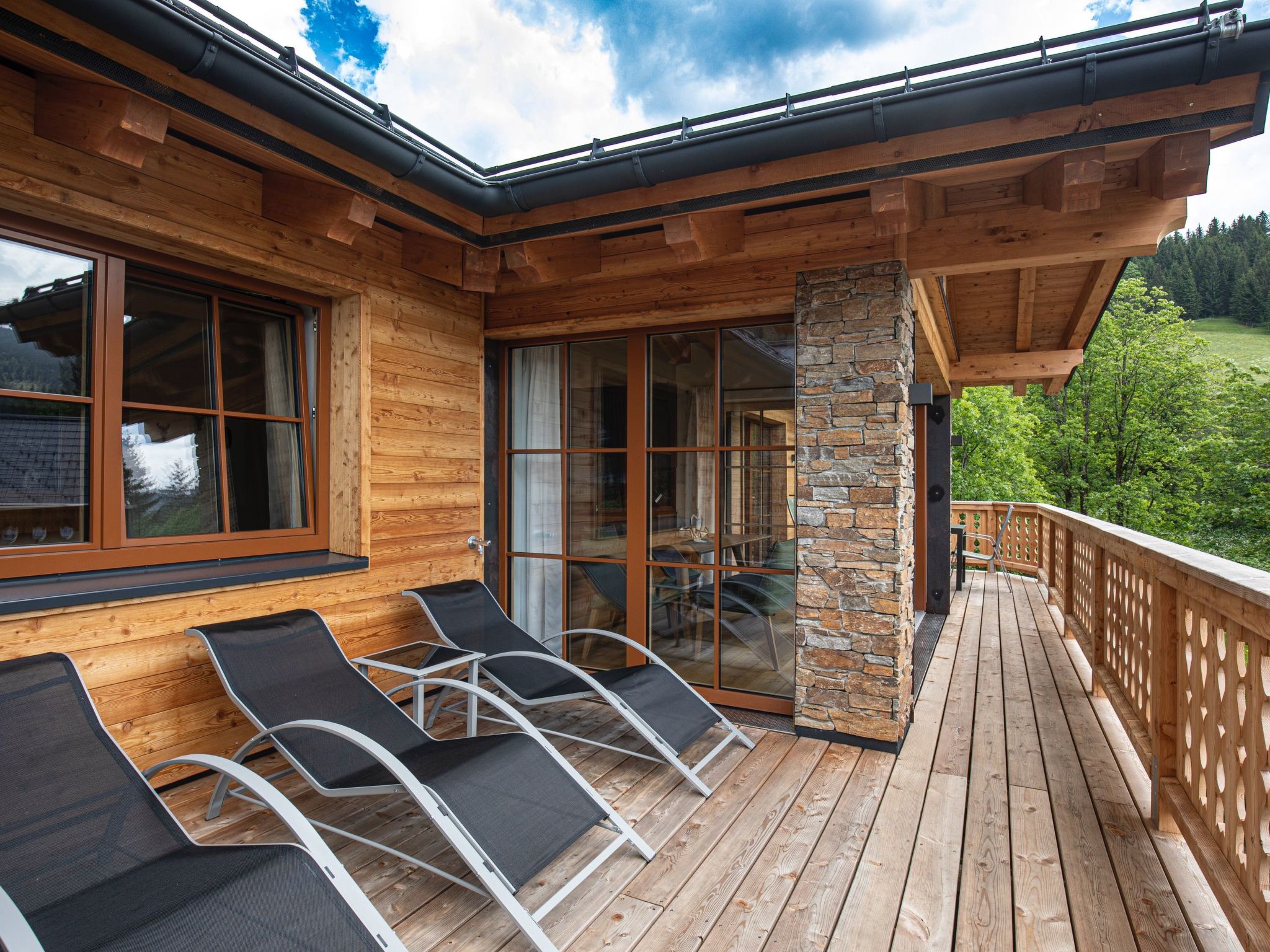
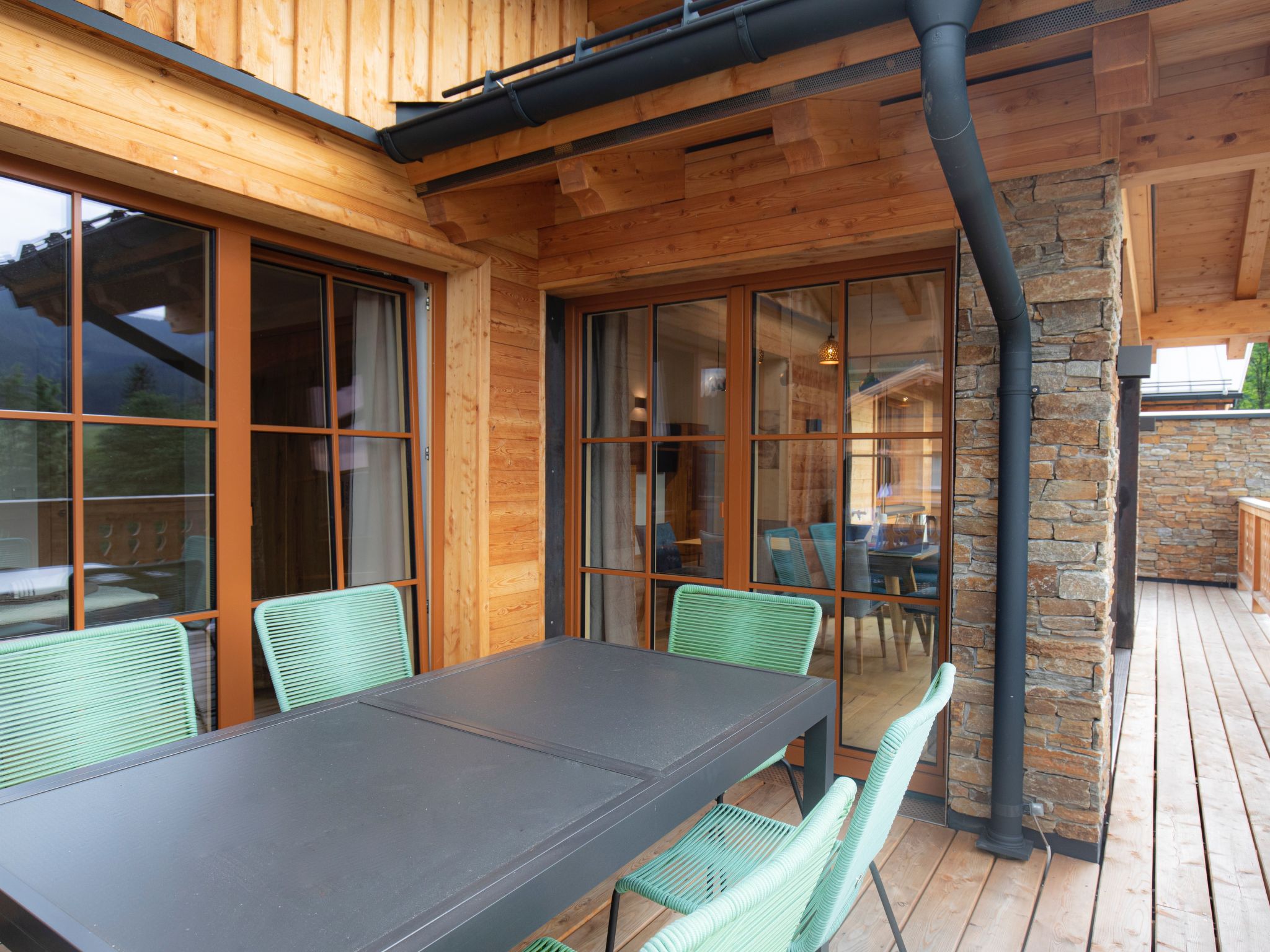
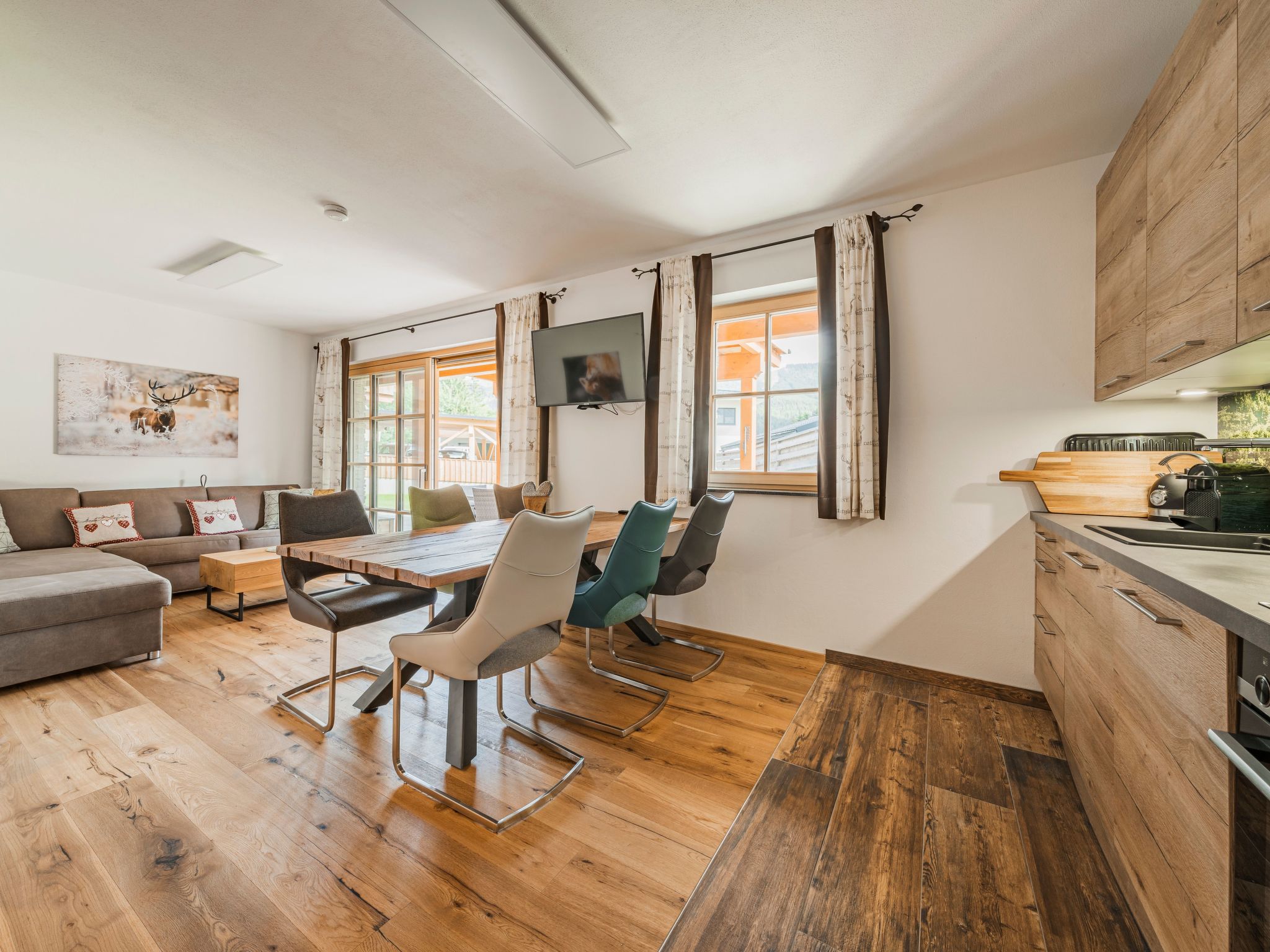
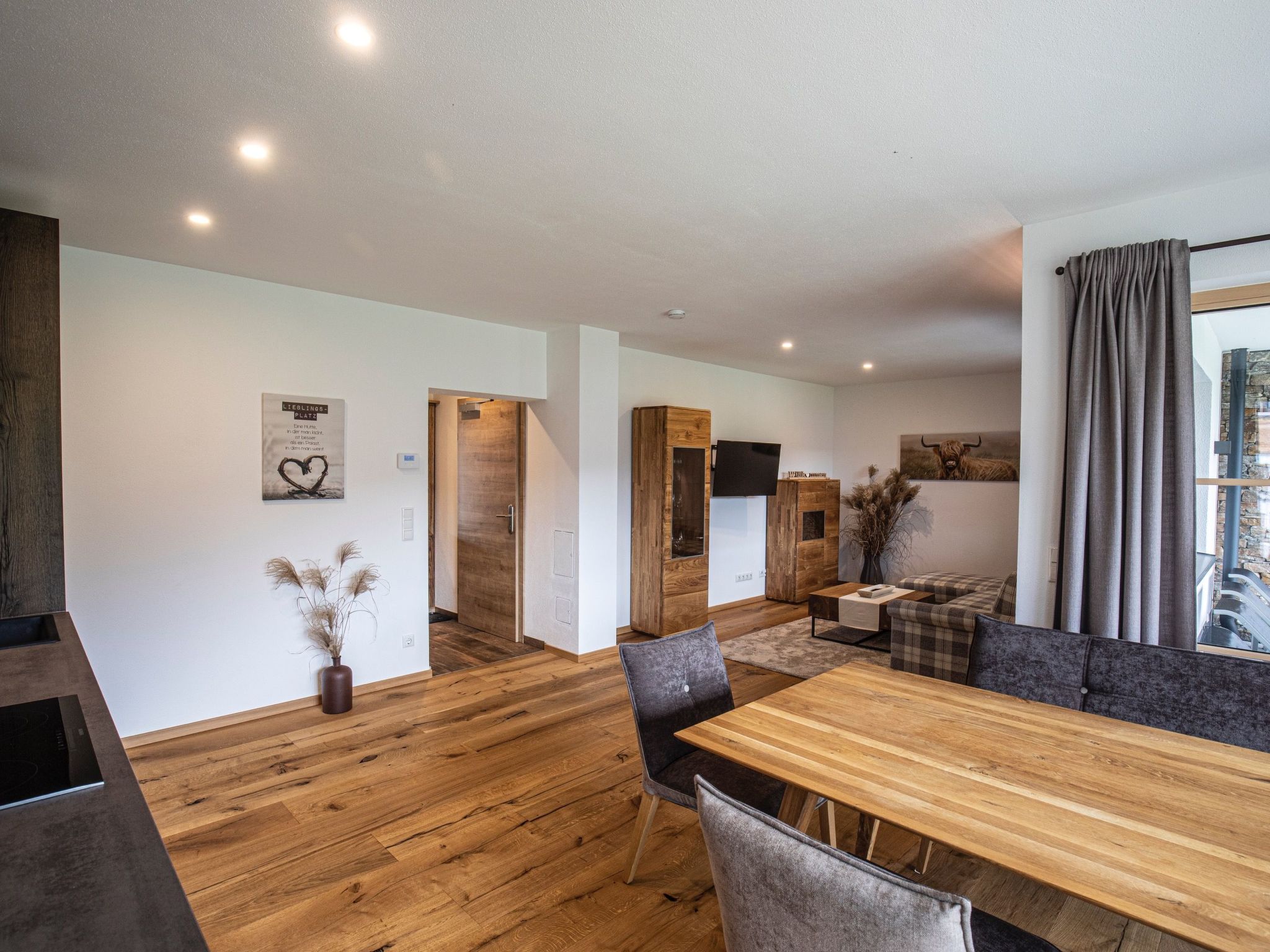
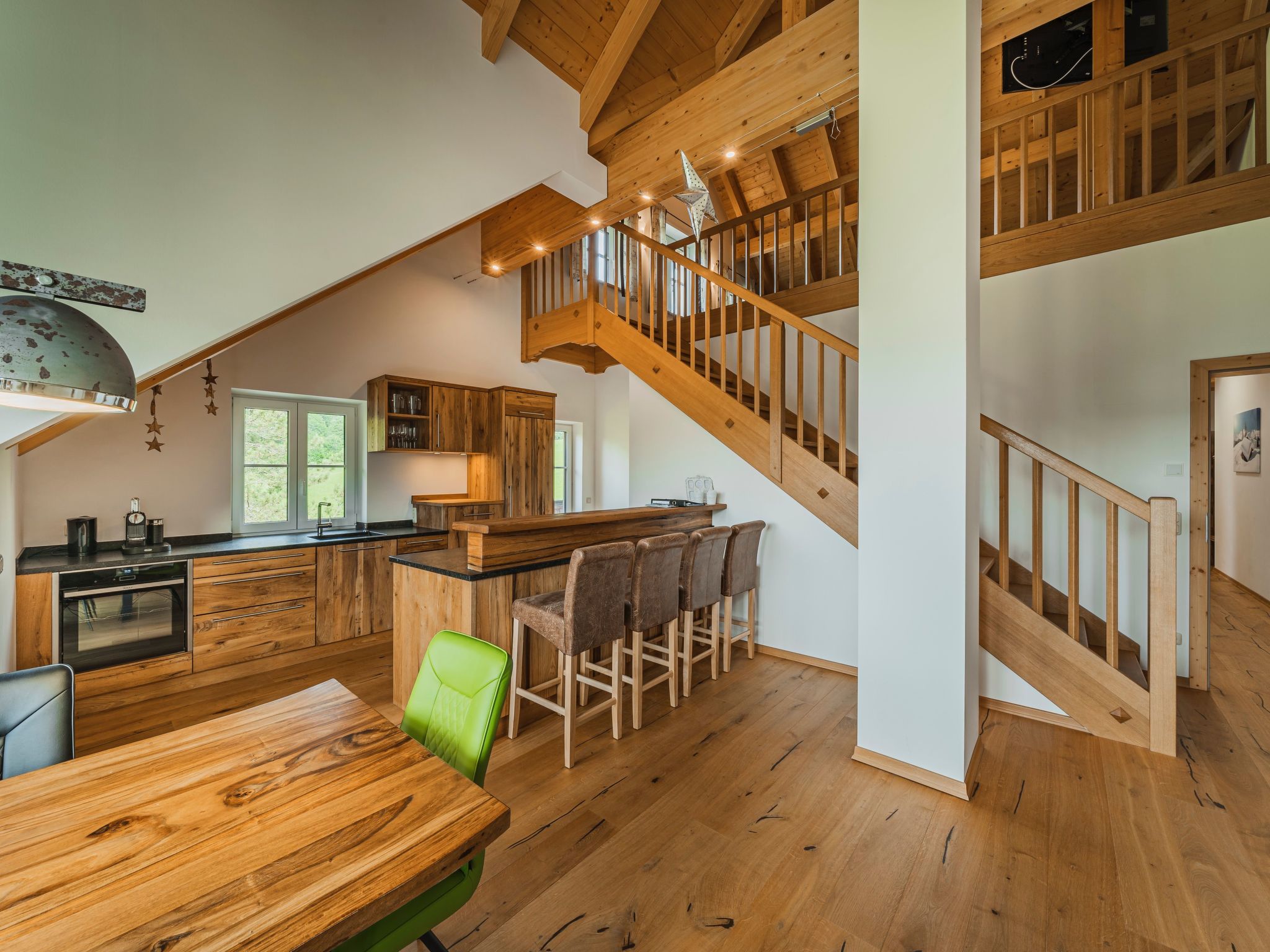
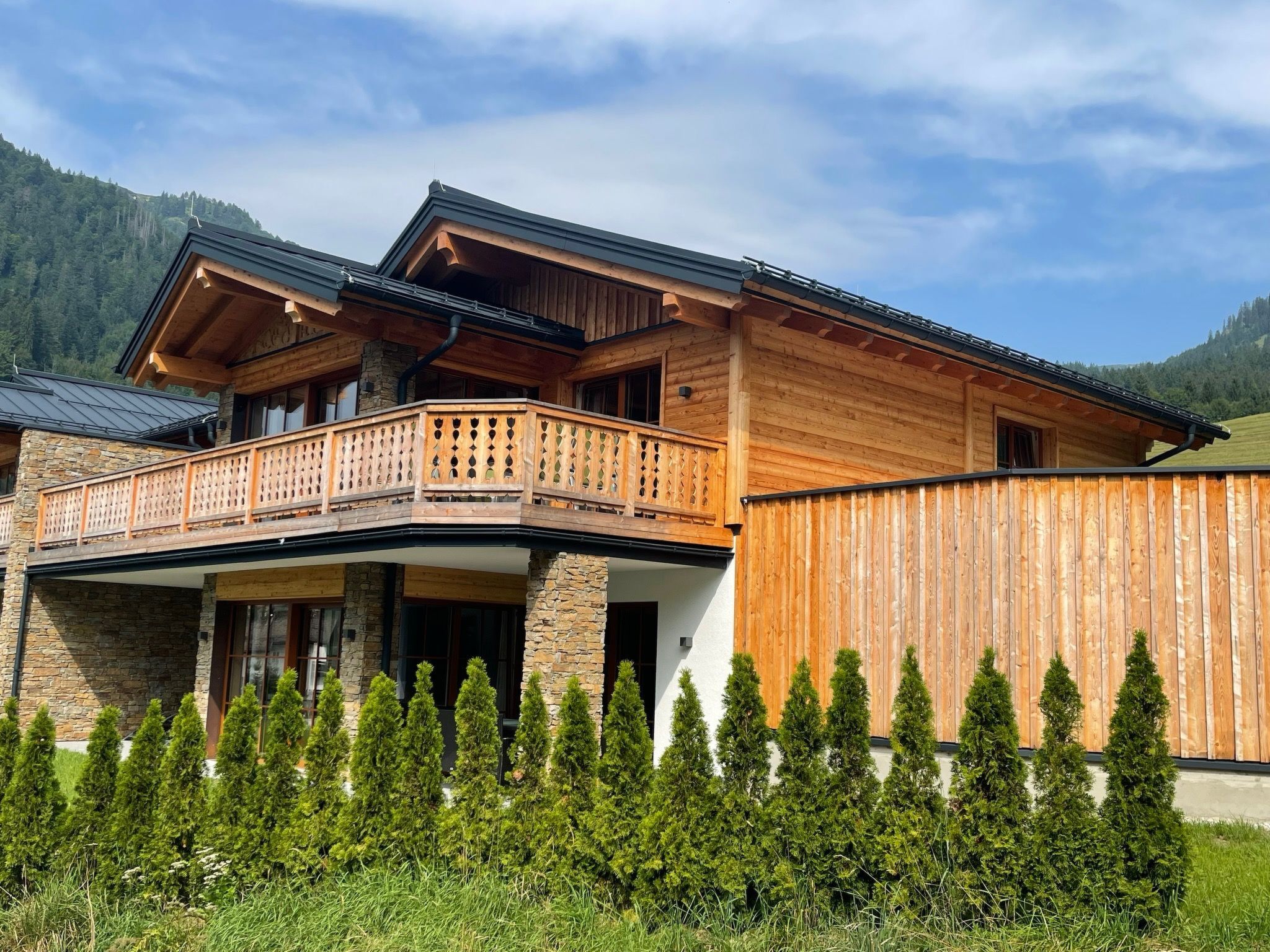
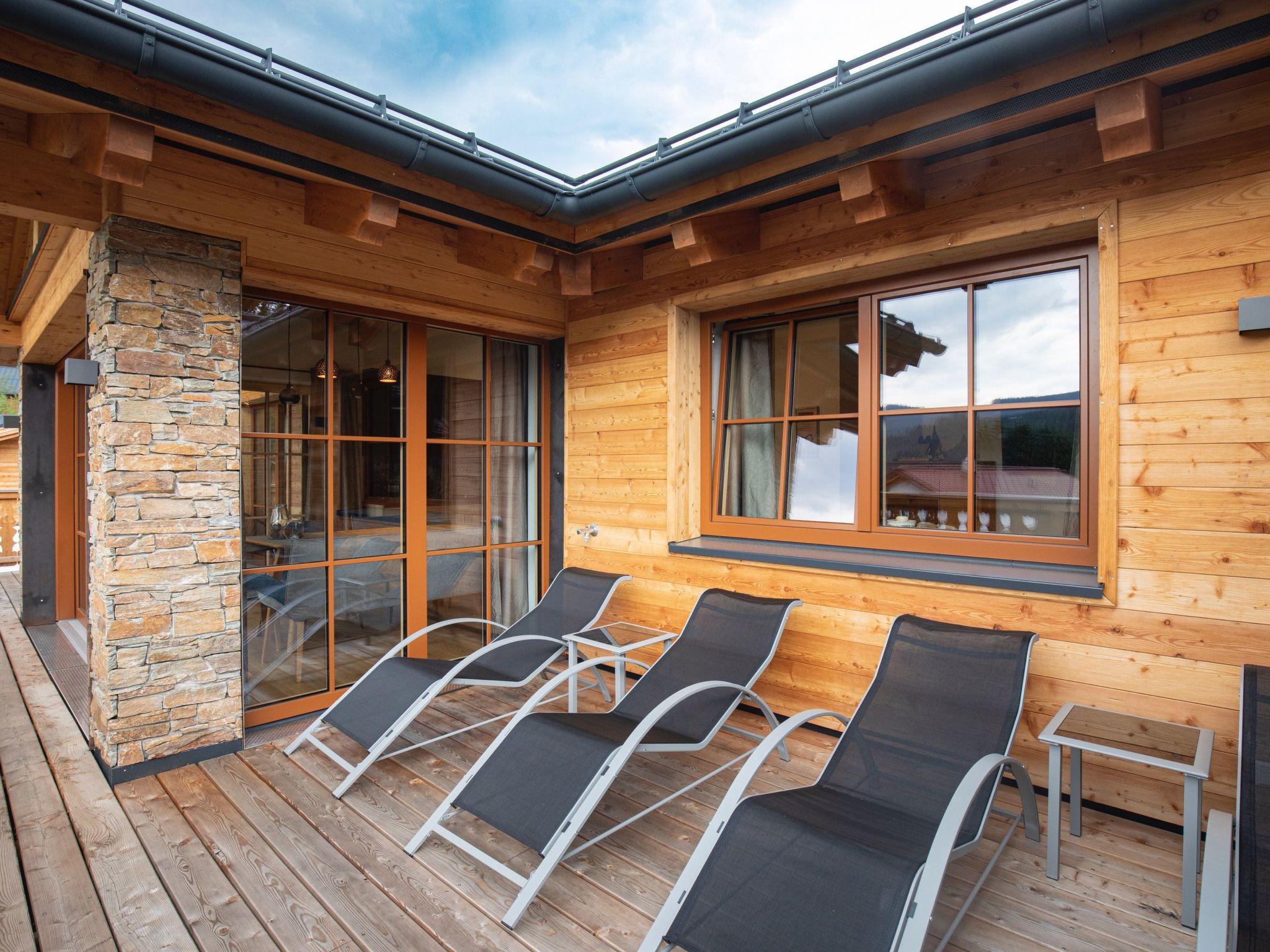
Salzburg state encompasses three distinct landscapes: the UNESCO-listed baroque city (Mozart's birthplace, Alpine-framed spires), the Salzkammergut lake district (crystal-water swimming, Belle Époque resorts), and the Pinzgau mountains (serious hiking, glacier access). Villas suit different moods. City-edge properties let you walk to concert halls yet retreat to private compounds. Lakeside villas offer flotilla-swimming and silence equally. Mountain-flank properties put you minutes from established hiking and climbing. The region's geographic diversity means you needn't choose one experience—you can layer urban culture, water leisure, and Alpine activities within a single week. Summer temperatures range 19-25°C; winter brings reliable snow to mountains while valley floors remain navigable. Salzburg state appeals broadly: families, couples, culture-focused visitors, and active groups.
What Makes Salzburg Special
- City culture without resort fatigue: Salzburg city offers world-class music (Mozart, Sound of Music heritage), baroque architecture, and restaurants—all accessible for evening outings from quiet villas.
- Lake region diversity: Multiple lakes (Hallstätter See, Attersee, Traunsee) offer different characters—from postcard-famous to genuinely quiet.
- Mountain access without chaos: Pinzgau peaks deliver serious hiking and skiing without the infrastructure crush of famous Tyrol resorts.
- Spring and autumn superiority: Salzburg's lower altitude means spring arrives earlier (March-April viable); autumn lingers longer (September-October spectacular) versus northern regions.
- Compact geography: All three regions (city, lakes, mountains) sit within 90-minute drives. You can experience everything in a 2-week stay.
Top Towns & Resorts in Salzburg
Salzburg City
Salzburg city itself (population 150,000) sits along the Salzach River framed by alps. The medieval Old Town (UNESCO heritage) features the baroque cathedral, narrow shopping streets, and dramatic Hohensalzburg Fortress perched on hillside. Mozart's birthhouse sits on Getreidegasse. Summer brings open-air classical concerts, street musicians, and festival tourism. Villas sit in surrounding suburbs. Suburban calm within walking distance of city action. Caveat: tourist crowds peak July-August and during Easter week; midweek visits feel more manageable. Winter and autumn see fewer crowds but fewer concerts and outdoor events. City-edge properties sometimes hear traffic. Best for those wanting urban engagement without constant resort infrastructure.
Find Villas in Salzburg City →
Hallein
Hallein sits south of Salzburg, serving as gateway to Salzkammergut lakes and hosting salt-mining heritage (Hallstatt Salzburg mine. Ancient mining site accessible to visitors). The town feels genuinely working rather than touristed. Traditional architecture blends with industrial heritage. Summer brings moderate hikers; winter is quiet. Villas near Hallein trade city-centric convenience for rural character and lower pricing (20-30% below Salzburg city). Access to both city culture (20 minutes by car) and Salzkammergut lakes (15 minutes) offers geographic flexibility. Caveat: town-centre properties may hear street noise; request quieter surrounds. Best for those wanting regional base for exploring both city and lakes.
Hallstatt
Hallstatt sits on Hallstätter See's northern shore and ranks among Austria's most photographed destinations. Lakeside location, mountainous backdrop, pastel-painted facades. Summer tourist density is genuinely extreme: 6,000+ daily visitors to a village of 800 residents. Instagram crowds can create surreal experiences. Early morning visits (7-8am) before tour buses arrive feel transformative; afternoon visits feel oppressive. Winter Hallstatt feels genuinely peaceful and beautiful. Villas here command premium pricing reflecting fame. Caveat: July-August is nearly unbearable; avoid unless you embrace crowds. April-May and September-October deliver identical beauty with 90% fewer visitors and 40% lower pricing. Best for photographers comfortable with crowds or those visiting shoulder seasons for authentic experience.
Bad Ischl
Bad Ischl functions as Salzkammergut's southern anchor. A genuine spa town with imperial heritage (Emperor Franz Joseph's summer residence nearby). The Kur (spa) culture remains active with thermal baths and wellness treatments. Villas near Bad Ischl suit spa-focused visitors and those wanting lake access (Lake Traun 15 minutes away) combined with cultural engagement (concerts, museums). The town retains elegant Belle Époque character without Hallstatt's Instagram intensity. Summer brings spa guests and hikers; autumn brings leaf-peepers. Water temperature in Lake Traun reaches 21-22°C peak summer. Caveat: peak July-August sees steady streams of spa tourists and festivals; midweek visits feel less crowded. Winter is genuinely quiet.
St. Gilgen
St. Gilgen sits on Wolfgangsee's southern shore. A resort village balancing resort infrastructure with working-village character. Summer brings swimmers, hikers, and water-sports enthusiasts; the lake water reaches 23°C peak summer. The village retains traditional Alpine architecture with updated facilities. Villas here offer direct water access (jetties, boathouses) or modest setback for quietness. Mozart connections exist here (family summer home nearby), but tourism feels less overwhelming than Hallstatt. Restaurant and shop variety surpasses smaller lakeside villages. Caveat: July-August sees significant crowds; early mornings and midweek visits feel considerably quieter. Winter is mild and quiet.
Zell am See-Kaprun Region
Zell am See (covered extensively under Pinzgau) sits at Salzburg state's southern boundary. Villas here suit those wanting ski access (winter) and lake swimming (summer) combined with genuine mountain seclusion. Altitude variation (valley floor 750m, surrounding peaks 3,000m+) creates distinct microclimates. Choose your own temperature. Summer temperatures range 18-25°C; winter brings consistent snow above 1,200m. The region suits active families and couples valuing four-season activity options. Caveat: winter dominates pricing and availability (peak season); summer operates differently with equal visitor intensity but outdoor-activity focus.