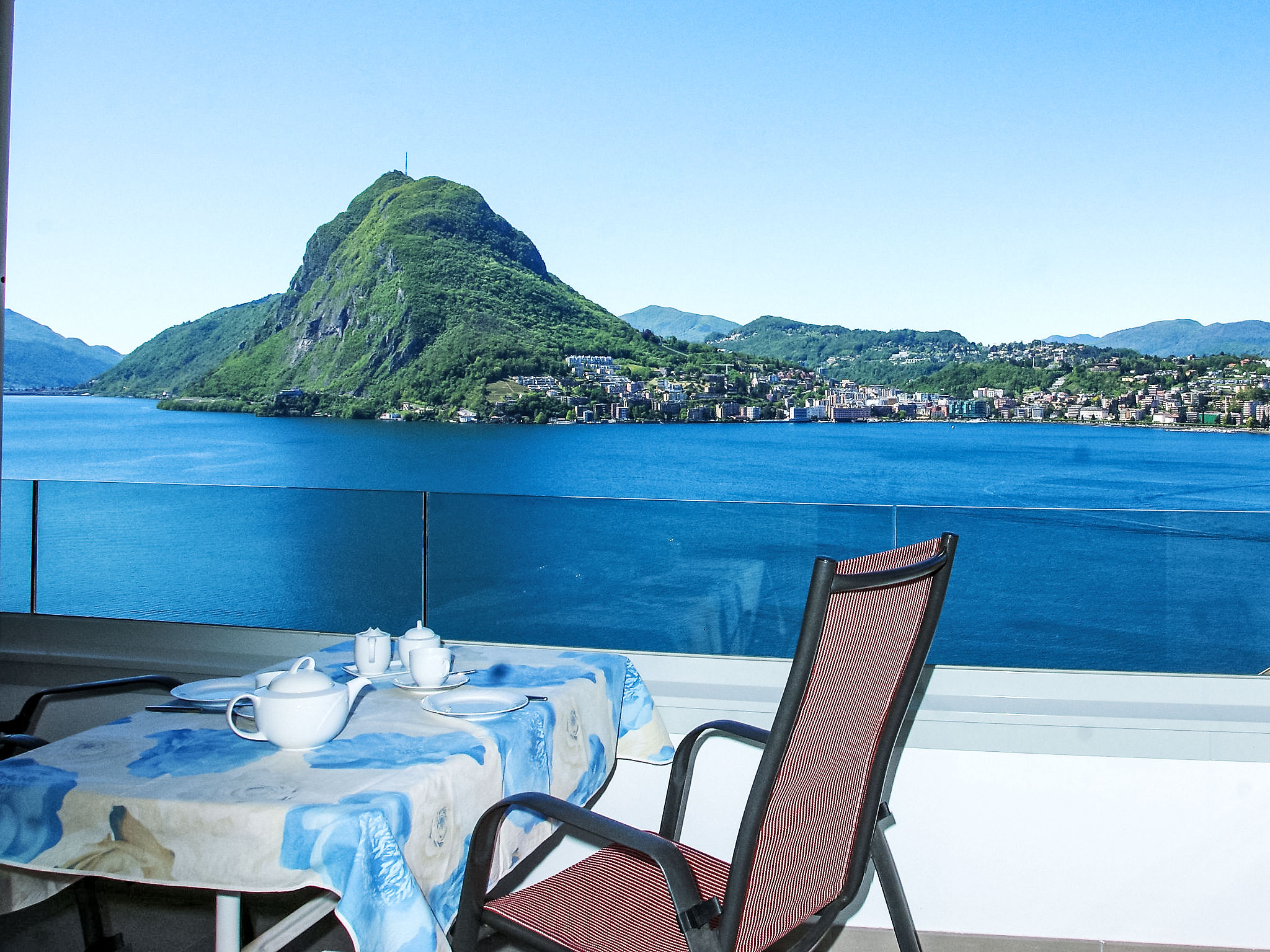
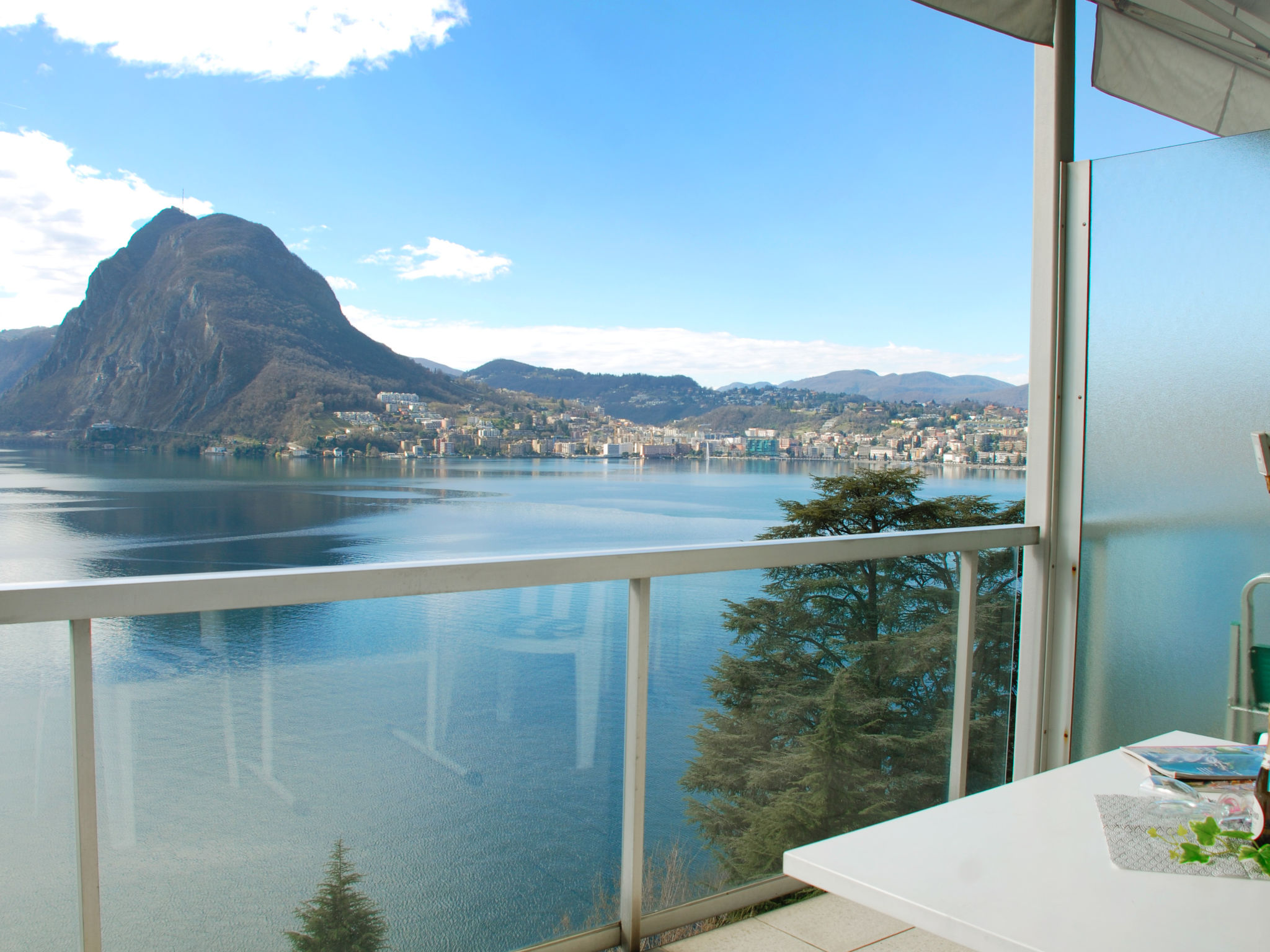
Ticino is Switzerland's southern hemisphere: where Italian language, Mediterranean light, and palm trees suggest a different country entirely. Cross the Alps from Bern or Zurich, and the atmosphere shifts. Food becomes regional rather than generic Swiss; architecture lightens; the pace slows. We visit Ticino when we want mountain access without alpine austerity. Locarno and Lugano anchor the region, both positioned on substantial lakes that reflect peaks and dominate the landscape. The climate permits gardens and outdoor living that wouldn't survive a few kilometres north. Summer temperatures here regularly reach 25–28°C, creating genuine warm-weather experiences rather than the crisp alpine summers further north. The valleys open toward Italy; the cultural references shift from Germanic to Mediterranean. Villas positioned along the lake shorelines or in hillside villages deliver a completely different Switzerland from the mountain-focused north.
What Makes Ticino Special
- The climate permits Mediterranean life. Wisteria, bougainvillea, and citrus trees flourish outdoors. Summers are genuinely warm; outdoor dining extends evening culture to later hours than northern Switzerland permits.
- Lakes define the geography and the experience. Locarno and Lugano sit on substantial water bodies; their presence shapes light, wind patterns, and the overall atmosphere. Water sports, swimming, and boat culture dominate summer activities.
- Food culture reflects Italian influence rather than German-Swiss traditions. Pastas, risottos, and Italian wine appear naturally. Markets carry regional produce that northern Switzerland imports. Eating here becomes qualitatively different.
- The mountains remain close but less dominating. Peaks surround the valleys, but the landscape opens toward the south with an expansiveness absent from enclosed alpine valleys. This openness creates different moods and light qualities.
- Italian language and culture create genuine distinction. This isn't Switzerland performing as Italian; it's the Italian-language region of Switzerland with its own integrated culture. The distinction matters to the experience.
Top Towns & Resorts in Ticino
Locarno
Locarno sits on the north shore of Lake Maggiore, positioned as Ticino's primary resort town. The lake's breadth creates a maritime quality unusual for Alpine Switzerland. You're on substantial water watching distant shorelines. Summer temperatures here regularly exceed 25°C; outdoor culture dominates. The town hosts a significant film festival (August) and maintains year-round cultural programming. Architecture blends Swiss and Italian sensibilities. The lakefront buzzes with outdoor cafes, restaurants, and water activities. Villas positioned in Locarno deliver lake access and summer warmth impossible in Alpine valleys. The main consideration: summer crowds are substantial, and prices reflect this. Spring (April-May) and autumn (September-October) offer better value and quieter atmosphere while maintaining pleasant temperatures.
Ascona
Ascona sits immediately south of Locarno, separated by perhaps 15 minutes' drive. The town clusters compactly around a waterfront piazza. The atmosphere is noticeably more artistic and cultural; galleries, boutiques, and design shops cluster throughout. Restaurants here operate at higher culinary levels. The pace feels somehow slower and more deliberate than Locarno. Villas positioned around Ascona offer Mediterranean atmosphere with slightly less commercial intensity than Locarno. The waterfront is genuinely gorgeous during golden hour (sunset light across water toward mountains). Winter here is dramatically warmer than Alpine valleys: frost is rare, and gardens remain green. Population remains small; quietness is achievable even during summer season.
Lugano
Lugano sits on Lake Ceresio in the region's southeast, roughly 60 km south of Locarno. The town is more substantial and urban than Ascona or Locarno. Architecture here is genuinely Italian: buildings cluster tightly; streets follow medieval plans. The lakefront stretches extensively with parks, promenades, and water access throughout. Lugano functions as a regional centre; shops, restaurants, and cultural offerings reflect this. The lake here is narrower than Lake Maggiore (Locarno/Ascona), creating a more enclosed atmosphere. Villas range from waterfront positions to hillside locations climbing into forested valleys. Summer brings crowds and heat; winter brings mild temperatures and occasional rain. The city atmosphere suits those wanting cultural access alongside lake living; quieter alternatives exist in surrounding villages.
Ticino Hill Villages (Ronchi, Montagnola, Nora)
The valleys climbing inland from the lakes contain villages positioned on slopes with views across water toward distant peaks. Ronchi, Montagnola, and Nora sit at elevations of 300–500 metres, high enough to escape summer heat while remaining warm and accessible. These villages combine Mediterranean culture with mountain proximity. The landscape transitions from Mediterranean vegetation at lower elevations to chestnut forests higher up. Villas positioned in these hill villages cost 20–30% less than waterfront locations while maintaining lake views and generally superior quietness. Accessibility is straightforward but requires vehicle comfort on narrow mountain roads. Summer afternoon temperatures here run 2–3°C cooler than lake shores, making them attractive to those preferring warmth over heat.
Find Villas in Ticino Hill Villages →
Valle Leventina (Mountain Culture)
The valleys climbing north from Lugano toward the San Gotthard Pass (Valle Leventina) represent a transition zone where Mediterranean culture meets Alpine terrain. Villages like Faido and Biasca occupy narrow gorges with rivers. Chestnut forests dominate the landscape. The terrain here feels genuinely wild compared to the open lake valleys. Hiking options range from modest to serious; the landscape offers genuine vertical relief. Summer temperatures are moderate (18–22°C); winter brings occasional heavy snow. This region suits those wanting mountain culture with Italian sensibility rather than Germanic efficiency. Transportation is more challenging; a single highway shares the valley with rivers, and winter conditions occasionally close it temporarily. The trade-off: genuine remoteness combined with cultural distinctiveness.