Updated March 2026 | By TrustedVillas Sweden Specialist Team
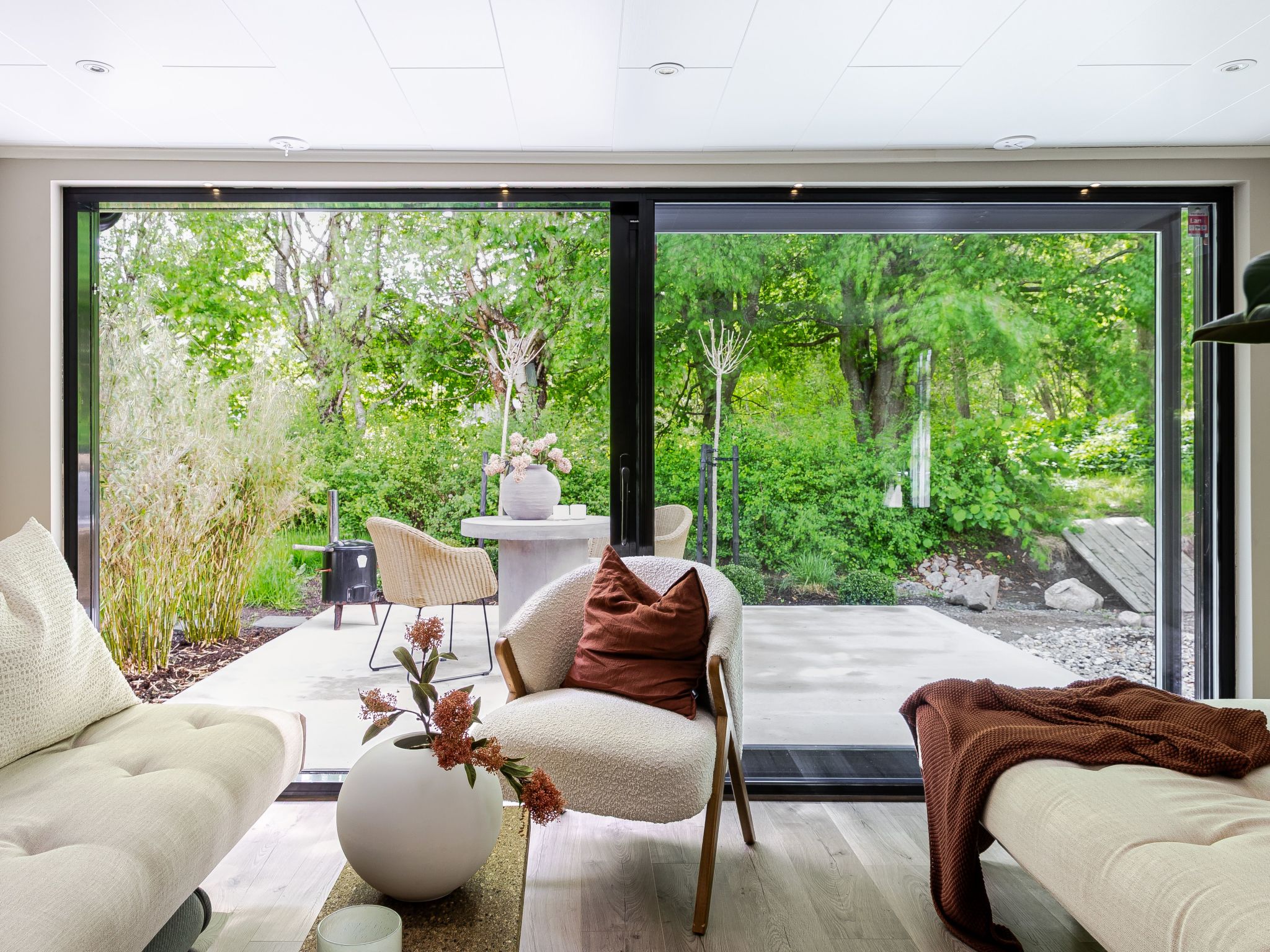
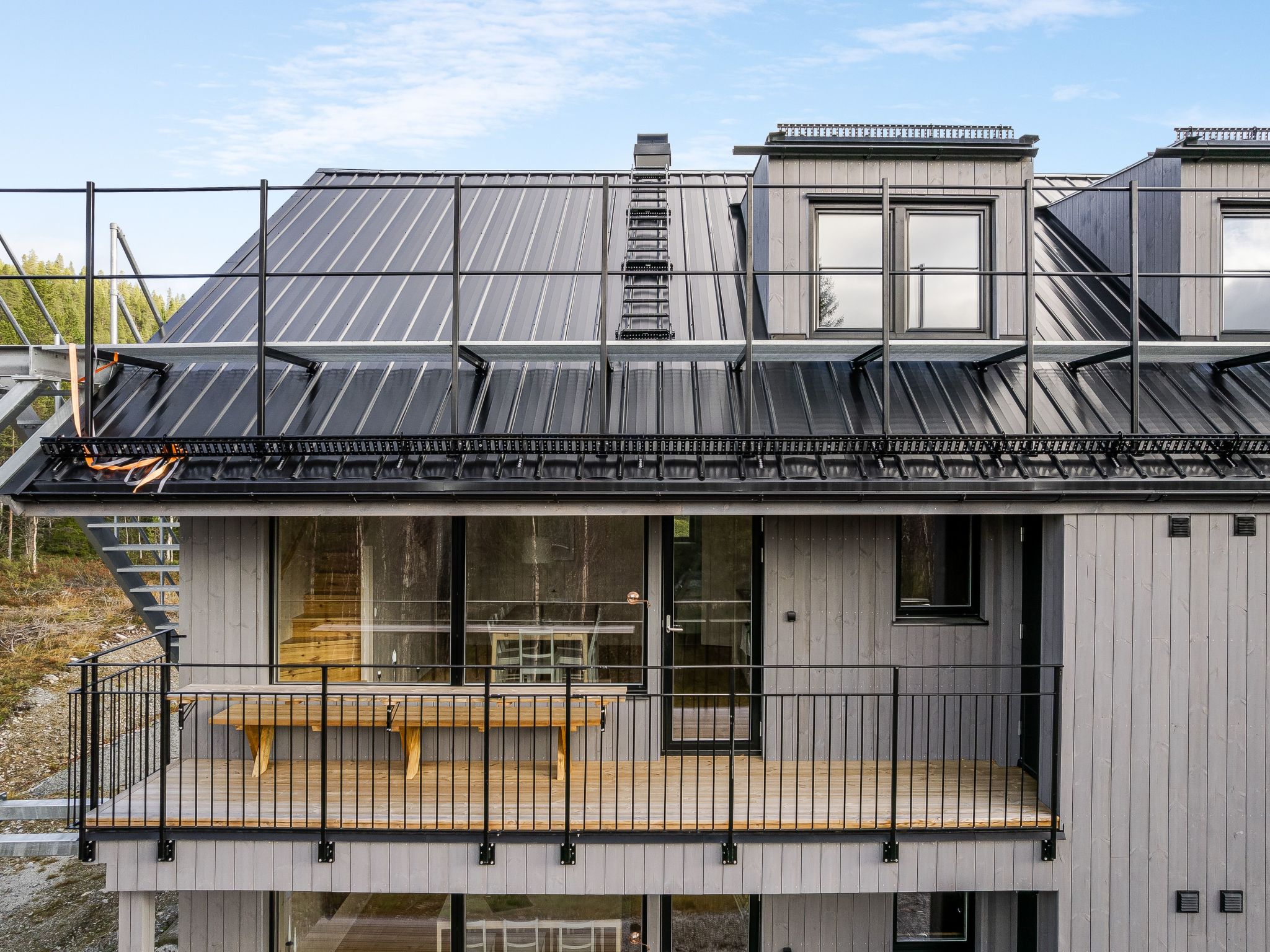
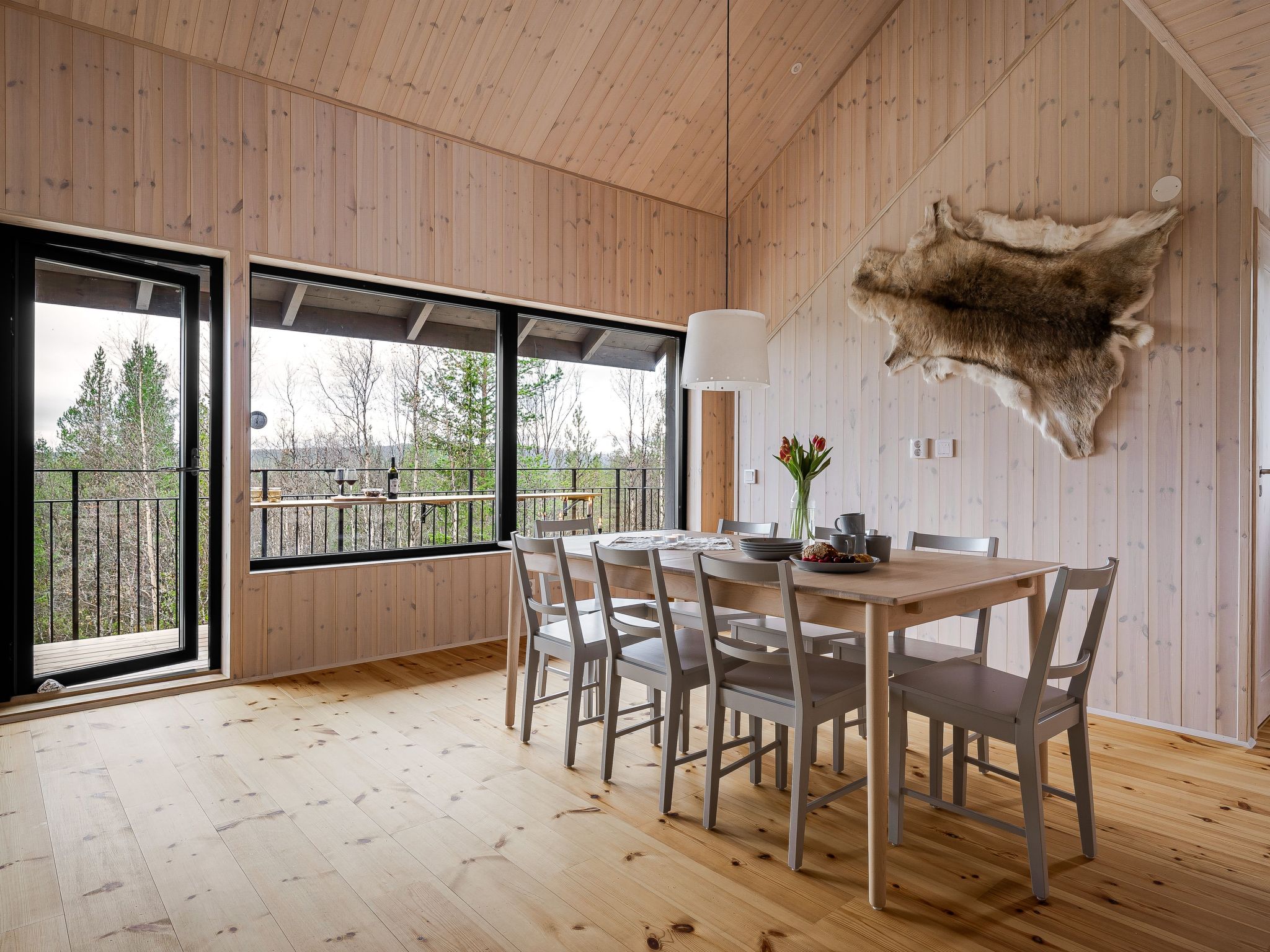
Sweden does minimalism and nature in a way that feels completely natural rather than designed. The villas we recommend aren't trying too hard. they're simply compelling: glass-fronted cabins with wood stoves overlooking archipelago islands, modernist houses on Stockholm's fringe, and lakeside retreats where silence is genuinely impressive. What guests consistently tell us is how much they underestimated the light (summer means near-24-hour daylight), how seriously the Swedes take food and design, and how accessible the wilderness feels. You're never truly remote in Sweden. there's infrastructure, restaurants, and connectivity when you need it. but you can absolutely feel like you've stepped into something wilder and cleaner than life at home. It's a country where well-being isn't jargon, it's embedded in how daily life actually works.
Why Choose Luxury Holiday Villas in Sweden?
- Wilderness with infrastructure: Forests and water are everywhere, yet you're never far from compelling restaurants, galleries, and cultural events. the best of both worlds.
- Summer light is real magic: June and early July offer 20+ hours of daylight. a phenomenon that transforms how you experience a villa and landscape.
- Design meets nature effortlessly: Swedish villas prioritize space, light, natural materials, and views over ornament. every detail serves a purpose.
- Water access is genuinely common: Lakeside, archipelago, and riverside properties mean swimming, boating, and water sports are standard, not premium extras.
- Slow food culture: Foraging, slow restaurants, and farm-to-table aren't trendy here, they're foundational. your villa comes with access to this philosophy.
Top Regions for Villa Holidays in Sweden
Stockholm Archipelago
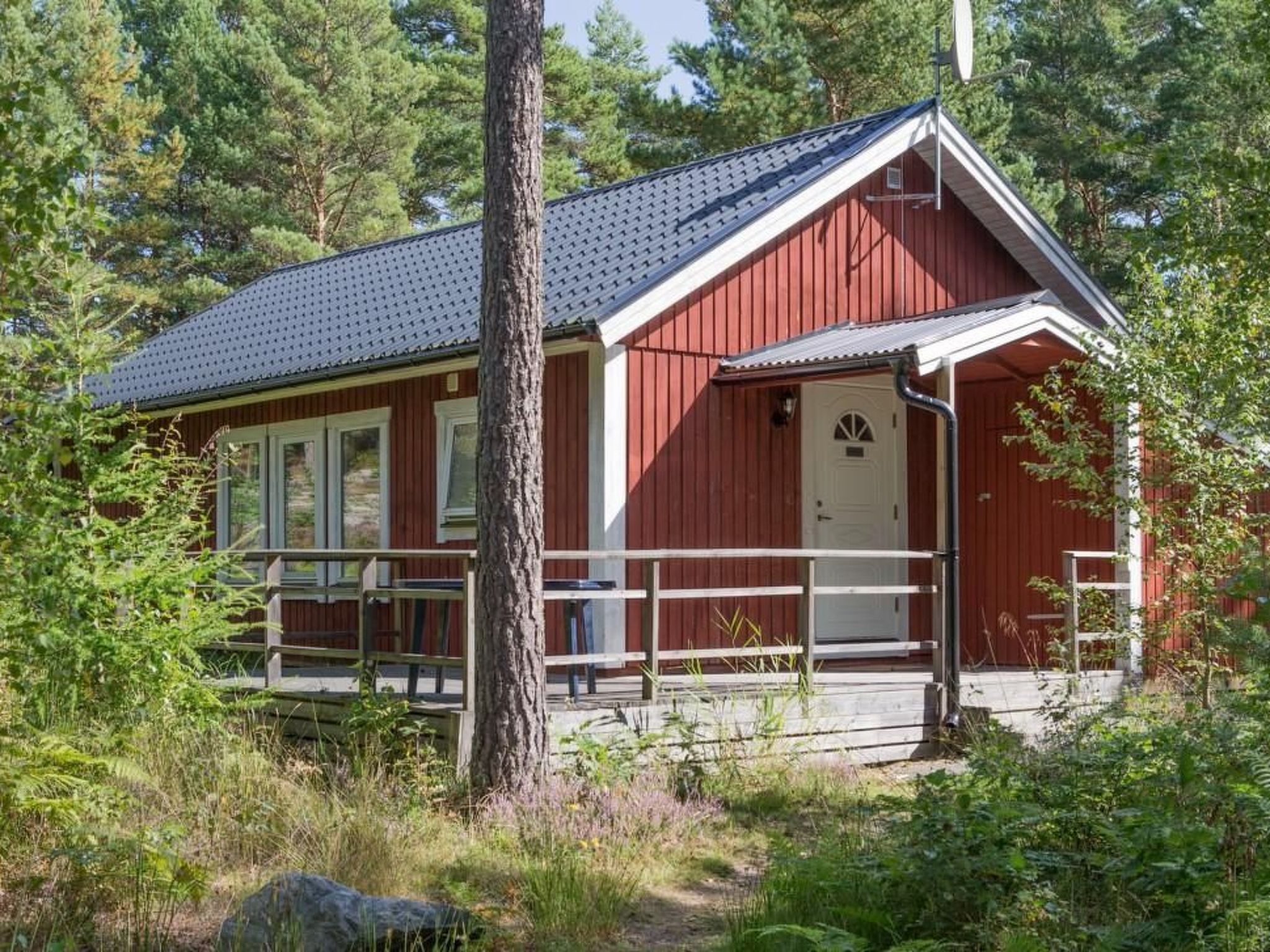
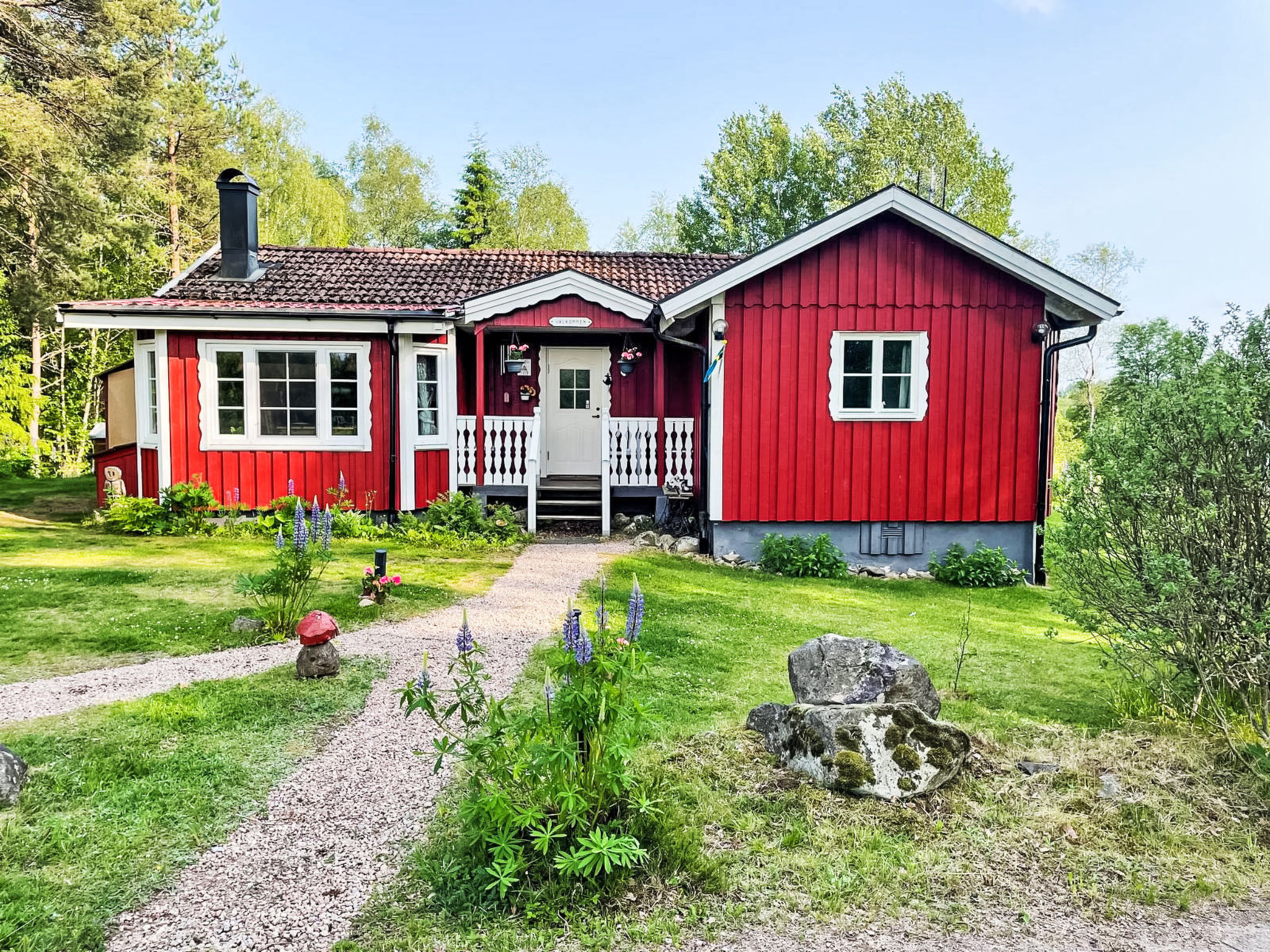
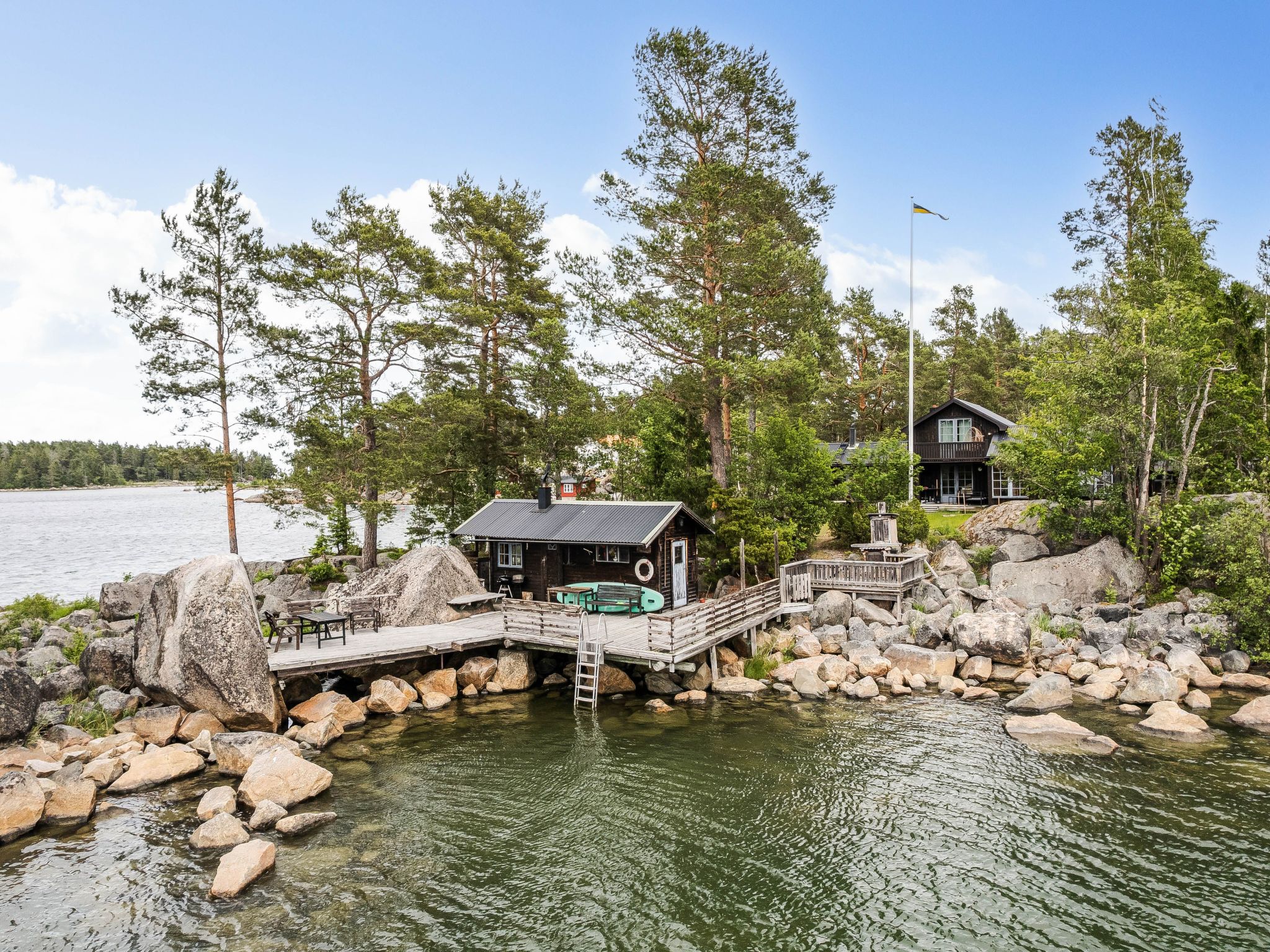
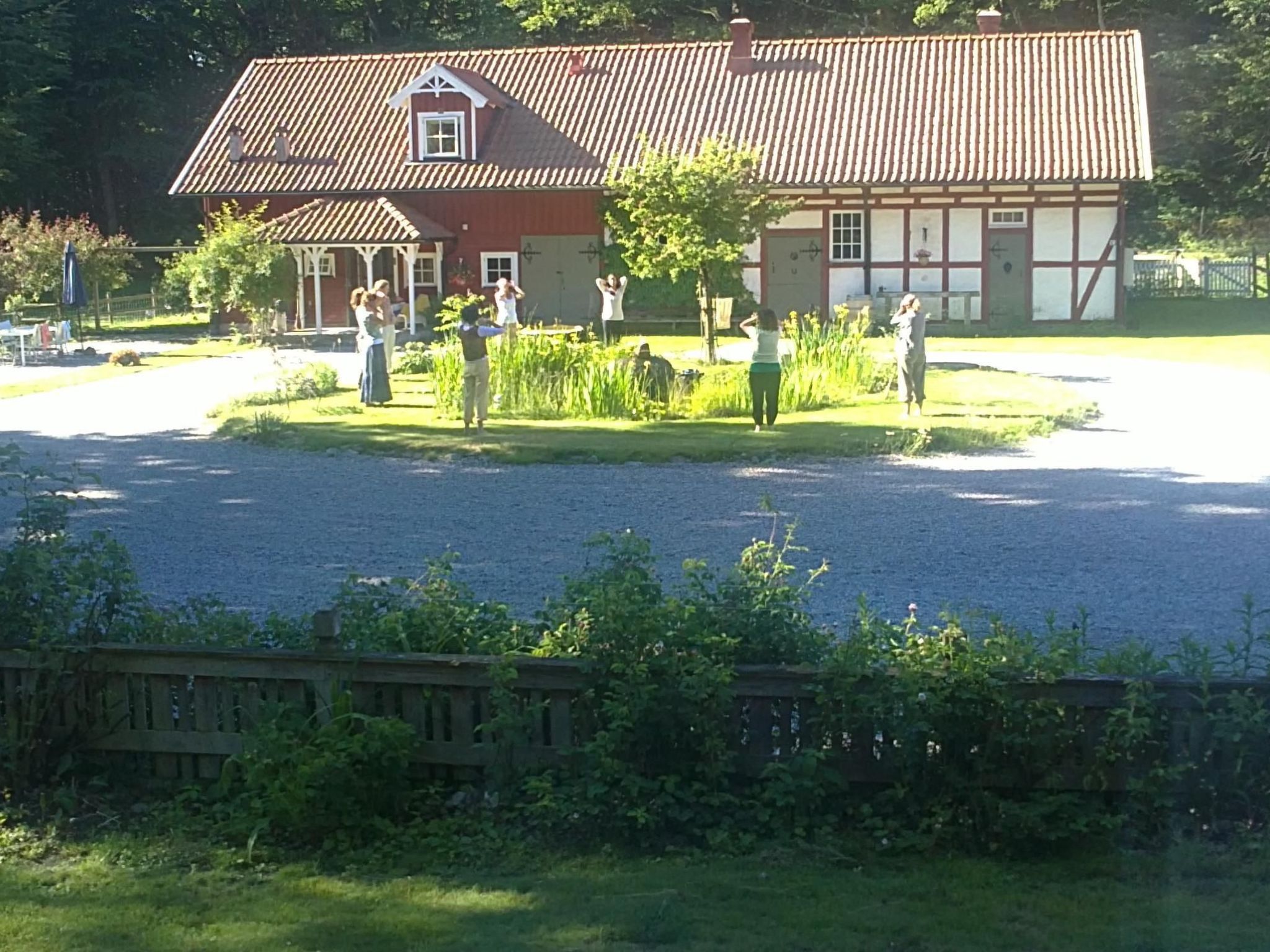
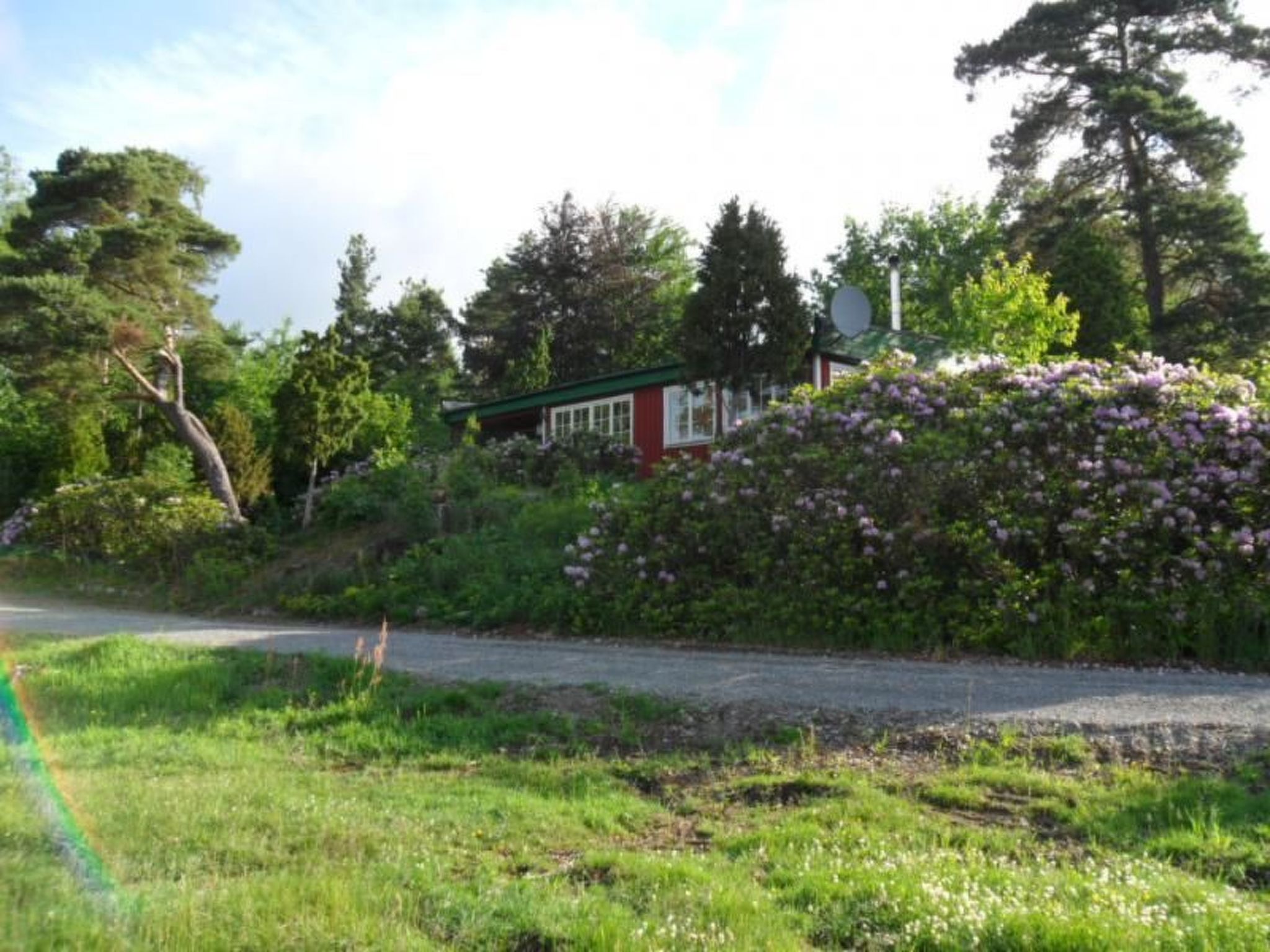
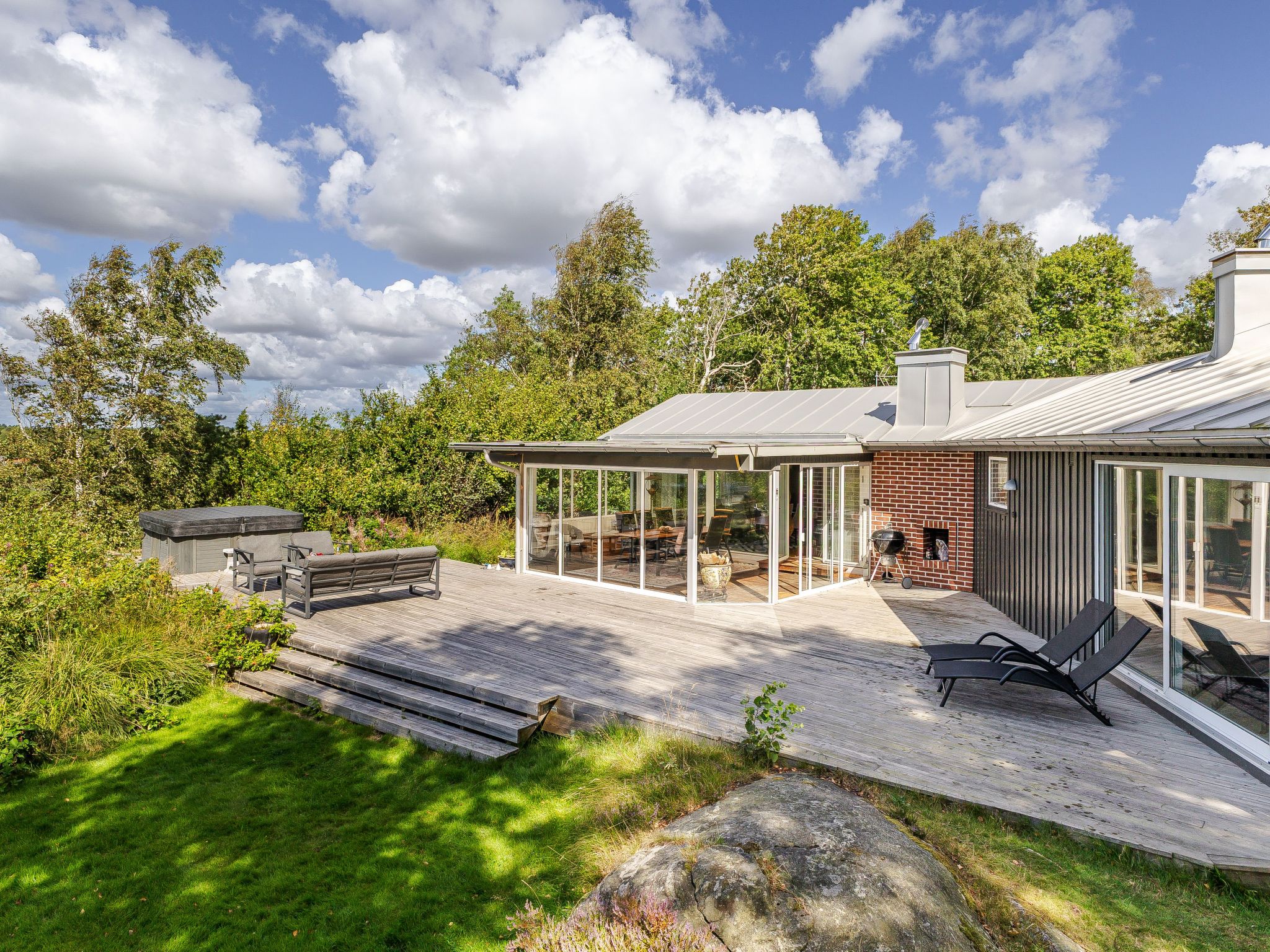
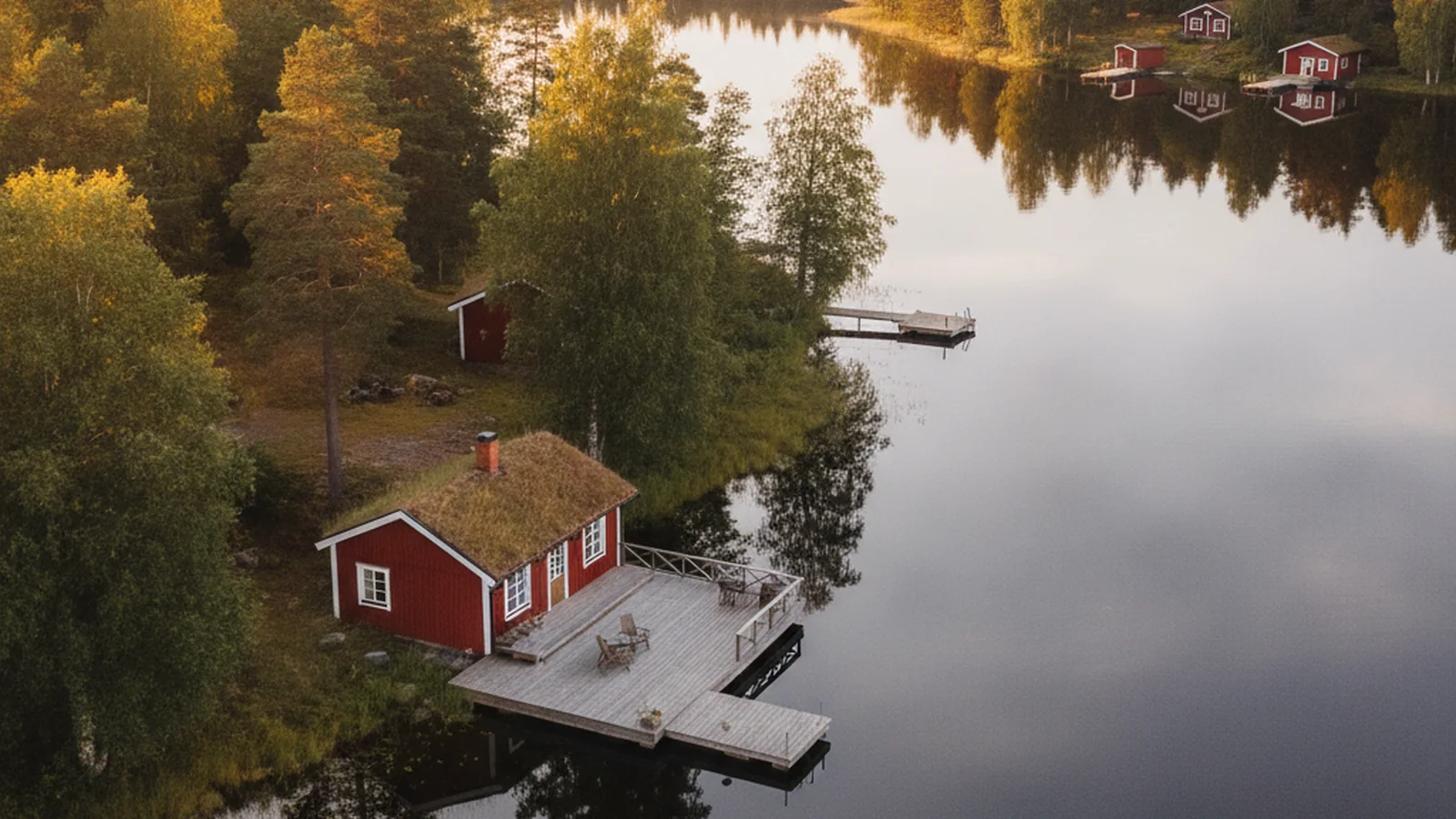
The archipelago is 30,000 islands and skerries scattered across the Baltic. it's almost fictional in its beauty. Villas range from restored traditional red cottages on small islands to contemporary glass houses on larger ones. Summer is the season: water is swimmable (around 15-17°C), and the light is extraordinary. You can kayak to neighbouring islands, forage for blueberries and mushrooms, and sit outside at 11 PM in full daylight. The honest reality: access varies significantly. Some villas require boat journeys (which the owners coordinate), others are on the outskirts accessible by car and small ferry. Winter is dark and cold. many properties close, and those open require serious commitment to moody Scandinavian aesthetics. June through August is golden, but increasingly crowded and pricey. May and September offer better value with still-reasonable weather.
Explore Luxury Villas in Stockholm Archipelago →
West Coast and Gothenburg Region
Sweden's west coast (Västküsten) faces the North Sea and has a different character than the Stockholm archipelago. windier, rockier, with red wooden villages and fishing culture. Gothenburg is the main city, but villas scatter across the coast toward the Norwegian border. This is seafood heaven: mussels, crayfish, and fish are serious business, and restaurants reflect it. The landscape is less densely forested, more maritime, with good hiking and cycling infrastructure. Summer water is cold (12-14°C) but swimmable if you're committed. The west coast gets less daylight than Stockholm (still long in summer, but notably less) and weather is less reliable. Accommodation opens broadly April-October; winter visits are possible but require active interest in storms and isolation. The advantage: it's less crowded than the archipelago, prices are lower, and the coastline has genuine drama.
Explore Luxury Villas in West Coast →
Swedish Lakes and Värmland
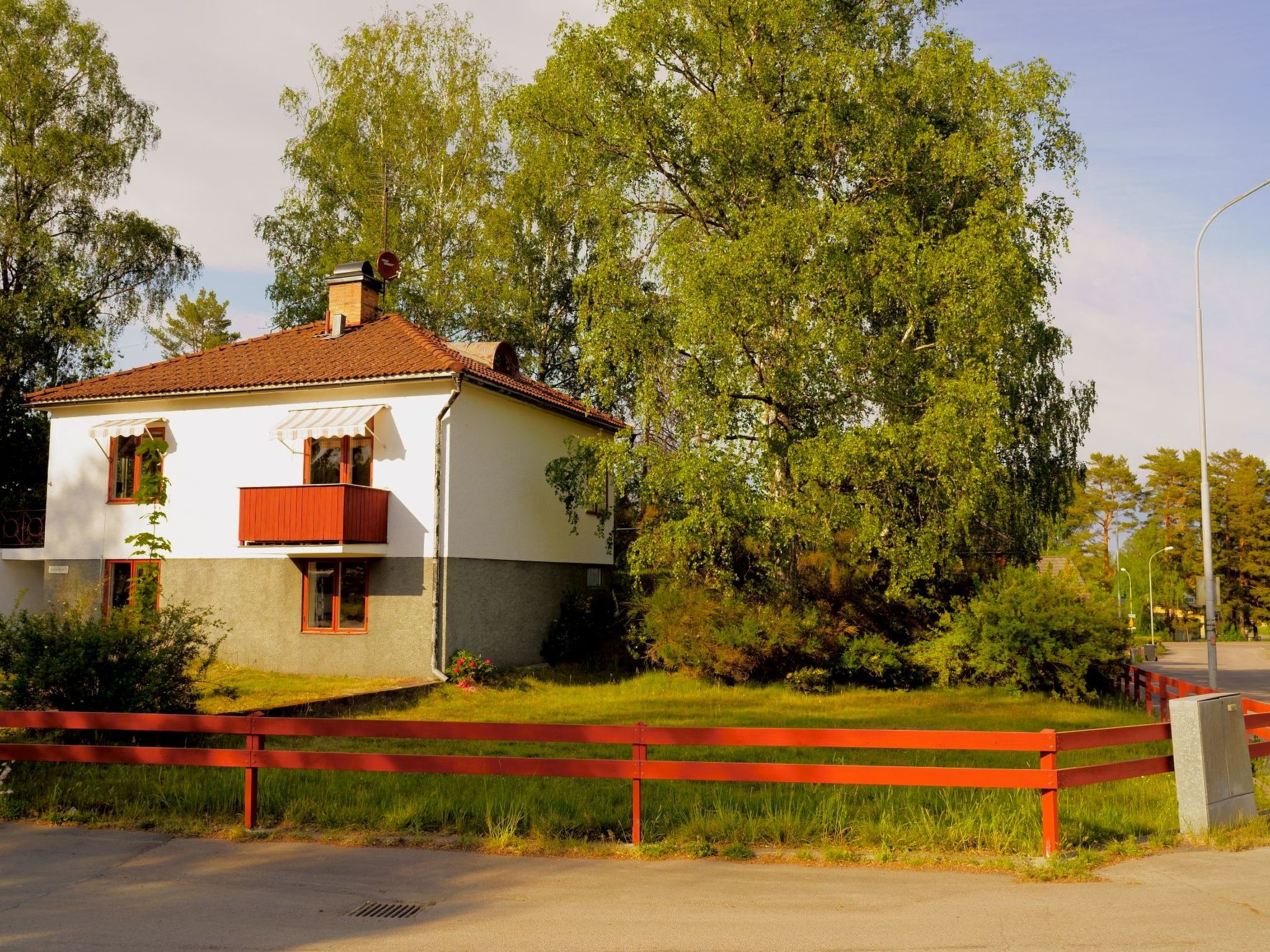
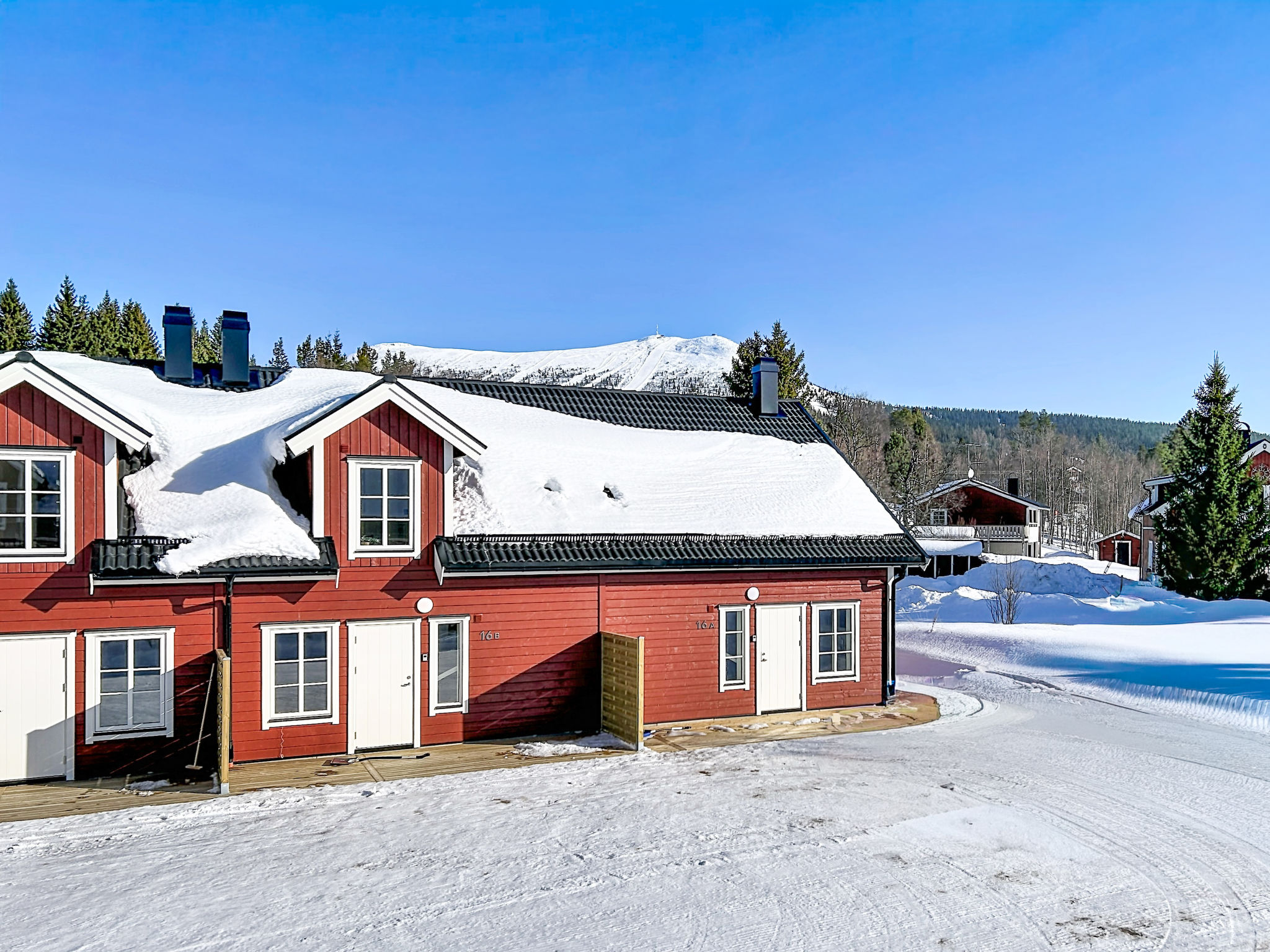
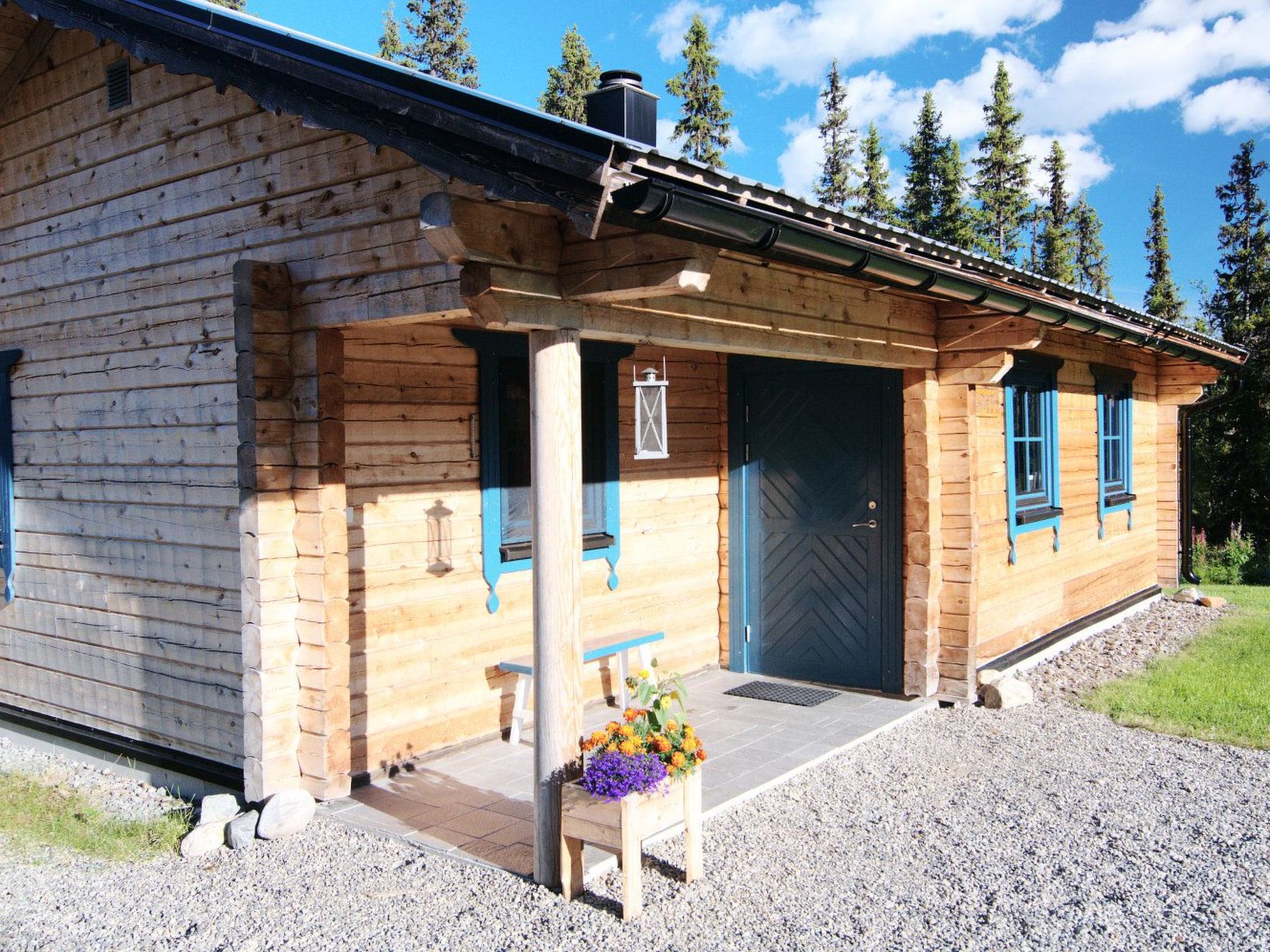
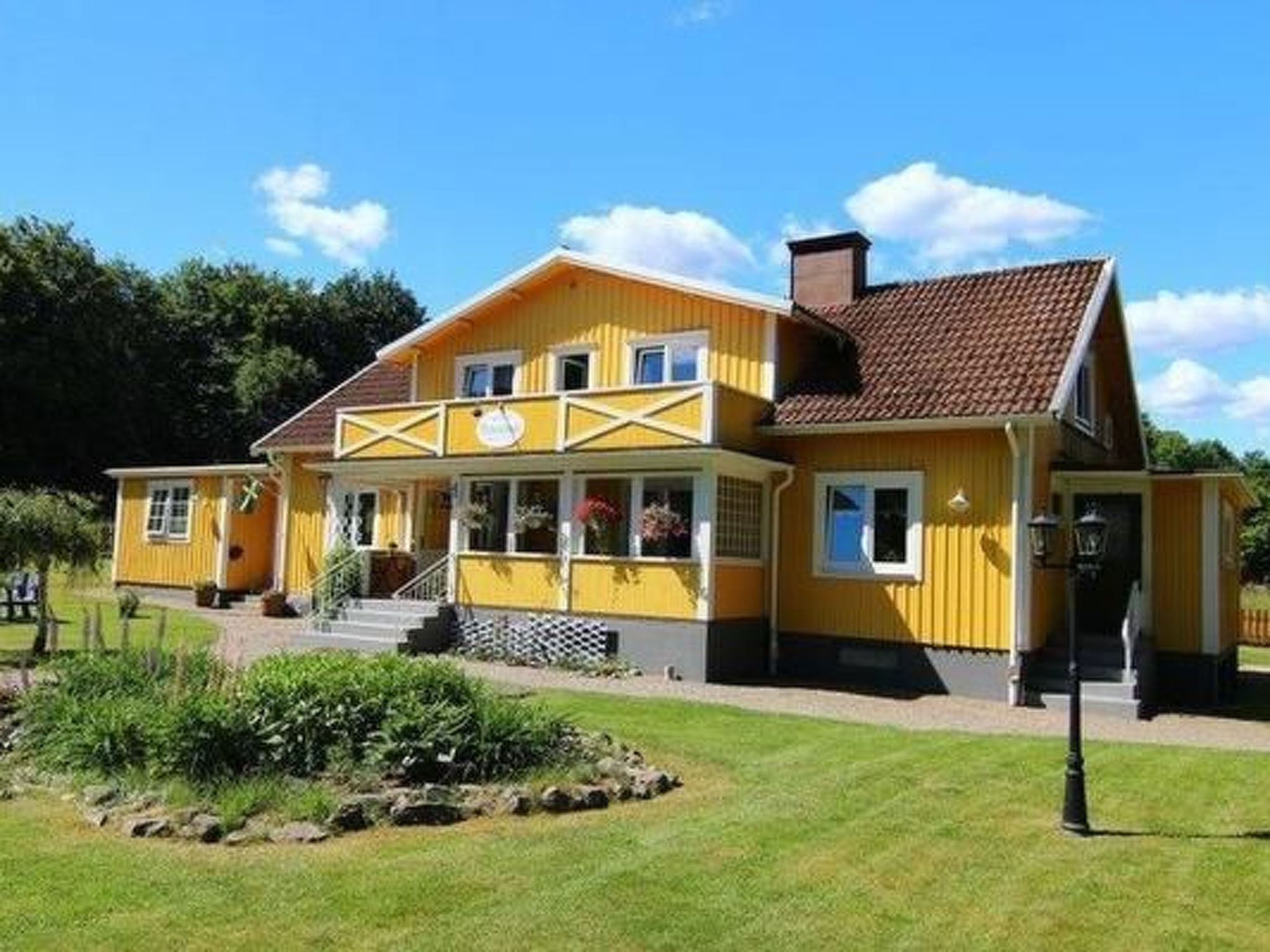
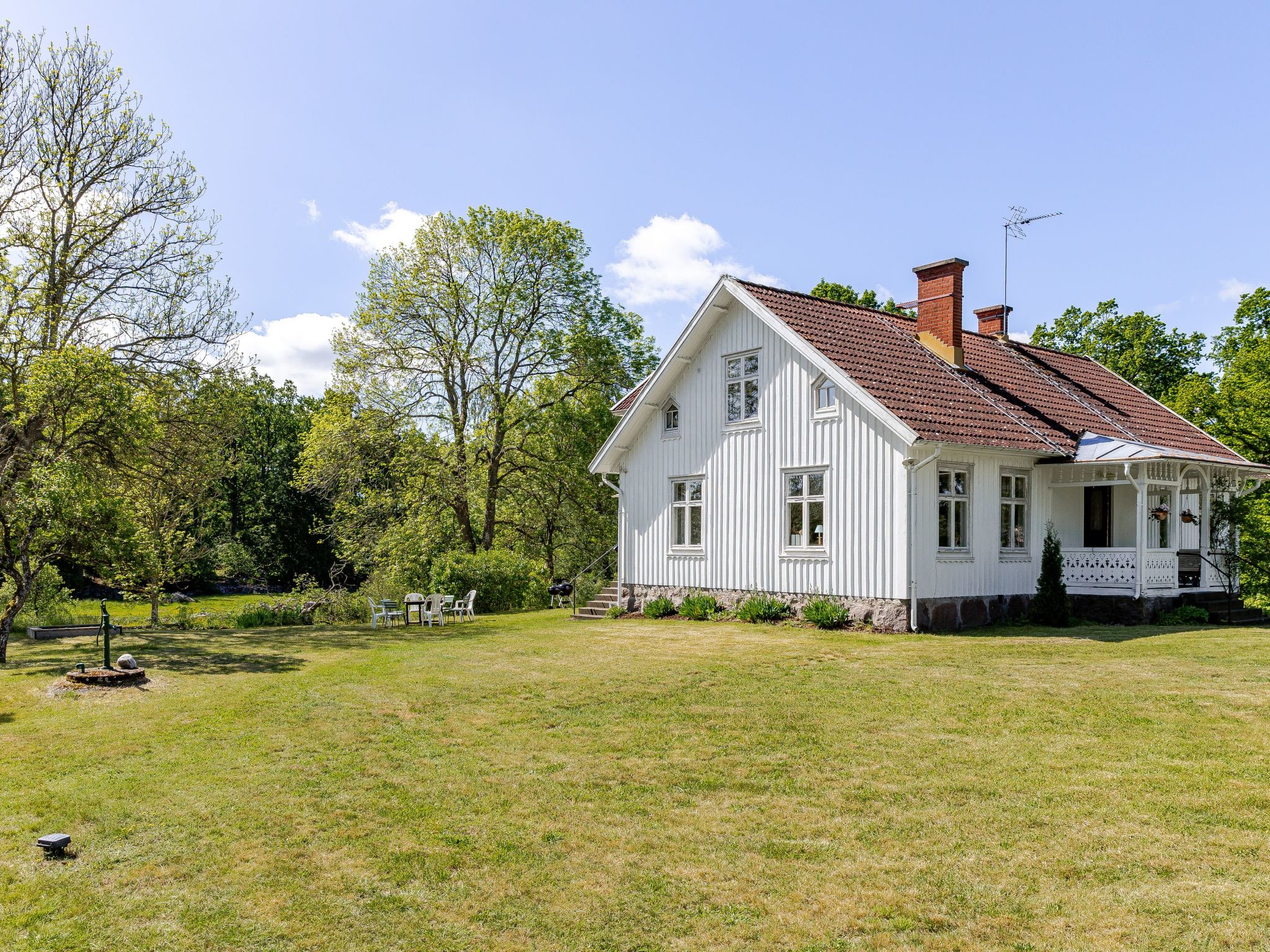
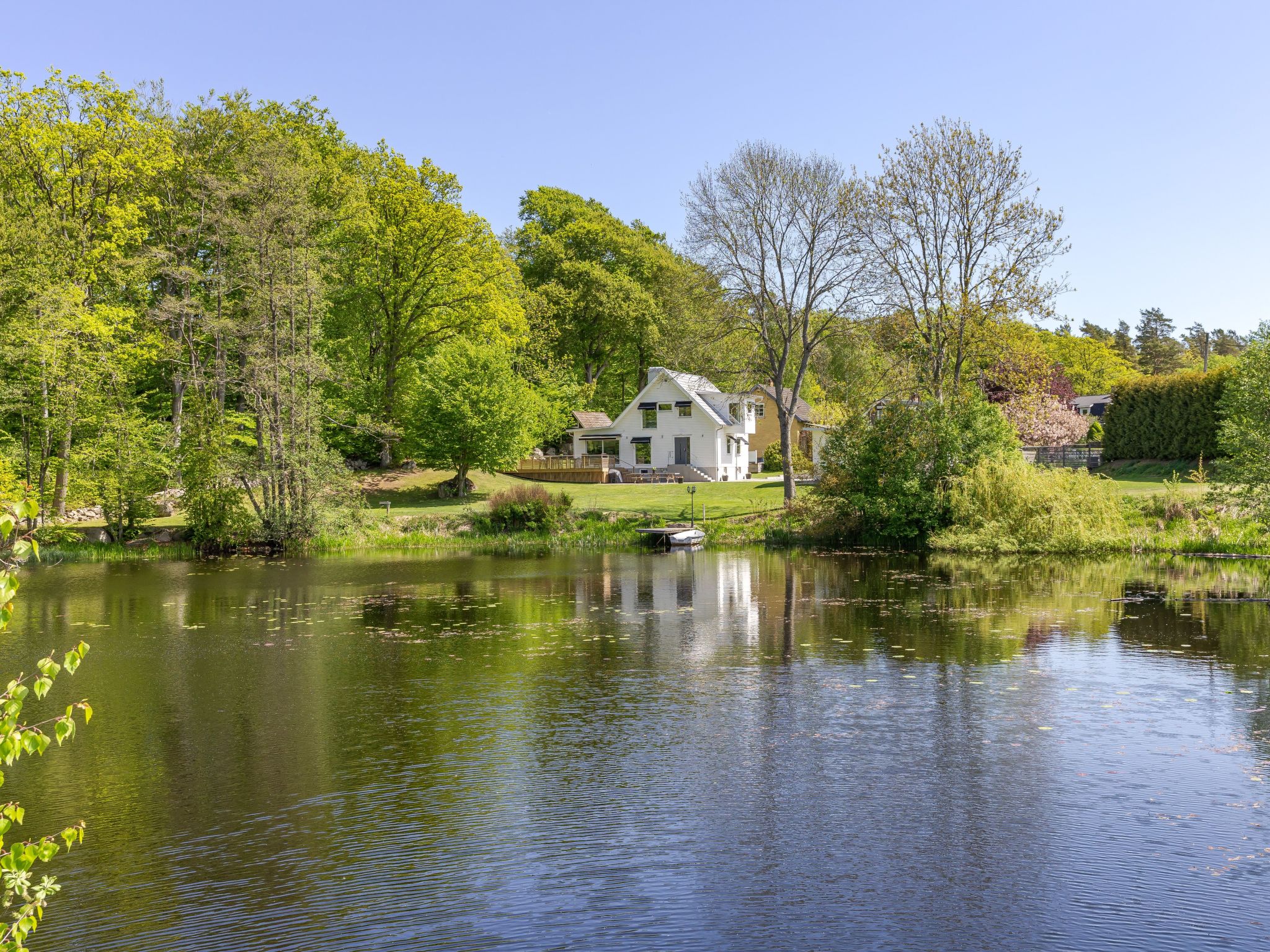
Central Sweden is lake country. Vänern and Vättern are massive, dotted with islands and surrounded by forests. Värmland (west of Stockholm) is mythic in Swedish culture. forests, log cabins, family heritage. Villas here are often traditional wooden houses or contemporary builds on lakeside properties. Summer is well suited to swimming, boating, and cycling. Autumn brings dramatic light and lower crowds. Winter can mean cross-country skiing if snow falls reliably (increasingly unpredictable). The region lacks the celebrity status of Stockholm or the coast, which means lower prices and more space. Restaurants and cafes are good but less dense. you're more dependent on self-catering or cooking in your villa. Transport from Stockholm takes 2-3 hours driving, making it better for longer stays.
Explore Luxury Villas in Swedish Lakes →
Malmö and Southern Sweden
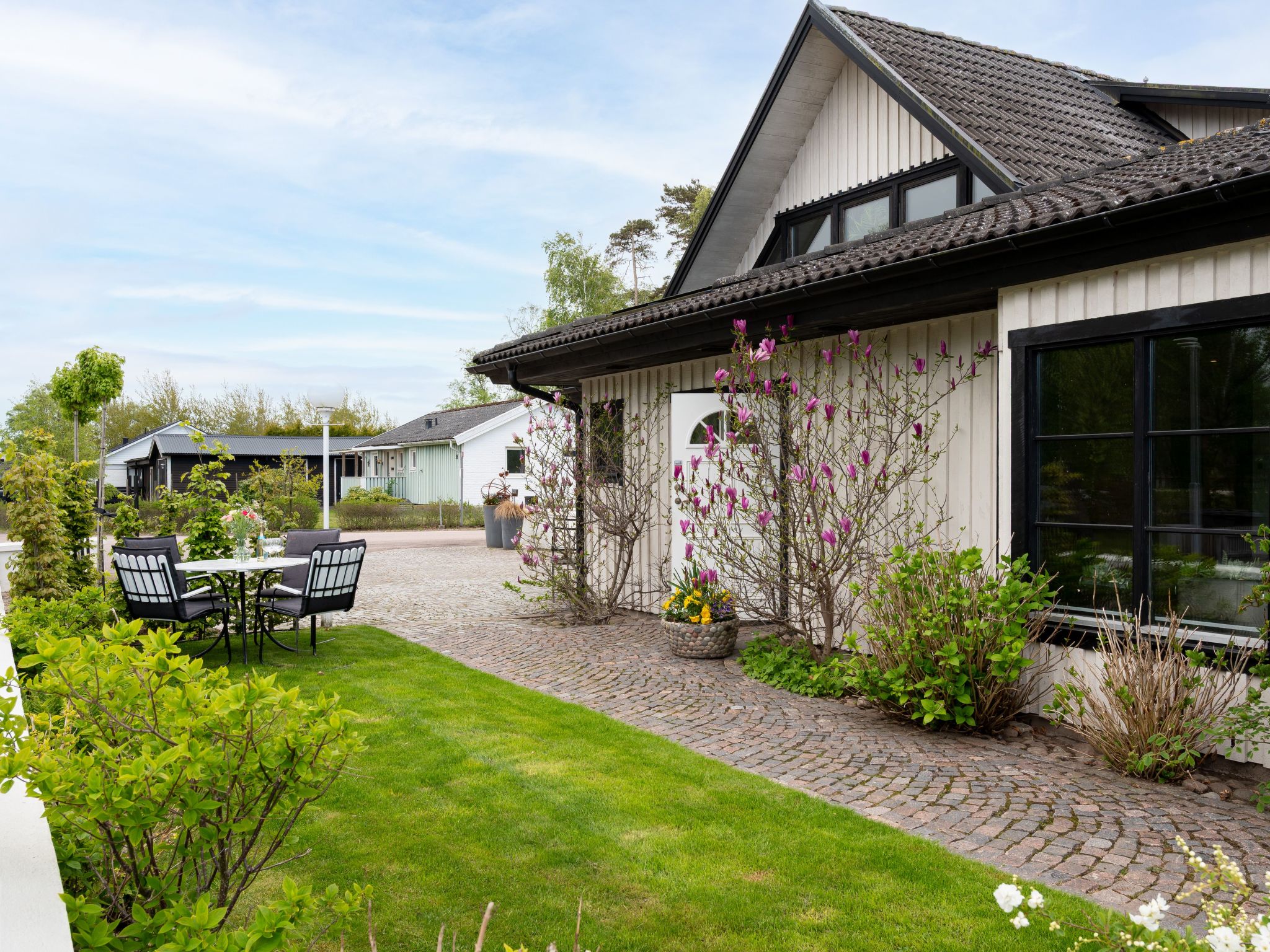
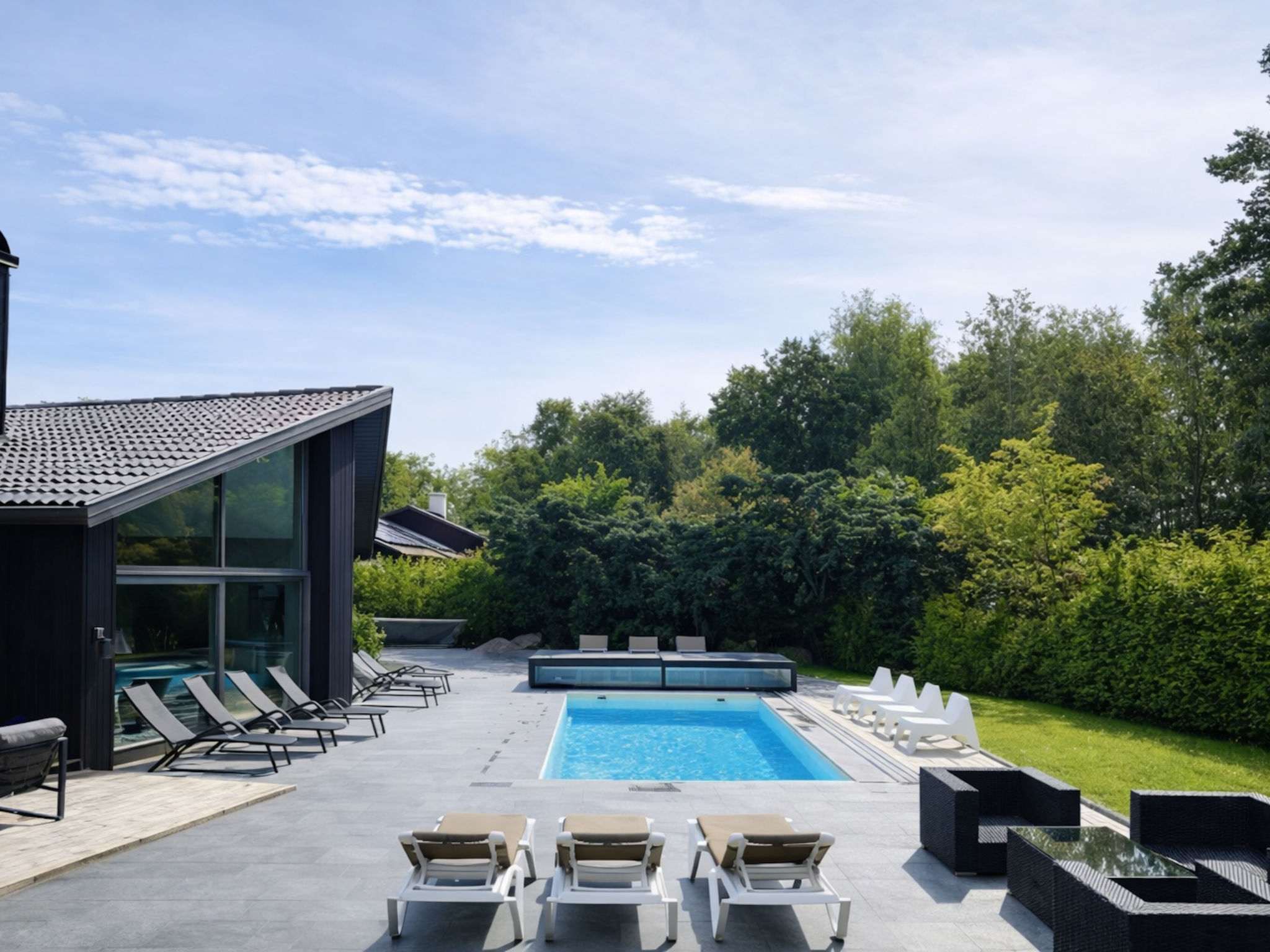
The south gets more sun and heat than Stockholm. not warm by Mediterranean standards, but warmer. Malmö is Sweden's third city, modern and creative. The region extends toward Copenhagen (a bridge connects them now), offering Scandinavian culture with slightly softer edges. Villas range from contemporary urban apartments to countryside farmhouse conversions near castles and gardens. This region is easier for visitors unfamiliar with Sweden—English is universal, infrastructure is dense, and the pace feels less austere than the north. The trade-off: it's less dramatically "Swedish" and more European. Summer brings reliable warmth (18-22°C) and light is still extraordinary (sunset around 10 PM). Winter is genuinely dark (sunrise around 9 AM) and gray, but not as harsh as the north.
Explore Luxury Villas in South Sweden →
Norrbotten and the North
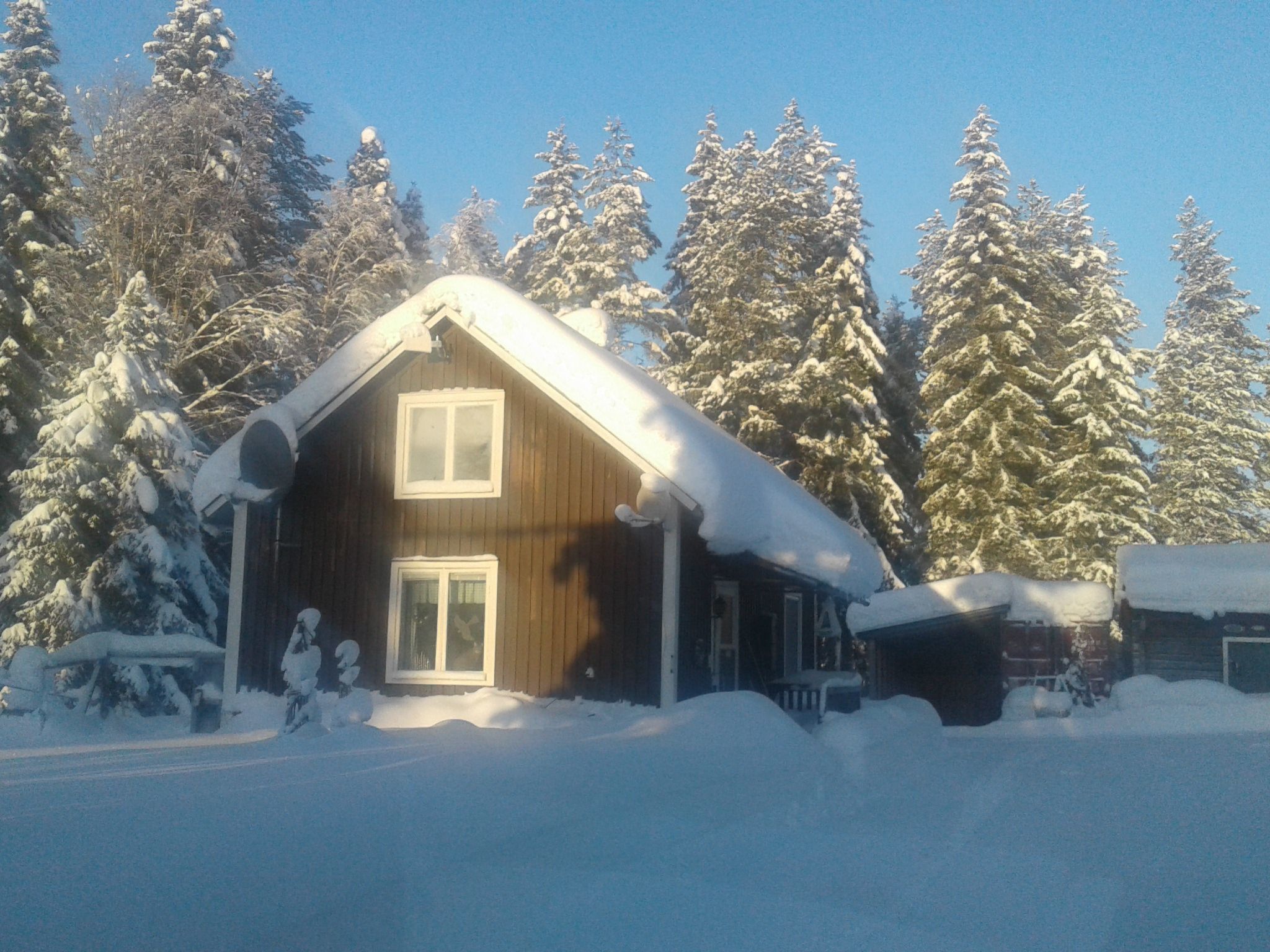
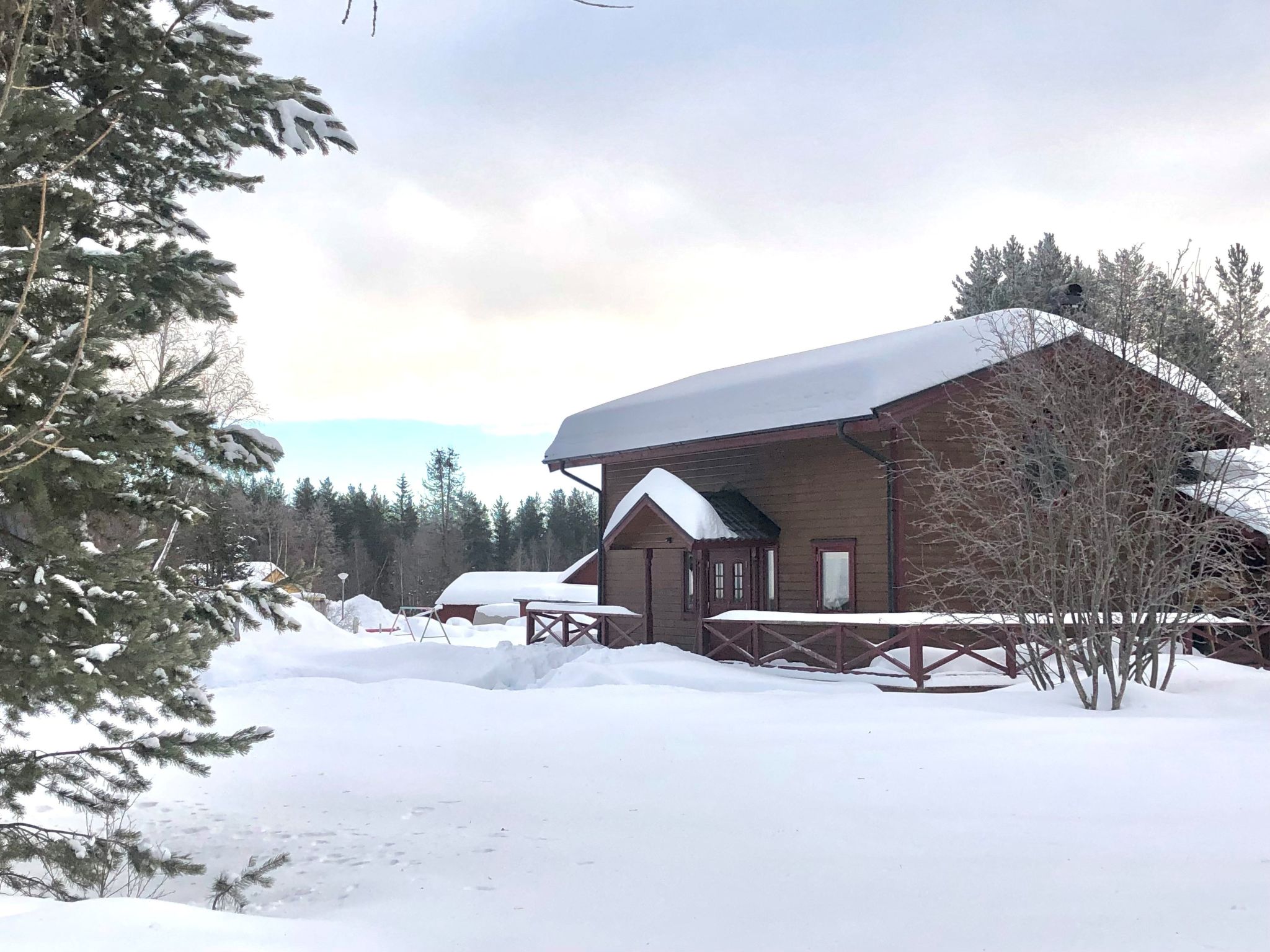
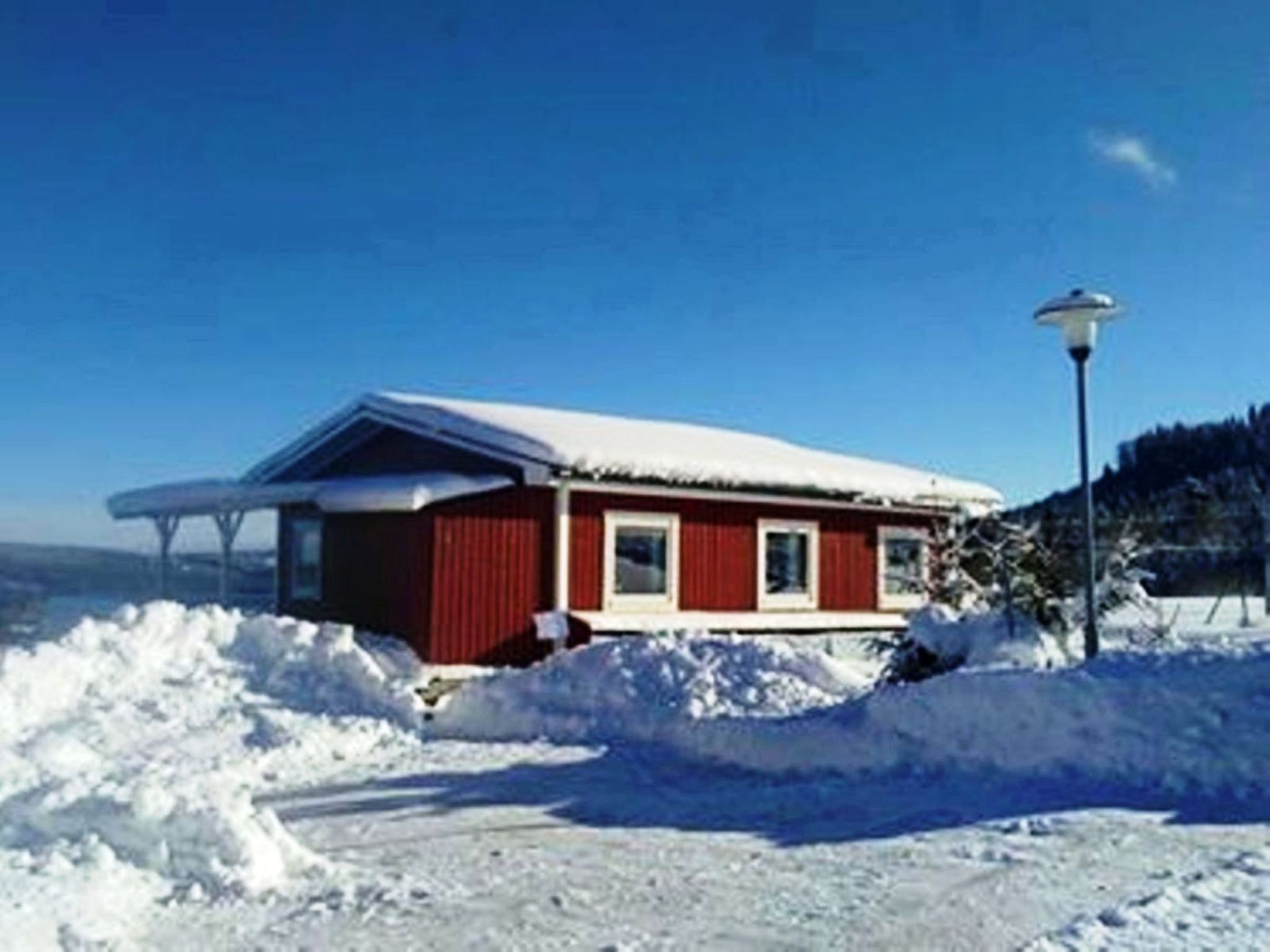
Far northern Sweden is another country entirely. In winter, darkness is complete and you have genuine aurora opportunities. Summer offers midnight sun (24-hour daylight in June) and clean nature. Villas are fewer and far between, but they exist. traditional cabins and contemporary builds designed for extreme conditions. This is serious adventure territory: dog sledding in winter, white-water rafting and hiking in summer, reindeer herding experiences, and indigenous Sami culture. The region demands commitment. long driving distances, limited restaurant choices, and weather can be severe. It's not a casual holiday destination, but for people seeking genuine remoteness and natural phenomena, it's unmatched. Winter visits require appropriate clothing and experience; summer requires flexibility around weather.