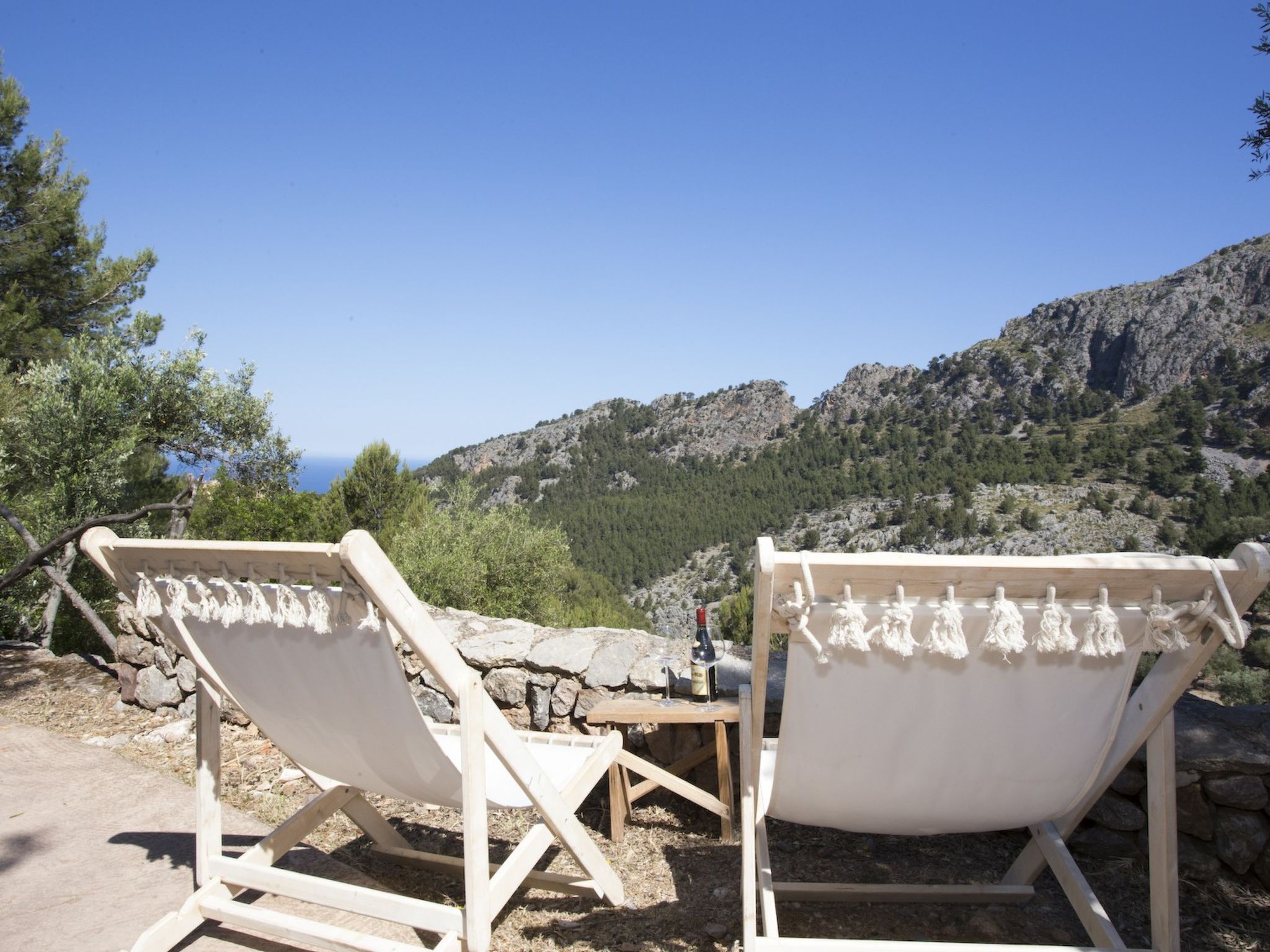
Soller occupies a valley in northwestern Mallorca where oranges have grown since the Moors planted them. The town itself sits inland, but it's connected to a small beach port—Port de Soller—by a vintage wooden train that's practically a tourist attraction in itself. What makes Soller distinct is that it feels genuinely removed from the main Mallorca beach circuit. You're in the mountains. The air is different. The pace is different. But "remote" comes with trade-offs: the nearest decent beach requires either the train journey or a 15-minute drive, and if you want serious nightlife or high-street shopping, you've chosen the wrong place.
Why Stay in Soller
- Real mountain town atmosphere: Soller has a functioning local life that isn't primarily tourism-dependent. Markets, local bars, families on the plaza at evening. It feels more authentically Spanish than packaged-for-tourists. The trade-off is fewer English menus and fewer late-night bars, but that's exactly the point.
- Access to Tramuntana hiking: The Tramuntana mountains surround Soller. Serious walkers have day-hikes on their doorstep: Sa Calobra gorge, Puig Major viewpoints, coastal trails toward Deia. If you're renting a villa partly for hiking, Soller is genuinely appealing. Fair warning: weather can close mountain roads in winter, and early/late season conditions can be unpredictable.
- The vintage train is genuinely good fun: The wooden train running between Soller and Port de Soller opened in 1912 and still runs the same route. It's slow, scenic, a bit creaky, and genuinely delightful. It's touristy but not in a cynical way. Ride it on your first evening to see the valley at sunset.
- Port de Soller and the drive down: The 15-minute drive from town down to the port (or the train ride) shows you why people chose to live here. The port is a horseshoe bay with good water and a handful of restaurants directly overlooking the beach. It's livelier than the mountain town but still fundamentally small-scale.
Things to Do in Soller
Take the vintage train to Port de Soller: Do this on your first or second evening, ideally leaving town around 5pm so you arrive at the port as light starts softening. Have dinner overlooking the beach, then catch the return train at sunset. It's touristy, yes, but genuinely special. Tickets are around 10 euros return. Don't overthink it. Just go.
Swim at Port de Soller beach: The horseshoe bay has good water, clean sand, and is far less crowded than Alcudia or Port de Pollensa. There are bars and restaurants right on the beach for lunch. The water is slightly cooler because it faces open Mediterranean rather than the bay. It's easily accessible by car or train, making it workable even without a vehicle.
Hike Sa Calobra gorge: The gorge drops dramatically from the mountains to the sea. The main walk is roughly 10km taking four hours. It's not technical but it's steep and requires decent boots. The reward is swimming in a virtually enclosed cove where freshwater meets salt. Go early to beat other hikers. Parking at the top is limited and can fill up.
Walk Soller's mountain trails toward Deia or Puig Major: Soller sits in the centre of serious hiking territory. The walks to nearby Deia (4km, 1.5 hours, moderate) or up toward Puig Major (various routes, 3-5 hours) offer constant mountain and coast views. Spring wildflowers and autumn light are exceptional. Trails are well-marked but weather can close them unexpectedly in winter.
Explore Soller town on market day: The main market runs Saturdays mornings in the plaza. Fresh produce, local goods, atmosphere. Grab breakfast at a café and watch the town wake up. Outside market day, the plaza is quieter but still pleasant for an evening paseo with a vermouth.
Drive Soller-Deia-Valldemossa coastal loop: The drive from Soller through the mountain towns of Deia and Valldemossa toward Palma is considered one of Spain's most beautiful. Steep hairpin turns, constant views, small villages worth stopping in. Allow three to four hours including stops for photos and lunch. It's scenic enough to justify a half-day on its own.