Costa de la Luz: Atlantic Andalucía
The Atlantic coast of Andalucía offers something different from Spain's glossy Mediterranean image. We find the Costa de la Luz appeals to travelers who prefer wind-swept beaches, small fishing ports, and authentic coastal villages over resort sprawl. The coastline runs from Huelva province down to Cádiz, where the Atlantic meets the Strait of Gibraltar. You'll notice the light here changes constantly. The region's name literally means "Coast of Light," and that's no marketing flourish. The wind patterns make for dramatic skies, solid windsurfing conditions, and an unpredictable but addictive atmosphere.
What Makes Costa de la Luz Special
- Serious windsurfing conditions. If you're into water sports, the consistent Atlantic swells and wind make this a genuine training ground. Tarifa is Europe's windsurfing capital, though that means it can get crowded and pricey during peak season.
- Working fishing culture. Unlike touristy beach towns, many villages here still function as active ports. You'll see trawlers, drying nets, and fish auctions. That authenticity matters, though it also means some harbors smell strongly of fish and aren't always photogenic.
- Wild, dramatic coastline. The beaches here are often rough and wide rather than sheltered. Expect blown sand, strong currents, and a certain rawness. Some find this exhilarating; others prefer calmer waters.
- Proximity to Africa. From certain points around Tarifa, you can see the Moroccan coast. That geographical position shapes the food, culture, and even the weather patterns.
Top Towns & Resorts in Costa de la Luz
Tarifa
Tarifa sits at Spain's southernmost tip, where the Atlantic and Mediterranean meet. The old town has medieval walls, narrow streets, and a working port that's far grittier than its growing reputation suggests. The beaches here (Playa Chica and Playa Grande) are serious water-sports venues. We should note that Tarifa's wind is relentless. That's great if you're windsurfing; it's frustrating if you want to sunbathe without getting sand in your teeth. The town has gentrified considerably, with decent restaurants and increasing prices. Summer brings kitesurfers from across Europe.
Barbate
Barbate is a proper working town, not a resort. It's famous for tuna fishing. The almadrabas (traditional tuna traps) still operate here. The waterfront is industrial and energetic rather than manicured. Playa de Las Tres Piedras is the main beach, backed by modest bars and restaurants. If you're seeking crowds and nightlife, this isn't it. If you want to see how ordinary Spanish coastal life functions, Barbate delivers. The town fills up in summer with Spanish families, not international tourists, which keeps prices reasonable but also means fewer English speakers and fewer tourist amenities.
El Puerto de Santa María
Across the Bay of Cádiz from its namesake city, El Puerto is a prosperous yacht harbor with a long waterfront promenade, decent beach access, and a reputation for sherry wine tasting. The town blends maritime tradition with modern development. Restaurants here are genuinely good. Beach quality is acceptable rather than exceptional. The bay's waters aren't the clearest. The town is livelier and more cosmopolitan than smaller fishing villages, which appeals to some visitors but dilutes the "authentic coast" feel we mentioned earlier. Summer traffic into this town can be heavy.
Search villas near El Puerto de Santa María
Conil de la Frontera
Conil sits midway along the coast and has developed a reputation as a relaxed family resort, though it's nothing like the Costa del Sol. The main beach (Playa de Los Bateles) is wide, relatively sheltered, and does attract crowds in July and August. The old town center retains charm, with whitewashed buildings and a local fishing industry. Conil has invested in tourism infrastructure, so you'll find more restaurants and services here. However, this also means it's pricier than Barbate or Vejer, and the beach gets crowded in peak season. If you want that compromise between authenticity and convenience, Conil works.
Vejer de la Frontera
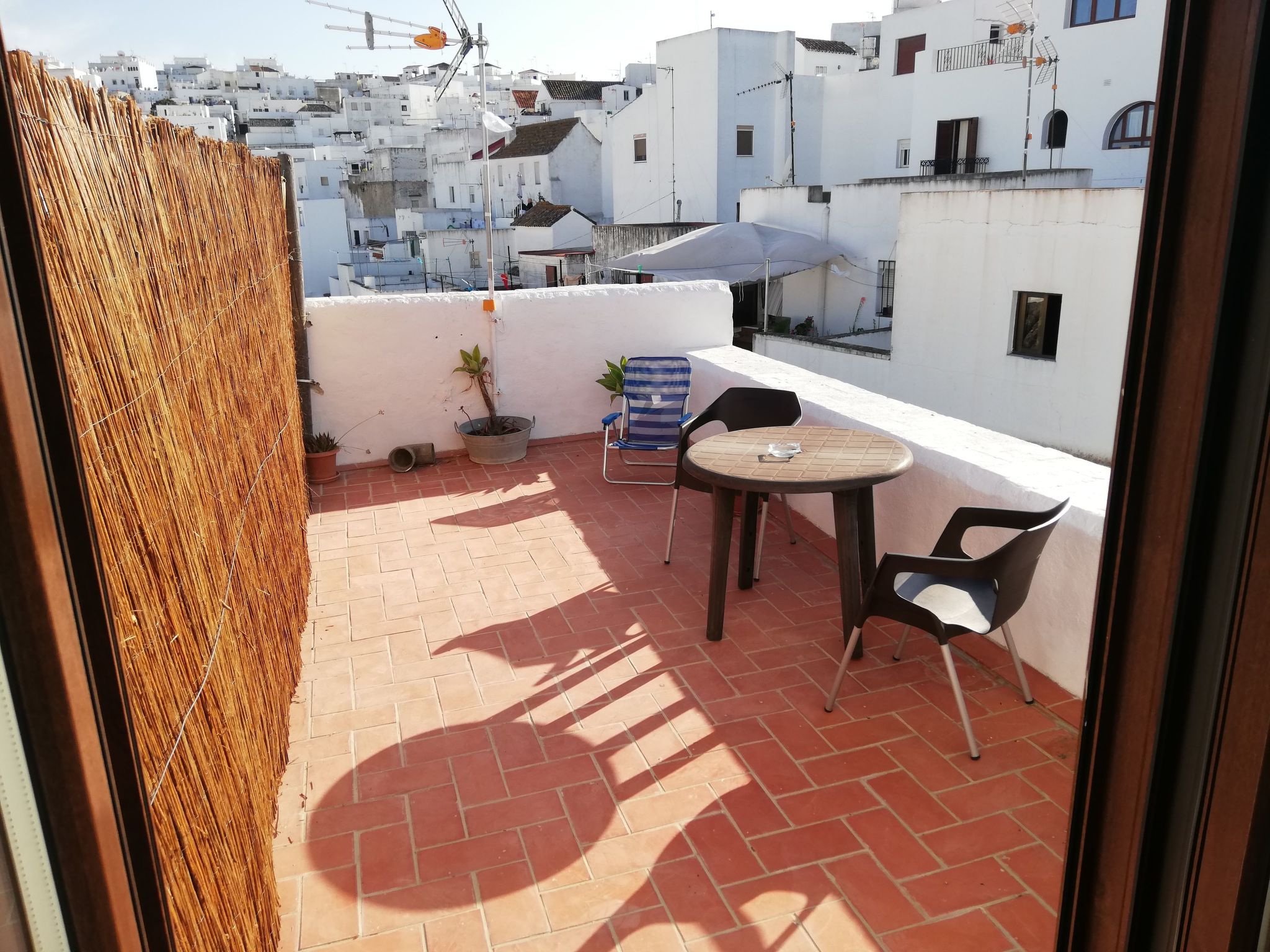
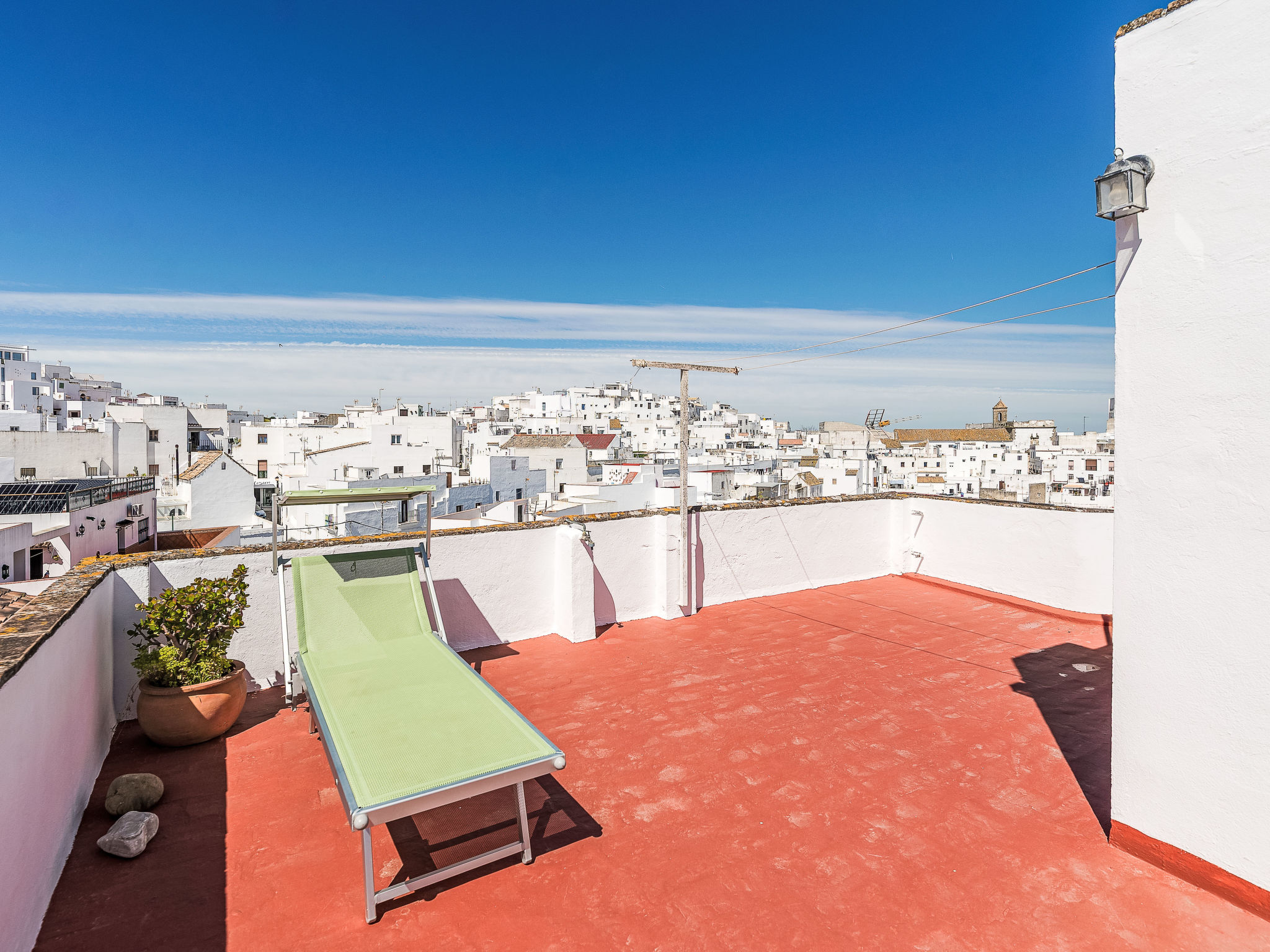
Vejer isn't technically on the coast; it sits inland on a hilltop. However, it's the cultural heart of this region. The whitewashed town with steep cobbled streets and blue doors is genuinely alluring, though increasingly popular with expats and artistic types. The drive down to nearby beaches (Playa de Diez y Seis or Playa del Palmar) is scenic but requires a car. Vejer offers better restaurants and more character than most coastal towns, but prices have climbed. The town can feel touristy in peak season, and parking is a nightmare if you visit by car.