Villas in St Carles de la Ràpita
St Carles de la Ràpita is a fishing port on the edge of the Ebro Delta, with two large marinas and broad beaches. Wind is the catch: it blows often and can be strong. Most homes here have a private pool and a garden, and they sit close together.
- Villas
- 13
- From, per week
- £346
About St Carles de la Ràpita
St Carles de la Ràpita is a working town of about 15,000 people, laid out in a neoclassical style under Charles III as a trading port. It is still an important fishing port for prawns and shellfish, and the town is known for its rice and salt. The saltwater lagoon of Port dels Alfacs is enclosed by the El Trabucador spit and La Banya peninsula. The homes are clustered in one spot, so check on the map how far yours is from the port and the beach. Evenings mean the restaurants in town, and more visitors arrive each summer.
Is St Carles de la Ràpita right for you?
- Best for
- Windsurfers and families wanting a private pool near the Ebro Delta
- Not for you if
- You dislike wind, which is persistent here and often strong.
Near St Carles de la Ràpita
El Trabucador
A golden-sand strip about 6 km long and isolated, with a surf practice area as its only service. You reach it by car.
La Guardiola viewpoint
A viewpoint 116 metres high, climbed for its views across the delta.
Ebro Delta Natural Park
A protected area at the mouth of the Ebro covering 7,736 hectares, shared between the Baix Ebre and Montsià regions.
Getting to St Carles de la Ràpita
Reus airport is about an hour by car from the town. The same trip by train and bus takes over three hours, so a hire car is the practical choice, and El Trabucador is also reached by car.
When to go to St Carles de la Ràpita
Summers are dry, and spring and autumn bring more rain. Winds are mostly northerly or north-westerly, while easterly levante winds bring rain. Visitor numbers climb each summer, so the quieter months suit the delta and the working port.
Villas in St Carles de la Ràpita
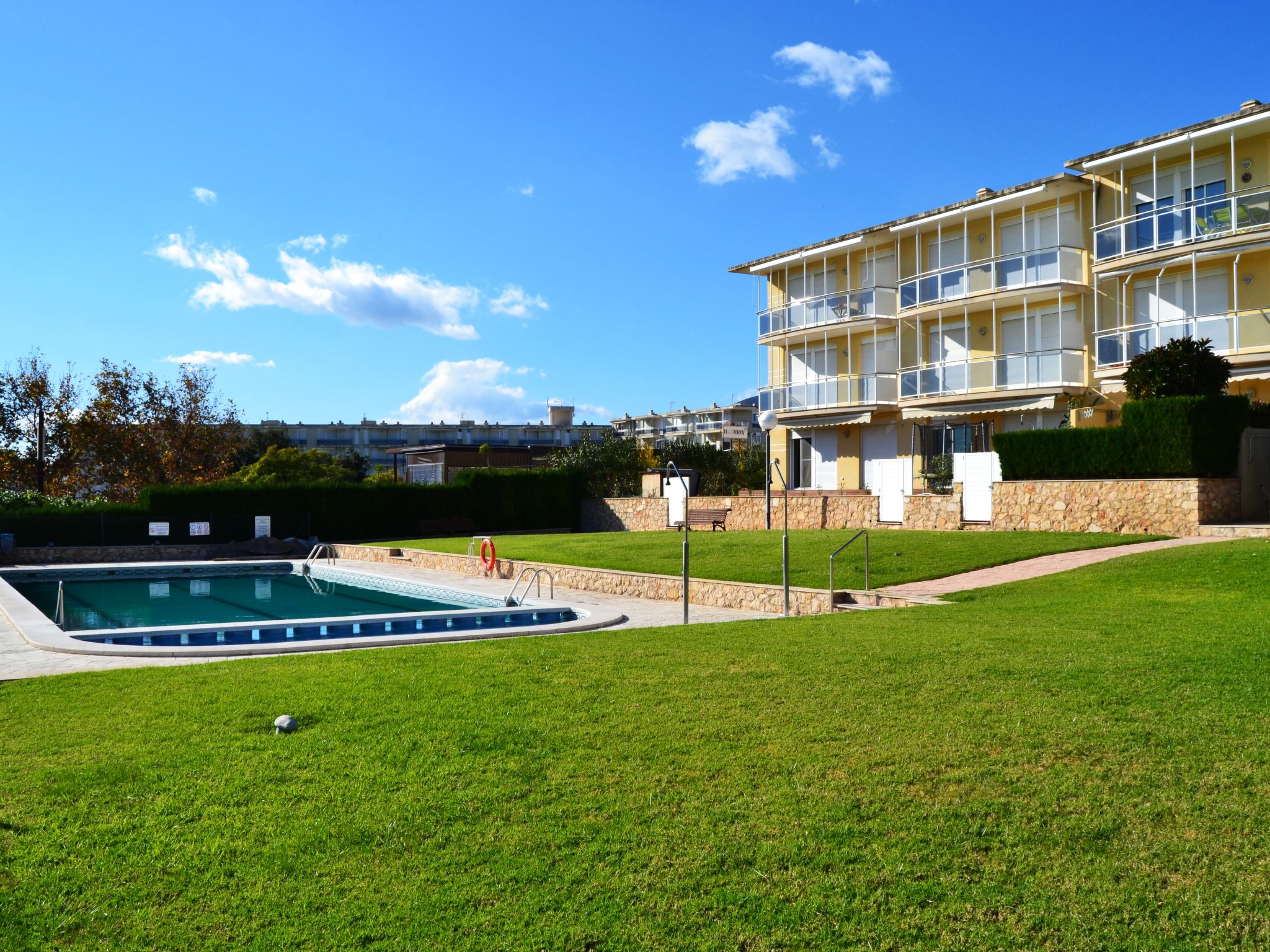
2-star property

5-star property
5-Bedroom Home, St Carles de la Ràpita
St Carles de la Ràpita, Costa Daurada, Spain
10
5
0
BBQParkingDishwasher+10 more
from£167
per night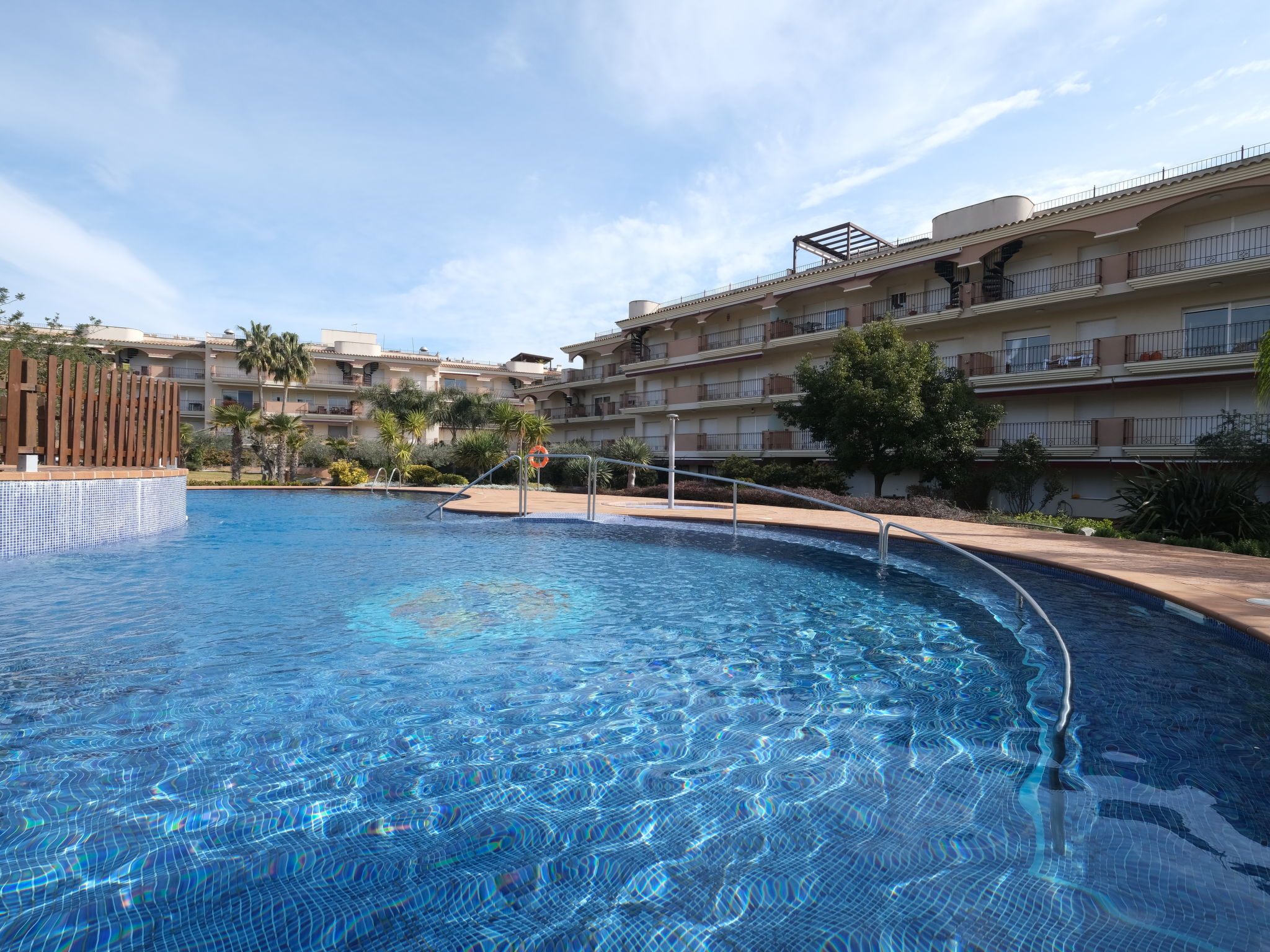
3-star property
Golden Beach
St Carles de la Ràpita, Costa Daurada, Spain
4
1
0
Air ConParkingDishwasher+8 more
from£52
per night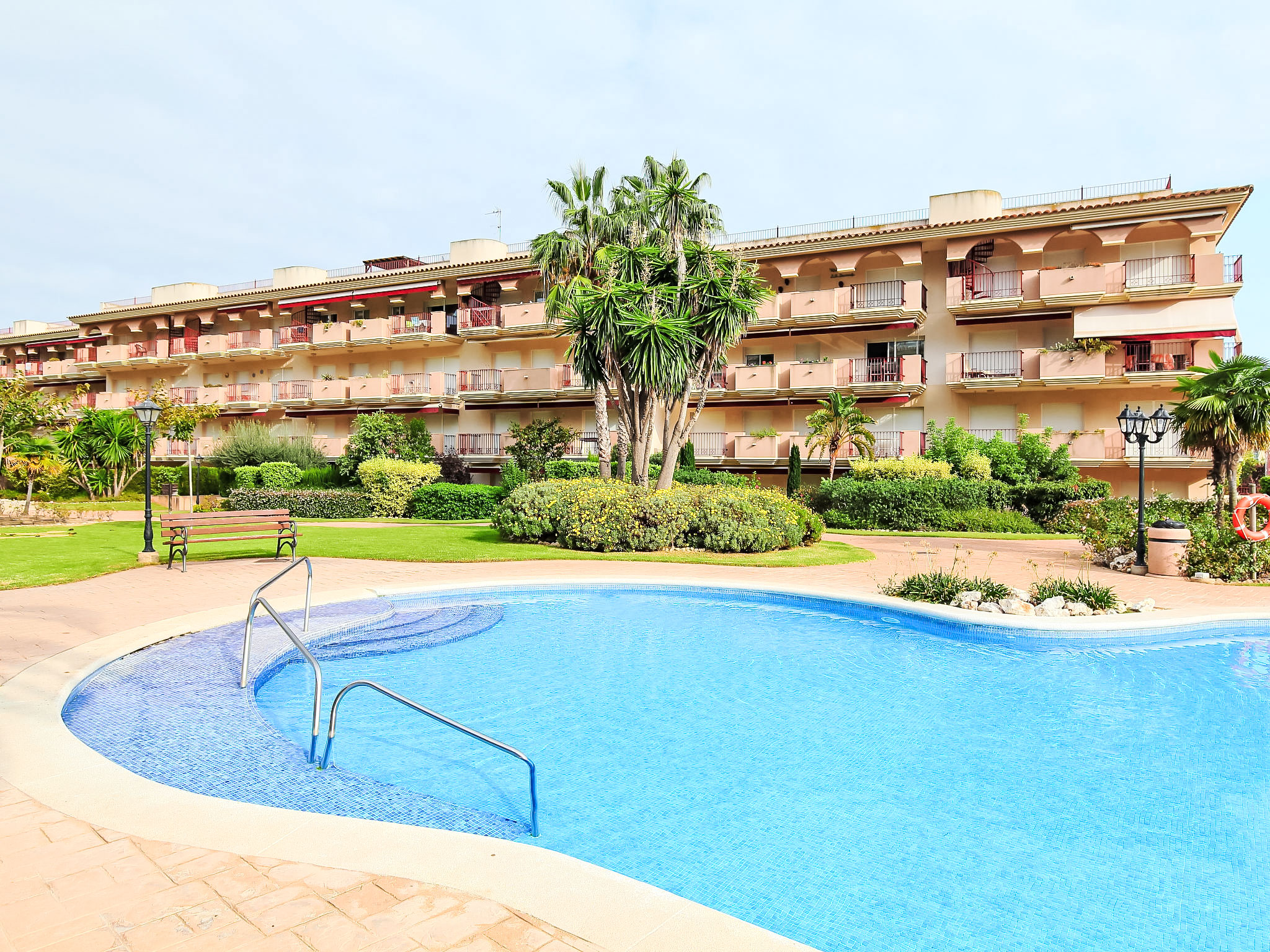
4-star property
Playa Delicias
St Carles de la Ràpita, Costa Daurada, Spain
4
2
0
Air ConParkingDishwasher+9 more
from£59
per night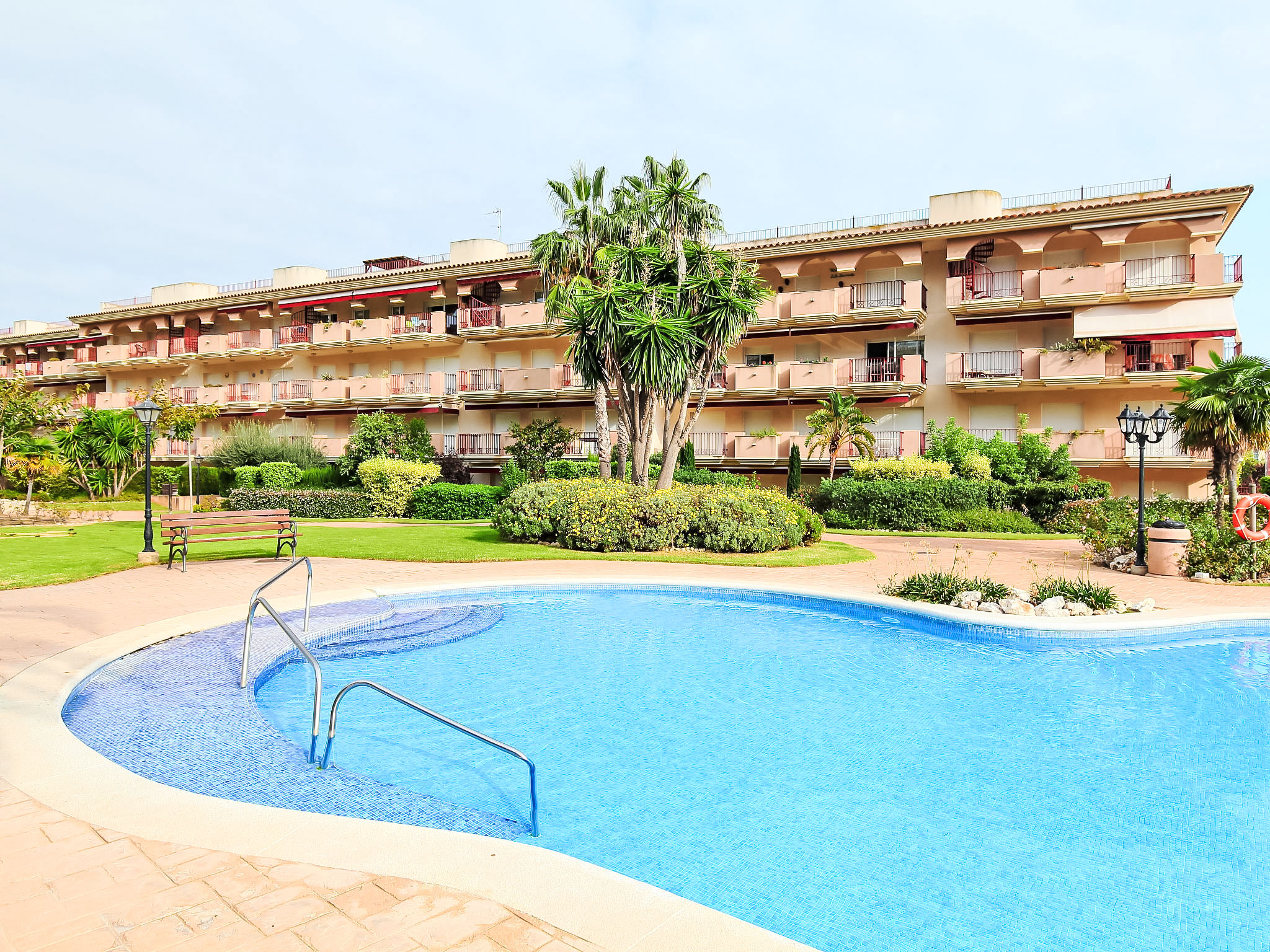
3-star property
Delicias B
St Carles de la Ràpita, Costa Daurada, Spain
5
2
0
Air ConParkingDishwasher+10 more
from£54
per night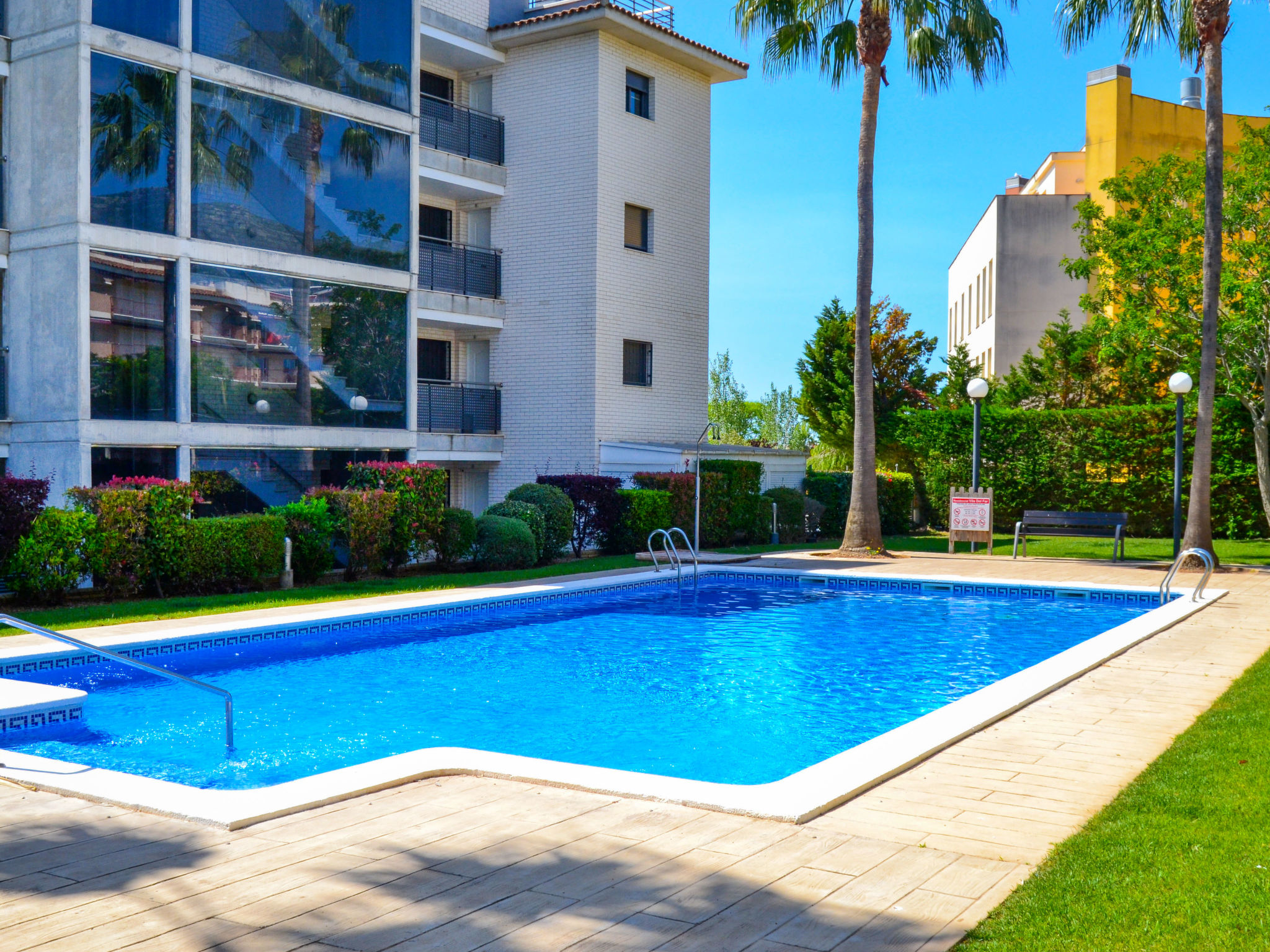
3-star property
Vila del Far
St Carles de la Ràpita, Costa Daurada, Spain
4
2
0
Air ConParkingDishwasher+9 more
from£59
per night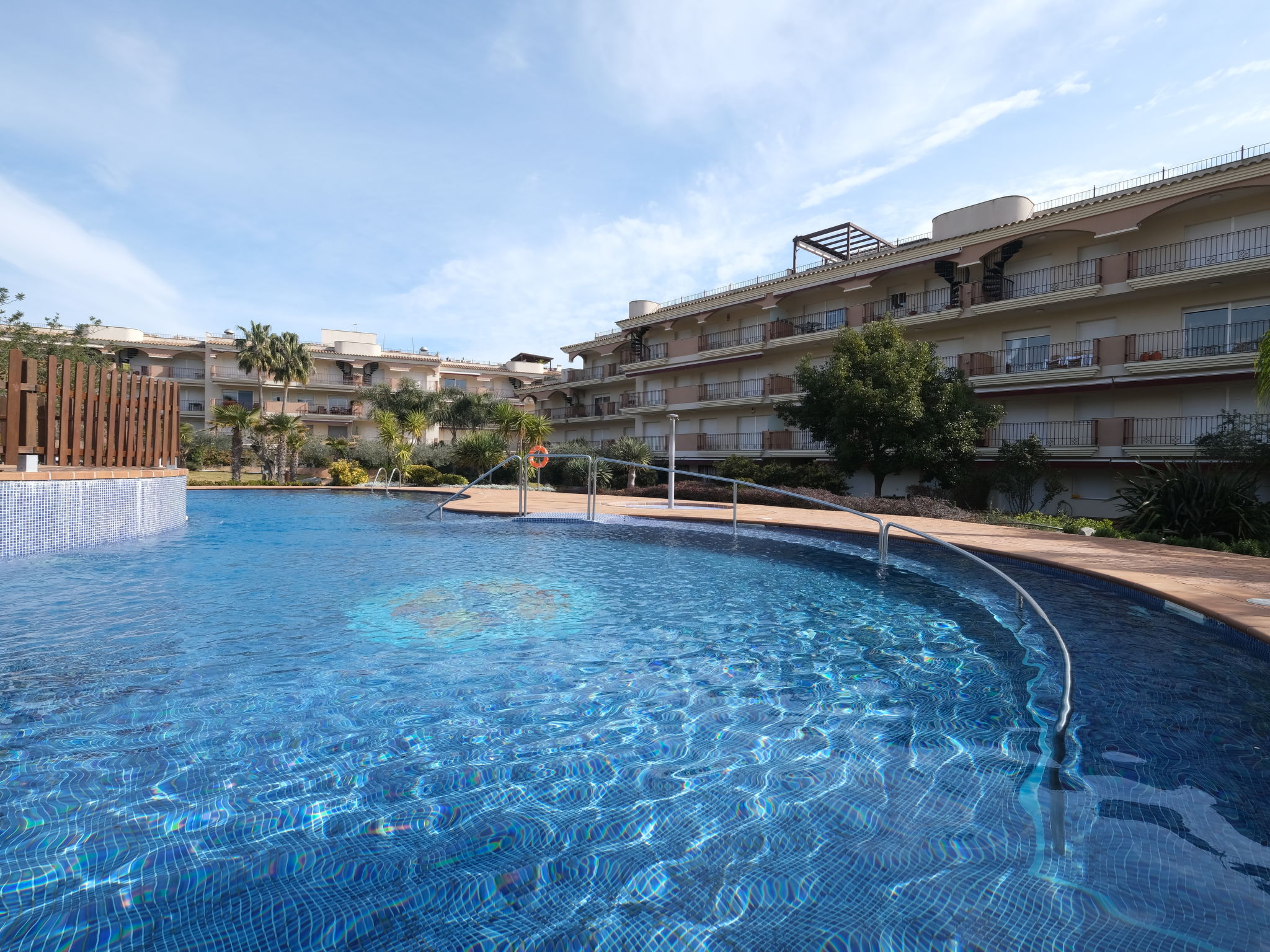
3-star property
Golden Beach
St Carles de la Ràpita, Costa Daurada, Spain
4
2
0
Air ConParkingDishwasher+4 more
3-star property

3-star property
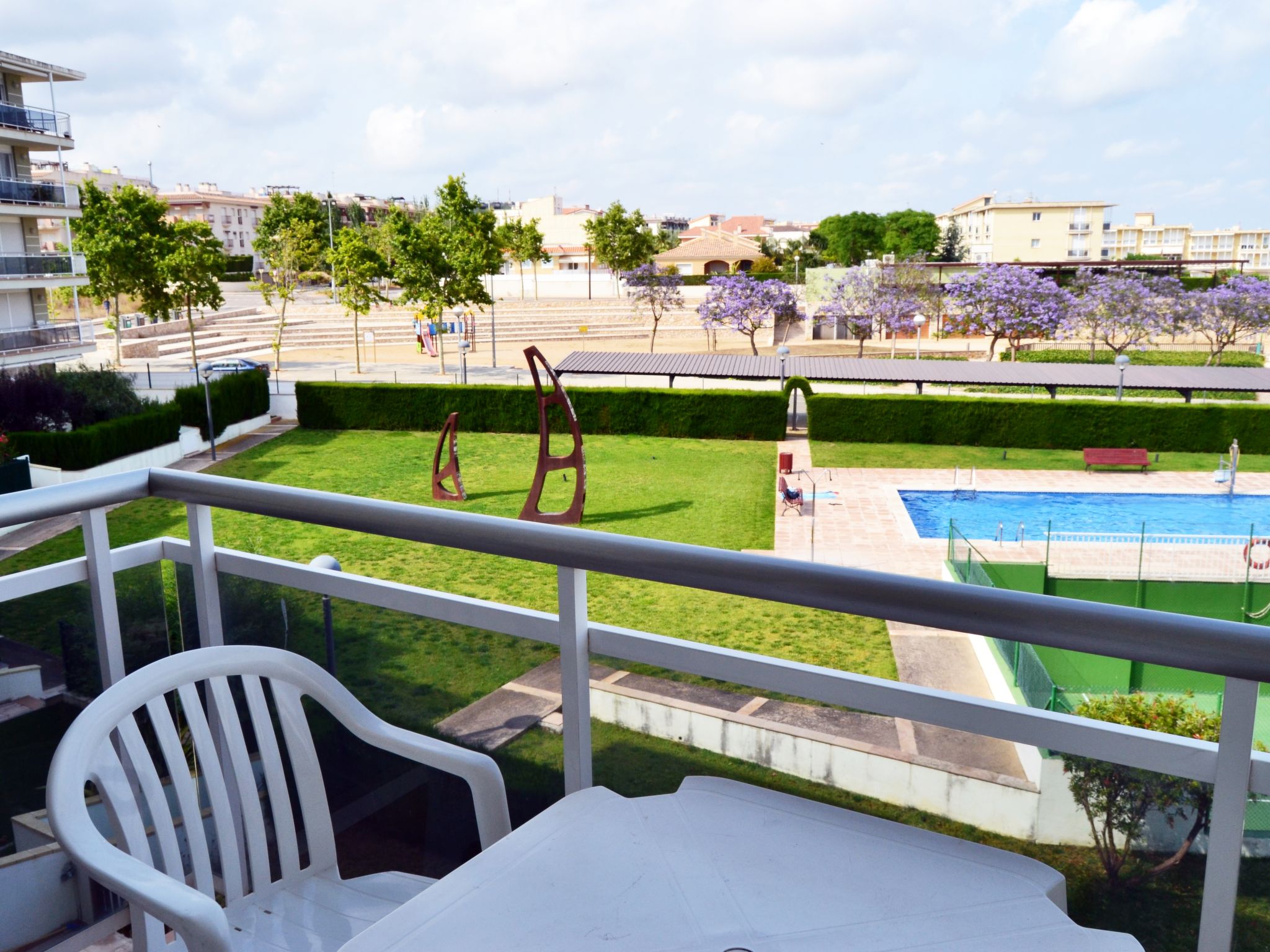
Golden Beach
St Carles de la Ràpita, Costa Daurada, Spain
4
2
0
Air ConParkingDishwasher+9 more
3-star property
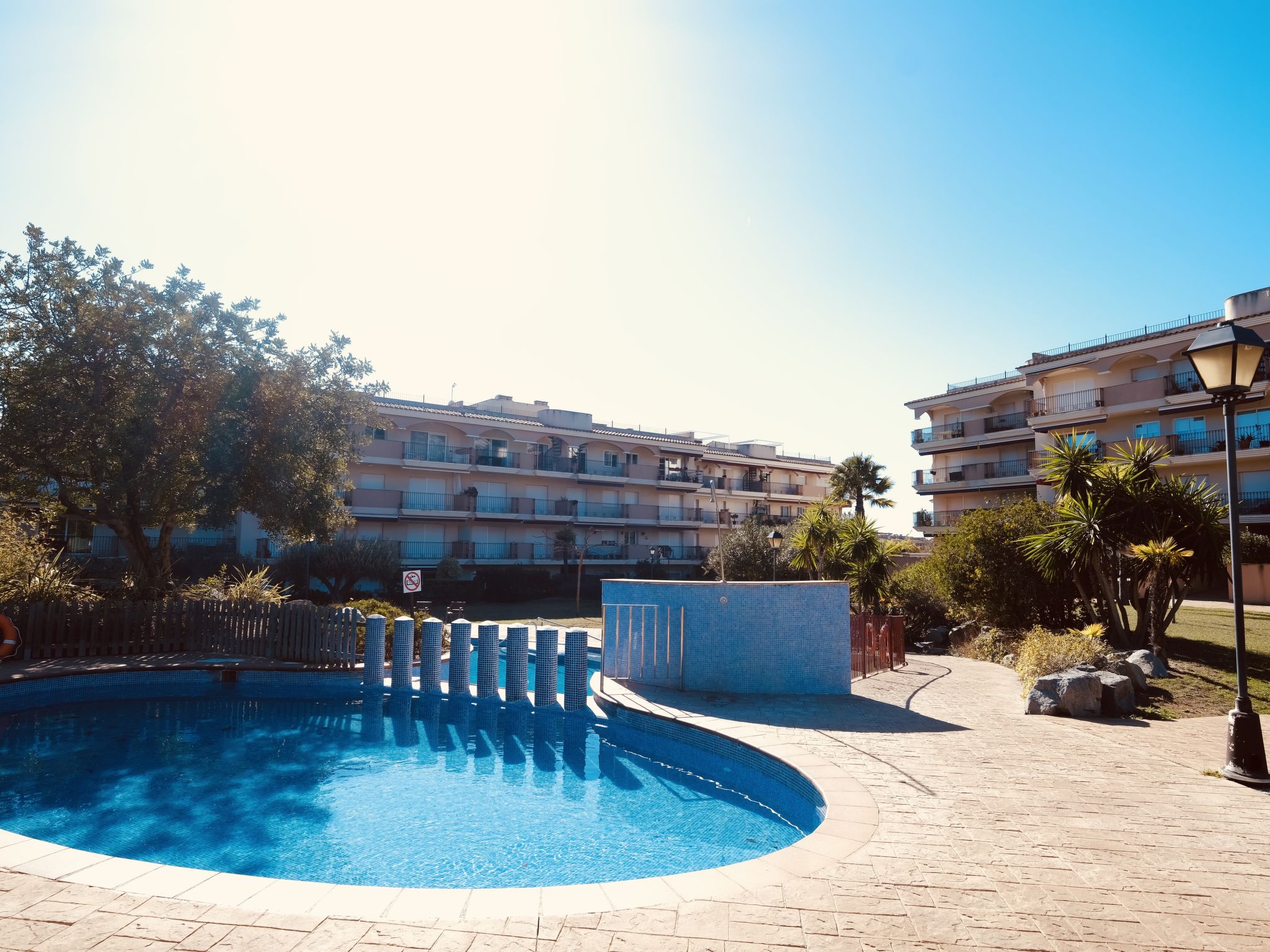
Residencial Golden Beach
St Carles de la Ràpita, Costa Daurada, Spain
4
2
0
Air ConParkingGarden+8 more
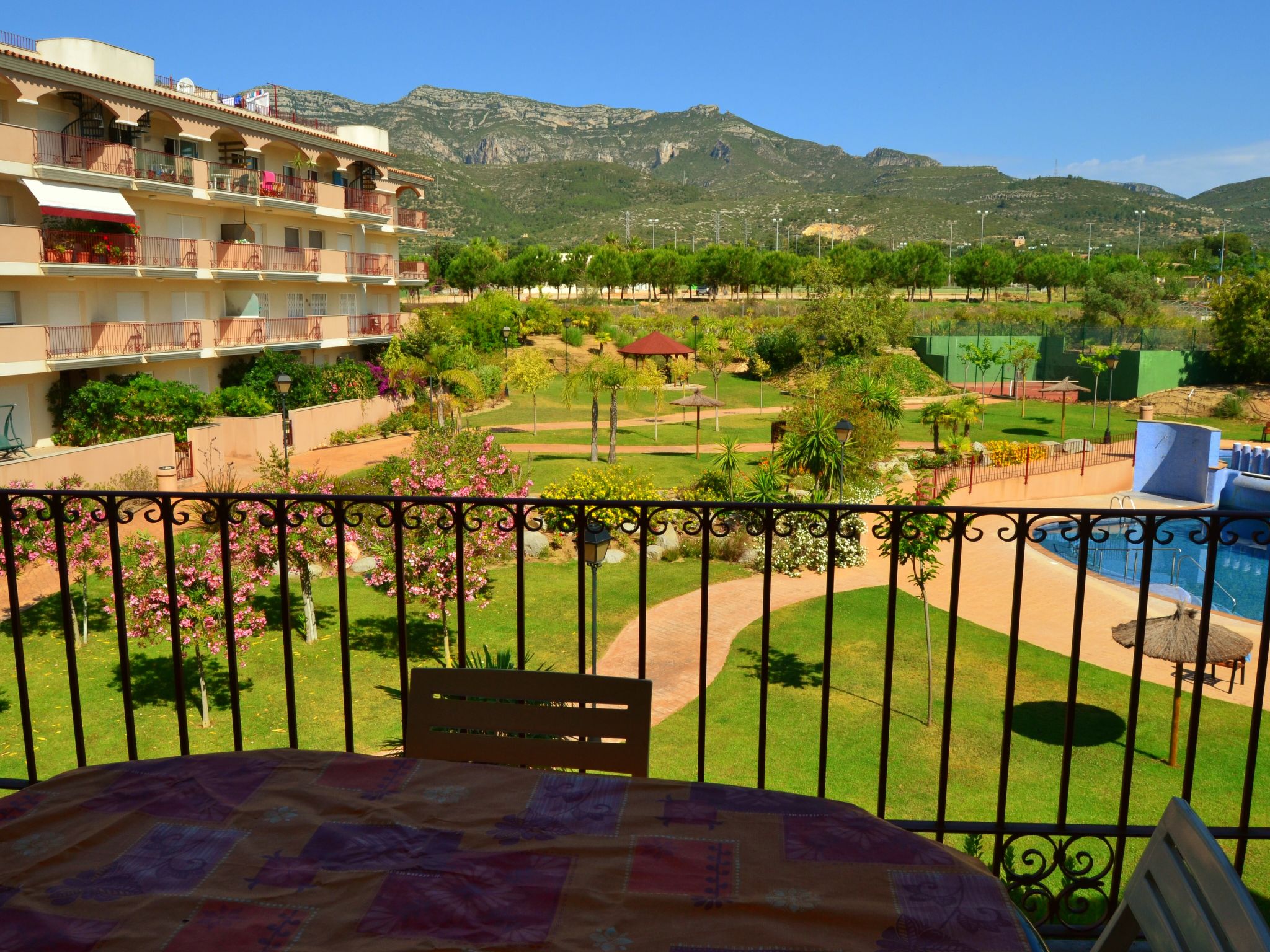
3-star property
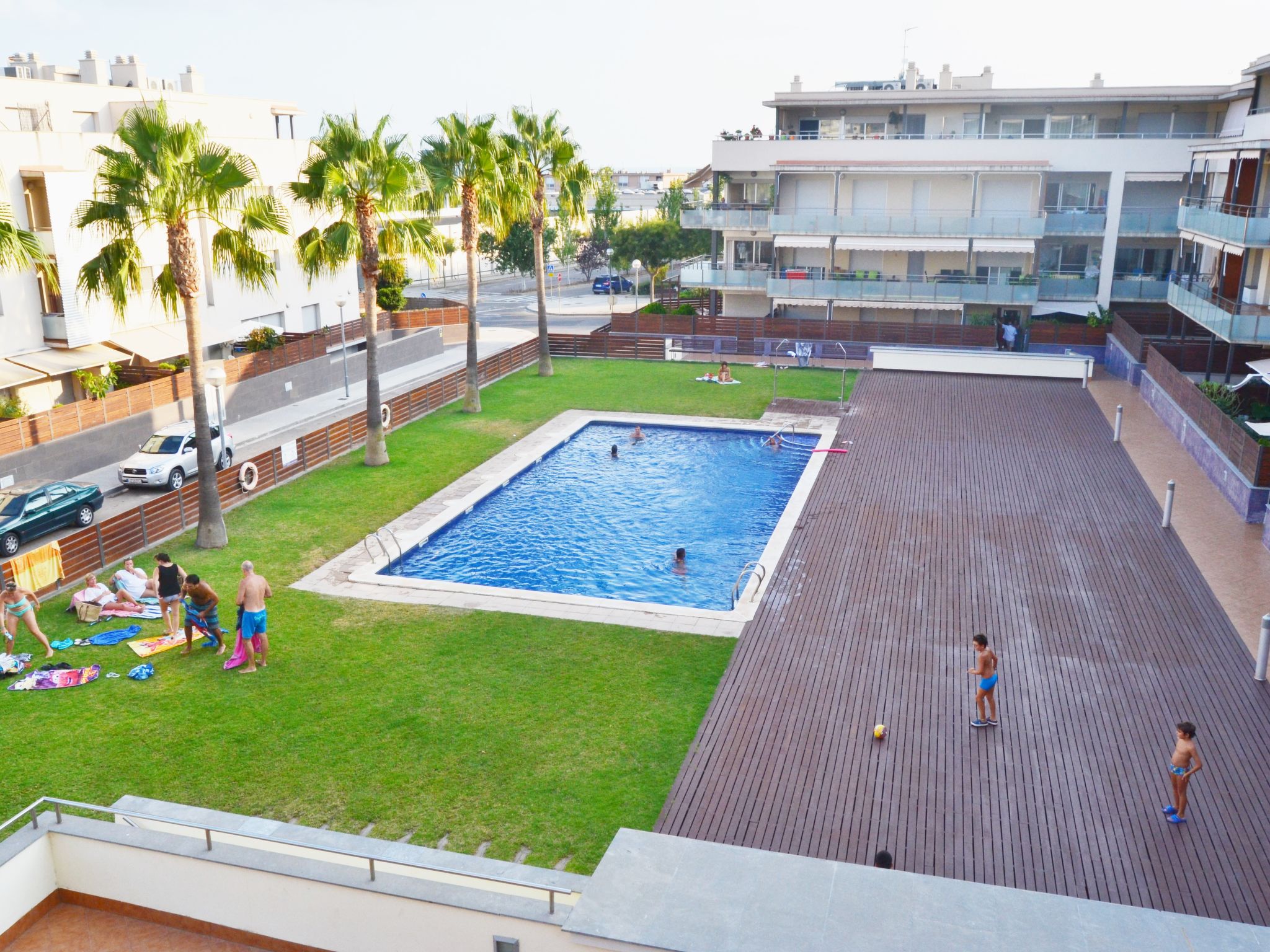
3-star property
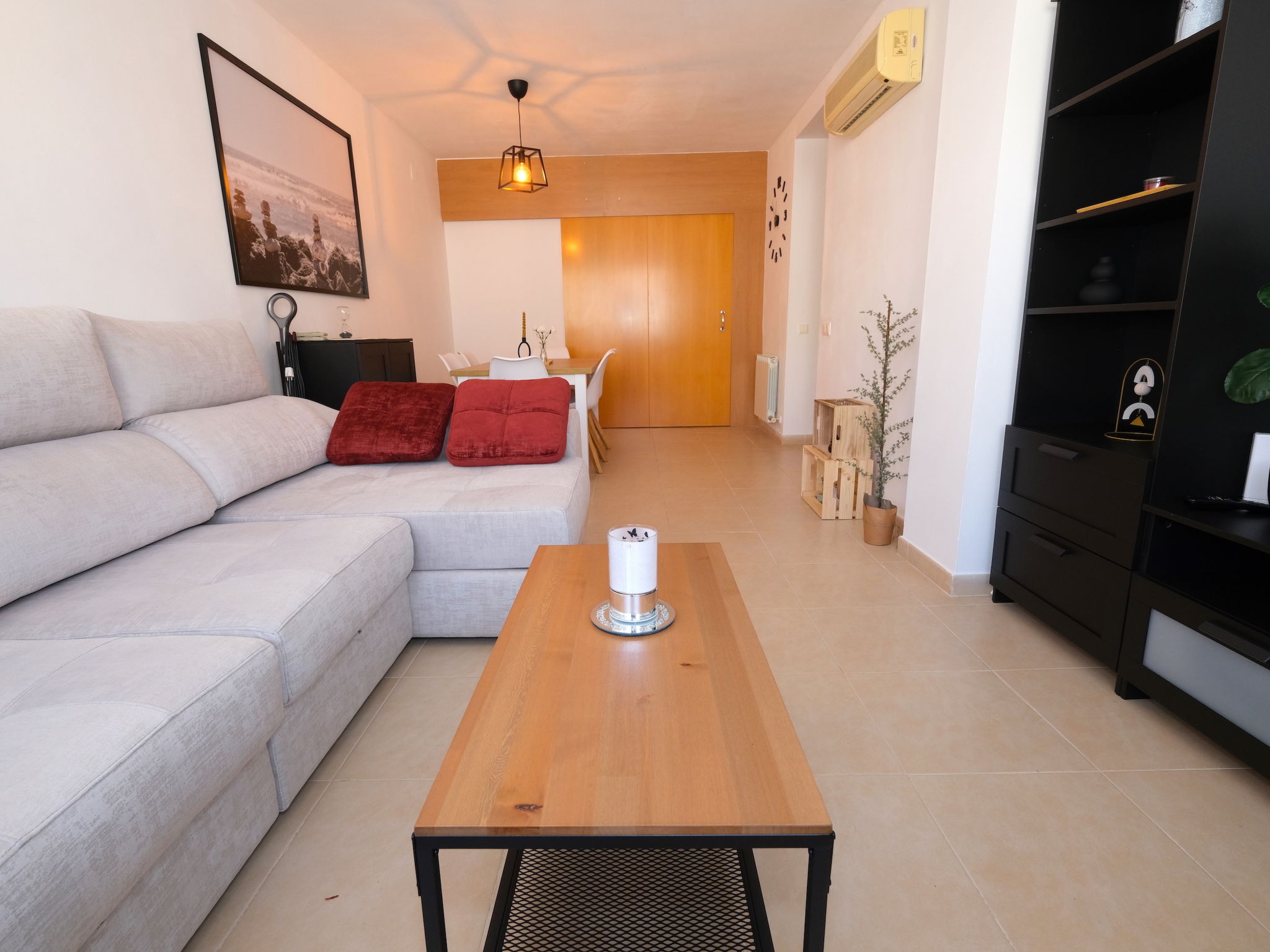
3-star property
Pedagrosa II
St Carles de la Ràpita, Costa Daurada, Spain
5
3
0
Air ConMicrowaveParking+6 more
from£49
per nightSt Carles de la Ràpita villa holidays: questions answered
Is St Carles de la Ràpita windy?
Yes. Winds are persistent and often strong, mostly northerly and north-westerly, and the beaches are used for windsurfing and sailing. Easterly levante winds bring rain, so check the forecast before planning a beach day.
Is El Trabucador near St Carles de la Ràpita a sandy beach?
It is golden sand, about 6 km long and 150 m wide, and isolated from any built-up area. The only service is a surf practice area, so bring what you need, and you reach it by car.
What is St Carles de la Ràpita known for?
Fishing, above all prawns and shellfish, plus rice and salt from the delta. Charles III founded it as a port for trade with the Spanish colonies, and Plaça de Carles III is one of the 18th century projects that shaped the town.
How far is Reus airport from St Carles de la Ràpita?
About an hour by car. By train and bus the journey takes over three hours, so most arrivals are easier with a hire car.
Nearby towns to St Carles de la Ràpita
Written by the TrustedVillas team. Last reviewed October 2026.
Find Your Perfect Villa in St Carles de la Ràpita
Our villa experts are here to help you find the ideal property for your vacation. Contact us for personalized recommendations.