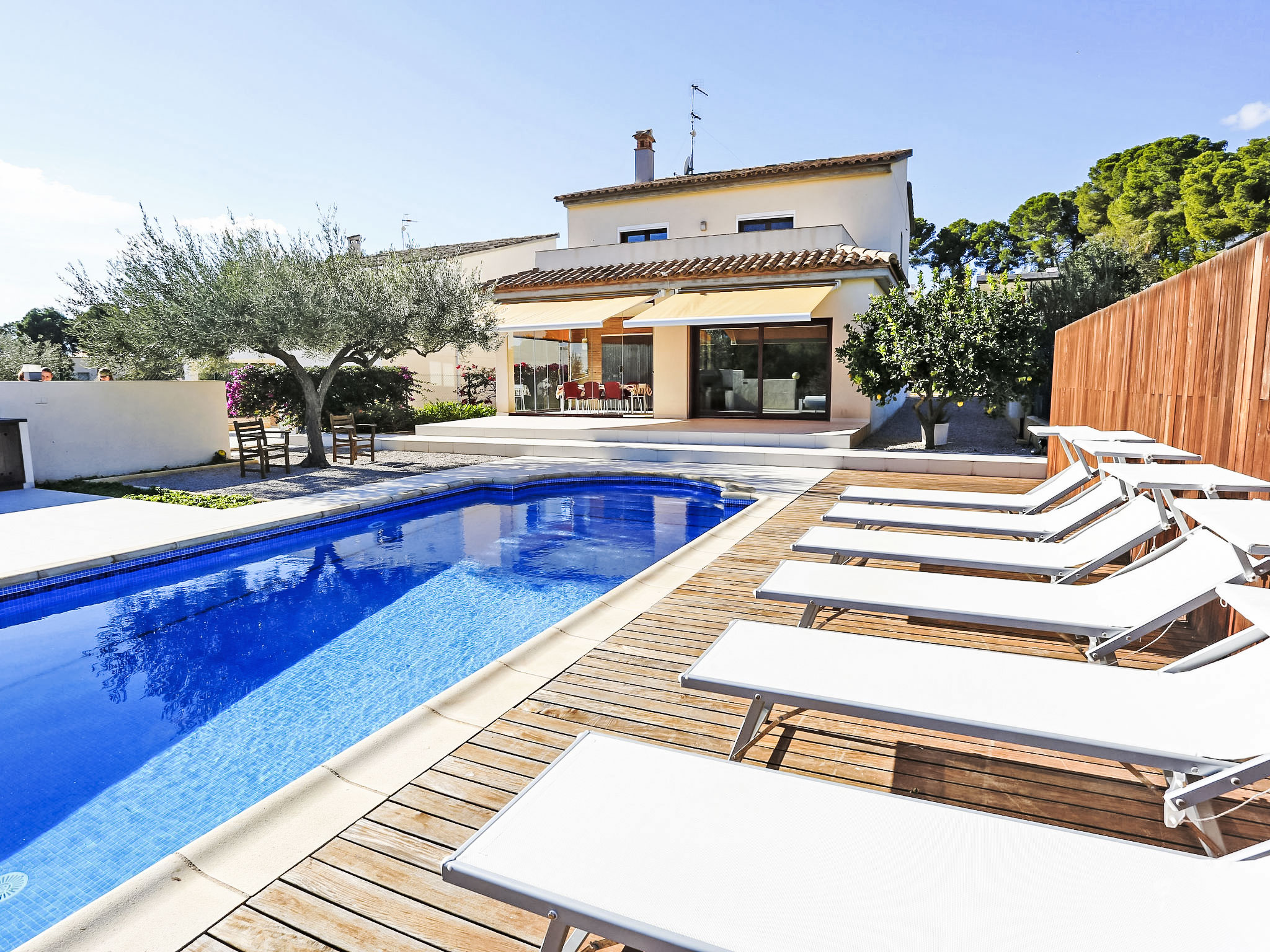
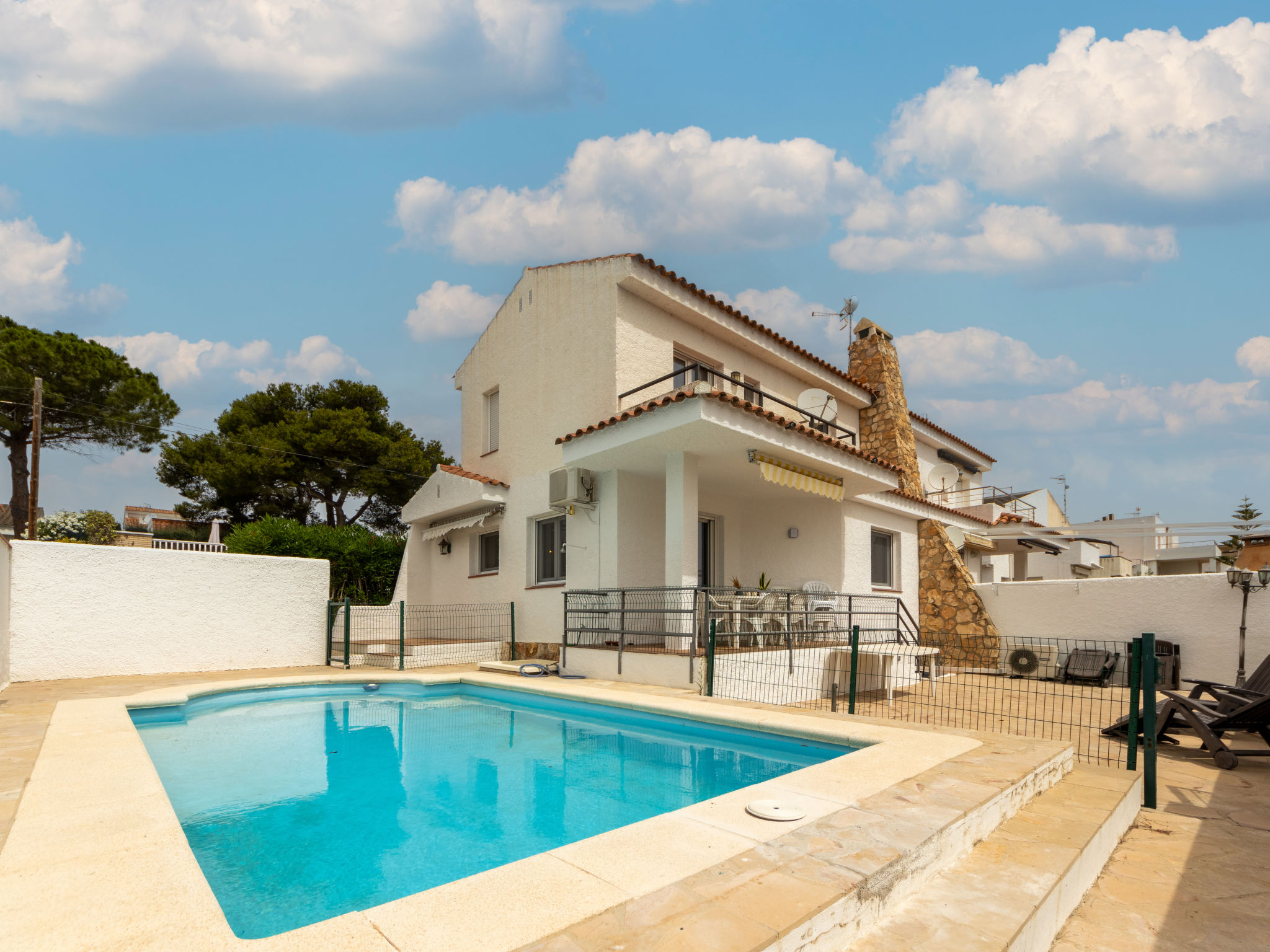
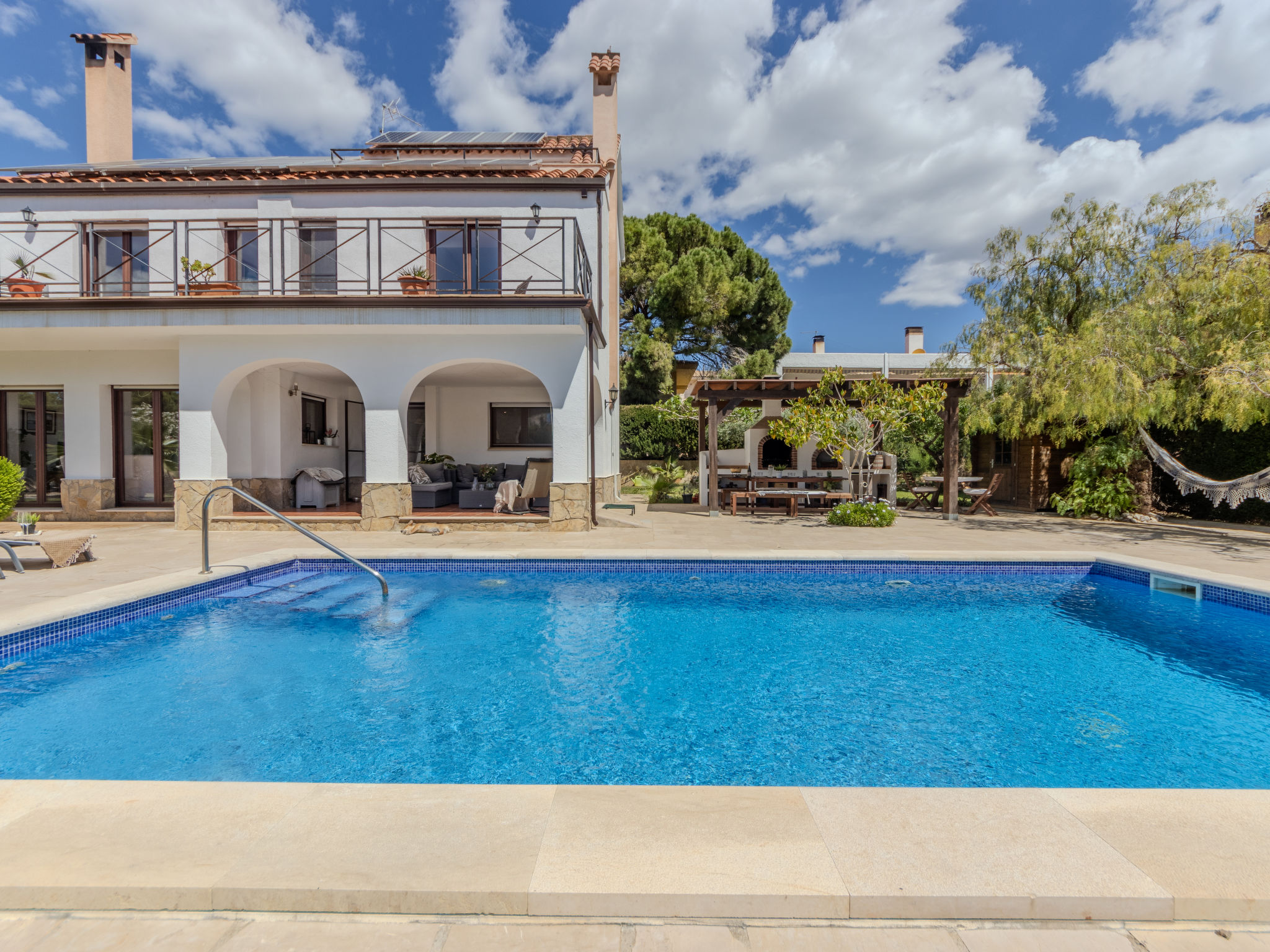
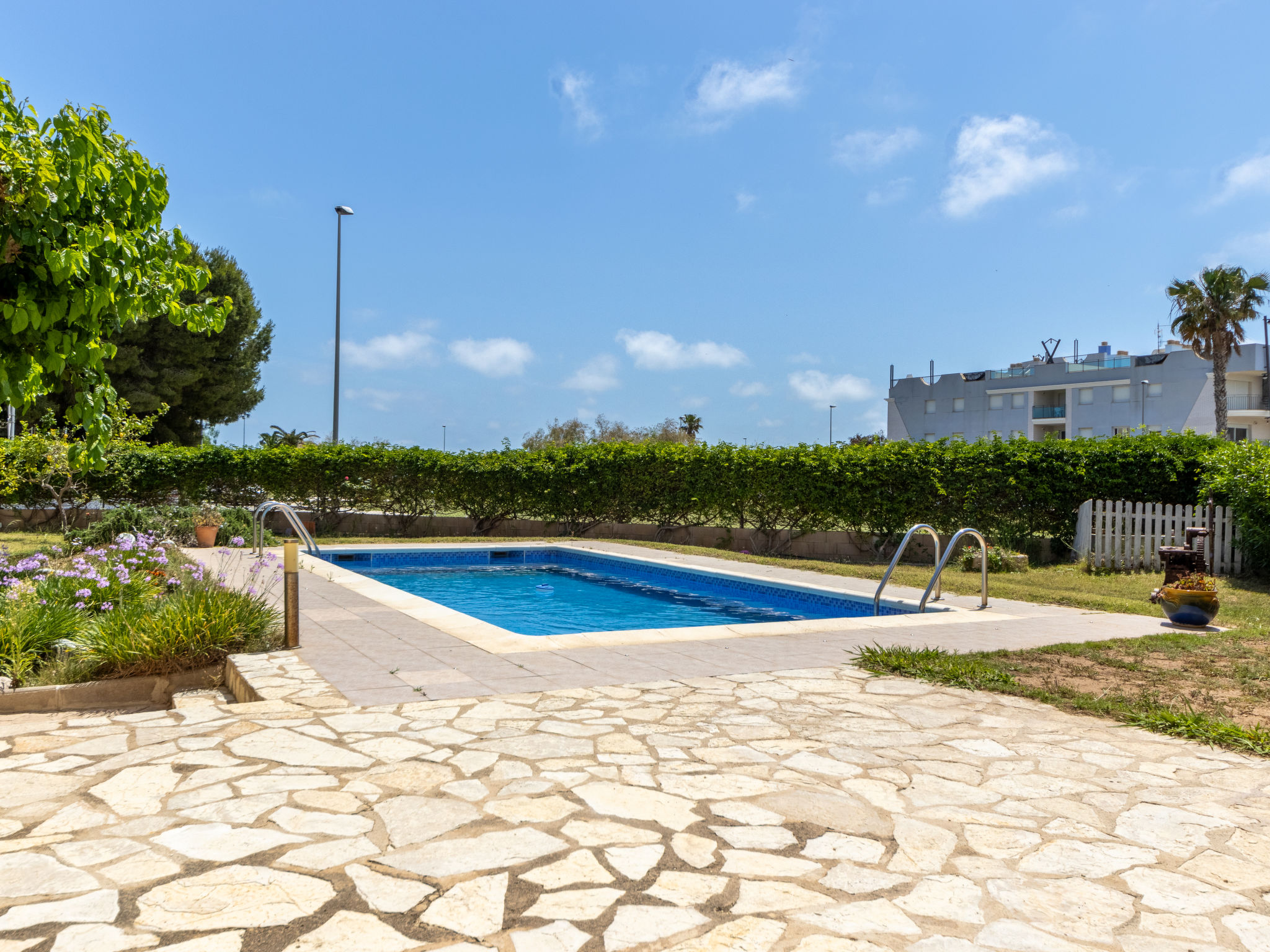
Costa Daurada
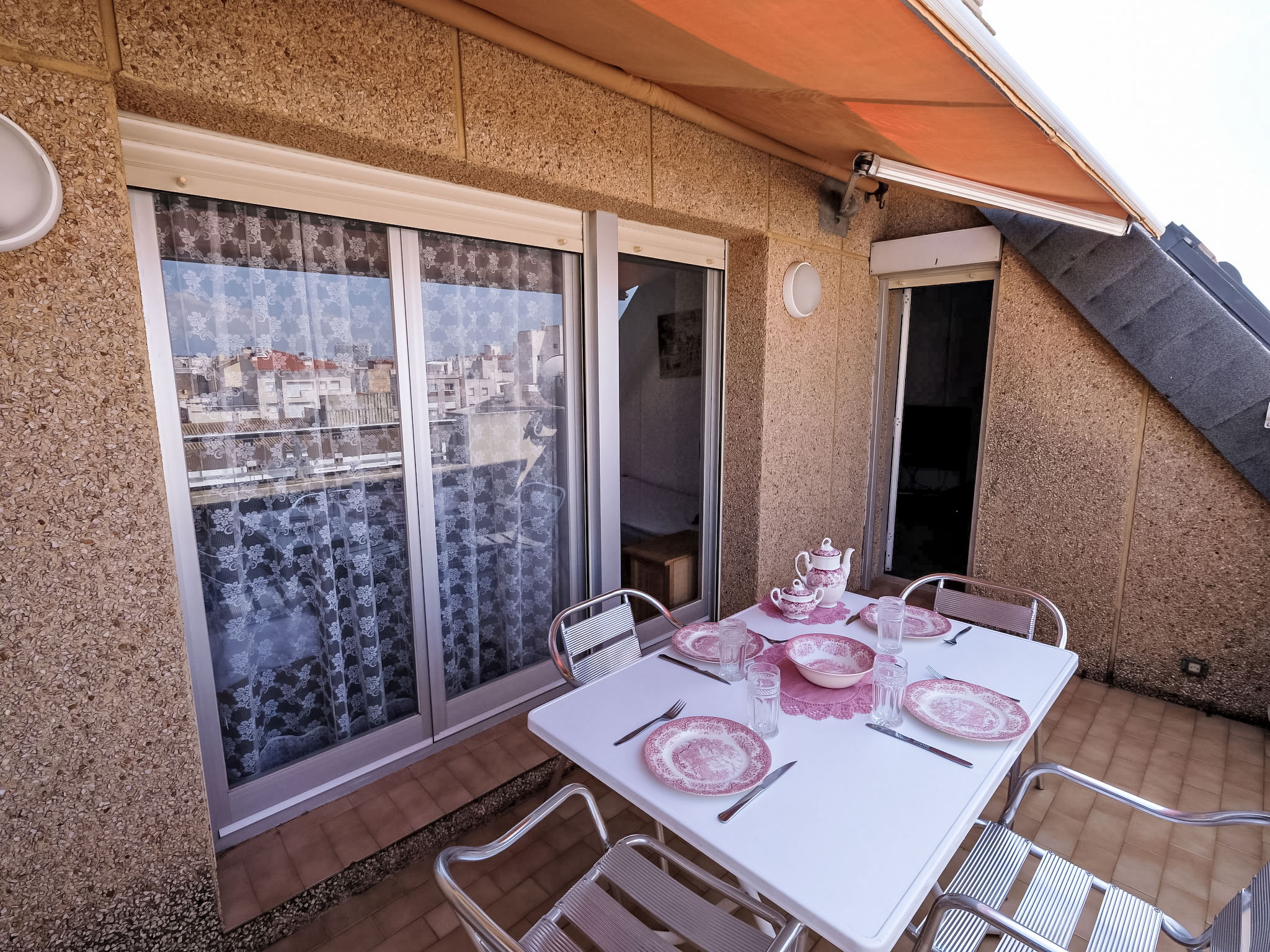
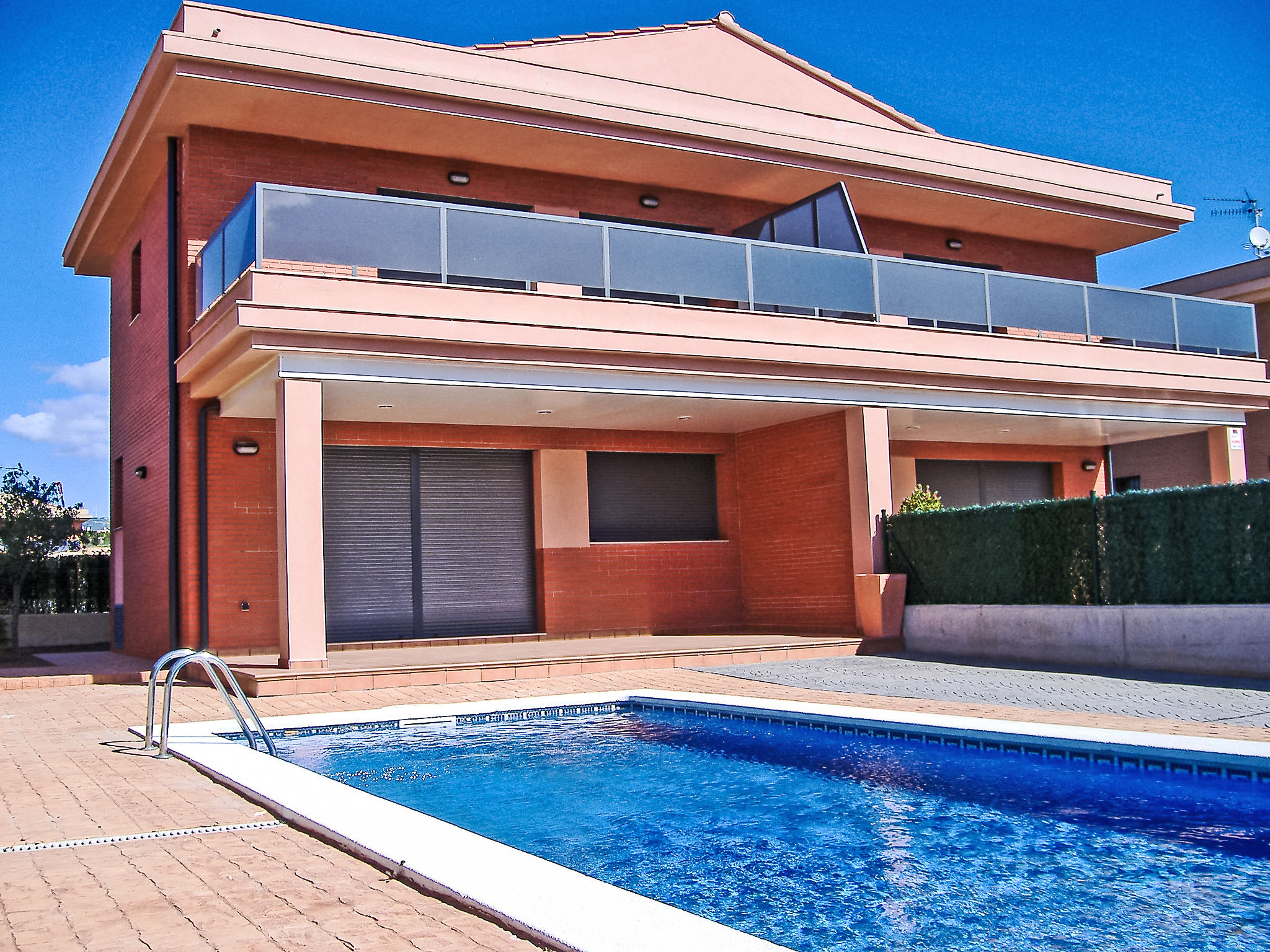
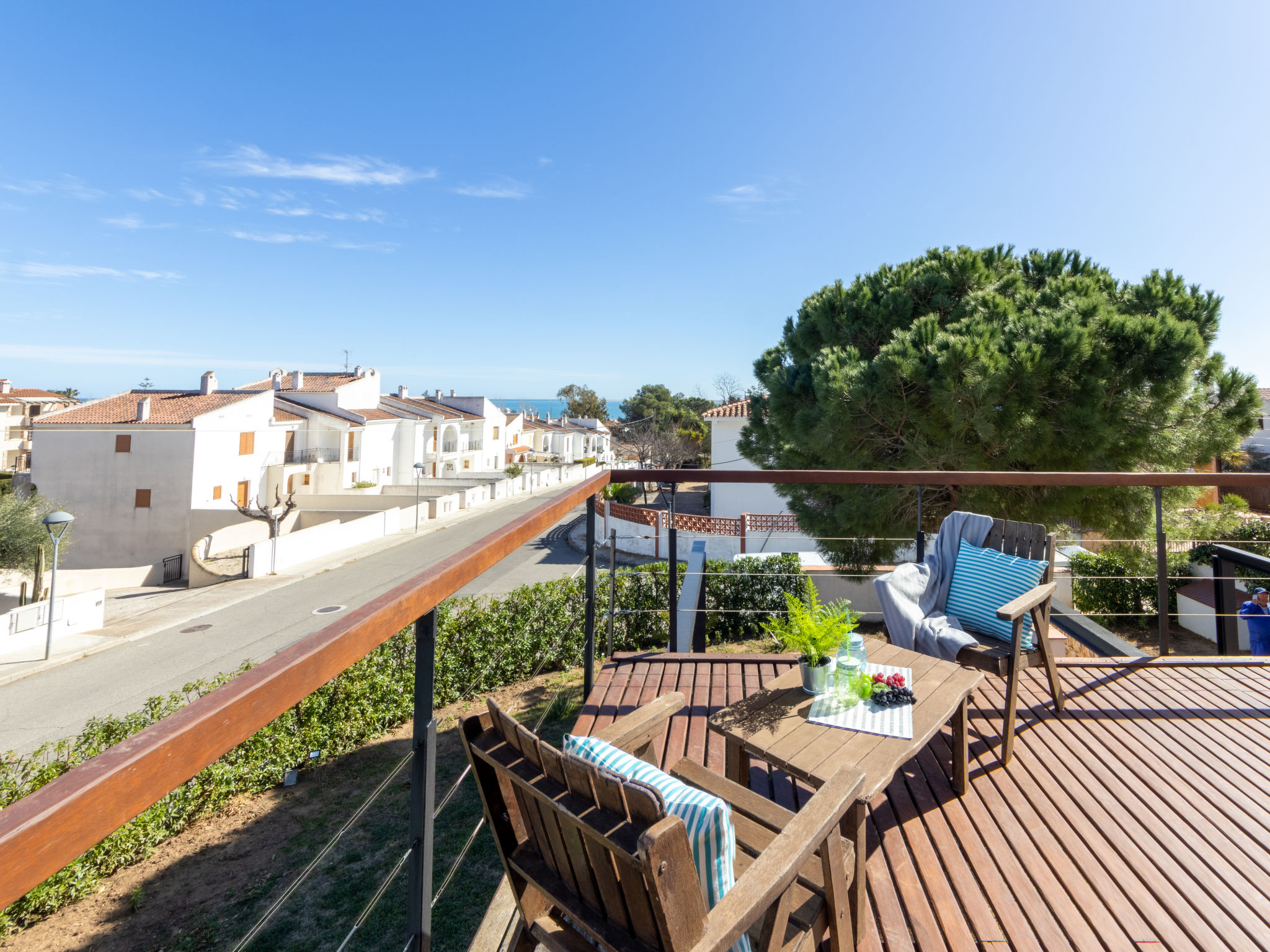
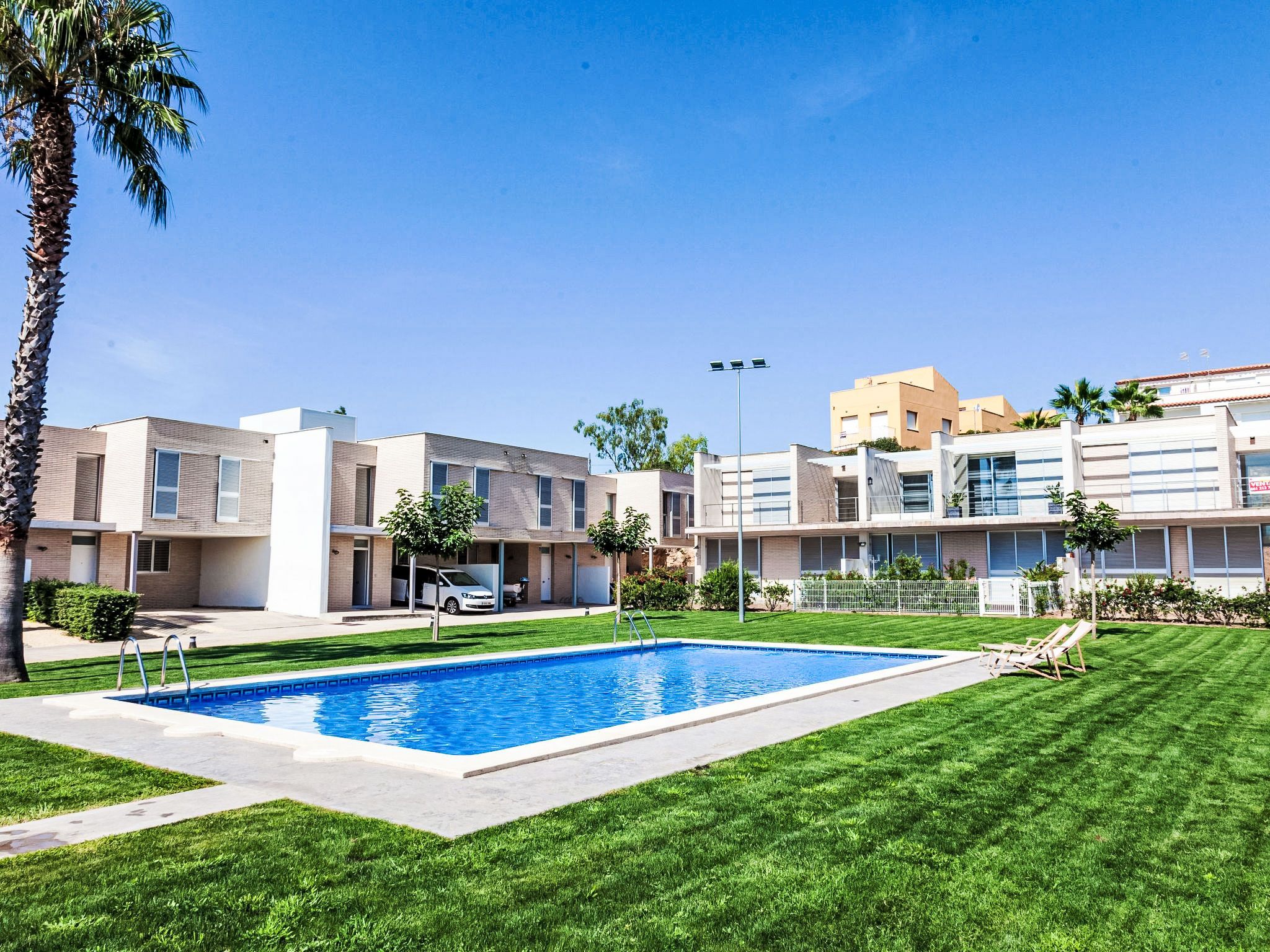
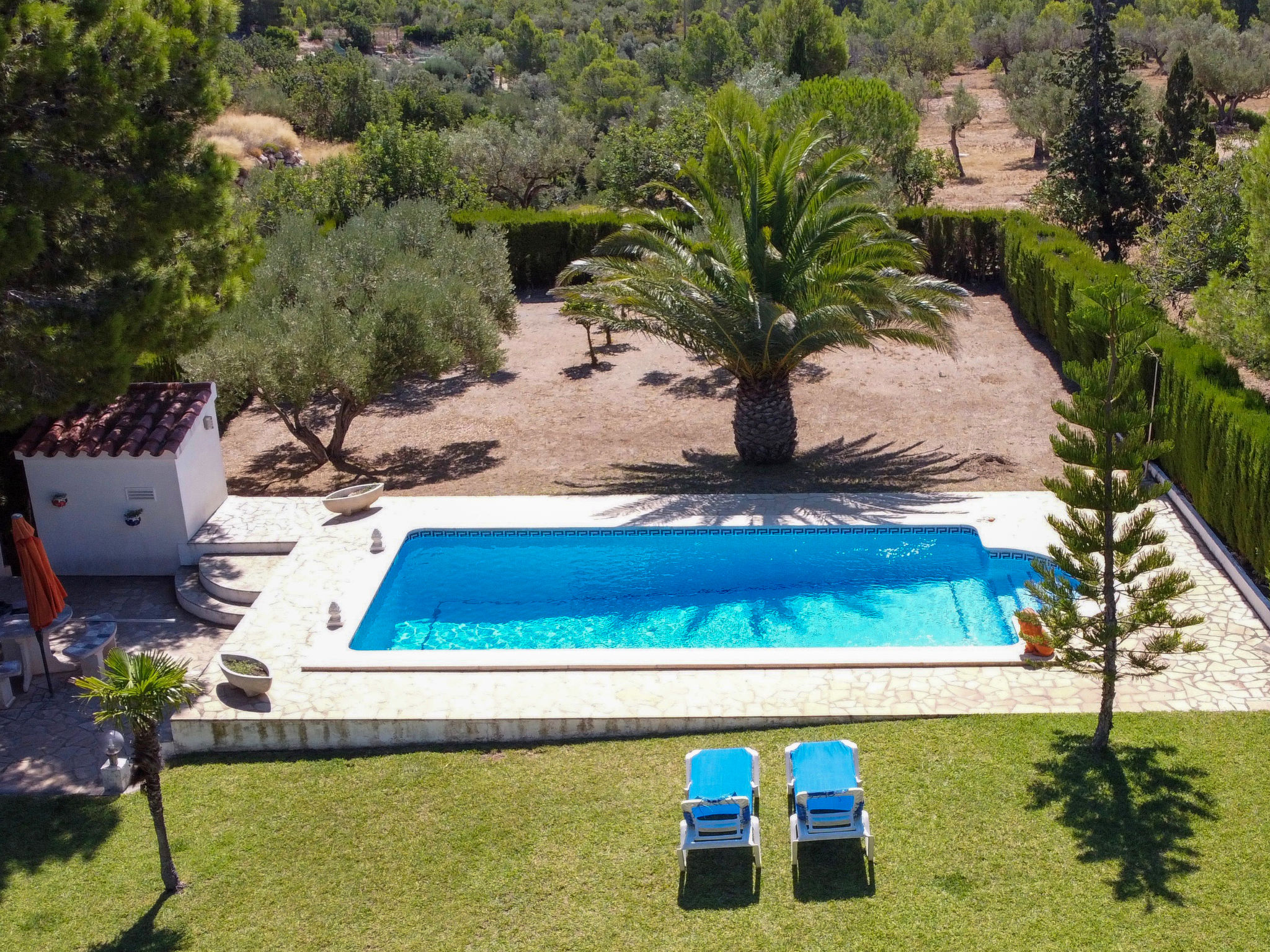
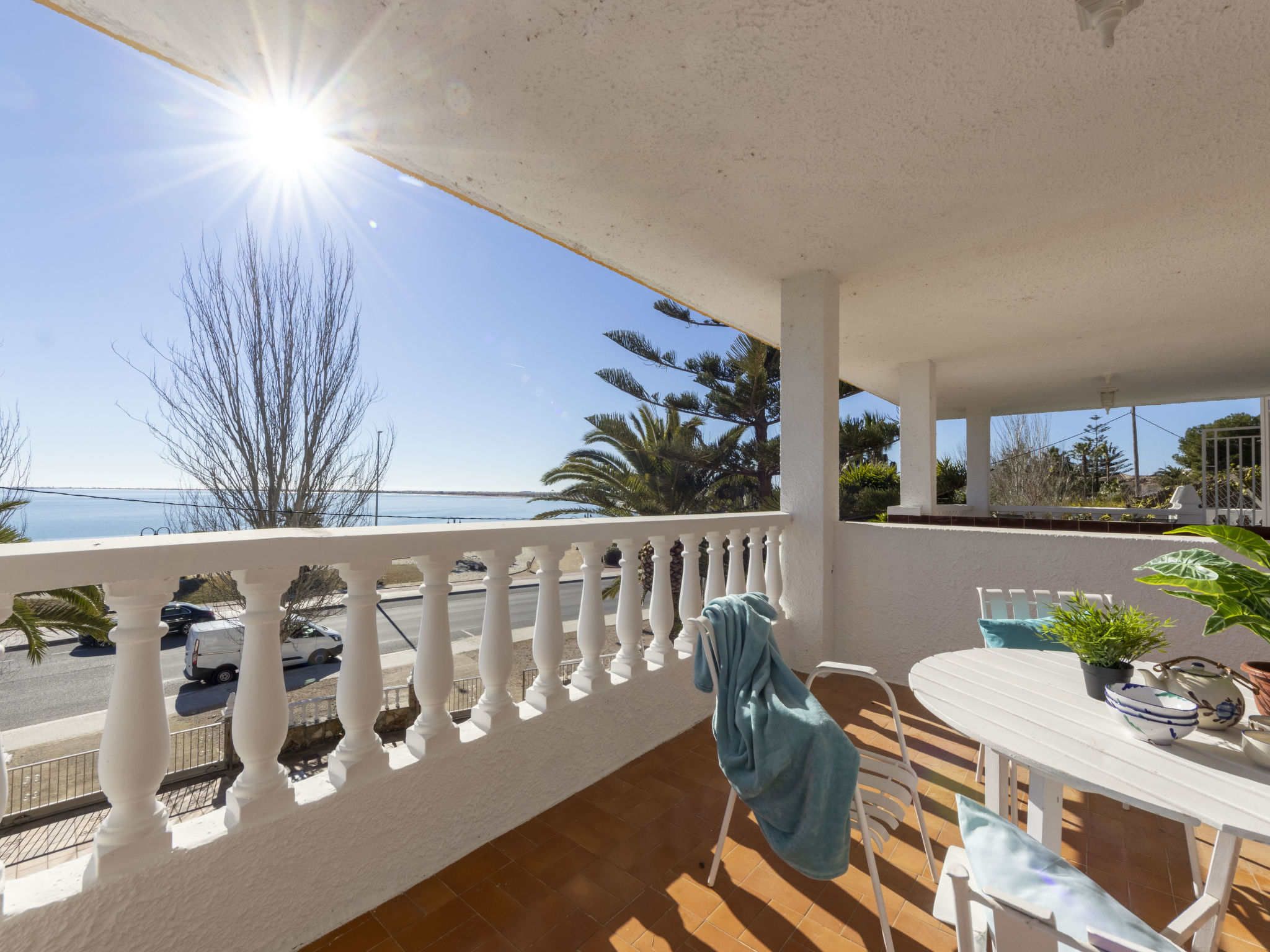
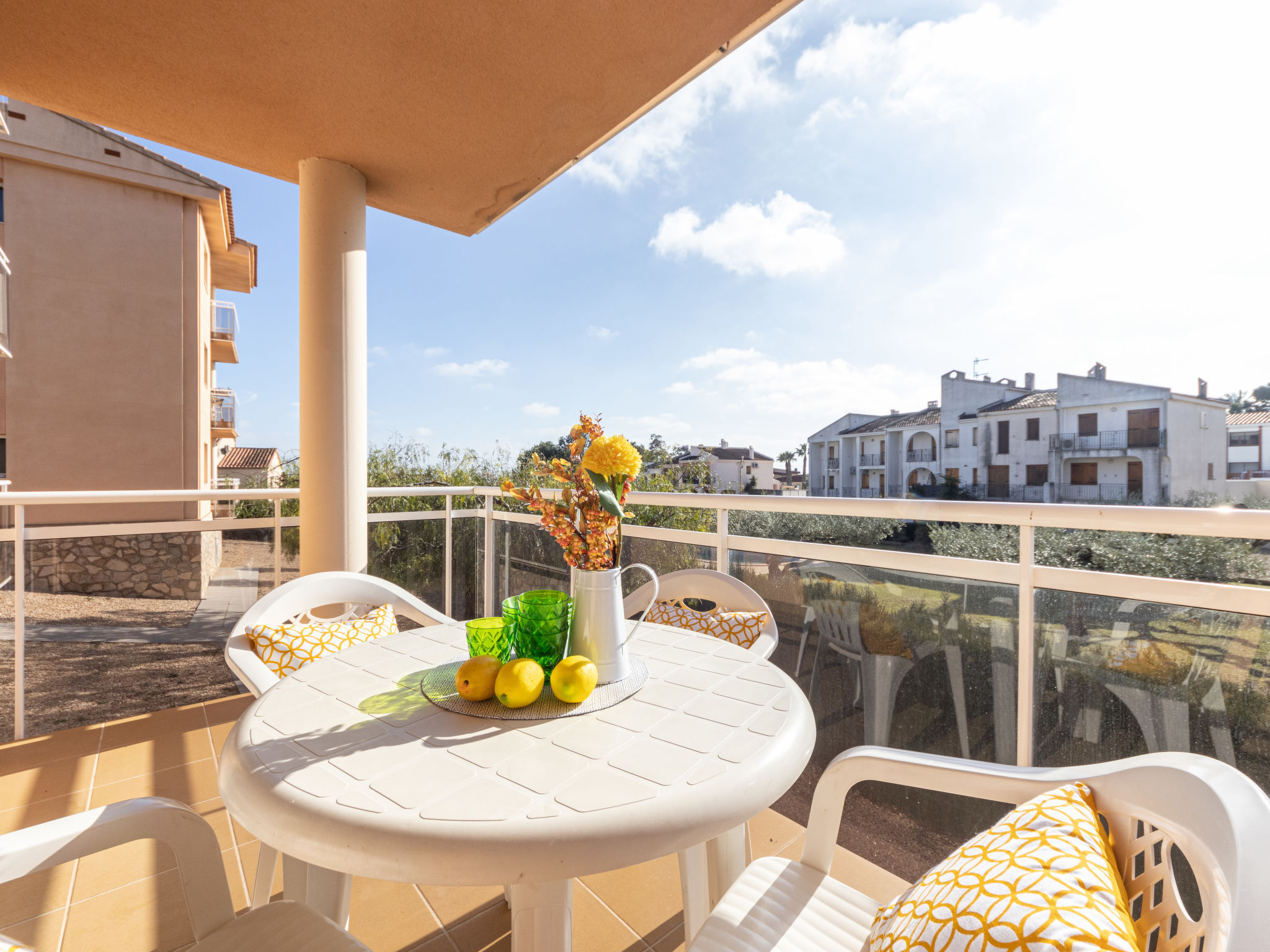
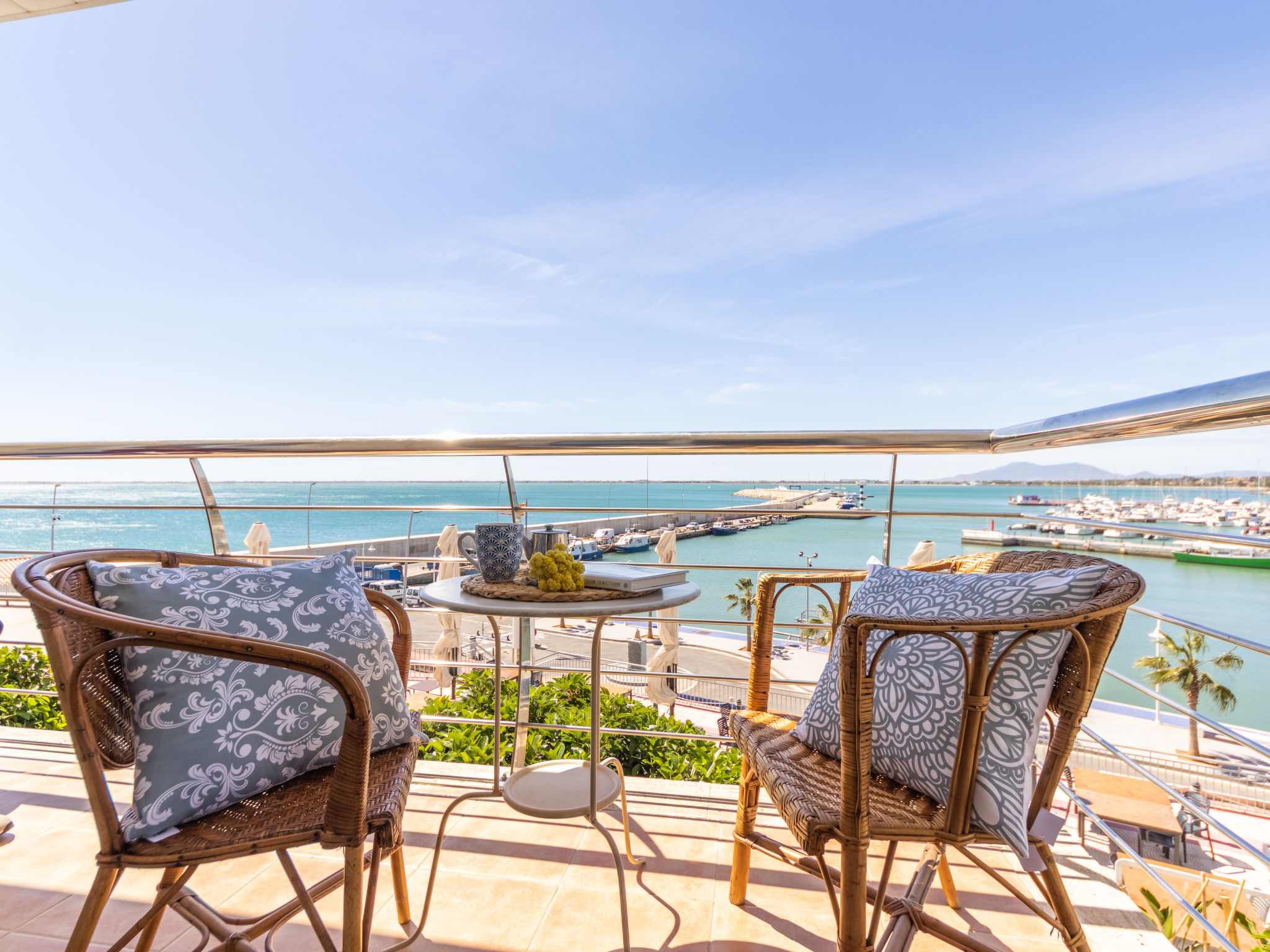
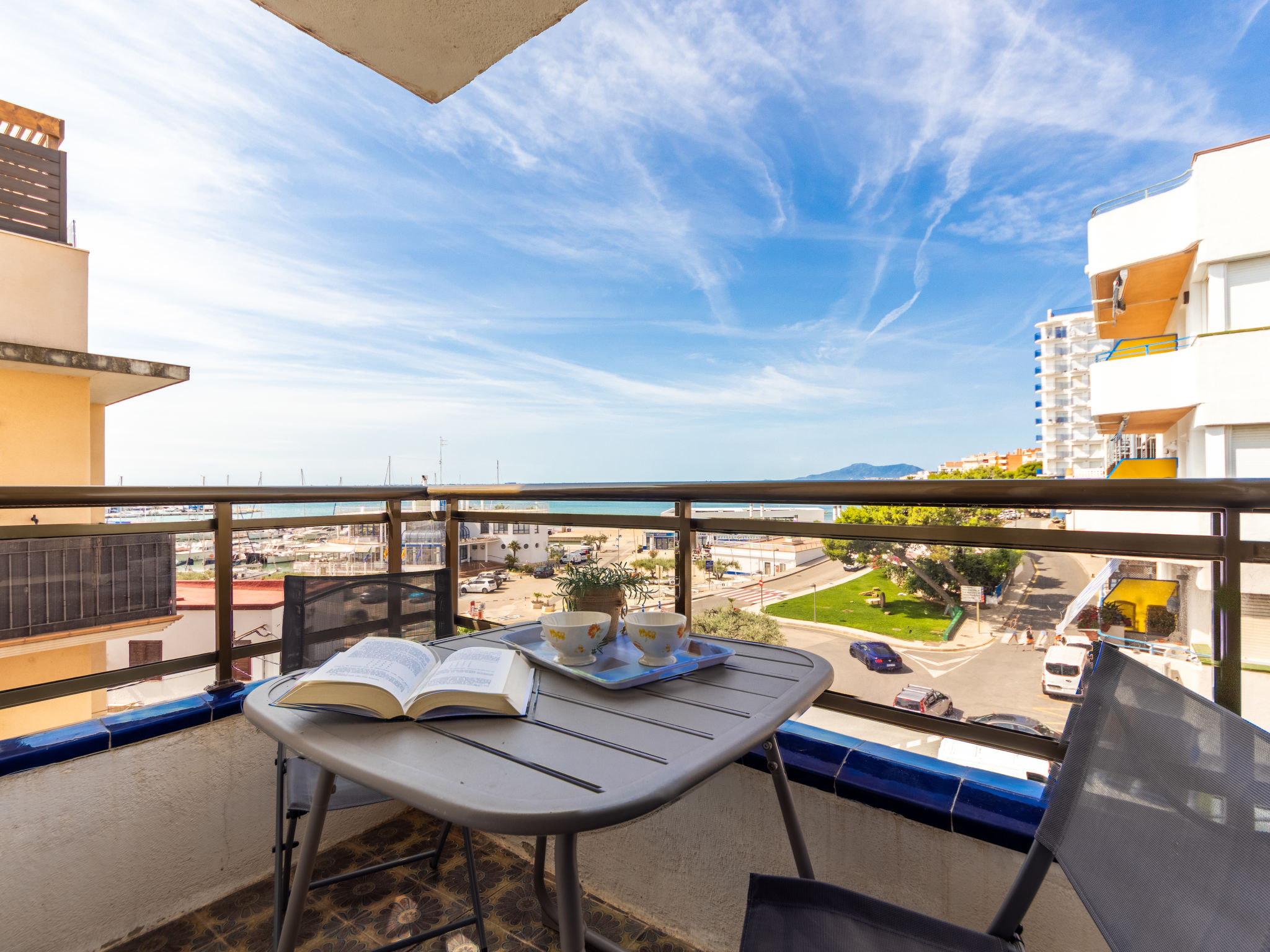
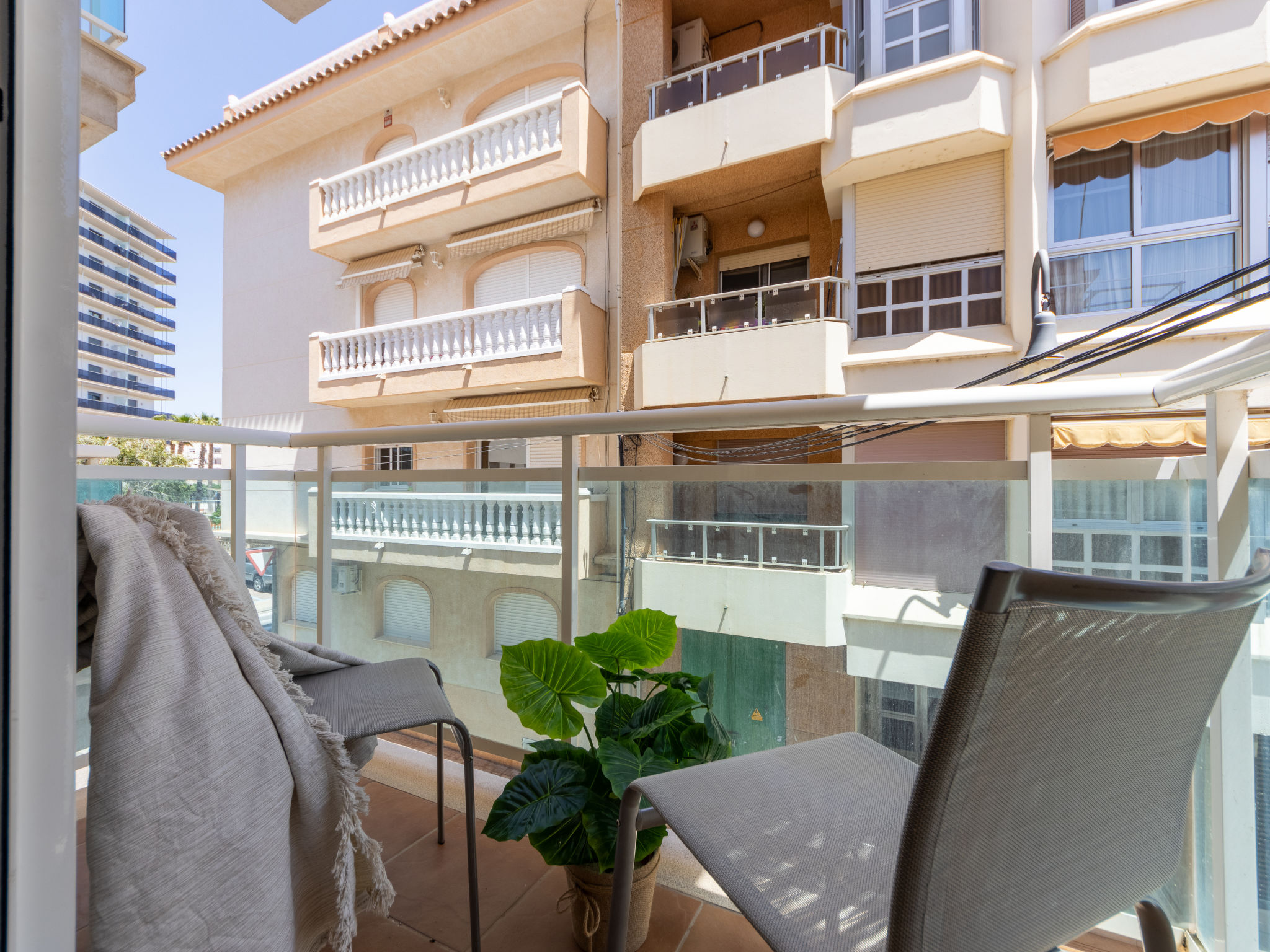
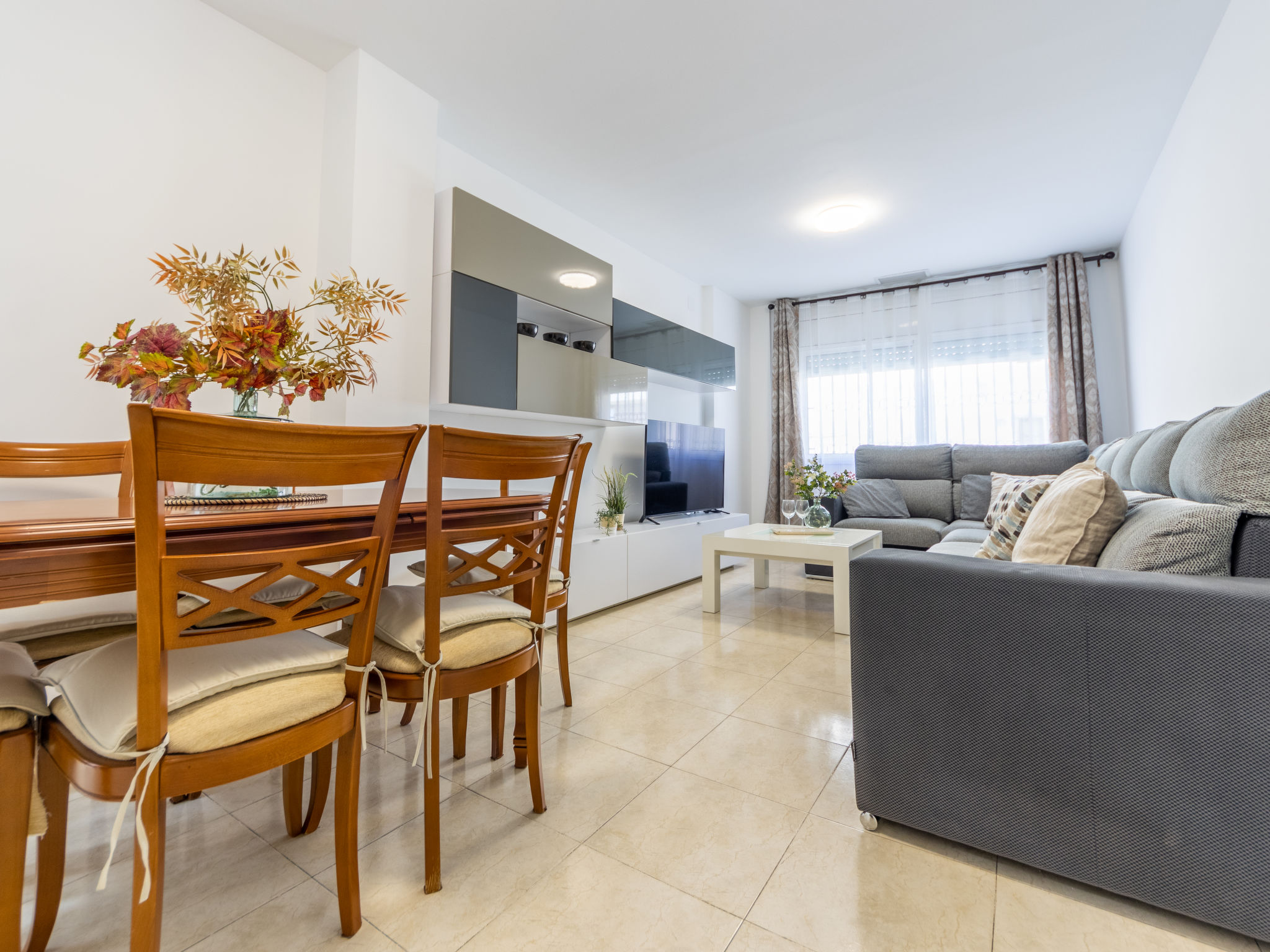
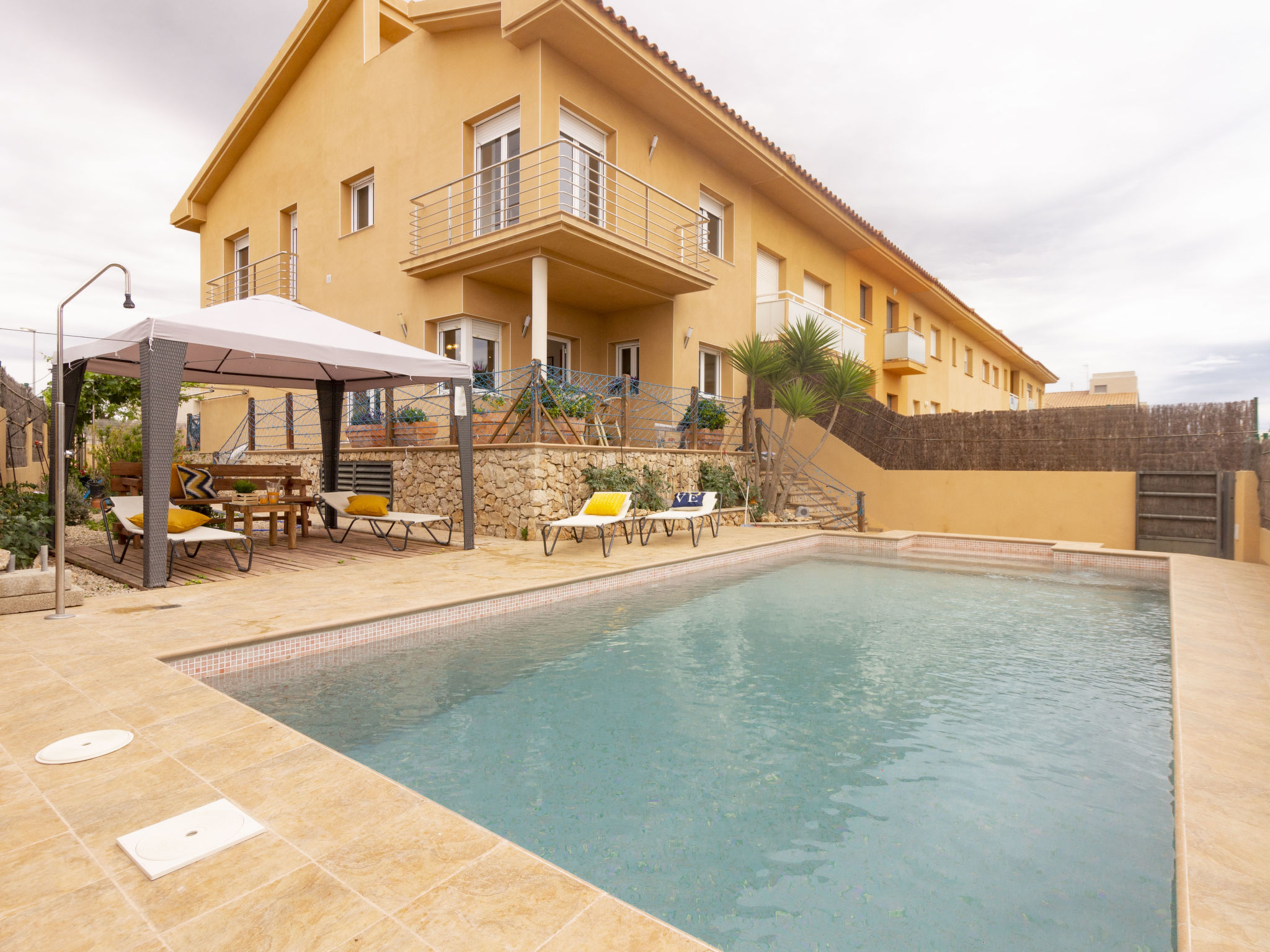
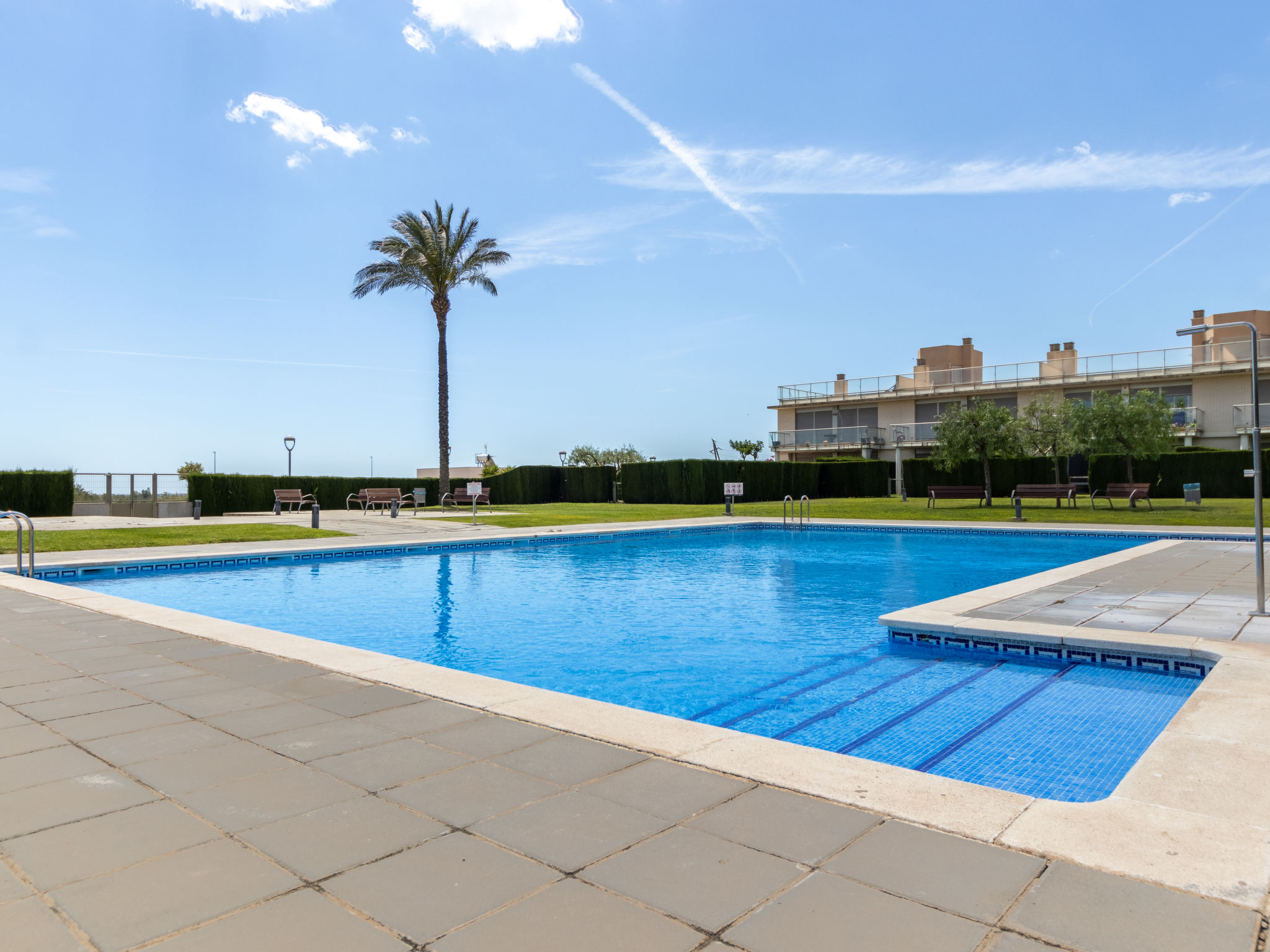
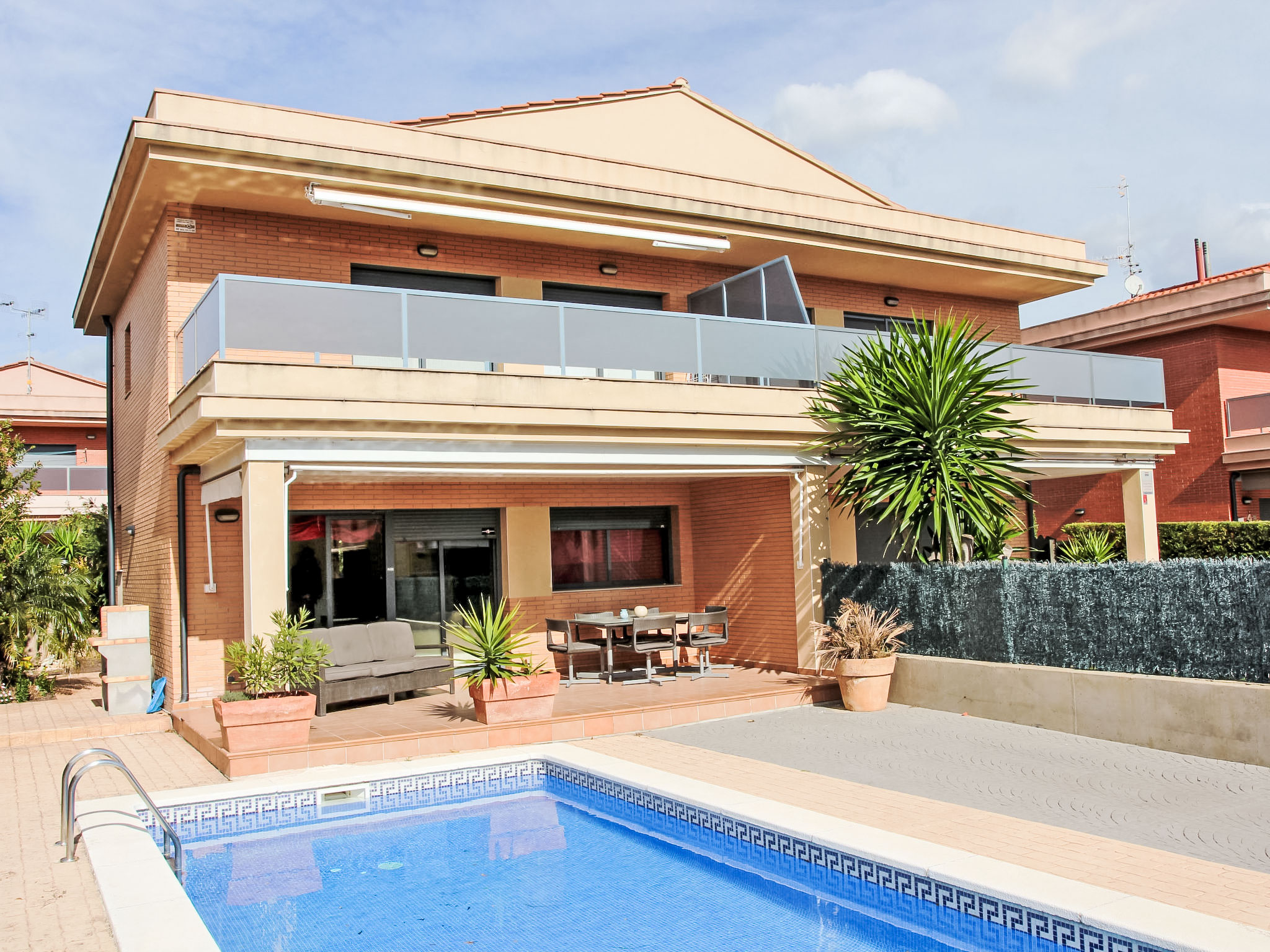
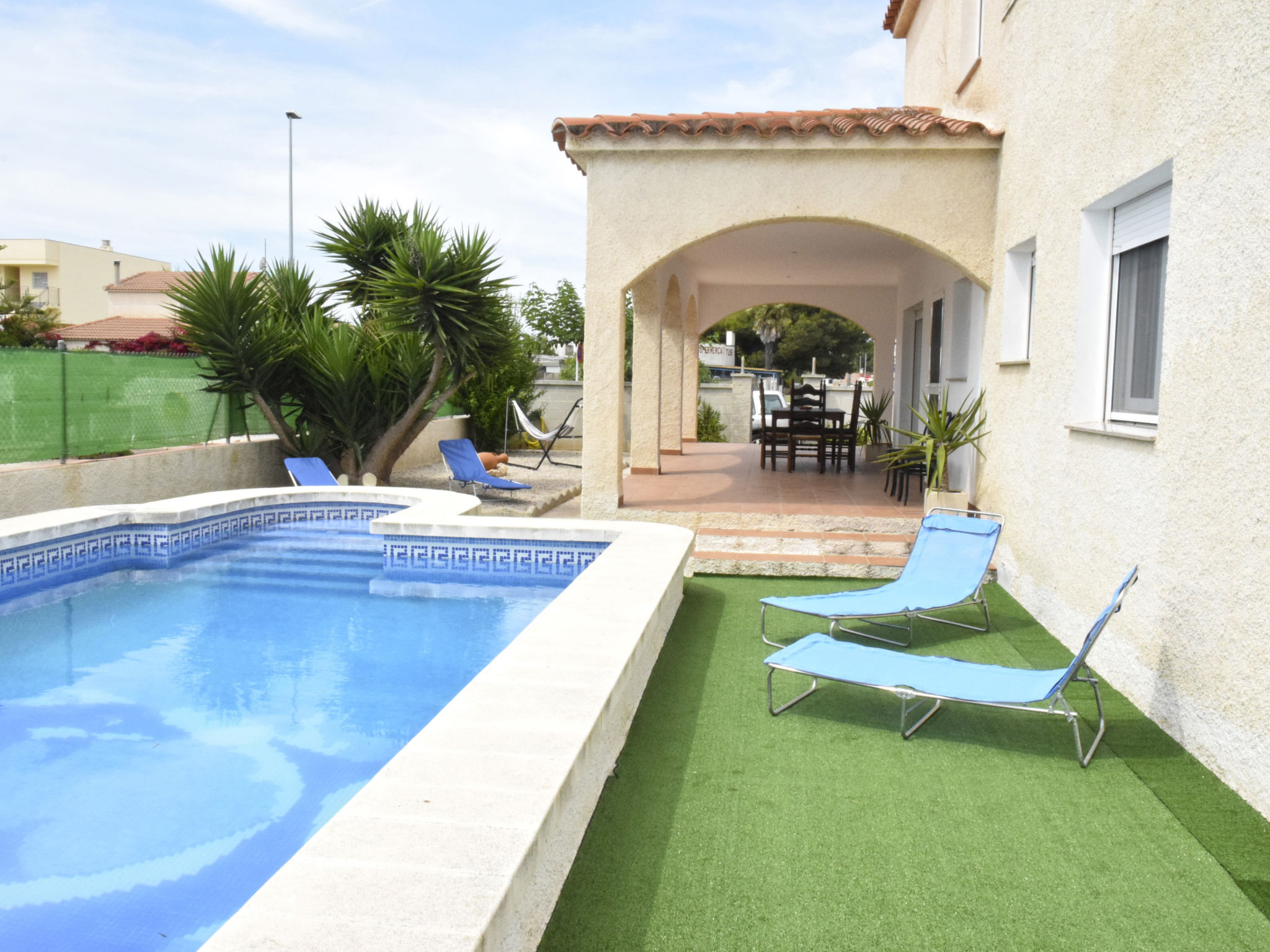
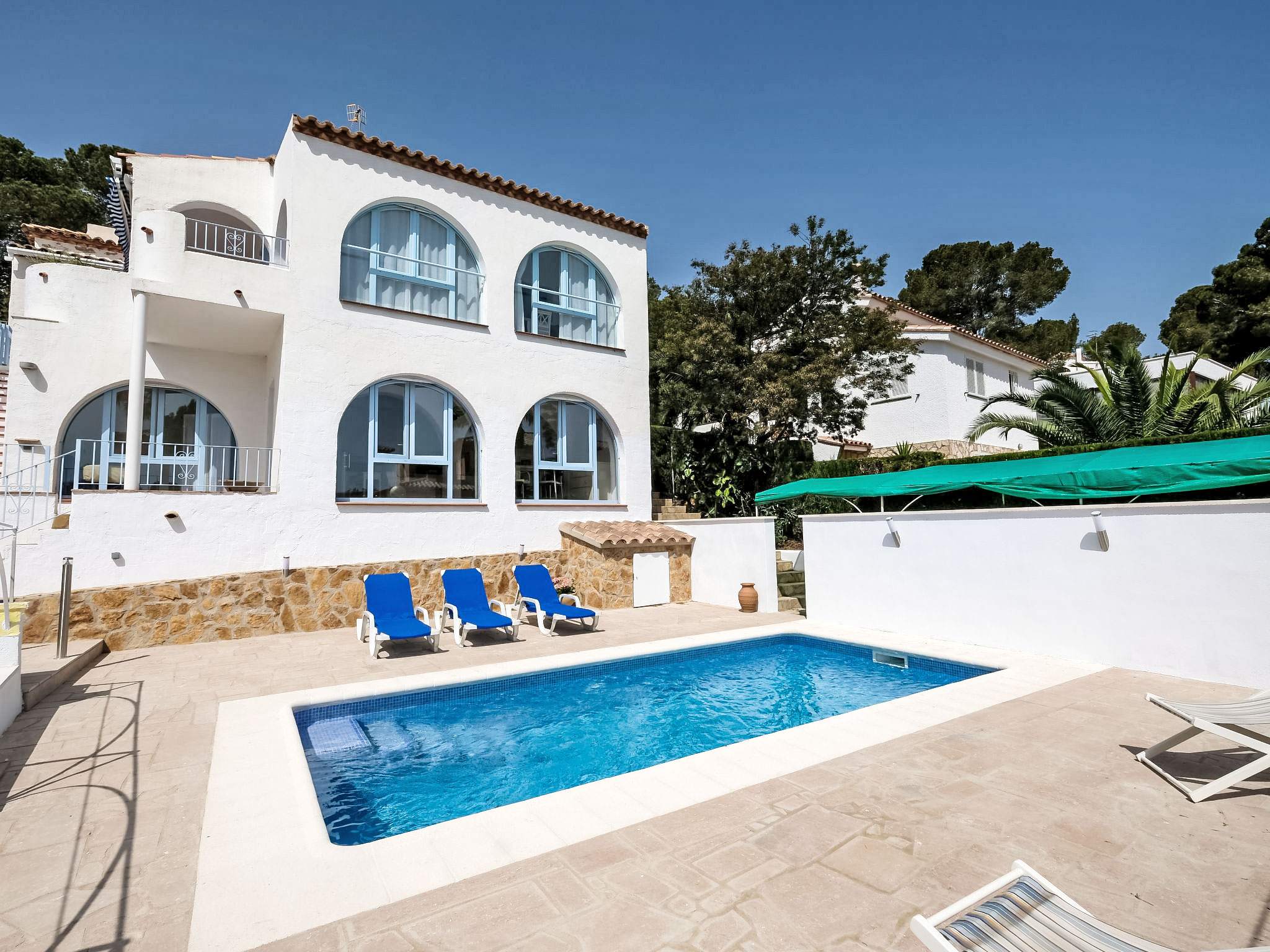
Costa Daurada translates to the "Golden Coast"—marketing perhaps, but not entirely false. This stretch of coast between Barcelona and Valencia offers long, sandy beaches with Mediterranean warmth and less of the relentless tourism pressure you'll find further south. We appreciate the straightforward appeal here: clean beaches, affordable seafood, decent infrastructure without the premium-resort atmosphere of Marbella. It's family-friendly and practical rather than glamorous. The coast is flatter than Costa Brava, so you don't get dramatic cliffs, but you do get reliably good weather and room to breathe in shoulder seasons. The main drawback is honesty: this is a working coast as much as a holiday one, and some of the older resort towns show their age.
What Makes Costa Daurada Special
- Long sandy beaches. Unlike the rocky coves of Costa Brava, Costa Daurada offers proper wide sand beaches. They're well-maintained, and the long stretches mean you can find quieter patches even in summer.
- Value for money. Comparable beaches to the south cost less. Meals are cheaper. Accommodation is reasonable. You're not paying a premium for a brand name like Marbella.
- Moderate tourism intensity. Busy in July-August, yes, but not rammed. You can eat at a beachfront restaurant without booking three weeks ahead. Parking is tight but manageable.
- Inland options are close. Mountains and quiet villages are 30-45 minutes away. Poblet Monastery and interior Catalonia offer serious culture if beaches get tiresome.
- Seasonality is predictable. May-June and September are warm and manageable. Winter is quieter but still mild (15-18°C). There's no surprise chaos.
Top Towns & Resorts in Costa Daurada
Salou
The main resort, and it's unashamed about it. Salou has theme parks (PortAventura), water parks, beach clubs, and everything a family might want. The promenade is wide, the beach is long, and amenities are obvious. In return, it's crowded in school holidays and mid-summer, with the atmosphere of a purposeful vacation destination rather than a place where locals happen to live. Food is functional rather than exceptional. But if you want convenience, proven service, and no surprises, Salou delivers. The beaches are consistently clean and well-managed.
Cambrils
The quieter, more refined option. Cambrils is 40km south of Barcelona, with a working fishing harbour, proper restaurants serving daily-catch seafood, and a real town vibe underneath the tourism layer. The beach is good without being remarkable. It attracts foodies and older Europeans rather than families with young kids. Prices are slightly higher than Salou but offset by better food and less noise. The downside: fewer big attractions nearby, so you're not as close to theme parks or resorts as in Salou.
Torredembarra
A smaller coastal town with a beach and a certain quietude. It's genuinely less touristy than Salou or Cambrils, which some will love and others will find limiting. The beach is clean and uncrowded outside peak summer. Local restaurants exist, but choice is more limited. It's a good base if you want a Mediterranean coast that doesn't feel designed for foreigners. Access to theme parks and attractions in Salou is easy by car (30 minutes), so you can visit without staying in the chaos.
Tarragona City
The regional capital with Roman ruins, a proper cathedral, medieval streets, and a city where actual Spanish life happens alongside tourism. The beaches immediately outside the city are decent. You're trading guaranteed beach proximity for cultural substance. Summer is hot (30°C+) and crowded, but spring and autumn work well for exploring. The cost is reasonable. If you want a city base with beach access rather than a pure beach resort, Tarragona is strong and often overlooked.
Peníscola
South of Tarragona, where Costa Daurada fades into the Valencia coast. Peníscola has a castle perched on a headland, a long sandy beach, and less development than northern stretches. It's visually appealing without the premium pricing. The beach is genuinely nice: wide and consistent. Summer gets busy with Spanish tourists, less so with British ones. The town has character while remaining practical. One caveat: it's far enough south that you're getting into a slightly different climate zone, and transport to northern attractions requires a long drive.