Villas in Cunit
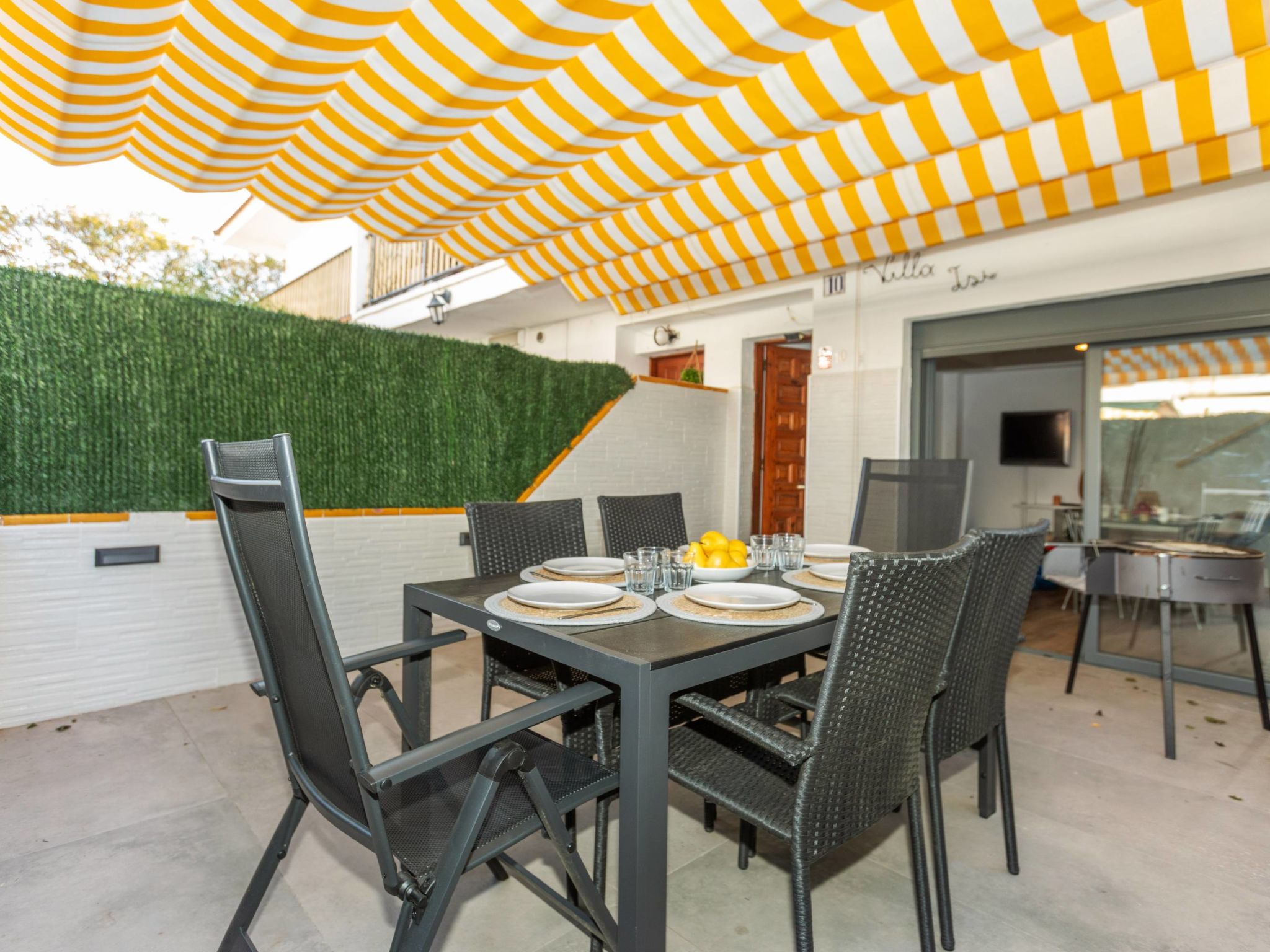
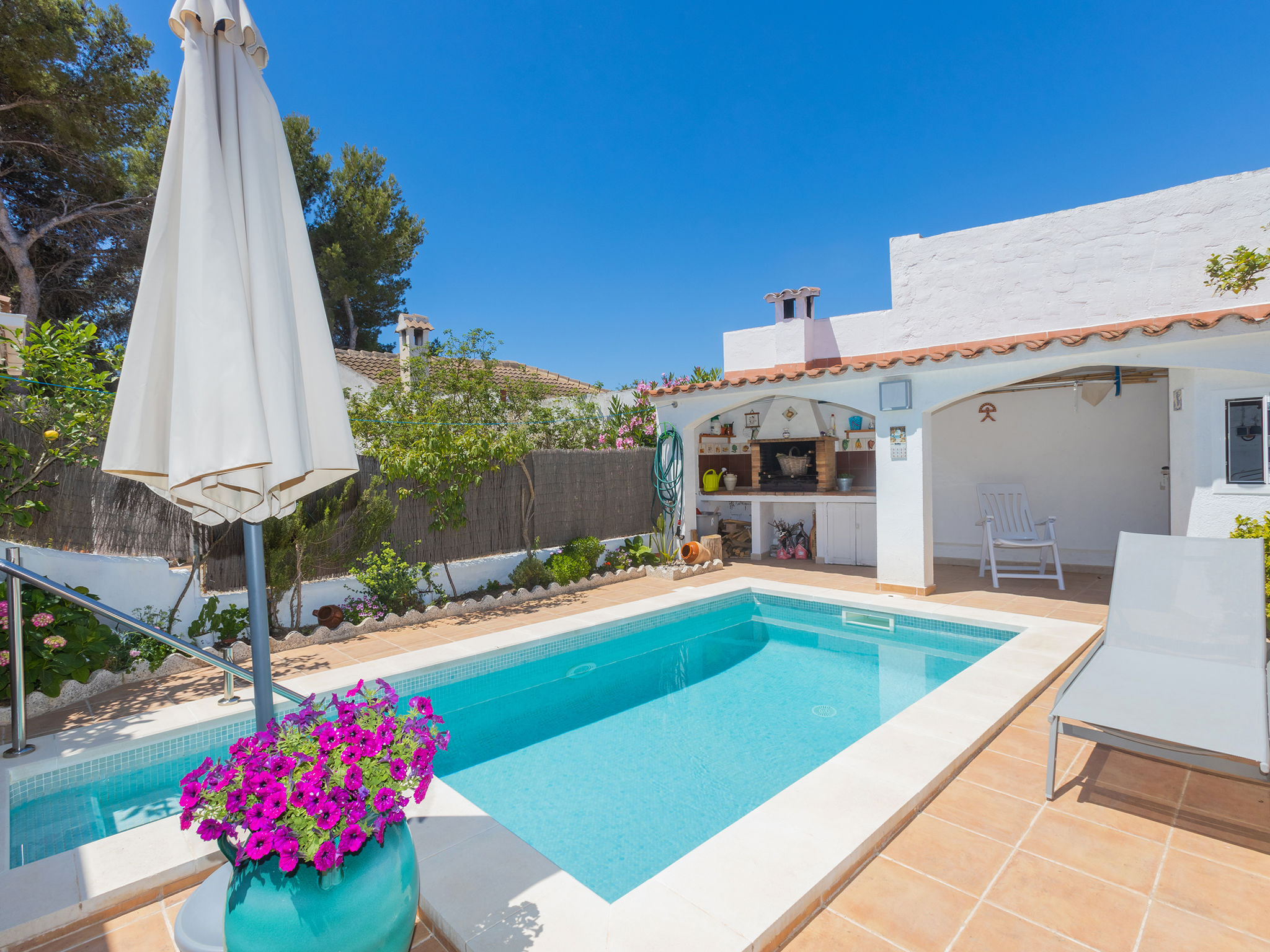
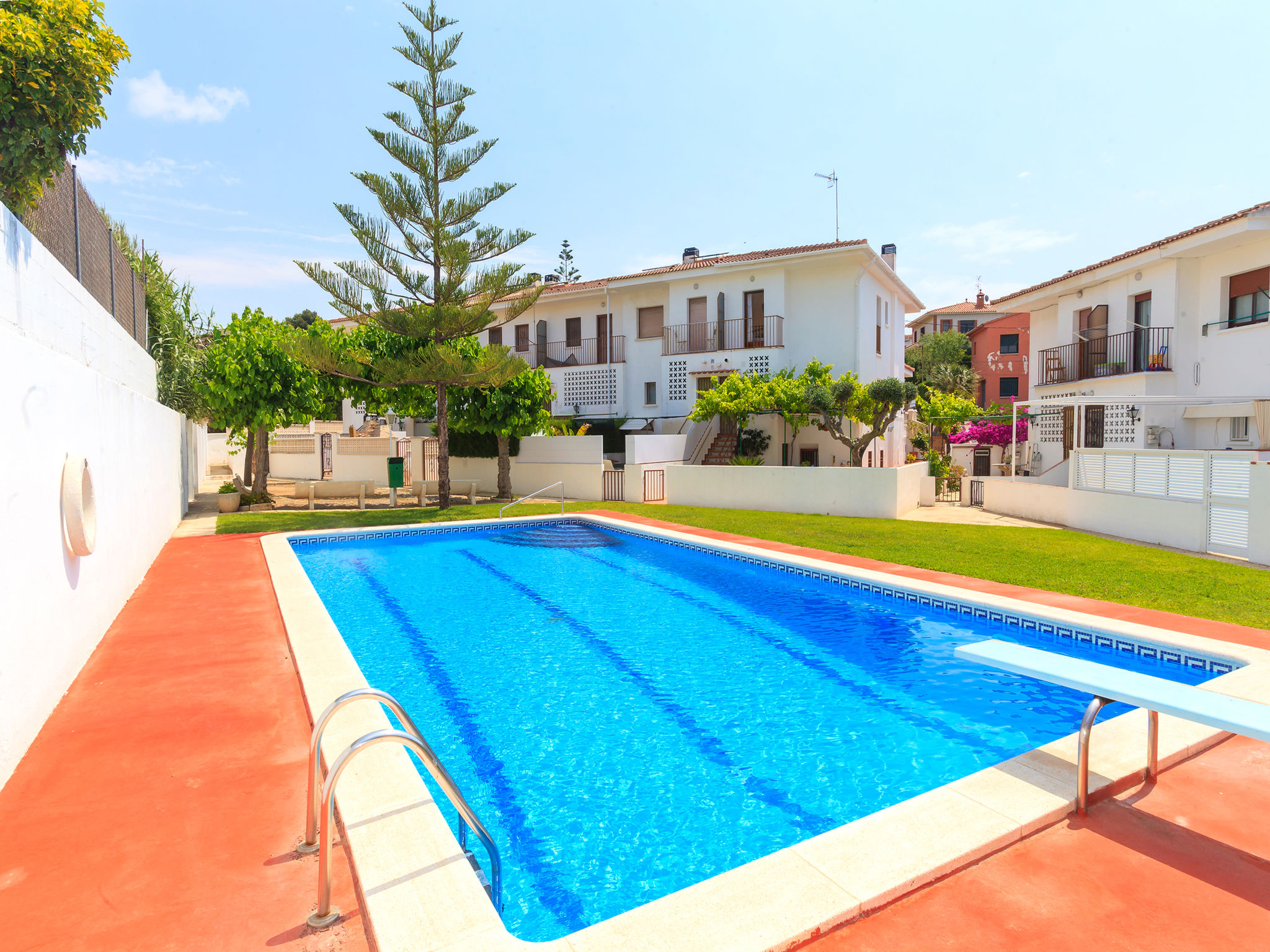
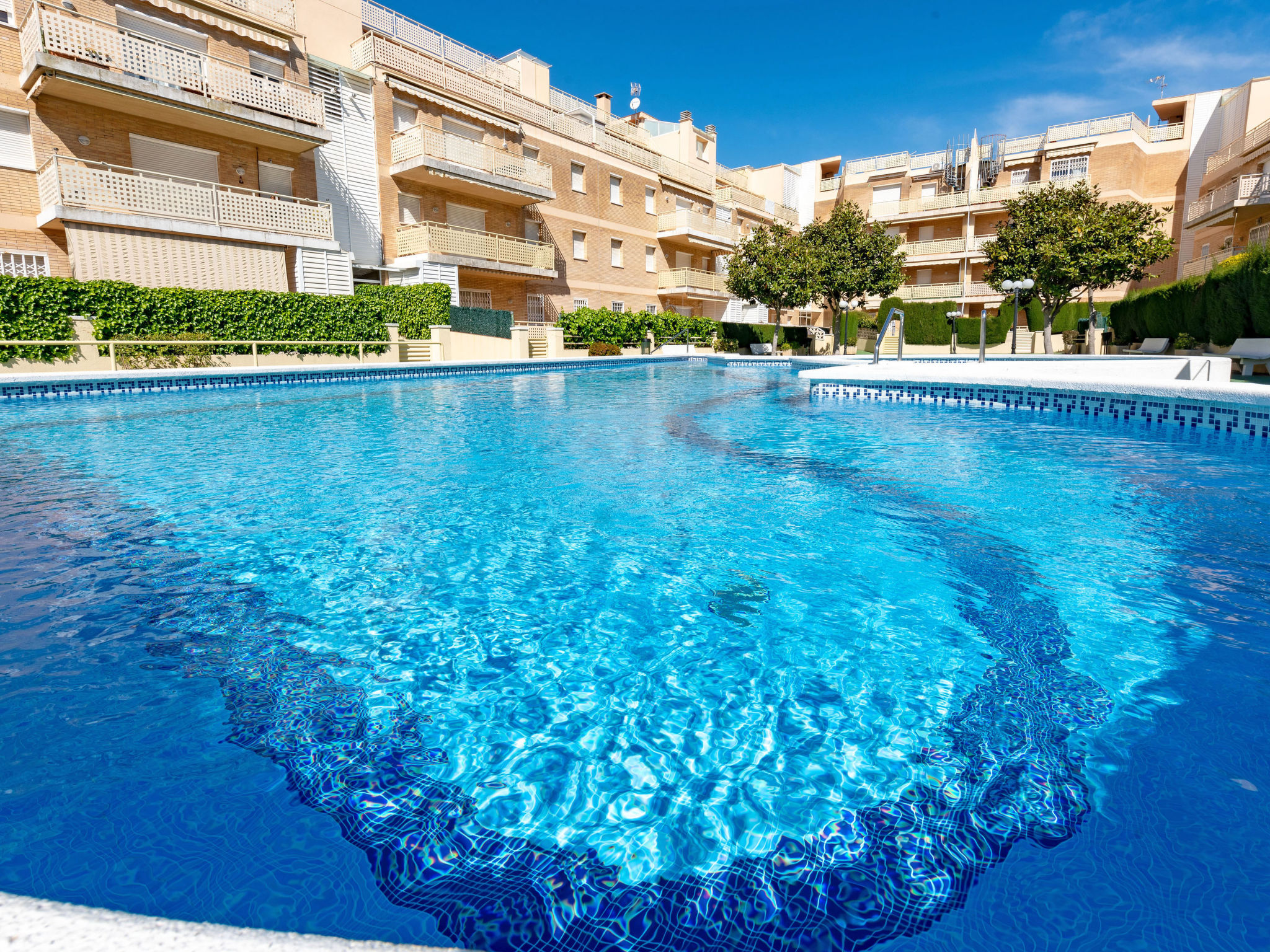
Cunit suits families wanting a sand beach, a private pool and a train into Barcelona from the same town. It grew as a summer retreat and then a residential town, so it feels lived-in rather than showy. Most homes here sleep four to six and have a pool.
- Villas
- 15
About Cunit
Cunit is a coastal town of about 16,000 in the Baix Penedès, at the Barcelona end of the Costa Daurada, which runs from Cunit to Alcanar. From 1960 it grew as a summer retreat for the Barcelona area and later became a major residential area. About 2.5 km of sandy beach is protected by breakwaters, and the town has received a Blue Flag since 1997. Cunit Ponent is 1,500 metres of golden sand with sunshade and lounger rental, showers and a yacht club; Cunit Llevant is 1,200 metres of golden sand. The homes sit close together, most with a private pool and many with air conditioning. Evenings are residential rather than lively. Winters are mild and summers hot.
Is Cunit right for you?
- Best for
- Families wanting a pool, sandy beach and Barcelona day trips by train
- Not for you if
- You want dramatic scenery or a busy resort strip.
Near Cunit
Barcelona
About 55 minutes by hourly Rodalies train from Passeig de Gràcia to Cunit, or around 47 minutes by road.
Tarragona
Home to the remains of Roman Tarraco, declared a World Heritage Site, further down the Costa Daurada.
El Vendrell
A town in the Penedès cava region with the Romanesque Hermitage of Sant Salvador and the early 2nd-century Arco de Barà close by.
PortAventura World
An amusement park on the Costa Daurada, a draw for families staying on this stretch.
Getting to Cunit
Barcelona airport is about 36 minutes from Cunit by car. Rodalies trains link Cunit with Barcelona Passeig de Gràcia hourly in about 55 minutes, so city days work without driving. A car helps for Tarragona and PortAventura.
When to go to Cunit
Summers are hot and winters mild, with most rain falling in January and September. The town relies on tourism and its beaches, so summer is when the sand is busiest. Winter visits suit walks along the sand and trips into Barcelona on the hourly train.
Villas in Cunit
3-star property

3-star property

3-star property

3-star property
3-star property

3-star property
3-star property
3-star property
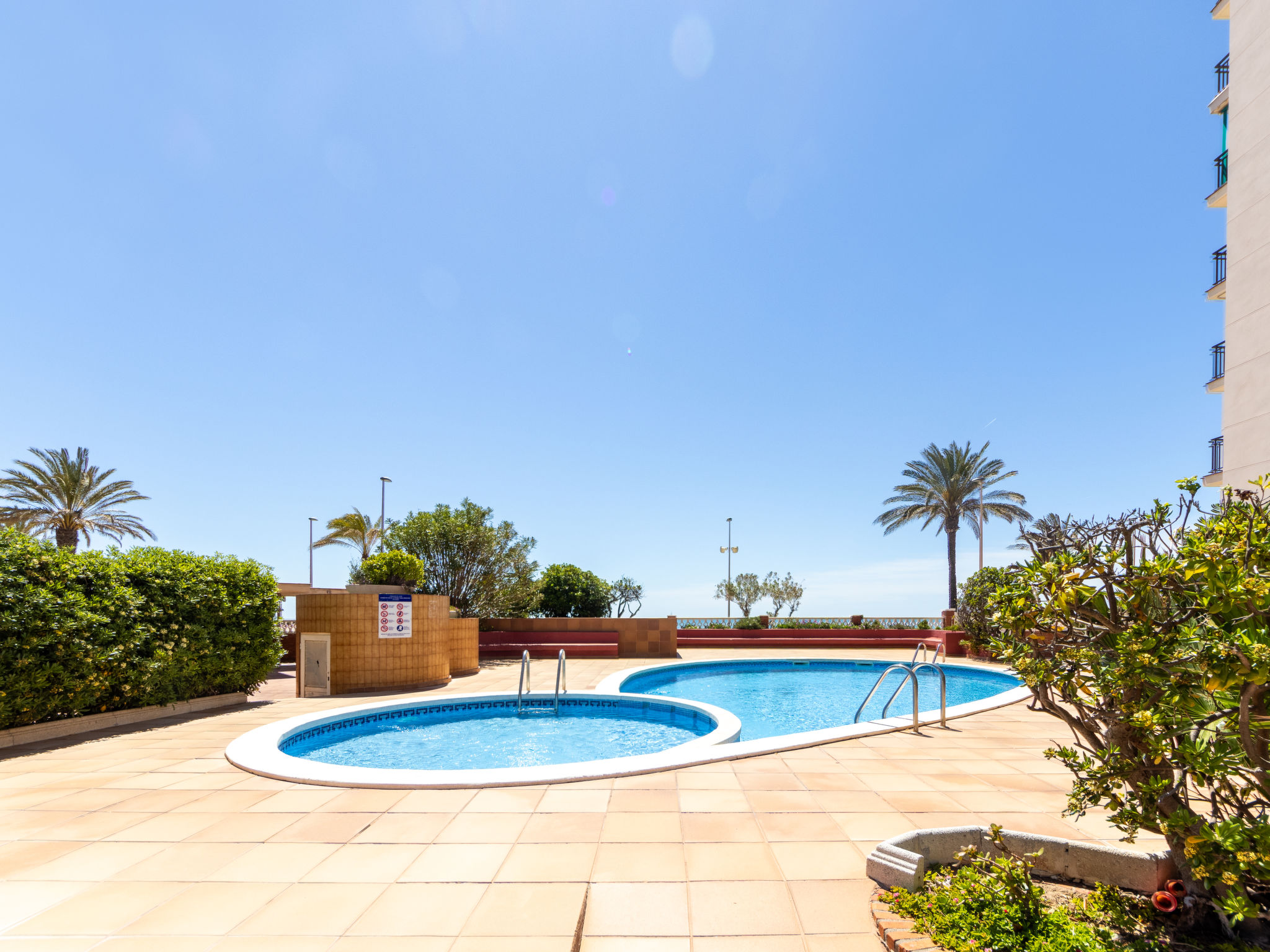
3-star property
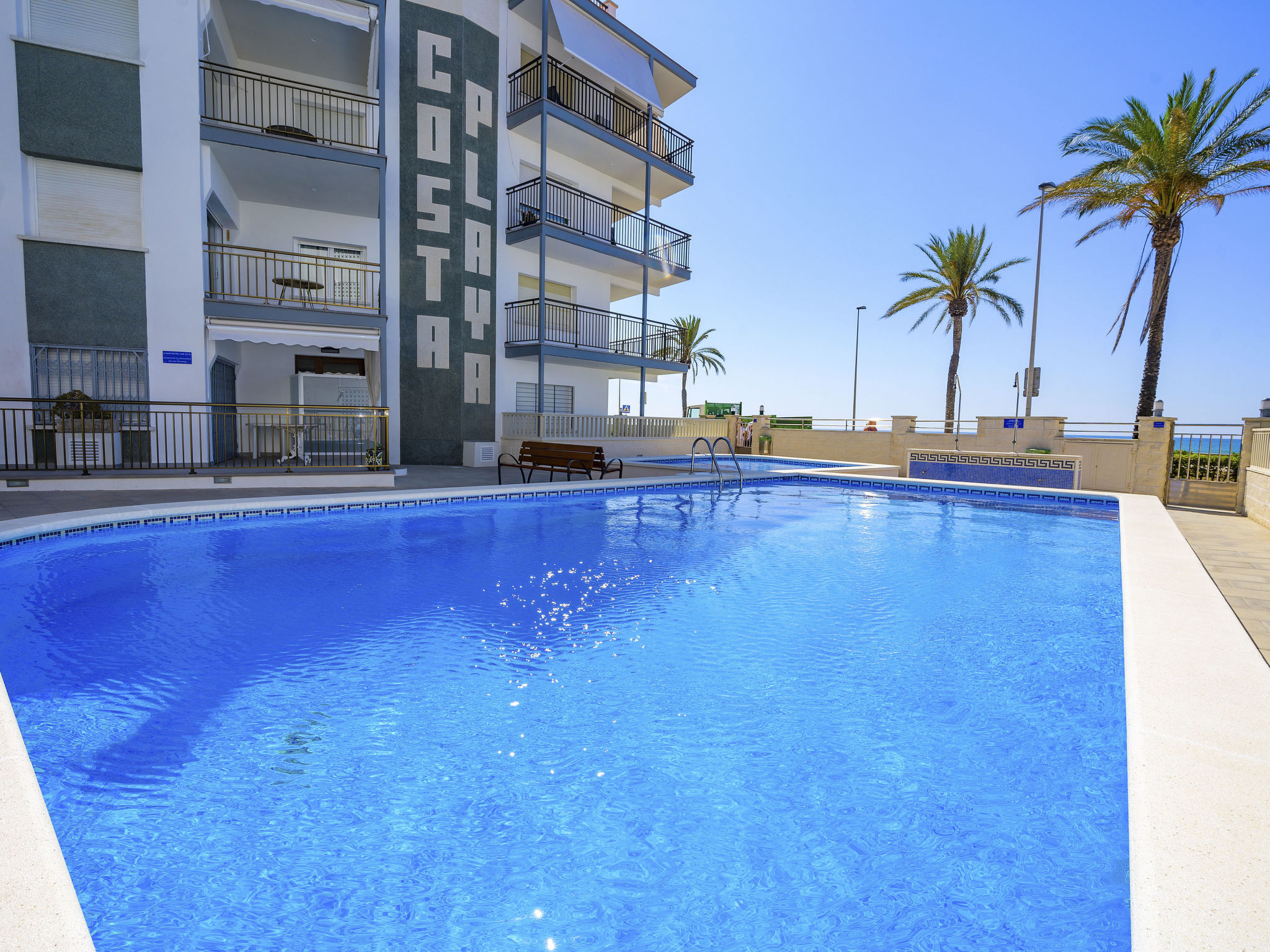
2-star property

4-star property

3-star property
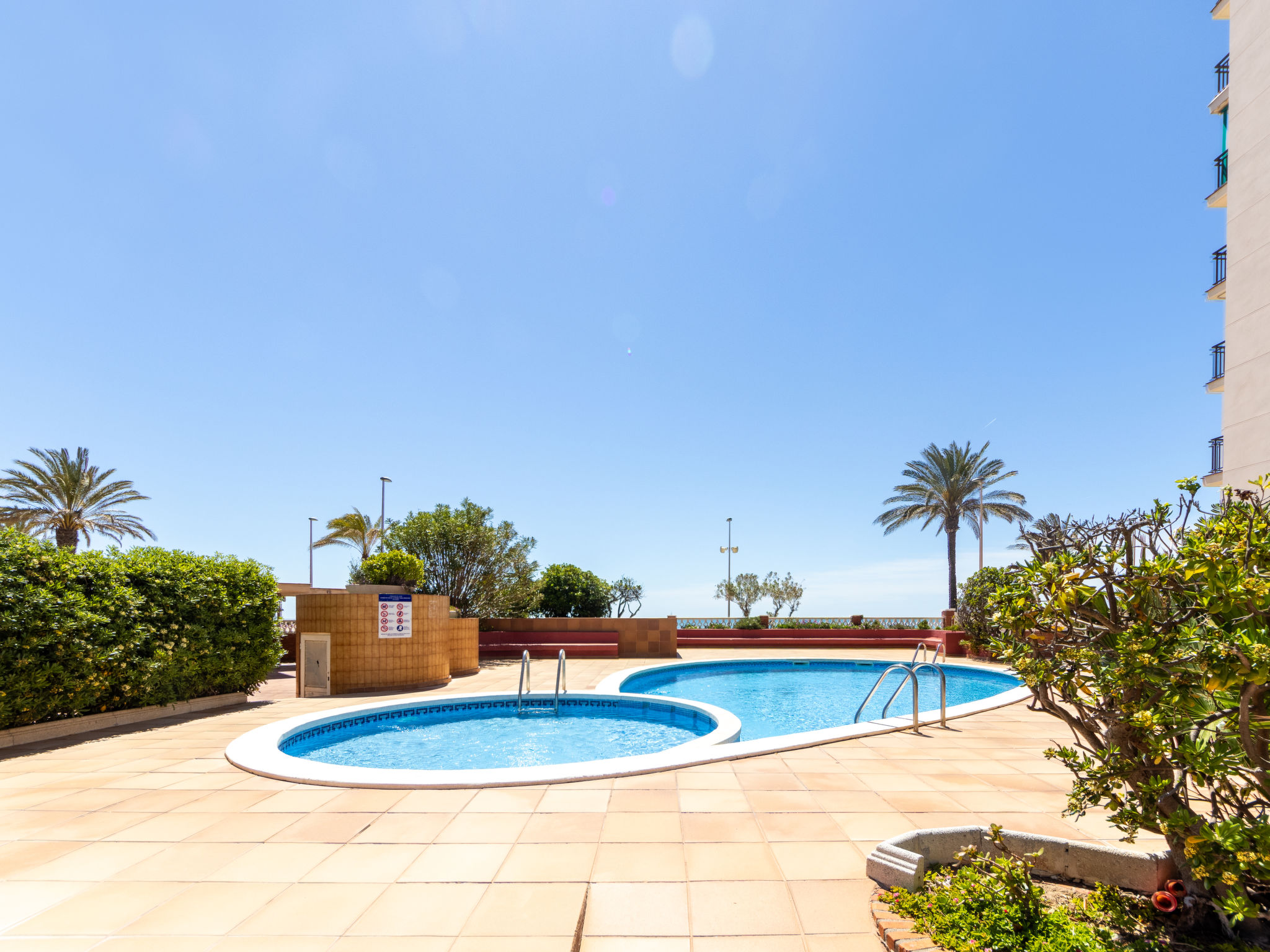
3-star property

3-star property
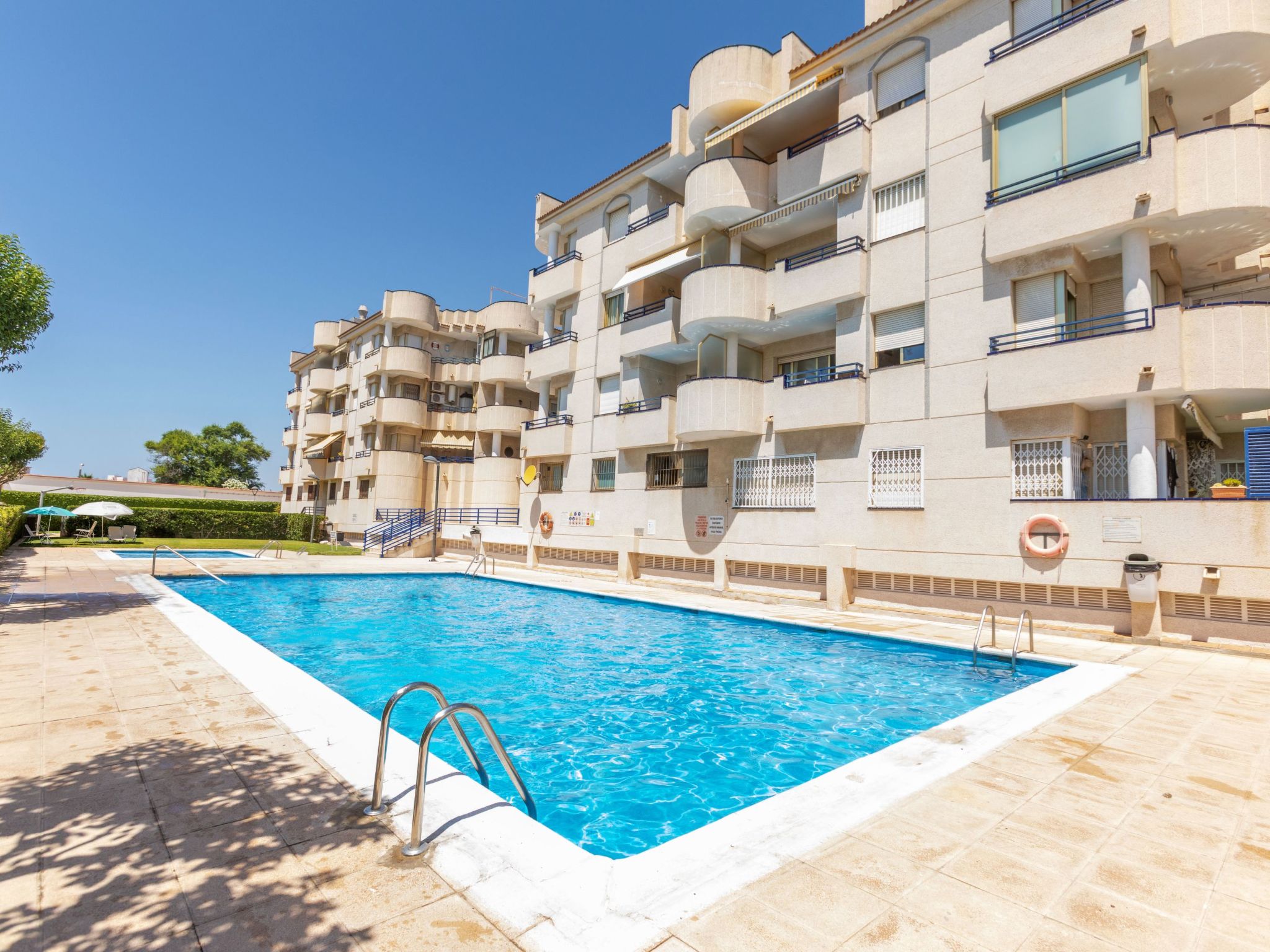
3-star property
Cunit villa holidays: questions answered
Is Cunit beach sand or pebble?
Sand. Cunit Ponent is 1,500 metres of golden sand and Cunit Llevant is 1,200 metres, both with lounger rental, showers and toilets. Breakwaters protect the shore.
Is Cunit a good base for Barcelona?
Yes. Rodalies trains run hourly and take about 55 minutes from Passeig de Gràcia, and the airport is about 36 minutes away by car. You can leave the car at the house on city days.
Is Cunit a tourist resort?
Partly. Tourism is the main income, but the town grew from 1960 as a summer retreat for the Barcelona area and has since become a major residential area, so it feels lived-in rather than resort-built.
Do villas in Cunit have private pools?
Most do, and many have air conditioning. They mostly sleep four to six, with few sleeping more than eight, so they suit families rather than very large groups.
Has Cunit won a Blue Flag?
Yes, it has received a Blue Flag since 1997. The town's roughly 2.5 km of sand is protected by breakwaters, though erosion problems are still evident at some points of the coast.
Nearby towns to Cunit
Written by the TrustedVillas team. Last reviewed October 2026.
Find Your Perfect Villa in Cunit
Our villa experts are here to help you find the ideal property for your vacation. Contact us for personalized recommendations.