Villas in Coma-ruga
Coma-ruga suits larger families who want a long, calm golden-sand beach and a train line to Barcelona close by. Many homes sleep eight or more, and over half have a pool. This is a resort built up in the 1950s and 1960s, and the beach is a busy urban one in summer.
- Villas
- 7
- From, per week
- £589
About Coma-ruga
Coma-ruga is a seaside resort within El Vendrell municipality, built up mainly in the 1950s and 1960s and long popular with families. Its beach runs for about two kilometres of golden sand with calm water, and a promenade behind it carries on to Sant Salvador beach. Its marina was completed in 1976. The resort began with hot springs: a hotel and spa went up beside the pond in 1920. The homes are spread over a couple of kilometres and tend to be family-sized, often with a garden. Evenings centre on the seafront promenade. Winters are mild and autumn is the rainiest season.
Is Coma-ruga right for you?
- Best for
- Big families wanting a calm sandy beach and easy Barcelona trips
- Not for you if
- You want coves, cliffs or a historic village rather than a busy urban beach.
Near Coma-ruga
Vil·la Casals
The house-museum of the cellist Pau Casals, about 2.5 km east of Coma-ruga.
Arc de Berà
A Roman arch about 6.6 km west of Coma-ruga, far closer than the Roman remains at Tarragona.
Tarragona
About 31 km west, with Roman ruins listed as a UNESCO World Heritage Site; the Les Ferreres Aqueduct is a little closer, about 30 km.
Santes Creus Monastery
A monastery about 35 km north-west of Coma-ruga, the furthest of these outings and a break from the beach.
Getting to Coma-ruga
Barcelona airport is the main gateway, about 42 minutes away by car. By train, change at Barcelona Sants for Sant Vicenç de Calders station, built on Coma-ruga land; the whole trip takes about 1 hour 15 minutes. Reus airport is another option, about 1 hour 20 minutes by bus and train.
When to go to Coma-ruga
Summers are hot and dry, and the beach is classed as busy, so July and August are crowded. June and September are better for swimming in calmer surroundings. Winters are mild and autumn brings most of the rain, which suits walkers and Barcelona day-trippers more than beach days.
Villas in Coma-ruga
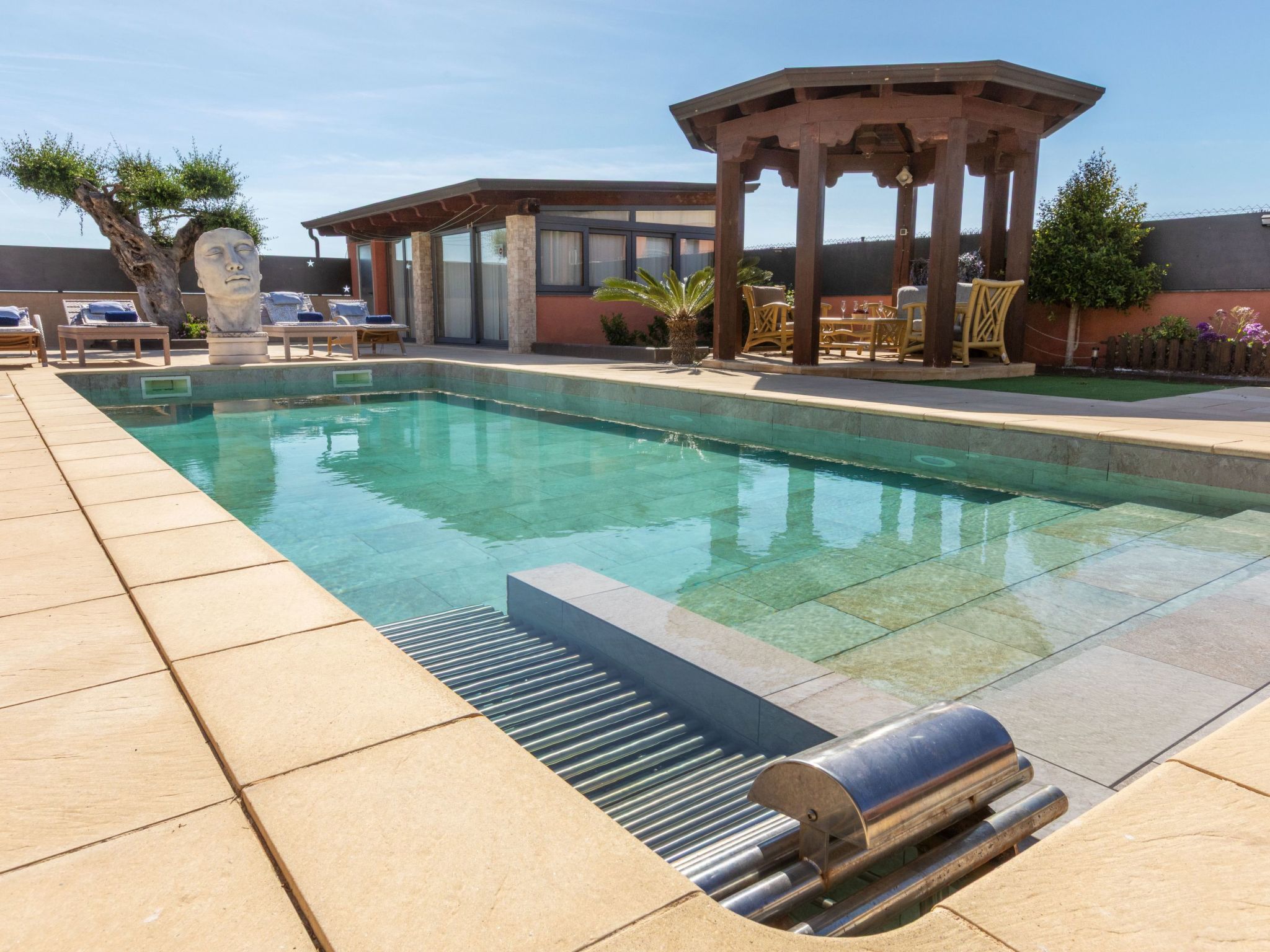
3-star property
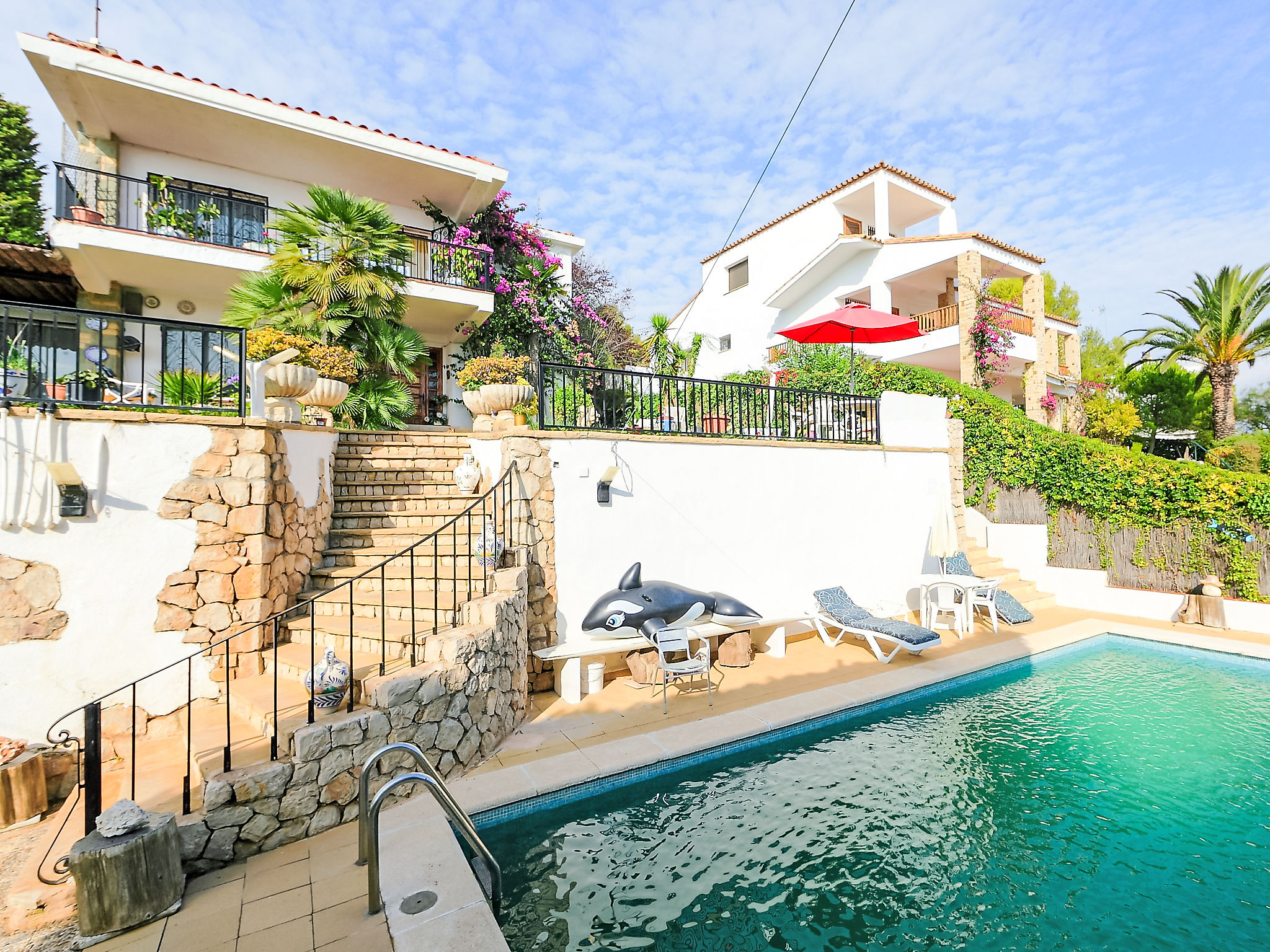
3-star property
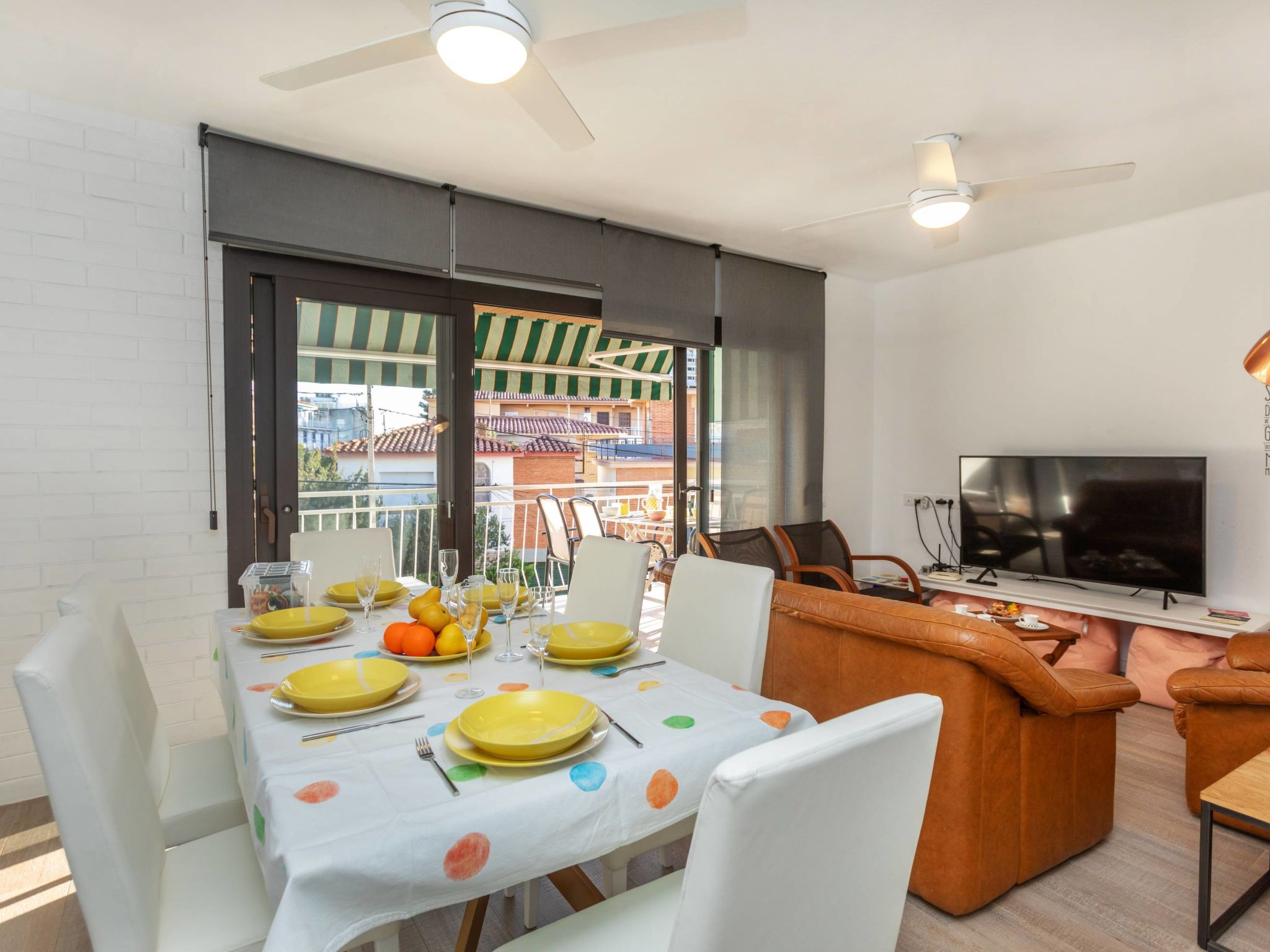
3-star property
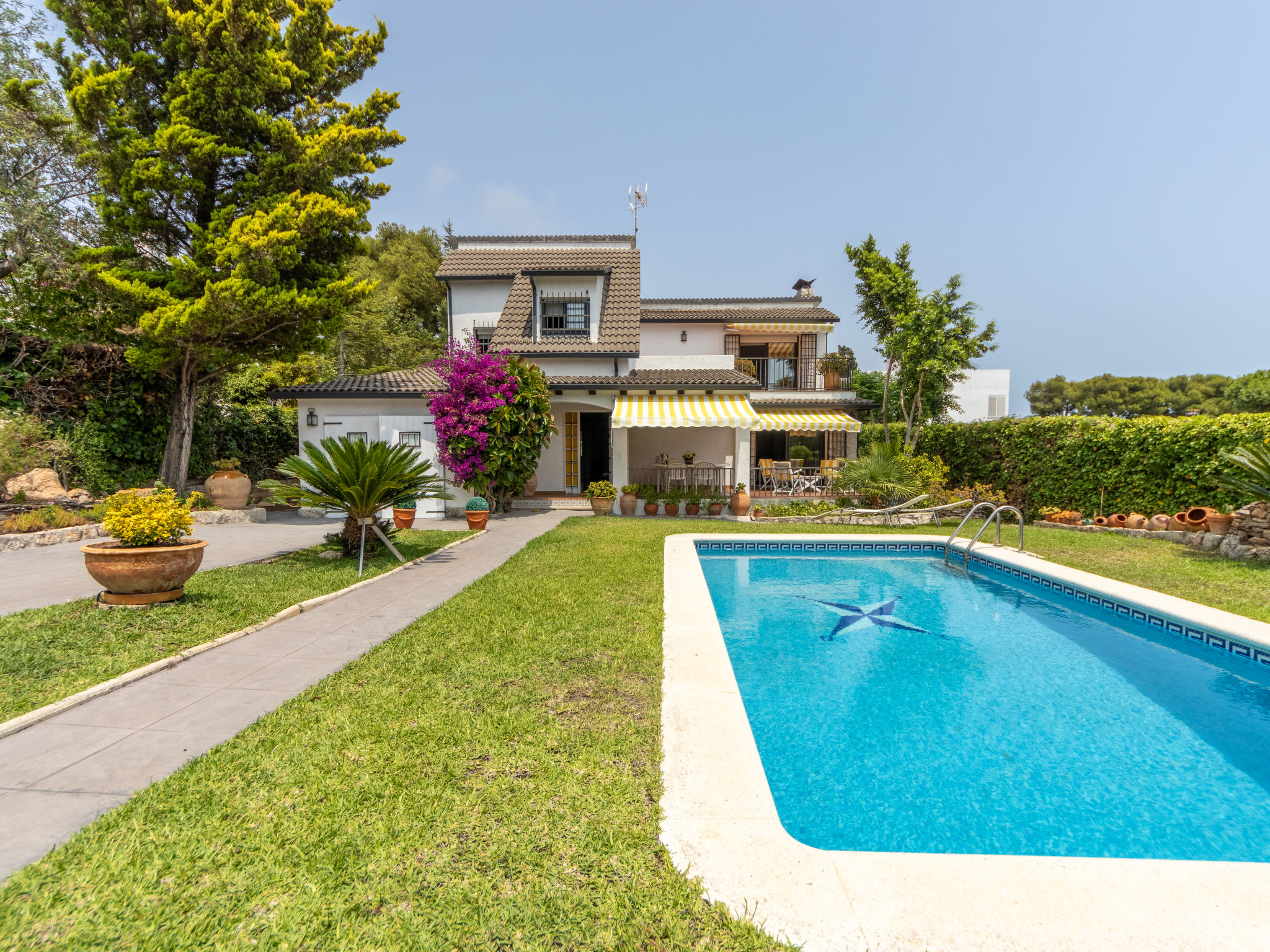
3-star property

5-star property
3-Bedroom Home, Coma-ruga
Coma-ruga, Costa Daurada, Spain
5
3
0
ParkingDishwasherFireplace+8 more
from£84
per night
Els Cups, casa rural
Coma-ruga, Costa Daurada, Spain
8
4
0
Air ConBBQDishwasher+13 more
from£326
per night
3-star property
Coma-ruga villa holidays: questions answered
Is Coma-ruga beach good for small children?
Generally, yes. The golden-sand beach is about two kilometres long, with calm water, toilets, showers and sunbed hire, and the town has long been popular with families.
Can you get from Coma-ruga to Barcelona by train?
Easily. Sant Vicenç de Calders station serves Coma-ruga, with frequent commuter trains to Barcelona; a train to Barcelona-Sants leaves every 30 minutes.
Why does Coma-ruga have a spa history?
Hot springs. The waters of its pond and creek were declared of public interest for their health properties in 1892, and the spa hotel built beside the pond in 1920 started the town's growth.
Is Coma-ruga busy in summer?
Very. The beach is classed as urban with high occupancy, so July and August bring crowds. Come in June or September if you want the same calm water with more space on the sand.
Nearby towns to Coma-ruga
Written by the TrustedVillas team. Last reviewed November 2026.
Find Your Perfect Villa in Coma-ruga
Our villa experts are here to help you find the ideal property for your vacation. Contact us for personalized recommendations.