Villas in Tossa de Mar
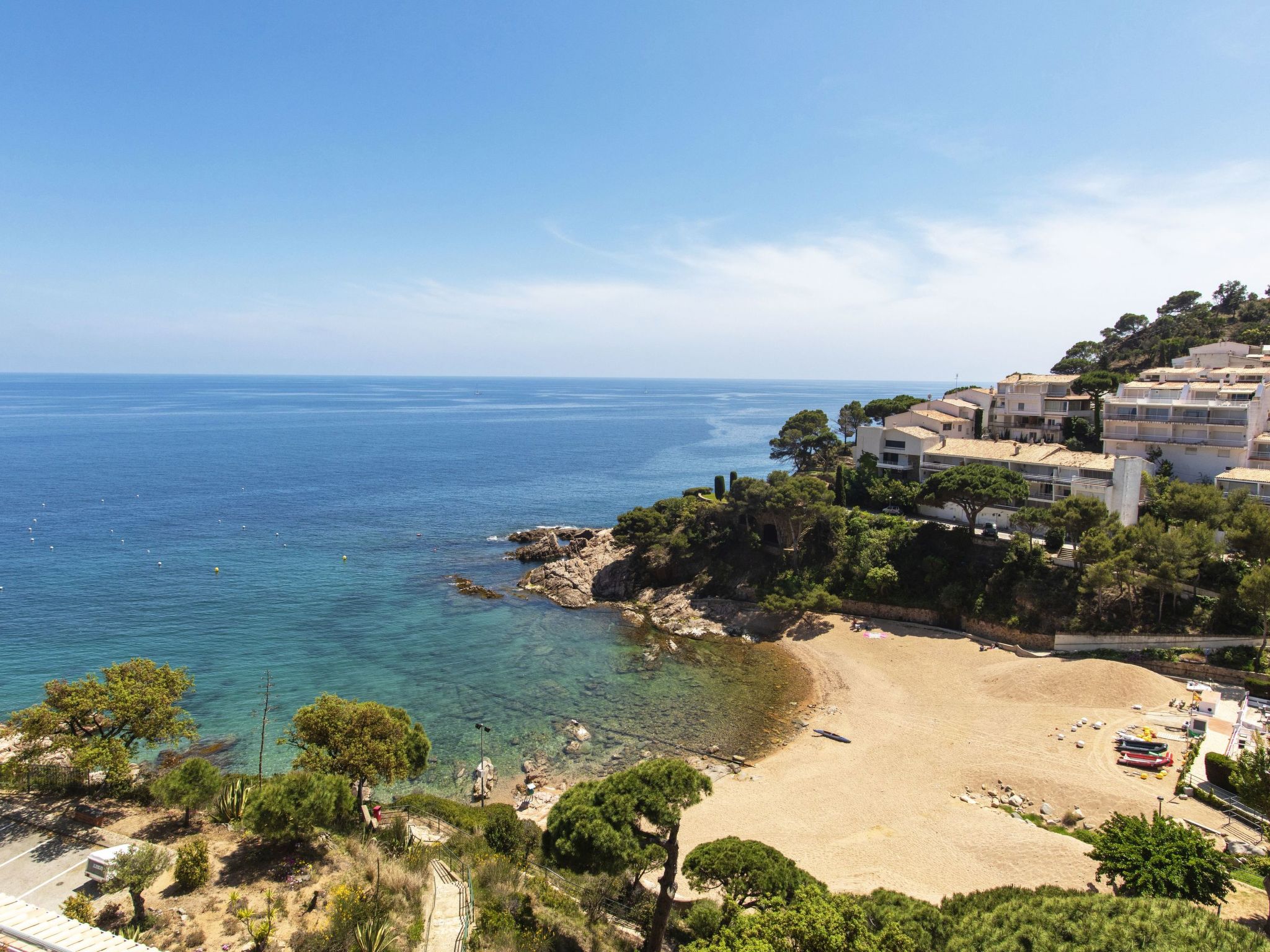
Tossa de Mar suits couples and small families who want a walled medieval old town on the sea, with a main beach of coarse sand under it. The town is small, about 6,300 residents, so parking near the beach in summer is the main headache.
- Villas
- 58
- From, per week
- £377
About Tossa de Mar
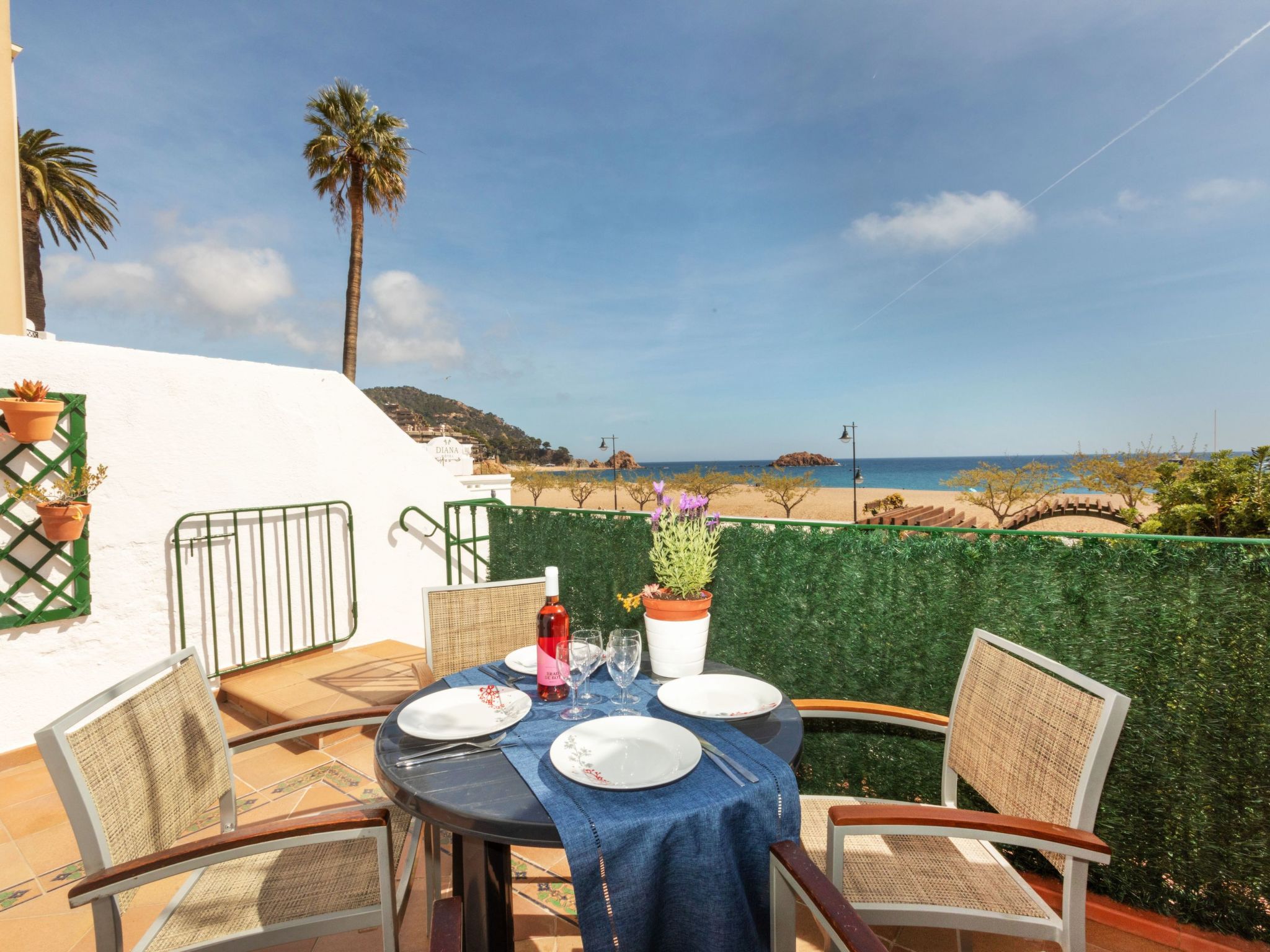
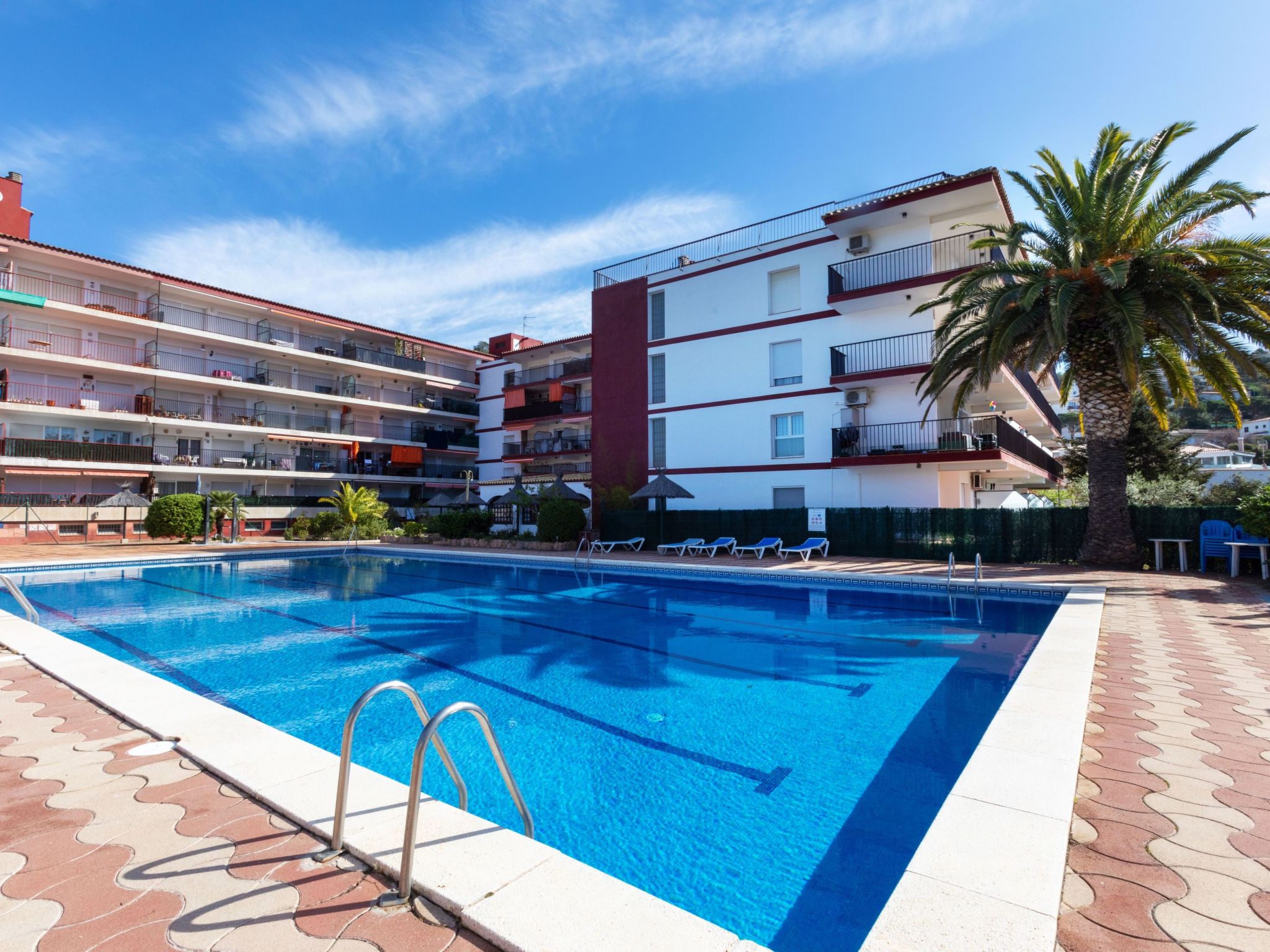
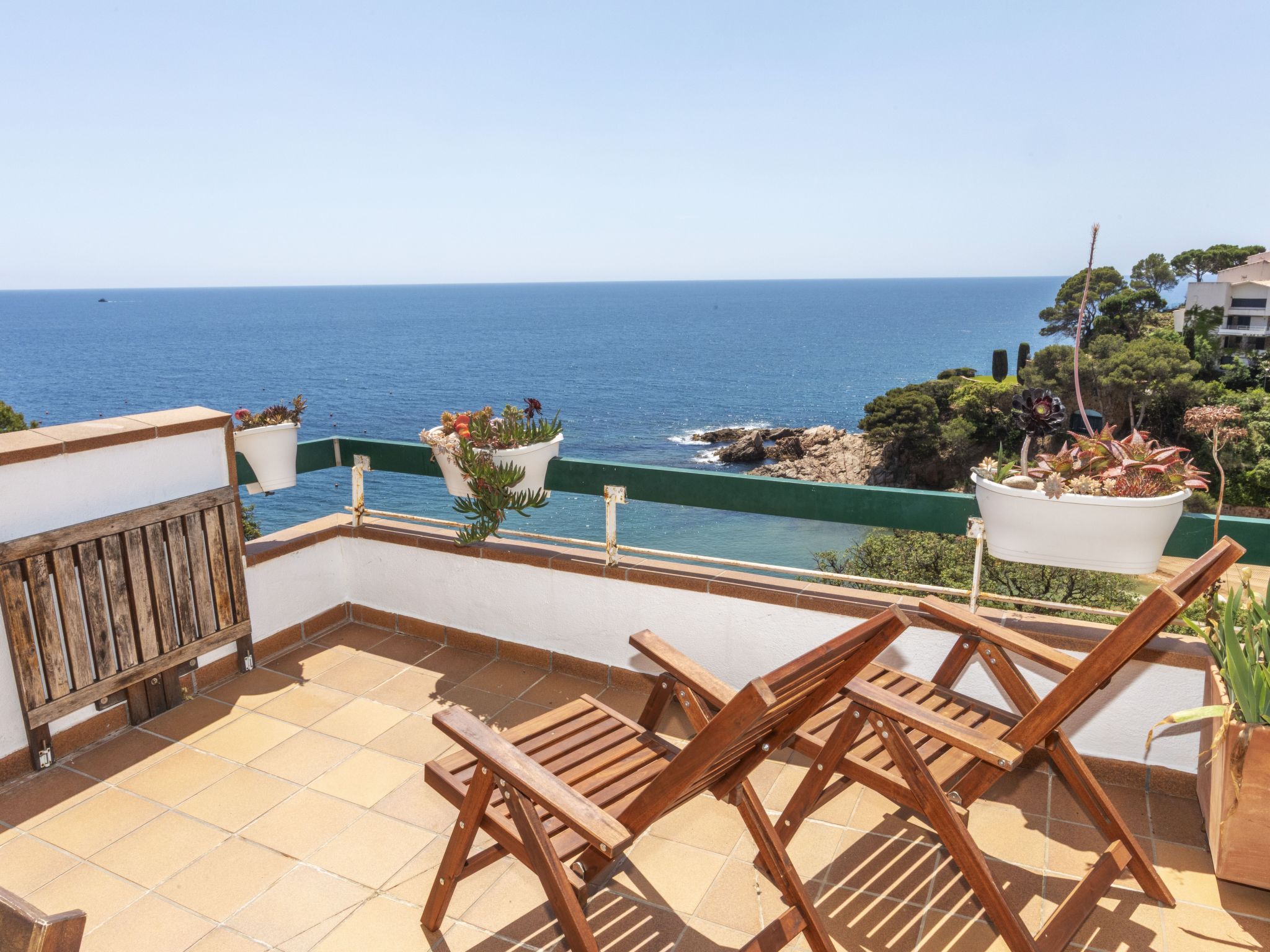
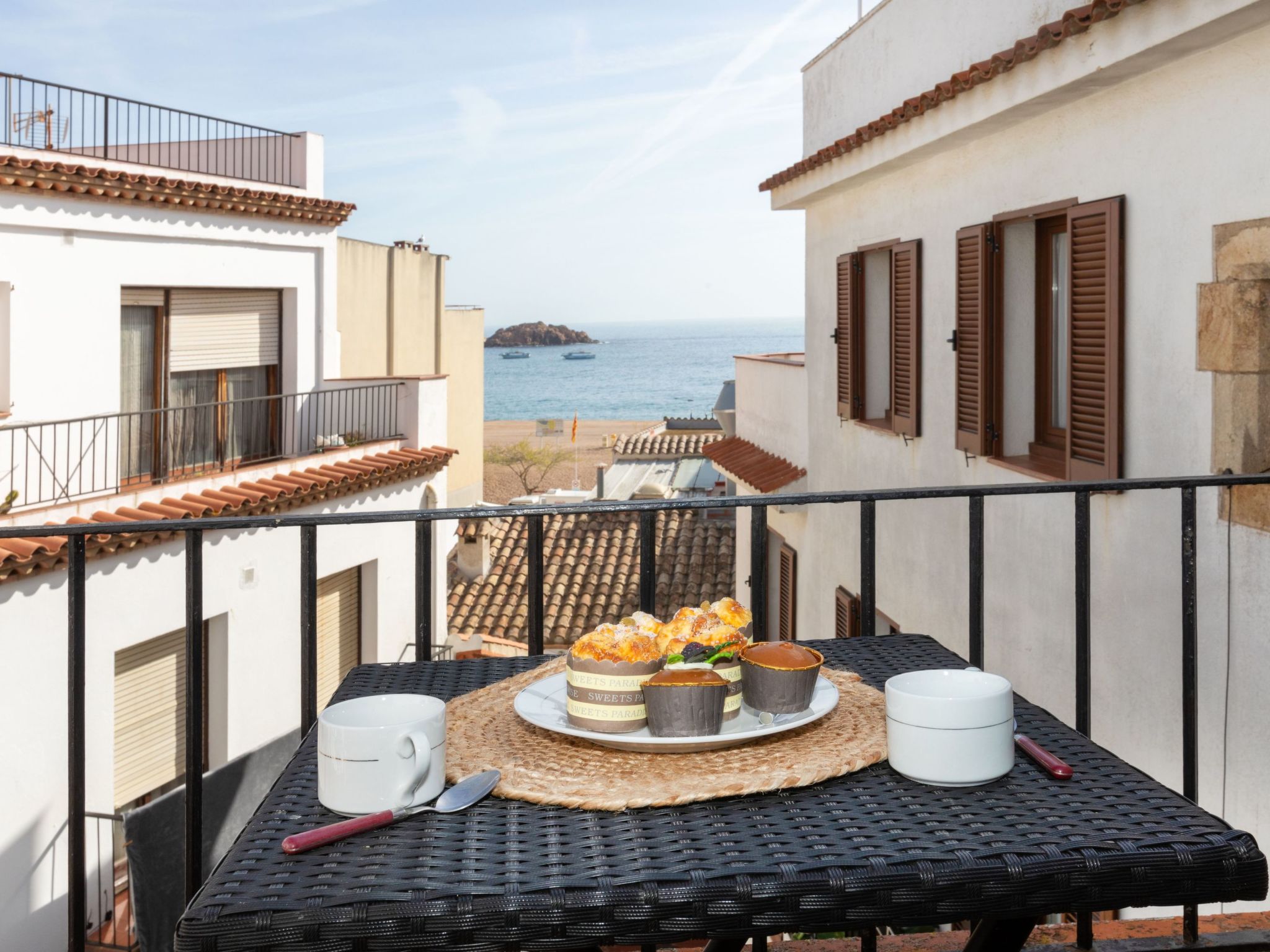
Tossa is a small town about 100 km north of Barcelona, built around the Vila Vella, which Wikipedia calls the only fortified medieval town still standing on the Catalan coast. Platja Gran fronts the town, a crescent of coarse sand between 345 and 400 m long with a Blue Flag, and the walls close it off at the southern end. La Mar Menuda is a smaller beach, about 180 m long. The homes are mostly small, often for around four people, and some have a private pool. They are spread around the town rather than packed into the centre. The Municipal Museum, in the Governor's House inside the walls, holds Chagall's The Celestial Violinist.
Is Tossa de Mar right for you?
- Best for
- Couples and small families wanting a walkable old town and cove swimming
- Not for you if
- You want a long beach, because Tossa's sand is a few hundred metres at most.
Near Tossa de Mar
Cala Giverola
A cove of coarse sand among cliffs and pines, about 5 km from the town centre; you pay to park in the resort beside it.
Lloret de Mar
The big resort to the south, about 14 km on the GR 92 coast path, with a 1,630 m main beach and a Blue Flag.
Cala Sa Futadera
A cove reached down a flight of steps, picked by the Costa Brava tourist board as one to enjoy outside the summer rush.
Getting to Tossa de Mar
Girona-Costa Brava airport is the practical option, and two of its bus lines stop at Tossa de Mar. Barcelona is about 100 km south. Homes are spread around the town, and parking near Platja Gran is hard in summer, so a car helps for the coves but not for the old town.
When to go to Tossa de Mar
Summer is the busy season, and the official beach page warns that parking near Platja Gran is no easy task then. Occupancy on the main beach is listed as high. Outside summer the coves are easier to enjoy, and the Vila Vella walls are there whatever the month.
Villas in Tossa de Mar
2-star property
3-star property
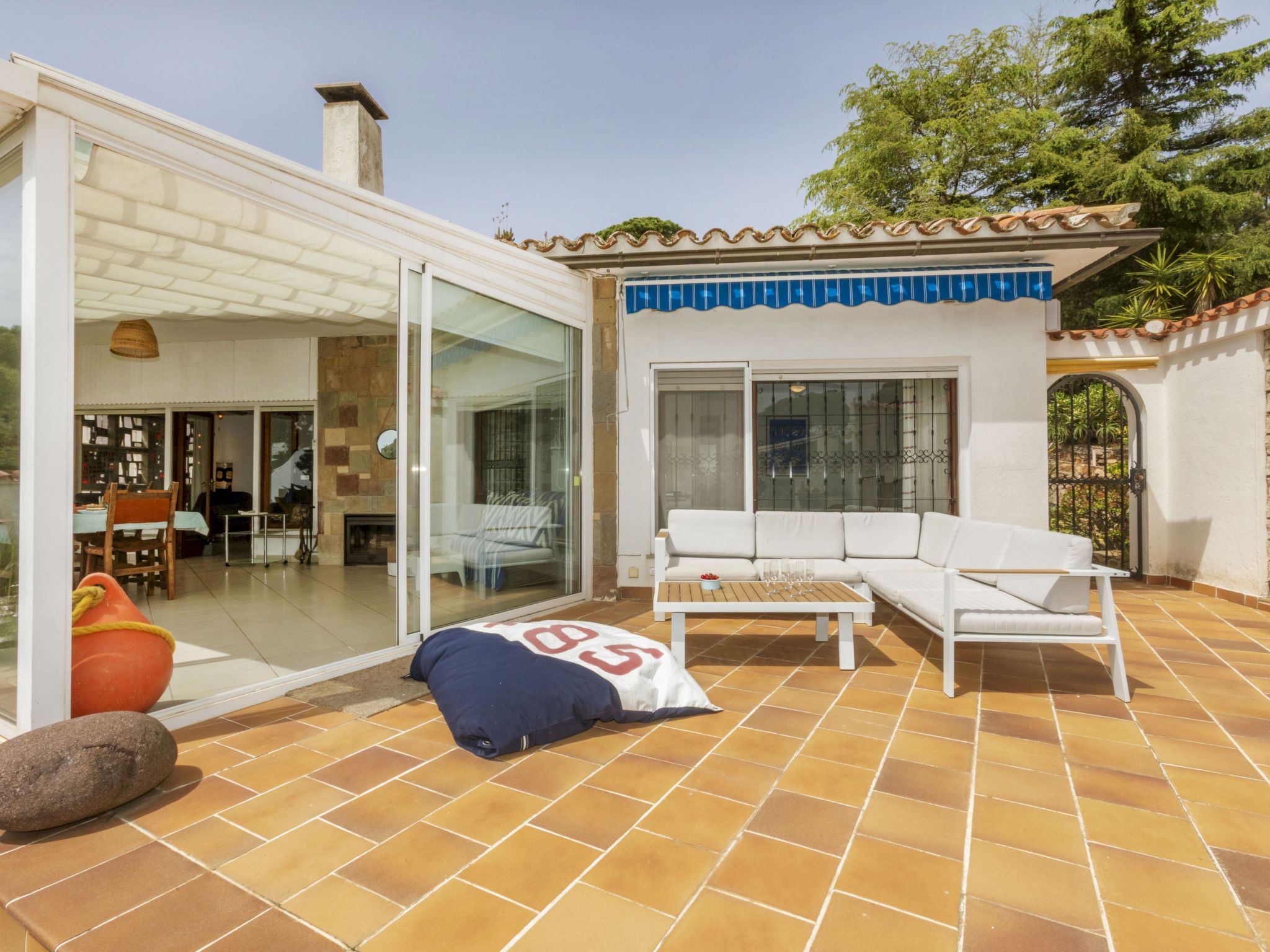
Casa Acuario
Tossa de Mar, Costa Brava, Spain
8
3
0
Air ConBBQDishwasher+8 more
from£110
per night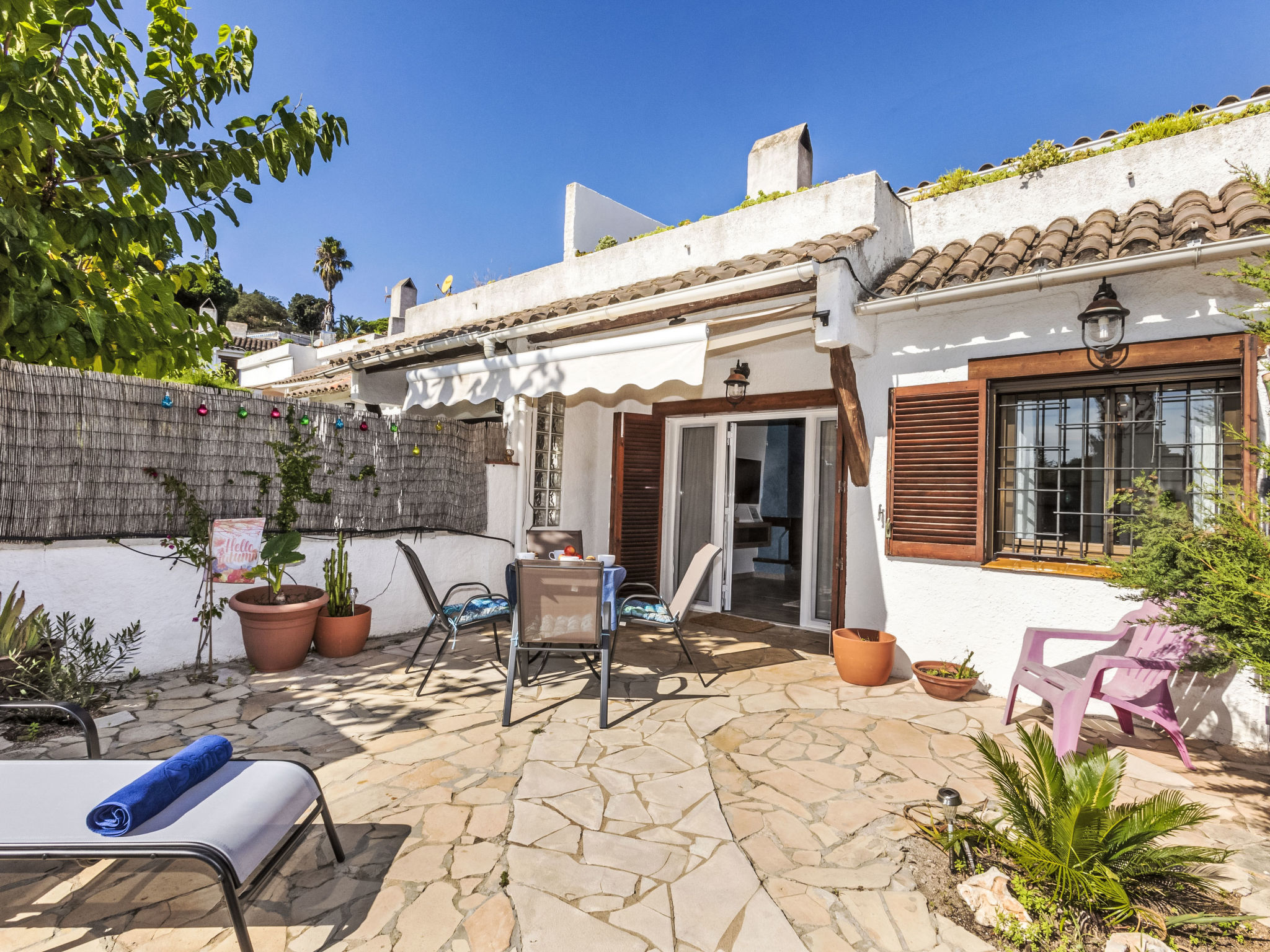
4-star property
3-star property
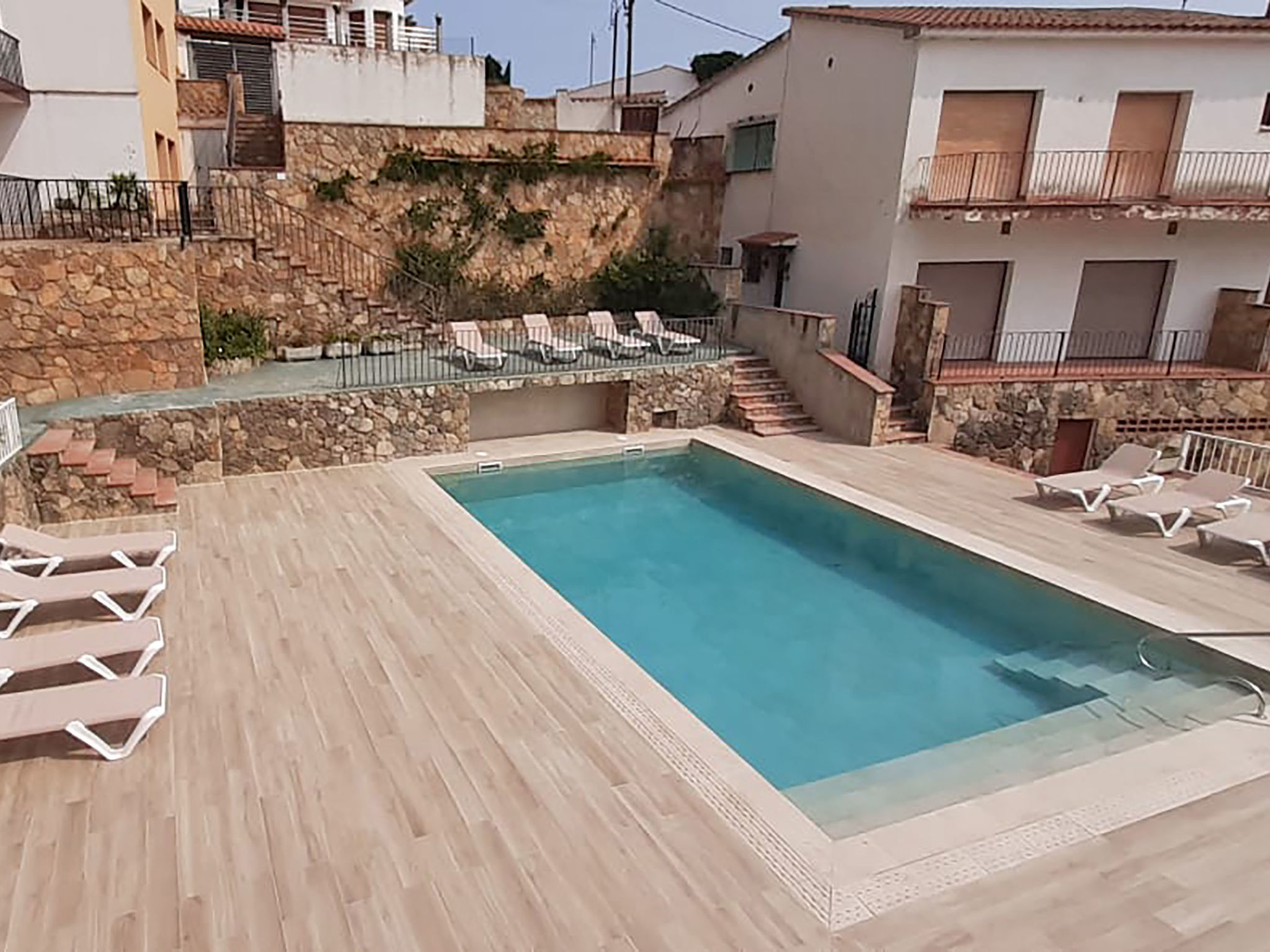
Miramar Hills
Tossa de Mar, Costa Brava, Spain
5
2
0
Air ConMicrowavePool+6 more
from£94
per night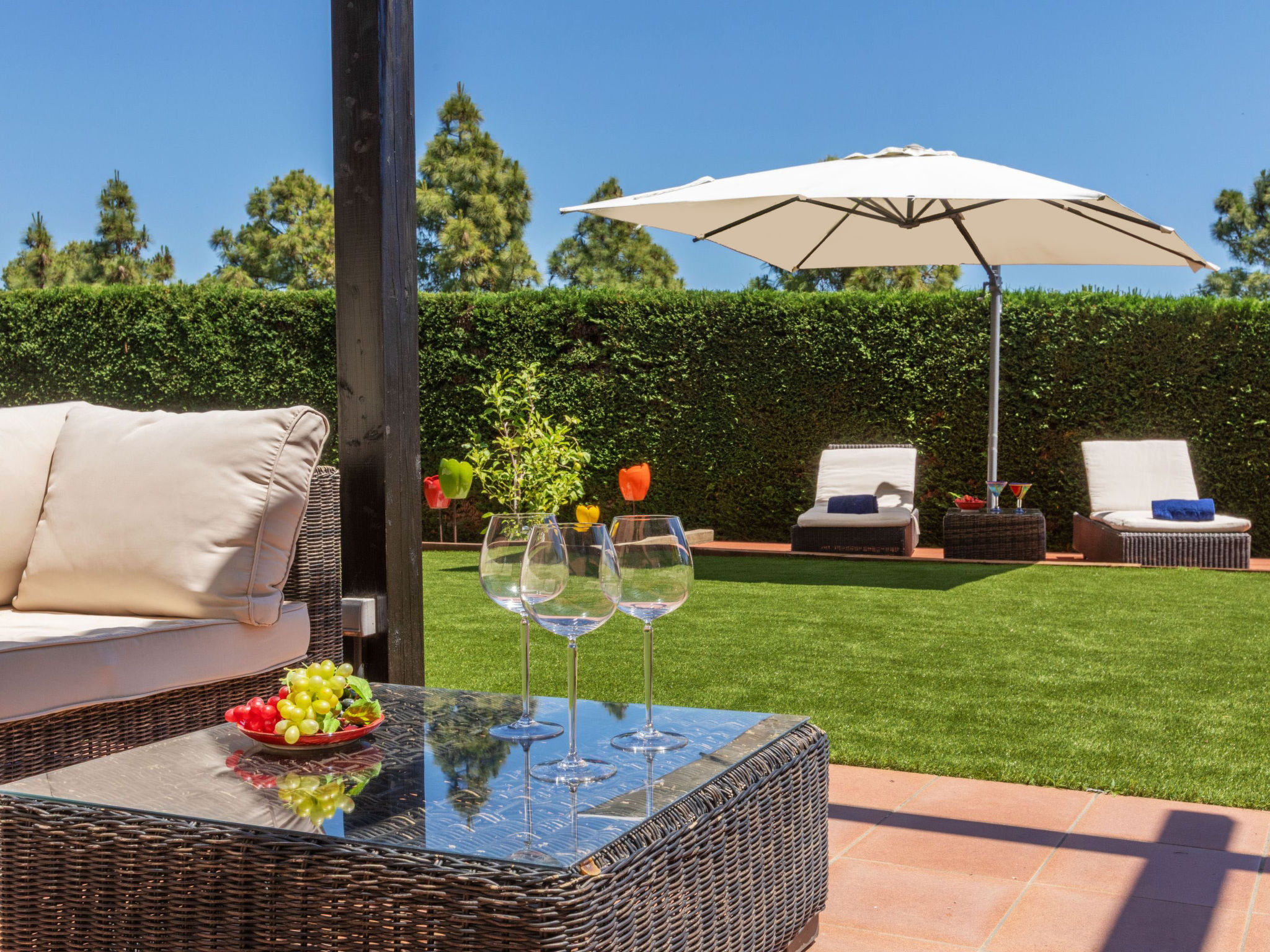
3-star property
3-star property
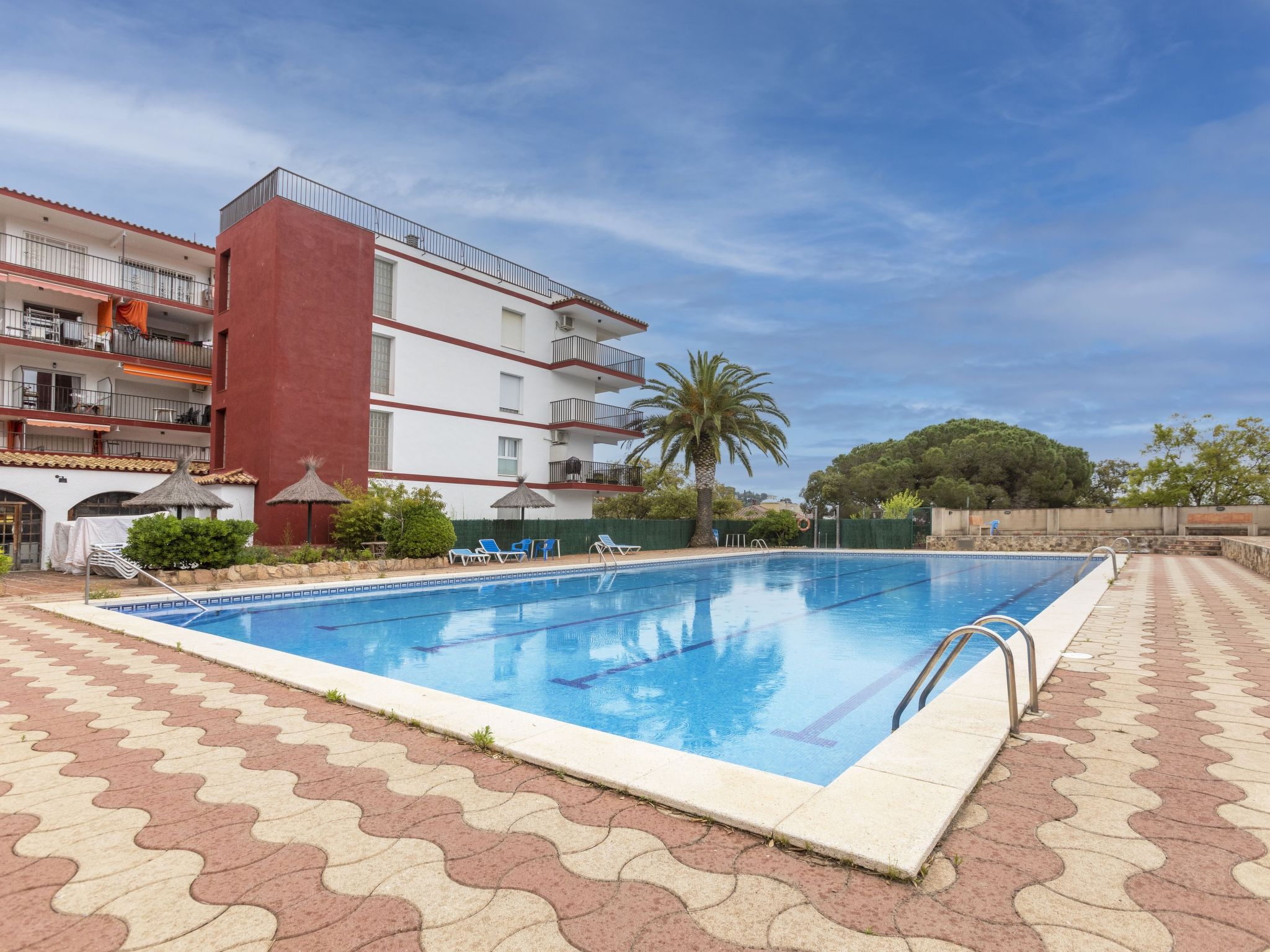
Sa Coma
Tossa de Mar, Costa Brava, Spain
4
2
0
DishwasherMicrowaveParking+7 more
from£187
per night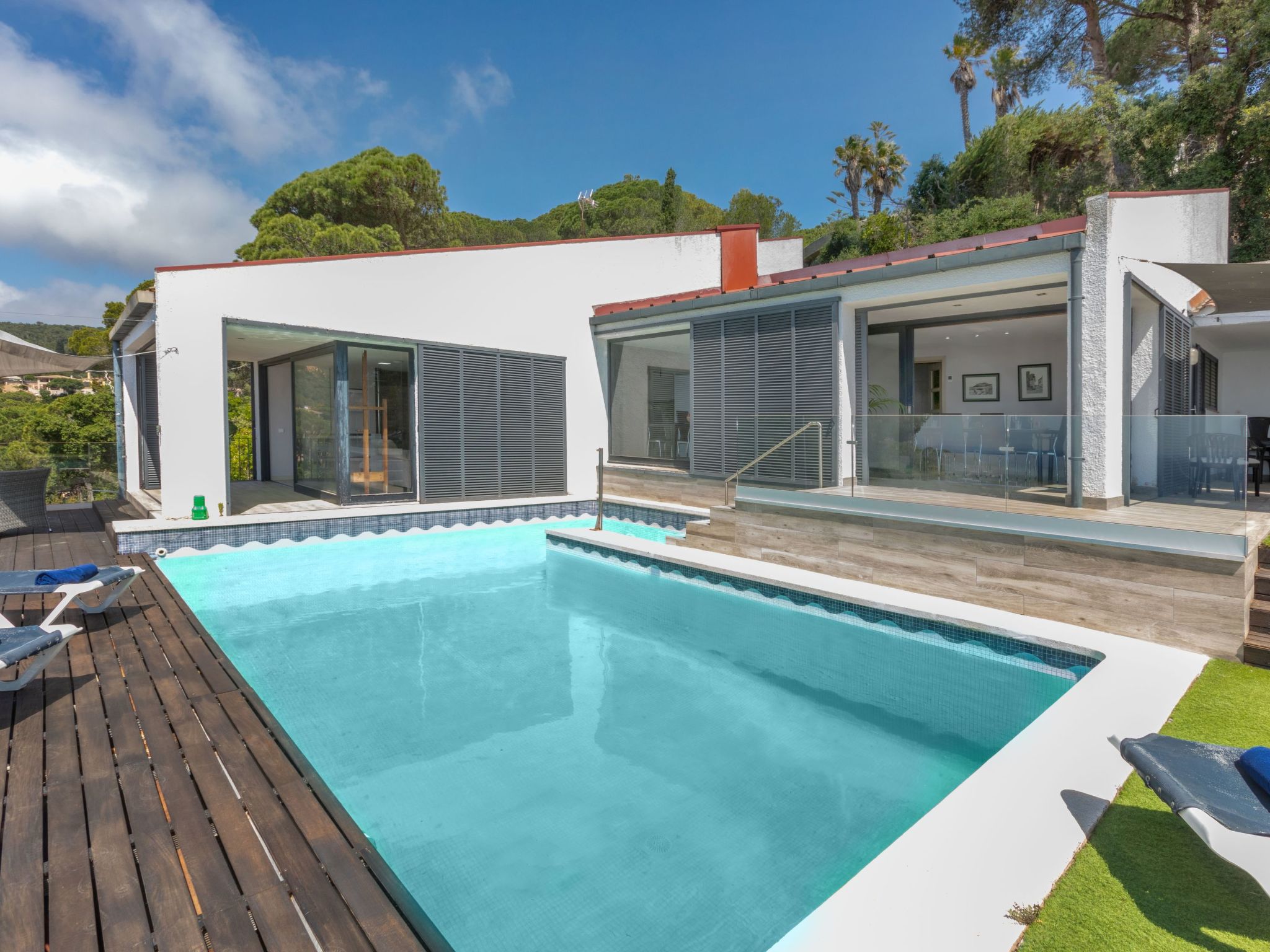
3-star property
3-star property
Pilotossa
Tossa de Mar, Costa Brava, Spain
8
4
0
Air ConDishwasherMicrowave+9 more
from£139
per night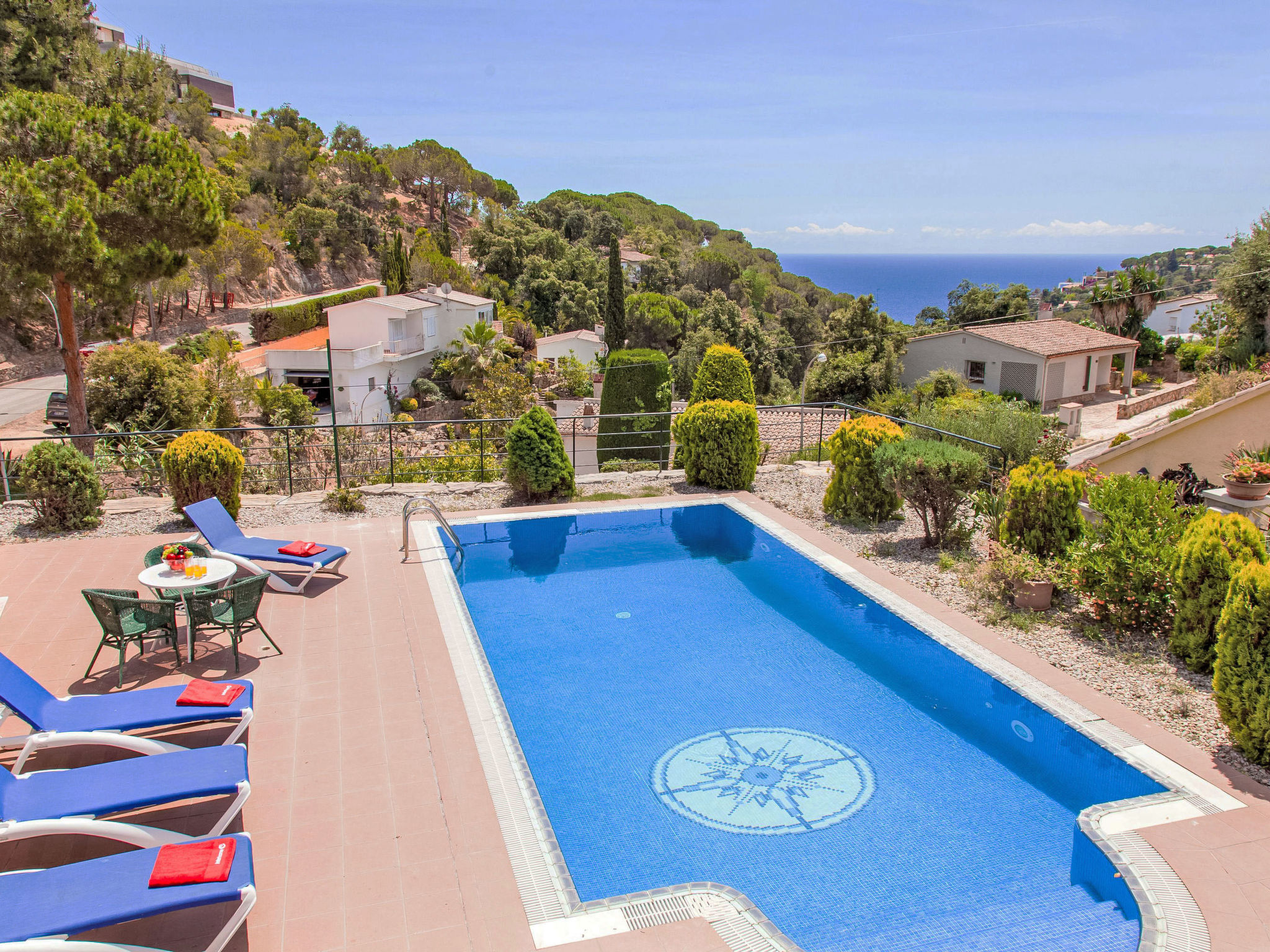
3-star property
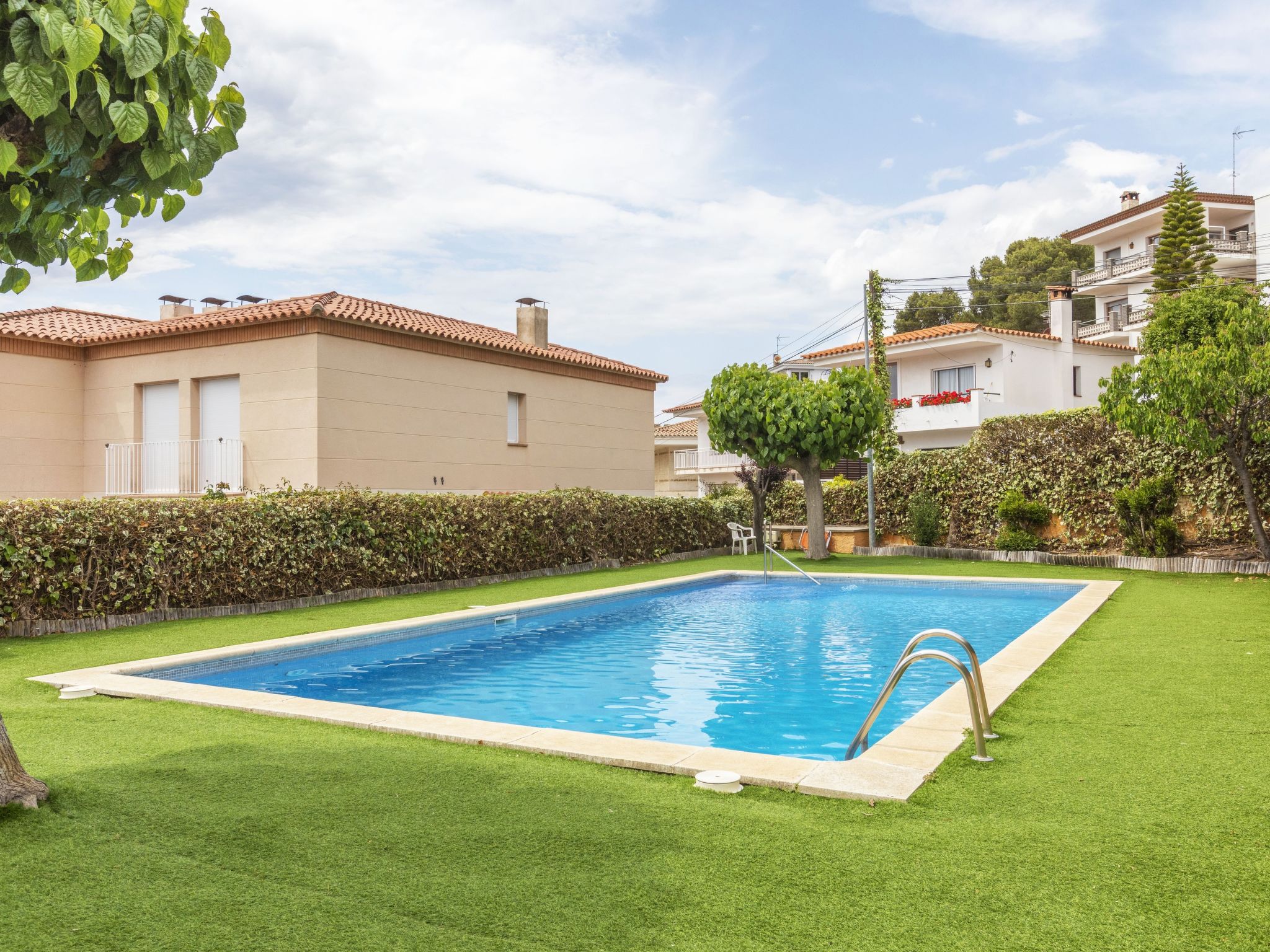
Cala Llorell
Tossa de Mar, Costa Brava, Spain
7
3
0
Air ConBBQDishwasher+9 more
from£129
per night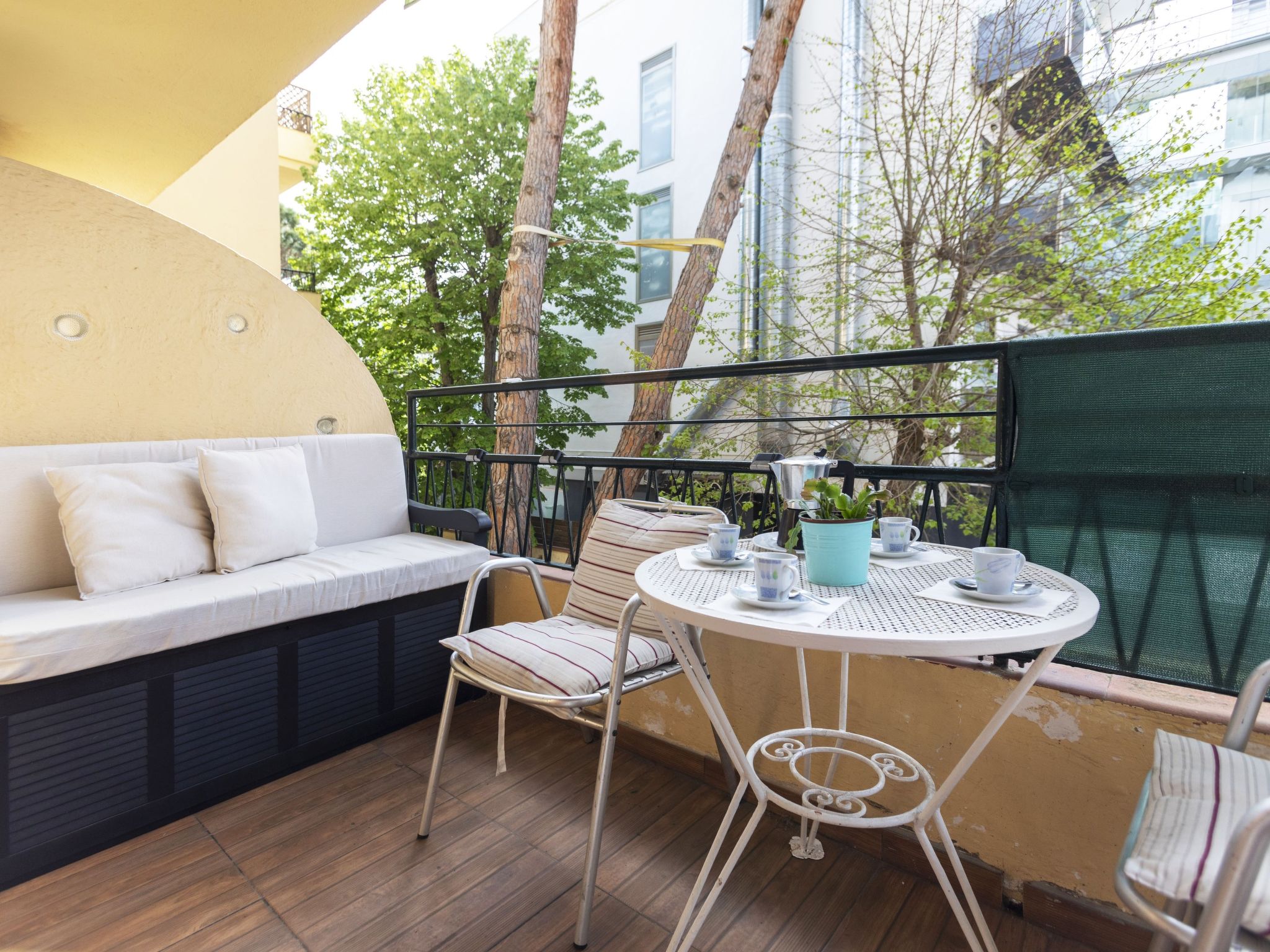
3-star property

2-star property
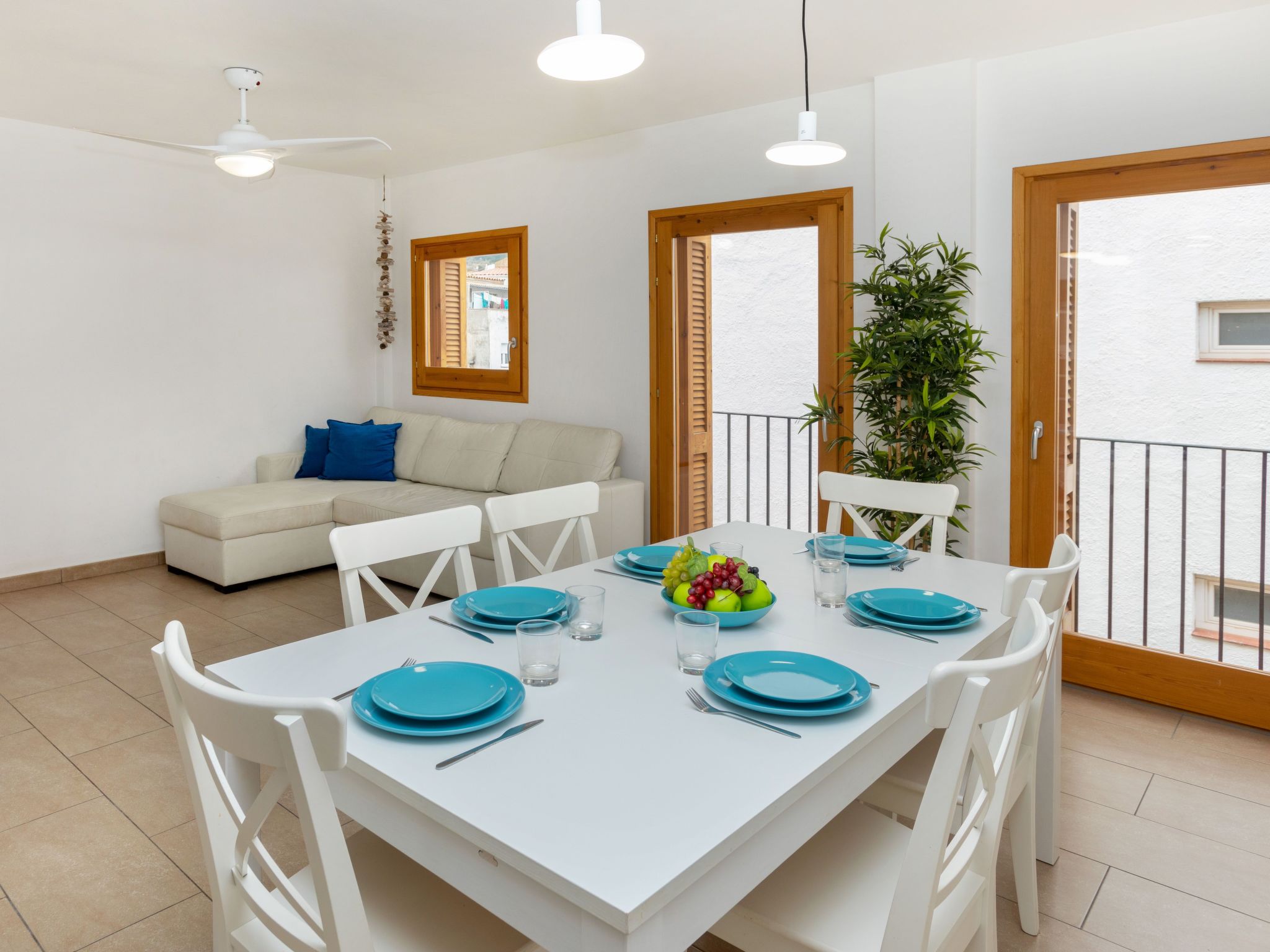
4-star property
Blue Tossa
Tossa de Mar, Costa Brava, Spain
6
3
0
Air ConParkingDishwasher+6 more
from£80
per night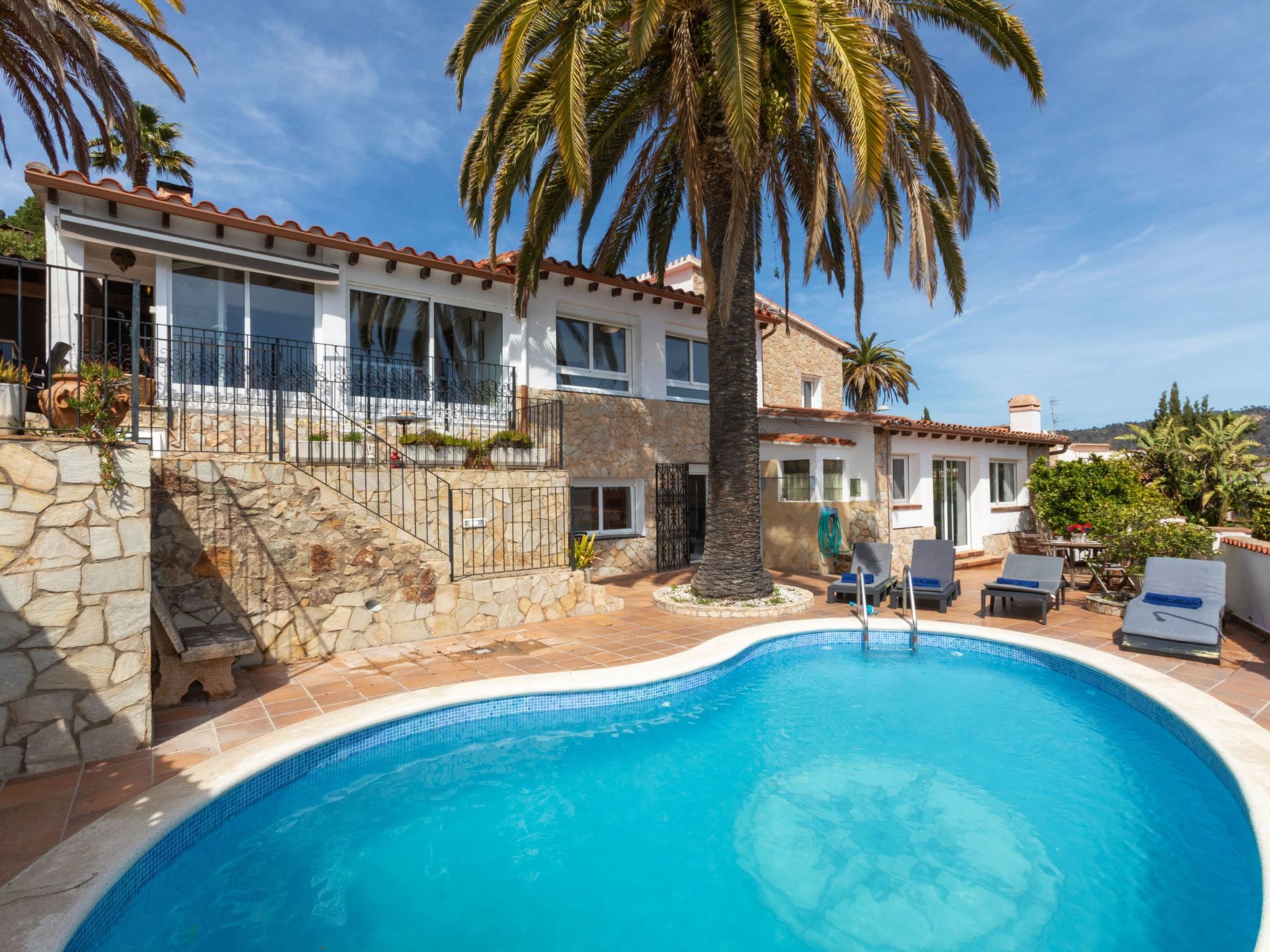
3-star property
4-star property
4-star property
4-star property
4-star property
3-star property
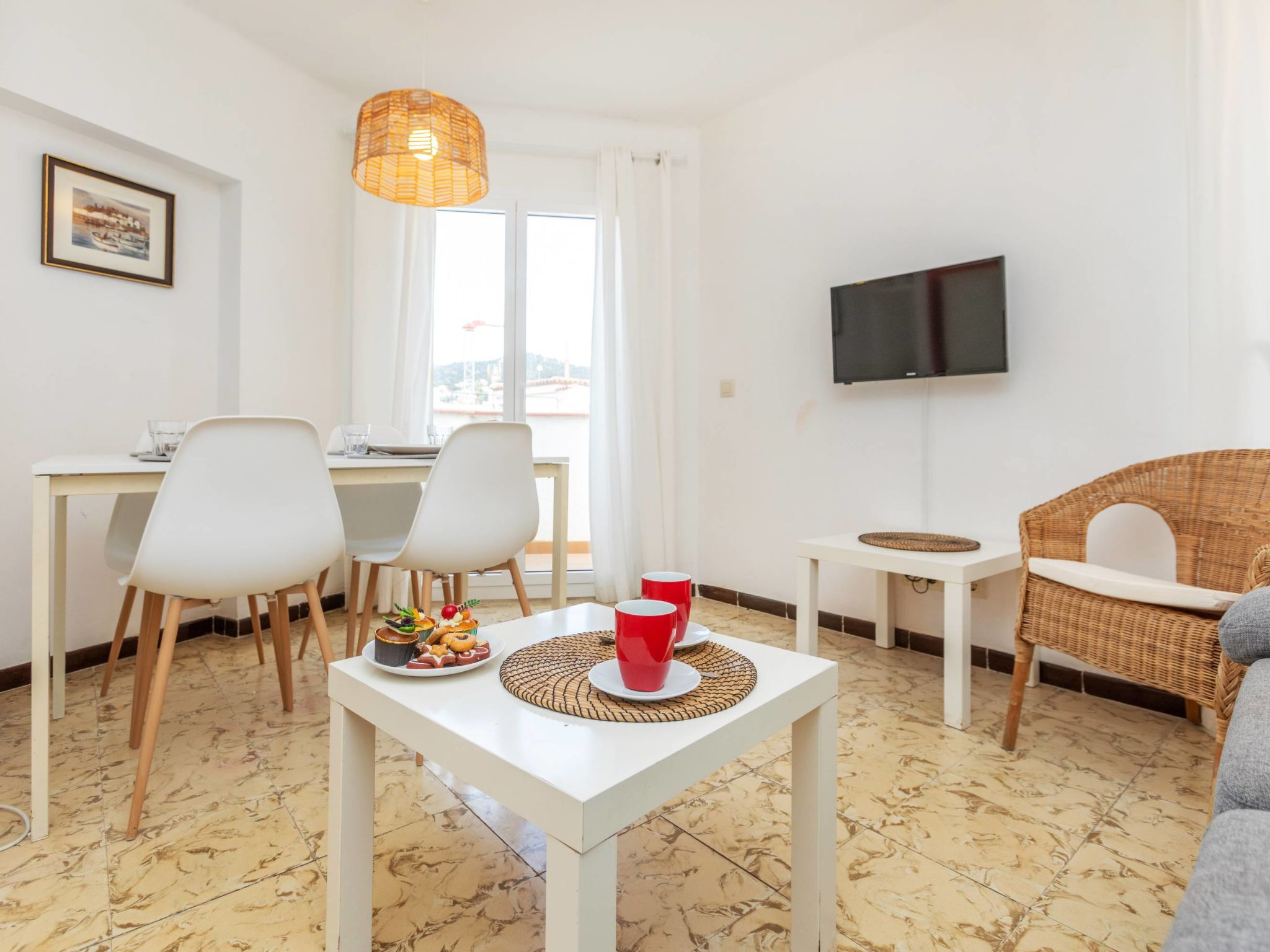
Garbinada
Tossa de Mar, Costa Brava, Spain
4
2
0
Air ConMicrowaveTerrace+6 more
from£65
per night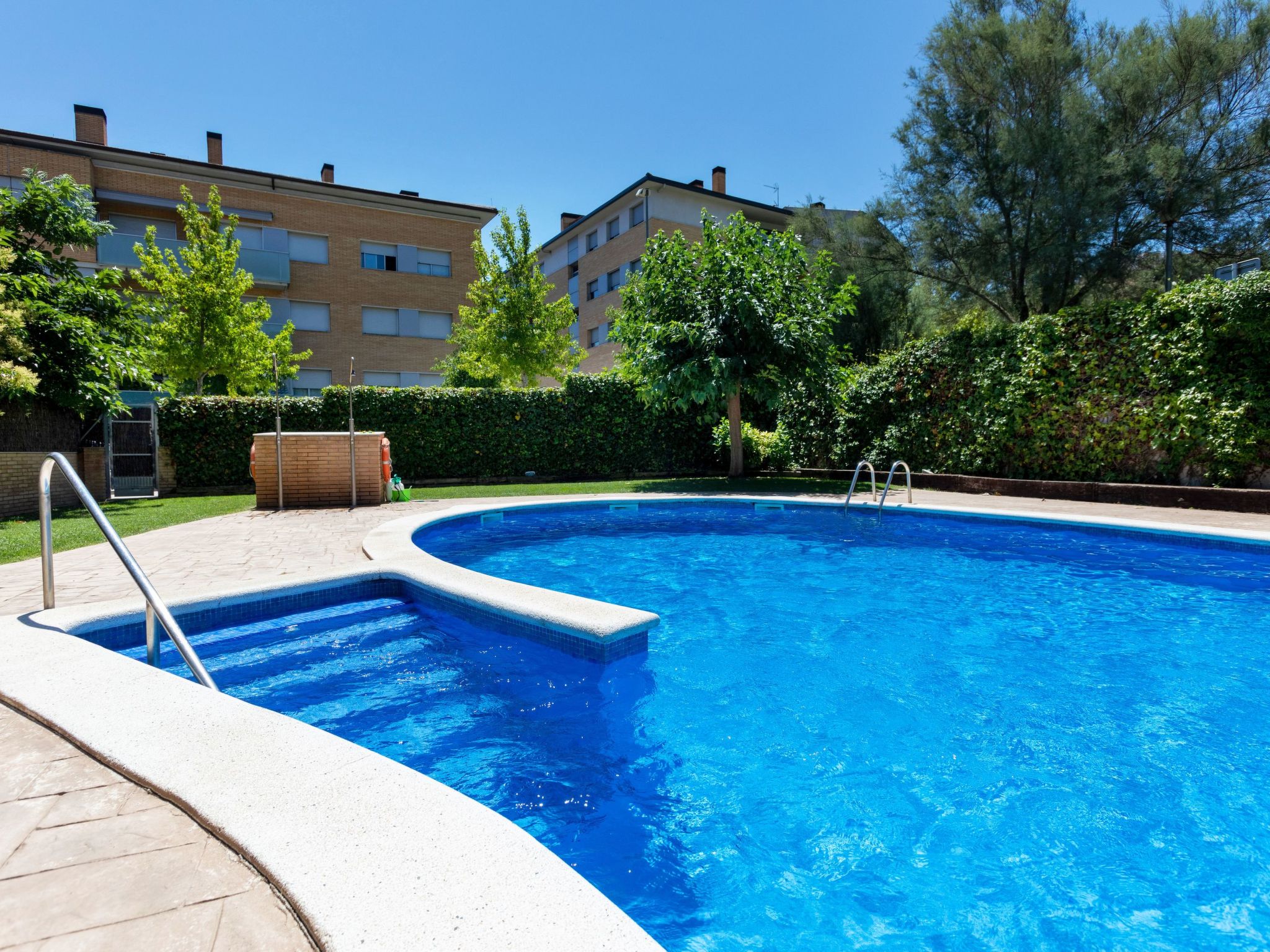
3-star property
4-star property
Baldri
Tossa de Mar, Costa Brava, Spain
5
2
0
DishwasherMicrowaveTerrace+6 more
from£123
per night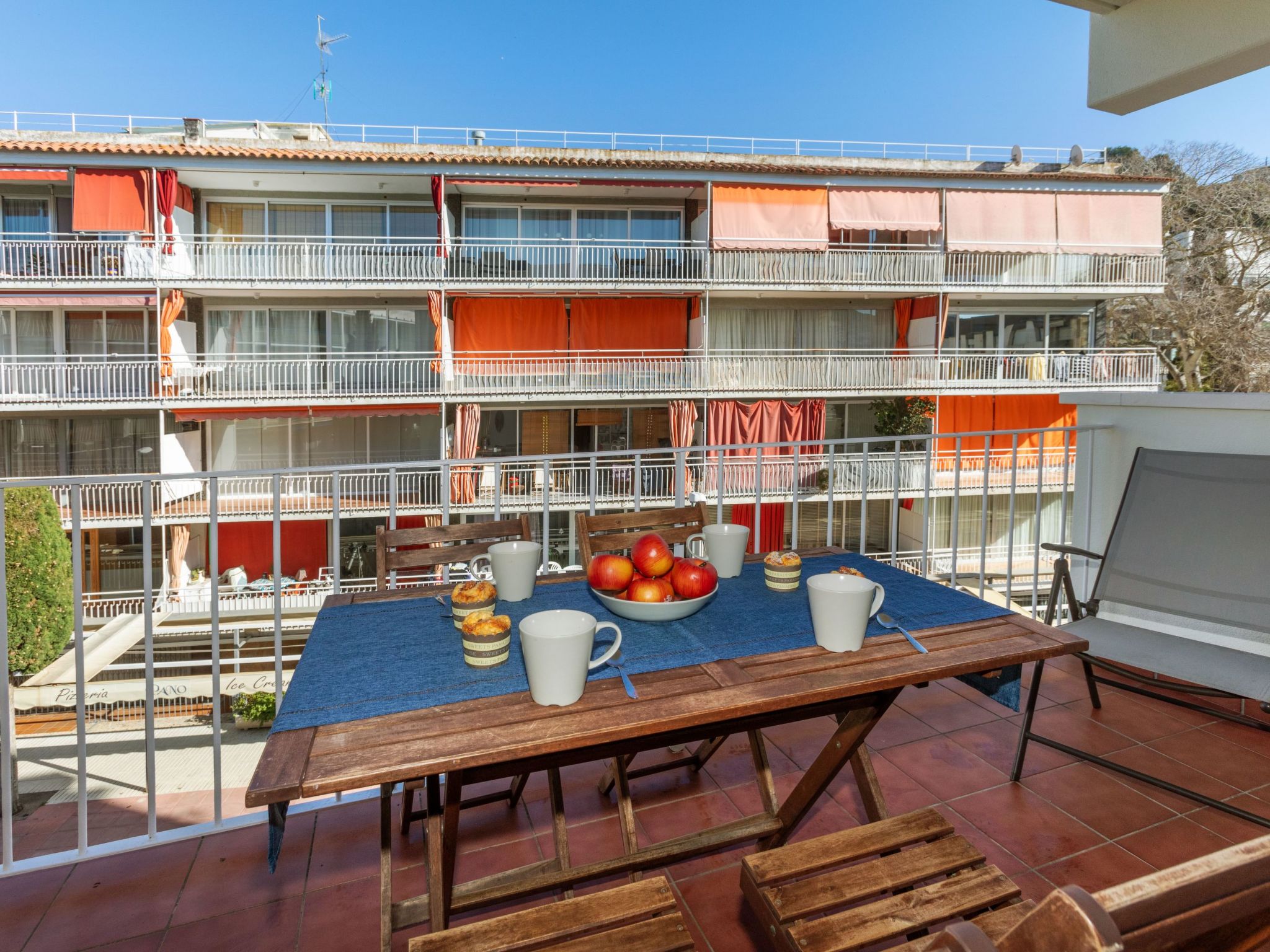
3-star property
3-star property
3-star property
3-star property
Atic Cap Tossa
Tossa de Mar, Costa Brava, Spain
6
3
0
Air ConBBQMicrowave+7 more
from£106
per nightTossa de Mar villa holidays: questions answered
Is the beach at Tossa de Mar sand or pebble?
Coarse sand. Platja Gran is about 345 m long and 85 m wide by the fact sheet, curved in a crescent, with a Blue Flag. The sea gets deep within a few metres of the shore, so small children need watching.
Can you walk the walls at Tossa de Mar?
You can explore them. The Vila Vella walls date from the 12th to 14th centuries, almost the whole perimeter survives, and three cylindrical towers project from it, with views over the bay. The lighthouse on Mount Guardí is still working.
Tossa de Mar or Lloret de Mar?
Tossa is the smaller, more compact town, with about 6,300 residents and its medieval walls above the main beach. Lloret has about 43,000 residents and a beach of 1,630 m. Pick Tossa for scale and old stones, Lloret for beach length and facilities.
How do you get to Cala Giverola from Tossa de Mar?
Most people drive the 5 km from the town centre on the road towards Sant Feliu de Guíxols. You park in the resort just before the cove and pay there. It can also be reached on foot or by boat.
Is Tossa de Mar busy in August?
Yes. The official beach page rates occupancy of Platja Gran as high, and says parking nearby in summer is no easy task. Walk down from the town rather than drive, or move to a cove such as Giverola for a calmer spot.
Nearby towns to Tossa de Mar
Written by the TrustedVillas team. Last reviewed October 2026.
Find Your Perfect Villa in Tossa de Mar
Our villa experts are here to help you find the ideal property for your vacation. Contact us for personalized recommendations.