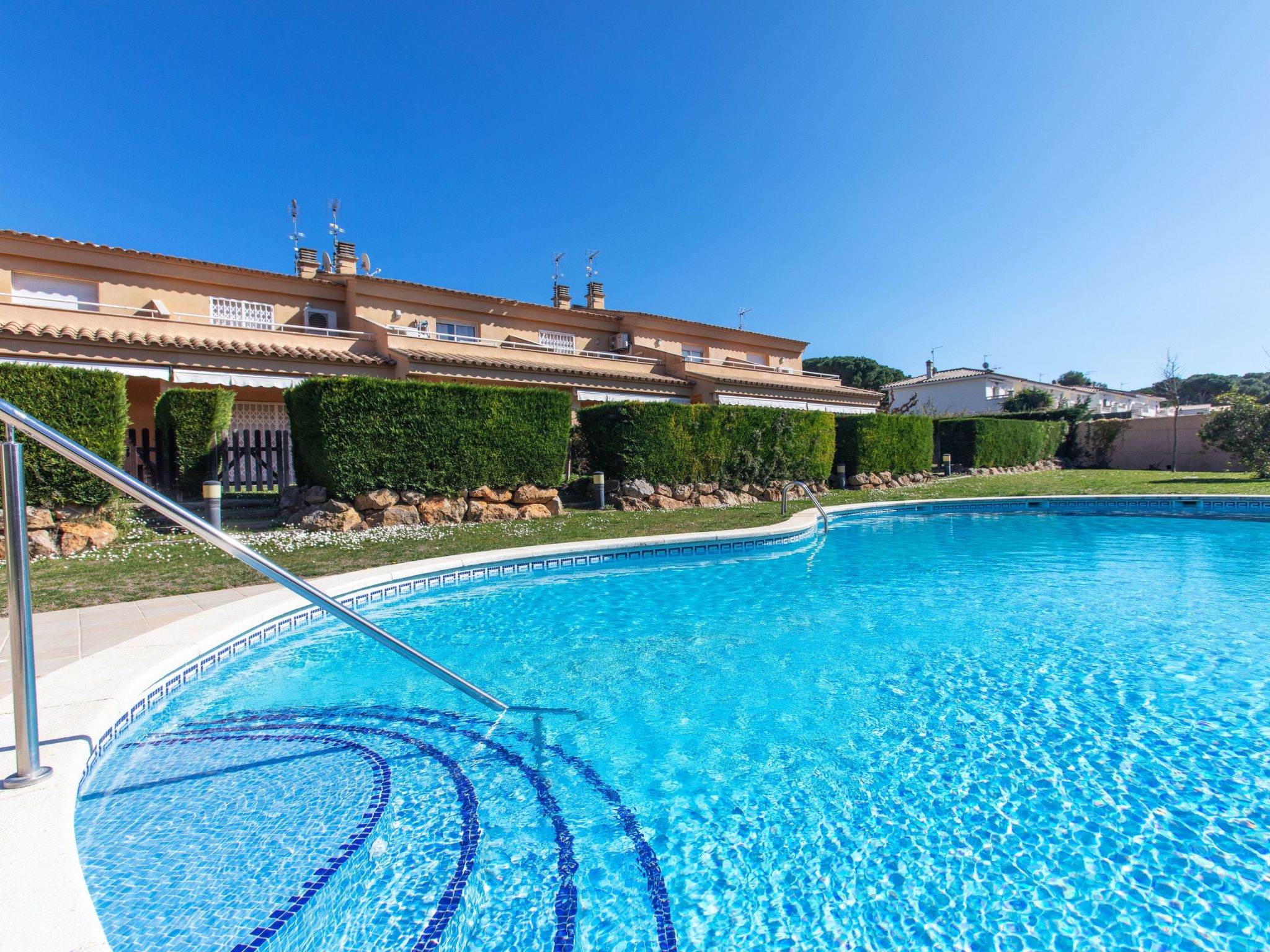
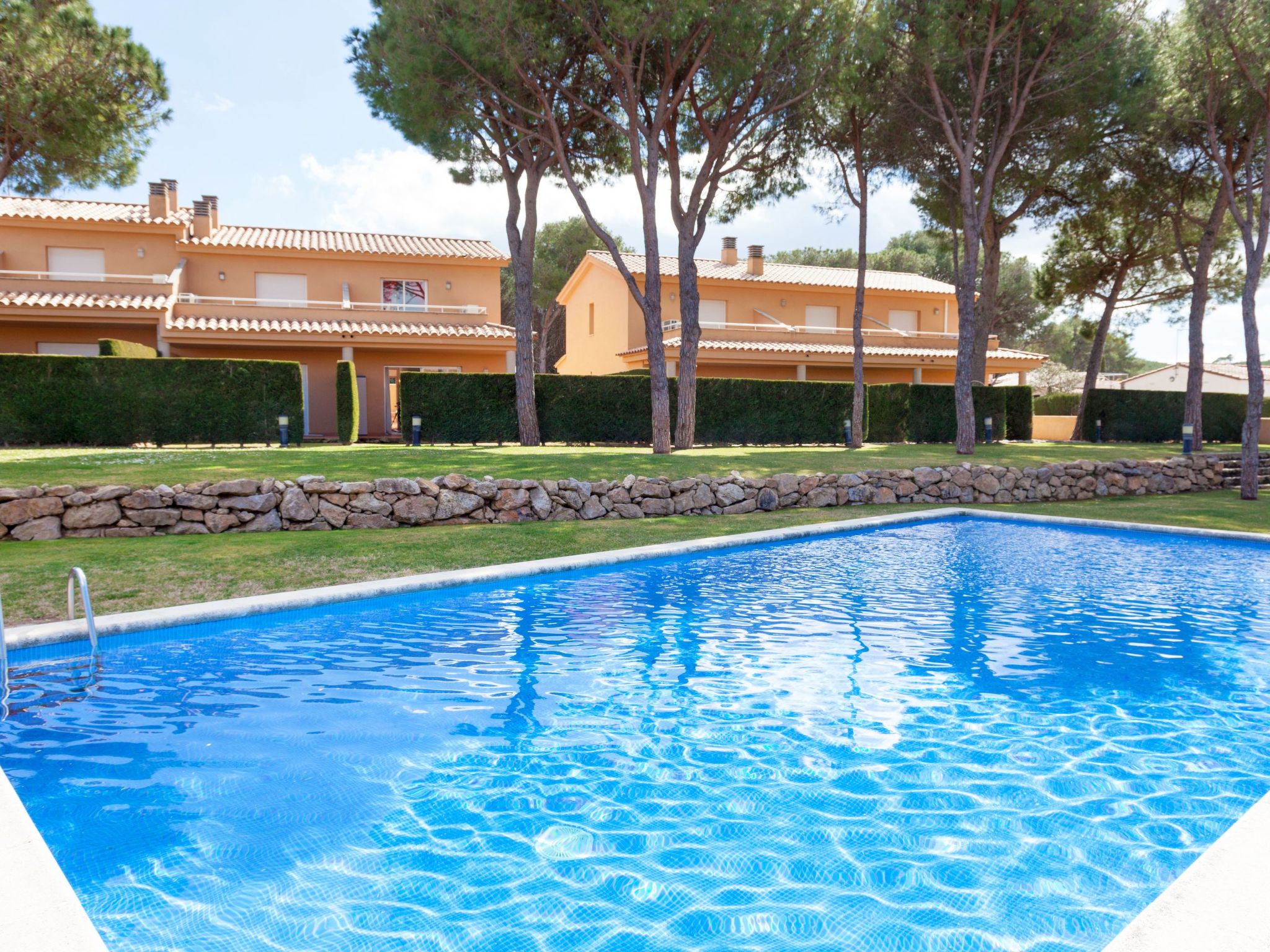
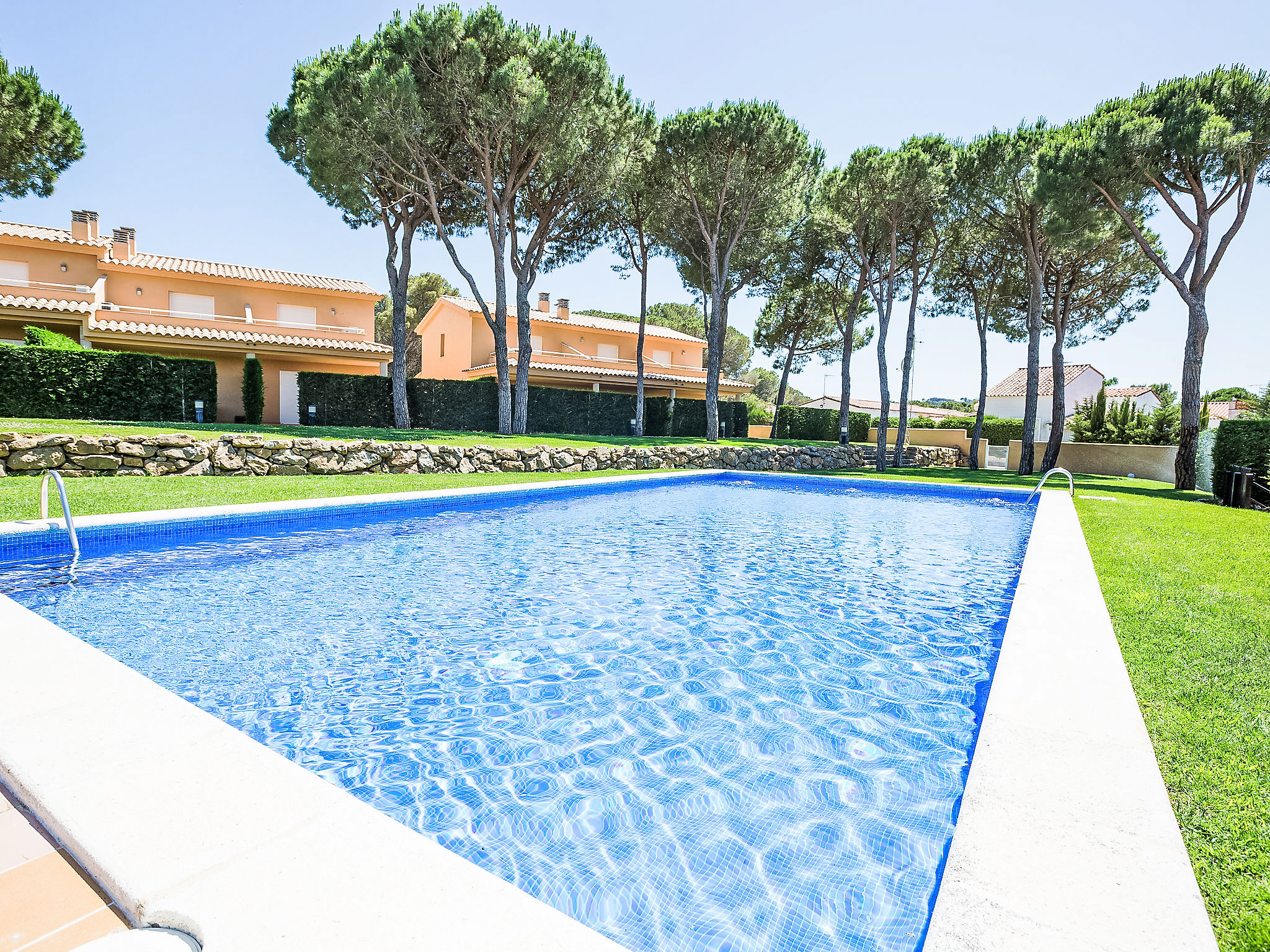
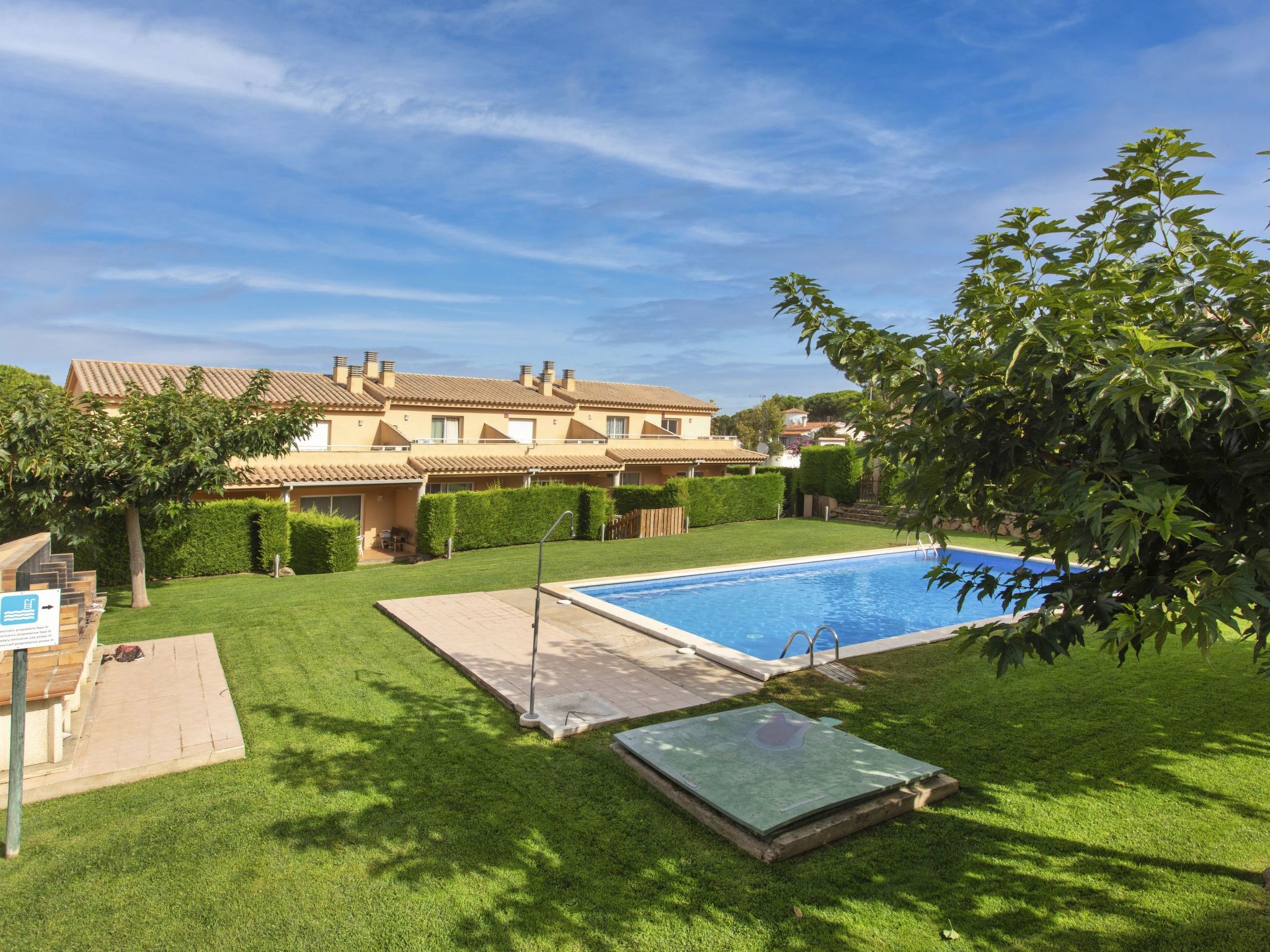
Costa Brava
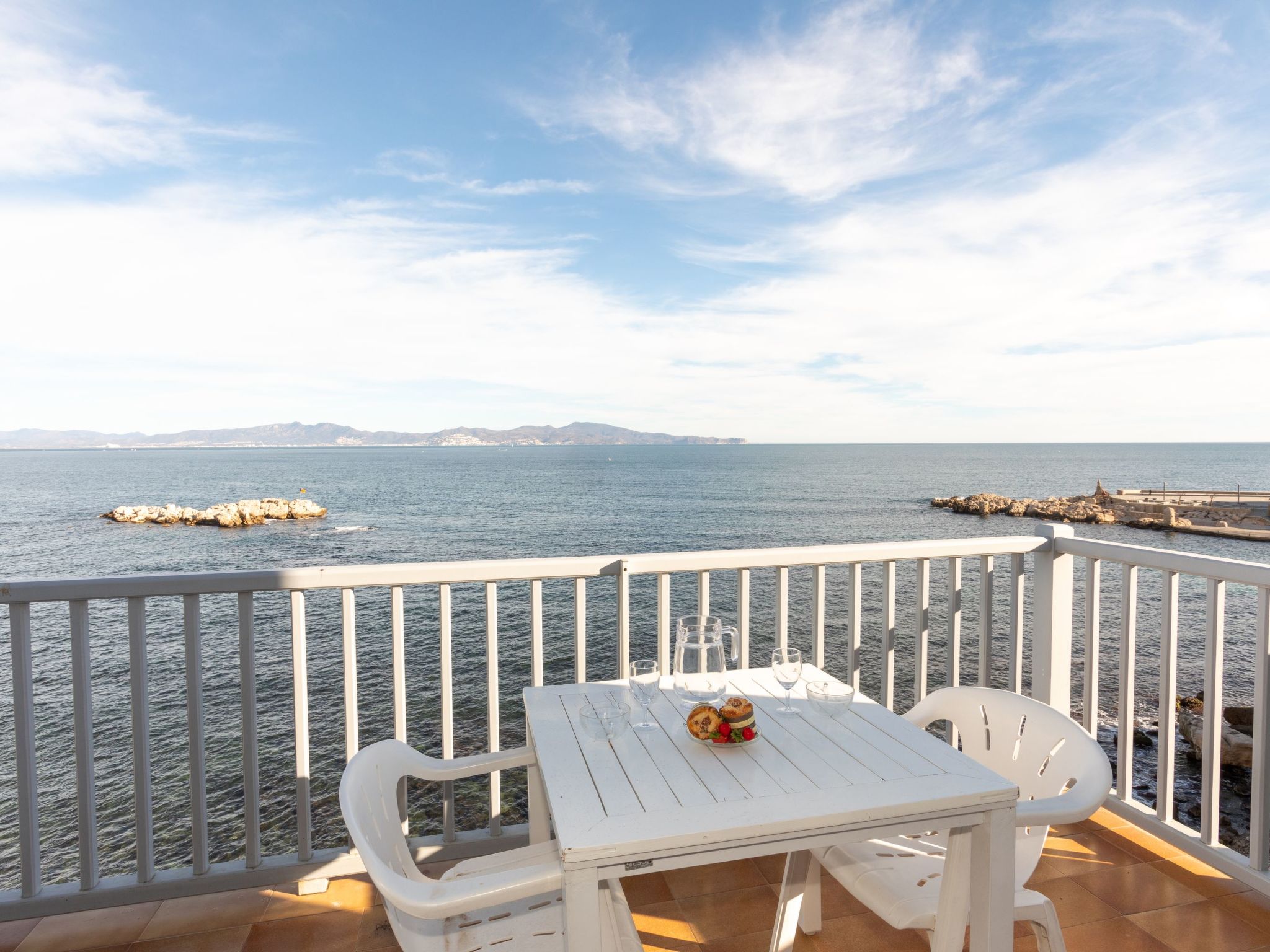
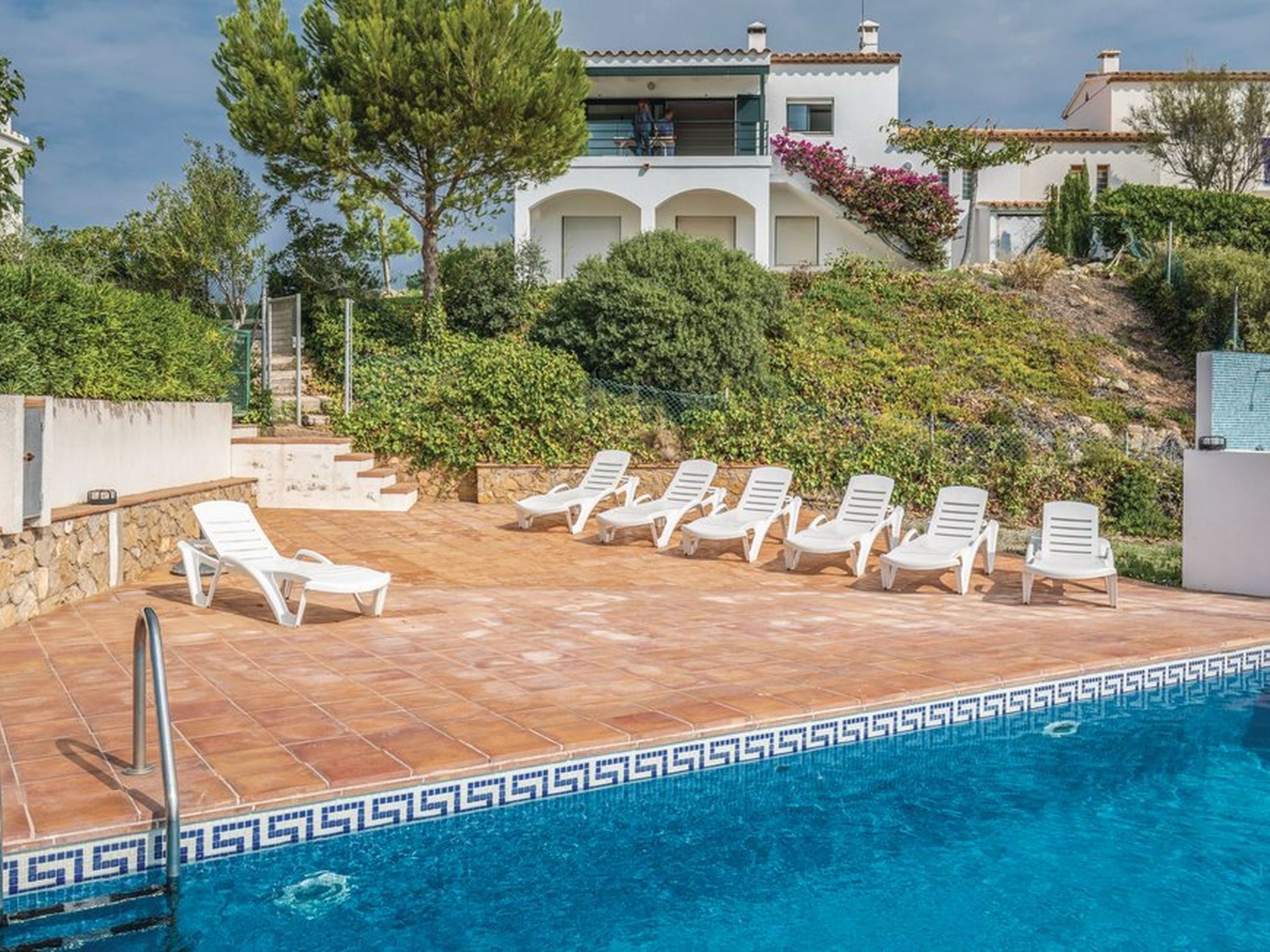
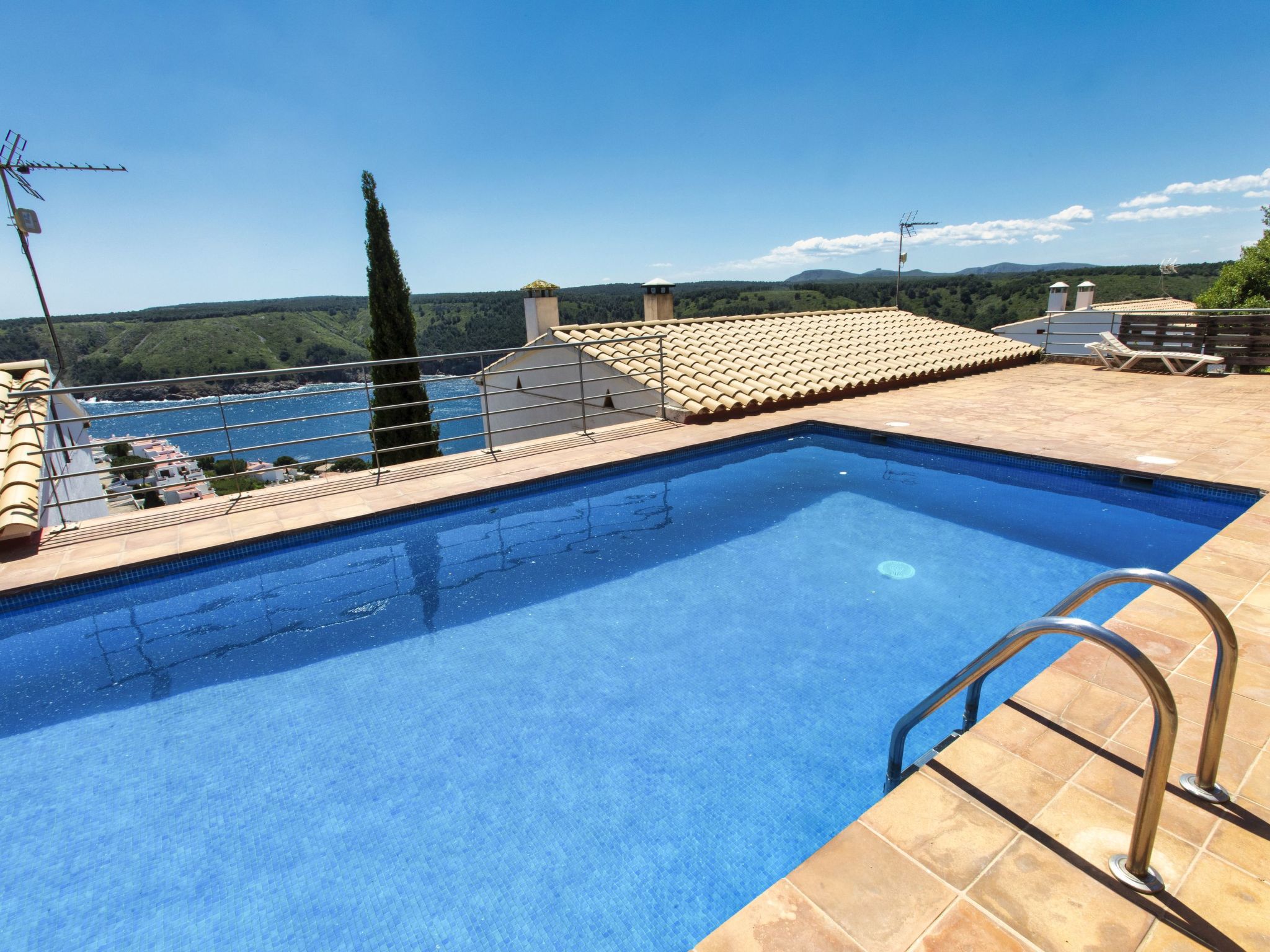
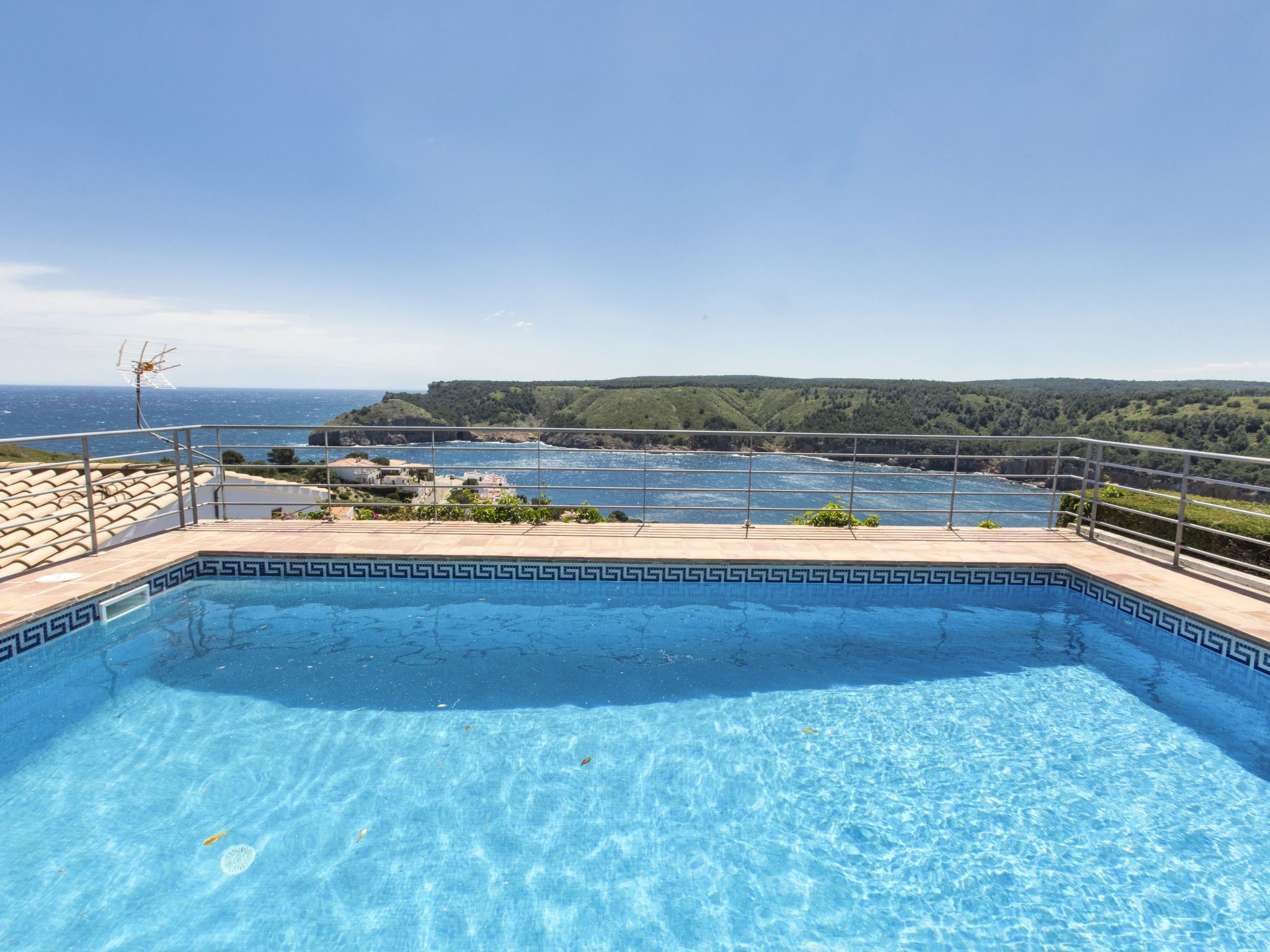
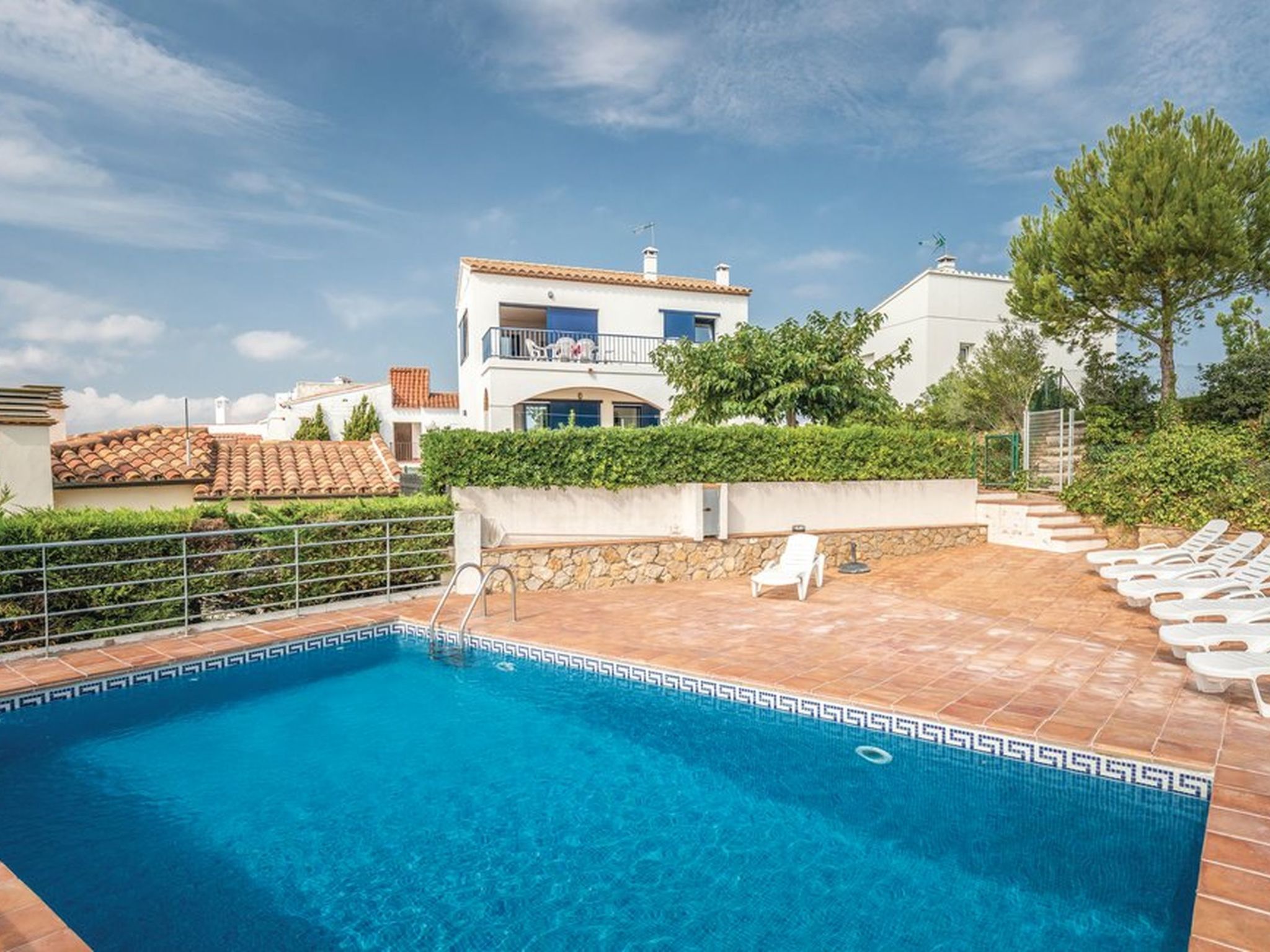
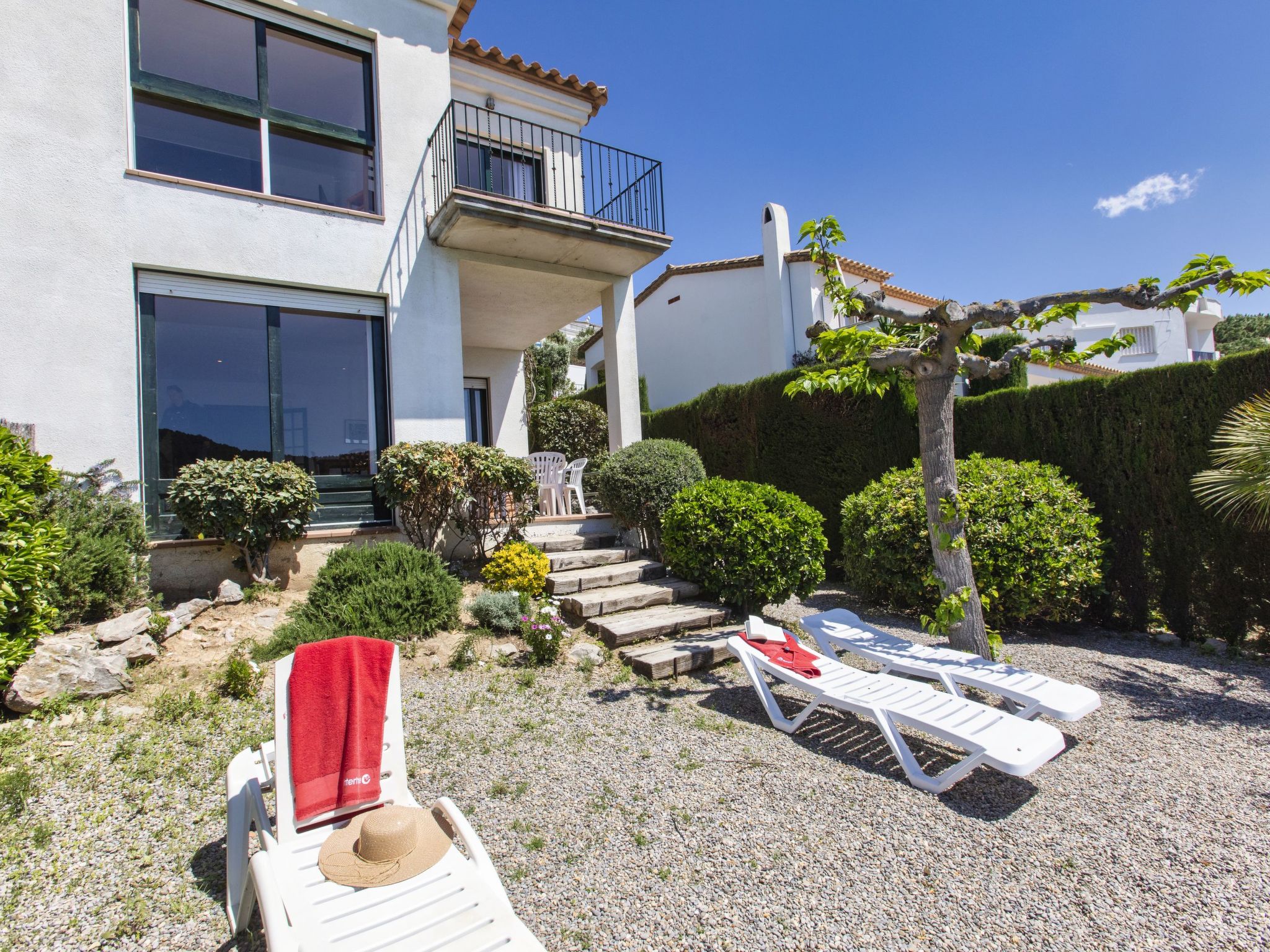
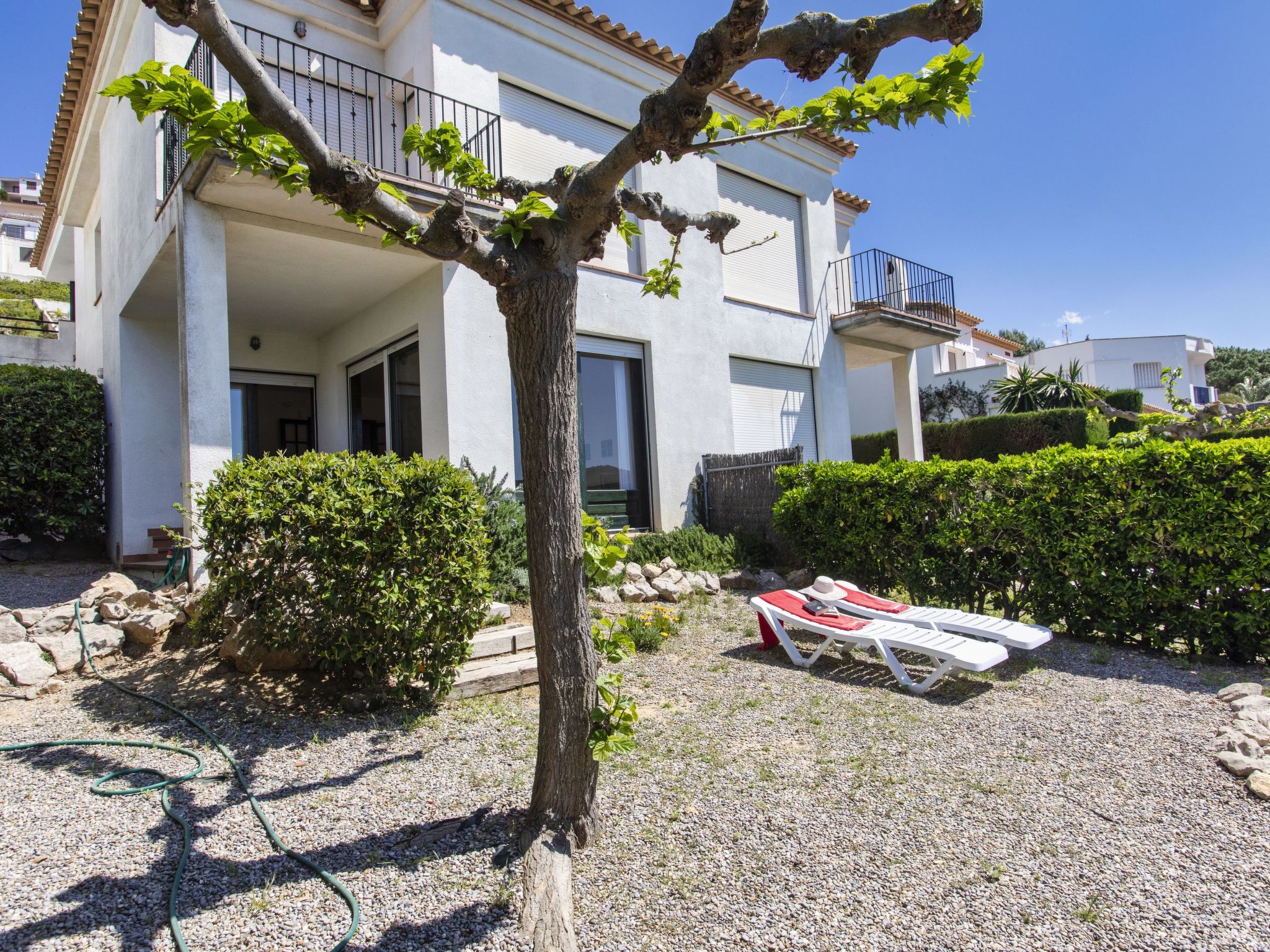
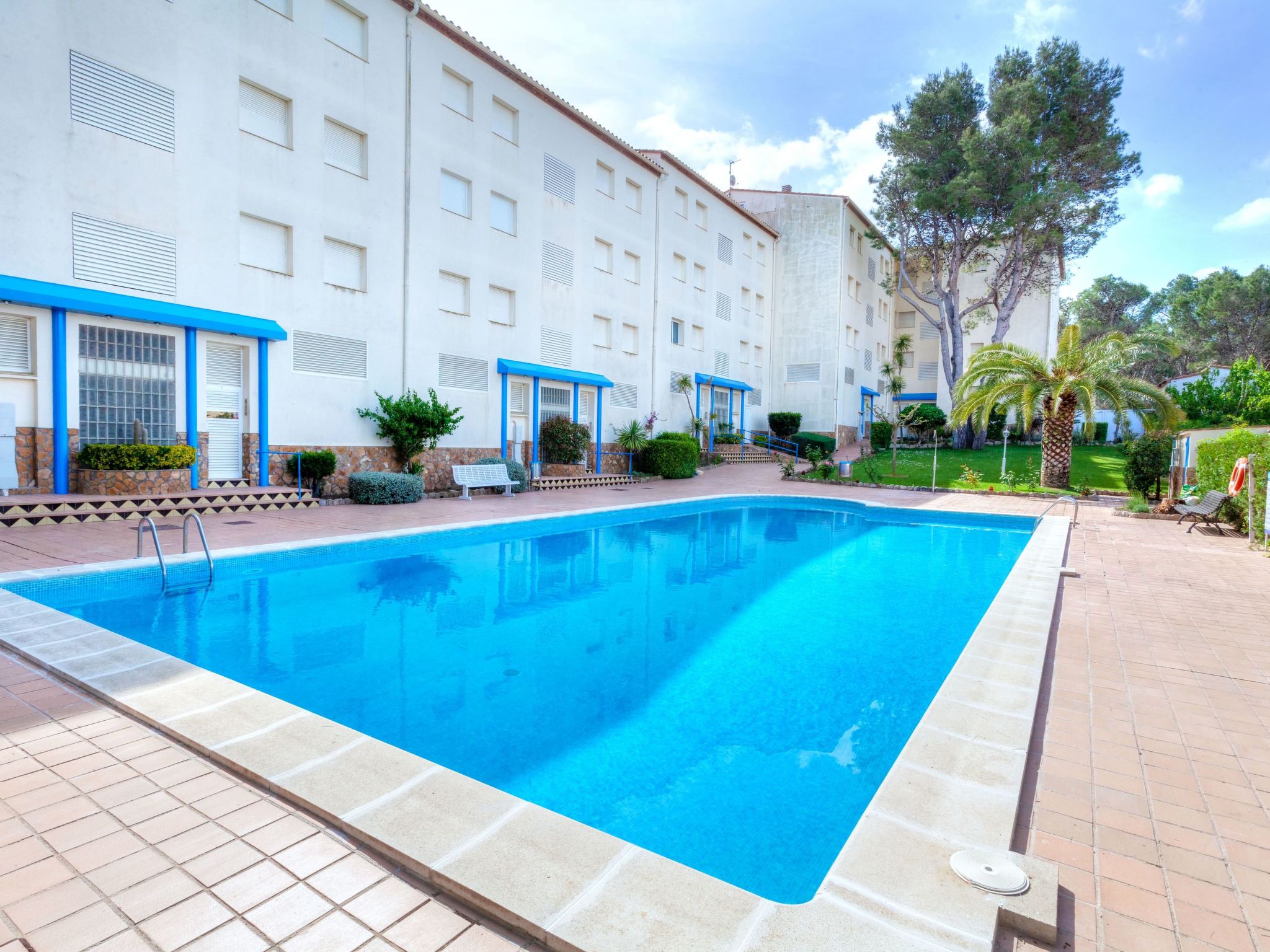
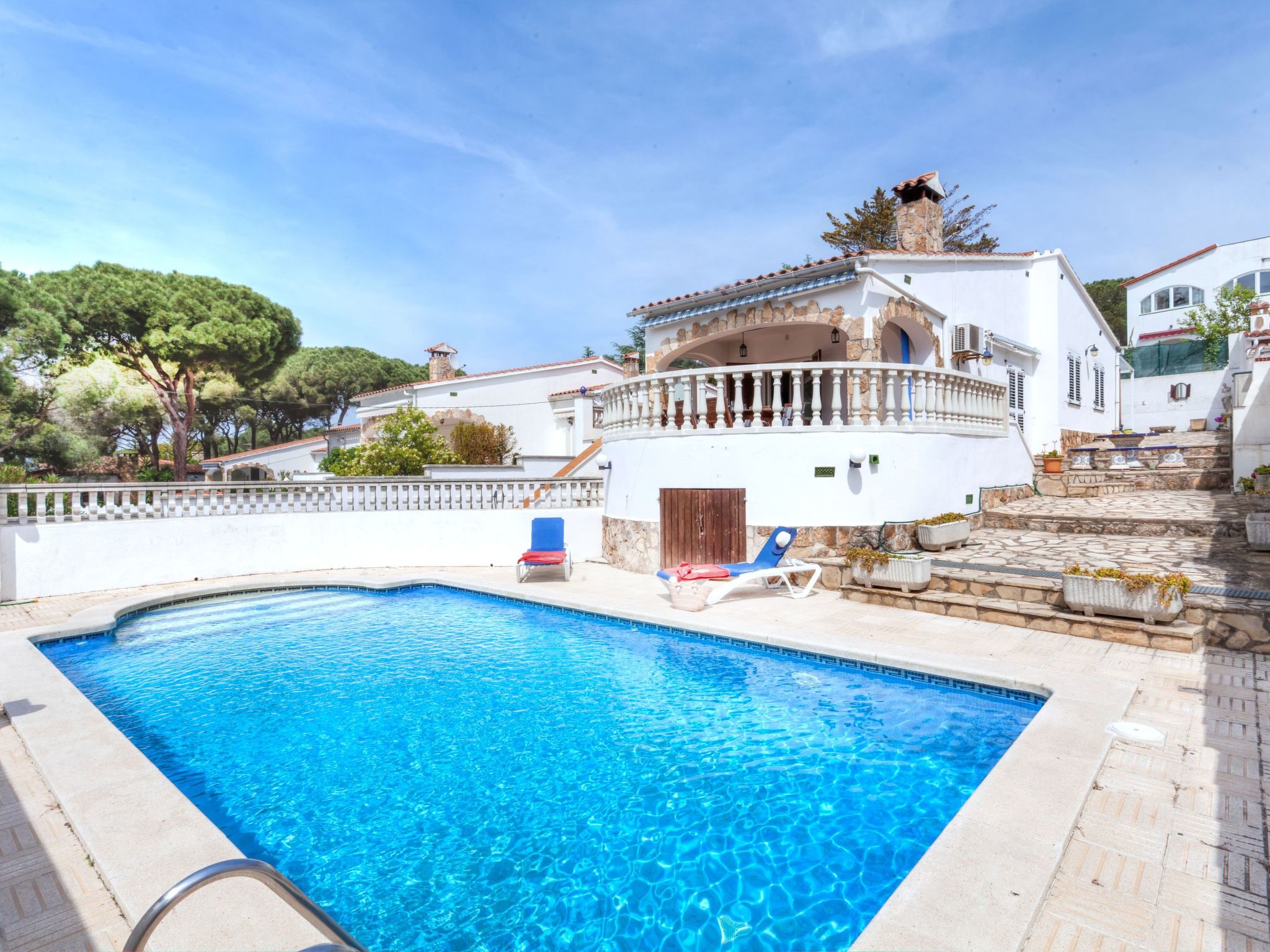
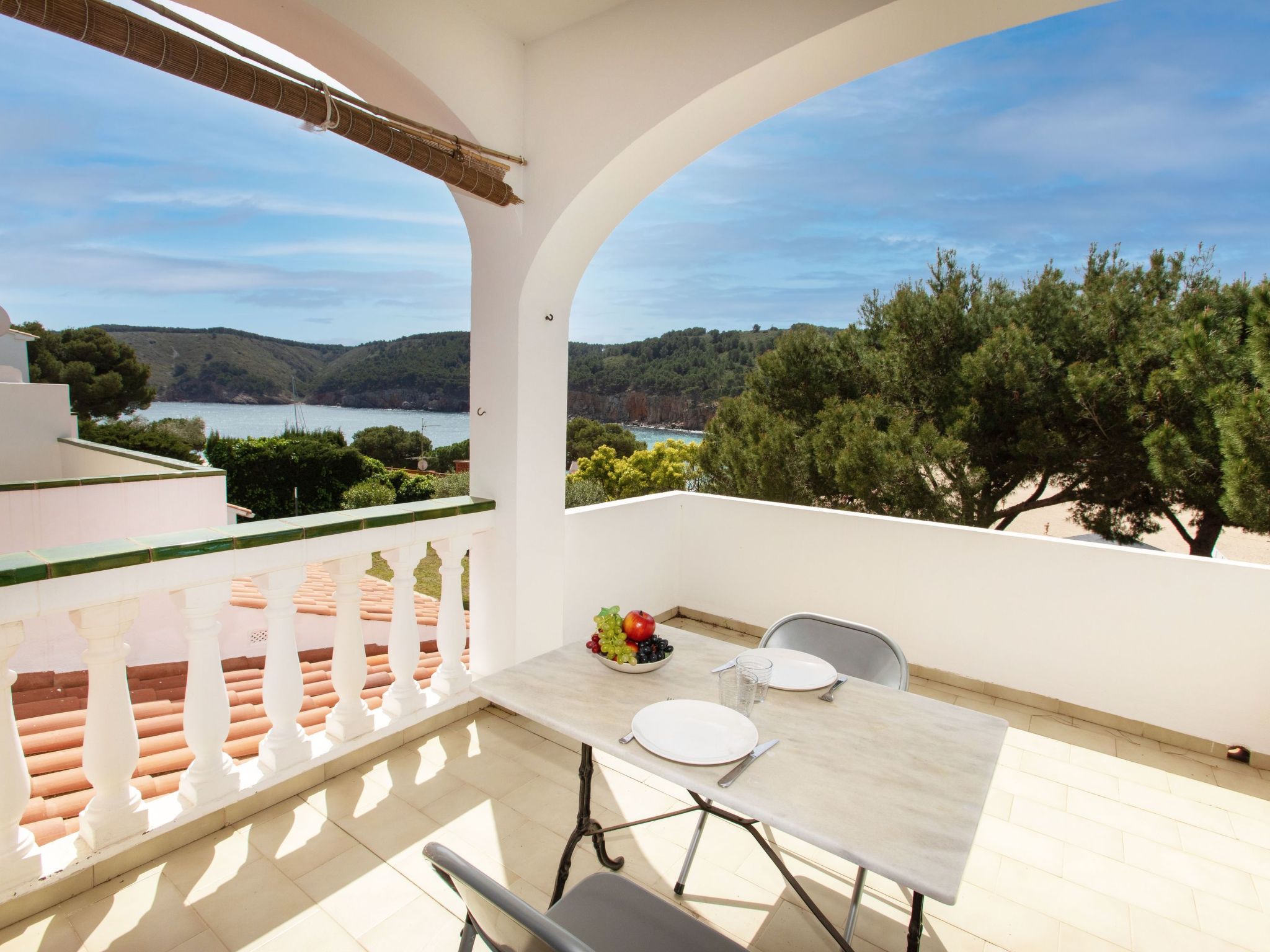
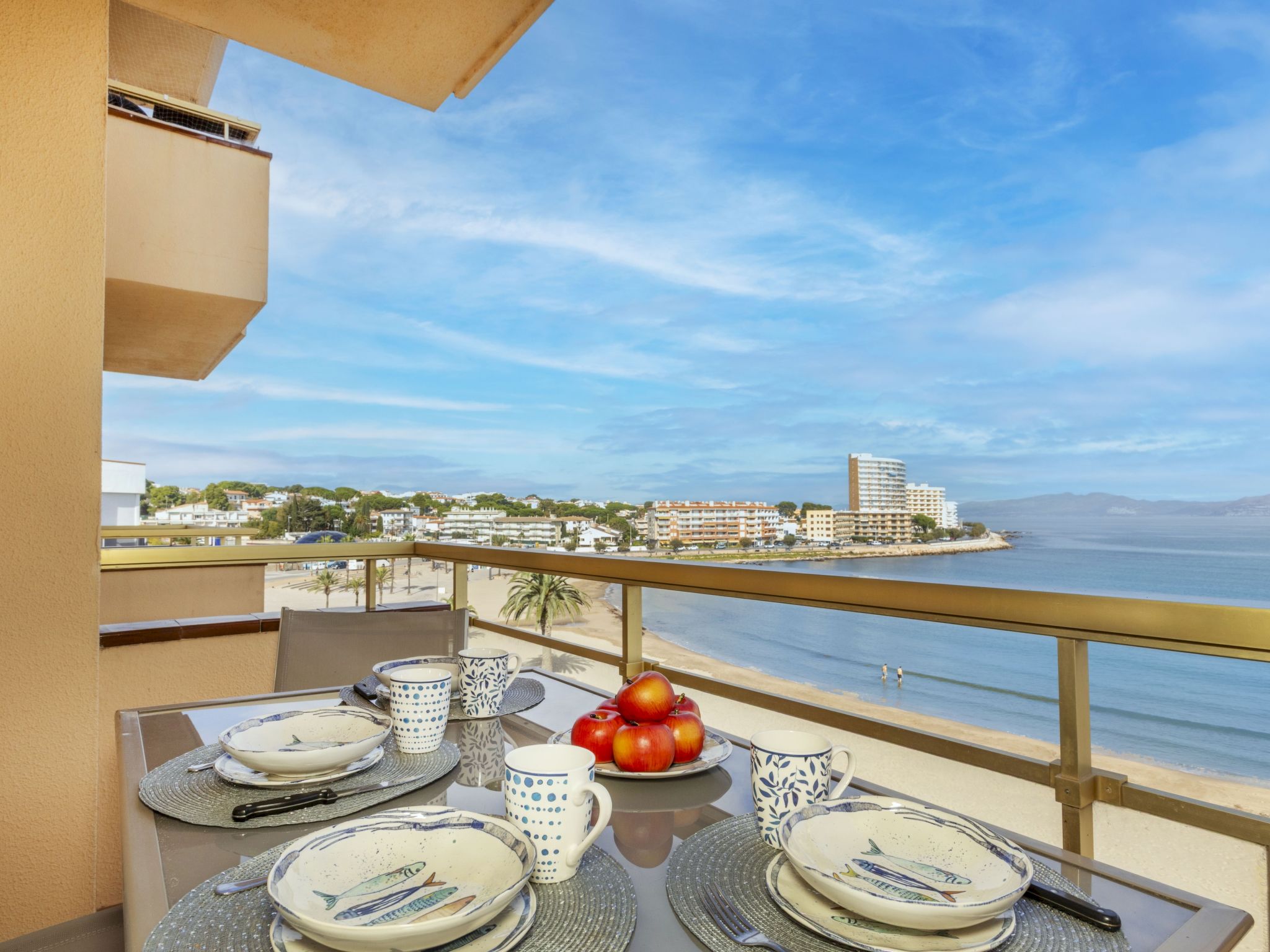
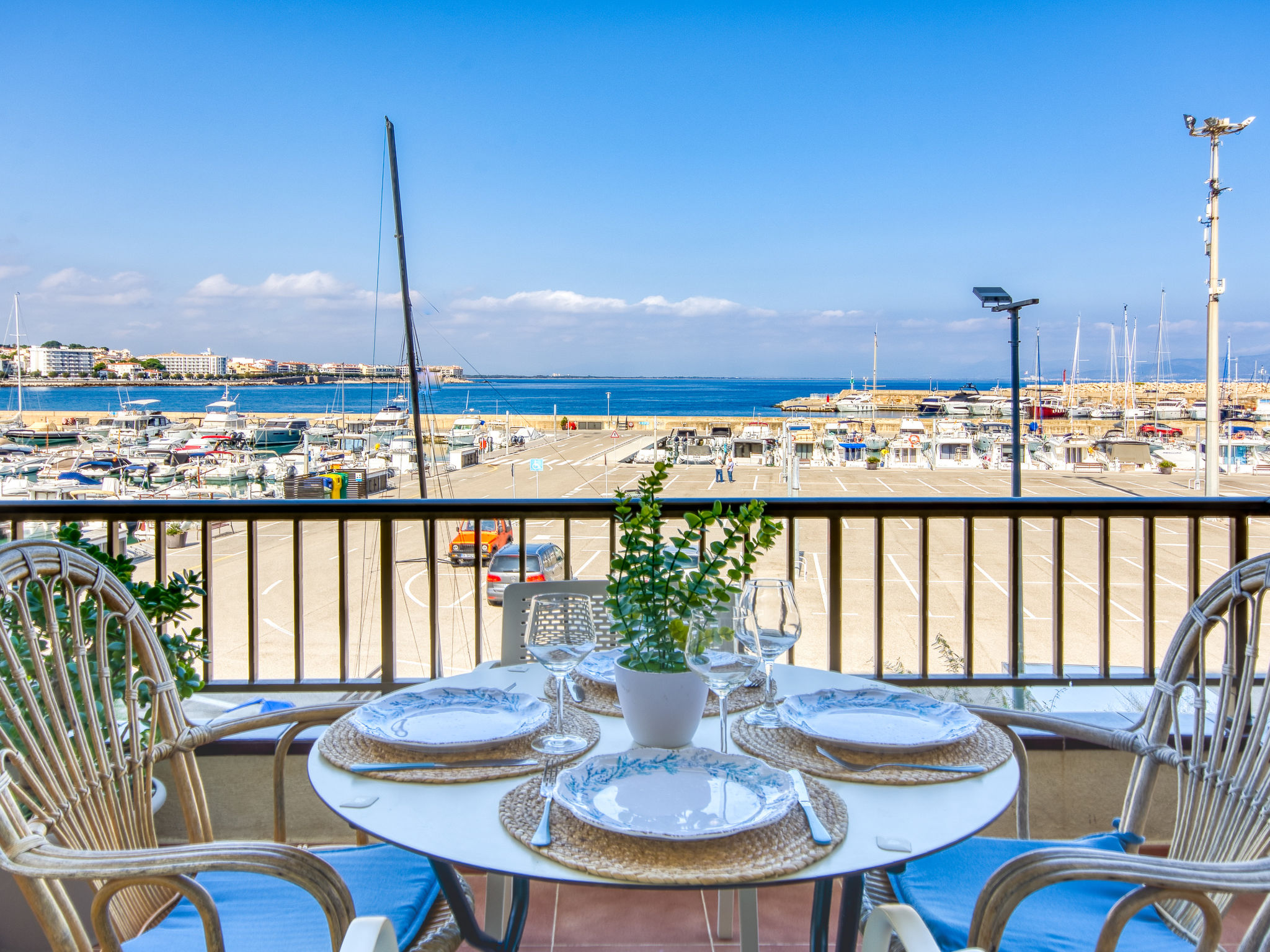
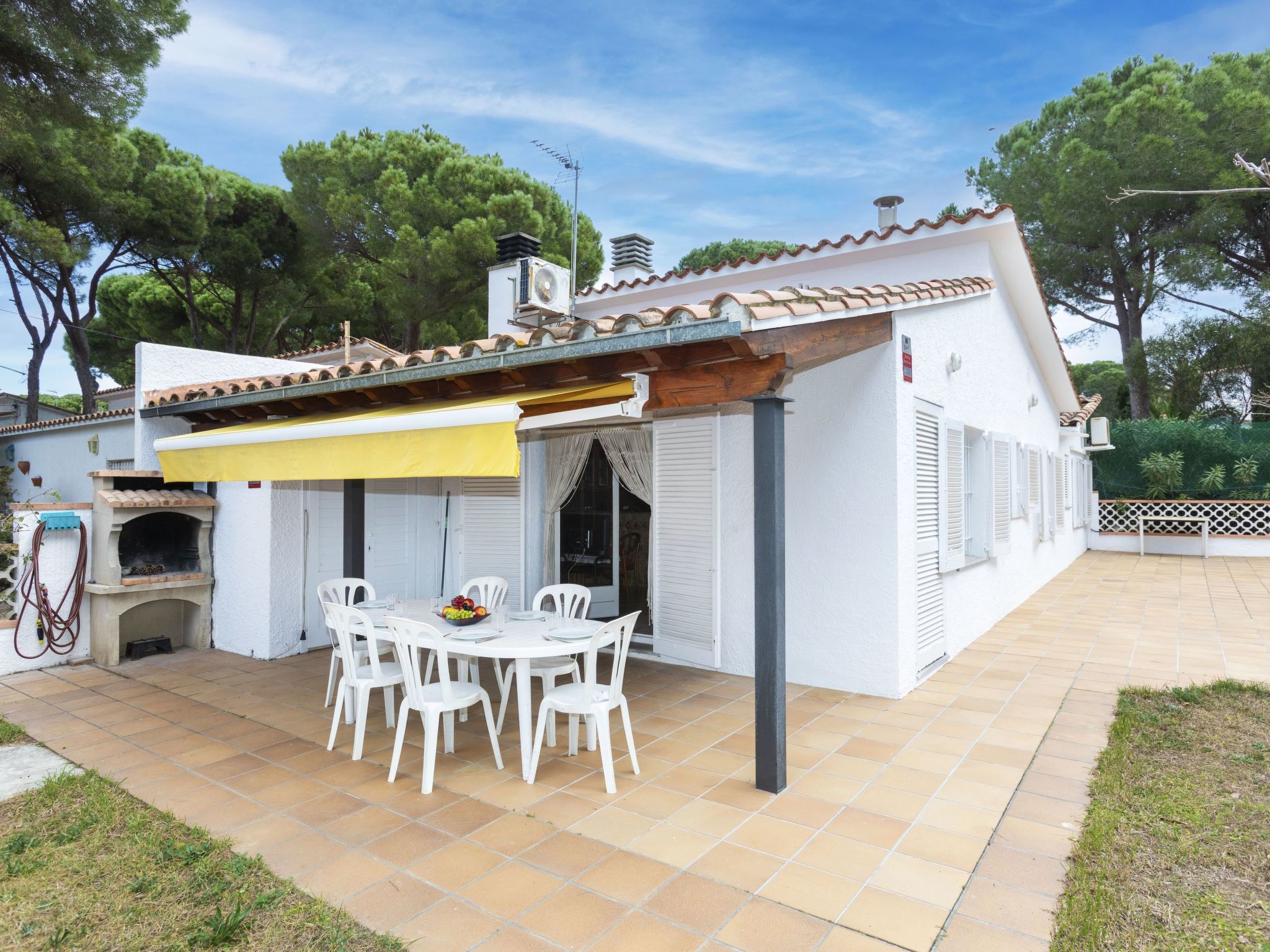
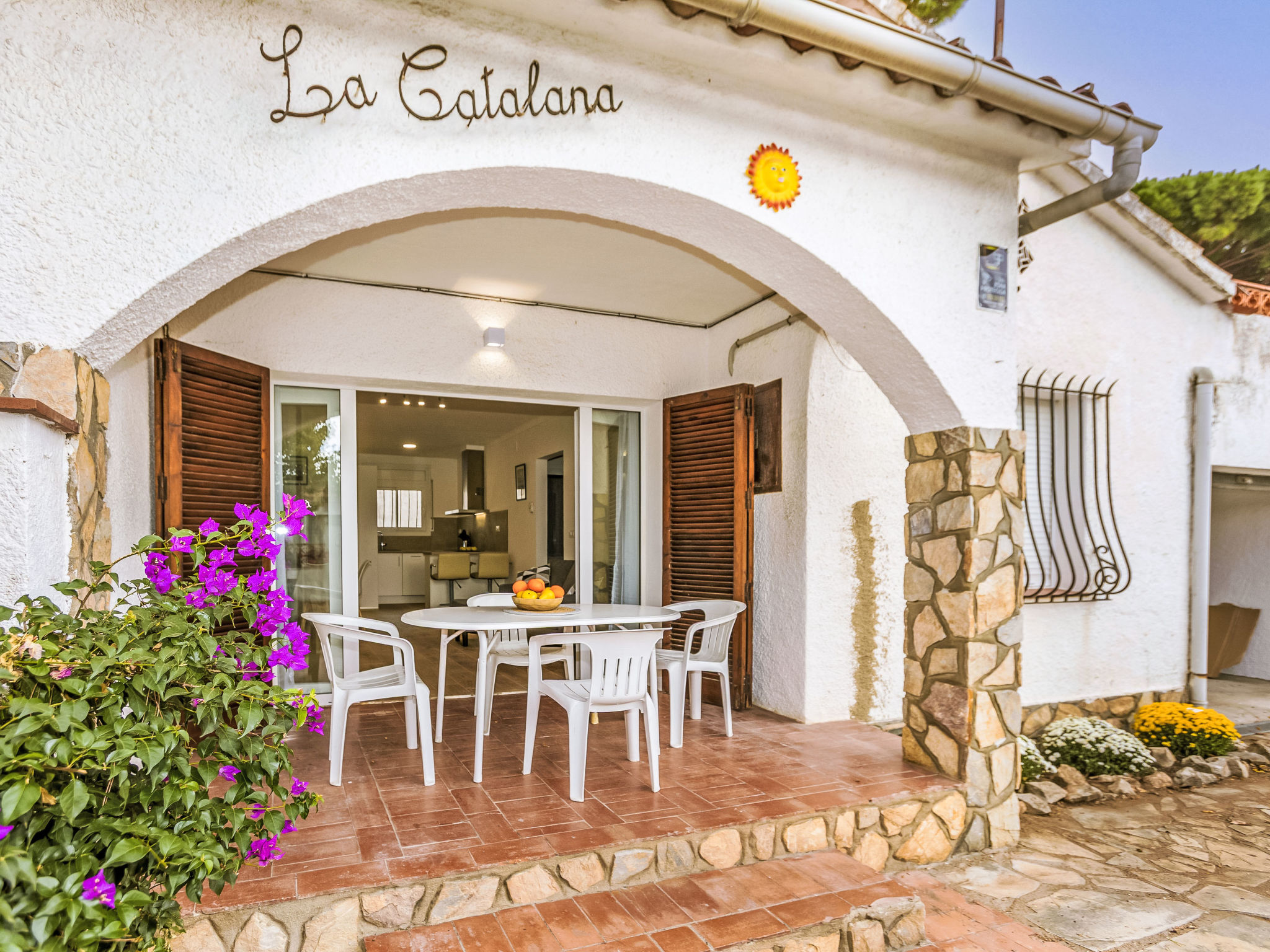
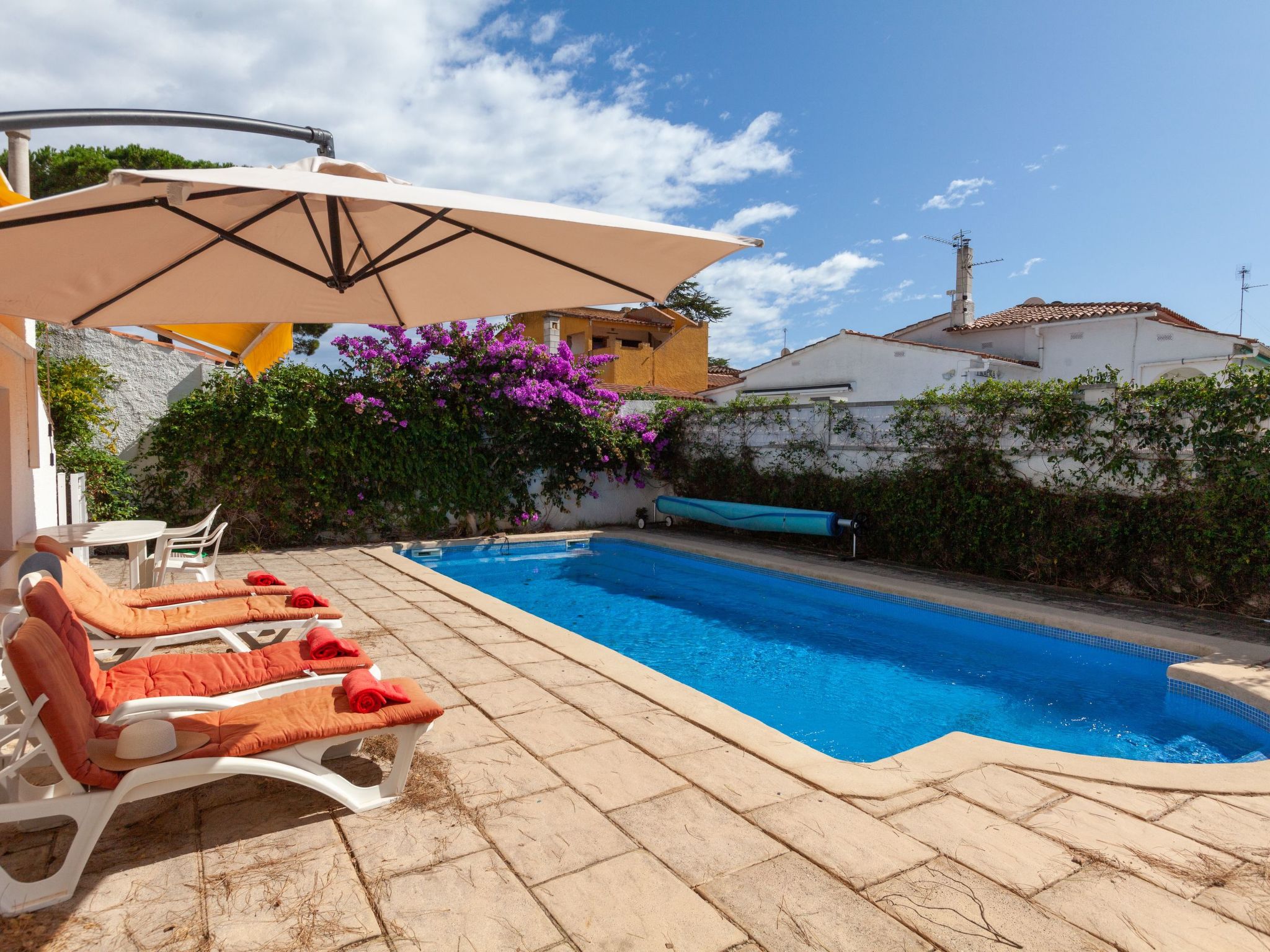
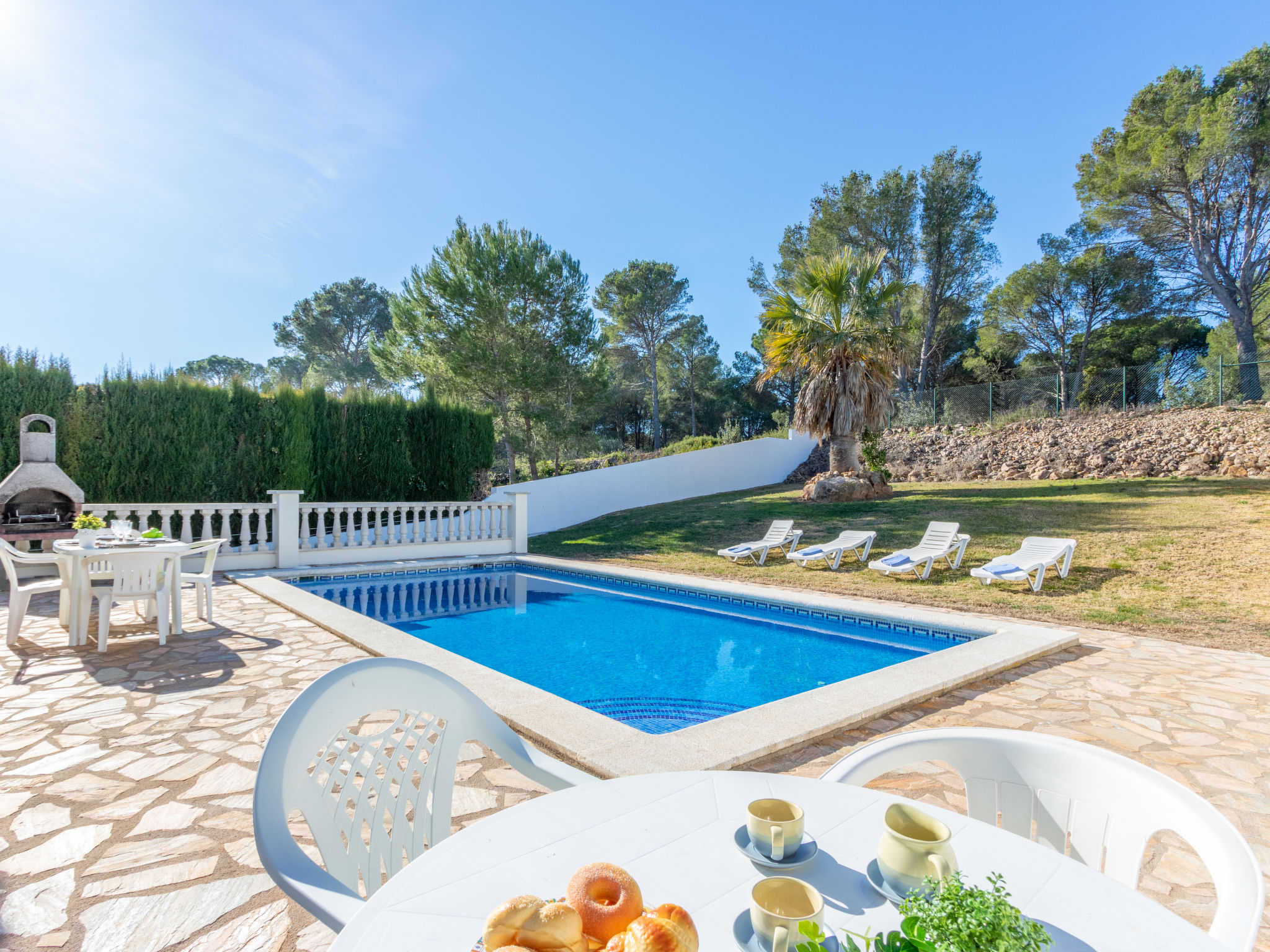
The Costa Brava's craggy coastline draws us back year after year. Unlike the more commercialised stretches south, you'll find rugged cliffs dropping straight into turquoise water, pine forests creeping right down to the shore, and little fishing villages that haven't been completely overhauled for tourism. We love the hiking trails that connect hidden coves, the seafood restaurants where locals still eat, and the fact that you can escape the crowds if you know where to look. Yes, it gets busy in peak summer, and parking can be a nightmare near popular beaches. But that's exactly why we rent villas here rather than hotels; you get your own space to breathe.
What Makes Costa Brava Special
- Coves over beaches. The coastline is carved into dozens of small bays (calas). Each one feels slightly different: some sandy, some rocky, all requiring a bit of effort to reach, which keeps them quieter than the main beaches.
- Mix of nature and culture. Girona city is just inland. Medieval villages like Besalú and Pals are authentic, without feeling like open-air museums. You're not just here for sun.
- Mediterranean food done well. Fresh fish, local wines from Penedès, and restaurants that don't charge tourist rates. We've eaten better seafood here than in much pricier coastal regions.
- Year-round walking. The hiking in nearby Dalí Triangle and along the coast is genuinely good. Spring and autumn are perfect. Summer is too hot for serious walking.
- Spanish (not English) vibes. You'll hear more Catalan than English. That's a feature, not a bug, since this region holds onto its identity.
Top Towns & Resorts in Costa Brava
Lloret de Mar
The main resort town, and honestly, it's a trade-off. Lloret has the best infrastructure: good restaurants, a long sandy beach, nightlife if you want it, easy access to water sports. But it's also the busiest. Summer sees coach parties and the beach gets rammed by mid-morning. If you want to stay near good amenities but avoid the absolute chaos, rent a villa in the quieter hills just inland. You'll be 10 minutes from the beach but feel worlds away from the noise.
Tossa de Mar
A genuine working town with an actual old town (the Vila Vella) perched on a headland. The main beach is small but sheltered. What we like is the lack of overdevelopment: most accommodation is tucked away, so the seafront doesn't feel like a concrete strip. It gets plenty of visitors, but fewer than Lloret. The downside is limited nightlife if that's your thing, and parking near the centre is tight during summer.
Girona City
Not coastal, but so close (45 minutes) that it works as a base. Medieval walls, Romanesque cathedral, first-rate museums, and proper restaurants where locals eat every night. The old town is one of Spain's most walkable. You miss out on easy beach access, but if you want a cultural anchor to your trip—somewhere you can spend a morning wandering—Girona delivers. Summer crowds are manageable compared to Barcelona.
Pals & Peratallada
Two neighbouring medieval villages, inland from the coast. Pals has a famous long beach (Platja de Pals), while the villages themselves are beautifully preserved with stone streets, old gates, and views across farmland. They're genuinely quiet because tourism hasn't completely taken over. The beach is gorgeous but can get crowded in July and August. If you want to experience 11th-century Catalonia without a museum feel, stay here.
Cadaqués
The northernmost resort, famous for its artistic heritage and bohemian atmosphere. The town climbs steeply from a small beach, with whitewashed houses and a real sense of character. It's remote: you'll drive through empty hills to get there, which keeps out casual tourists. But this remoteness also means fewer shops, fewer restaurants, and limited options if something goes wrong. The light here is genuinely special, which explains why painters settled here. Expect to pay more for less convenience.