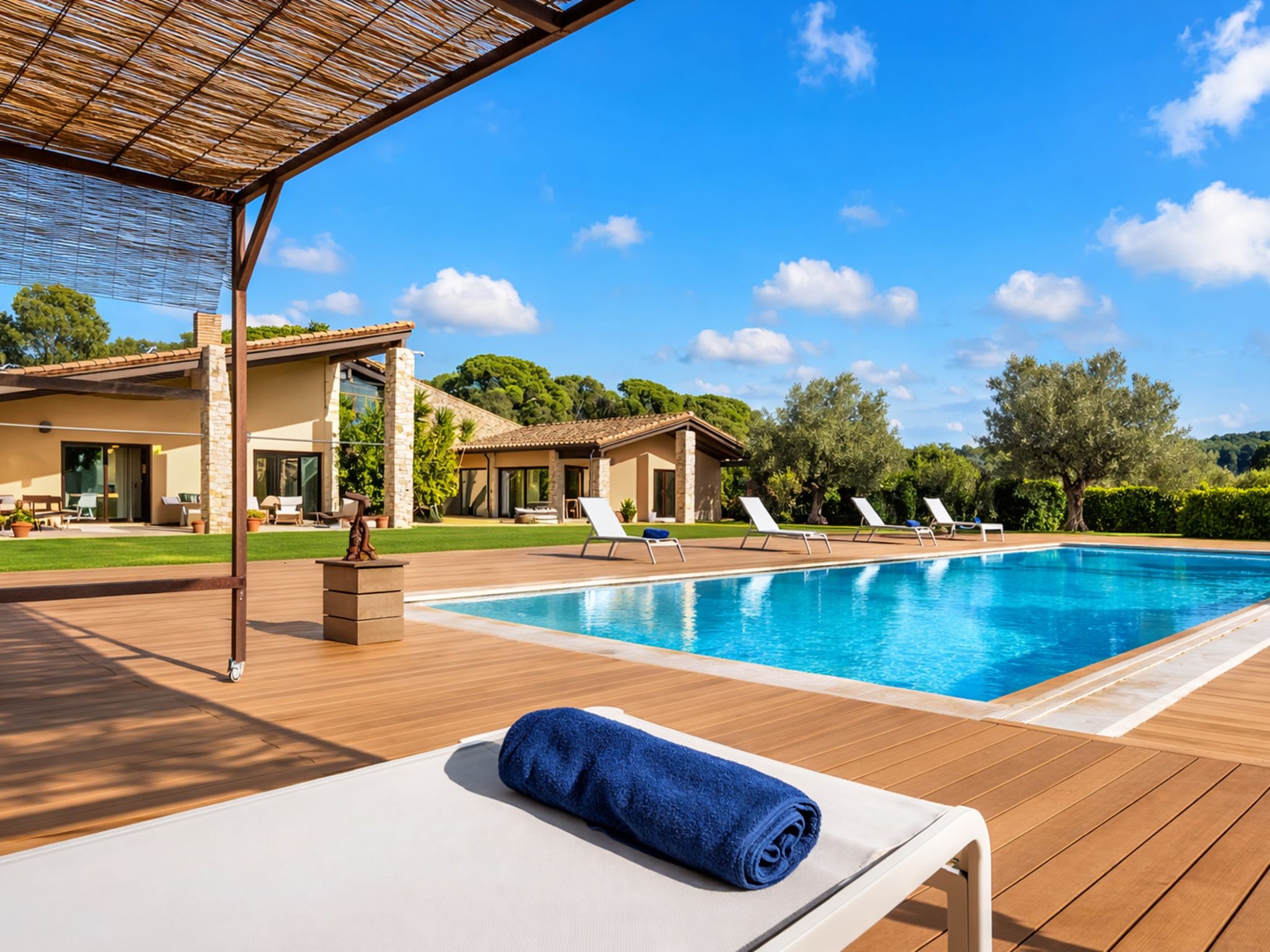
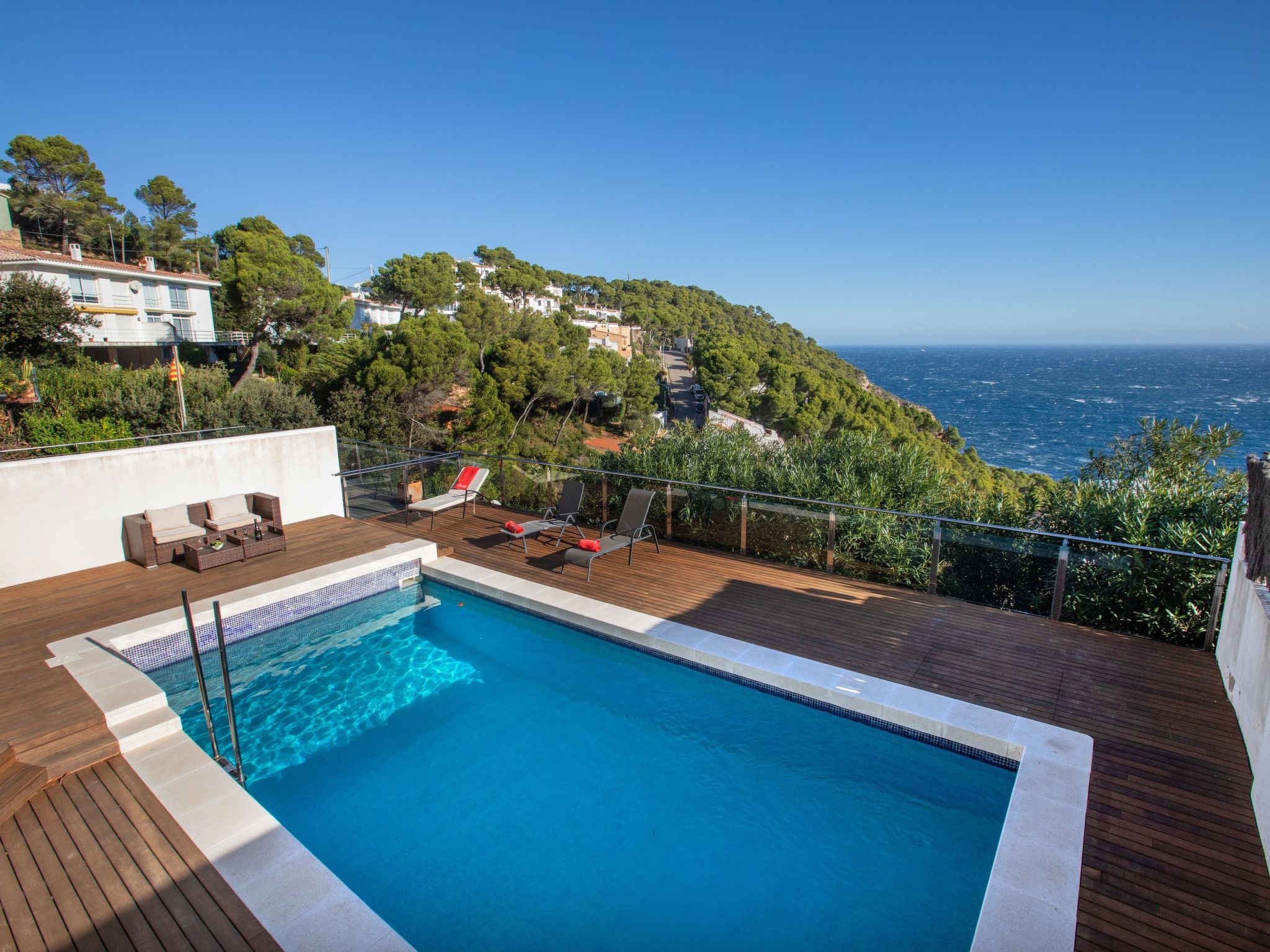
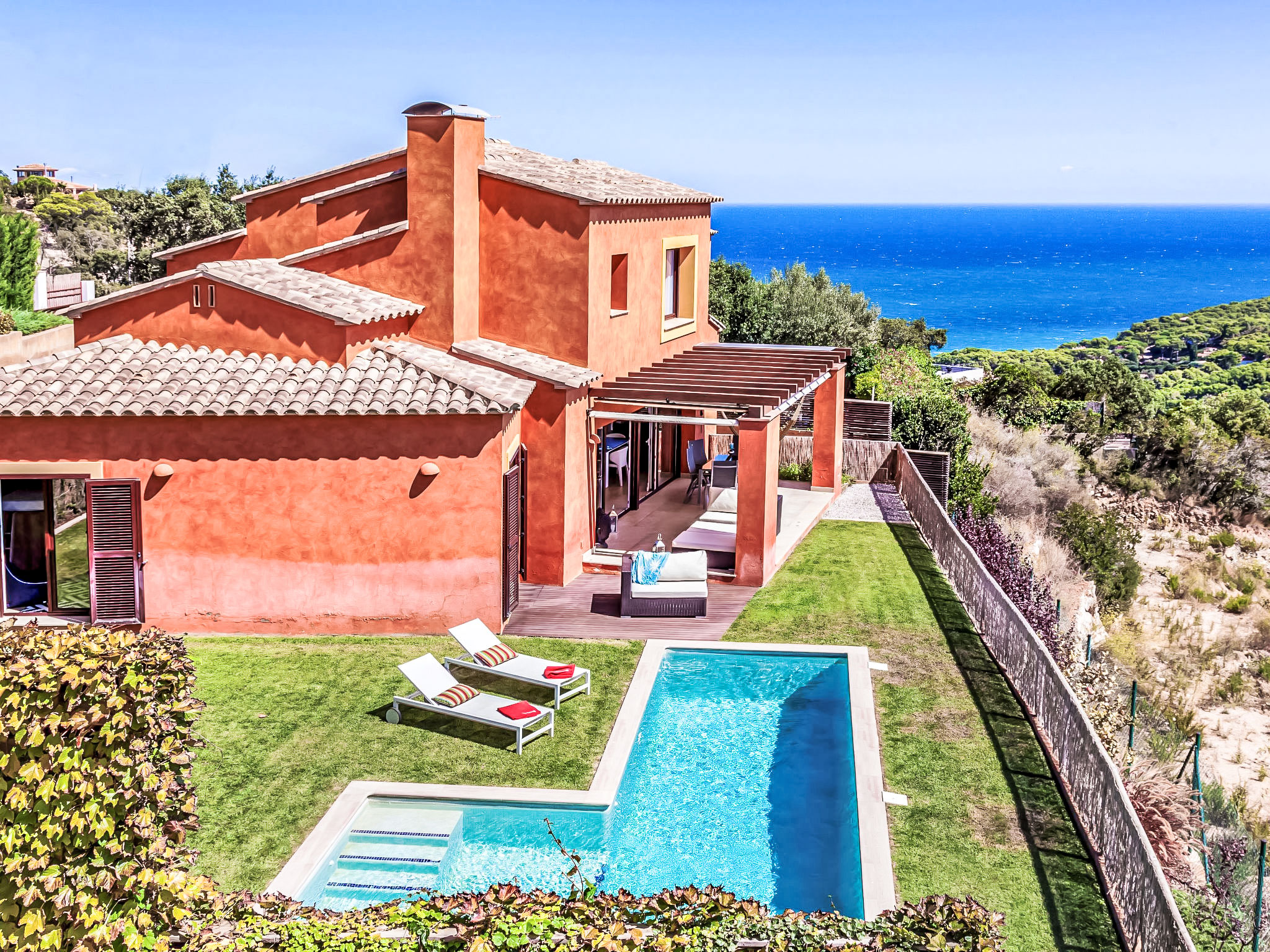
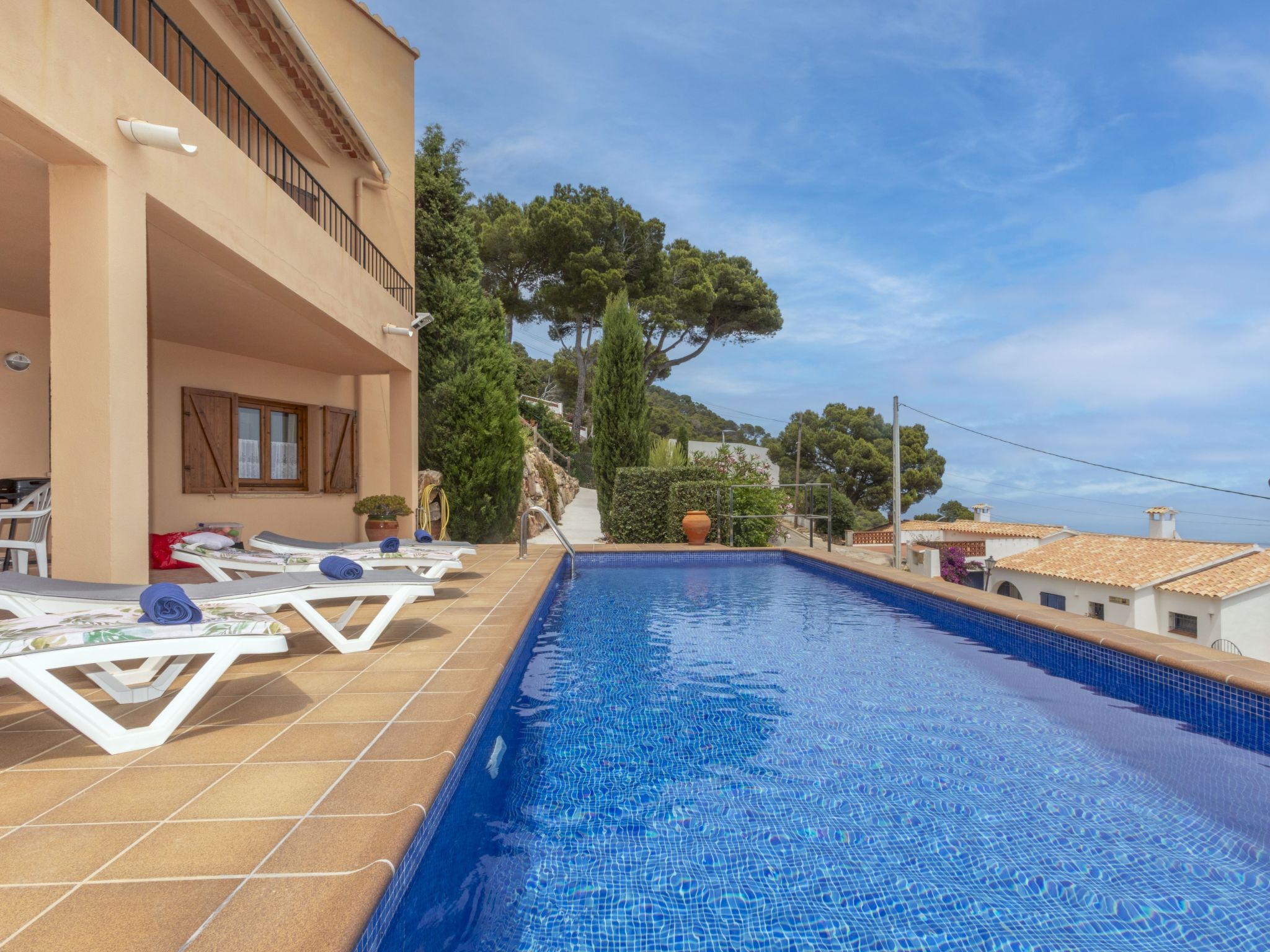
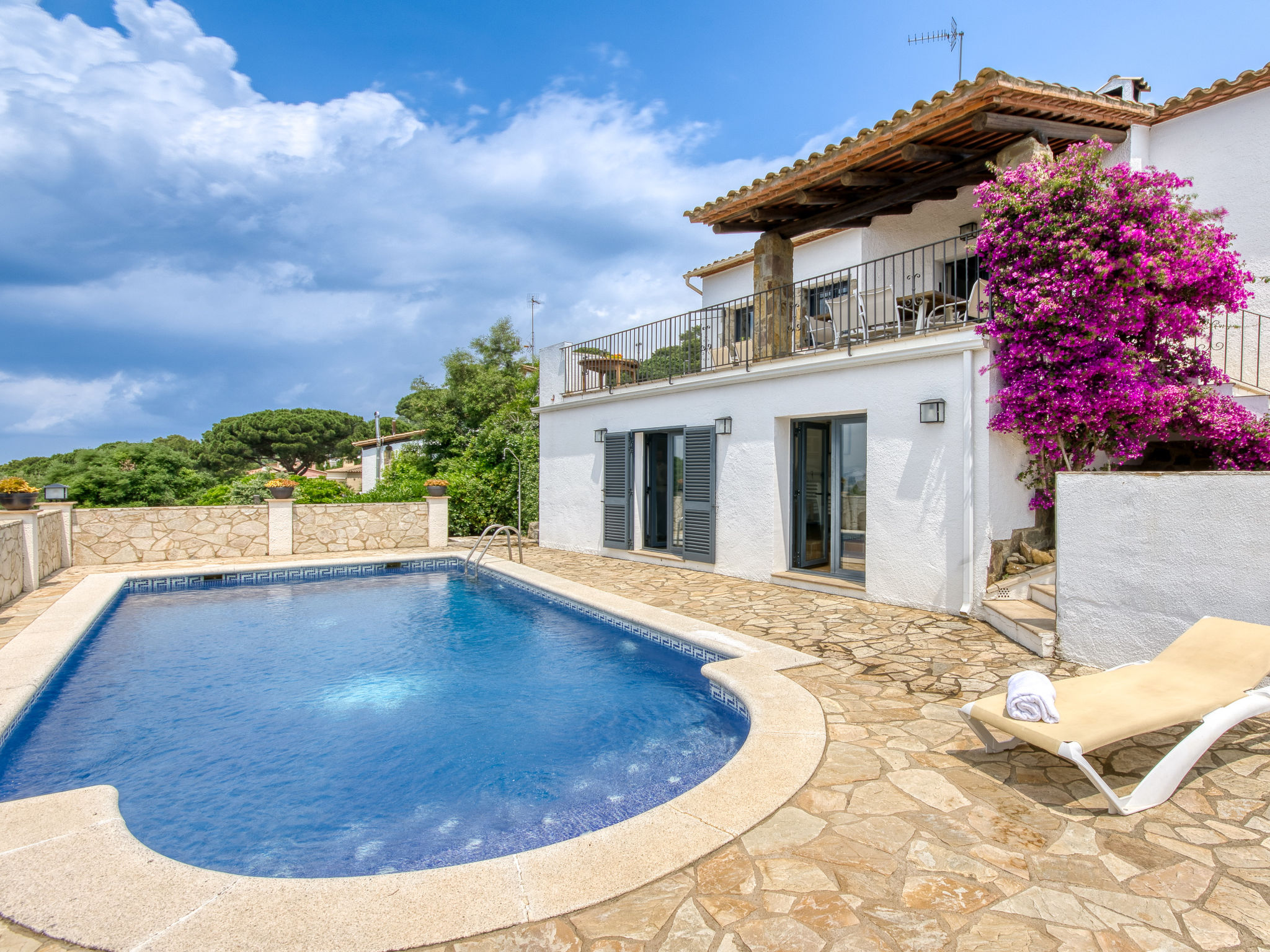
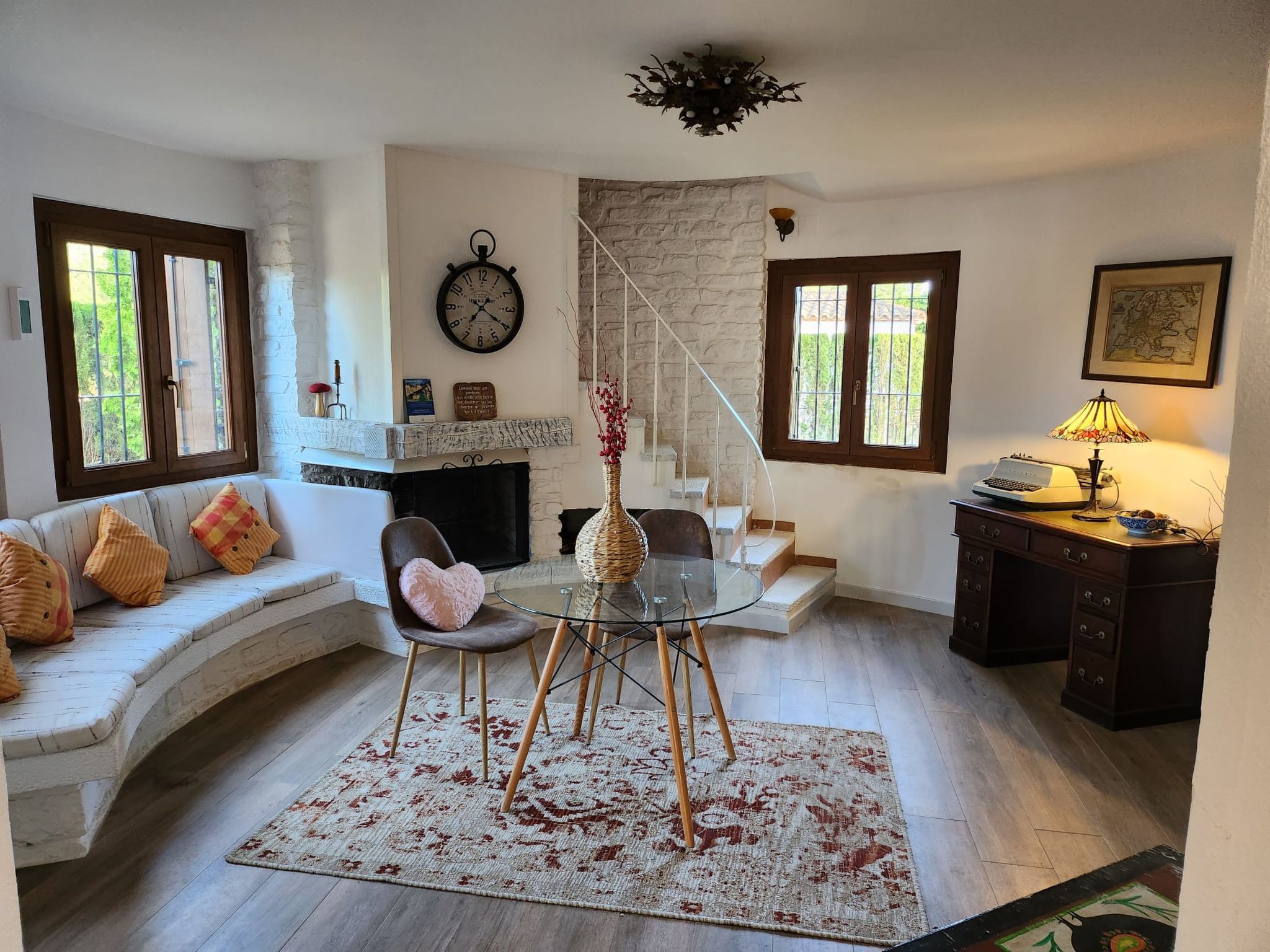
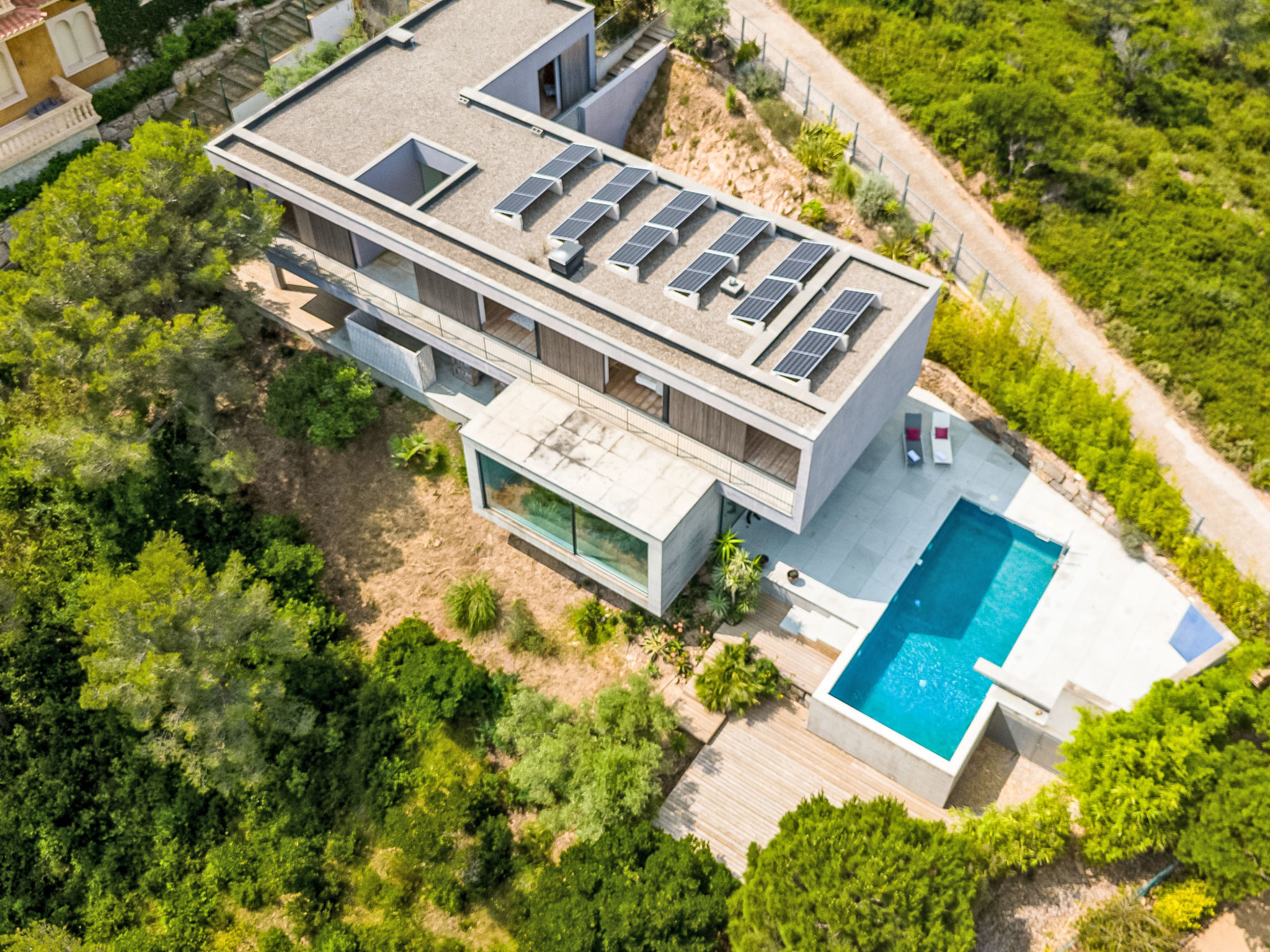
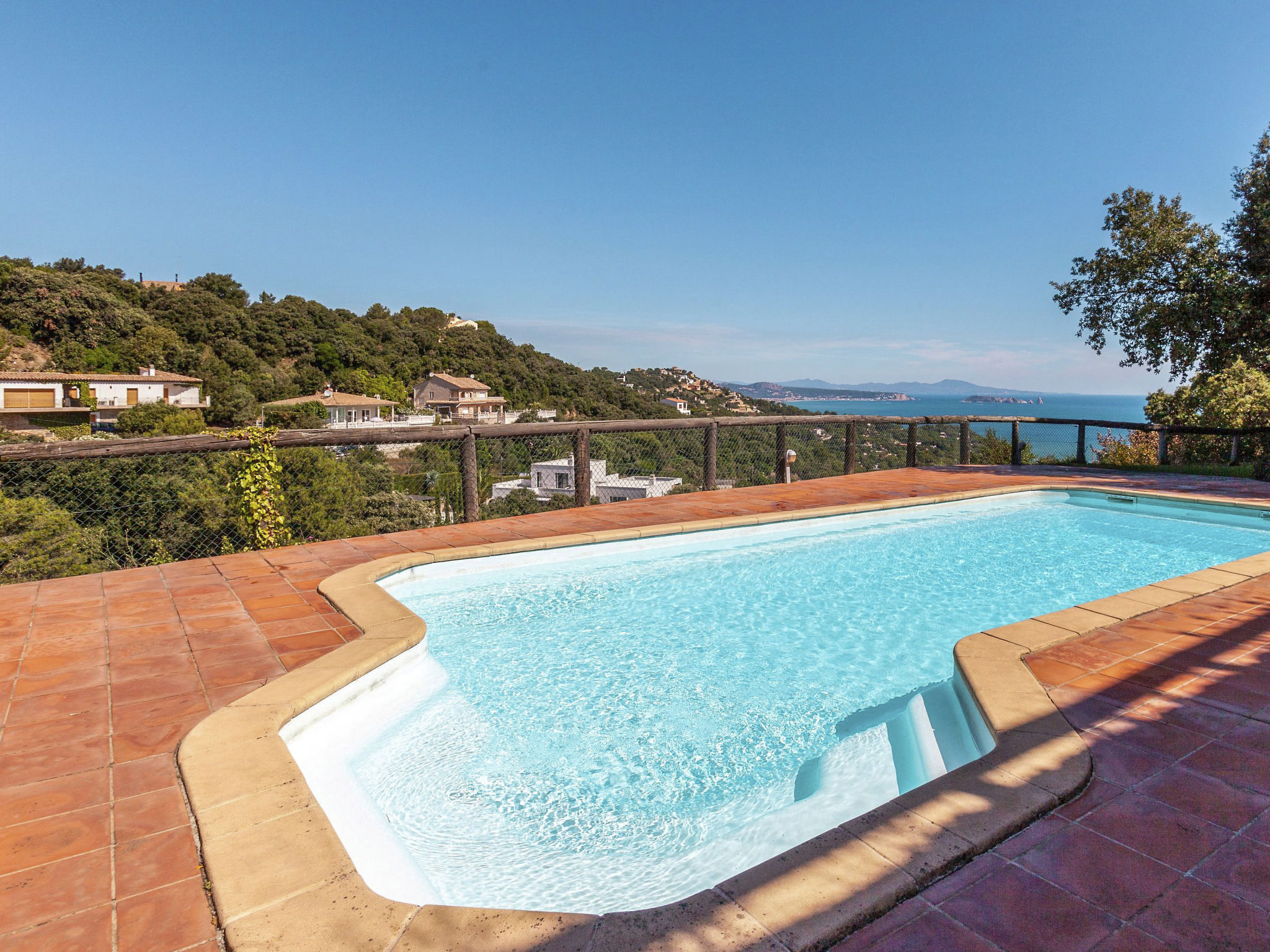
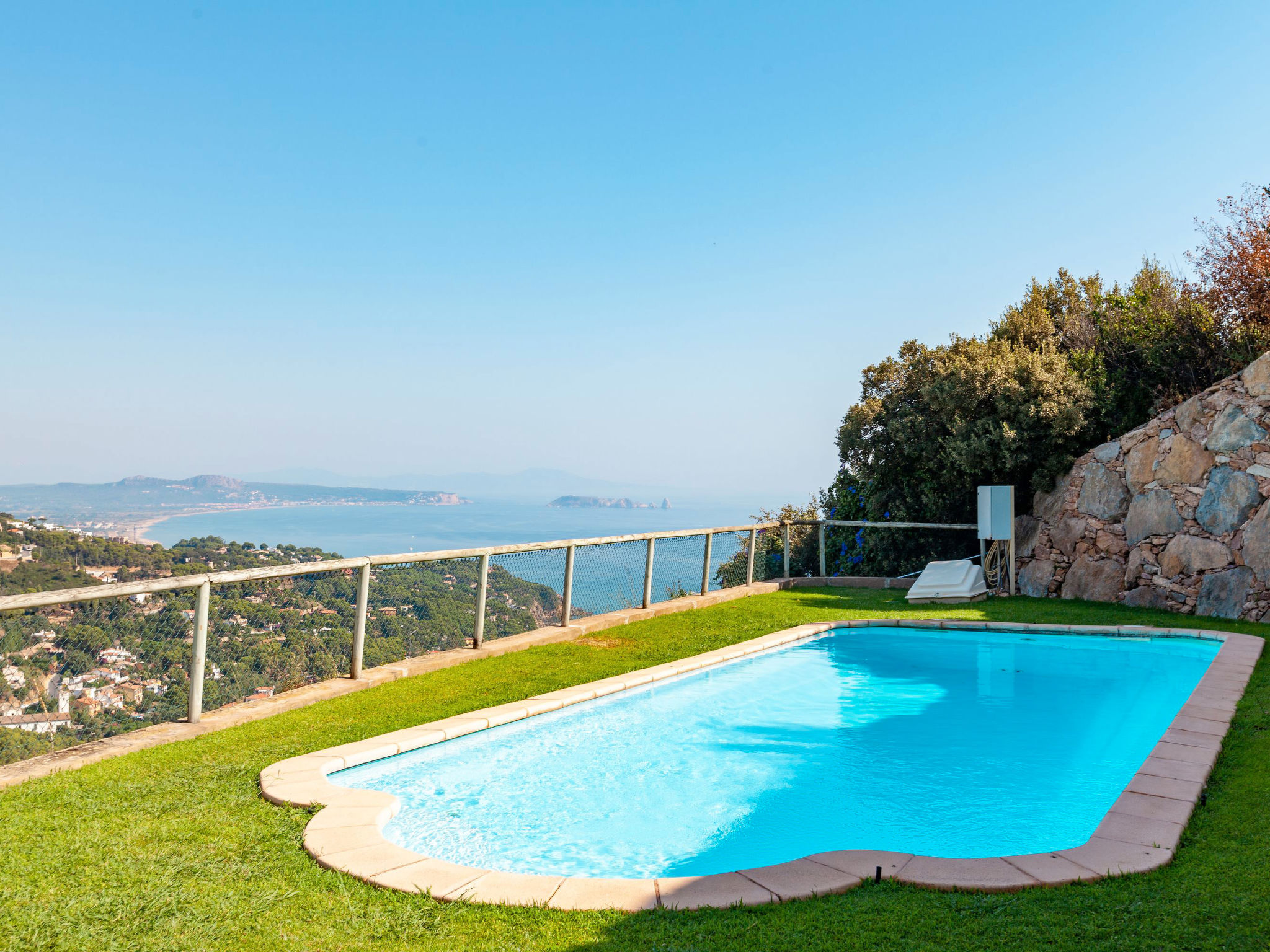
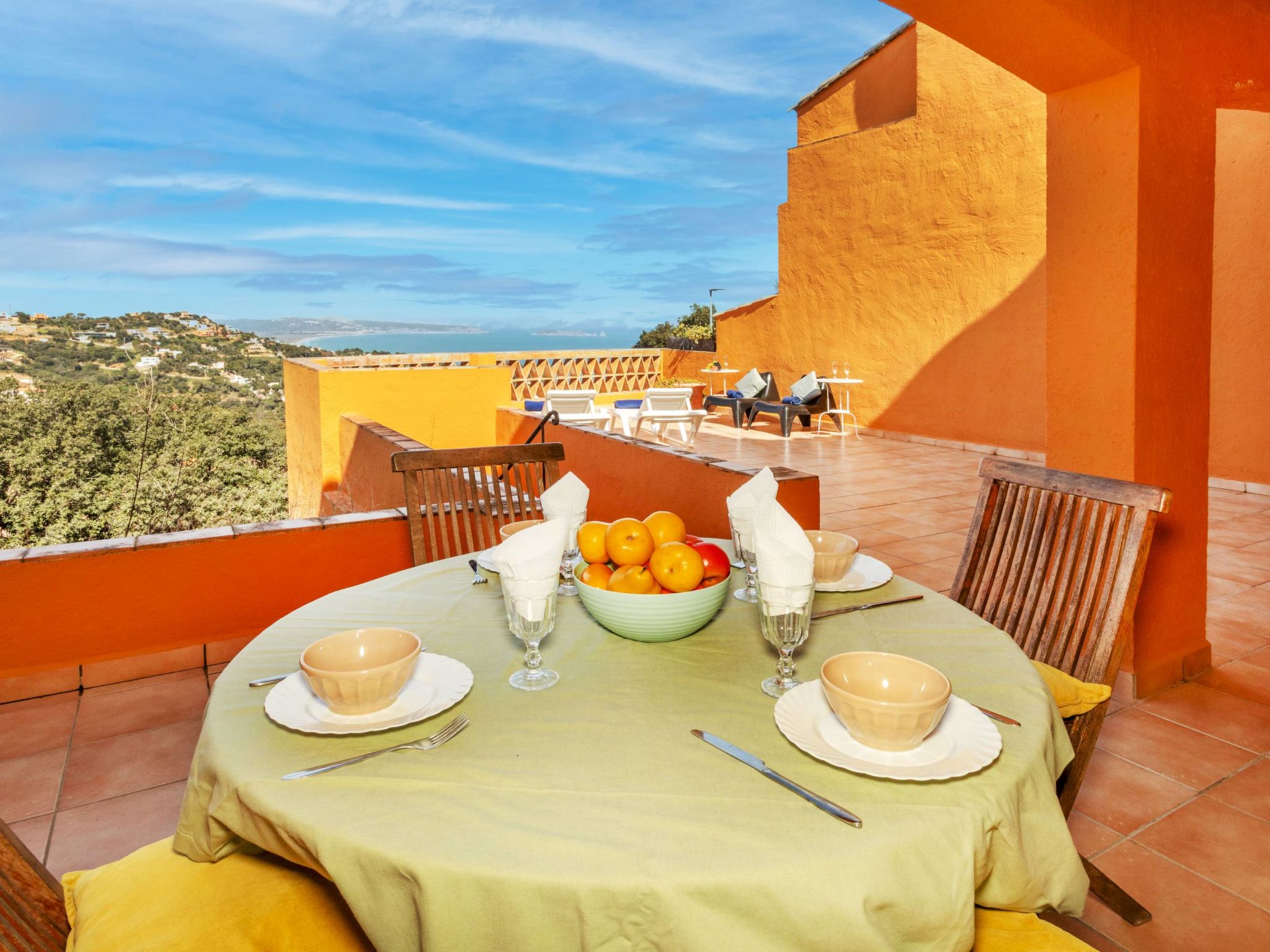
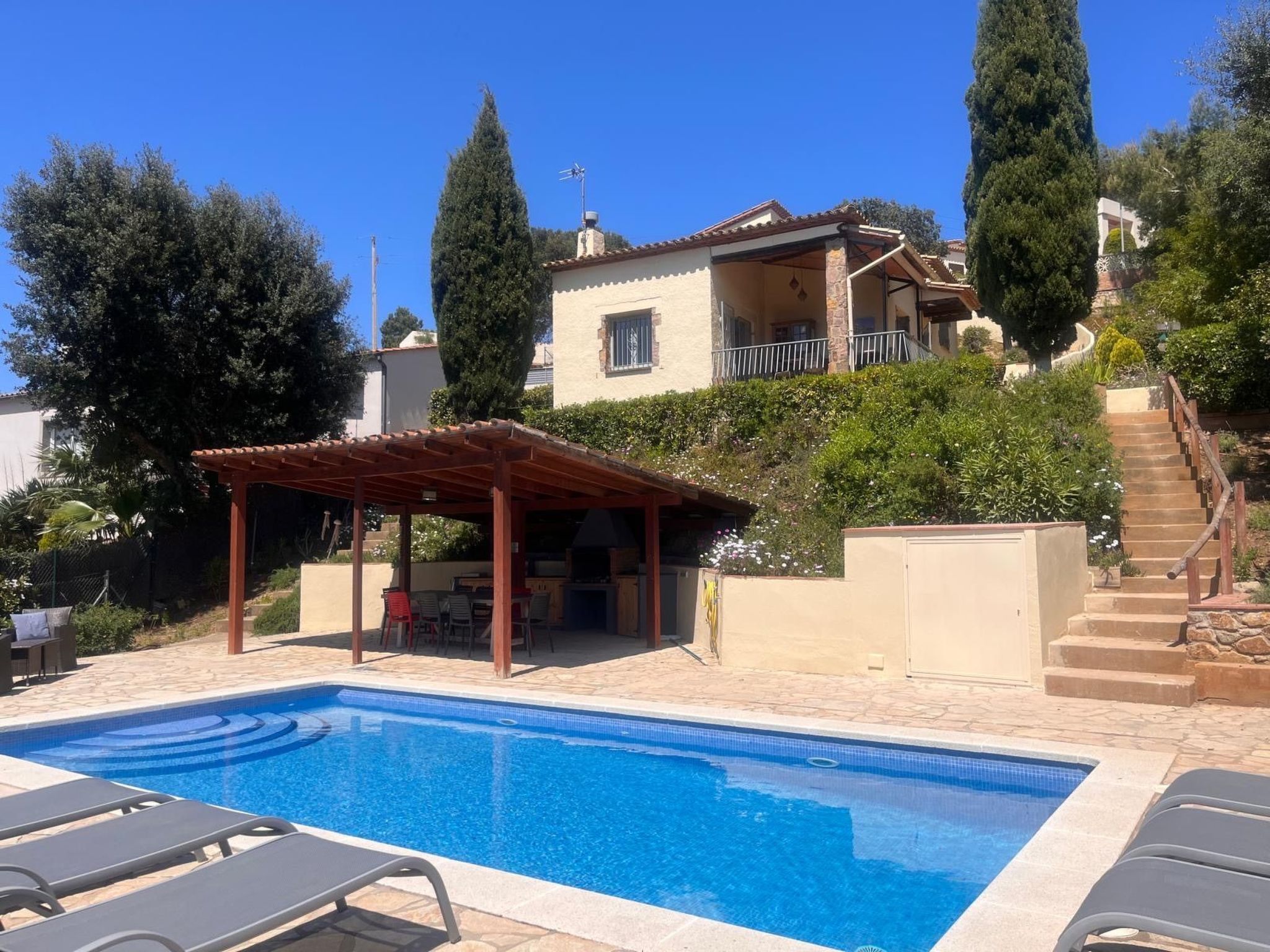
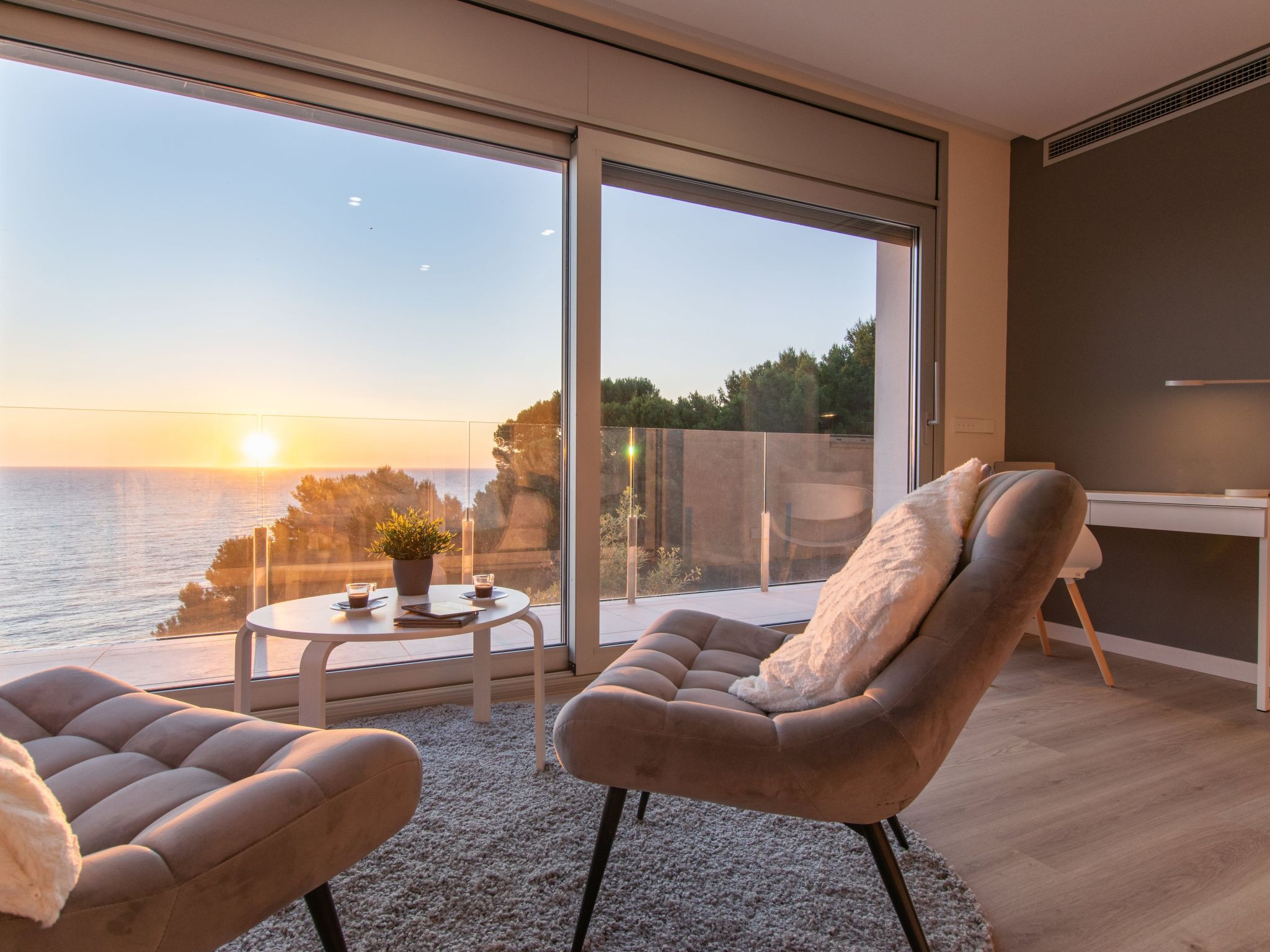
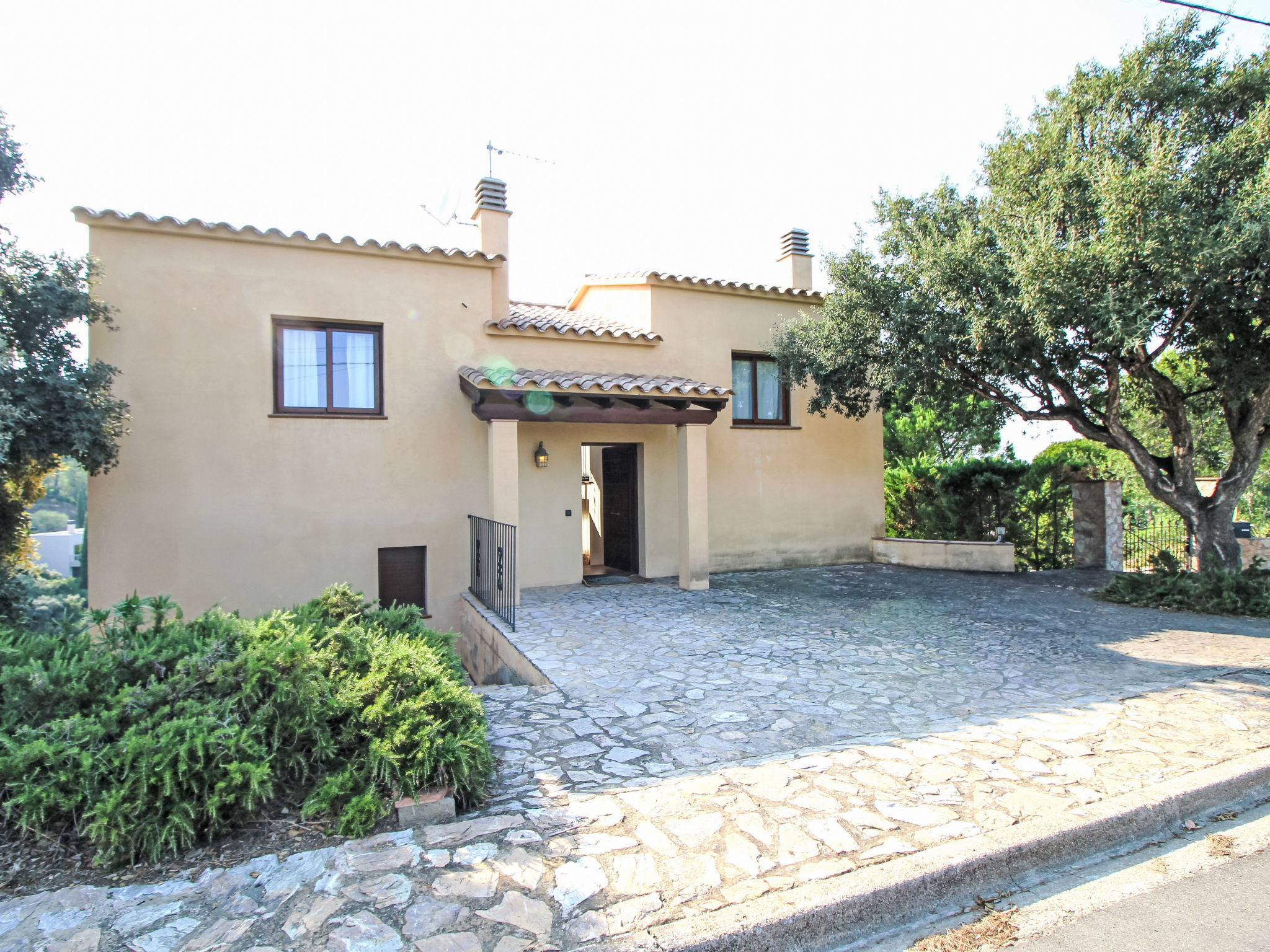
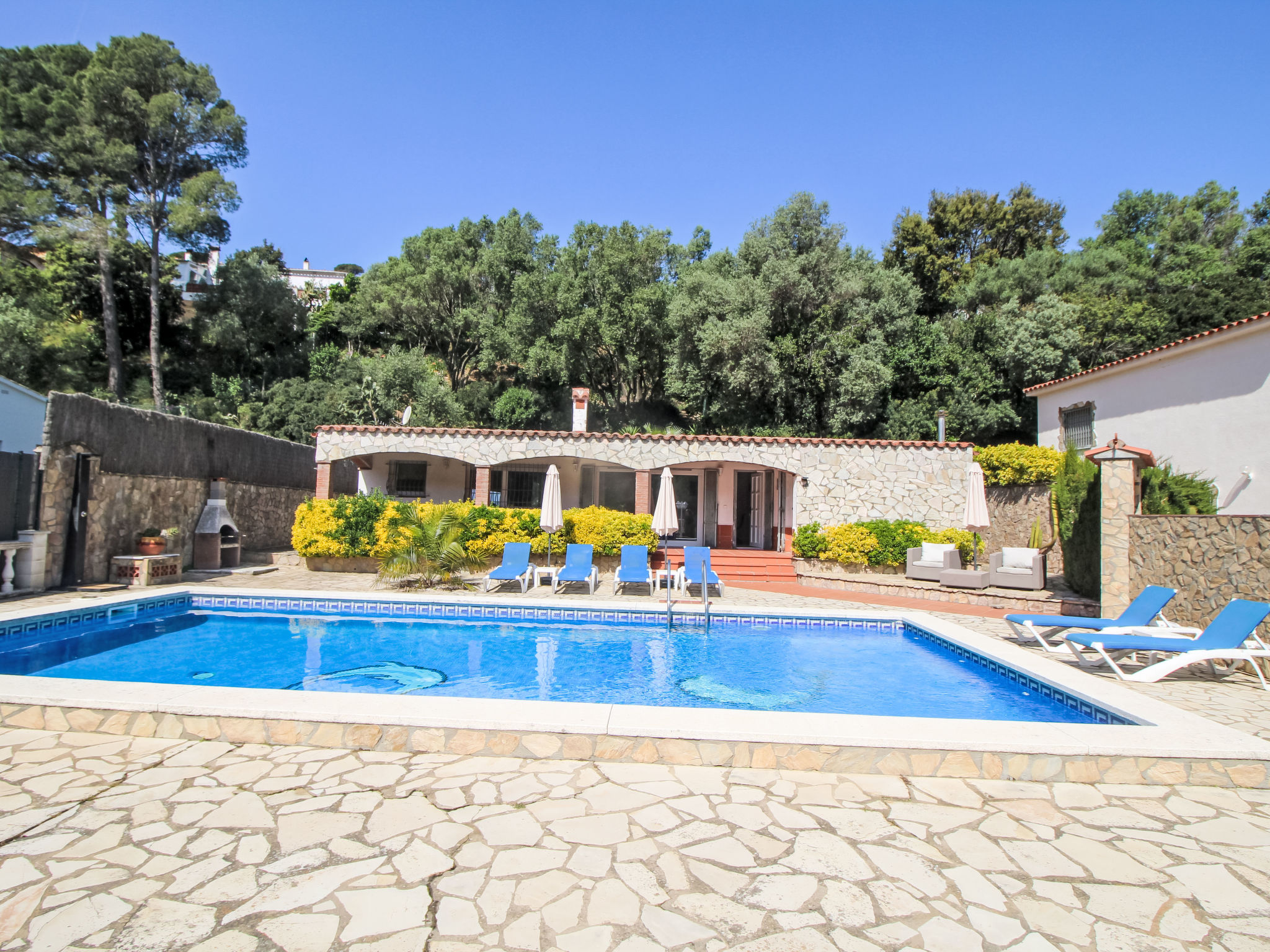
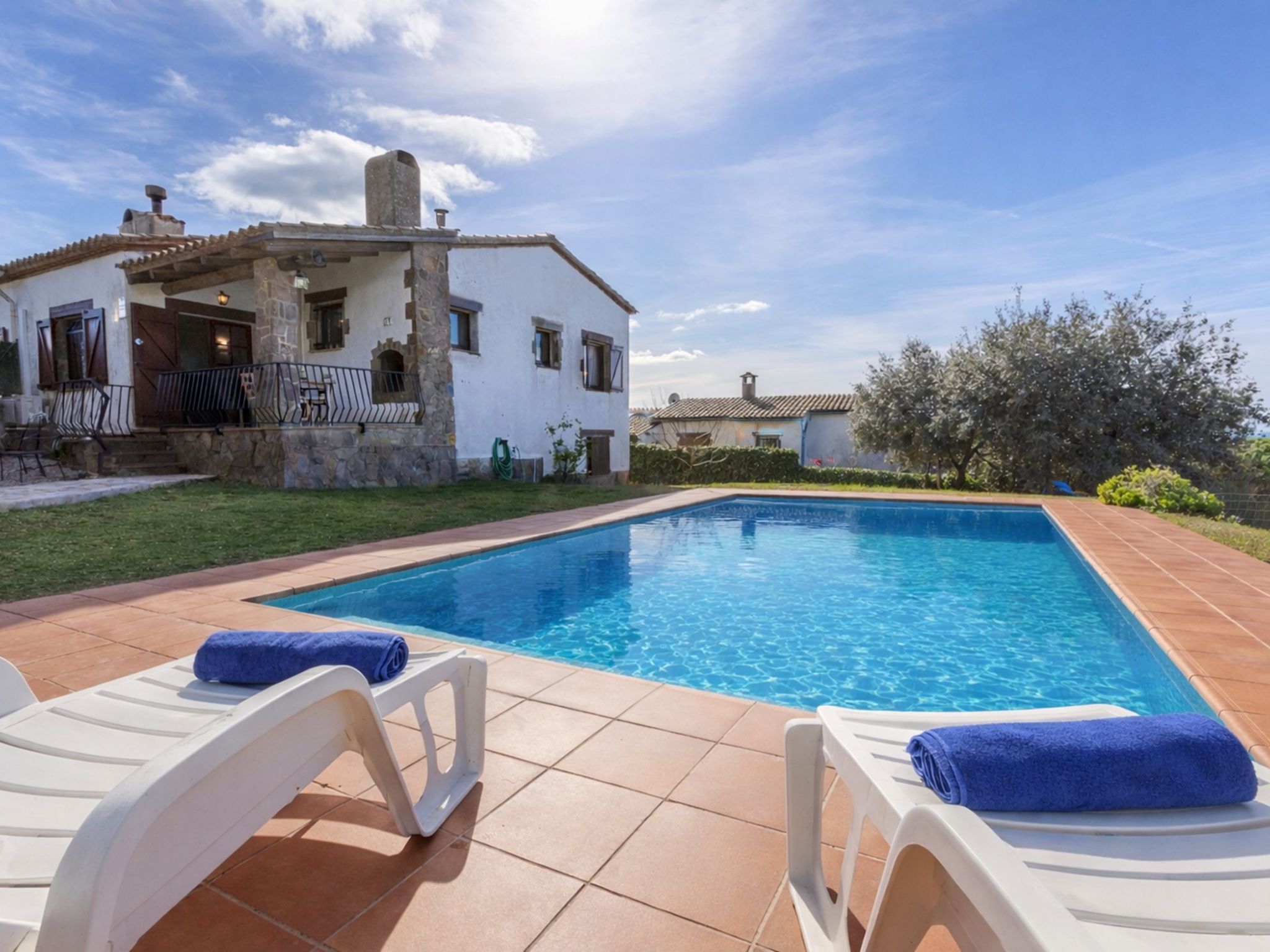
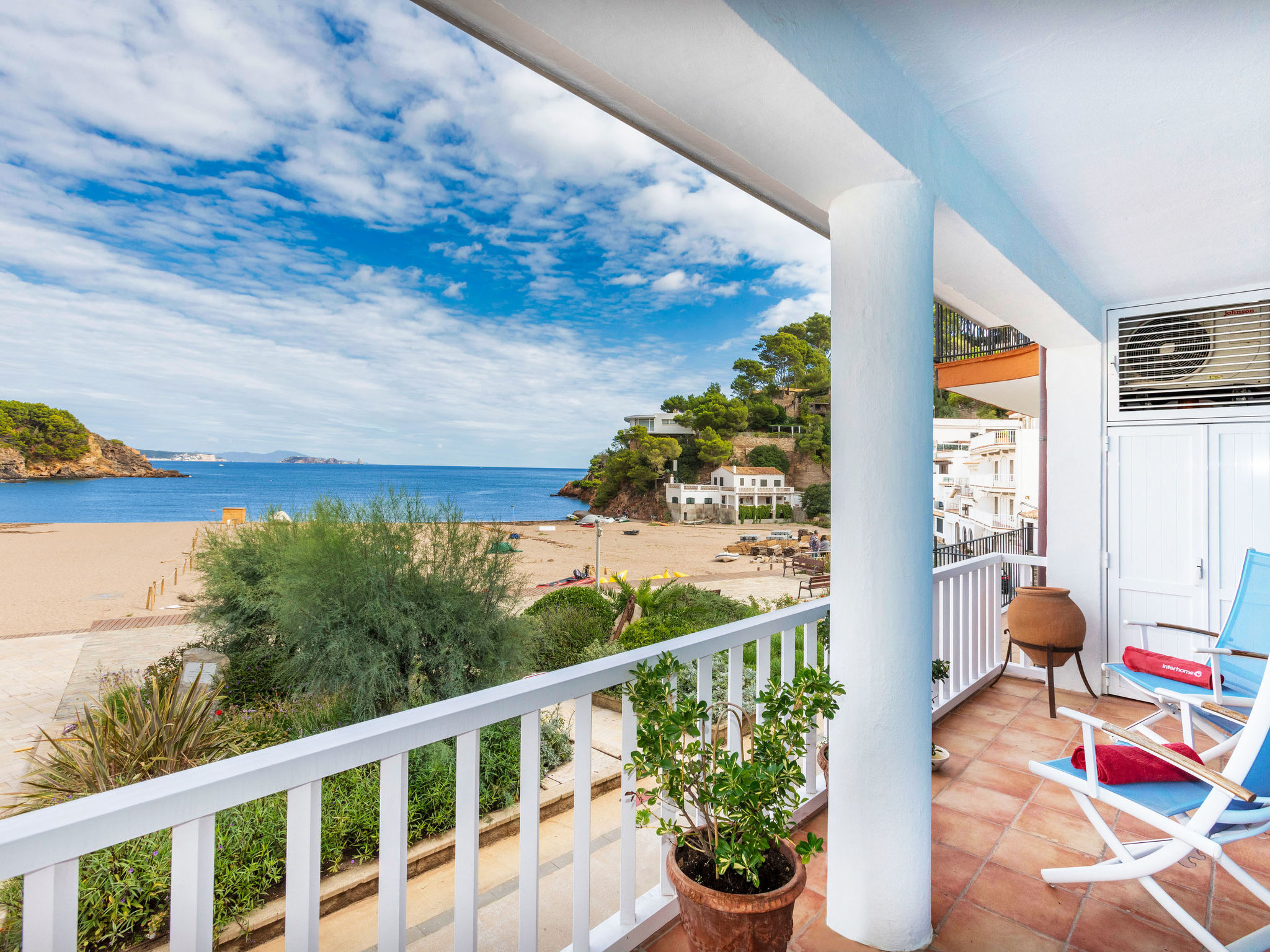
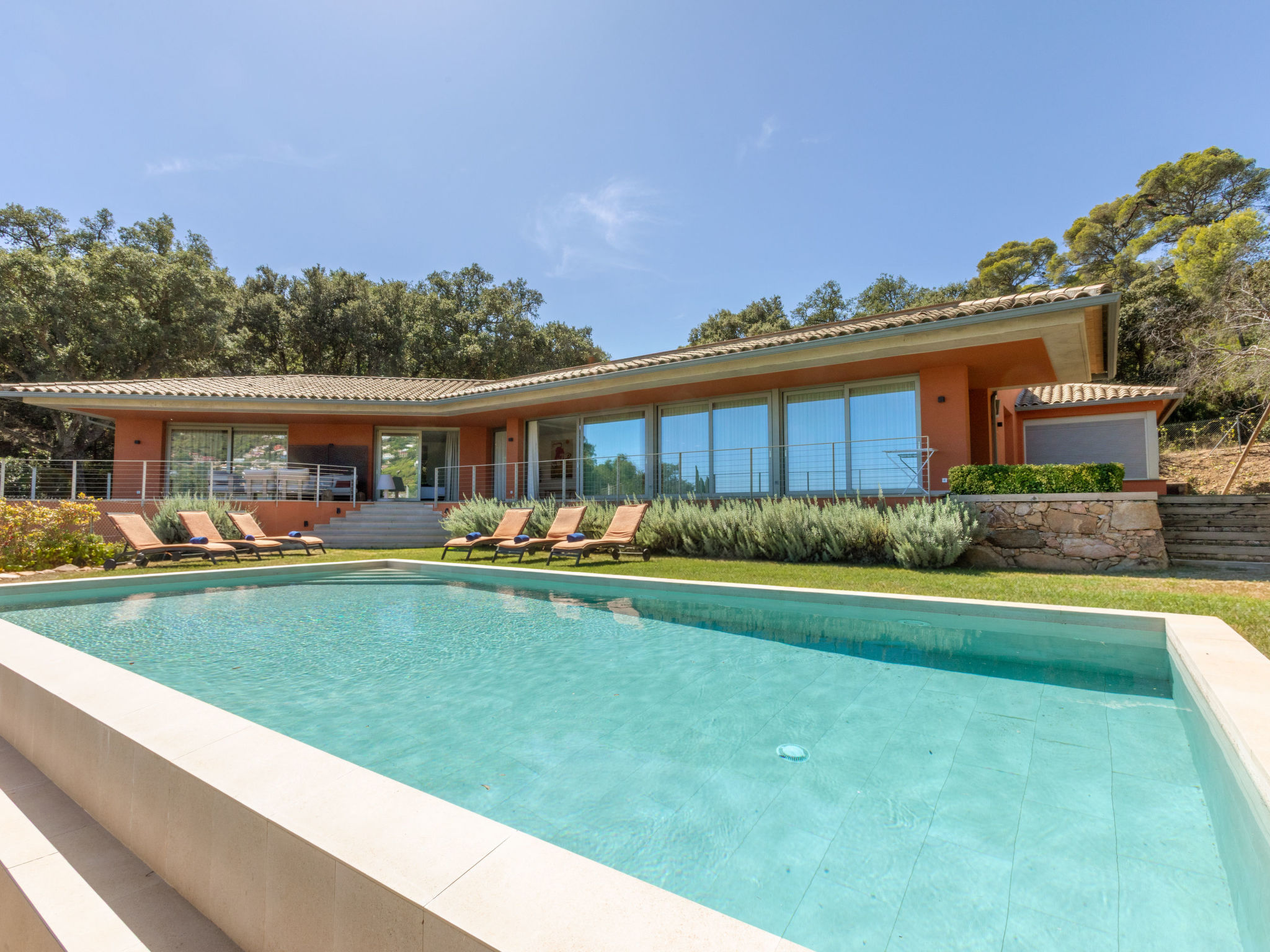
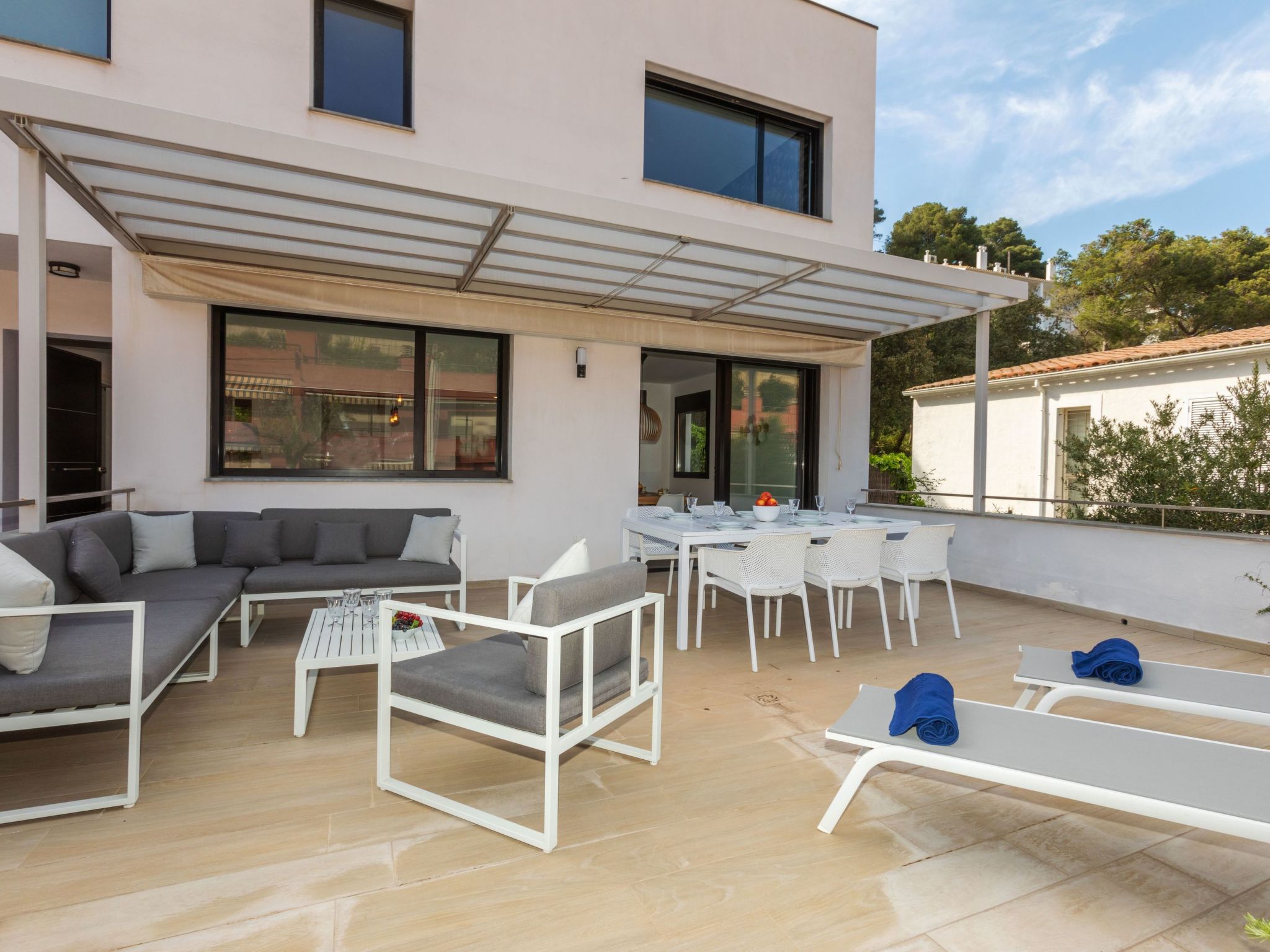
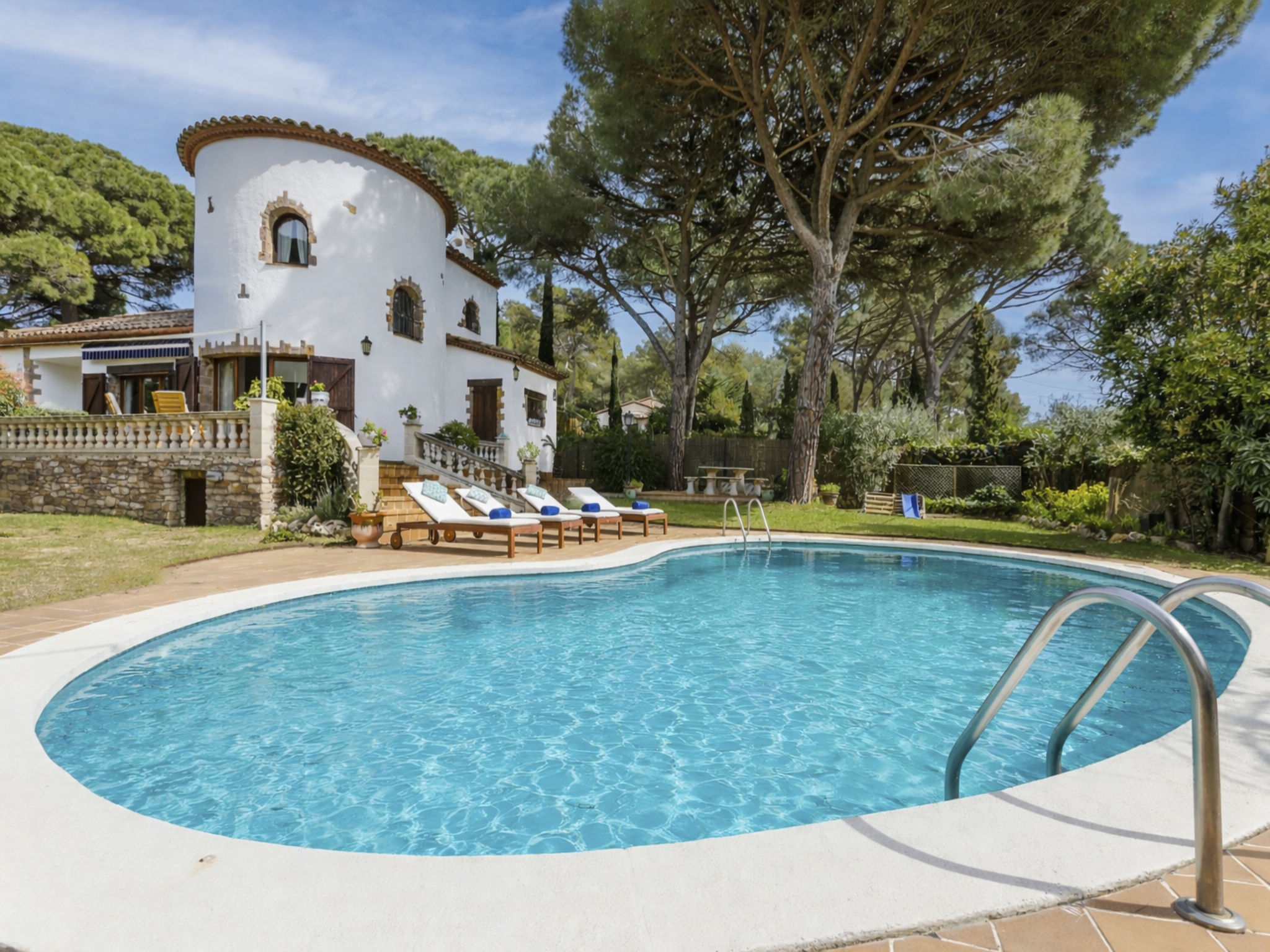
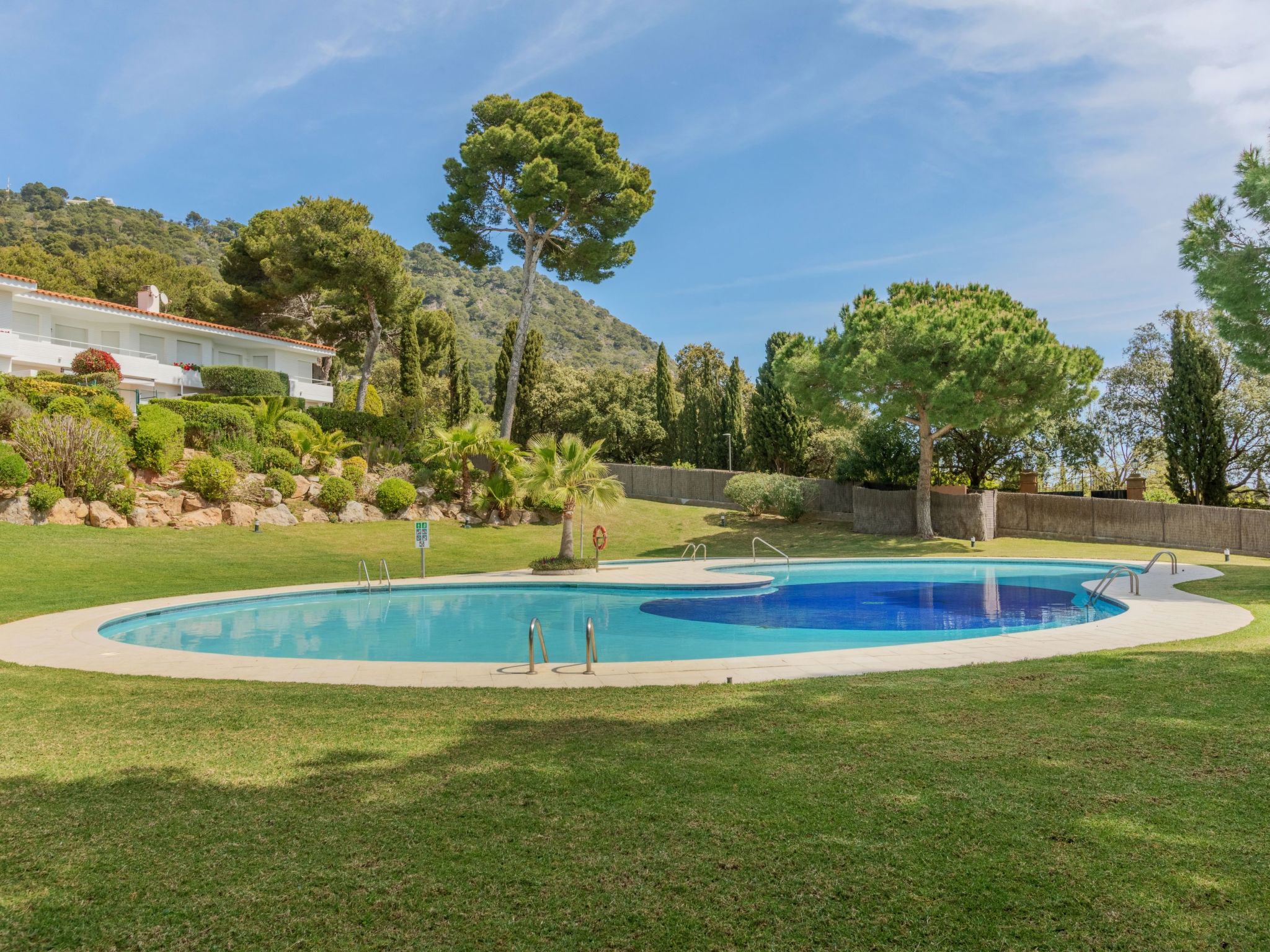
Begur is the Costa Brava's secret. While Costa Blanca towns sprawl along the shore, Begur sits back from the water, its old quarter climbing a hillside crowned by castle ruins. The beaches spread across several small coves north and south – each different, each distinct. The town itself feels less touristic than the coast. Locals still outnumber visitors, restaurants serve other locals at lunch, and the night air carries the smell of pine and sea rather than synthetic resort perfume.
Why Stay in Begur
- Multiple small beaches within a short drive: Sa Tuna and Aiguablava (north, rocky and intimate), Playa de Begur (south, sandy and family-friendly), and Fornells (a secret cove). One week isn't enough to exhaust them.
- The castle ruins overlook the entire coast. The walk up takes 20 minutes and rewards you with views across the Costa Brava toward Ibiza on clear days. At sunset, it's meditative.
- Begur retains Spanish character. Yes, tourists visit, but the town isn't built for them. Markets, bars, and restaurants serve the community first. This affects atmosphere – it feels real.
- The beaches are small and rocky. Sandy beach lovers will be frustrated. Summer brings crowds to these popular coves, and parking near beaches requires early arrival or luck. The town can feel quiet unexpectedly, then suddenly rammed with tour groups.
Things to Do in Begur
Sa Tuna beach is small, rocky, and lined with good seafood restaurants. The water is clear and calm. A paella cooked over a fire pit at one of the beachfront restaurants runs 15–20 euros per person – you watch the cooking, the fish comes from local boats. Arrive before 1pm in summer if you want a table without reserving ahead.
Aiguablava, further north along the coast road, is a larger rocky cove flanked by pine-covered hills. It's more developed than Sa Tuna but still feels small. The water is deep and clear; swimmers can reach open water quickly. The walk into the cove from the car park takes 10 minutes through pines.
Playa de Begur (main beach) is the sandy option – 400 metres of yellow sand, shallow at the shore, good for families. It's busier than the rocky coves, but still modest by Costa Blanca standards. A small promenade has ice cream shops and cafés. This is the beach for genuine swimming if you dislike rocks.
Begur's old town, above the beaches, merits a wander. The narrow streets are quiet outside peak hours. A few modest shops sell ceramics and local goods. The bar scene is modest but authentic – you'll hear Catalan spoken. The fortress ruins are reached via a steep path from the upper town; the final section involves wooden steps and chains, but even less-fit visitors manage it. The views justify the 20-minute climb.
The Thursday market (Plaça Major, mornings) is small but genuine. Locals buy vegetables and meat; tourists browse. No tourist performances, just commerce.
Day trips are good. Pals, 15 kilometres inland, is a hilltop medieval village with restaurants, galleries, and architecture that's authentically old. Llafranc beach, north of Begur, is accessible by coast road; it's another small cove with character. Calella de Palafrugell (a small seaside village, 30 minutes) has a waterfront promenade and restaurants better known to Catalan tourists than British ones.
The coast path between coves (when accessible) is an easy walk offering views and small discoveries – quiet spots where no one's built anything, just rocks and pines.