Villas in Gagnières
Gagnières suits couples and small families who want a pool and air conditioning in a quiet former mining village in the Cévennes. Every home here sleeps four or five, so larger groups should look elsewhere, and you will need a car for almost everything.
- Villas
- 8
- From, per week
- £917
About Gagnières
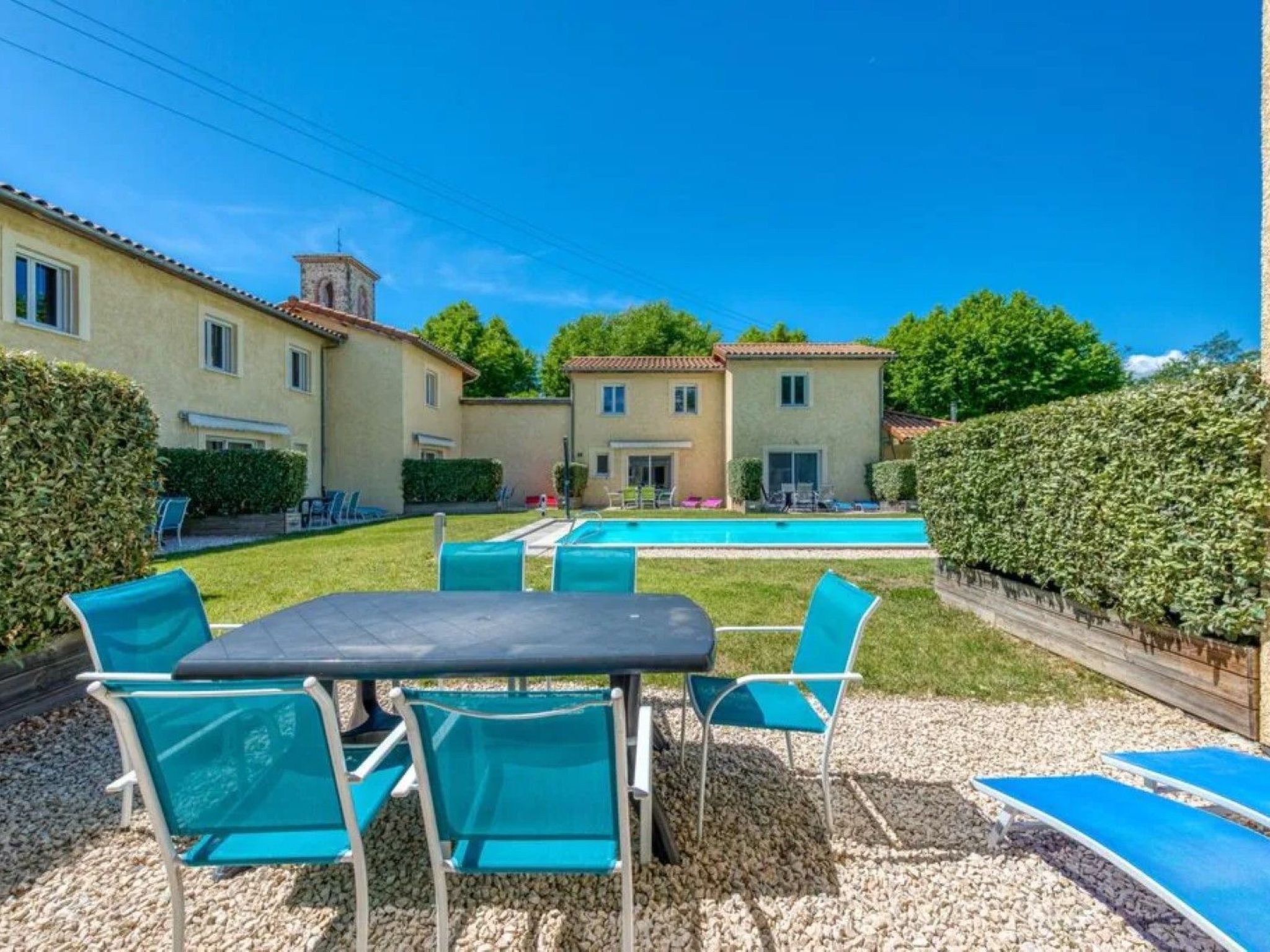
Gagnières is a village in the north of the Gard, right on the border with the Ardèche and inside the Cévennes. It was a coal town until 1929: the Parran shaft went down 810 metres, and in 1901 the population was about three times today's. The Ganière river runs through the commune on its way to the Cèze at Bessèges, and it still carries enough gold for amateur panners. The old railway station is now a restaurant, and a small mining museum keeps the history alive. The homes are all at one spot, and all have a pool, air conditioning and outdoor space. Evenings are very quiet, and Alès is the place for markets and more choice.
Is Gagnières right for you?
- Best for
- Couples or small families wanting a pool in the hills
- Not for you if
- You are a group of six or more, or want shops and cafés on foot.
Near Gagnières
Bessèges
The neighbouring commune on the Cèze, which grew on a coal mine and steelworks and is home to the Étoile de Bessèges cycle race.
Alès
Known as the capital of the Cévennes, with the Mine Témoin mining museum, Fort Vauban and a big Monday market, about 35 minutes by car.
Getting to Gagnières
Nîmes is the nearest airport to both Alès and neighbouring Bessèges, with Montpellier a further option. Gagnières to Alès is around 35 minutes by car. Ales'Y buses to Alès are sparse, so a car is essential.
Villas in Gagnières
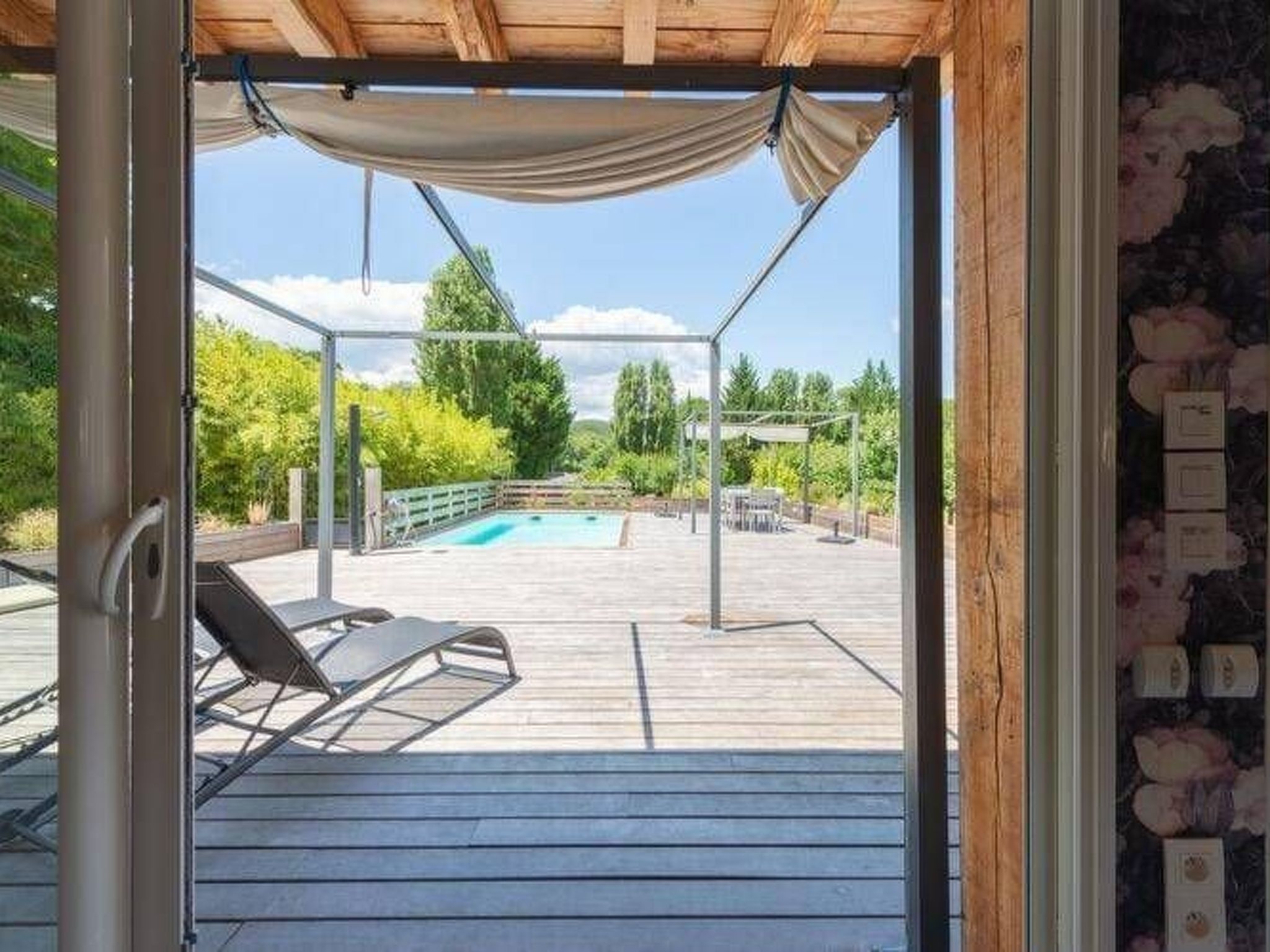
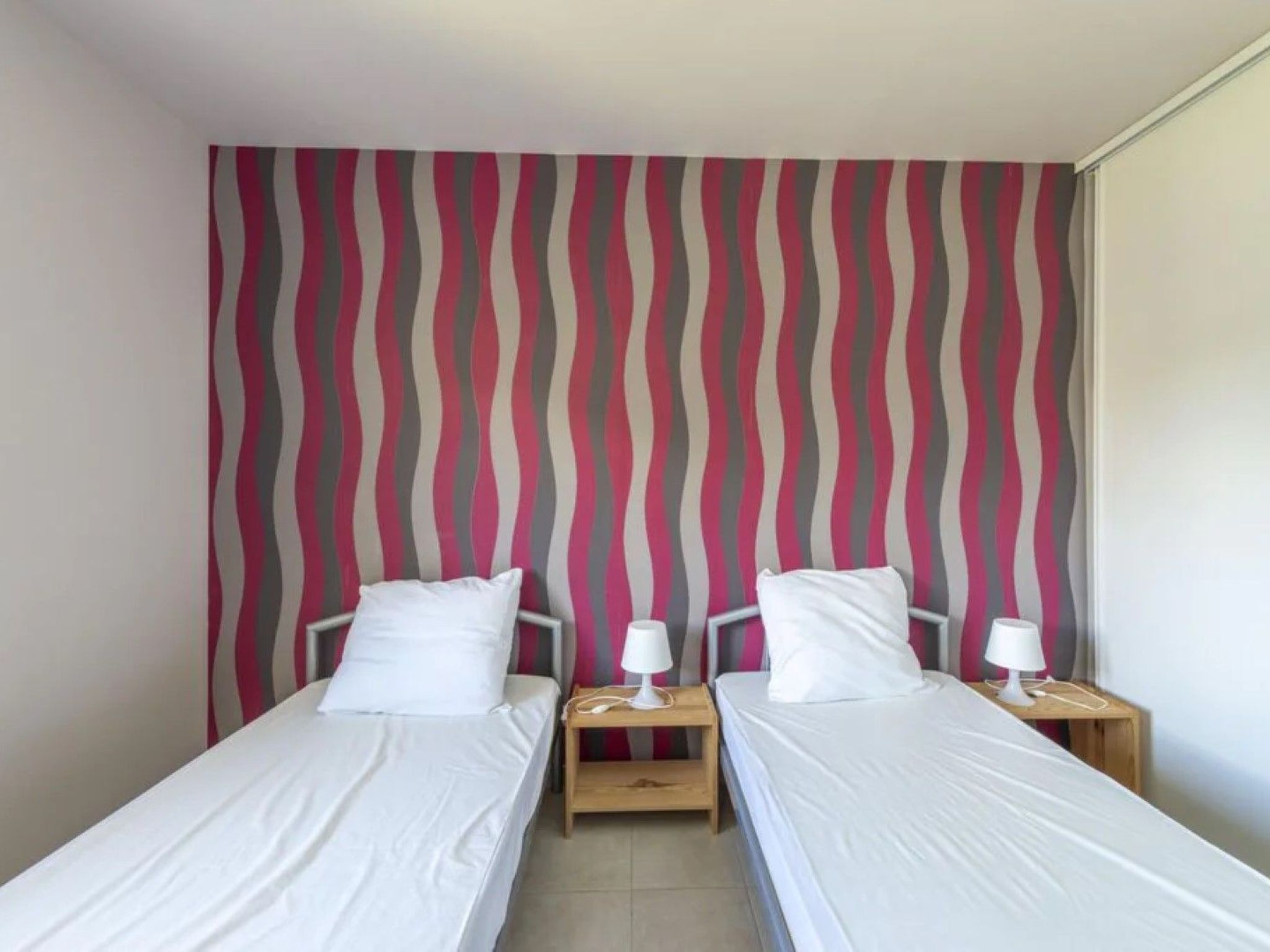
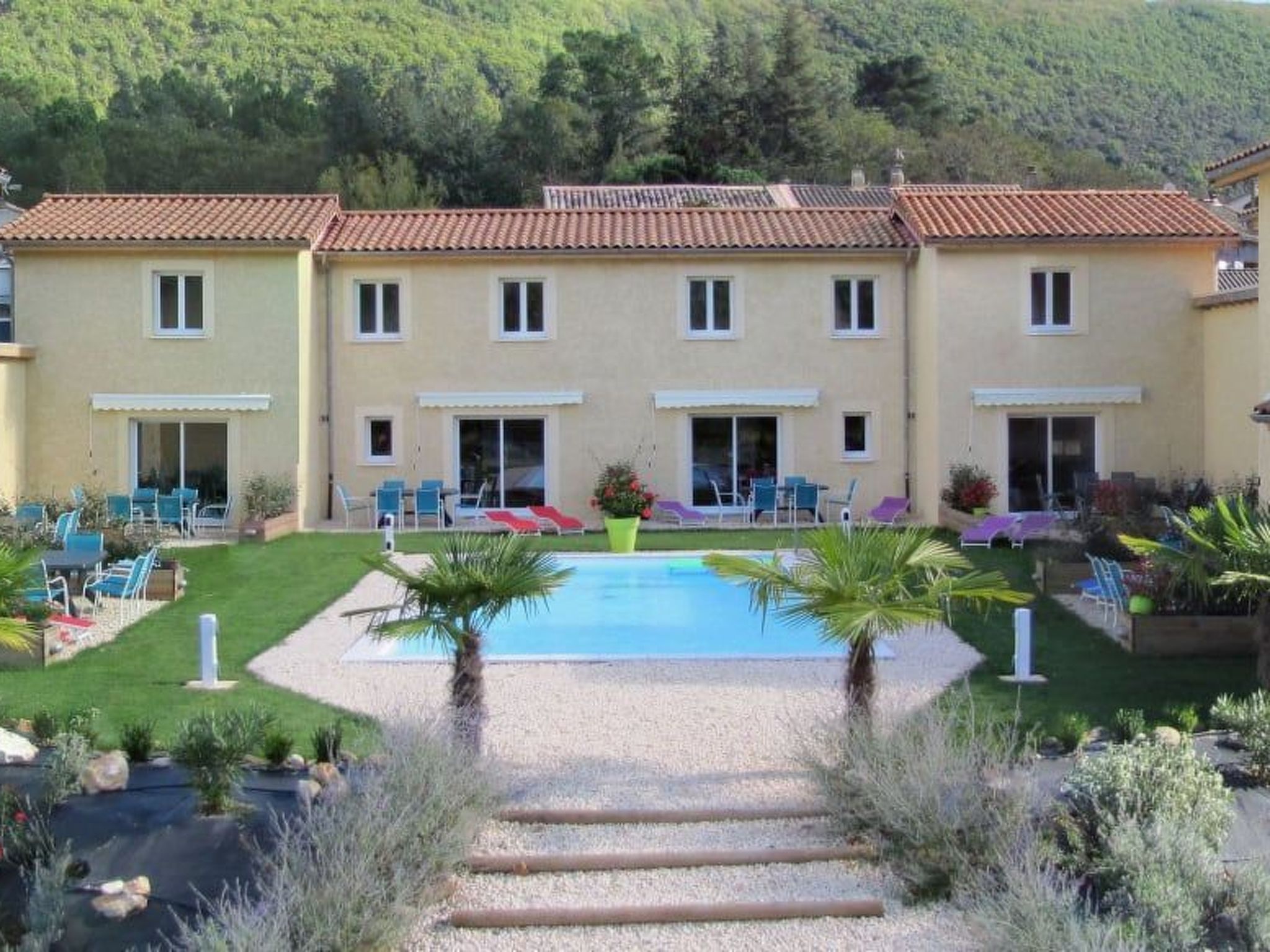
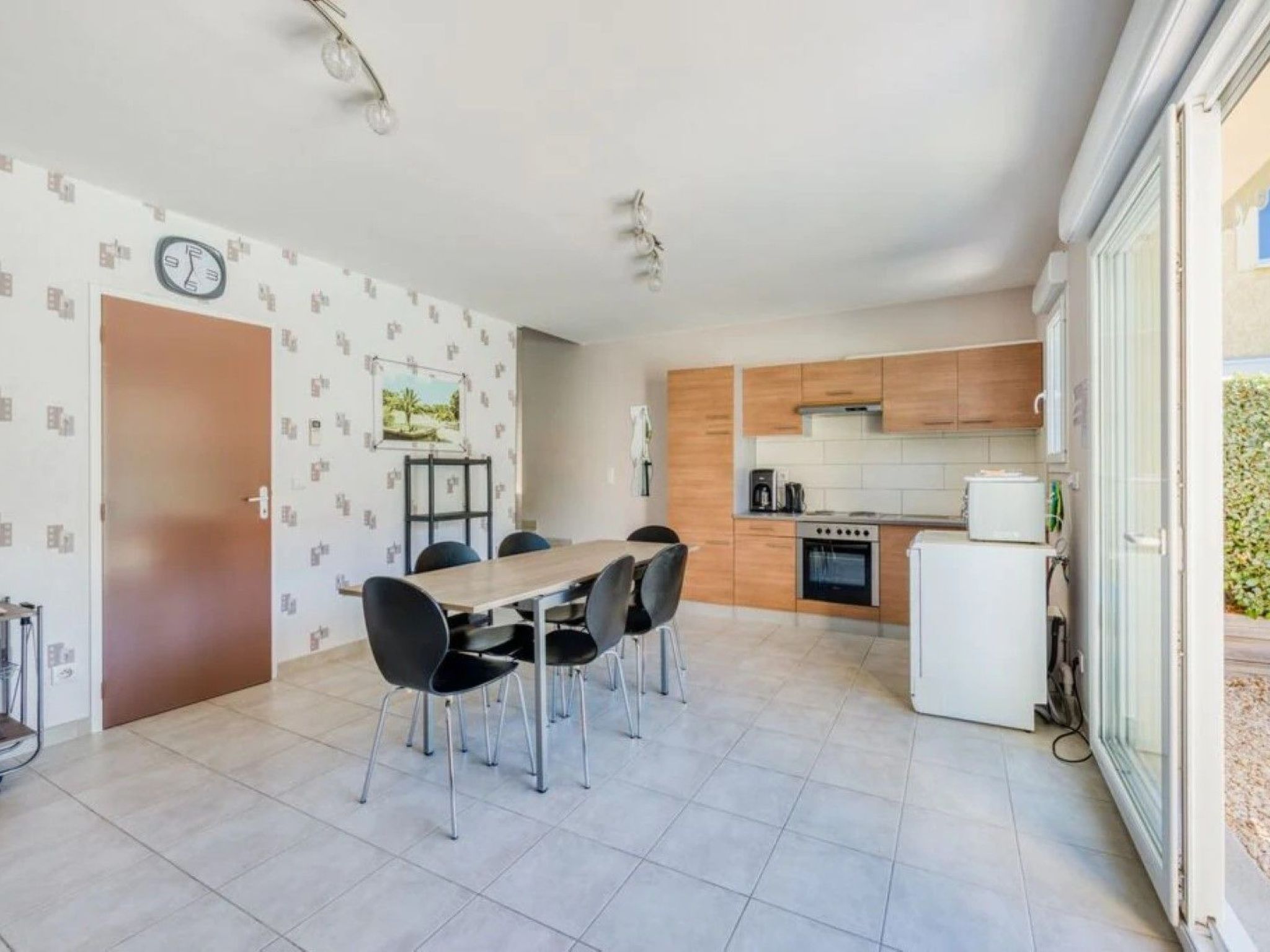
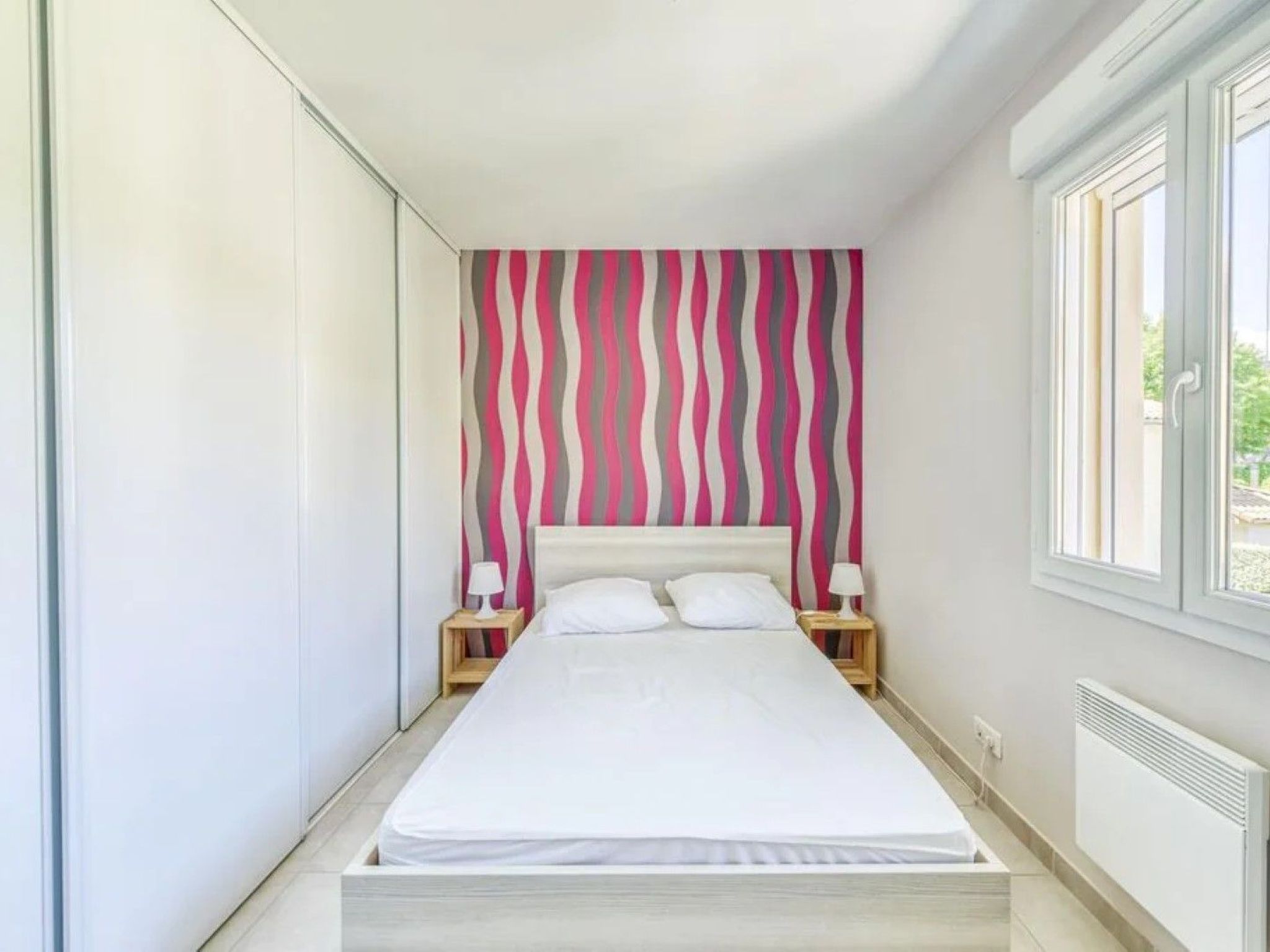
2-Bedroom Home, Gagnières
Gagnières, Gard-Lozère, France
5
2
0
Air ConBBQParking+11 more
from£131
per night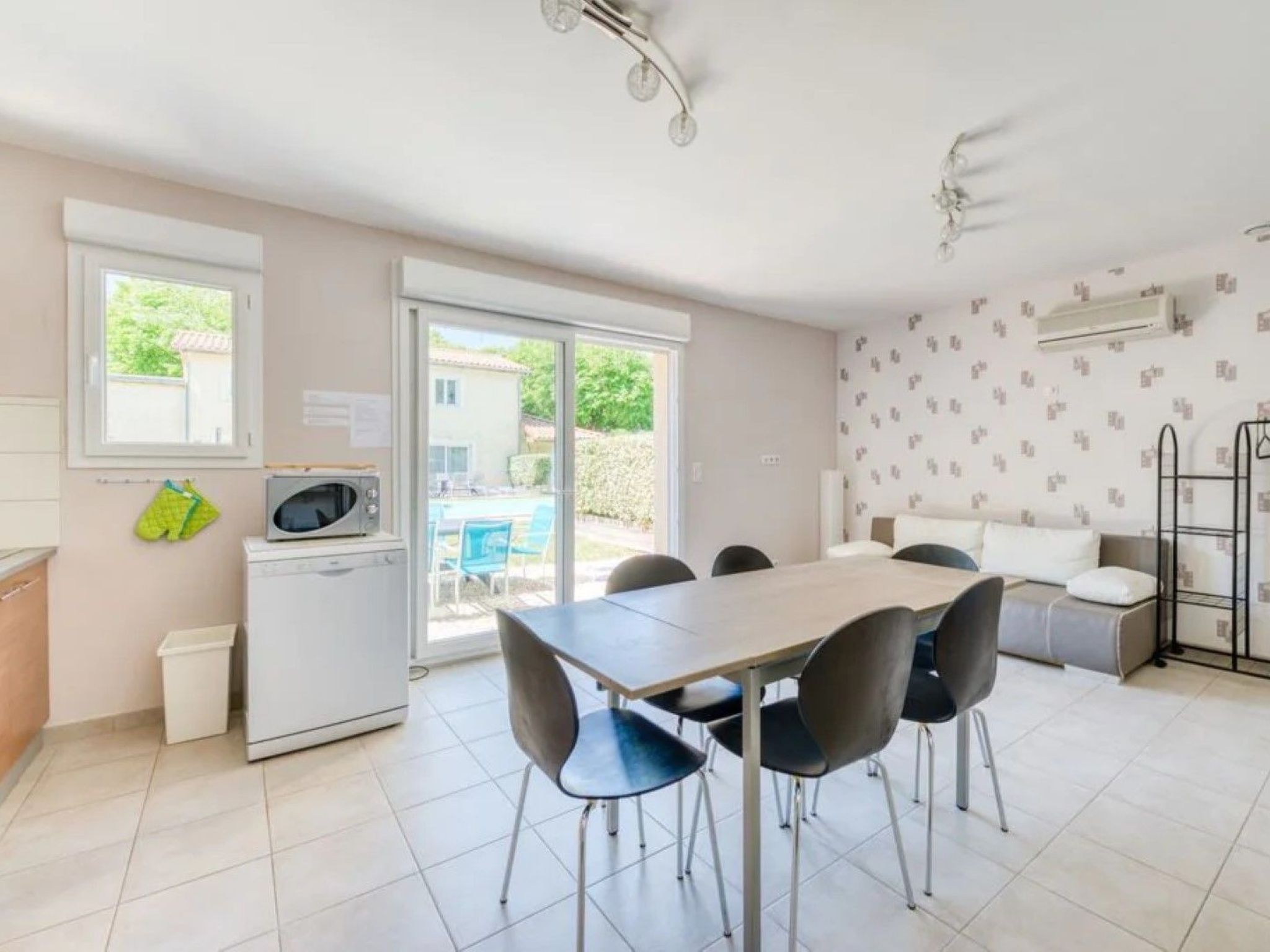

4-star property
Gagnières villa holidays: questions answered
Can you pan for gold in Gagnières?
Yes, as a hobby. The Ganière, which crosses the commune before joining the Cèze at Bessèges, is a gold-bearing river, and amateur panning still goes on. Treat it as a curiosity for a sunny afternoon rather than a money-maker.
Is Gagnières in the Gard or the Ardèche?
The Gard. Gagnières sits on the department's northern edge, and two of its neighbouring communes, Banne and Saint-Paul-le-Jeune, are across the line in the Ardèche.
How far is Gagnières from Alès?
Around 35 minutes by car, a distance of about 20 miles. Alès has the cathedral of Saint-Jean, the Mine Témoin mining museum and a covered food market on weekday mornings, so it makes a good base for supplies and a rainy day.
What is the history of Gagnières?
Coal. Gagnières was a mining town until 1929, its Parran shaft reached 810 metres down, and the population peaked at about 3,250 in 1901. The GTMA mining museum on rue de l'Église tells the story.
Nearby towns to Gagnières
Written by the TrustedVillas team. Last reviewed October 2026.
Find Your Perfect Villa in Gagnières
Our villa experts are here to help you find the ideal property for your vacation. Contact us for personalized recommendations.