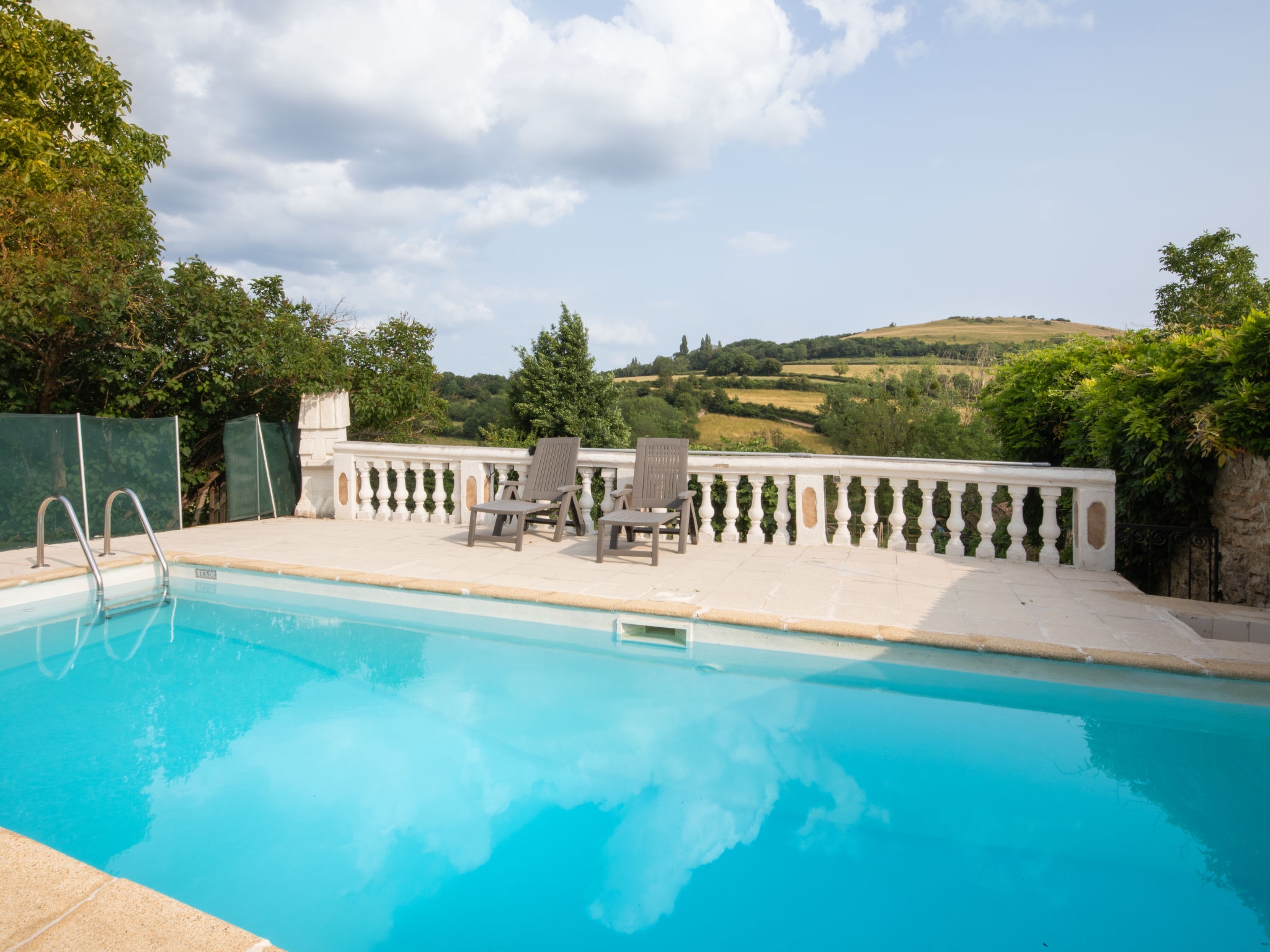
Burgundy quietly shapes how we think about wine and good living. The rolling limestone hills here don't announce themselves with dramatic peaks. Instead, they slope gently toward vineyards that've been worked for over a thousand years. We come for the Pinot Noir and Chardonnay, sure, but stay for the medieval towns, Romanesque abbeys, and the straightforward French countryside that doesn't need superlatives. You'll cycle past mustard-yellow stone villages, eat better than anywhere, and perhaps pick up a bottle you'll revisit for decades.
What Makes Burgundy Special
- Wine isn't separate from life here. Locals speak about their vineyard's soil composition like you might discuss your garden. The classification system is labyrinthine, but that complexity means depth. Terroir actually matters.
- Food follows a clear logic. When your region produces specific wine grapes and raises specific cattle breeds, your cuisine crystallizes. Burgundian cooking isn't fussy; it's direct. Think beef, cream, wine, done.
- The pace is deliberate. Sunday markets, long lunches, local produce you recognize. No rushing. This isn't laziness—it's priority-setting.
- Medieval architecture isn't curated for tourists. Dijon, Beaune, and Auxerre have genuine working towns behind their historic facades. Think boulangeries, family businesses, lived-in streets.
- Cycling culture runs deep. Flat to gently rolling terrain, small roads through vineyards, and villages spaced for day rides. You'll see more on two wheels than in a car.
Top Towns & Resorts in Burgundy
Beaune
The heart of Burgundy wine country. Beaune has an intact medieval wall, a famous hospice with a tilework roof that catches light impossibly, and wine bars where you can taste from producers you'll never find exported. It's busy, particularly during harvest season (September-October) and weekends. Expect crowds and correspondingly higher restaurant prices. But the infrastructure is solid: good hotels, reliable restaurants, and a genuine town that isn't just tourism.
Dijon
The regional capital has serious art museums, substantial medieval squares, and the mustard factory (yes, Dijon mustard). The city feels more alive than some wine-focused towns because locals actually work and live here. Parking is nightmarish; public transport is better. Winter can feel gray and damp. But food is very good, rents are lower than Beaune, and you're well-positioned for exploring both wine regions and medieval architecture.
Auxerre
Smaller and less overrun than Beaune. Auxerre sits on the Yonne river with a good central market, solid restaurants, and Romanesque architecture. The wine scene here is less formal: Chablis dominates, white wines rather than reds. Spring can be wet. But the town has character without feeling packaged, and it's a reasonable base for exploring northern Burgundy without the Beaune crowds.
Gevrey-Chambertin
A working village in the Côte d'Or, famous for some of Burgundy's best Pinot Noirs. It's small, which means limited restaurants and accommodation. The famous vineyard slopes are visible but much of the village itself is rather ordinary. It's the wine that's extraordinary. Summer fills with wine tourists; locals preserve their distance. Come here if you're serious about wine. Otherwise, base yourself in Beaune and visit for the day.
Find villas near Gevrey-Chambertin
Vézelay
A hilltop basilica town with Romanesque architecture and pilgrimage history. It's genuinely atmospheric if you arrive in early morning before tour buses. By afternoon it becomes quite touristy, with souvenir shops and crowds. The hill is steep and parking at the top is limited, so expect to walk or use the shuttle. Worth a morning visit from a southern Burgundy base, but not a place to linger all day.