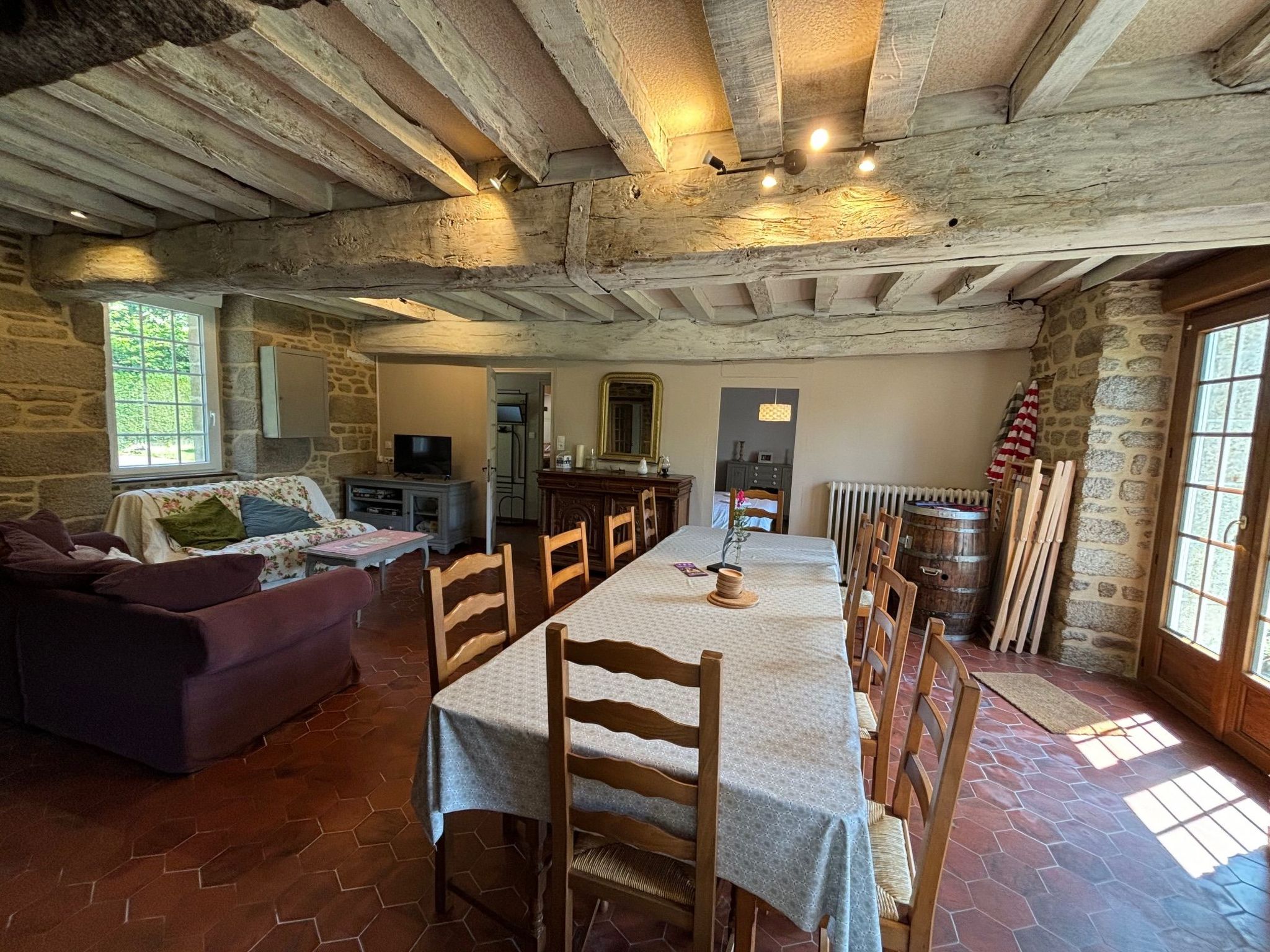
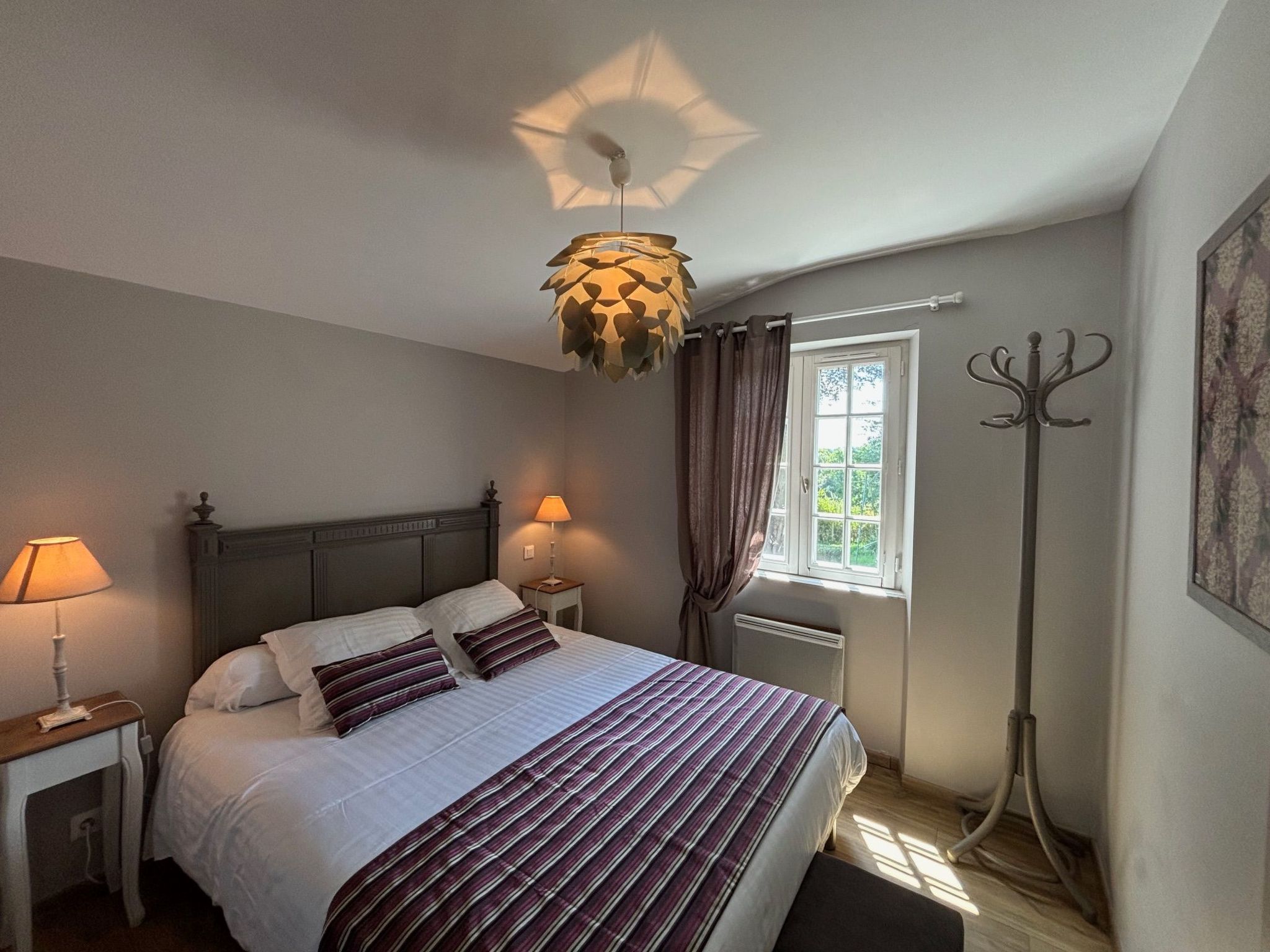
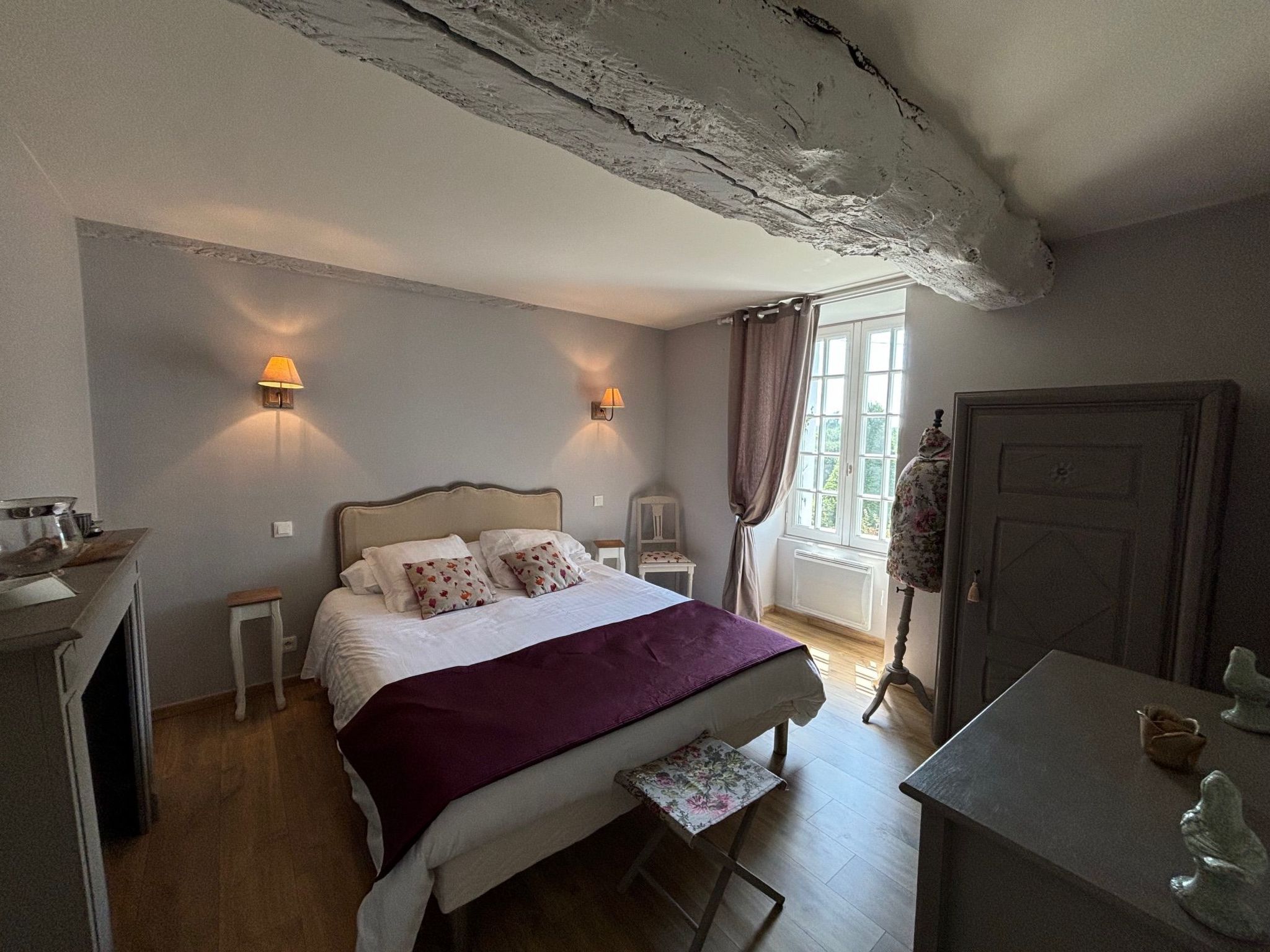
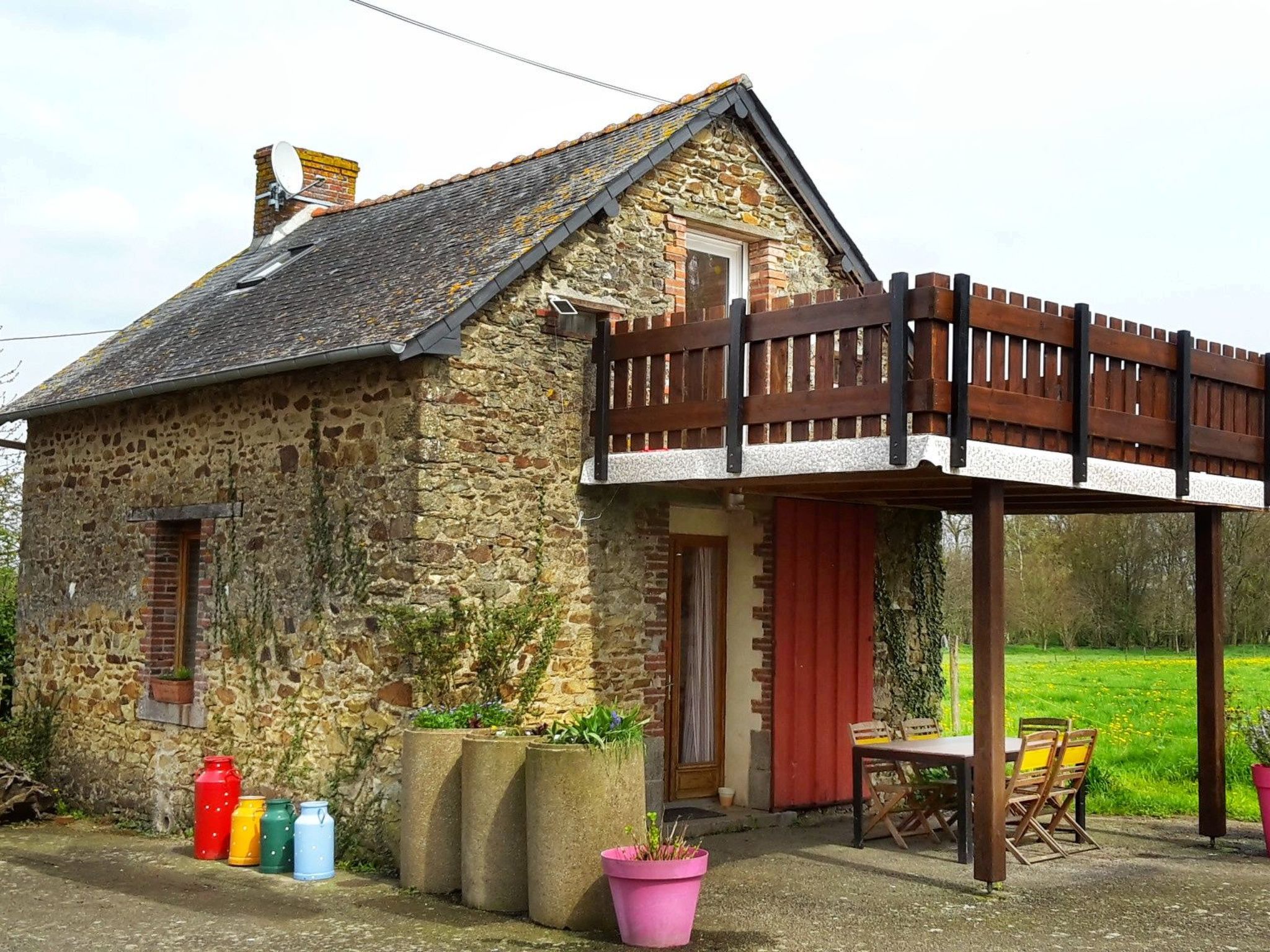
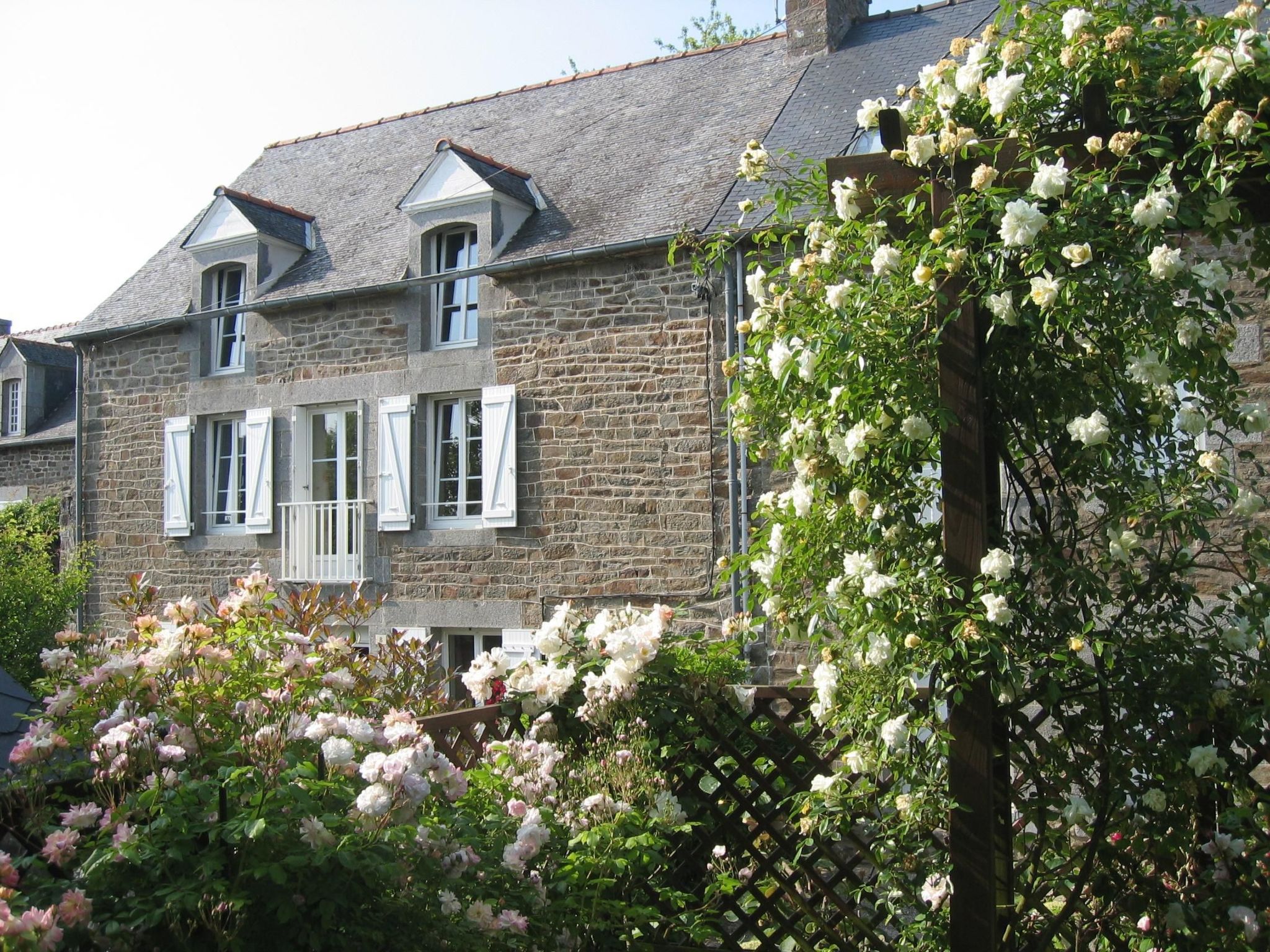
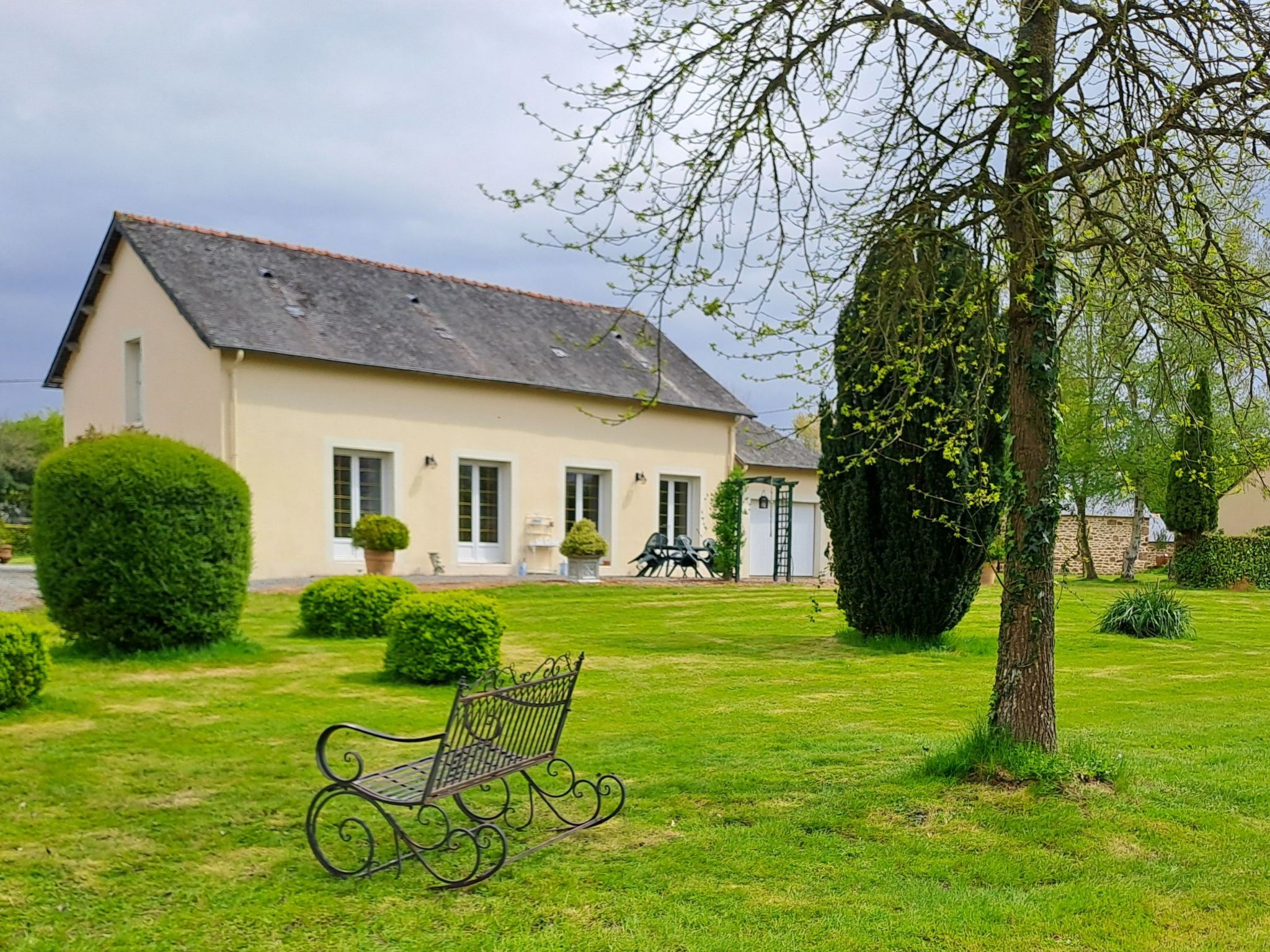
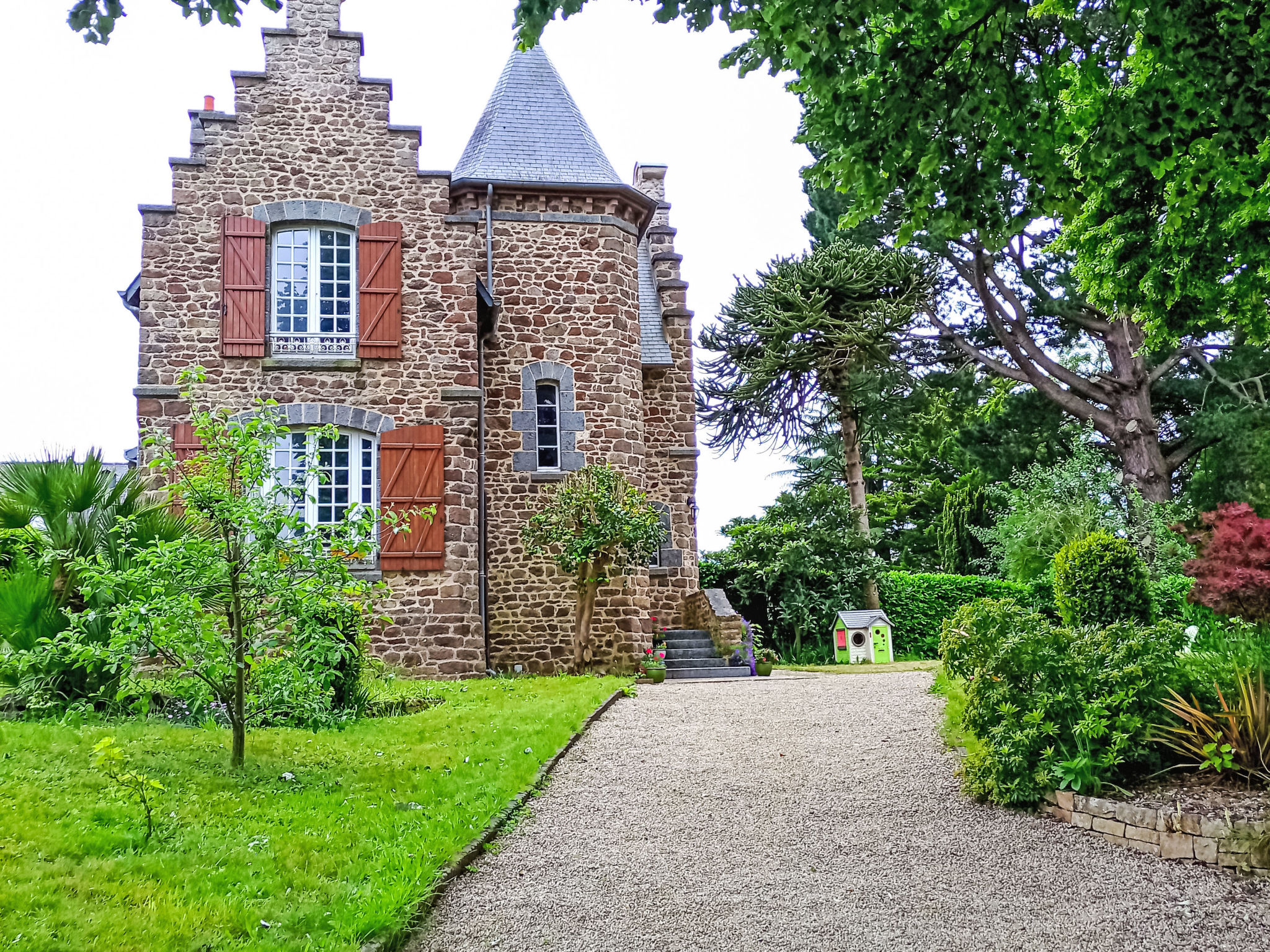
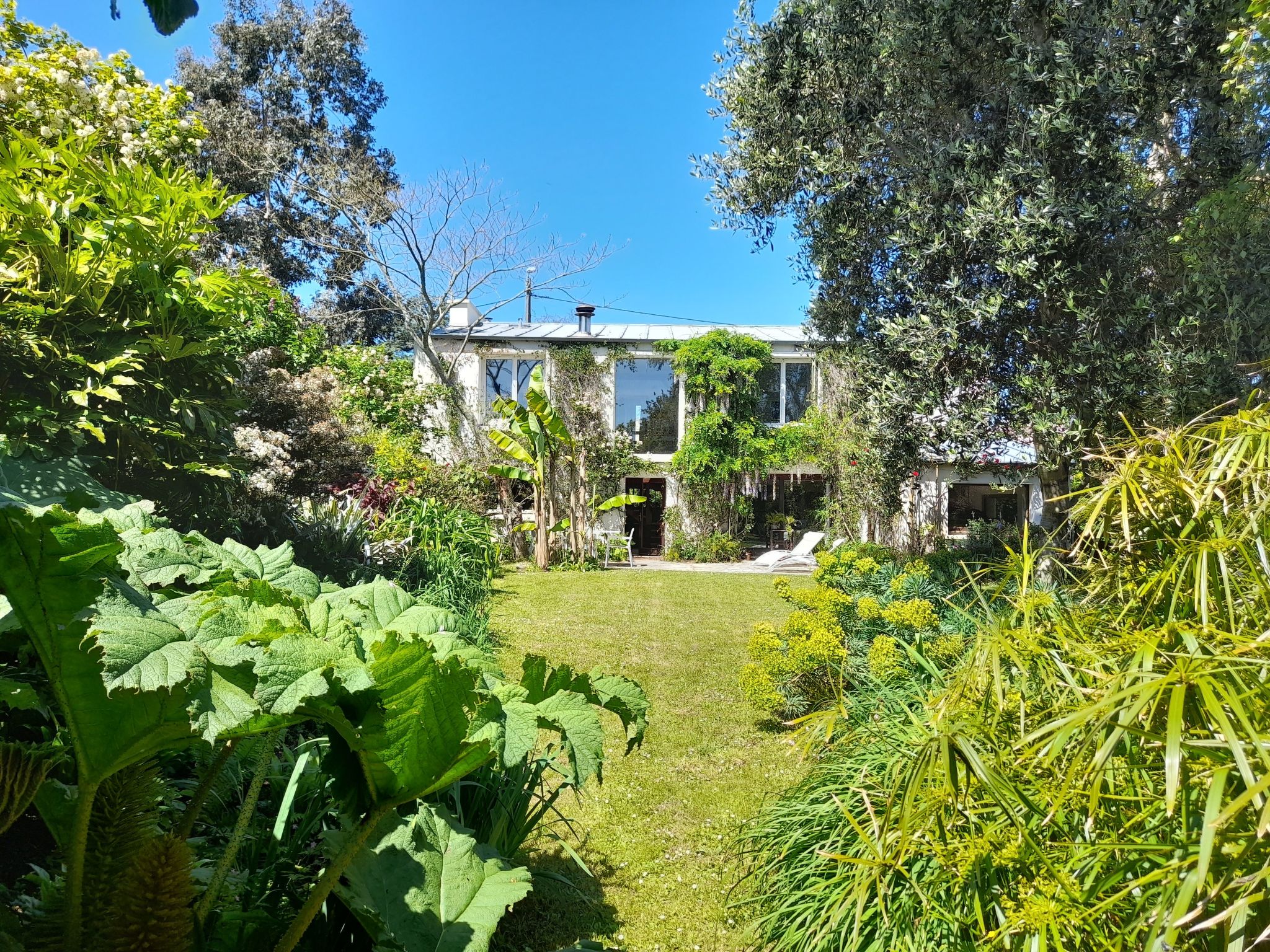
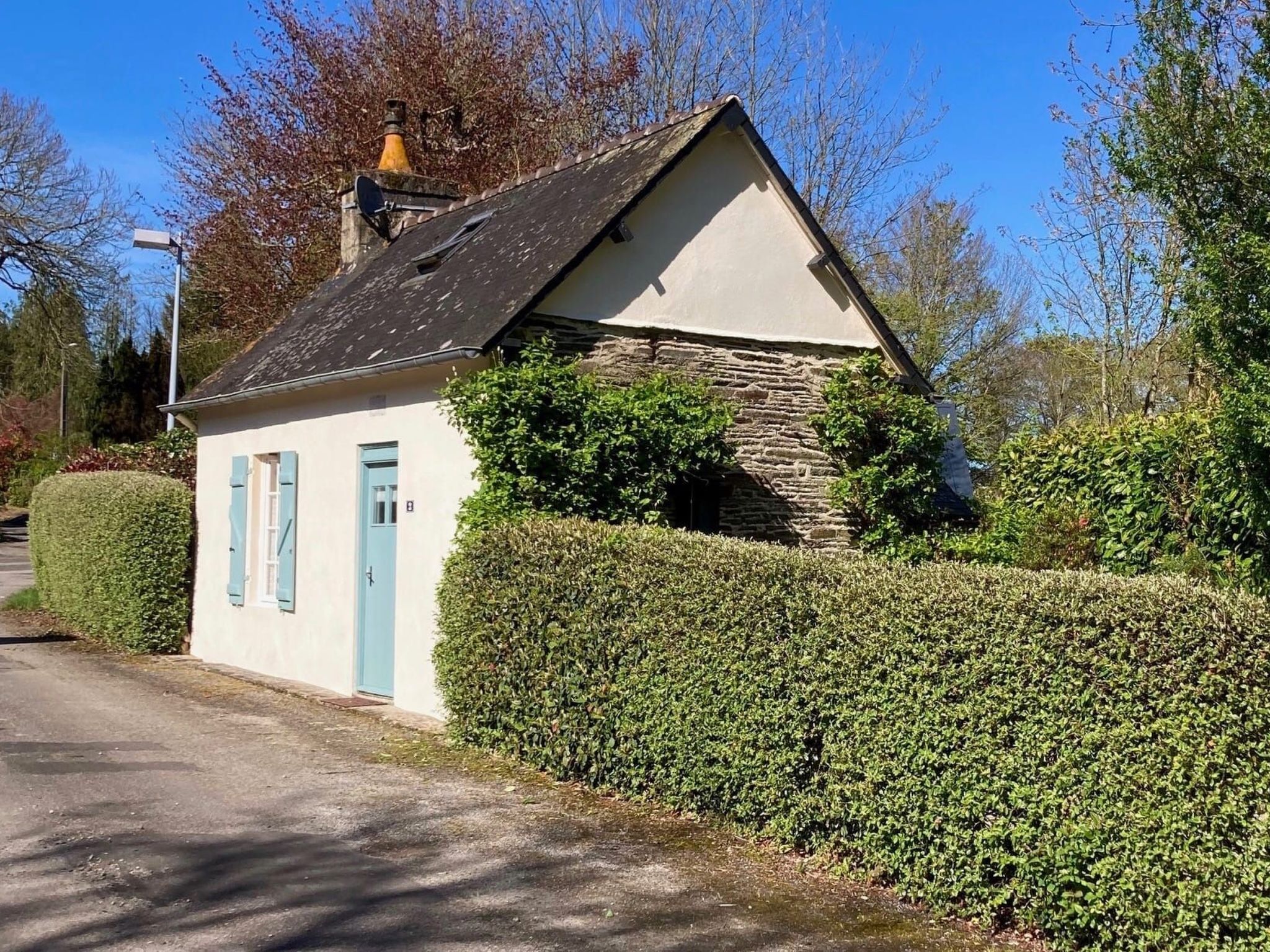
Guingamp, Ploumagoar and Plourivo (Côtes d'Armor)
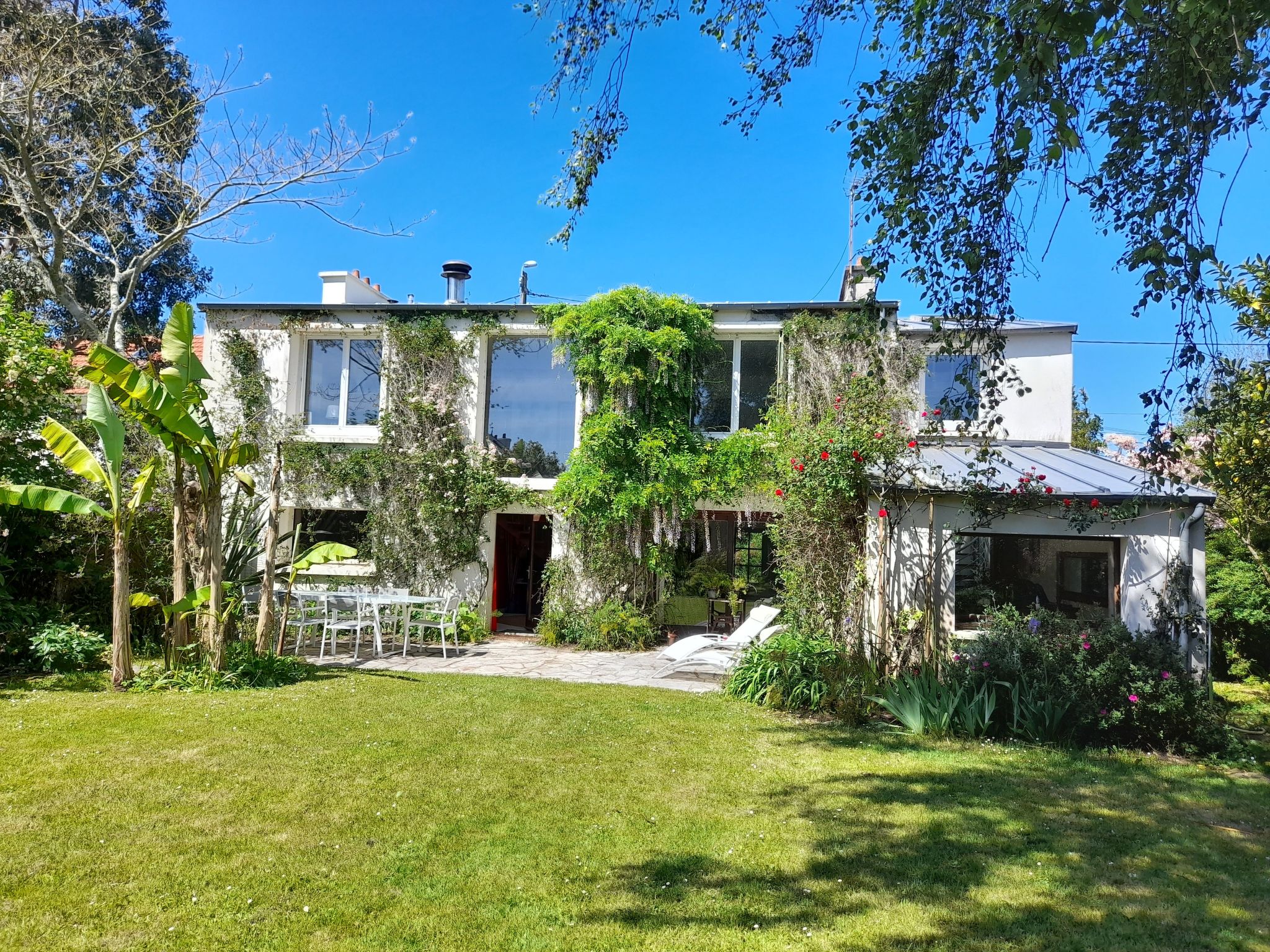
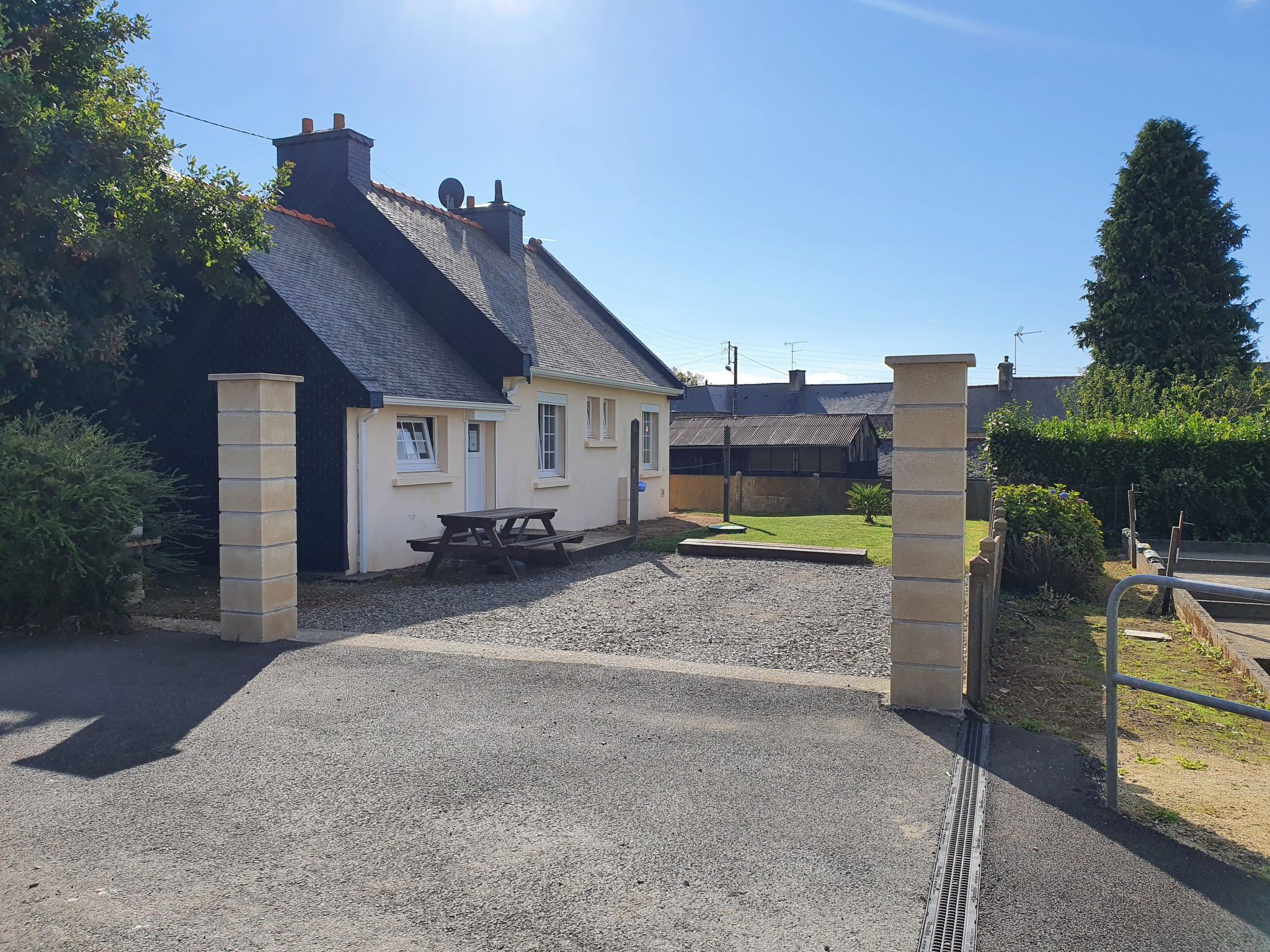
This is where we have the most villas in the region. Guingamp is a market town on the main Paris to Brest railway, and Ploumagoar is on its edge. Plourivo sits on the Trieux estuary next to Paimpol, close to the Pointe de l'Arcouest, where boats cross to the car-free Île de Bréhat in about 10 minutes. The Pink Granite Coast around Perros-Guirec is under an hour's drive.
Best for: Families wanting a rural base within reach of the north coast
Not for you if: You want to walk to the beach: Guingamp is inland, so most beach days mean a drive.
St Brice en Coglès, Sens de Bretagne and Hédé (north-east, near Rennes)
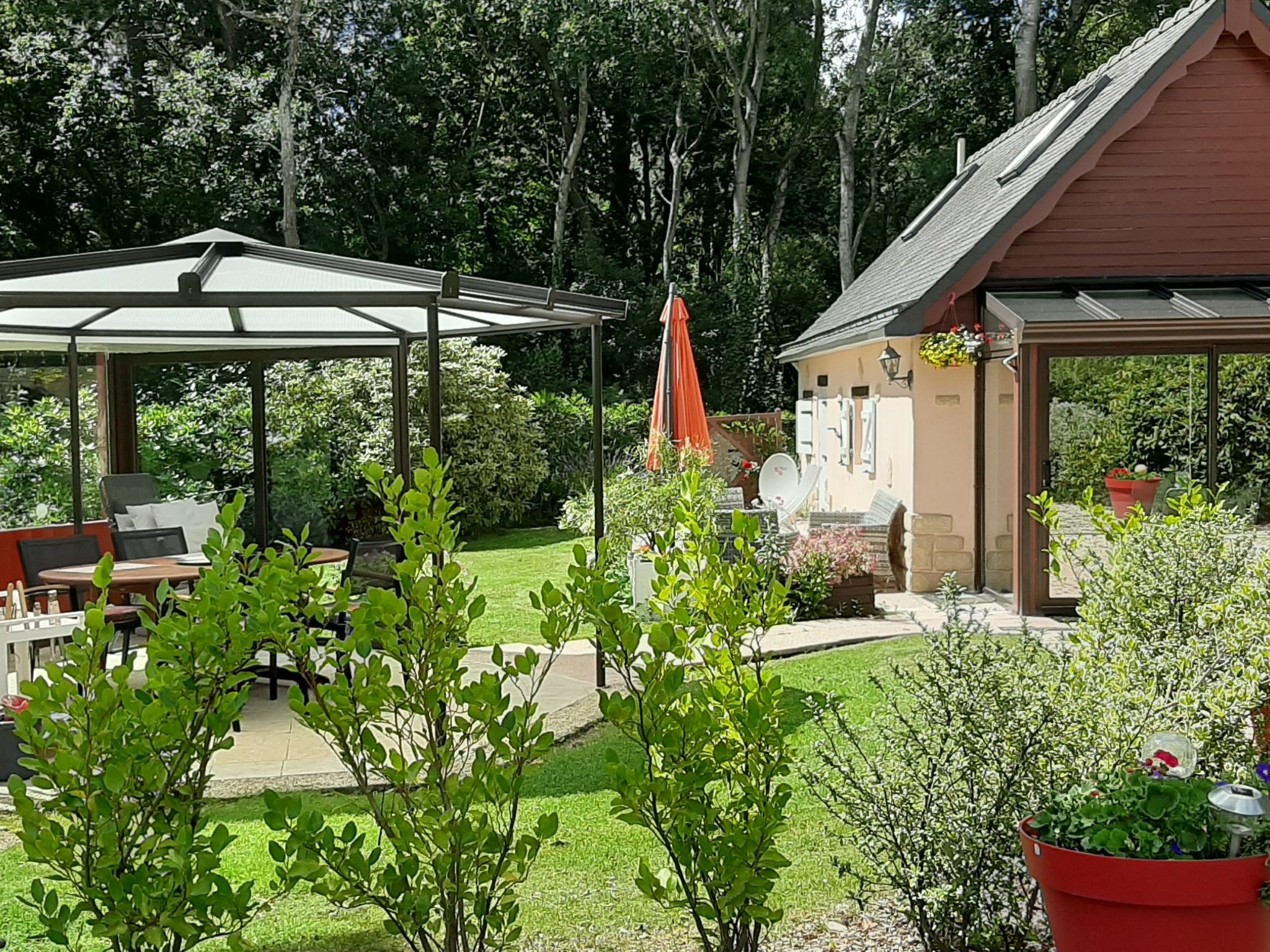
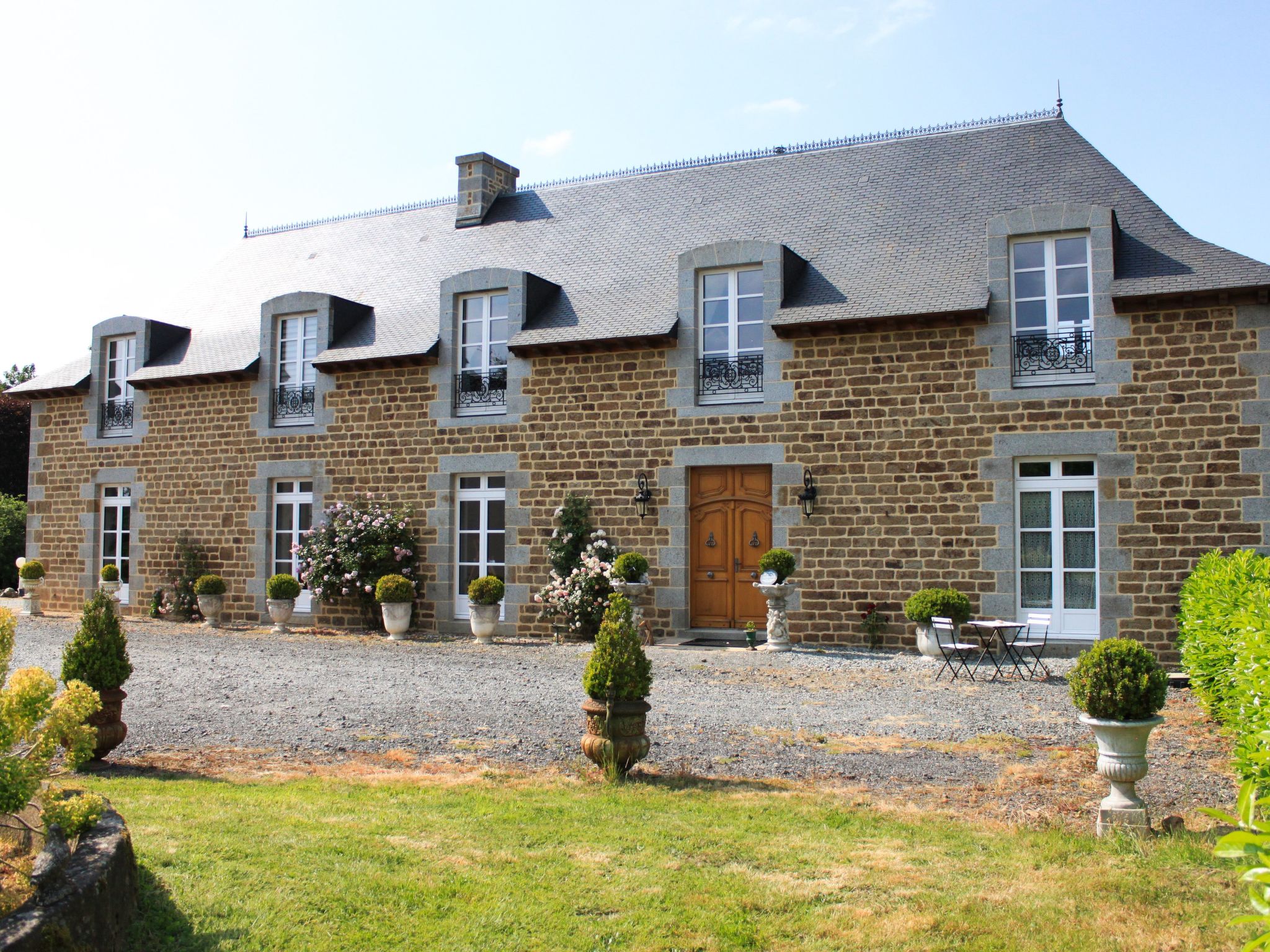
Quiet countryside on the Normandy side of Brittany. From St Brice en Coglès, the walled castle town of Fougères is about 20 minutes away and Mont-Saint-Michel around 40. Hédé sits on the Ille-et-Rance canal, with a flight of 11 locks and a towpath for walking and cycling. Rennes airport is roughly 30 to 45 minutes away, and the St Malo ferry port about an hour.
Best for: Easy ferry and airport access, castles and Mont-Saint-Michel
Not for you if: You want sea views: this is farmland and woodland, and the coast is around an hour away.
Brest and Landerneau (Finistère)
Brest is the big city of the far west, with a large harbour and Océanopolis, a sea-life centre that works well on a wet day. Landerneau, about 20 minutes inland, is a smaller town with an inhabited bridge over the Élorn. Brest Bretagne airport is close to both, and the Crozon peninsula's cliffs and beaches are about an hour's drive.
Best for: Exploring the wild western tip, with its own airport close by
Not for you if: You want a sleepy village: Brest is a working port city, rebuilt after the war.
Pleudihen sur Rance and Plancoët (Rance valley and Emerald Coast)
Pleudihen sur Rance sits above the Rance estuary, around 15 minutes from the medieval town of Dinan and about half an hour from St Malo and its ferry port. Plancoët is a little further west, roughly 20 minutes from the beaches at Saint-Jacut-de-la-Mer and Saint-Cast-le-Guildo, with Cap Fréhel's cliffs beyond. Dinard and Rennes are the nearest airports.
Best for: Couples who want Dinan, St Malo and the beaches close together
Not for you if: You want a wide choice of villas: we have very few here.
Gouarec and St Nicolas du Pélem (central Brittany)
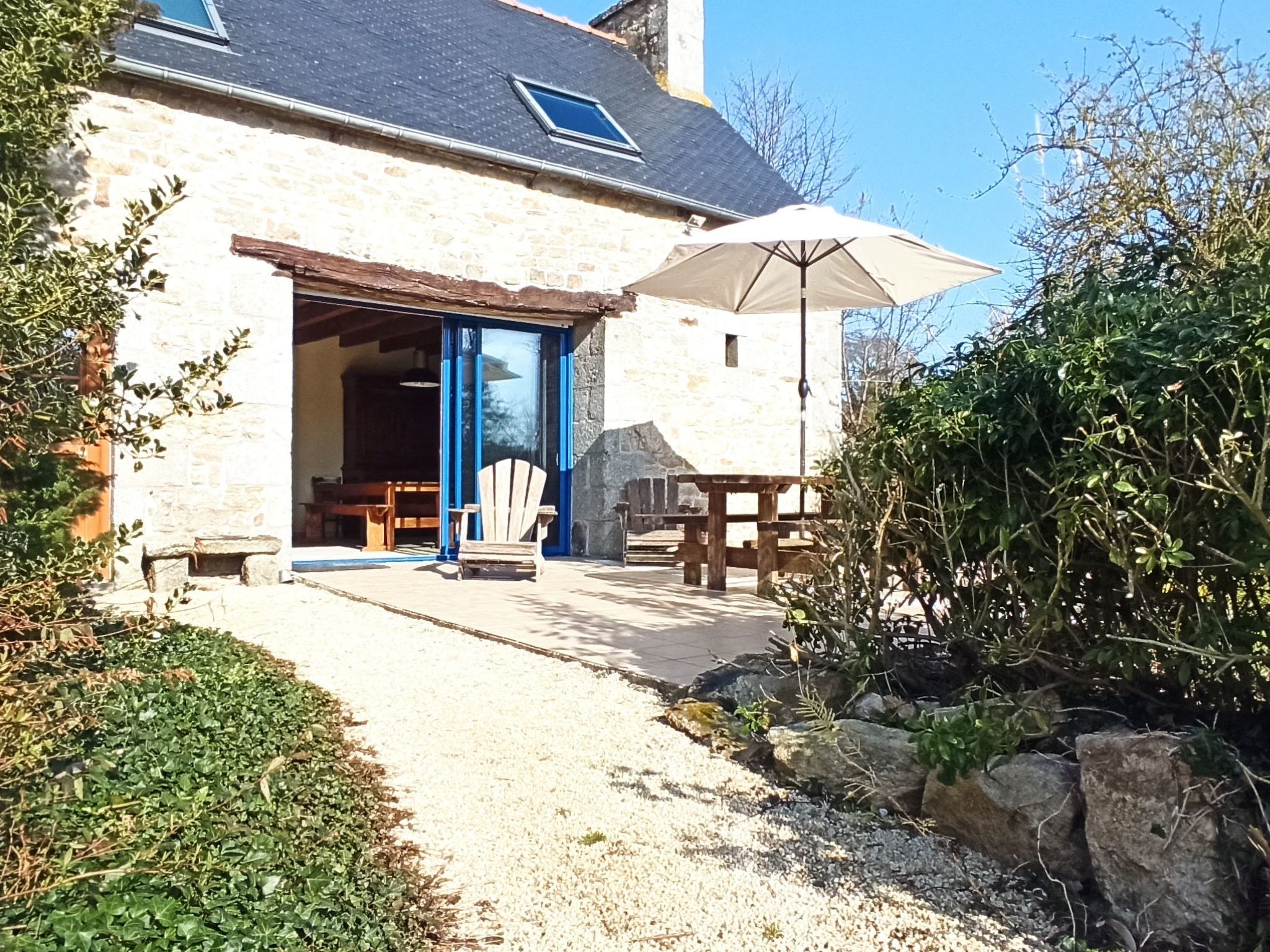
The quiet heart of Brittany, far from the summer crowds. Gouarec sits in a green valley on the Nantes to Brest canal, whose towpath is a long, flat walking and cycling route, and the Lac de Guerlédan lies a short drive east. St Nicolas du Pélem is nearby on the Blavet. The north coast is around an hour away, and Brest or Rennes airports roughly an hour and a half.
Best for: Walkers, cyclists and anyone after real peace and quiet
Not for you if: You want restaurants and shops on the doorstep: these are small villages in deep countryside.