Basque Country: Mountains Meet Coast
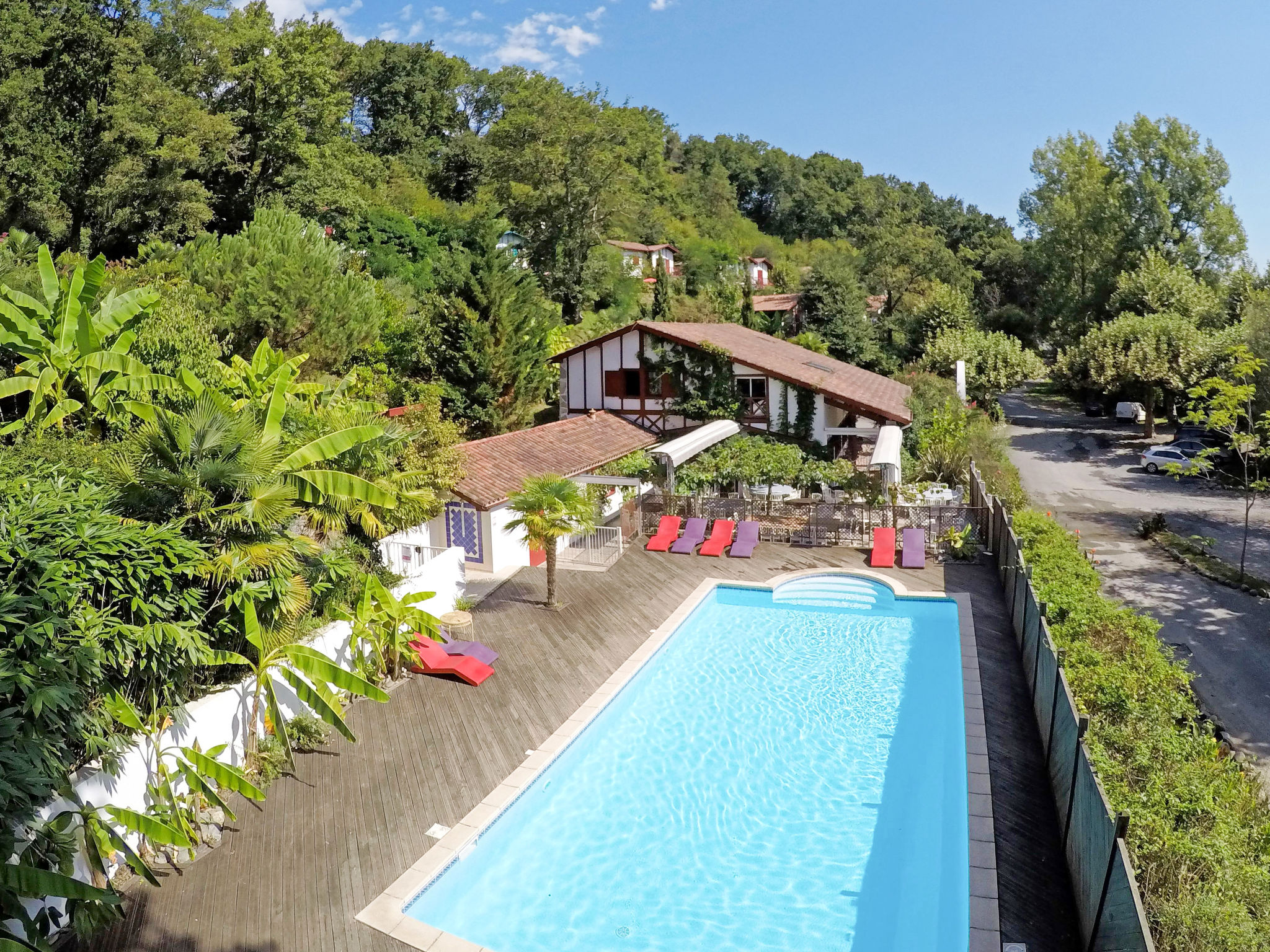
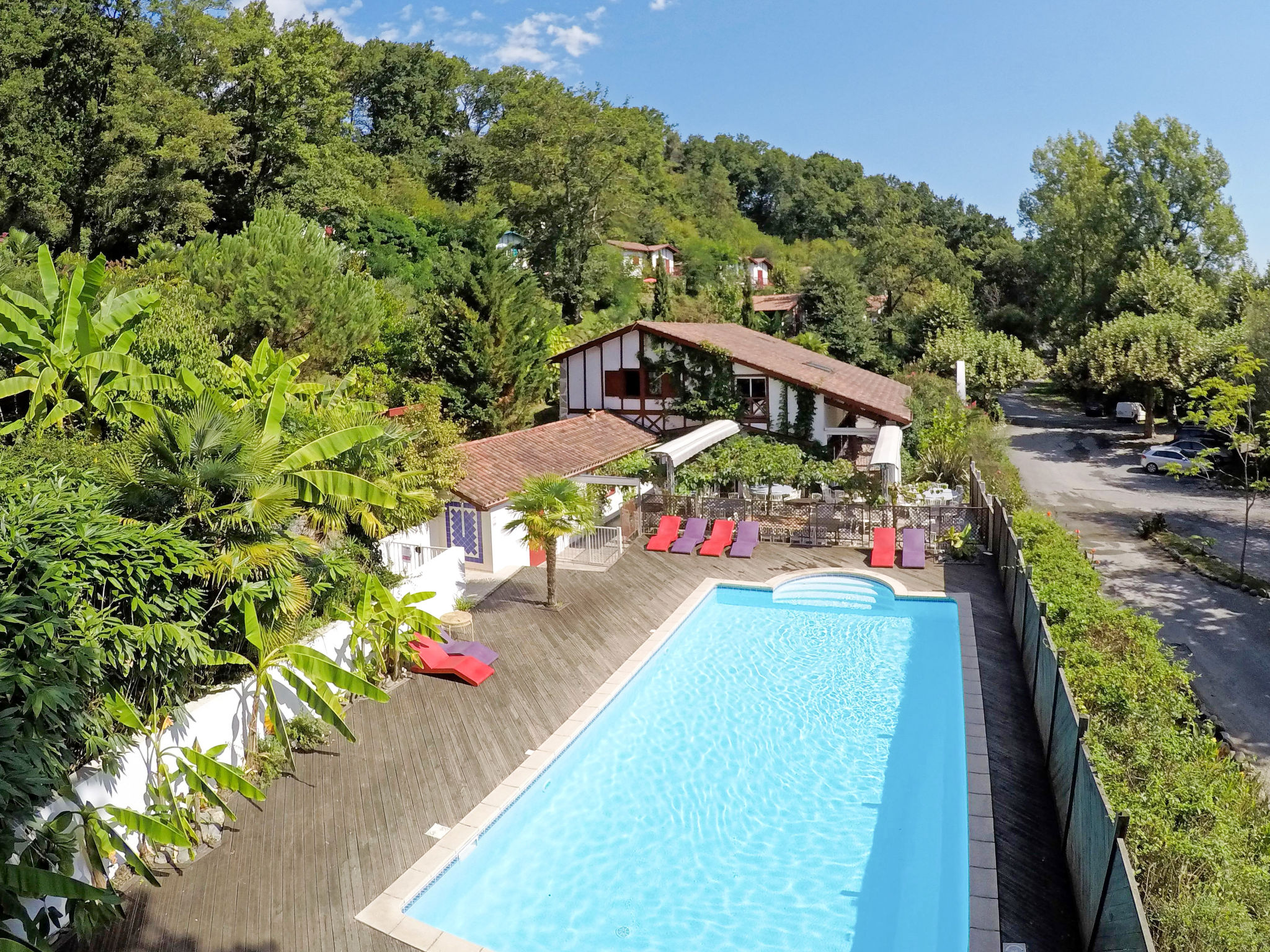
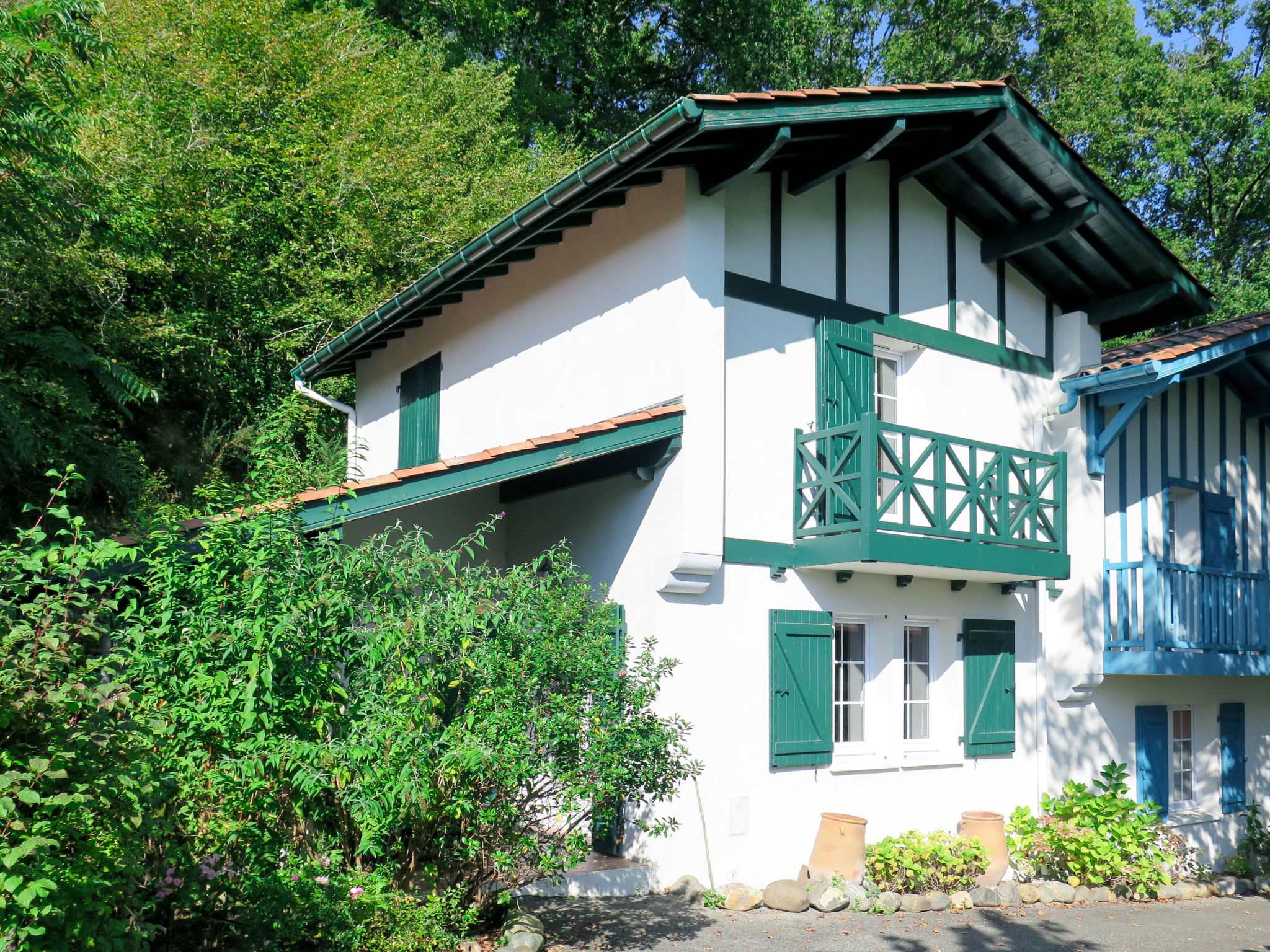
The French Basque Country occupies a peculiar position: it's part of France, culturally distinct from France, and shares heritage with Spanish Basque territory across the Pyrenean border. We return here for the combination of landscape and character you can't replicate elsewhere. The mountains rise steeply from the coast within miles. The food is among France's best, rooted in local tradition rather than classical training. The people have a separate identity, visible in language, architecture, and attitude. Unlike Provence, where tourism has calcified the experience, the Basque Country still feels lived-in. Yes, it's popular, but it hasn't surrendered itself entirely to visitors.
What Makes Basque Country Special
- Food culture that's actually about food. Fishing ports and mountain farms supply restaurants where the menu changes with the catch and season. Pintxos bars in San Sebastián or Bayonne let you graze from tapa-sized plates, each with genuine thought behind it.
- Mountain-and-coast proximity. You can walk in serious terrain (Pyrenean foothills) in the morning and be on the beach by afternoon. The landscape shifts in ways it doesn't in flatter regions.
- A living, distinct culture. Basque language persists on signs, in schools, in daily life. This isn't heritage tourism; it's an active culture. You'll notice the difference in how people interact with each other and how they regard outsiders.
- Smaller scale than the Mediterranean. The beaches are manageable in size, the villages have character, and crowds, while present in summer, don't overwhelm like they do on the Côte d'Azur.
Top Towns & Resorts in Basque Country
Biarritz
Biarritz is the region's resort town and has been since the Belle Époque. It's a proper seaside city with a casino, beaches, and infrastructure that caters to tourism explicitly. The waterfront has character: the lighthouse, the rocky outcrops, the long sandy beach. The surrounding area (Bidart, Guéthary) offers smaller alternatives. The old town has preserved narrow streets and decent restaurants. However, Biarritz is crowded July-August, and accommodation isn't cheap. The Basque character is present but not dominant; it's a resort that happens to be Basque rather than a Basque place adapted for tourism. Spring and autumn are quieter and more enjoyable. The water temperature rarely exceeds 16°C even in summer; swimmers use wetsuits year-round.
Saint-Jean-de-Luz
A working fishing port with a long promenade, Saint-Jean-de-Luz feels less resort-like than Biarritz but is busy in summer nonetheless. The fishing fleet arrives daily, and local restaurants serve its catch. The beach is sheltered and sandy. The old town, built on the back of 17th-century trade, has elegant stone buildings and small squares. This is where you experience actual Basque life rather than Basque tourism. The port's activity (boats, nets, auctions) continues regardless of season, which gives it authenticity. Accommodation here is slightly less expensive than Biarritz, and it's close to both coast and mountains for excursions.
Bayonne
Bayonne sits inland where two rivers meet, and it's fundamentally a working city rather than a resort: you'll see far more locals than tourists. The old town has genuine character: narrow medieval streets, half-timbered buildings, and the cathedral. The riverside is pleasant for walks. Bayonne is famous for its ham and is a proper food destination; pintxos bars along the quays are where to eat. The city is more affordable than the coastal towns and gives you a different perspective on Basque culture. Summer sees tourism but not crowds. You're about 20km from the coast and close to mountain villages, making it a good base for exploring rather than a destination in itself.
Espelette
A village in the foothills known for its red peppers (espelette peppers, used in local dishes) and for its Basque character. The central square is lined with traditional whitewashed and red-shuttered houses. It's small and genuinely quiet, even in summer. The surrounding countryside is mountainous, with hiking trails leading into real terrain. There are no beaches, no nightlife, and minimal tourism infrastructure. It's for people who want village life, hiking, and traditional Basque culture, not for beach breaks. The landscape around Espelette is genuinely beautiful in a way that requires effort to appreciate.
Bidart
A smaller coastal alternative to Biarritz, Bidart has kept a village scale while offering a functional beach, restaurants, and accommodation. It's less fashionable than Biarritz, which makes it less crowded and less expensive. The surrounding cliffs are dramatic, and the beaches are genuinely nice for swimming. It's positioned between working coastline and resort infrastructure without fully committing to either.