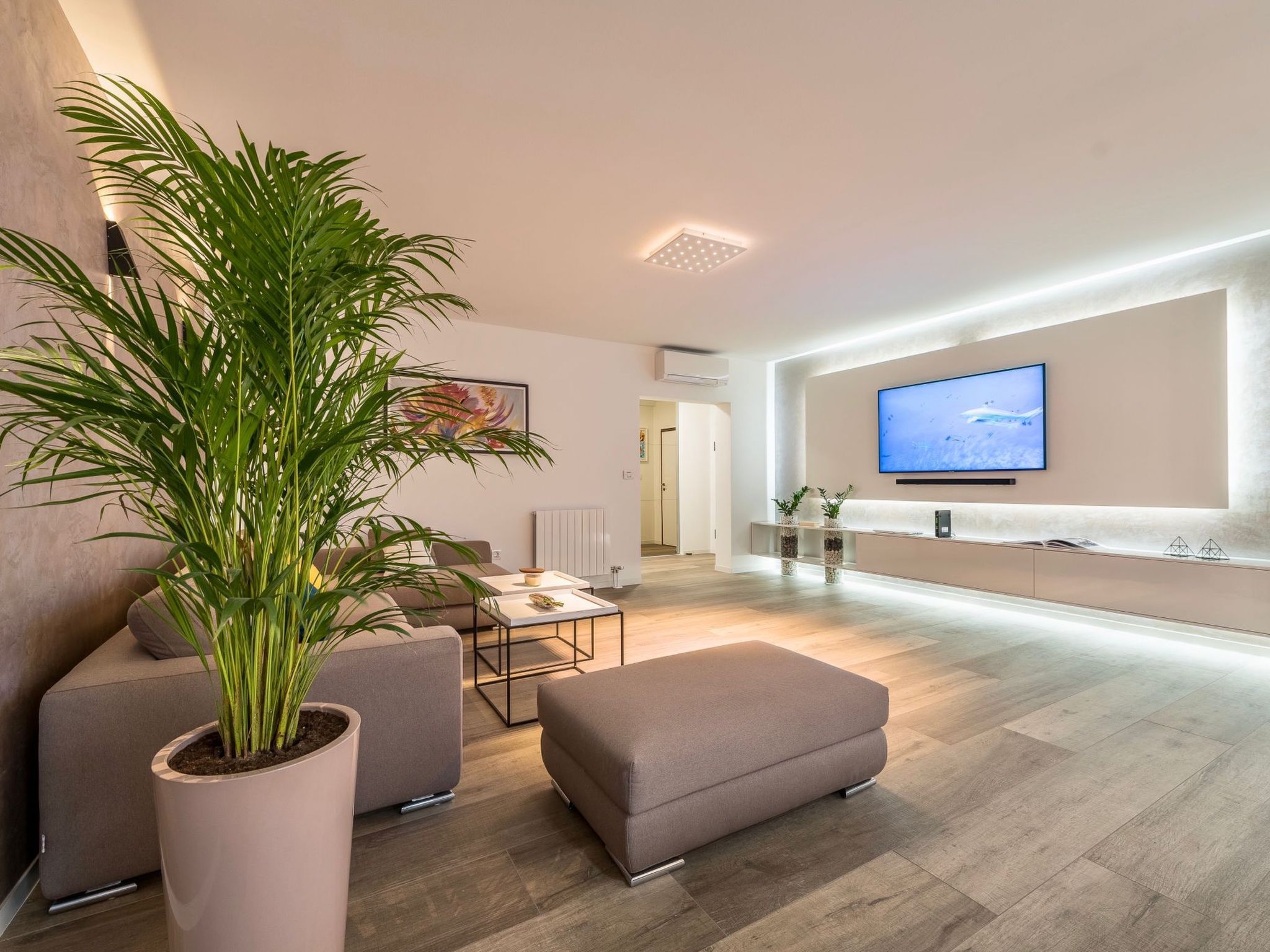
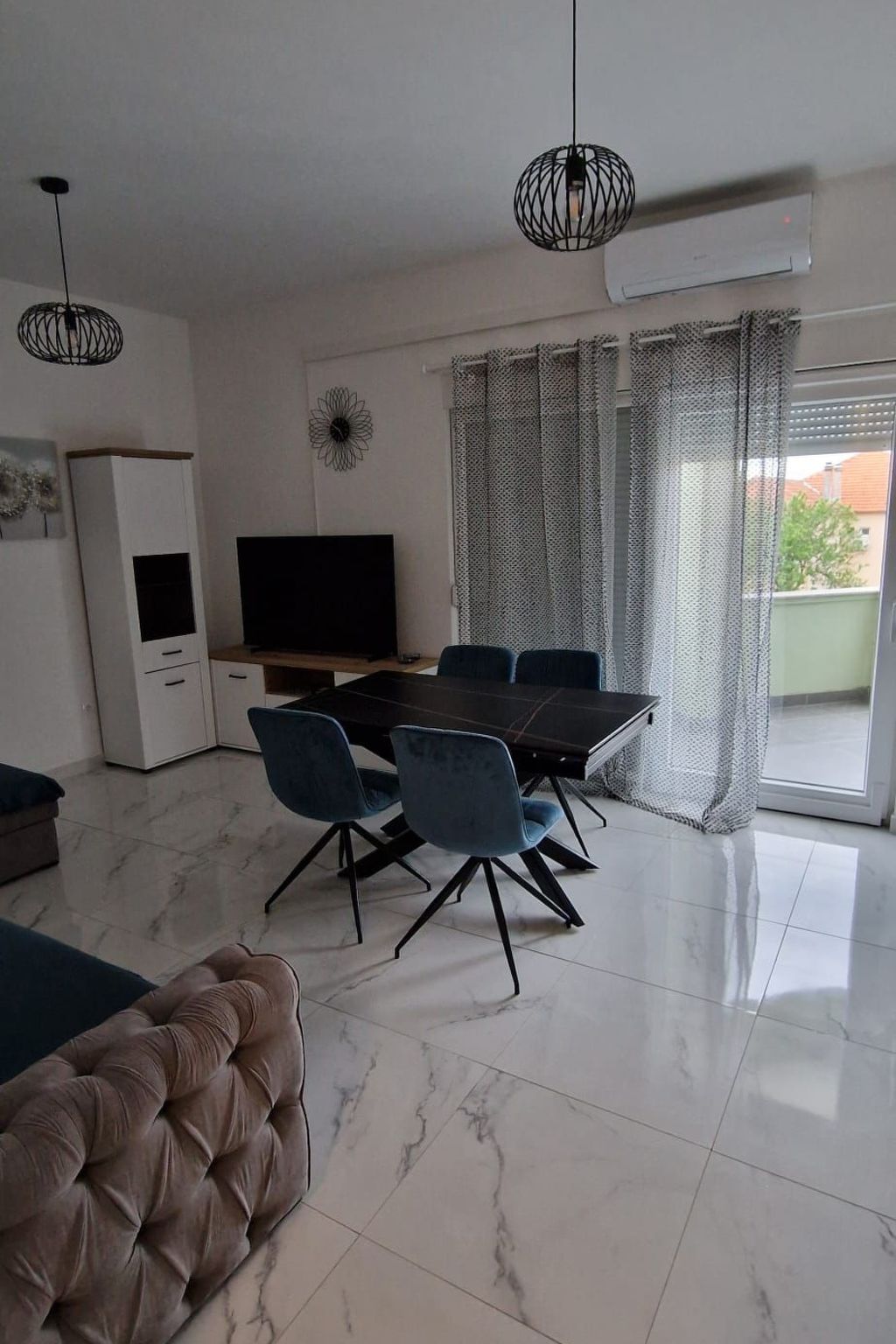
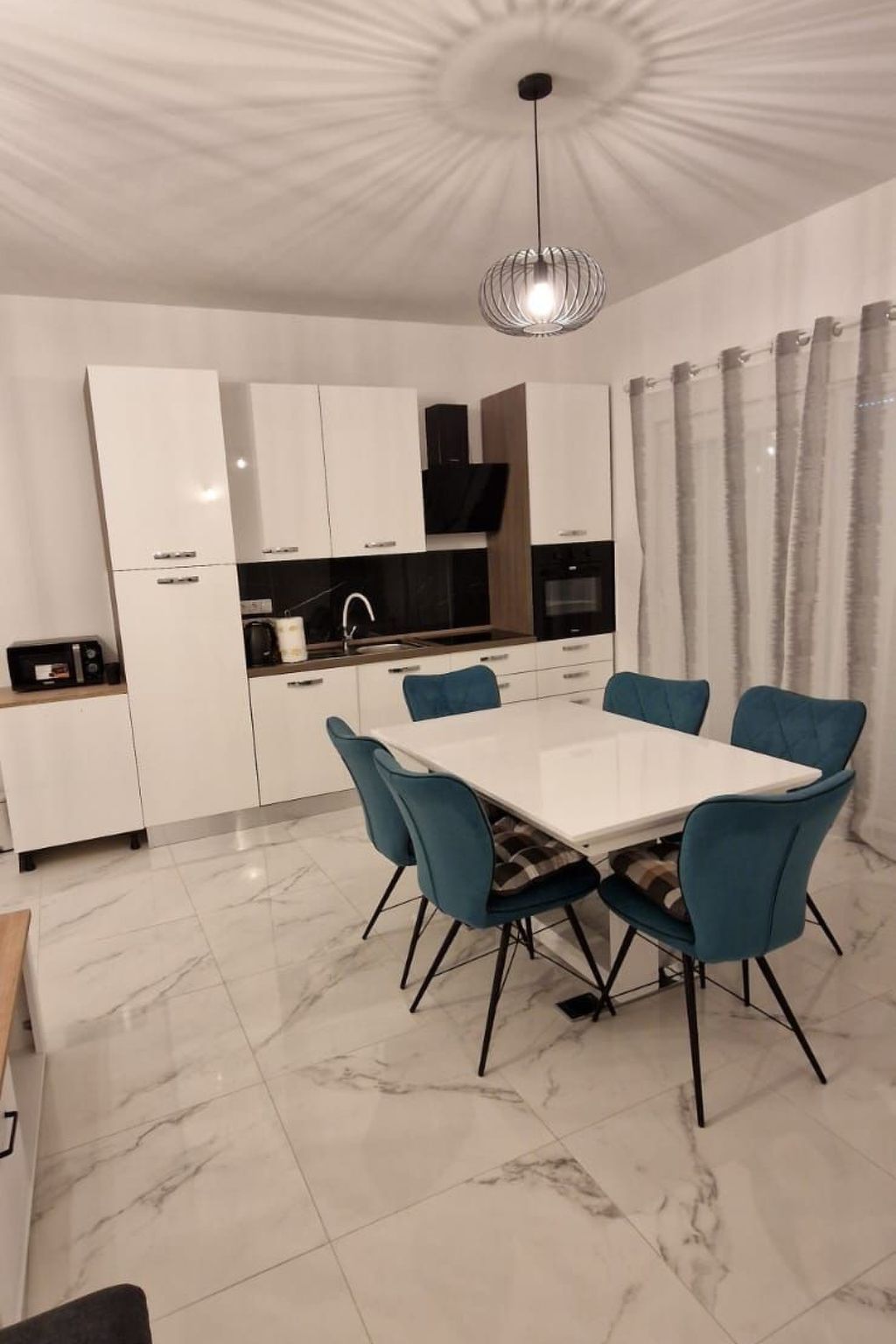
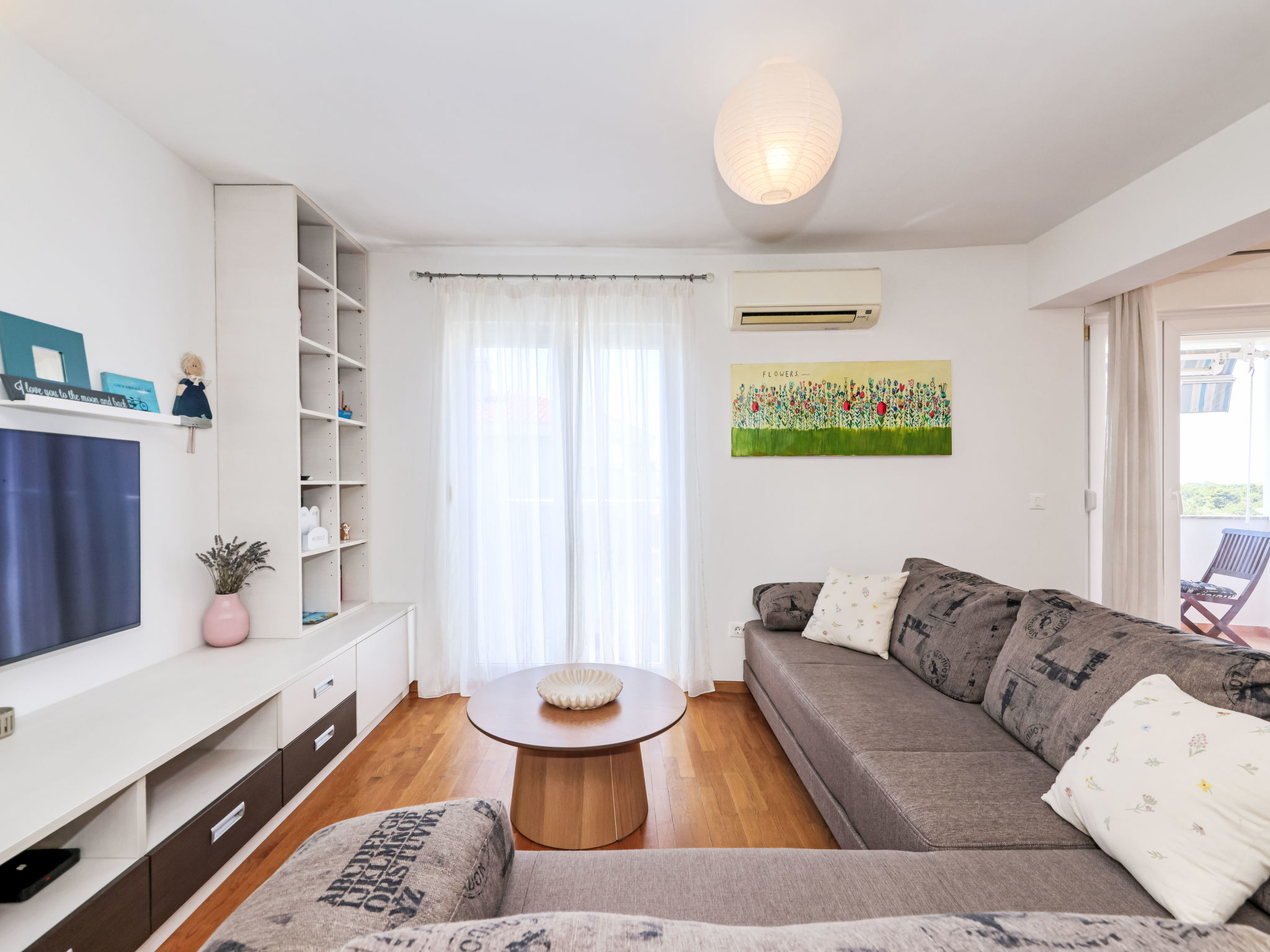
Zadar often gets overlooked for the star cities, but that's Zadar's advantage. The old town sits on a peninsula with views across sea channels to islands. Roman ruins sit next to Byzantine churches and Venetian defenses(three empires built here, one after the other). The waterfront buzzes gently with cafes and restaurants. Peak summer brings tourists, but nothing like Split's cruise-ship chaos. You get genuine Adriatic culture without performing for cameras.
Why Stay in Zadar
- Walkable history without pretense. The old town unfolds on foot. Buildings carry visible layers of conquest and architecture. A Roman forum sits alongside a 9th-century church and a 16th-century tower. It feels lived-in, not museum-fied. Locals still live and work here, not just serve tourists.
- Perfect gateway to islands. Ferries depart for Hvar, Vis, Pakleni Islands, and Korčula. Zadar is an island-hopping hub without the yacht-scene premium of Split. Day trips are easy and ferries are frequent. The islands themselves see fewer day-trippers than those near Split.
- Spectacular sunsets (but with a catch). The waterfront faces west, giving reliable golden-hour light. The famous Sea Organ and Greeting to the Sun sculptures are Instagram-worthy but can feel crowded at sunset. Go early or late to avoid the crush. The mechanism itself (waves through metal tubes) is clever but crowds lessen the effect.
- Smaller city fatigue. Zadar is relaxed compared to Split but lacks the quiet intensity of smaller towns. You get city amenities (choice of restaurants, shops, bookstores) without the scale. Trade-off: fewer nightclubs than Split, less beachside resort feel than Makarska.
Things to Do in Zadar
The old town itself is the main attraction. Wander the narrow streets, ducking through archways. The Roman Forum is essentially a plaza with a few stone blocks remaining. St. Donatus Church (9th century) sits on the forum.s edge: squat, unpretentious, genuinely ancient. Entry is €2. Climb the Cathedral bell tower (15m up narrow stone stairs) for views across the channels to islands. It's disorienting and worth doing once.
Walk the waterfront promenade at dawn or dusk before crowds gather at the Sea Organ. The Organ is a novelty: an underwater tube system that produces sounds as waves push water through it. It's fascinating the first time, gimmicky if you visit multiple times. The Greeting to the Sun is a solar-powered light installation below the Organ that glows at night. Together they're a photo opportunity, not a meaningful experience, but worth seeing.
Day trip to nearby islands. Ugljan and Pasman are closest (5–15 minute ferries). Ugljan has sandy beaches, olive groves, and working villages. Ferries run frequently and cost €5–8 return. A simple picnic and swim takes half a day. Hvar and Vis ferries take 1–2 hours but offer more varied exploration.
Visit the Cosmacendi Archaeological Museum for Roman and Byzantine artifacts. The collection is legitimate without being overwhelming. Entry costs a few euros. Most of Zadar's history is visible walking the town; the museum fills in details.
Zadar is close to Plitvice Lakes National Park (2 hours inland by car). Dramatic waterfalls and limestone lakes justify a full day trip. Tours from Zadar run €30–50 including park entry. Self-driving is cheaper but requires logistics. The drive climbs away from the coast into wooded interior completely different from the Adriatic.
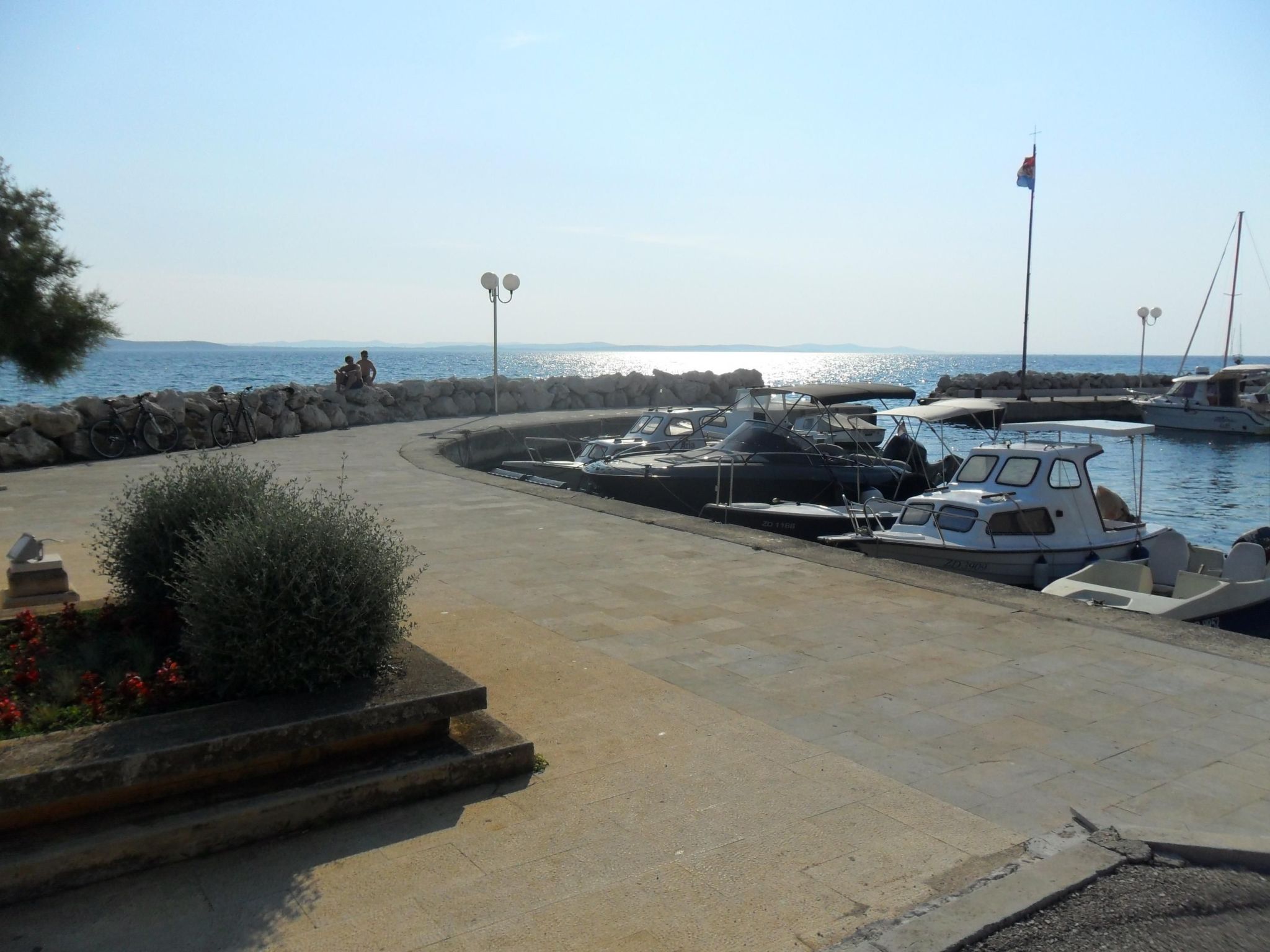
The town.s beach situation is minimal. A small pebbly beach in town, or rocky swims. Swimming happens, but most beach holidays go to island day trips. If beach-focused, base yourself on an island instead and visit Zadar for town exploration.