North Dalmatia: Zadar, Islands & the Adriatic Gate
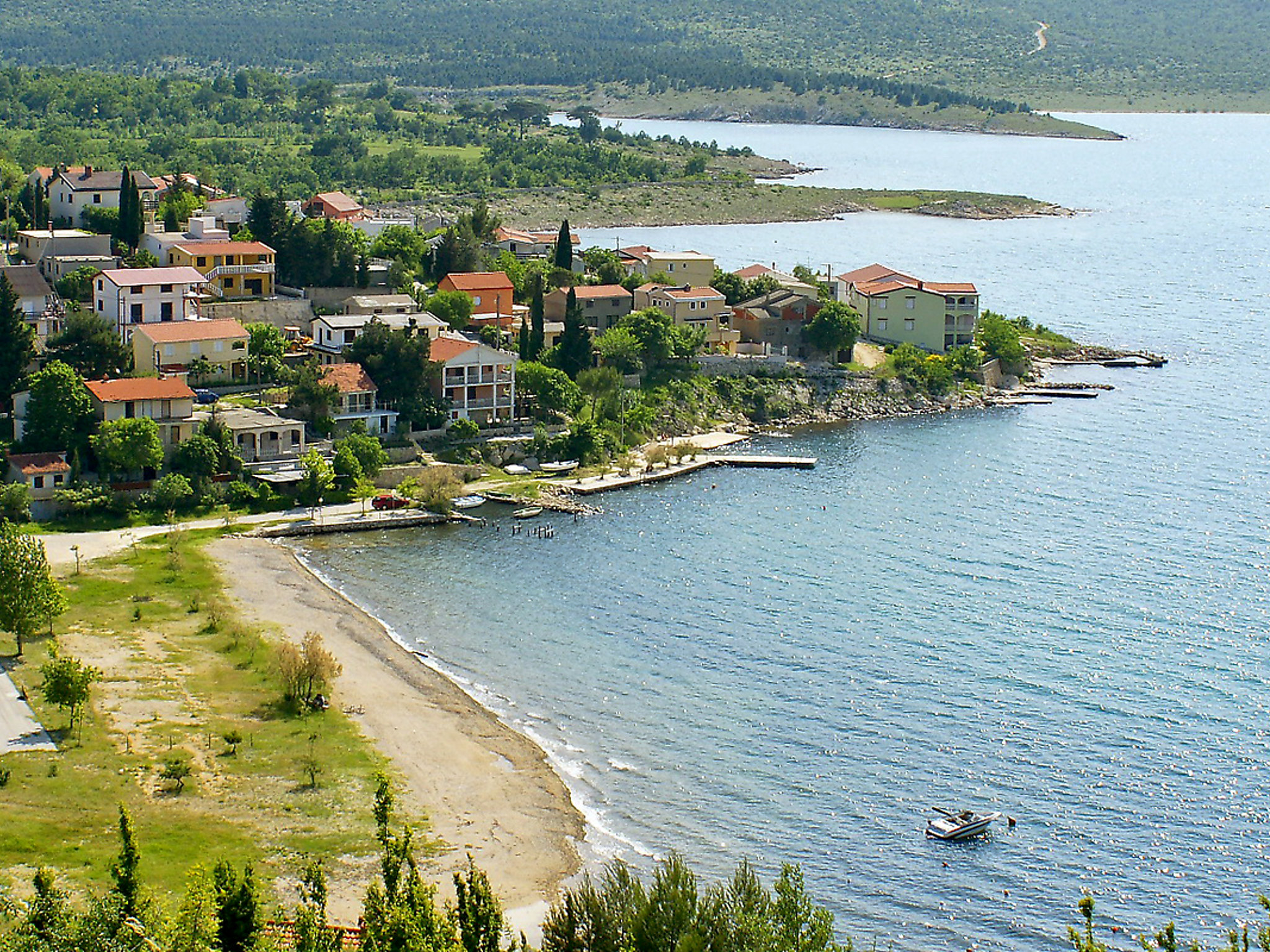
North Dalmatia sits at a geographical threshold. The mainland coast is less dramatic than Central Dalmatia—flatter, greener, less immediately showy—but that's precisely what makes it interesting. Zadar is often skipped for Split or Dubrovnik, which is a mistake. It's a real Adriatic city with a lively waterfront, intact medieval core, and restaurants that cook for residents first and tourists second. The islands (Dugi Otok, Ugljan, Pašman) are quieter than their Central Dalmatian equivalents, which is entirely to their advantage. The Kornati Islands National Park is genuinely spectacular if you appreciate dramatic limestone formations and crystal water. North Dalmatia works as a base for people uninterested in the Split-Dubrovnik tourism circuit—it's less famous but more authentic, and the food and wine story is serious. The region offers relief from the overcrowding that plagues other Dalmatian destinations, without sacrificing accessibility or quality.
What Makes North Dalmatia Special
- Zadar's waterfront and old city: The Riva (waterfront) is genuinely one of the Adriatic's best—lined with restaurants and locals, with the lagoon islands stretching out before you. The architecture is mixed (medieval, Venetian, Austrian-Hungarian) but cohesive. The old Roman forum and medieval churches sit in a compact, walkable core.
- Less tourism-dependent than Split or Dubrovnik: Zadar's restaurants aren't primarily performing for tourists. The local market (Zeleni Bazar) is busier than the old town in many seasons. The city functions independent of visitor attention, which creates genuine atmosphere rather than staged tourism.
- Island accessibility without crowds: Ugljan and Pašman are a 15-minute ferry from Zadar and completely quiet compared to Hvar or Brač. Dugi Otok is remote enough to feel like exploration but close enough for a day trip or longer stay. Each island has distinct character.
- Kornati Islands (by boat tour): These limestone formations rising sheer from deep water are genuinely dramatic. Day trips or multi-day sailing experiences explore them, and they're worth the time. The national park is clean and relatively uncrowded.
- Relaxed pace: This region doesn't feel like it's racing to maximize tourism revenue. That may be a business disadvantage but it's holidaymaker advantage. The stress level is lower and you experience coastal life at a human pace.
Top Towns & Resorts in North Dalmatia
Zadar
Zadar is a city first, tourist destination second. Something increasingly rare on the Adriatic. The Riva waterfront is the heart, running for about a kilometre with restaurants, bars and locals on the terraces. The waterfront buzzes with activity; locals genuinely use it. Behind it, the old town is compact and medieval with a Roman forum, Byzantine church and narrow stone streets. Beyond that, Zadar expands into a functioning city with local markets, residential neighbourhoods, and daily life that doesn't revolve around visitors. Food is notably good. The local seafood market (Zeleni Bazar) is good. Wine culture is serious here. The local area produces good whites and wine bars are unpretentious and good value. The city rewards 2–3 day stays where you settle into neighbourhoods beyond the old town.
Honest note: Zadar isn't as visually dramatic as Split or Dubrovnik. The setting is flatter, the architecture is medieval rather than ancient-Roman. It's appealing in subtle rather than obvious ways. In July-August the waterfront gets busy but never reaches Split's saturation levels.
Nin
Nin is ancient. It was a Roman capital and medieval royal seat. What remains is a compact peninsula town with medieval churches and a small beach (Ninska Laguna), about 15km south of Zadar. It's quiet, historically significant, and functions more as a day trip or overnight base than a long stay destination. The sandy beach (rare on the Dalmatian coast) is why people come, and it fills with families and daytrippers in summer. The town has several churches worth visiting and a genuine sense of historical layering.
Honest note: Nin is small and doesn't have much to occupy more than half a day. The beach is good but crowded in peak season. Accommodation is limited. It works as an add-on to a Zadar base, not as a standalone destination for multiple days.
Ugljan (Island)
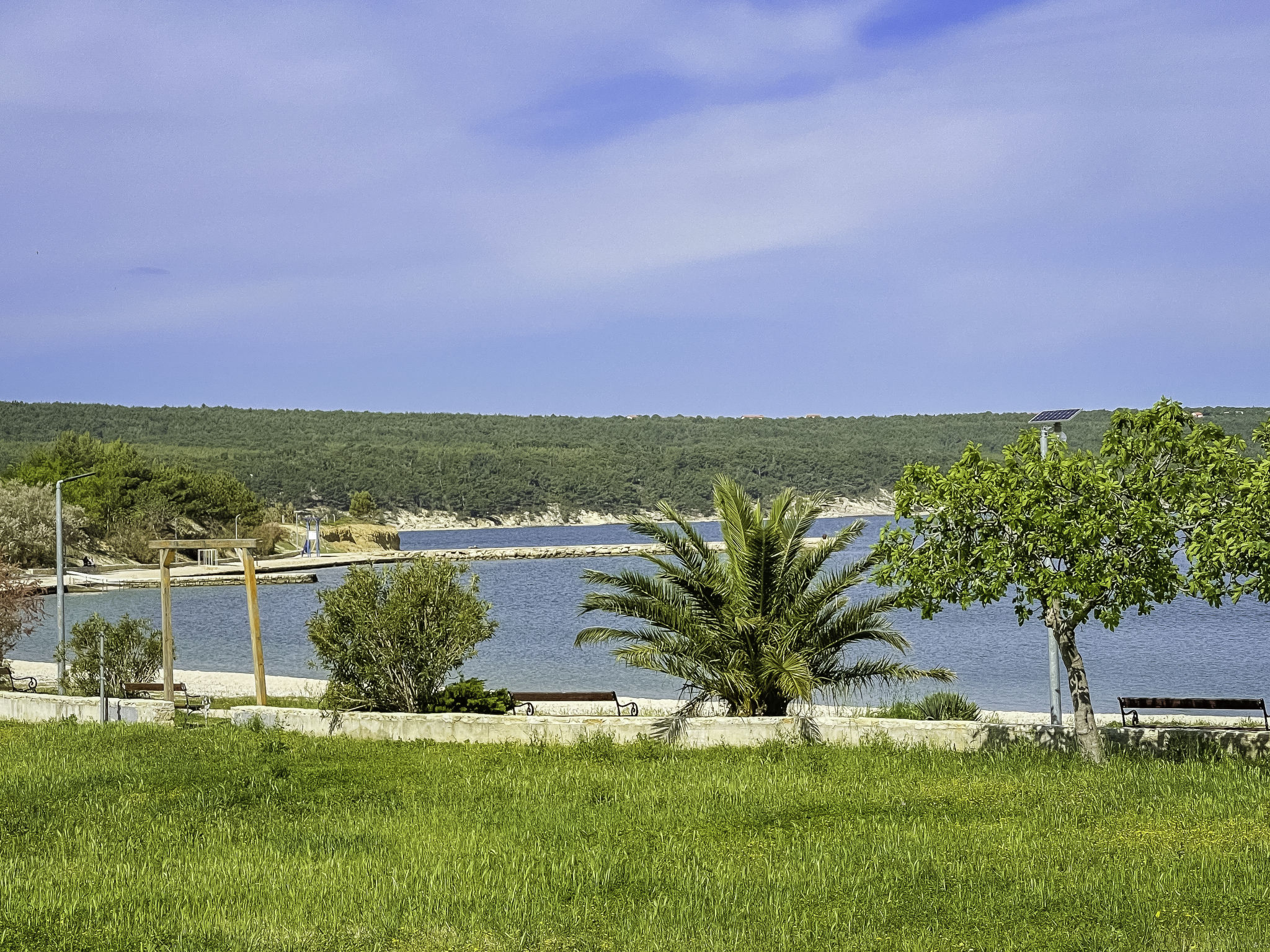
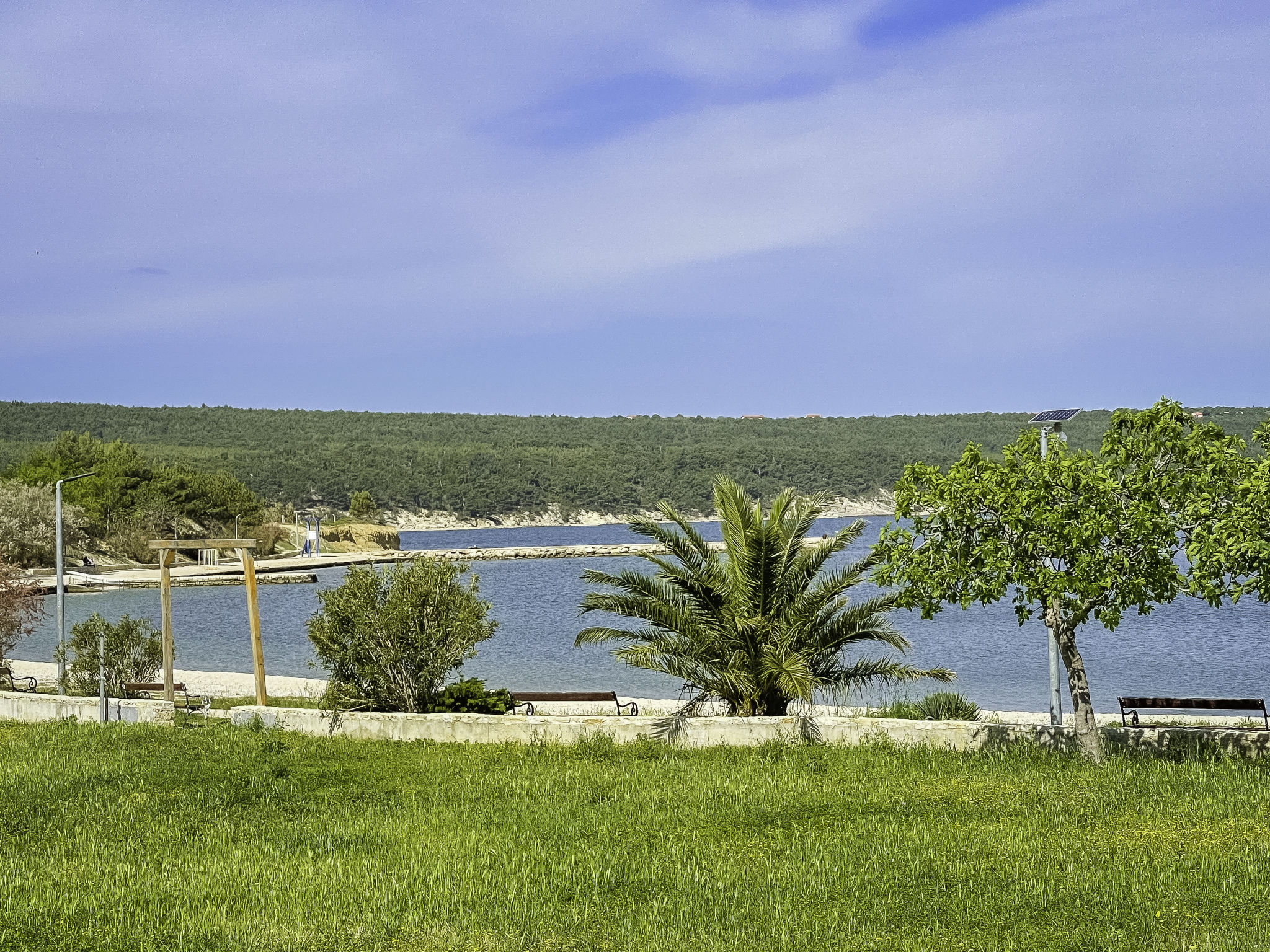
Ugljan sits across a narrow strait from Zadar (15-minute ferry from the city). It's a fishing island with villages dotted along the coast, olive groves and pines inland, and pebbled beaches and coves for swimming. Unlike party islands (Hvar) or completely remote islands (Vis), Ugljan sits in the middle. Quiet but functional, with good restaurants based on local fishing catch. The main settlement, Ugljan Town, is small but has a ferry terminal, restaurants and basic services. The island's interior has walking paths through agricultural land.
Honest note: Ugljan is quiet, which is the appeal and the limitation. Accommodation is basic in some places. Beaches are pebbled. Restaurants are limited, especially outside summer. It's for people seeking peace rather than activity or variety.
Pašman (Island)
Pašman is even quieter and greener than Ugljan, connected by bridge to the mainland and by ferry to Zadar. It's more forested, less touristed, and appeals to people seeking genuine island peace. The main settlement is small and functional. Beaches are coves rather than developed beaches. Restaurants are family-run and genuine, serving fresh fish and local specialties. This is an island for walking, swimming and eating what locals catch, not for entertainment or extensive infrastructure. The island feels genuinely removed from tourism.
Honest note: Pašman lacks infrastructure beyond basics. Restaurants can be sporadic in shoulder seasons and close in winter. The island is genuinely quiet, which is either perfect or boring depending on what you're after. Accommodation is limited and books ahead.
Dugi Otok (Island)
Dugi Otok is larger and more remote, accessible by ferry from Zadar (1 hour) or by private boat. The main settlements (Božava, Sali, Veli Rat) are quiet fishing villages with genuine maritime character. The island's main draw is Sakarun Beach. A stretch of fine pebbled beach in a protected bay with exceptional water clarity. Dugi Otok serves as a gateway to the Kornati Islands National Park, which lies just offshore. It's genuinely off the beaten track.
Honest note: Dugi Otok requires commitment. The ferry takes an hour, services are minimal outside summer, and infrastructure is basic. It's for people seriously seeking island isolation, not casual day-trippers. Book accommodation far in advance as options are limited.
Biograd na Moru & Coastal Towns
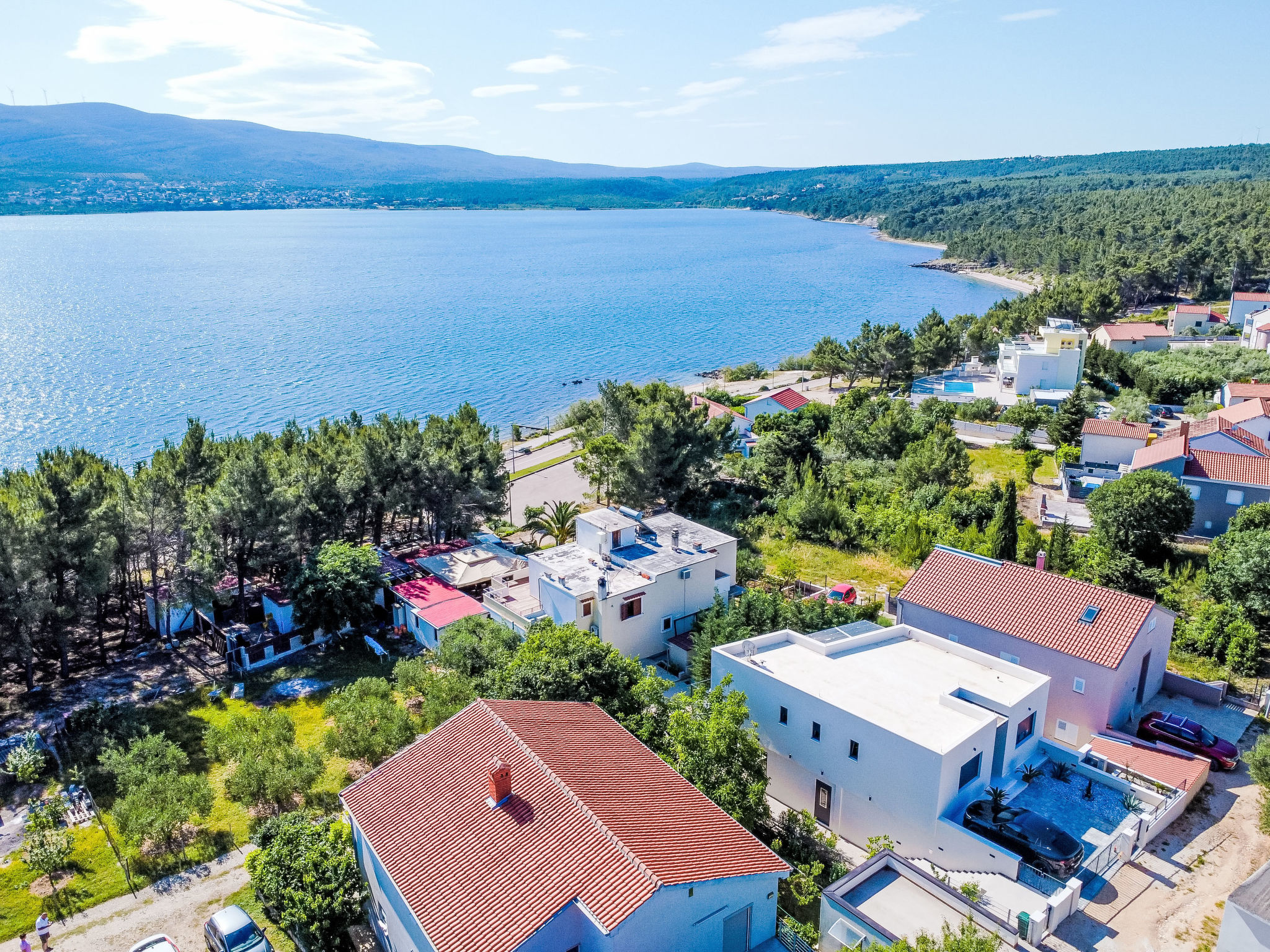
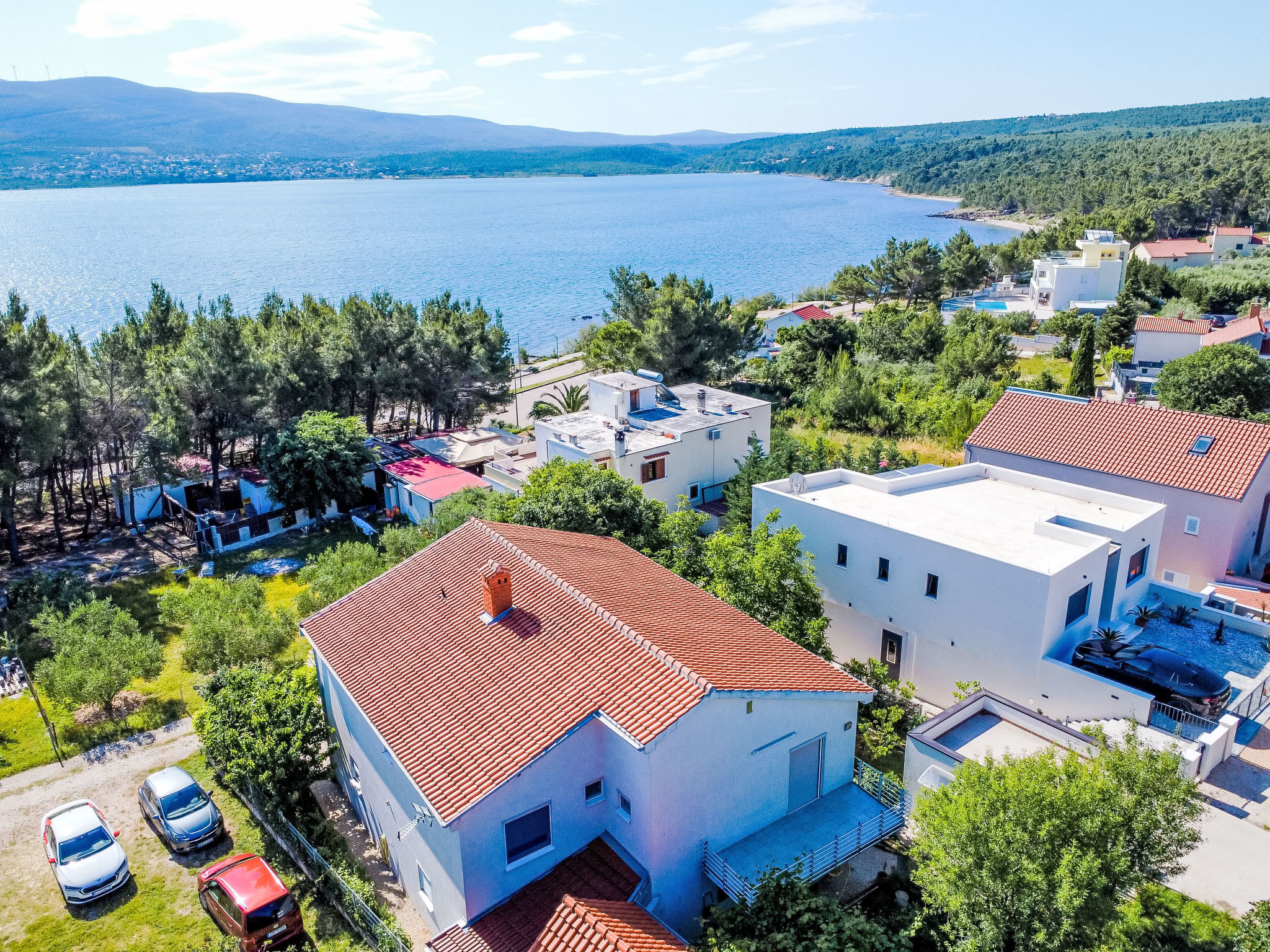
Biograd is a resort town south of Zadar with more tourism infrastructure than islands, a marina and developed waterfront. It functions as a beach base rather than a cultural destination. North of Zadar, towns like Petrcane and Bibinje are quieter beach settlements with family appeal. These work as bases if you want beach access and don't care about medieval charm or authentic atmosphere. The beaches are consistently pebbled and safe.
Honest note: These coastal towns are functional rather than appealing. They're resort developments rather than villages with history. They're suitable for families wanting reliable beach and facilities, but lack the authenticity of inland or island settlements.