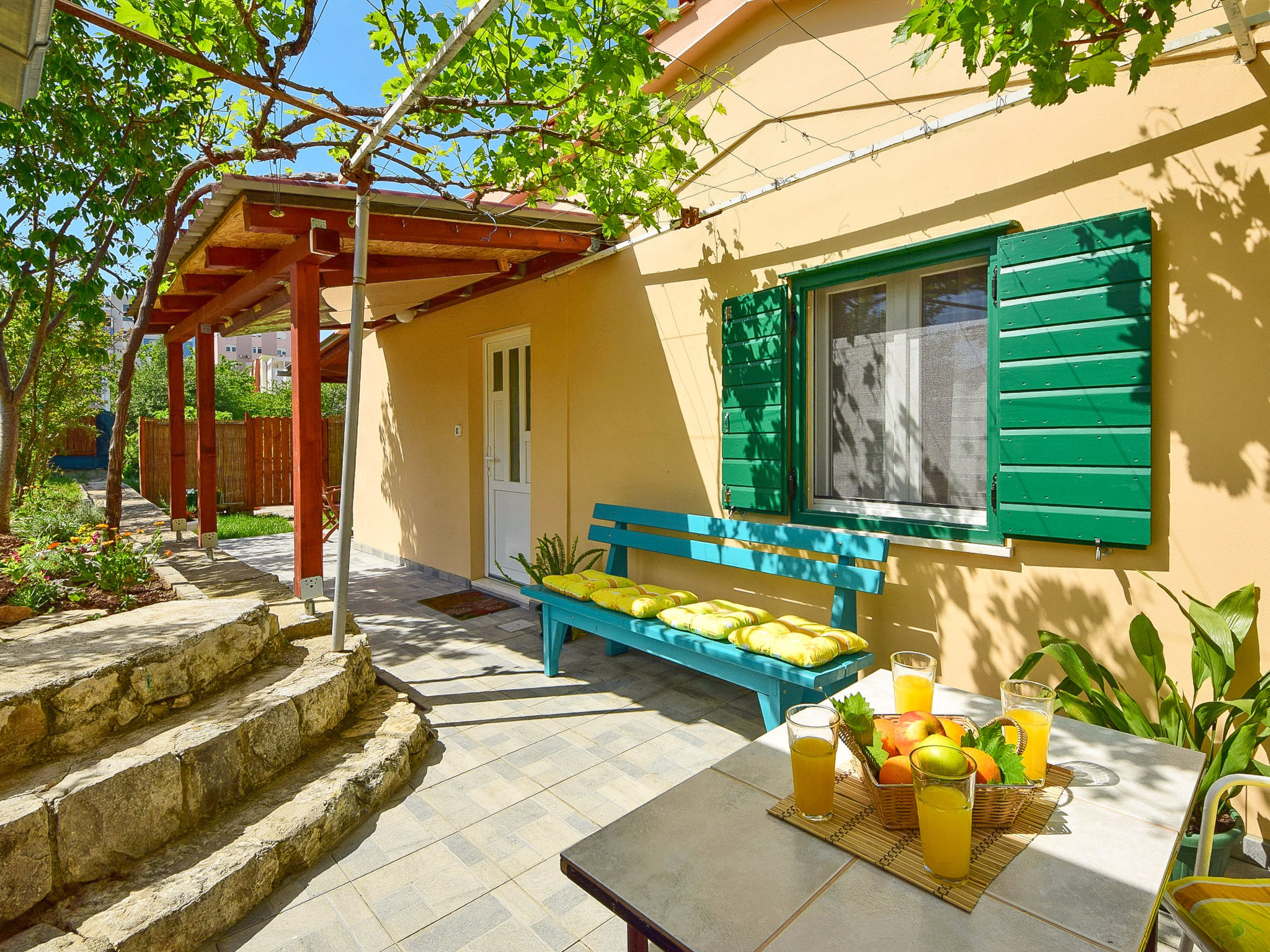
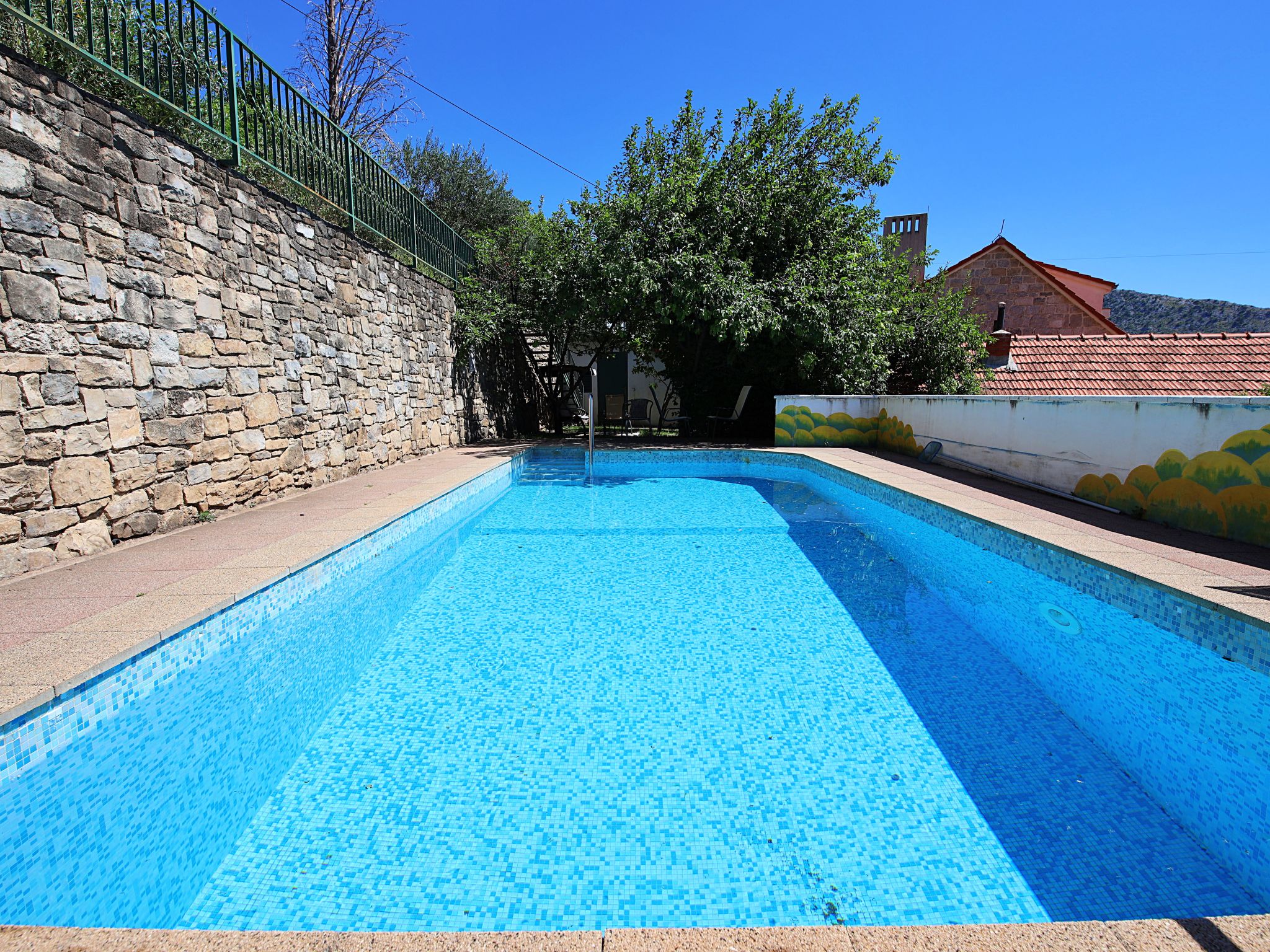
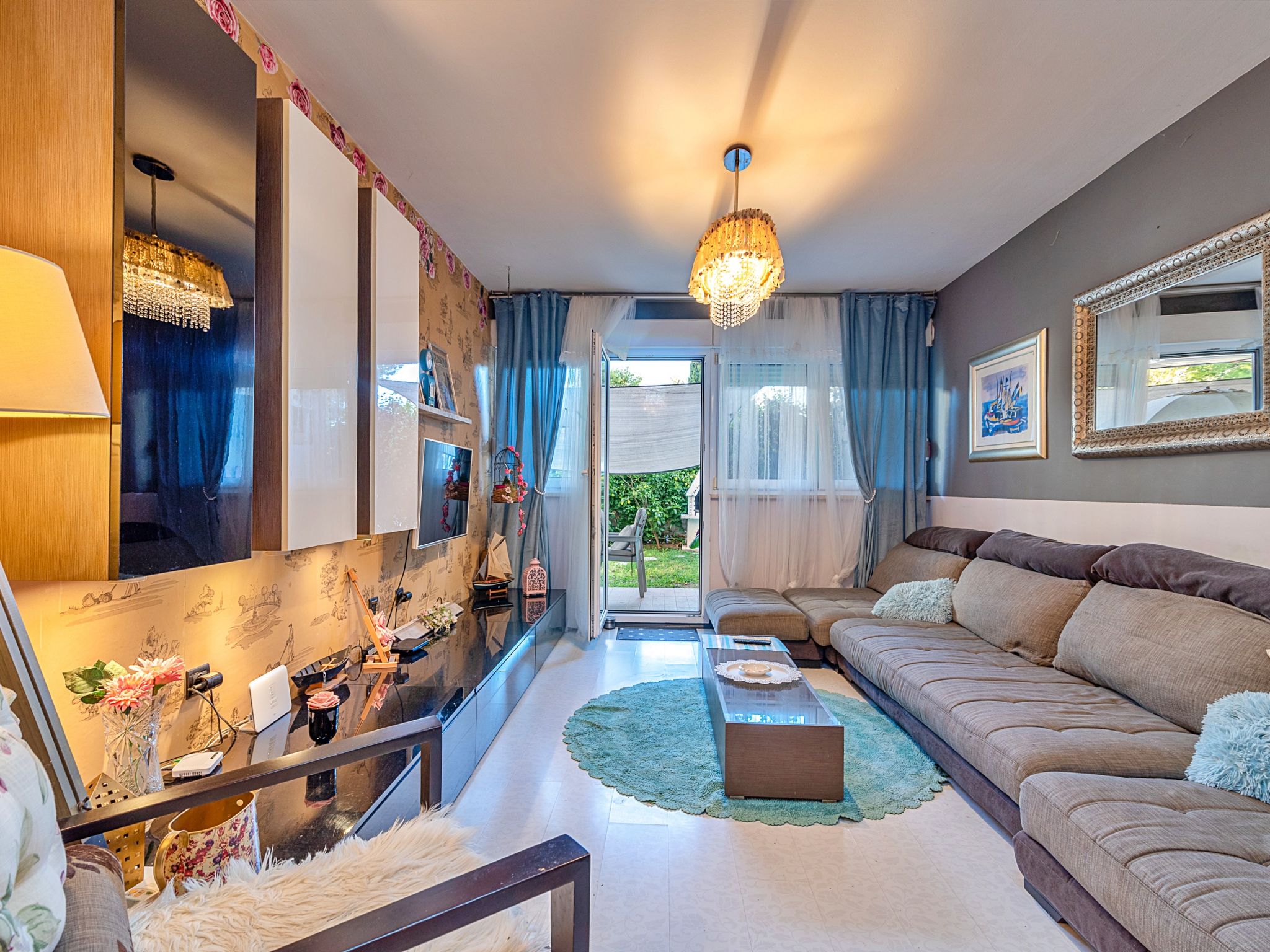
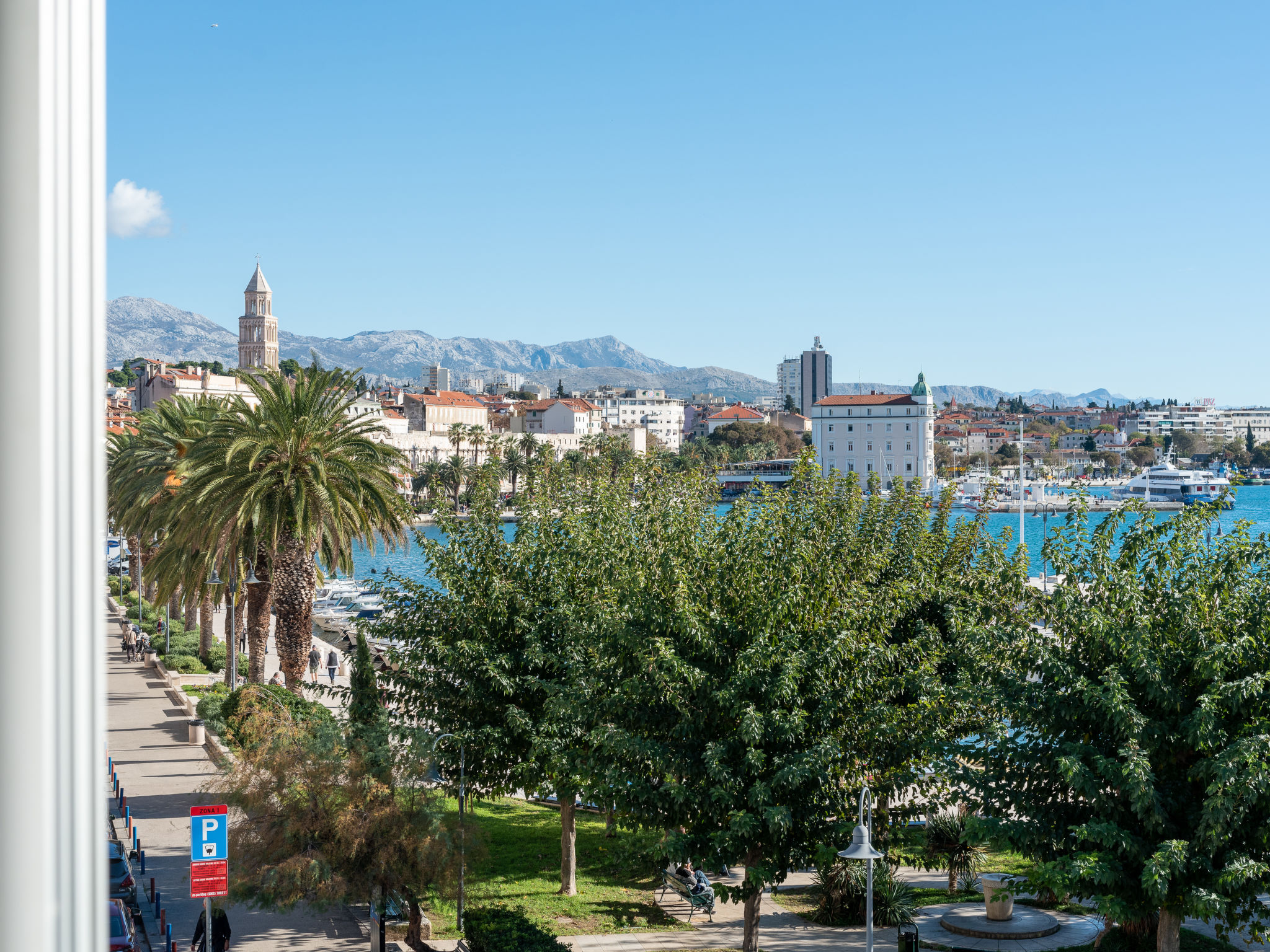
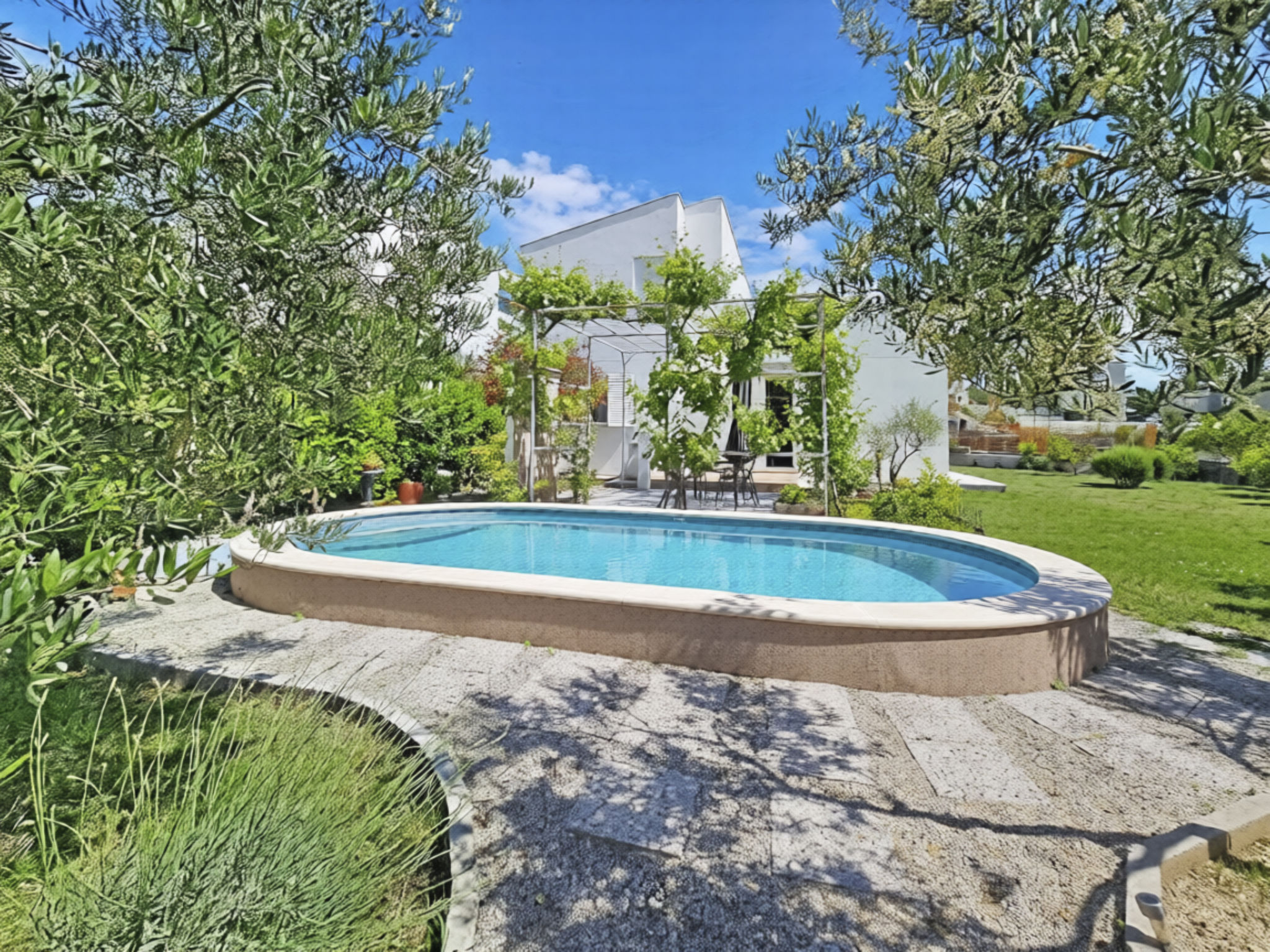
Split is where the Adriatic coast stops being old-world and gets real. It's a city – 180,000 people, real traffic, working industries, Croatian students, and the Roman Palace of Diocletian as its actual city centre. The old town (the palace itself) sits alongside modern apartment blocks and busy harbours. You won't find artificial charm here, which is exactly why people who've tried five picture-postcard towns end up basing themselves in Split. The energy is different. The restaurants are better. The scale is human without being miniature.
Why Stay in Split
- Authentic urban Adriatic. This is a real city where people live and work, not a museum of tourism. Markets bustle with locals, restaurants serve lunch to construction workers, ferries run to islands with working communities. The palace is astonishing, but Split doesn't live for it.
- Island access. Hvar (1 hour by ferry) is famous but touristy. Brač (30 mins) is quieter. Vis (1.5 hours) is genuinely remote and good for anyone craving actual isolation. Ferry tickets are €15-30 depending on the island. Multi-island hopping is straightforward.
- Food culture that actually matters. Fresh seafood markets open early, restaurants source locally, and there are proper neighbourhood spots alongside tourist-focused places. A meal in Split is cheaper and better than any Dubrovnik equivalent.
- Galleries, museums, theatre, and cultural stuff. Split has a musical season (opera, concerts), working galleries, film festivals. If you want something beyond beaches, it exists here in quantity.
- The honest caveat: it's hot in summer, with no shade in the old town. Parking is chaotic. Public transport is crowded. Pickpocketing exists in tourist areas. It's a real city, which means real city problems. Expect crowds and navigate accordingly.
Things to Do in Split
Diocletian's Palace is extraordinary – a Roman emperor's retirement home turned into a functioning city. Walk through the basement (the Substructure), which is partially preserved and genuinely evocative. The Cathedral and Peristyle are in the heart of the palace. There's no gate, no entrance fee – you walk through it as part of living in the old town. Spend hours wandering, not rushing.
The harbour waterfront (Riva) is where locals promenade in the evening. Sit with a coffee or beer, watch ferries and yachts, observe Dalmatian urban life. It's unpretentious in a way that Dubrovnik's waterfront isn't. The water is clean enough to swim in; locals do at small rocky entry points.
Island ferries run hourly to Hvar, Brač, and Vis. Hvar is busier and more developed (good for restaurants and nightlife). Brač is quieter with better beaches (Bol's Zlatni Rat is genuinely beautiful and less crowded than you'd expect). Vis is remote, genuinely uncrowded, with a strong fishing culture and good seafood restaurants. Spend a full day or overnight if you want to avoid the day-tripper feel.
Bacvice Beach is the working beach for locals – small, pebbly, busy with swimmers and volleyball players. It's not tourist-oriented. The beach bar (Zala) is where young Split socializes. Go if you want to observe rather than pose.
The markets (Green Market, Fish Market) operate in the mornings. Walk them with a bag, buy fresh produce and seafood, then cook in your villa or eat at the market-adjacent restaurants. This is how locals eat here. Prices are minimal. Quality is reliable.
Trogir (30 minutes by car or local bus) is a compact medieval town on an island connected by bridges. It's beautiful and much quieter than Split or Dubrovnik. The cathedral and old palaces are genuinely interesting. It's a good half-day trip if you want scenic Dalmatia without the overwhelming crowds.